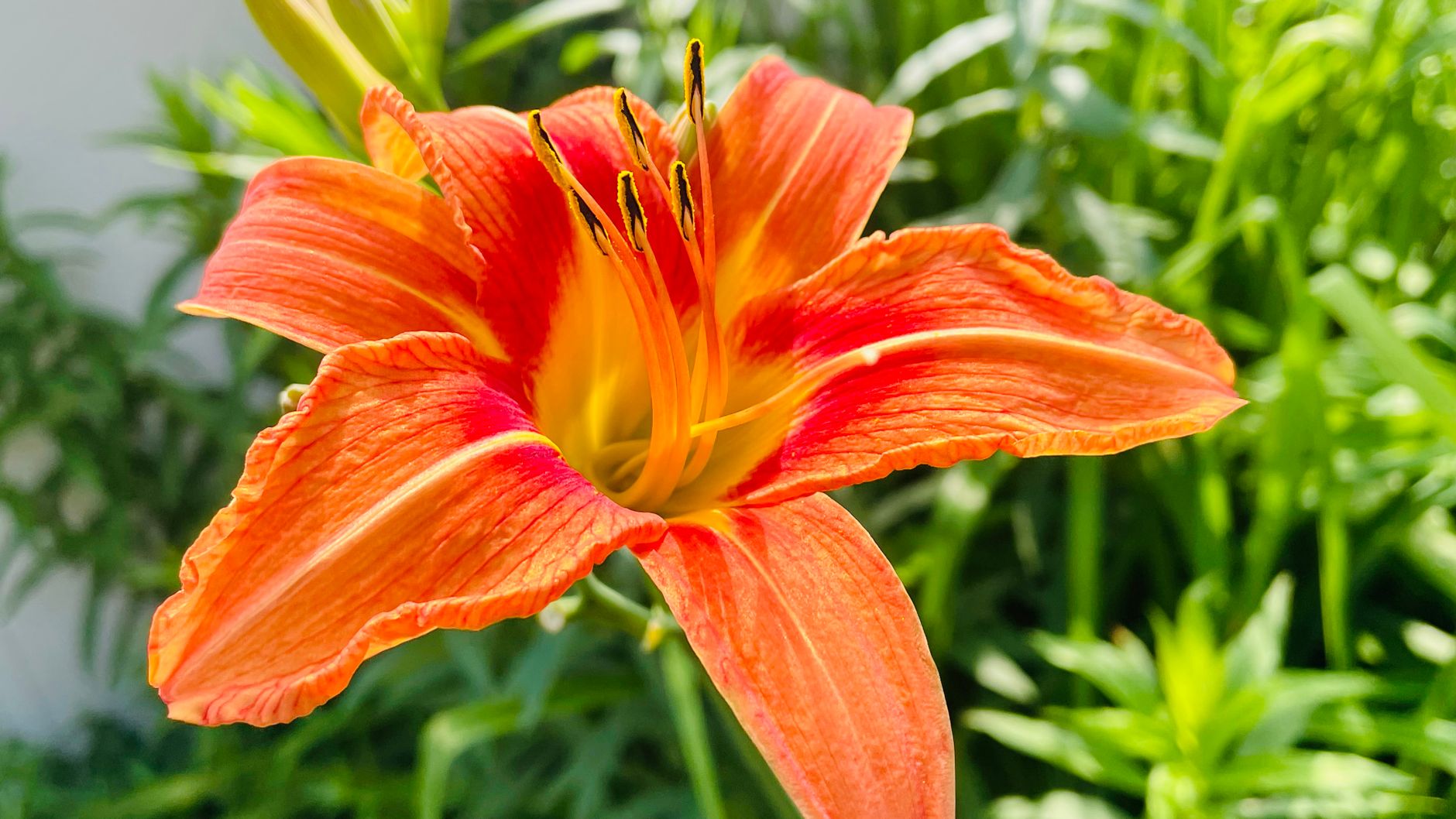
Introduction: Protecting Your Prized Summer Blooms from the UK Heat
There’s nothing quite like the sight of a magnificent dahlia, a towering lily, or a vibrant daylily in full, glorious bloom, is there? For me, here in my 800 sq ft Midlands garden, these showstoppers are truly the crown jewels of summer. I pour my heart and soul into growing them, from carefully selecting tubers and bulbs in late winter to nurturing them through spring. So, when those precious blooms finally unfurl, pristine and perfect, it’s a moment of pure joy that makes all the muddy knees and early mornings worthwhile.
But let's be honest, our glorious British summer weather, while often a delight, can also throw a real curveball. Those intense heatwaves we've been getting more frequently in recent years, sometimes coupled with unexpected humidity, can turn those picture-perfect petals into crispy, scorched disappointments faster than you can say "hosepipe ban." I've certainly learned this the hard way! My first year growing the magnificent 'Cafe au Lait' dahlias, a scorching week in July left half my blooms looking like they’d been toasted. It was heartbreaking, and honestly, a bit of a wake-up call.
That’s when I really started digging into how to protect these beauties. As a former IT worker who swapped screens for soil, I approach gardening with a bit of an experimental, problem-solving mindset. I'm obsessed with learning, testing, and finding out what really works here in our sometimes-unpredictable UK climate. Over the past five years, my little backyard has become a living laboratory, especially for keeping my prized lilies, dahlias, and daylilies looking their best, even when the mercury soars.
In this article, I want to share my hard-won lessons, the strategies I’ve personally tried and refined right here in my Midlands patch. We’re going to dive deep into strategic shading, targeted watering, and even some clever microclimate hacks. My goal is to equip you with the knowledge to keep your large summer blooms pristine, vibrant, and utterly show-stopping, no matter what the British summer decides to throw at us. Forget crispy petals and faded colours – let's grow some truly magnificent flowers together!
Spotting the Signs: Identifying Heat Stress in Lilies, Dahlias, and Daylilies
One of the biggest lessons I've learned in my five years of intensive UK gardening is that prevention is always better than cure. And to prevent heat stress, you first need to be able to spot its early signs. I used to think a bit of wilting was just part of a hot day, but I quickly realised that by the time a plant is truly drooping, it's already under significant strain. Now, I'm a hawk, constantly observing my plants, especially my lilies, dahlias, and daylilies, for even the subtlest hints of trouble.
Here in the Midlands, we often get those sudden shifts – a lovely, mild week, then BAM! – a heatwave hits. This rapid change can shock plants. What I've observed in my garden is that each of these magnificent bloomers shows heat stress in slightly different ways, but the underlying cause is the same: the plant is struggling to move enough water up to its leaves and flowers, or the sun's intensity is simply too much for its delicate tissues.
Let’s break down what to look for:
Lilies:
- Browning or Scorched Petal Edges: This is often the first visual sign on the blooms themselves. The delicate tips of the petals, particularly on lighter coloured varieties like my 'Casa Blanca' orientals, start to brown and crisp up.
- Leaf Scorch: The tips and edges of the leaves might turn yellow, then brown and dry. This usually starts on the upper, more exposed leaves.
- Stunted Growth and Bud Drop: You might notice new growth slowing down, and flower buds, especially on my 'Triumphator' lilies, can sometimes shrivel and drop off before they even get a chance to open.
- Overall Wilting (especially midday): While some midday droop can be normal on a hot day, if the leaves look permanently tired even after the sun has moved, or if the wilting is severe, it’s a clear sign of distress.
Dahlias:
- Crispy, Papery Leaves: This is a classic. The leaves, particularly the older, lower ones, become brittle and dry to the touch, often starting at the margins. My 'Kelvin Floodlight' dahlias, with their large leaves, are particularly susceptible.
- Smaller, Distorted Blooms: Instead of their usual glorious size, flowers might open smaller, or the petals might look somewhat disfigured or less vibrant.
- Bud Blast: Similar to lilies, dahlia buds can fail to develop or simply turn brown and fall off. I've had this happen with my 'Penhill Watermelon' during a particularly brutal August.
- Drooping and Limp Stems: The entire plant can look generally exhausted and lack turgor, even in the cooler parts of the day.
Daylilies (Hemerocallis):
- Rapid Flower Fading: Daylily blooms are, by nature, fleeting – lasting just a day. But in intense heat, they can open and then shrivel and fade within just a few hours, rather than holding their beauty for the full day.
- Burnt Leaf Tips: The very tips of the long, strap-like leaves can turn brown and crispy.
- General Lack of Vigour: The plant might look less lush, and while established daylilies are pretty tough, prolonged heat will make them look tired and less productive with fewer new buds forming.
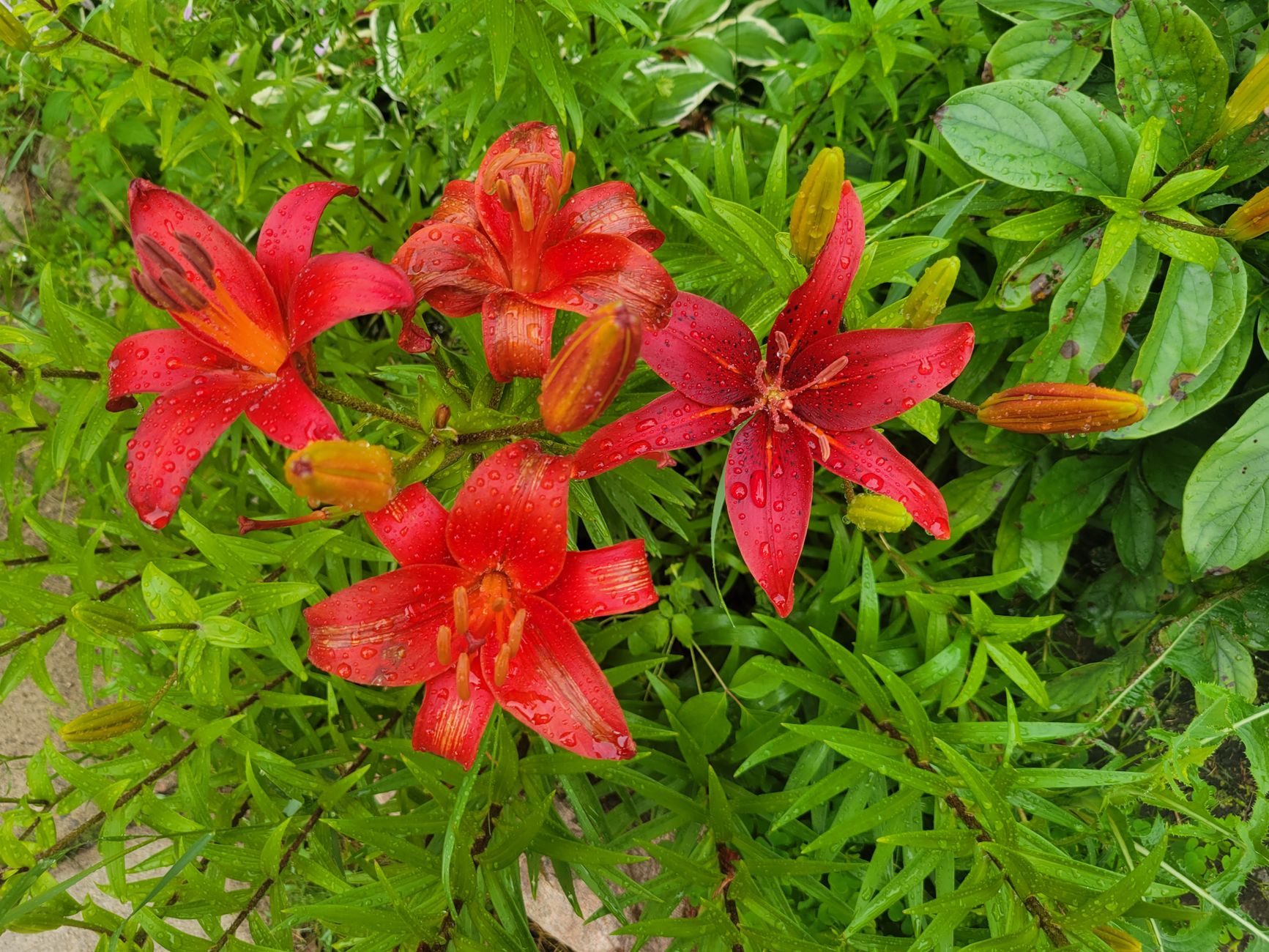
Understanding why these signs appear is key. When it's hot, plants transpire (lose water through their leaves) much faster. If the roots can't take up water quickly enough to replenish this loss, the plant's cells start to lose turgor, leading to wilting. Extreme sun can also directly scorch delicate leaf and petal tissue, causing those brown, crispy spots. Early detection means you can intervene before permanent damage occurs, and believe me, it’s a lesson I learned through a few too many disappointing blooms!
Strategic Shade Solutions: DIY & Ready-Made Options for Every Garden
Once you've identified the signs of heat stress, or better yet, you're ahead of the game and anticipating a heatwave, the next crucial step is providing some relief. Strategic shading has become my absolute secret weapon here in my 800 sq ft Midlands garden. I used to think shade was only for greenhouses, but I've realised it’s vital for protecting my prized outdoor blooms too.
When I first started, I made the classic mistake of thinking "more sun equals bigger flowers." Not always true in a heatwave! My 'Bishop of Llandaff' dahlias, usually sun-worshippers, suffered terribly with leaf scorch in their first hot summer. That's when I started experimenting, and let me tell you, a bit of well-placed shade can make all the difference between a pristine bloom and a crispy mess. It’s not just about the flowers either; shade helps reduce overall plant stress, allowing them to conserve energy and water, which is vital for long-term health and continuous blooming.
DIY Shade Solutions: Resourceful & Effective
Here in the UK, we often need adaptable solutions, especially for those unpredictable heat spikes. I've tried a few things in my garden:
- Shade Netting: This is my go-to for my dahlia beds and some of my more delicate lilies. I use a 40% shade netting – anything higher can reduce light too much, which isn't ideal for these sun-loving plants. I simply drape it over some bamboo canes or small stakes, creating a temporary canopy over my 'Cafe au Lait' and 'Penhill Watermelon' dahlias during the hottest part of the day. It's surprisingly effective, diffusing the intense midday sun without blocking it completely. I bought a roll a few years ago, and it’s been invaluable.
- Old Sheets or Tarps: For emergency, short-term relief, these are brilliant. If a sudden, intense heatwave is forecast, I'll sometimes throw an old white bedsheet over my smaller lily patches. The white colour reflects heat, and it provides immediate, albeit temporary, protection. It's not pretty, but it works in a pinch!
- Interplanting (Natural Shade): This is a more long-term strategy but incredibly effective. I've learned to position some of my more sun-sensitive daylilies, like my delicate pastel varieties, where they get some afternoon shade from taller plants. For instance, my established 'Black Knight' hollyhocks often provide a lovely dappled shade for nearby daylilies in the late afternoon. It's all about observing your garden's microclimates.
Ready-Made Options: Convenience & Style
For those looking for something a bit more permanent or aesthetically pleasing, there are some great options:
- Shade Sails: While often used for patios, a small shade sail can be rigged up to protect a specific bed. My neighbour has a small triangular one that she positions to give her prized 'Princess Diana' clematis some respite from the afternoon sun, and it works a treat.
- Garden Parasols/Umbrellas: For individual plants or container-grown specimens, a simple garden parasol can be a lifesaver. I often use a small patio umbrella over my 'Stargazer' lilies in pots when they're in full bloom, especially if they’re in a particularly exposed spot. It’s flexible and easy to move around.
- Mini Pop-up Greenhouses with Shade Covers: Some of these small, walk-in tunnels come with interchangeable covers, including shade netting. While I primarily use my greenhouse for my beloved heirloom tomatoes, a smaller version with a shade cover could be perfect for a dedicated dahlia bed.
The key with all these solutions is to apply shade during the hottest part of the day, typically between 11 am and 4 pm here in the UK. You don't want to shade your plants all day, as they still need plenty of light to thrive. It’s about strategic intervention, not constant cover. I usually check the weather forecast daily and deploy my netting or parasols when temperatures are predicted to climb above 25°C, especially if it's accompanied by strong sun.
Shade Solutions Comparison Table
Here's a quick rundown of some options I've tried or observed in UK gardens:
| Option | Pros (UK context) | Cons (UK context) | Best For (UK garden type/plant) |
|---|---|---|---|
| Shade Netting | Excellent diffusion, lightweight, cost-effective, reusable. Adapts well to UK's changeable weather. | Can look untidy if not well-supported. Needs poles/canes. Not fully rainproof. | Large dahlia beds, lily patches, general vegetable rows during heatwaves. |
| Interplanting | Natural, aesthetically pleasing, long-term solution. Improves garden biodiversity. | Requires careful planning. Not suitable for immediate relief. Limited flexibility. | Permanent borders, cottage gardens, providing dappled shade for sensitive plants. |
| Temporary Covers | Immediate, emergency relief. Uses readily available household items. | Can look very untidy. May trap heat if not breathable. Labour-intensive to deploy. | Sudden, unexpected heat spikes for small, high-value plants or containers. |
| Shade Sails | Stylish, provides good overhead cover. Can be semi-permanent for specific zones. | Requires sturdy anchor points (fences, posts). More expensive. Less flexible for moving. | Patio planting, specific sunny borders, protecting seating areas with plants. |
| Garden Parasols | Highly flexible, easy to move for targeted protection. Good for container plants. | Limited coverage area. Can be blown over in high winds. Needs to be manually adjusted. | Potted lilies/dahlias, small clusters of plants, temporary spot protection. |
Mastering Hydration: Targeted Watering for Deep Root Health in High Temperatures
If shading is the defensive line against heat, then targeted watering is the engine room, keeping everything running smoothly. When I first started gardening, I was probably guilty of two major watering sins: inconsistent watering and shallow watering. I thought a quick sprinkle every day was enough, especially during a heatwave. Oh, how wrong I was! My dahlias in particular suffered, producing fewer, smaller blooms, and looking generally stressed. That's when I really started to understand the why behind deep, targeted watering, and it changed everything for my plants here in my Midlands garden.
The aim isn't just to make the soil wet; it's to encourage deep root growth. When you water shallowly, the roots stay near the surface, making them incredibly vulnerable to drying out during hot spells. Deep roots, however, can tap into cooler, more consistent moisture reserves further down in the soil, making the plant much more resilient to heat stress. It also means the plants are less prone to fungal issues on their foliage, as the leaves aren't constantly wet.
The Deep Watering Technique: My Approach
- How Often: During a typical British summer, I aim for 2-3 deep waterings a week for my dahlias and lilies, rather than daily sprinkles. If we hit a proper heatwave (28°C+ for several days), I might increase this to every other day for my thirstiest plants. Daylilies, once established, are a bit more forgiving, often needing watering only once a week in normal conditions, but will greatly benefit from increased frequency during intense heat.
- How Much: This is crucial. For a mature dahlia or lily, I give a good, slow soak until the water starts to pool slightly on the surface, or until I estimate about 5-8 litres per plant has been absorbed. You want the water to penetrate at least 15-20cm deep. To check, sometimes I'll stick a trowel into the soil a couple of hours after watering to see how far the moisture has gone.
- When to Water: Early morning is my preferred time here in the Midlands. The soil is cooler, meaning less water is lost to evaporation, and the plants have all day to absorb the moisture before the heat of the afternoon. Watering in the late evening is also an option, but in our often-humid UK summers, it can leave foliage wet overnight, potentially encouraging fungal diseases like powdery mildew, especially on dahlias. I try to avoid midday watering completely, as most of it just evaporates.
Specifics for Lilies, Dahlias, and Daylilies
- Lilies: These prefer consistently moist soil, but absolutely hate being waterlogged – good drainage is paramount. Focus watering at the base of the plant, avoiding splashing the foliage if possible, especially with oriental lilies prone to botrytis.
- Dahlias: These are incredibly thirsty plants, especially once they start producing those magnificent blooms. They are heavy feeders and heavy drinkers. Consistent deep watering is non-negotiable for abundant, healthy flowers. I find my 'Karma Corona' dahlias are particularly demanding.
- Daylilies: While known for being relatively drought-tolerant once established, they will perform significantly better with regular, deep watering during dry, hot spells. Their blooms will be more prolific and last longer.
Tools and Techniques for Efficient Hydration
- Soaker Hoses: These are brilliant for my main dahlia beds. I've laid a soaker hose along the rows, connecting it to my outdoor tap. It delivers water slowly and directly to the soil, minimising waste and ensuring deep penetration. It’s a real time-saver.
- Watering Can with a Rose: For individual plants or smaller areas, a watering can with a rose attachment allows for a gentle, controlled flow that won't compact the soil or wash away mulch.
- Mulching: This is my absolute go-to for retaining soil moisture and keeping soil temperatures stable. I apply a good 5-7cm layer of homemade compost or well-rotted bark chips around all my lilies, dahlias, and daylilies in spring. It suppresses weeds, enriches the soil, and dramatically reduces evaporation – meaning I water less frequently. My 'Blackberry Truffle' dahlias absolutely love it.
- Rain Barrels: Collecting rainwater is not only eco-friendly but also provides water that's free of chlorine, which is better for your plants. I have two large rain barrels connected to my shed gutters, and they're a lifesaver during dry spells.
Common UK Watering Mistakes (and ones I've made!)
- Shallow Watering: As I mentioned, this was a big one for me early on. It leads to weak, surface-level roots and plants that quickly stress in heat. Always aim for deep saturation.
- Watering Leaves in Full Sun: Splashing cold water onto hot leaves in direct sunlight can cause leaf scorch (like tiny magnifying glasses burning the leaf) and encourages fungal diseases. Always water the soil, not the foliage.
- Ignoring Soil Type: My heavy Midlands clay holds water differently than sandy soil. Clay needs slower, less frequent watering, while sandy soils drain quickly and need more frequent, but still deep, watering. Knowing your soil is vital!
Mastering hydration is all about observation and consistency. Get to know your plants, feel the soil, and adjust your watering regime based on the weather and their needs. It’s a learning curve, but one that pays off with truly magnificent, pristine blooms.
Microclimate Magic: Soil Health, Mulching, and Airflow Hacks to Beat the Heat
Right, so we've covered shade and water, which are undeniably crucial. But what about the ground beneath our precious blooms, and the air around them? This is where microclimate magic comes in – tweaking the immediate environment to create a little oasis, even when the rest of the UK is sweltering. It’s all about soil health, a good layer of mulch, and ensuring decent airflow.
The Foundation: Healthy Soil for Heat Resilience
You hear me bang on about soil health a lot, and for good reason! It’s the unsung hero of a resilient garden. In my 800 sq ft Midlands plot, I've spent years enriching my raised beds with homemade compost and well-rotted manure. Why? Because healthy soil, rich in organic matter, is like a sponge. It retains moisture far better than compacted, lifeless soil, meaning those deep, targeted waterings we discussed earlier actually stick around where the roots need them. Last summer, during that unexpected heatwave we had in July, my dahlias in the beds with consistently good soil showed far less stress than the few I'd popped into a less-amended corner of the garden. It was a stark reminder that you can't skimp on the basics.
The Blanket: Mulching for Moisture and Cool Roots
This is probably one of the simplest yet most effective microclimate hacks I employ, especially for my heat-sensitive beauties. Mulching is essentially putting a protective blanket over your soil. It does two brilliant things: it dramatically reduces evaporation from the soil surface, meaning your plants stay hydrated for longer, and it keeps the soil temperature much more stable, preventing roots from getting scorched.
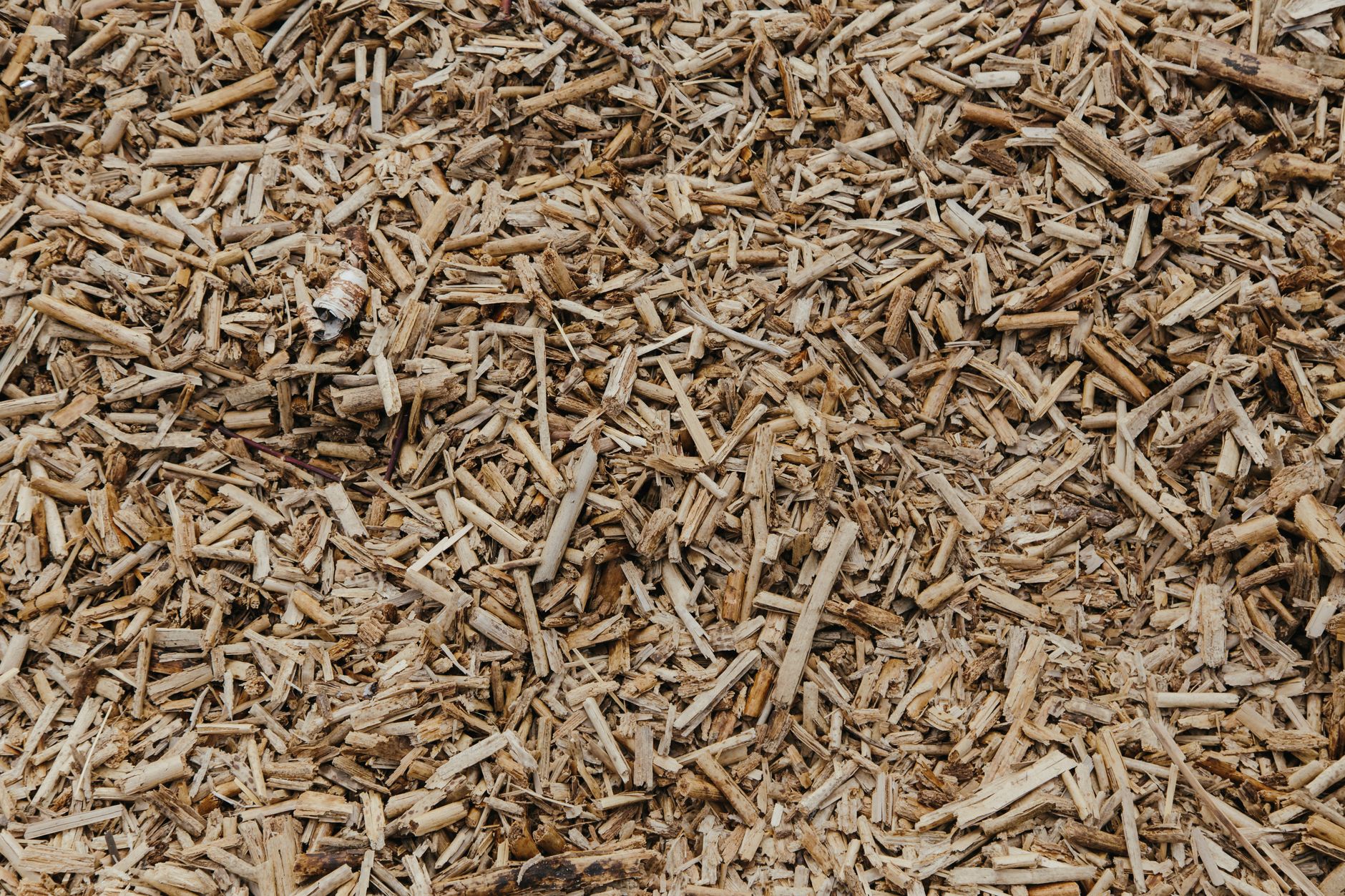
I've experimented with various mulches over the years here in my UK garden. For my perennial beds where my lilies and showy daylilies reside, I swear by a good 2-3 inch layer of wood chip or bark chippings. I usually apply it in late spring, after the soil has warmed up but before the intense heat sets in. Last year, I made the mistake of waiting too long, and by the time I mulched, the soil was already baking. It still helped, but I could tell the plants had already taken a bit of a hit. For my dahlias, which I often grow in specific cutting beds, I sometimes use a straw mulch. It breaks down quicker, enriching the soil, and it's easy to move when I'm lifting tubers in autumn. Just remember to keep the mulch a few inches away from the plant stems to prevent rot.
The Breeze: Airflow for Cooler, Healthier Plants
Good airflow might seem counterintuitive when you're trying to keep things cool, but trust me, it’s vital, especially in our often-humid British summers. Stagnant, hot air around plants is a recipe for disaster – it exacerbates heat stress and creates the perfect breeding ground for fungal diseases like powdery mildew, which can quickly devastate a heat-stressed plant.
In my packed raised beds, I'm always mindful of spacing. When I plant my dahlias, for instance, I give them a good 60-75cm (2-2.5 ft) clearance, even though it sometimes feels like I could squeeze one more in. For my lilies, I make sure they're not completely overshadowed by neighbouring plants, ensuring air can circulate freely around their stems. Pruning can also play a role; removing lower leaves or non-essential growth on bushier plants like dahlias can open up the canopy. I learned this the hard way one particularly muggy August when a patch of dahlias, planted a tad too close together, developed a nasty case of mildew right after a heatwave. Now, I’m much more proactive about giving them room to breathe.
Tailored Care: Specific Heat Resilience Tips for Lilies, Dahlias, and Showy Daylilies
While the general principles of shade, water, and microclimate hacks apply across the board, each of our star blooms has its own little quirks and preferences when it comes to battling the heat. After five years of growing these beauties in my UK garden, I’ve definitely noticed what works best for each.
Here’s a quick rundown of specific tactics I employ for lilies, dahlias, and showy daylilies:
| Feature | Lilies (e.g., 'Stargazer', Oriental Hybrids) | Dahlias (e.g., 'Café au Lait', 'Karma Fuchsiana') | Showy Daylilies (e.g., 'Stella de Oro', 'Hyperion') |
|---|---|---|---|
| Ideal Location | "Feet in the shade, head in the sun." Partial afternoon shade is key. | Full sun generally preferred, but afternoon shade crucial in heatwaves. | Full sun to light shade; very tolerant but appreciate afternoon shade in extreme heat. |
| Watering | Deep, consistent watering, especially when budding/flowering. Avoid overhead watering. | Deep, regular watering (2-3 times a week in heat). Needs more than lilies. | Very drought-tolerant once established, but deep watering boosts bloom quality in heat. |
| Mulching | Essential! Keeps roots cool and moist. Wood chips or bark are excellent. | Highly beneficial to retain moisture and regulate soil temperature. | Helps conserve moisture and reduce competition from weeds. |
| Soil Type | Well-draining, rich in organic matter. Slightly acidic to neutral. | Rich, well-draining, slightly acidic. Heavy feeders. | Adaptable, but prefer well-draining, fertile soil. |
| Airflow | Good spacing to prevent fungal issues. | Crucial for preventing mildew, especially in humid UK conditions. Pinch for bushiness. | Generally robust, but good air circulation is always beneficial. |
| Pruning/Care | Deadhead spent flowers, but leave foliage to photosynthesize. Support tall stems. | Deadhead religiously for continuous blooms. Pinching encourages bushier plants. | Deadhead spent scapes for tidiness; division every few years for vigour. |
| Randy's Tip | I always plant low-growing perennials or annuals around their base to provide natural root shade. | A good stake is essential before they get too tall and top-heavy. Don't wait! | Don't underestimate their thirst during flowering in a heatwave, despite their tough reputation. |
My Personal Learnings for Each:
- Lilies: I’ve found that planting my lilies with companion plants like low-growing hostas or hardy geraniums around their base really helps. They provide that natural "feet in the shade" effect, keeping the soil cool without competing too much. For my taller varieties, a sturdy bamboo cane tied in loosely with garden twine is a must – they can get surprisingly top-heavy after a downpour following a heatwave.
- Dahlias: These are my true passion, and they demand attention in the heat. My 'Bishop of Llandaff' dahlias, with their dark foliage, seem to cope a little better, but my lighter-leafed varieties like 'Karma Choc' really suffer without that afternoon shade. I’ve learned that consistent deep watering is non-negotiable, and I’m always checking their leaves for signs of stress. Deadheading is also crucial; a stressed plant will try to set seed, diverting energy from blooming, so keep those spent flowers snipped!
- Showy Daylilies: Honestly, these are probably the toughest of the bunch in terms of heat resilience. My 'Stella de Oro' daylilies almost laugh at a bit of a dry spell. However, to keep them looking their absolute best and producing those magnificent blooms, they do appreciate a good, deep drink during prolonged hot periods. If they look a bit sad and floppy, a good soak usually revives them within hours. I also make sure to clear away any old, yellowing foliage to keep the base tidy and improve air circulation.
Beyond the Heatwave: Post-Stress Recovery and Proactive Planning for Next Summer
So, the heatwave has passed, and our gardens (and us!) can finally breathe a sigh of relief. But the work isn't quite over. How your plants recover from stress, and how you prepare for the next time, is just as important as the immediate actions you took.
Nurturing Recovery: Helping Your Plants Bounce Back
Once the temperatures dip back to normal here in the UK, resist the urge to immediately drench your plants or blast them with fertiliser. Recovery is a gentle process. I usually focus on:
- Continued Consistent Watering: Don't stop deep watering just because it's cooler. Plants need to rehydrate and repair damage. Just ease back on the frequency if the soil is staying moist.
- Monitor for Pests and Diseases: Heat-stressed plants are vulnerable. I've found that after a particularly hot spell, spider mites can suddenly explode on dahlias, and fungal issues can creep in if the air is still humid but cooler. A quick daily check can catch problems early.
- Gentle Feeding (If Necessary): If your plants look truly exhausted, a very dilute liquid feed, perhaps a seaweed extract, can provide a gentle boost. Avoid strong fertilisers, as these can further stress a weakened root system. I usually wait a week or two after the heat has broken before considering any feed.
- Pruning Damaged Foliage: Don't be afraid to carefully snip off any truly scorched or yellowed leaves. This helps the plant redirect energy to healthy growth, though try not to remove too much at once.
Learning from Experience: Proactive Planning for Next Summer
Every season in my UK garden is a learning curve, and heatwaves are no exception. After each one, I make sure to reflect on what worked and, crucially, what didn't. This is where my IT background comes in handy – I treat my garden like a project, constantly optimising!
- Garden Journaling: I keep a detailed journal. I note down the dates of heatwaves, which plants suffered most, what interventions I tried, and their effectiveness. "Did that DIY shade cloth rig actually work for the 'Black Jack' dahlias?" "Were the 'Pink Perfection' lilies still thirsty even with mulch?" This information is gold for future planning.
- Assessing Vulnerable Spots: I identify specific areas in my 800 sq ft plot that become heat traps. Perhaps that south-facing raised bed needs more permanent shade next year, or a different planting strategy.
- Cultivar Choices: I'm always on the lookout for more heat-tolerant varieties of lilies, dahlias, and daylilies that still thrive in our British climate. Some cultivars are just naturally tougher than others.
- Infrastructure Improvements: Maybe it's investing in better quality shade cloth, improving my irrigation system, or adding more permanent mulching to particular beds. Every little improvement helps build a more resilient garden.
Protecting your large summer blooms from intense heat here in the UK might seem like a daunting task, especially with our increasingly unpredictable weather. But as I’ve learned over my five years of intensive gardening in the Midlands, it's entirely achievable with a bit of foresight and strategic action. By understanding the signs of stress, implementing strategic shading, mastering targeted watering, and optimising your garden's microclimates with healthy soil, mulching, and good airflow, you can keep those majestic lilies, vibrant dahlias, and showy daylilies looking pristine.
It's about being prepared, observing your plants, and responding thoughtfully. Don't be disheartened if some leaves scorch or a few blooms wilt – it's all part of the unpredictable joy of gardening in Britain. Learn from each experience, adapt your approach, and you'll be enjoying a spectacular display of blooms, come rain or shine. Happy gardening, everyone!