Introduction: The Challenge of Underplanting Established Trees
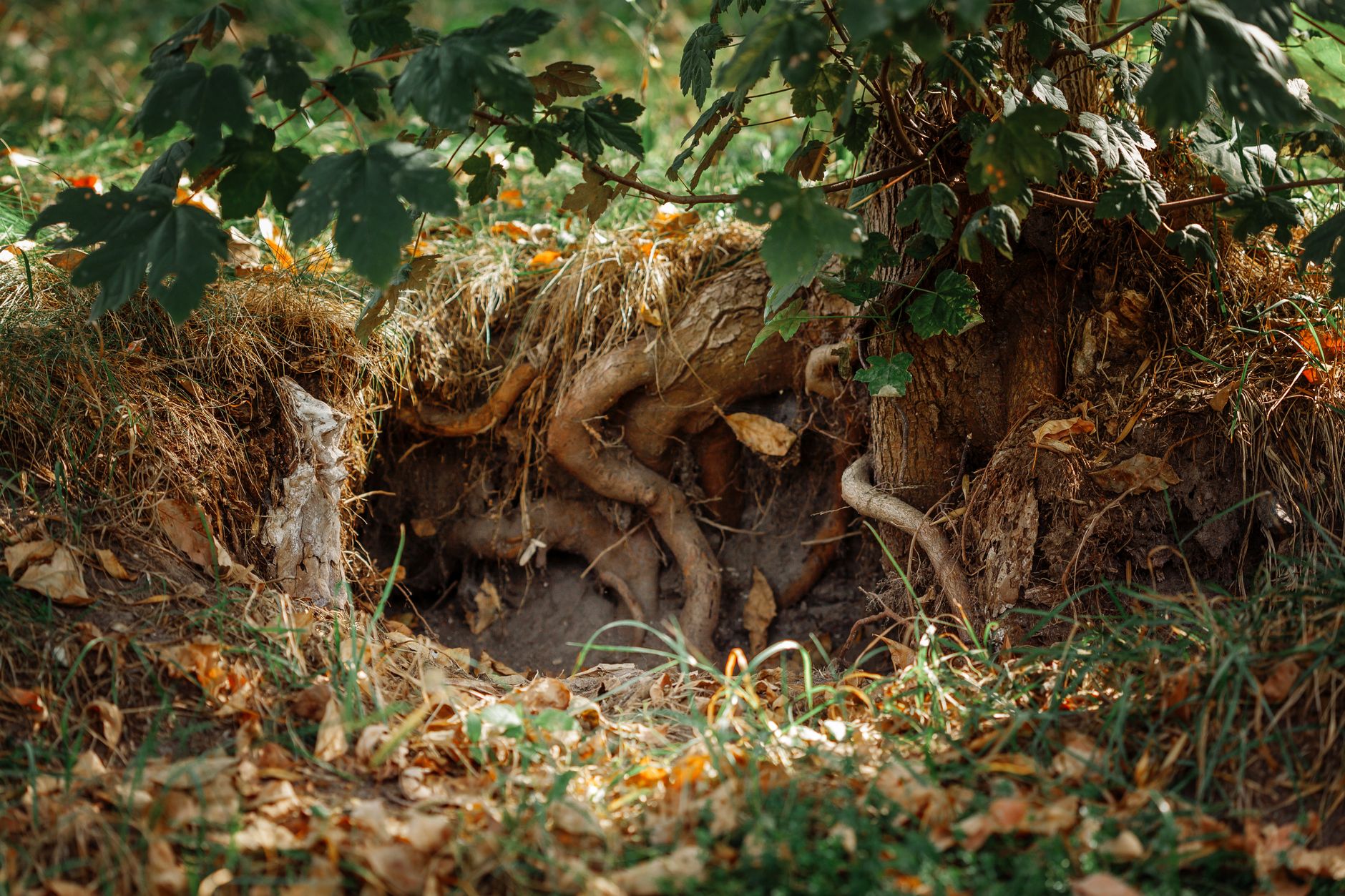
You know that feeling, don't you? You're stood in your UK garden, admiring a magnificent, mature tree – perhaps an old apple tree that’s seen countless seasons, or a stately oak providing welcome shade on one of our rare scorching British summer days. It's a beautiful focal point, but underneath, it's often a bit… bare. Just a patch of dry soil, maybe some moss, or grass that stubbornly refuses to thrive.
For years, in my 800 sq ft Midlands garden, I looked at these spots and saw untapped potential. "Surely," I thought, "I can bring some life to that area!" I pictured lush underplantings, a tapestry of herbaceous perennials, maybe even some small shrubs to add year-round interest. But if you've ever tried to plant anything substantial near an established tree, you'll know it's not as simple as digging a hole and dropping a plant in. Oh no, not by a long shot!
My early attempts were, shall we say, educational. I'd optimistically pop in a lovely new Hosta or a vibrant Heuchera, water it diligently, and watch it slowly, sadly, dwindle. The leaves would yellow, growth would stall, and eventually, it would just give up the ghost. I blamed myself, the unpredictable British weather, everything but the true culprit lurking beneath the soil: the tree's relentless root system. It was frustrating, expensive, and a real dent in my gardening pride.
But as a former IT worker who found his true calling among the soil and seedlings, I'm nothing if not persistent and a bit obsessive. I love to experiment, learn, and then share what actually works here in the UK. After five years of intensive trial and error in my own backyard – battling everything from late frosts to torrential summer downpours – I've finally cracked the code for successfully planting new perennials and shrubs near those demanding, established trees. It's all about understanding the competition and then strategically giving your new plants a fighting chance. And trust me, it's immensely satisfying when you get it right!
Why Planting Near Trees is Tricky: Decoding Root Competition & Resource Scarcity
So, why exactly is it such a battle to get anything to thrive under a mature tree? It boils down to a fierce, silent war for resources happening just beneath the surface, primarily driven by root competition and the resulting resource scarcity.
When I first started, I naively thought, "Well, the tree's roots are deep, right? I'm only planting a little way down." Oh, how wrong I was! The vast majority of a tree's nutrient and water-absorbing roots – the fine, fibrous feeder roots – are actually found in the top 12-18 inches (around 30-45 cm) of soil. And they can spread incredibly far, often two to three times the width of the tree's canopy. I've been digging in my garden, well beyond what I thought was the tree's drip line, only to hit a dense mat of these thirsty roots.
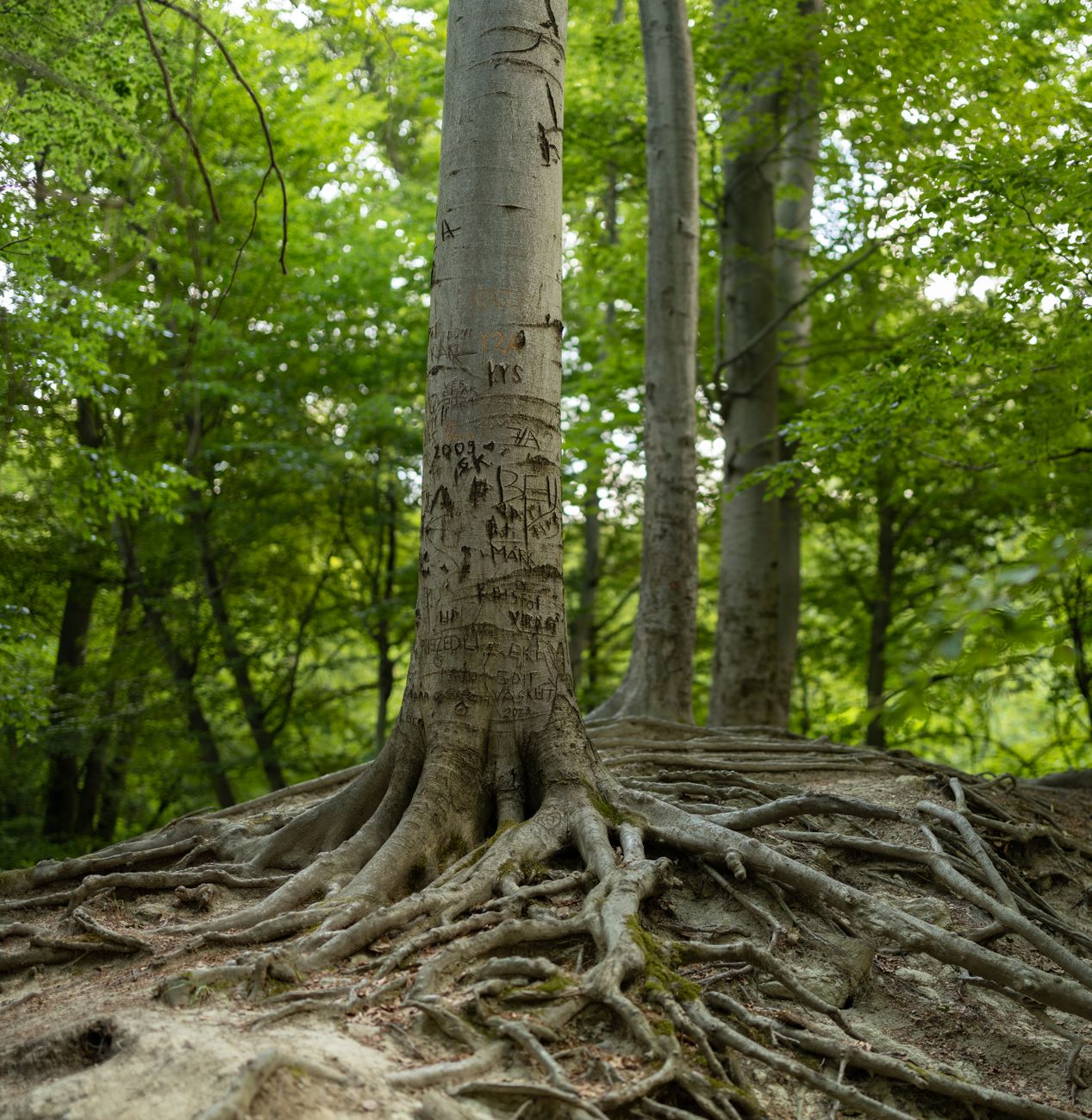
Imagine trying to drink from a small glass of water when a giant is already sucking it dry with a massive straw. That's essentially what happens to your poor new plant. Established trees, especially here in the UK where we can have long, dry spells followed by deluges, are incredibly efficient at hoovering up every drop of moisture and every last nutrient from the soil. They've been there for years, sometimes decades or even centuries, and they've developed an extensive, dominant network.
I learned this the hard way trying to establish some 'Rozanne' Geraniums under an old cherry tree. They're usually bulletproof, but under that tree, they just struggled. The soil was perpetually dry, and even with regular watering, they barely grew. The tree roots were simply outcompeting them for every available drop and every mineral. It wasn't just water; nutrients like nitrogen, phosphorus, and potassium, essential for healthy growth, were also being snatched up before my little geraniums had a chance. The tree's roots create a dense, impenetrable web that makes it difficult for delicate new roots to establish and explore. It's a tough environment for a newcomer!
Pre-Planting Checklist: Assessing Your Site and Soil for Success
Before you even think about buying a plant, you need to play detective. This is where my IT background comes in handy – meticulous planning and analysis pay off! I’ve learned that skipping this step is a recipe for disappointment, especially with our often-unpredictable British weather.
First up, assess the light. While this article focuses on root competition, light is still crucial. Stand in your chosen spot at different times of day – morning, noon, and evening. How many hours of direct sun does it get? Is it dappled shade, deep shade, or does it surprisingly get a few hours of afternoon sun? This will heavily influence your plant choices later. For example, my 'Black Krim' tomatoes thrive in the full sun of my greenhouse, but under a tree, I'd be looking at shade-loving plants like ferns or certain Heucheras.
Next, and perhaps most importantly, is the root exploration. This isn't about digging a massive trench; it's about gently probing. I use a garden fork for this. Start by carefully inserting the fork into the soil where you plan to plant, about 6-12 inches (15-30 cm) deep. Gently rock it back and forth. Are you hitting a dense mat of roots straight away? Are they fine and fibrous, or thick and woody? If you're constantly hitting thick, woody roots, you might need to reconsider the exact planting spot or prepare for a more intensive barrier system. You want to find pockets of soil that aren't entirely choked with tree roots. I remember trying to force a plant into a spot only to hit a root the size of my arm – that was a definite 'no-go' area!
Finally, evaluate your soil. Our UK soils vary wildly, even within the Midlands. Is it heavy clay, like much of what I contend with, or free-draining sandy loam? Is it bone dry, or does it hold some moisture? I always dig a test hole about 12 inches deep and wide. Feel the soil – is it crumbly or compacted? A simple drainage test involves filling the hole with water and timing how long it takes to drain. If it takes more than an hour or two, you might have drainage issues that need addressing. Good soil structure is vital, as it allows your new plant's roots to establish and breathe. If your soil is poor, compacted, or extremely dry, you'll need to amend it heavily with well-rotted compost or leaf mould to give your new plants a fighting chance.
Deploying Strategic Root Barriers: Protecting Your New Plants from Tree Domination
This, my friends, is where the real magic happens. After countless failures, I realised that a physical barrier was often the only way to truly protect my new plants from the relentless onslaught of tree roots. It's not about harming the tree; it's about creating a safe, contained space where your new plant can establish itself without immediate, overwhelming competition. Think of it as building a little nursery for your new arrivals.
The goal of a root barrier is twofold: to physically block tree roots from entering your planting hole and to redirect them downwards or around your new plant's root zone. I've experimented with a few different methods in my garden, and each has its pros and cons, depending on your budget, the size of your plant, and the aggressiveness of the tree roots.
Here's a breakdown of the barrier types I've used or considered:
| Barrier Type | Pros |
|---|
Precision Hydration & Feeding: Ensuring Your New Plants Thrive, Not Just the Tree
Right, so you’ve got your root barrier in place, your chosen spot prepared. Now comes the ongoing battle: making sure your new plants get the sustenance they need without simply watering and feeding the greedy tree next door. This is where precision becomes your best friend, especially here in the often-unpredictable British climate. I've learned this the hard way, trust me.
When I first started underplanting, I’d just water everything generally, thinking "more water equals better, right?" Wrong. My poor Hellebores, despite being tough cookies, looked a bit lacklustre. The tree was just hoovering it all up! I realised I had to get smart about it.
Targeted Watering: Delivering the Goods Directly
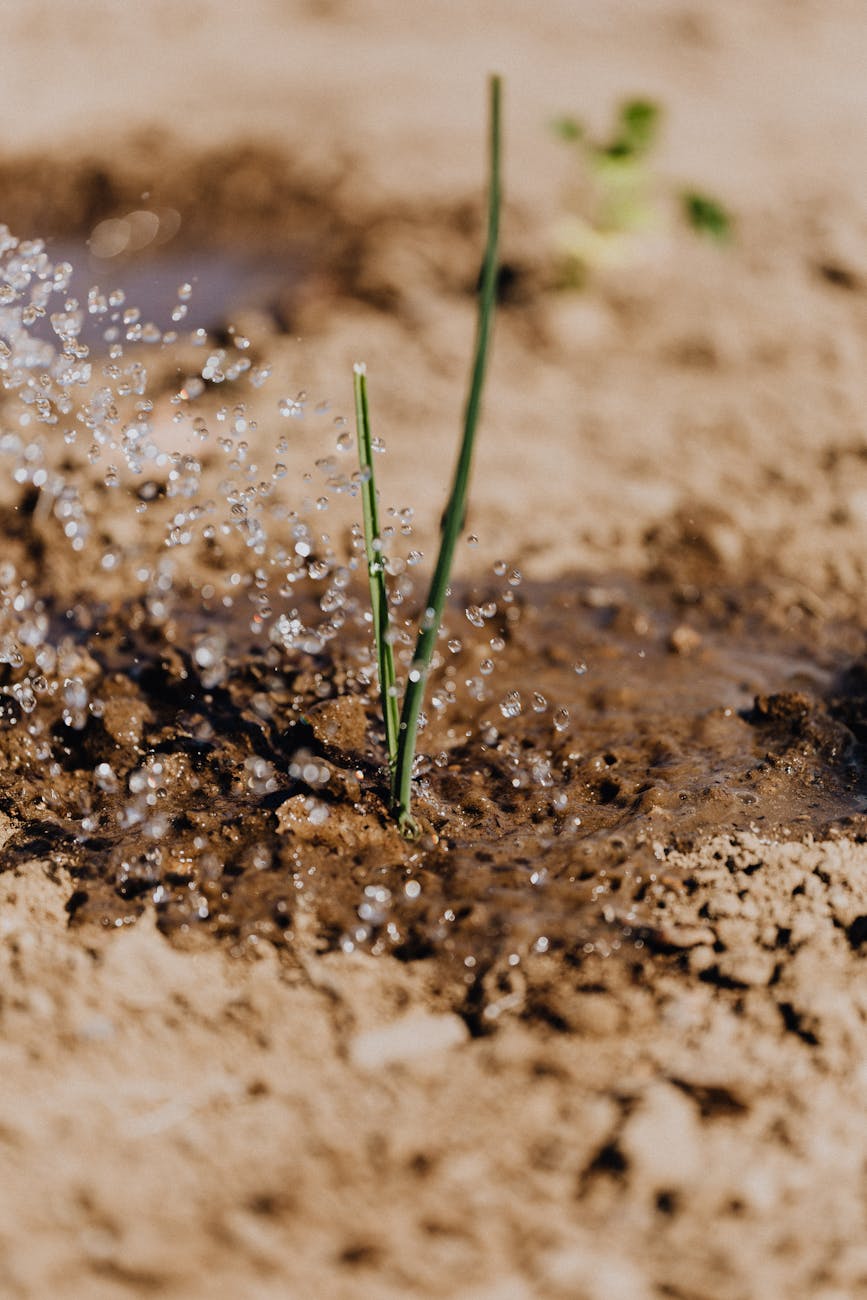
The key here is to get water directly to your new plant's root zone, inside that barrier you so carefully installed. This means avoiding overhead watering if you can, as that just encourages the tree's surface roots to spread further and intercepts the water before it reaches your intended target.
I've found a few methods work really well in my 800 sq ft Midlands garden:
- Soaker Hoses/Drip Irrigation: For larger areas or multiple plants, a soaker hose snaked around the base of your new plantings, underneath the mulch, is brilliant. It delivers water slowly and directly to the soil, minimising evaporation and runoff. I use a small drip system in a perennial bed near an old apple tree, and it's been absolutely game-changing for keeping my Epimediums happy during our drier summers.
- Watering Cans (Rose Removed): For individual plants, particularly when they're establishing, a watering can with the rose removed allows for a targeted pour right at the base. I usually give my newly planted Sarcococca a good 5-litre drench twice a week if we're in a dry spell, making sure it soaks down.
- Watering Spikes/Tubes: You can buy or even DIY these by cutting the bottom off a plastic bottle and burying it neck-down near the plant. Fill it up, and the water slowly seeps out, encouraging deeper root growth. I've used this for a young Mahonia I planted near a mature oak, and it really helped it get established.
Strategic Feeding: Fueling Growth, Not Tree Dominance
Just like watering, feeding needs to be targeted. You don't want to enrich the soil for the tree's benefit. New plants need a boost to establish, especially as they're competing for existing nutrients.
- Slow-Release Granular Feeds: My go-to for initial planting. I mix some into the planting hole as per instructions, and then top dress in spring. Something like Osmocote or a similar slow-release fertiliser for shrubs and perennials works a treat. The nutrients are released gradually, giving the new plant a steady supply over months.
- Liquid Feeds: Once established, a monthly diluted liquid feed during the growing season can be beneficial. I often brew up my own comfrey tea (a fantastic nutrient source from my compost heap) or use a general purpose seaweed extract. Again, pour it directly at the base of your new plant, not broadly over the area. This gives them a quick boost without broadcasting nutrients for the tree to grab.
- Compost & Mulch: Don't forget the power of good quality compost! A good layer of well-rotted garden compost or leaf mould annually will slowly release nutrients and improve soil structure, benefitting your new plants specifically within their protected zone.
Here’s a quick comparison of what I'm talking about:
| Feature | General Watering/Feeding (Ineffective) | Targeted Watering/Feeding (Effective for New Plants) | Randy's Notes (UK Context) |
|---|---|---|---|
| Water Delivery | Overhead sprinklers, broad watering. | Soaker hoses, drip irrigation, watering cans (rose removed), watering spikes. | Essential during our unpredictable dry spells. Overhead just encourages tree roots and evaporates too quickly. |
| Water Frequency | Infrequent, heavy watering (often too much at once). | More frequent, smaller volume for new plants. | New roots need consistent moisture. I check soil moisture every other day for the first few weeks, especially in spring/summer. |
| Nutrient Source | Broad application of granular fertiliser, digging in manures. | Slow-release granules in planting hole, liquid feed at plant base, compost top-dressing. | Avoid feeding the tree! Compost is excellent for long-term soil health and plant resilience. |
| Target Area | Entire soil surface. | Directly to the new plant's root zone, inside the barrier. | This is the crucial bit. Your barrier is there for a reason – make it count! |
| Benefit | Mostly benefits the established tree, encourages surface roots. | Supports new plant establishment, encourages deeper, stronger roots. | My Hellebores definitely thanked me when I switched tactics! |
Selecting Resilient Companions: Perennials & Shrubs for Tree-Adjacent Planting
This is where the fun really begins – choosing the plants that will transform that bare patch into a lush understory! However, it's not just about what looks pretty; you need plants that are tough, resilient, and can handle the specific conditions near a tree. We're talking about varying degrees of shade, potentially drier soil, and still a bit of competition, even with your barriers.
Over my five years of gardening here, I've had my share of plant failures near trees. I once tried to force some sun-loving Salvias in a dappled shade spot under a Silver Birch, convinced they'd 'adapt'. They didn't. They just sulked and then gave up. Lesson learned: pick the right plant for the right place!
Here's what I look for when selecting plants for these challenging spots in my UK garden:
- Drought Tolerance: Even with targeted watering, trees are thirsty. Plants that can cope with drier conditions are a huge advantage.
- Shade Tolerance: Many tree understories are at least partially shaded. Consider how dense the tree canopy is and choose accordingly – dappled shade, partial shade, or even dry shade specialists.
- Competitive Root Systems: Ironically, some plants are naturally more competitive and can hold their own. Others have very shallow, fibrous roots that don't directly compete with deeper tree roots.
- Native or Adapted Varieties: I often lean towards plants that are known to thrive in our British climate and similar woodland-edge conditions.
Here are some of my tried-and-tested favourites that have flourished near established trees in my Midlands garden:
My Top Picks for Underplanting in the UK
| Plant Type | Specific Variety (UK-friendly) | Shade Tolerance | Drought Tolerance (Once Est.) | Randy's Experience (UK) |
|---|---|---|---|---|
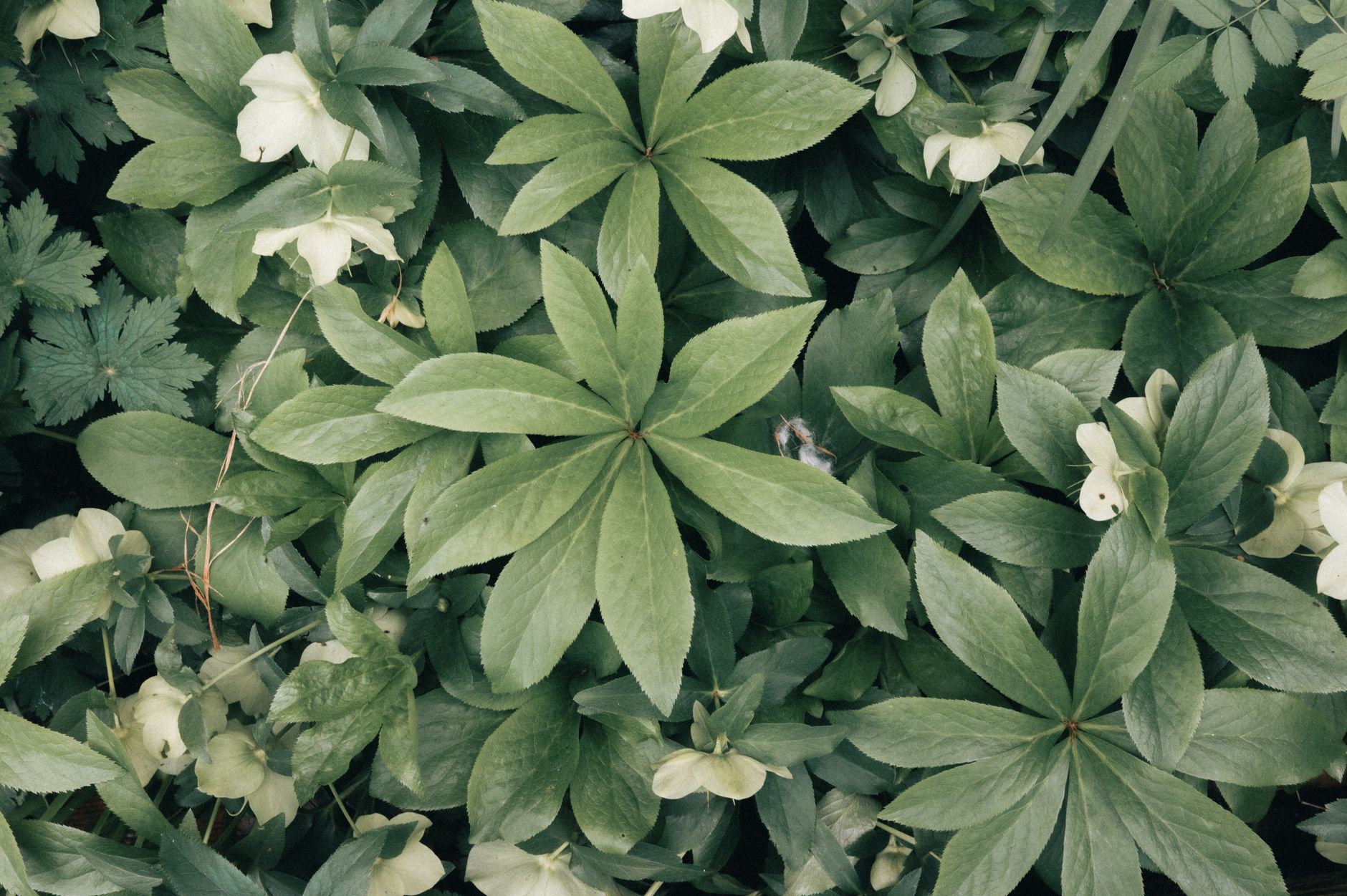
| Perennial | Hellebore (e.g., H. orientalis) | Partial to Full Shade | Medium | Absolute stars! I've got clumps under my ancient Damson plum. They provide winter/early spring colour when little else does. |
| Perennial | Hardy Geranium (e.g., 'Rozanne') | Partial Shade to Sun | High | Incredibly vigorous and forgiving. 'Rozanne' scrambles beautifully, providing months of blue flowers even in tricky spots. |
| Perennial | Epimedium (Barrenwort) | Partial to Full Shade | High | Fantastic for dry shade! I've got Epimedium x rubrum near a sycamore, providing lovely foliage and delicate flowers. |
| Perennial | Ferns (e.g., Dryopteris affinis) | Partial to Full Shade | Medium | Many native ferns are brilliant. The 'Golden Scaly Male Fern' is tough and adds great texture. |
| Perennial | Hostas (e.g., 'Halcyon') | Partial Shade | Medium | Slug magnets, but under trees, if you choose slug-resistant varieties and manage them, they're beautiful foliage plants. |
| Shrub | Skimmia japonica | Partial to Full Shade | Medium | Evergreen, lovely berries on female plants, and fragrant flowers. A real winner for year-round interest. |
| Shrub | Sarcococca (Christmas Box) | Partial to Full Shade | High | My absolute favourite for dry shade. Evergreen, fragrant winter flowers, and very low maintenance. Super tough! |
| Shrub | Mahonia (e.g., 'Soft Caress') | Partial to Full Shade | Medium | Can get big, but 'Soft Caress' is more compact. Spiky foliage and bright yellow winter flowers. |
When choosing, think about the overall look you want. Do you want evergreen structure for winter interest (Sarcococca, Skimmia, Mahonia)? Or masses of summer flowers (Hardy Geraniums)? Or delicate foliage (Ferns, Epimediums)? Mix and match for a truly dynamic understory garden. I always try to include something for every season.
Post-Planting Care: Nurturing Your Understory Garden for Years to Come
So, you've done all the hard work: assessed, barrier-ed, planted, and precisely watered. But gardening, as we all know, is never a "plant it and forget it" affair, especially when you're defying nature a little bit! Long-term care is crucial to ensure your understory garden thrives, not just survives, for years to come.
Ongoing Vigilance: Monitoring & Adjusting
- Watering: Even established plants near trees will benefit from supplemental watering during prolonged dry spells, which we seem to get more often now here in the UK. Keep an eye on the weather and the plants themselves. Wilting leaves are an obvious sign, but sometimes a duller leaf colour can indicate thirst.
- Feeding: I give my underplanted areas a top-dressing of good quality compost or well-rotted leaf mould every spring. This slowly releases nutrients and improves the soil structure. For plants that are heavy feeders or look a bit tired, a targeted liquid feed can give them a boost.
- Mulching: Maintain a generous layer of organic mulch (2-3 inches) over the area. This is perhaps one of the most important ongoing tasks. It conserves moisture, suppresses weeds (reducing root disturbance from weeding), regulates soil temperature, and slowly breaks down to enrich the soil. I top up my bark chippings every autumn.
- Weed Control: Hand weeding is key. Avoid deep digging or using hoes that could damage your new plants' roots or even expose the tree's fine feeder roots. A good mulch layer will drastically reduce the amount of weeding you need to do anyway.
Pest & Disease Management (The British Battle!)
Our British climate, especially here in the Midlands, means we're no strangers to pests. Slugs and snails are a constant battle, particularly with lush undergrowth and plants like Hostas.
- Slugs & Snails: My perennial nemesis! I use a combination of beer traps, copper tape around vulnerable plants, and regular evening patrols. If it gets really bad, organic slug pellets are a last resort.
- Other Pests: Keep an eye out for aphids on new growth, especially in spring. A strong jet of water or a spray of homemade soap solution usually sorts them out. Healthy, well-fed plants are generally more resilient to pests and diseases anyway.
Pruning and Maintenance
- Pruning: Light pruning for shape, health, and to remove any dead or diseased branches is usually all that's needed for your understory plants. Avoid heavy pruning unless absolutely necessary, as it can stress the plants.
- Tree Maintenance: Remember, the tree is still there! Regular arboricultural check-ups for the tree itself are a good idea, especially if it's mature. This ensures its health, which in turn benefits your understory.
Conclusion: A Thriving Understory, A Rewarding Challenge
Phew! We've covered a fair bit, haven't we? Planting successfully near established trees is definitely one of those gardening challenges that pushes you, but the rewards are truly immense. From the initial spark of an idea to seeing those plants flourish, it’s a journey of learning and adaptation.
I've been there, making the mistakes, getting frustrated, and then having those 'aha!' moments that make it all worthwhile. Here in my 800 sq ft Midlands garden, I've transformed once-barren patches under my trees into vibrant, living spaces that add so much character and biodiversity.
Let's quickly recap the absolute essentials for success:
- Assess and Plan: Understand your site, your soil, and your tree.
- Barrier Up: Install a robust root barrier to give your new plants a fighting chance.
- Targeted Care: Water and feed precisely, ensuring your new plants get the nutrients, not just the tree.
- Smart Plant Choices: Select resilient, shade- and drought-tolerant perennials and shrubs proven to thrive in UK conditions.
- Nurture Long-Term: Consistent mulching, monitoring, and pest control will keep your understory garden happy for years.
This isn't about fighting nature; it's about understanding it and working with it in a clever way. It's about creating a beautiful, diverse ecosystem that benefits everyone – you, your plants, and even the tree itself.
So, don't be daunted by those tricky spots. Embrace the challenge, apply these strategies, and watch your understory garden flourish. I promise you, the satisfaction of seeing lush growth where there was once only bare soil is one of the greatest joys of gardening. Go on, give it a go, and tell me how you get on! I'd love to hear about your successes (and even your learning experiences!) in your own UK gardens.
Happy planting!
Randy
