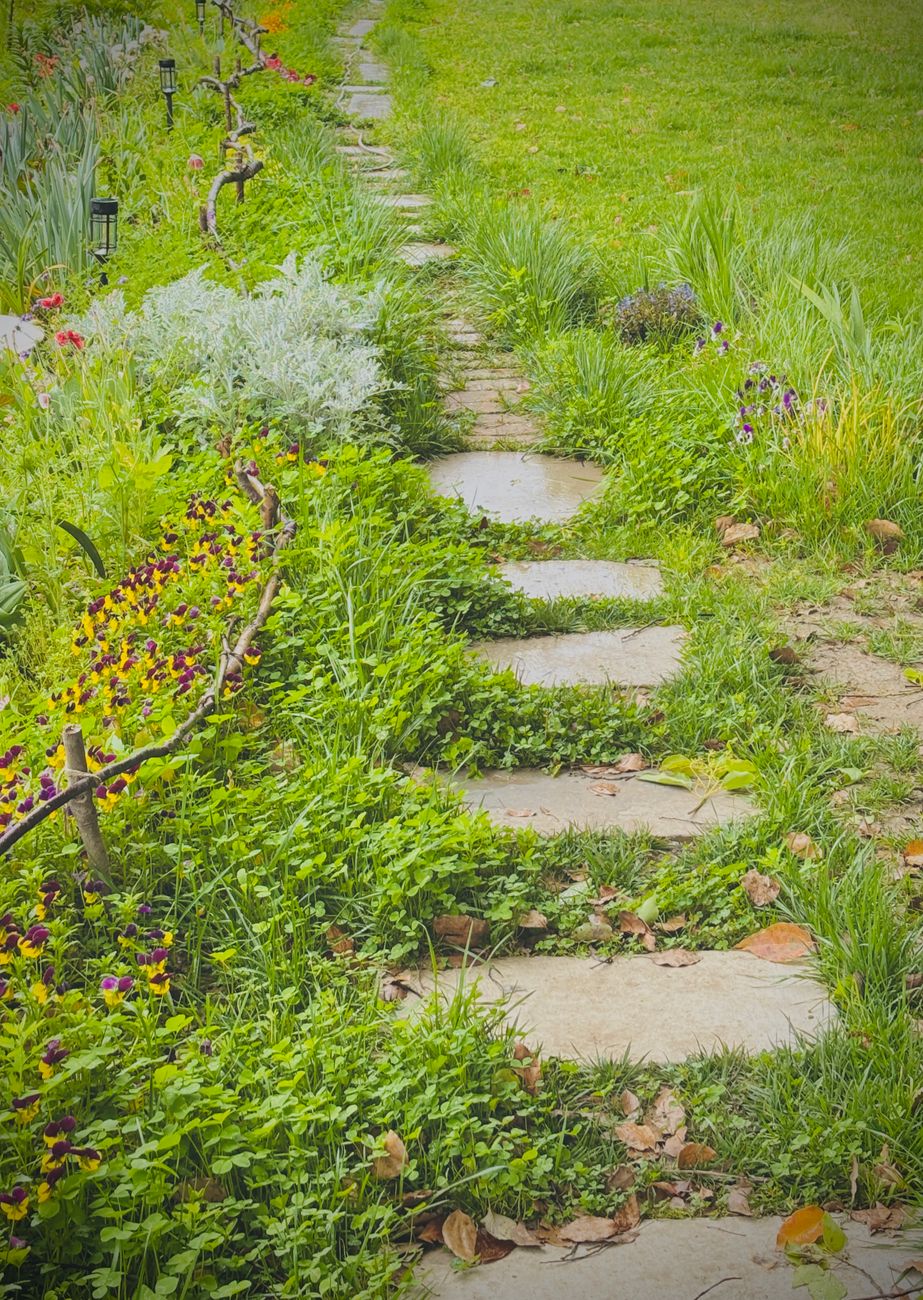
Introduction: Why a Pet-Friendly Garden Audit is Essential for UK Homes
Alright, fellow UK gardeners! Randy here, buzzing as usual about everything growing in my 800 sq ft patch here in the Midlands. You know me, I'm usually elbow-deep in soil, probably tweaking a new heirloom tomato variety in the greenhouse or trying to coax some reluctant brassicas through another British summer. But today, I want to talk about something that hits close to home for many of us who share our lives (and our gardens!) with furry friends: making sure our outdoor spaces are genuinely pet-friendly.
When I first traded my IT desk for a spade five years ago, my garden was a blank canvas, and honestly, pet safety wasn't top of my mind. I was all about the yield, the aesthetics, the joy of growing. But then my neighbour's mischievous terrier, Poppy, decided to "sample" a few leaves from their border – thankfully nothing too serious, but it was a real wake-up call for me. It got me thinking about my own garden, packed as it is with all sorts of lovely flora, and whether I truly knew what was safe and what wasn't. It's not always the obvious, deadly plants we need to worry about; often, it's the common, subtly toxic ones that can cause a real upset.
Since then, I've made it my mission to not just grow fantastic veg and herbs, but to do it safely. My own garden, with its raised beds brimming with edibles and ornamental borders, is a constant experiment in balance. I've learned through trial and error – and a fair bit of research – that a healthy, thriving garden and a safe haven for our pets can absolutely coexist. This article isn't about fear-mongering; it's about empowerment. It's about giving you the knowledge and a practical, step-by-step audit to ensure your beloved companion can roam your UK garden just as freely and safely as mine. Let's dig in and make our gardens a safe haven for everyone, paws included!
Recognising the Danger: Common Symptoms of Plant Poisoning in UK Pets
As passionate as I am about what grows in my garden, I'm certainly no vet. However, through my own experiences and a good deal of diligent research prompted by Poppy's little adventure, I've learned that understanding the common signs of plant poisoning in our pets is absolutely crucial. Early detection can make all the difference, and it means knowing what to look for, especially with those "subtly toxic" plants that might not cause immediate, dramatic collapse but can still make our pets very unwell.
Here in my Midlands garden, my neighbour's cat sometimes wanders over, and while I keep a close eye, it reinforced the need for me to be aware. Different plants affect pets in different ways, and the severity often depends on the type of plant, the amount ingested, and the size and sensitivity of your specific pet. One time, I even had a scare with some daffodil bulbs I was planting – I'd left them in a bucket, and my dog, bless his curious heart, sniffed them a little too enthusiastically. Luckily, I caught him before he got a proper nibble, but it hammered home how quickly things can happen.
Below, I've put together a table of common symptoms. If you ever suspect your pet has ingested a toxic plant, please, call your vet immediately. Don't wait to see if symptoms worsen. It's always better to be safe than sorry, and having the plant identified can help your vet immensely.
| Symptom Group | Common Signs in Pets | Potential Plant Poisoning Link (General) | Randy's Observation/Advice |
|---|---|---|---|
| Gastrointestinal | Vomiting (often with plant material), diarrhoea, excessive drooling, loss of appetite, abdominal pain (pets may guard their belly, whimper). | Very common with many toxic plants, especially those causing irritation to the digestive tract. Examples include daffodils, tulips, rhododendrons, foxgloves, and even some common herbs in large quantities. The plant's sap or chemicals irritate the lining of the stomach and intestines. | This is often the first and most obvious sign. Keep an eye on the consistency and frequency of their toilet habits. My own dog once got into some compost, and the subsequent upset stomach was a strong reminder of how quickly GI issues can appear. Always check for plant fragments in vomit. |
| Neurological | Weakness, lethargy, tremors, seizures, disorientation, loss of coordination, dilated pupils. | Plants containing neurotoxins that affect the brain and nervous system. Less common with "subtly toxic" plants in small doses, but severe ingestions or highly toxic plants (e.g., yew) can cause this. Some plants can also cause muscle weakness or paralysis. | These are more severe and require immediate veterinary attention. If your pet seems confused or unsteady, act fast. I've only seen extreme lethargy in pets after a severe upset, never tremors from plants, but it's vital to be aware. |
| Dermatological | Skin irritation (redness, itching, swelling), rash, blistering around the mouth or on paws. | Plants with irritating saps or compounds that cause contact dermatitis. Can occur from brushing against or mouthing plants like certain euphorbias (spurges) or even some types of primula. | This is often overlooked. If your pet is scratching excessively or develops a rash, especially around their muzzle or paws after being in the garden, consider plant contact. I learned to wear gloves when handling some euphorbias after getting a mild rash myself in my own garden! |
| Cardiac/Respiratory | Difficulty breathing, coughing, abnormal heart rate (too fast or too slow), collapse. | Plants that contain cardiac glycosides (like foxgloves, oleander – though less common in UK gardens, still good to know) or other compounds affecting heart and lung function. | These are critical, life-threatening symptoms. If your pet is struggling to breathe or collapses, this is an absolute emergency. Thankfully, these are rarer with typical garden plants unless very large quantities of highly toxic species are ingested, but always be vigilant. |
| Urinary/Renal | Increased thirst, increased urination, straining to urinate, changes in urine colour. | Plants that can cause kidney damage (e.g., lilies in cats, grapes/raisins for dogs – not plants, but a common garden food item). Some can cause crystal formation or inflammation in the urinary tract. | Keep an eye on your pet's water intake and urination habits. Any significant changes warrant a vet visit. I make sure to clear any fallen grapes from my small vine in the greenhouse promptly, just in case a curious paw decides to investigate. |
| Oral Irritation | Pawing at mouth, excessive drooling, swelling of lips/tongue, difficulty swallowing, loss of voice. | Plants containing calcium oxalate crystals (e.g., peace lily, philodendron – often houseplants but can be outdoors in sheltered UK spots) which cause intense irritation and pain upon chewing. | This is a specific reaction to certain crystal-containing plants. If your pet is drooling heavily and seems distressed about their mouth, check for swelling. I've heard stories of dogs getting this from chewing on indoor plants brought outside for a summer airing. |
Spotlight on UK Offenders: Common Subtly Toxic Plants to Watch For
Now, let's get down to brass tacks: which plants should we, as UK gardeners, be particularly vigilant about? When I first started my pet-friendly audit, I was surprised by how many seemingly innocent plants in my borders and even my raised beds, had a subtle toxic side. It's not just the obvious "don't touch" plants like Deadly Nightshade (which, thankfully, I've never knowingly grown!). It's the ones we often plant for their beauty, their shade, or because they're just so wonderfully British.
In my 800 sq ft Midlands garden, I've had to make some tough choices. I adore the vibrant colours of foxgloves, but knowing their toxicity, I've opted for them in less accessible areas, or even in pots where I can manage their placement more easily, especially when my neighbour's cat is around. I've also reconsidered some of my planting plans after learning about certain bulb dangers. Last season, I almost planted some beautiful spring bulbs right at the edge of a path where my dog loves to sunbathe, but a quick check of my "toxic list" made me rethink and relocate them to a more secure spot. It's all about being informed and making conscious decisions.
Here's a table focusing on some of the more common, subtly toxic plants you might find in UK gardens, along with my personal insights from gardening here in Britain.
| Plant Name (Common/Scientific) | Toxic Parts | Common Symptoms in Pets |
|---|
Safe Hands: Techniques for Removing and Disposing of Toxic Plants in Your Garden
Right, so you've done the audit, you've identified the culprits – maybe it was a sneaky Foxglove that self-seeded from a neighbour's garden, or perhaps those Lily-of-the-Valley that looked so innocent blooming in spring. Now comes the crucial step: getting them out safely. This isn't a job to rush, and I've learned from experience here in my Midlands garden that preparation is key.
My first rule of thumb, always, is personal protection. When I'm dealing with anything potentially irritating or toxic, I grab my sturdy gardening gloves (the long-cuffed ones are brilliant for protecting forearms), long sleeves, trousers, and sometimes even eye protection, especially if I'm cutting back something like Euphorbia, which has that irritating sap. Trust me, getting sap in your eyes is no fun – I had a close call once when pruning an old, overgrown Laurel bush that was far too close to one of my raised beds. Never again!
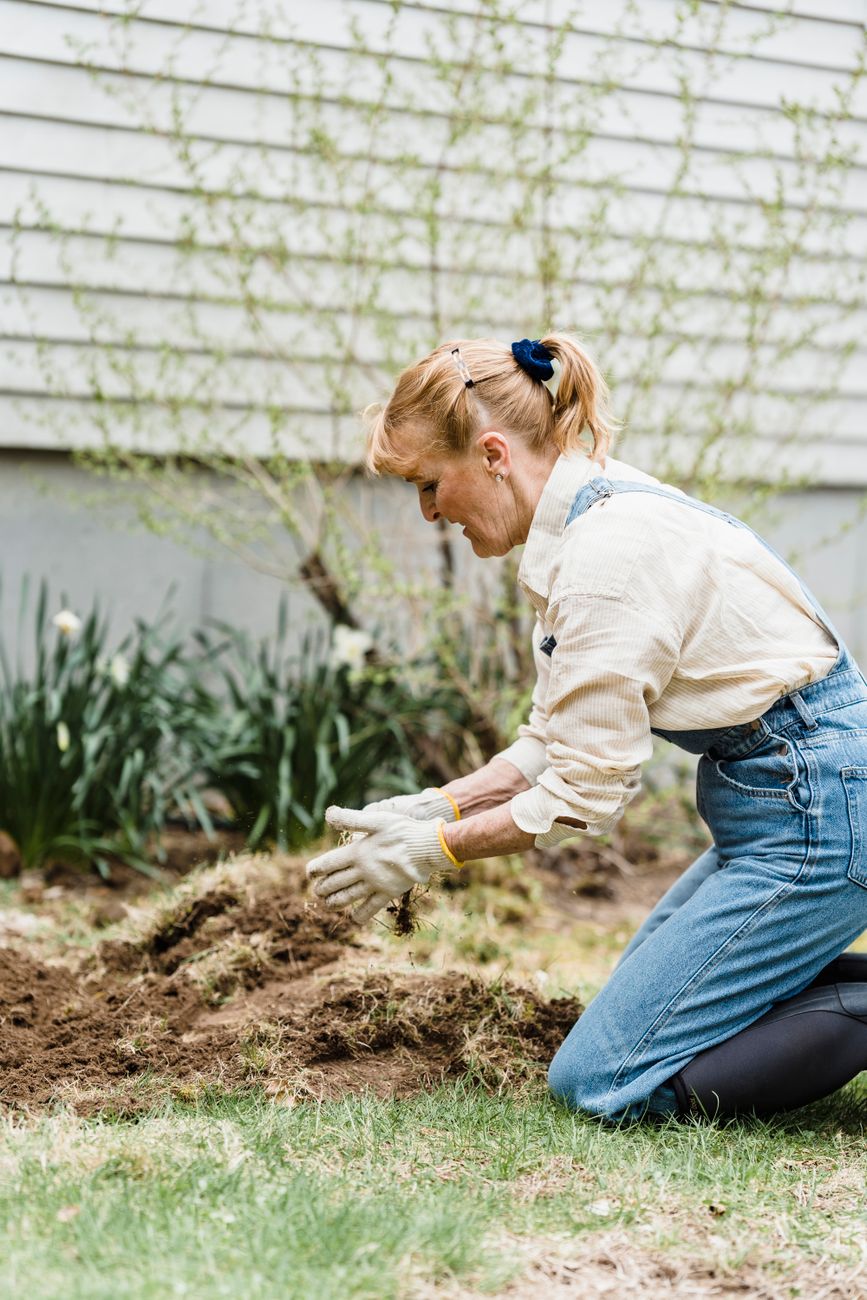
The Removal Process: A Measured Approach
- Timing is Everything: I usually aim for a dry day. Wet conditions can make roots harder to grip and soil messier, plus some plant saps are more easily transferred when wet.
- Tools of the Trade: For smaller plants and annuals, a trowel or a hand fork usually does the trick. For larger shrubs or perennials with stubborn root systems, a sharp spade and a garden fork are essential. My favourite weeding tool, a Japanese Hori Hori knife, is surprisingly versatile for digging out smaller, deep-rooted weeds too.
- Root and All: The aim is to remove as much of the plant as possible, especially the roots, to prevent regrowth. Many toxic plants, like Daffodils or Hyacinths, grow from bulbs. You need to dig around the entire clump and lift the bulbs out completely. For plants like Rhubarb or Hellebores, you'll need to get a good chunk of the root crown. I once thought I'd removed all the Rhubarb from a spot, only to find it stubbornly sending up new shoots for weeks – a testament to how resilient some plants can be!
- Minimising Contact: Try not to shake soil off the roots back into the garden if the plant is very toxic, as this can spread seeds or plant parts. Instead, gently place the entire plant, soil and all, directly into your disposal bag.
- Clean Up: After removal, give your tools a good clean. This prevents any toxic residue from transferring to other plants or even yourself later. A quick scrub with warm, soapy water is usually sufficient.
Responsible Disposal: Don't Just Chuck It in the Compost!
This is where I see a lot of well-meaning gardeners make a mistake. Never, ever add toxic plant material to your home compost bin. The toxins often won't break down completely, and you could end up spreading them through your garden later. It's just not worth the risk.
Here in the UK, the best option for most toxic plants is to bag them up securely and put them in your general household waste bin. Check with your local council's waste disposal guidelines if you're unsure, but typically, tightly sealed bags in the black bin are the way to go. For larger quantities, or woody material, some local recycling centres might have specific waste streams, but again, always clarify if they accept potentially toxic plant waste. I've had to make a separate trip to the tip for some larger Laurel prunings before, making sure it was clearly separate from my usual green waste. It takes a bit more effort, but peace of mind is priceless.
Cultivating a Pet Paradise: Safe Plant Alternatives and Deterrent Strategies
Now that we've talked about what to remove, let's get to the fun part: filling your garden with wonderful, pet-friendly plants! This is where my passion for growing really comes into its own. My 800 sq ft garden here in the Midlands is packed, but every plant has its purpose, and increasingly, that purpose includes being safe for any visiting paws.
When I first started out, I probably focused too much on just what looked good or yielded a big harvest. Now, with a growing awareness of pet safety, I'm always looking for those fantastic alternatives that offer beauty, scent, or even edibles, without the risk. It’s all about creating an inviting, sensory experience for everyone who uses the garden.
Safe Plant Alternatives for Your UK Garden
Here are some of my top recommendations – plants I grow successfully in my UK garden that are generally considered safe for pets (always double-check specific varieties, as things can change!):
- Herbs (my absolute favourite!): Basil, Rosemary, Thyme, Sage, Parsley, Coriander, Dill, Mint (though keep mint contained – it's a runner!). These are fantastic for cooking, smell amazing, and are usually fine for curious sniffers.
- Vegetables: Carrots (leaves and roots), Lettuce, Spinach, Courgettes, Pumpkins, Green Beans (pods only, raw beans can be problematic), Sweet Potatoes. I've had great success with 'All Year Round' lettuce and 'Marketmore' cucumbers in my greenhouse.
- Flowers: Sunflowers, Marigolds (Tagetes), Nasturtiums (edible for humans too!), Petunias, Snapdragons (Antirrhinum), Pansies, Violets, Roses (thornless varieties are ideal, but generally non-toxic), Fuchsias. I love 'Teddy Bear' sunflowers for their compact size in my raised beds.
- Shrubs/Trees: Cotoneaster (berries are mildly toxic in large quantities, but foliage is generally considered safe), Mahonia, Camellia, certain varieties of Viburnum (check specific species).
- Grasses: Wheatgrass, Cat Grass (a mix of grasses like barley, oat, and rye) – specifically grown for pets to munch on!
Toxic Plant vs. Pet-Safe Alternative: A Handy UK Comparison
To help you visualise the swaps, here's a little table I've put together. These are plants that thrive in our British climate, so you should have no trouble finding them at your local garden centre.
| Toxic Plant (Common in UK) | Pet-Safe Alternative (UK Suitable) | Why it's a good alternative | Randy's Personal Note/Experience |
|---|---|---|---|
| Daffodil (bulbs/flowers) | Marigold (Tagetes spp.) | Bright, cheerful spring/summer colour; easy to grow. | I love 'French Marigold' for pest control around my tomatoes, and they look great! |
| Foxglove (Digitalis spp.) | Snapdragon (Antirrhinum majus) | Tall, spiky flower stalks with similar cottage garden charm. | Snapdragons are brilliant for vertical interest in my borders and attract pollinators. |
| Rhododendron/Azalea | Camellia (Camellia japonica) | Evergreen shrub with beautiful, often showy flowers in spring. | Camellias love our slightly acidic UK soil and provide winter interest. |
| Lily-of-the-Valley | Pansy/Violet (Viola spp.) | Low-growing, delicate flowers for shady spots, often fragrant. | Pansies are my go-to for adding splashes of colour to pots and window boxes. |
| Rhubarb (leaves) | Swiss Chard (Beta vulgaris) | Large, edible leaves (stems too!) with vibrant colours; grows well in UK. | 'Bright Lights' Swiss Chard is a stunner in my raised beds and productive all season. |
| Hydrangea | Fuchsia (Fuchsia spp.) | Colourful, bell-shaped flowers, great for pots or borders. | I've got hardy fuchsias that come back year after year, even after a tough Midlands winter. |
Deterrent Strategies: Guiding Paws Away From Trouble
Even with a pet-friendly garden, sometimes curious creatures need a gentle nudge in the right direction. I've tried a few things to keep my neighbours' cats out of my freshly sown beds, and these can work for pets too:
- Physical Barriers: Raised beds are a natural deterrent for many smaller pets, making it harder for them to dig. Low fencing or chicken wire around vulnerable areas can also work wonders, especially for new plantings. I built some simple wire cages for my young brassicas to protect them from pigeons, and they'd certainly deter a curious puppy too.
- Scent Deterrents: Some pets dislike certain smells. Sprinkling citrus peels (lemon, orange) around plants or using coffee grounds can sometimes deter digging. Be cautious with essential oils, as some can be harmful to pets. What works for one pet might not work for another, so observe their reactions.
- Designated Digging/Play Areas: If you have a dog that loves to dig, consider creating a specific "digging pit" filled with sand or loose soil in a safe corner of the garden. Bury toys or treats there to encourage them to use it, saving your prize-winning heirloom tomatoes!
- Supervision and Training: Ultimately, the best deterrent is good supervision, especially with new pets or young animals. Training your pet what areas are off-limits, using positive reinforcement, is invaluable.
Ongoing Vigilance: Maintaining a Safe and Happy Outdoor Space for Your Pets
Creating a pet-friendly garden isn't just a one-off task; it's an ongoing journey, much like gardening itself. Our UK gardens are dynamic places, constantly changing with the seasons and new additions. Maintaining that safe haven for your furry friends requires a little bit of continuous vigilance, but trust me, the peace of mind is absolutely worth it.
My Checklist for Continuous Pet Safety:
- Regular Garden Walks: I make it a habit to walk around my 800 sq ft plot at least once a week, specifically looking for anything new or out of place. This is especially important in spring when new shoots are emerging, and throughout summer when plants are at their most vigorous.
- New Plantings & Gifts: Every time I bring a new plant home from the garden centre, or if a kind neighbour offers me a division, my first thought is: "Is this pet-safe?" Always research before it goes into the ground. It's too easy to assume a pretty flower is harmless.
- Volunteer Plants & Weeds: Nature has a way of surprising us! Keep an eye out for self-seeded plants or weeds that pop up. Some common weeds can be toxic, and sometimes a bird might drop a seed from a toxic plant you don't even have in your garden.
- Seasonal Awareness: Be particularly mindful during certain seasons. Spring brings a flush of toxic bulbs like Daffodils and Tulips. Autumn can bring toxic berries. Know what's popping up when. I always remind myself of the spring bulbs as soon as the weather starts to turn colder in late autumn.
- Observe Your Pets: Your pets are often the best indicators. If you notice them sniffing or nibbling at a particular plant, investigate immediately. Changes in their behaviour or health should always prompt a call to your vet, and a quick check of what they might have accessed in the garden.
- Secure Storage: Remember to safely store all garden chemicals – fertilisers, pesticides, weed killers – out of reach of curious paws (and children!). I keep everything locked away in a cupboard in my greenhouse, well above ground level.
Final Thoughts from My Midlands Patch
My journey from IT worker to full-time gardening enthusiast has taught me that the best gardens are ones that bring joy and safety to all who experience them. Your outdoor space should be a haven, a place of exploration and relaxation, not a source of worry. By taking the steps we've discussed – auditing, removing, replacing, and staying vigilant – you're not just creating a garden; you're cultivating a vibrant, thriving, and responsible pet paradise.
It might feel like a big task at first, but break it down, tackle it bit by bit, and enjoy the process. There's immense satisfaction in knowing you've created a safe environment for your beloved pets to roam and play freely. So, grab your gloves, take a deep breath, and let's make our UK gardens the safest, happiest places they can be.
Have you tackled a pet-friendly garden audit in your own space? What were your biggest challenges or proudest successes? I'd love to hear your stories in the comments below – we're all learning and growing together here in the wonderful world of UK gardening!