Introduction: Unearthing Garden Gold - The Magic of Volunteer Plants
When I first started gardening five years ago here in the UK, fresh out of the IT world and knee-deep in soil for the first time, I was obsessed with order. Every seed in its row, every bed meticulously weeded. My 800 sq ft backyard in the Midlands was going to be a perfect, controlled ecosystem. Then, something magical started happening. Little seedlings would pop up in unexpected places – a tiny tomato plant sprouting from beneath my greenhouse bench, a cheerful calendula peeking out from a crack in the patio, or borage suddenly appearing amongst my cabbages. My initial instinct was to pull them, assuming they were just rogue weeds.
But after a few seasons of experimenting and observing, I realised I was literally pulling up garden gold. These weren't random invaders; these were volunteer plants. They'd self-seeded from last year's crops or flowers, often in places I'd never have thought to plant them myself. What I discovered, through trial and error (and plenty of accidental weeding of valuable plants!), is that these self-seeders are some of the most resilient, productive, and frankly, free assets any UK gardener can have. They offer everything from extra harvests for your kitchen table and vibrant splashes of colour, to incredible benefits for your soil and local wildlife. Forget expensive seed packets sometimes; sometimes, the best things in life (and in the garden) truly are free, especially when they've chosen their own perfect spot in our often-unpredictable British climate. I've learned to embrace the chaos a little, and my garden has never been healthier or more abundant for it.
Detective Work in the Garden: How to Identify Desirable Volunteers from Pesky Weeds
This is where the real fun – and occasional frustration – begins! When you're staring down a bed full of tiny green shoots in early spring here in the Midlands, distinguishing between a precious volunteer and a relentless weed can feel like a game of horticultural 'Where's Wally?'. Believe me, I've pulled countless promising brassica seedlings thinking they were common chickweed, only to kick myself later. My early days were filled with these mistakes, especially with our damp UK springs encouraging everything to sprout at once.
The key, I've learned, is to become a plant detective. You need to familiarise yourself with the appearance of your desired seedlings at their earliest stages, right down to the cotyledons (those first embryonic leaves) and, more reliably, the first set of true leaves. Weeds often have a more uniform appearance, appearing in dense patches across an entire area. Desirable volunteers, on the other hand, usually pop up more sparsely, often near where their parents were last season. For instance, I've had incredible success with 'Sungold' tomatoes popping up just where last year's dropped fruit decomposed – their initial leaves are quite distinctive if you know what to look for.
Here’s a rough guide I use in my 800 sq ft garden to help me decide whether to keep or clear:
| Feature | Desirable Volunteer | Pesky Weed | Randy's UK Experience & Tip
5. Cultivating Your Freebies: Practical Tips for Managing and Utilising Volunteer Plants
Alright, you've spotted those little green gems popping up, identified your desirable volunteers, and now you’re buzzing with the thought of all that free goodness. But what next? Just leaving them to their own devices can sometimes lead to overcrowding or weakened plants, especially in our often-unpredictable British climate. Over my five years of intensive gardening here in the Midlands, I’ve refined a few practical strategies to help these self-seeders truly thrive and contribute to a productive UK garden.
First up, thinning is crucial. Just like with seeds you’ve deliberately sown, volunteers often come up in dense clumps. Last spring, I had an absolute carpet of calendula seedlings in one of my raised beds, and while beautiful, they would have choked each other out if I hadn't intervened. I always aim to thin them to their recommended spacing for mature plants. For things like calendula or borage, I usually leave about 15-20cm (6-8 inches) between each plant. For bigger vegetables like squash or tomatoes (if I’m lucky enough to get a volunteer!), it’s more like 60-90cm (2-3 feet). This gives each plant the space it needs for root development, air circulation – vital for preventing fungal issues in our damp UK weather – and access to nutrients. I often use the thinnings as microgreens or compost them, so nothing goes to waste.
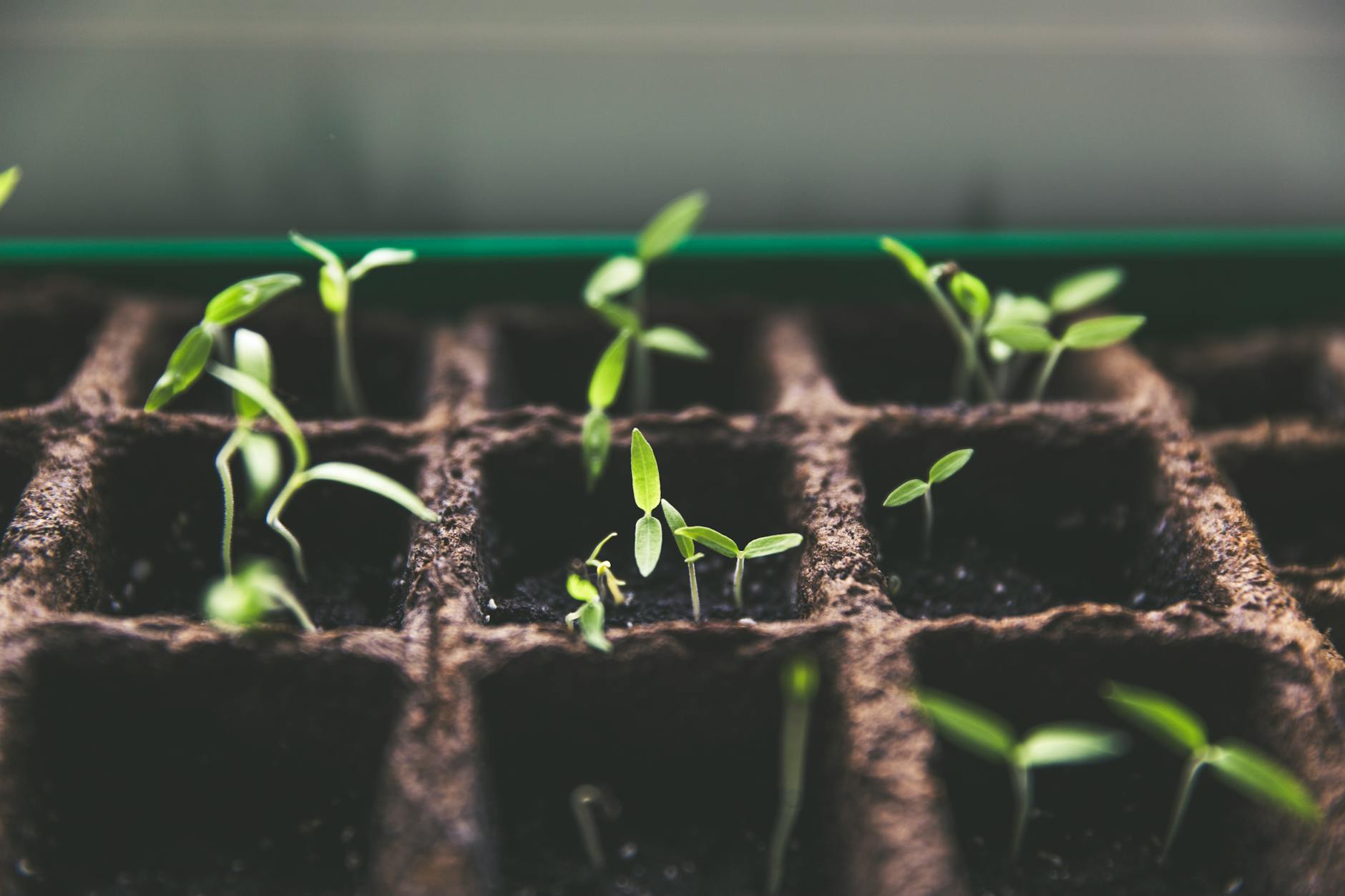
Next, consider transplanting. This is where the real magic happens for me. Sometimes a volunteer pops up in a less-than-ideal spot – perhaps right in the middle of a path, or too close to a prized heirloom tomato seedling in my greenhouse. I've successfully moved countless calendula, borage, nasturtiums, and even self-seeded chard. The key is to do it when they're small, ideally with just their first true leaves, and on a cool, overcast day or in the late evening. I dig them up carefully with a good-sized root ball, disturbing the roots as little as possible, and immediately replant them into their new home. A good watering-in is essential, and I've found that a bit of seaweed feed helps reduce transplant shock. I remember one year I found a volunteer 'Costoluto Genovese' tomato seedling growing precariously close to the greenhouse door; I carefully moved it to a grow bag, and it went on to produce some fantastic fruit, all thanks to a bit of careful relocation!
Finally, think about how volunteers can play into your succession planting and soil health. I often let volunteers fill gaps left by harvested crops. For instance, after my early peas finish in July, if a few rogue calendula or borage volunteers pop up, I let them stay. They'll provide late-season pollen for bees and protect the soil from our often-heavy autumn rains. I’ve also noticed that where volunteers like clover or vetch appear, the soil structure improves significantly. I'll often 'chop and drop' these at the end of the season, letting their nitrogen-rich leaves break down and feed the soil microbes. It's all about working with nature, not against it, to build a more resilient and productive UK garden.
6. Know When to Say No: When Volunteers Become Undesirable or Problematic
Now, as much as I adore the generosity of nature, I've learned the hard way that not all volunteers are created equal, and sometimes you simply have to be ruthless. In my Midlands garden, I’ve had my share of battles with certain plants that, left unchecked, can quickly become a nuisance or even a threat to my carefully cultivated crops. It's a fine line between embracing natural abundance and preventing a takeover.
One of the biggest lessons I’ve learned is to identify aggressive self-seeders early. Mint, for example, is fantastic in its place, but if it volunteers outside of a pot or a dedicated root barrier, it will absolutely take over. I once let a small patch of mint volunteer near my brassicas, thinking it would deter pests. Within a season, it had spread several feet, choking out other plants with its tenacious runners. Another one to watch out for is comfrey; while an incredible dynamic accumulator, its deep taproot and prolific self-seeding can make it a nightmare if it pops up where you don't want it. Pulling up a mature comfrey plant is a proper workout, trust me!
Then there's the issue of competition with desired crops. A tiny poppy seedling might look charming, but if it's growing inches from a precious 'Sungold' tomato, it's competing for water and nutrients. Our British summers, though sometimes glorious, can also be periods of drought, and every drop of moisture counts. I’ve had to pull out beautiful flowering volunteers because they were simply too close to something I was relying on for food. It’s a pragmatic choice for a productive garden.
Finally, watch out for plants that can act as hosts for pests or diseases. While volunteer tomatoes can be a lovely surprise, they can also carry blight (Phytophthora infestans) if they sprout from infected fruit, potentially spreading it to your main crop, especially in our damp UK climate where blight is a constant threat. Similarly, some volunteer nightshades (like deadly nightshade, Atropa belladonna, or bittersweet nightshade, Solanum dulcamara) can host potato blight or Colorado beetle, so it’s best to remove them immediately. It's about risk assessment for the health of your entire garden ecosystem.
To help you decide when to let a volunteer stay or when to bid it a firm farewell, I've put together a little comparison table based on my own experience here in the UK:
| Characteristic | Desirable Volunteer (e.g., Calendula, Borage, Chard) | Undesirable Weed/Problematic Volunteer (e.g., Bindweed, Ground Elder, aggressive Mint, volunteer Nightshade) |
|---|---|---|
| Growth Habit | Non-invasive, easily managed, generally stays where it's welcome. | Spreads rapidly via roots/runners, smothers other plants, difficult to contain. |
| Root System | Fibrous, taproot (but manageable), doesn't aggressively colonise. | Deep, tenacious taproots (Dandelion, Dock) or extensive, spreading rhizomes (Bindweed, Ground Elder, Mint). |
| Identification | Recognizable and distinct from common weeds, often edible or beneficial. | Can be mistaken for desired plants when young, often aggressive or toxic, difficult to distinguish from "true" weeds. |
| Ecological Impact | Attracts pollinators/beneficial insects, improves soil, fills gaps, adds diversity. | Outcompetes desired plants, can host pests/diseases, reduces biodiversity by monoculture. |
| Management | Easy to thin, transplant, or remove if unwanted; often annuals or short-lived perennials. | Requires persistent effort (digging, repeat weeding, mulching, root barriers); often perennial and resilient. |
| UK Examples | Calendula, Borage, Nasturtium, Chard, Parsley, Dill, Poppy (if contained). | Bindweed, Ground Elder, Creeping Thistle, aggressive Mint, volunteer Nightshades, Dandelion (in beds). |
7. Conclusion: Embracing Nature's Generosity for a Resilient UK Garden
Well, we’ve come full circle, haven’t we? From the initial thrill of spotting those mysterious seedlings to understanding their ecological superpowers and learning when to nurture or, sometimes, reluctantly remove them. For me, embracing volunteer plants has been one of the most rewarding journeys in my five years of gardening here in the UK. It’s transformed my 800 sq ft Midlands backyard into a more dynamic, resilient, and frankly, more exciting space.
What I’ve learned above all is that gardening isn't just about control; it's about observation, adaptation, and working in partnership with nature. Those self-seeders aren't just free food or flowers; they're nature's little experiments, testing the conditions, filling ecological niches, and offering us a glimpse into the incredible resilience of plant life. They've taught me patience, improved my identification skills, and saved me a fair few quid on seeds!
So, I urge you, fellow UK gardener, to step into your garden with a fresh pair of eyes. Take a moment to truly observe what’s popping up. Don’t be afraid to get down on your knees and play detective. Start small: let a few calendula or borage volunteers thrive, see how they fare in our British weather, and watch the bees flock to them. You might make a mistake or two – I certainly have, letting a patch of bindweed get a bit too cosy once! – but that’s all part of the learning curve, especially in our unique climate.
By identifying and utilising your garden’s volunteer plants, you’re not just getting freebies; you’re fostering biodiversity, improving your soil health, and creating a more robust, self-sufficient garden that can better withstand the challenges our UK seasons throw at it. It's an invitation to a more sustainable and joyous way of growing. So go on, give it a try. You might just discover your next favourite plant, completely by accident! Happy volunteering!