Introduction: Tackling Waterlogged Garden Beds in the UK
If you're anything like me, a fellow UK home gardener, you'll know the sheer joy of seeing your hard work flourish. There's nothing quite like pulling a fresh 'Charlotte' potato from the soil or plucking a perfectly ripe 'Sungold' tomato from the vine in your greenhouse. But, let's be honest, our glorious British weather, particularly here in the Midlands, often throws us a curveball. One of the biggest challenges I've faced in my 800 sq ft backyard garden, packed as it is with raised beds and a bustling greenhouse, is dealing with waterlogged soil.
I remember my early days, about five years ago when I first traded my IT desk for a trowel, full of enthusiasm but a bit short on practical drainage knowledge. I'd lovingly prepare my beds, plant my precious seedlings – especially those tender brassicas – only to see them struggle, turn yellow, and eventually succumb to what I now know was the dreaded root rot. It was heartbreaking, and honestly, a massive learning curve. Our unpredictable downpours, combined with the heavy clay soil common in many parts of the UK, can turn a thriving garden bed into a swamp quicker than you can say "slug patrol."
After a particularly soggy spring that claimed half my early potato crop and even some established raspberry canes, I knew I had to find a sustainable solution. I'd tried adding tonnes of organic matter, digging deep, and even raised my beds higher, but the underlying issue of poor drainage persisted in certain spots. That's when I stumbled upon the idea of a simple French drain. It sounded a bit daunting at first, like something only a professional landscaper would tackle, but I'm all about experimenting and learning. What I discovered was a surprisingly straightforward, yet incredibly effective, way to reclaim those perpetually damp corners of my garden.
This guide isn't just about digging a ditch; it's about understanding our UK climate, protecting your plants from a silent killer, and ultimately, making your garden more resilient. I'll walk you through exactly what I did, sharing the lessons I learned (and a few mistakes I made!) so you can confidently tackle waterlogged beds in your own British garden. Trust me, the peace of mind knowing your plant roots are happy and healthy, even after a week of incessant rain, is absolutely priceless.
Identifying Waterlogging: Causes and the Risk of Root Rot in UK Gardens
Before we even think about digging, it's crucial to correctly diagnose the problem. Not every patch of damp soil is a candidate for a French drain, but persistent waterlogging is a serious threat to almost all the plants we love to grow here in the UK. I've learned this the hard way, losing precious heirloom tomato seedlings even in my greenhouse when a rogue downpour managed to saturate a lower bed.
Signs of Trouble in Your UK Garden
So, how do you know if your garden bed is waterlogged? It's more than just puddles on the surface, although that's a pretty clear indicator!
- Persistent Puddles: After a good rain shower, do puddles linger for hours, or even days, in certain areas of your raised beds or garden? This is a dead giveaway. In my own garden, I noticed one corner of my main vegetable patch, where I usually grow my 'Costoluto Fiorentino' tomatoes, would stay squishy long after the rest had drained.
- Soggy Soil Texture: Dig your fingers into the soil. Does it feel constantly heavy, dense, and squelchy, rather than crumbly and moist? If you can squeeze water out of a handful of soil, you've got a drainage issue.
- Stunted Plant Growth: Plants in waterlogged conditions often look unhappy. They might be smaller than expected, have pale or yellowing leaves (chlorosis), or simply fail to thrive. I once had a whole row of 'Early Purple Sprouting Broccoli' looking really miserable, despite being well-fed.
- Wilting Plants (Paradoxically): This one often confuses new gardeners. Plants can wilt even when the soil is saturated! Their roots, deprived of oxygen, can't take up water effectively, leading to dehydration symptoms above ground.
- Algae or Moss Growth: A green film of algae or a carpet of moss on the soil surface is a strong sign of constant dampness.
The Silent Killer: Root Rot
The biggest risk of waterlogged soil, especially in our often-wet UK climate, is root rot. This isn't just a mild inconvenience; it's a fatal disease for many plants. When soil is saturated, the air pockets that roots need to "breathe" are filled with water. Without oxygen, the roots essentially suffocate and begin to die. Fungi and bacteria, which thrive in anaerobic (oxygen-deprived) conditions, then move in and accelerate the decay, turning healthy white roots into mushy, brown ones.
I've seen it claim everything from my precious 'Marmande' tomatoes to my 'Autumn Bliss' raspberries. The plant might look okay for a while, then suddenly collapse, or it might just slowly decline, never quite recovering. It's a heartbreaking experience, especially when you've put so much effort into nurturing them.
Here’s a quick comparison to help you identify what you’re seeing:
| Feature | Signs of Waterlogging (Soil) | Symptoms of Root Rot (Plant) |
|---|---|---|
| Soil Condition | Persistent puddles, squishy/dense feel, foul odour | Often accompanies waterlogging, but plant symptoms are key |
| Leaf Appearance | Yellowing (chlorosis), stunted growth, pale green, wilting | Yellowing, browning, wilting (even with wet soil), stunted |
| Stem/Base | No direct stem impact, but often leads to plant stress | Soft, mushy stem base; dark lesions, collar rot |
| Root Appearance | Healthy (initially), but deprived of oxygen | Brown, black, mushy, slimy, easily detach from plant |
| Growth Rate | Slowed, stunted, poor overall vigour | Severely stunted, decline, eventual death |
| Causes | Poor drainage, heavy clay soil, excessive rain/watering | Fungi/bacteria thriving in anaerobic, waterlogged conditions |
| Impact on UK Gardeners | Reduced yields, plant stress, wasted effort | Plant loss, crop failure, frustration, wasted time/money |
Knowing these signs will help you decide if a simple French drain is the right solution for your garden's persistent damp spots. For me, it was a game-changer for those tricky areas that just wouldn't drain, no matter how much compost I added.
Understanding the Simple French Drain: A Solution for Better Drainage
So, what exactly is a simple French drain, and why is it such a good fit for our waterlogged UK garden beds? Essentially, it's a trench filled with gravel or rock, containing a perforated pipe, designed to redirect surface and subsurface water away from an area. Think of it as an underground river that gives excess water an easy, controlled path to flow out of your garden bed.
When I first heard the term, my mind conjured images of complicated engineering projects. But after a bit of research and some hands-on experience in my own Midlands garden, I realised it's surprisingly straightforward and incredibly effective for solving localised drainage issues. The beauty of a simple French drain for garden beds is that it doesn't need to be massive or complex; it just needs to do its job of moving water.
How It Works (Randy's Simplified Explanation):
- Water Infiltration: When rain falls, or you water your plants, excess water that can't be absorbed by the soil or evaporate starts to seep downwards.
- Gravel Pathway: Instead of hitting an impermeable clay layer and sitting there, the water easily filters through the permeable gravel filling the trench.
- Perforated Pipe Collection: The water then collects in the perforated pipe at the bottom of the trench. The holes in the pipe allow water to enter, but the surrounding gravel prevents soil particles from clogging it.
- Gravity at Work: Because the pipe is laid with a slight downward slope, gravity does the rest, guiding the collected water along the pipe and away from your garden bed to a more suitable drainage point (like a soakaway, a lower-lying area, or even a rainwater harvesting butt if you're clever about it!).
For me, the key was understanding that the gravel and pipe create a 'superhighway' for water where previously there was a bottleneck. In my heavier clay soil, water just sat there, drowning roots. With the French drain, it has an escape route. I installed one along the lower edge of my largest raised bed where my 'Kestrel' potatoes and 'Celebration' carrots often struggled. The difference was immediate and dramatic. That area, once squelchy and prone to puddles, now drains freely, allowing my vegetables to thrive even after a typical British downpour. It truly transformed a previously problematic section of my growing space into a productive one.

This simple yet elegant solution is perfect for our UK gardens because it directly addresses the problem of heavy rainfall and often dense, slow-draining soils. It protects your precious plants from root rot, reduces disease pressure, and ensures your gardening efforts aren't wasted by our notoriously damp climate.
Essential Tools and Materials for Your DIY French Drain Project
Alright, you're convinced! Now for the practical bit. When I decided to put in my first French drain, I was a bit overwhelmed by the options. But having done it a few times now in my various beds, I can tell you exactly what you'll need and what works best, especially considering our UK conditions and typical garden sizes. You don't need a professional setup, just some sturdy tools and the right materials.
Tools You'll Need:
- Spade or Digging Fork: Essential for breaking ground. I prefer a good quality, sharp-edged spade for the initial trench digging, and a fork if my soil is particularly compacted (which, let's face it, it often is here in the Midlands!).
- Trenching Spade (Optional but Recommended): This is a narrower spade, perfect for creating a neat, consistent trench. It saves a lot of backache and makes the job much quicker and tidier. I picked one up from a local garden centre, and it was a game-changer.
- Wheelbarrow: For moving soil and gravel. You'll be surprised how much earth you'll displace!
- Spirit Level & String Line: Crucial for getting that all-important gentle slope for your drain. A 2-meter spirit level is ideal, paired with a string line stretched taut between two pegs.
- Tape Measure: For accurate trench dimensions.
- Utility Knife or Heavy-Duty Scissors: For cutting the landscape fabric.
- Gloves: Protect those hands! Digging can be tough.
- Safety Goggles: Especially when dealing with gravel.
Materials for Your DIY French Drain:
Choosing the right materials is key to a long-lasting and effective French drain. I’ve experimented with a few options over the years, and here’s what I’ve found works best for a garden bed scenario in the UK.
| Material | Description & Randy's UK Recommendation | Why It's Important (Randy's Insight) |
|---|---|---|
| Perforated Drainage Pipe | 4-inch (100mm) corrugated flexible land drain pipe. Available in rolls (25m, 50m, 100m) from builders' merchants or agricultural suppliers across the UK. Often comes with a 'sock' already fitted, which is a bonus. | This is the heart of your drain. The perforations allow water in, and the corrugated design makes it easy to snake around curves in your garden beds. The pre-fitted 'sock' is brilliant for stopping silt from clogging it up, especially with our finer UK soils. |
| Geotextile Fabric | Heavy-duty, permeable landscape fabric (often called 'terram' or 'weed membrane'). Look for something at least 100gsm (grams per square metre) for durability. Available in rolls from garden centres or online. | This is your protective barrier. It wraps around the gravel and pipe, preventing soil particles from washing into your drain and clogging it. I learned this the hard way when a cheaper, thinner fabric degraded too quickly, and my drain started backing up within a year. Don't skimp here! |
| Drainage Aggregate | Clean, washed gravel, typically 10-20mm (e.g., 'pea shingle' or 'single size gravel'). Avoid 'all-in ballast' or 'sharp sand' as they contain fines that can clog the system. Buy in tonne bags from local aggregate suppliers or builders' merchants. | This is the primary medium for water movement. The gaps between the gravel pieces allow water to flow freely. Using clean, washed gravel is non-negotiable; dirty gravel will quickly clog your pipe. The 10-20mm size gives good permeability without being too large. |
| Gravel for Cover | (Optional) A finer decorative gravel or topsoil. | If you want to disguise your drain or plant over it, you'll need a final layer. I often put a bit of topsoil over mine, allowing me to grow shallow-rooted herbs like thyme or chives right up to the edge, blending it seamlessly into my raised beds. |
| Connection Fittings | If connecting multiple pipes or to an outlet, you might need connectors, reducers, or an elbow joint. Check with your supplier; they're usually specific to the pipe diameter. | For a simple garden bed drain, you might not need these if you're just running a single line to a soakaway. However, if you're linking up a longer system, these are essential for a robust and leak-free connection. Always dry-fit first! |
Having these ready before you start digging will make the whole process smoother and ensure you can complete your project without frustrating trips back to the shop. Trust me, there's nothing worse than getting halfway through a project on a sunny Saturday and realising you're missing a critical piece!
5. Step-by-Step Guide: Installing Your French Drain for Optimal Garden Drainage
Right, now for the nitty-gritty! This is where we get our hands dirty, literally. I’ve done this a few times in my 800 sq ft Midlands garden, mainly to sort out persistent puddles around my raised beds where I grow my hungry brassicas and, crucially, to protect my greenhouse where my beloved heirloom tomatoes reside. Trust me, a day of digging is a small price to pay for a season of healthy, rot-free plants!
Planning Your Trench and Digging It Right
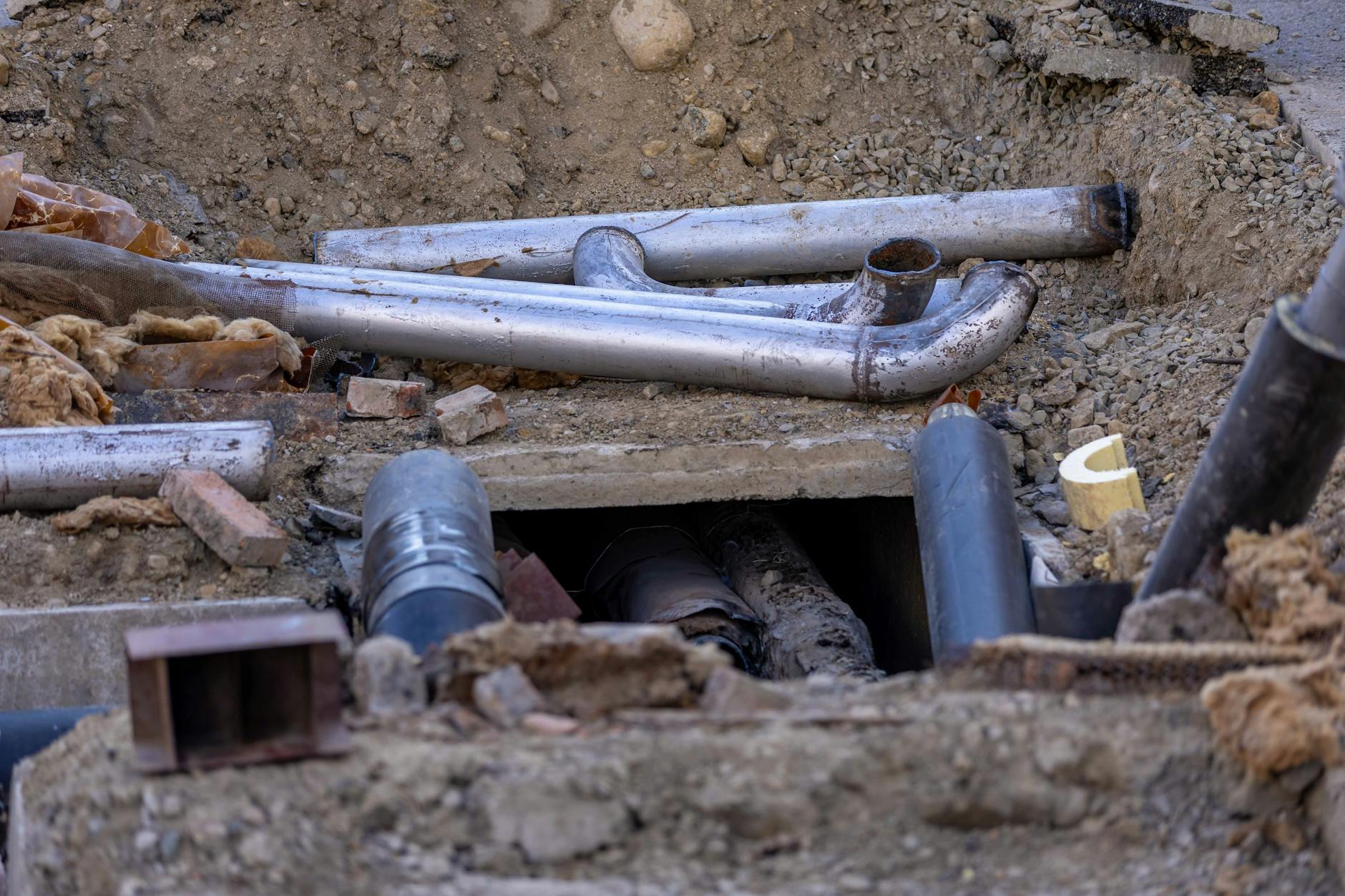
First things first, grab your spade and string line. I always start by marking out exactly where my drain will go. Think about the lowest point in your waterlogged area and where you want that excess water to eventually go – ideally away from your growing areas, perhaps into a soakaway or a less critical part of the garden. In my garden, I routed one from a particularly boggy corner of a raised bed down a slight slope towards a patch of lawn that can handle the extra moisture without complaint.
You're aiming for a trench that's roughly 30-45cm (12-18 inches) deep and about 20-30cm (8-12 inches) wide. The crucial bit here is the slope. You need a gentle fall of about 1cm for every 3-5 meters of length. I use a spirit level on a long, straight piece of timber to check this as I go, making sure the water will flow away and not just sit there. One year, I got a bit lazy with the slope, and after a classic British downpour, I had a lovely linear puddle instead of a drain! Lesson learned, measure twice, dig once. Our heavy clay soils here in the Midlands mean good drainage is non-negotiable.
Laying the Geotextile Fabric
Once your trench is dug and the slope is spot-on, it’s time for the geotextile fabric. This stuff is your drain’s best friend, especially in our UK gardens with their tendency for soil to migrate. It stops soil and silt from washing into your gravel and clogging up your pipe. I always use a decent quality, permeable landscape fabric.
Lay the fabric along the bottom of the trench, making sure you have plenty of excess hanging over the sides – enough to completely wrap over the top of the gravel and pipe later. Overlap any joins by at least 30cm (12 inches) to prevent gaps. I usually secure the edges with a few stones or garden pegs to stop it flapping about in the breeze while I work.
Positioning the Perforated Pipe
Next, unroll your perforated drainage pipe and lay it along the bottom of the trench, directly on top of the fabric. Make sure the perforations (the little holes) are facing downwards. This allows the water to drain into the pipe from below, rather than just filling up from the top. If you need to join sections, use the appropriate connectors, ensuring a snug fit. I usually opt for the flexible corrugated pipe for ease of installation, especially if I have any gentle curves to navigate around my existing beds or fruit bushes.
Adding the Drainage Gravel
Now, carefully shovel a layer of clean, coarse gravel – often called 'pea gravel' or 'drainage aggregate' – over the pipe. I aim for about 10-15cm (4-6 inches) of gravel surrounding the pipe. The gravel acts as a filter and creates voids for water to move freely. Avoid using anything too fine, as it can still clog up the system over time. I usually get a bulk bag delivered – it's far more cost-effective for a project of this size in my garden.
Wrapping and Backfilling
With the pipe encased in gravel, it's time to complete the 'French drain sandwich'. Take those generous flaps of geotextile fabric you left hanging over the sides and fold them over the top of the gravel layer, overlapping them well. This completely encloses the gravel and pipe, creating a protective barrier against soil ingress from above. I’ve found that skipping this step, even on a short run, can significantly reduce the lifespan of your drain in our often-wet British conditions.
Finally, backfill the rest of the trench with the soil you dug out earlier. You can top it off with a layer of compost, bark chippings, or even decorative gravel if it's in a visible area. I often just use the soil and then plant some ground cover or a shallow-rooted herb like thyme over it. Within a few weeks, it's barely noticeable, but the difference it makes to the plants nearby is phenomenal. My 'Moneymaker' tomatoes, which used to suffer from blotchy leaves near a damp patch, have been thriving since I installed a drain just outside the greenhouse door!
6. Maintaining Your French Drain: Ensuring Long-Term Effectiveness
So, you’ve put in the hard graft, and your French drain is doing its job. Brilliant! But like any good piece of garden infrastructure, a little ongoing care will ensure it keeps working for years to come. In my UK garden, with its mix of heavy rainfall and sometimes challenging clay soil, I’ve learned that regular checks are key to preventing a small issue from becoming a big headache.
Regular Checks and Clear-ups
I make it a habit to inspect my French drains a few times a year, particularly after periods of heavy rain – which, let's be honest, is most of the year here in Britain! I look for any signs of water pooling directly above the drain, which could indicate a blockage, or any areas where the soil has visibly sunk.
The main thing to clear is surface debris. Leaves, twigs, and general garden detritus can build up over the top, especially if you've simply backfilled with soil. If you've used decorative gravel on top, a quick rake-over can help keep it clear and permeable. I also keep an eye on any plants growing too close to the drain – aggressive root systems are the enemy of any drainage system! My vigorous raspberries, for instance, needed a bit of a trim to keep their roots from getting too curious.
Preventing Root Intrusion
This is a big one for any long-term drainage solution in a garden. Plant roots are incredibly tenacious and will seek out moisture and nutrients wherever they can find them, even through tiny gaps in your geotextile fabric. In my Midlands garden, with its established shrubs and fruit bushes, I've had to be vigilant.
If you’re planting anything new near your drain, choose shallow-rooted varieties. For existing plants with more invasive roots, you might consider installing a root barrier further away from the drain, or simply being prepared to dig up and inspect a section of the drain if you suspect roots are the culprit. I once had a rogue willow sapling (I know, silly place for it!) send roots straight into one of my drains, causing a significant backup. It was a proper learning curve to dig that section up, clear it, and put in a root barrier.
Topping Up and Re-levelling
Over time, especially after settling, you might notice some slight subsidence above your French drain. This is perfectly normal. If you spot a dip, simply top it up with a bit more soil or gravel to maintain a consistent level. This helps prevent new mini-puddles forming just above your freshly drained area! For my raised beds, I usually just add a bit more of my homemade compost when I'm topping up the beds each spring.
7. Troubleshooting Common Issues with Simple French Drains
Even with the best planning and execution, sometimes things don't go exactly to plan. I've certainly had my share of head-scratching moments in my UK garden. Here are a few common issues you might encounter with a simple French drain and what I've learned about fixing them.
Waterlogging Still Occurs
If you've installed your drain and you're still seeing waterlogging, don't despair! It's usually one of a few common culprits:
- Insufficient Slope: This is the most common mistake. If the water isn't draining away, it's likely not flowing downhill enough. You might need to dig up a section and re-grade the trench to ensure a consistent, gentle slope. I once underestimated the slight undulations in my lawn and ended up with a section of drain that was almost flat – a quick fix with the spade sorted it.
- Inadequate Length or Depth: Your drain might simply not be long or deep enough to handle the volume of water in your area, especially after a proper British downpour. Consider extending the drain or adding a branch to cover a wider area.
- Wrong Pipe Type or Installation: Make sure the perforations are facing downwards. If they're facing up, the pipe will fill from the top with silt and soil much faster.
- Outlet Blocked: Is the end of your drain clear? If it's discharging into a soakaway, that might be full or blocked. If it's simply running onto a lawn, ensure it's not being squashed or covered by debris.
Drain Blockage
This is the big one, often caused by roots or silt.
- Root Intrusion: As I mentioned, roots are relentless. If you suspect roots, you'll need to carefully excavate the blocked section of the drain. Look for signs of roots growing into the pipe or through the fabric. If you find them, remove them, replace any damaged fabric, and consider a root barrier for future prevention. This happened to me near an old rose bush; the roots had completely filled a section of the pipe.
- Silt or Soil Ingress: If your geotextile fabric wasn't correctly installed or if it's degraded, soil particles can wash into the gravel and pipe, eventually clogging it. The only real solution here is to excavate the affected section, clear out the silt, replace the fabric, and reinstall. This is why I always stress using good quality fabric and overlapping it properly – it's a pain to fix once it's failed! My first ever drain, I skimped on the fabric, and within two years, it was a muddy mess inside. Never again!
Subsidence Above the Drain
If the ground above your drain is sinking, it's usually due to inadequate compaction of the backfill soil. When you backfill, try to compact the soil in layers, adding a bit of water to help it settle. If it's already sunk, simply top it up with more soil and compact it gently.
Bad Odour
If you notice an unpleasant, stagnant smell coming from your drain, it usually means water is sitting stagnant in the pipe or gravel, creating anaerobic (oxygen-deprived) conditions. This points back to an issue with the slope or a blockage preventing proper flow. Revisit those points to ensure continuous drainage.
Conclusion: Embrace Better Drainage, Embrace Healthier Gardens!
Well, there you have it, folks! My comprehensive guide to installing a simple French drain in your UK garden. I know it might seem like a bit of a project, and believe me, after a day of digging in our tenacious Midlands clay, you'll certainly feel it! But I can’t stress enough how profoundly beneficial this simple solution has been for my own 800 sq ft patch of green.
From saving my precious heirloom 'Cherokee Purple' tomatoes in the greenhouse from waterlogged doom to ensuring my hungry brassicas don't succumb to root rot in a soggy raised bed, a well-installed French drain is a game-changer. It's not just about stopping puddles; it's about creating an environment where your plants can truly thrive, where their roots can breathe, and where you can get the best possible yields from your efforts, come rain or shine (mostly rain, let's be honest, this is the UK!).
I've learned this the hard way over my five years of intensive gardening – sometimes with a shovel in hand, sometimes with a furrowed brow watching a pond form where my potatoes should be! But every challenge has taught me something valuable, and sharing these real-world experiences from my British garden is what it's all about.
So, if you’re tired of seeing your beloved plants suffer from damp feet, take the plunge! Gather your tools, roll up your sleeves, and give your garden the gift of good drainage. You'll be amazed at the difference it makes. And please, do drop me a comment below and let me know how you get on. I love hearing about your gardening adventures and what works (or doesn't!) in your little corner of the UK. Happy digging, and even happier growing!