Cluck and Cultivate: The Joys of Integrating Chickens into Your UK Edible Garden
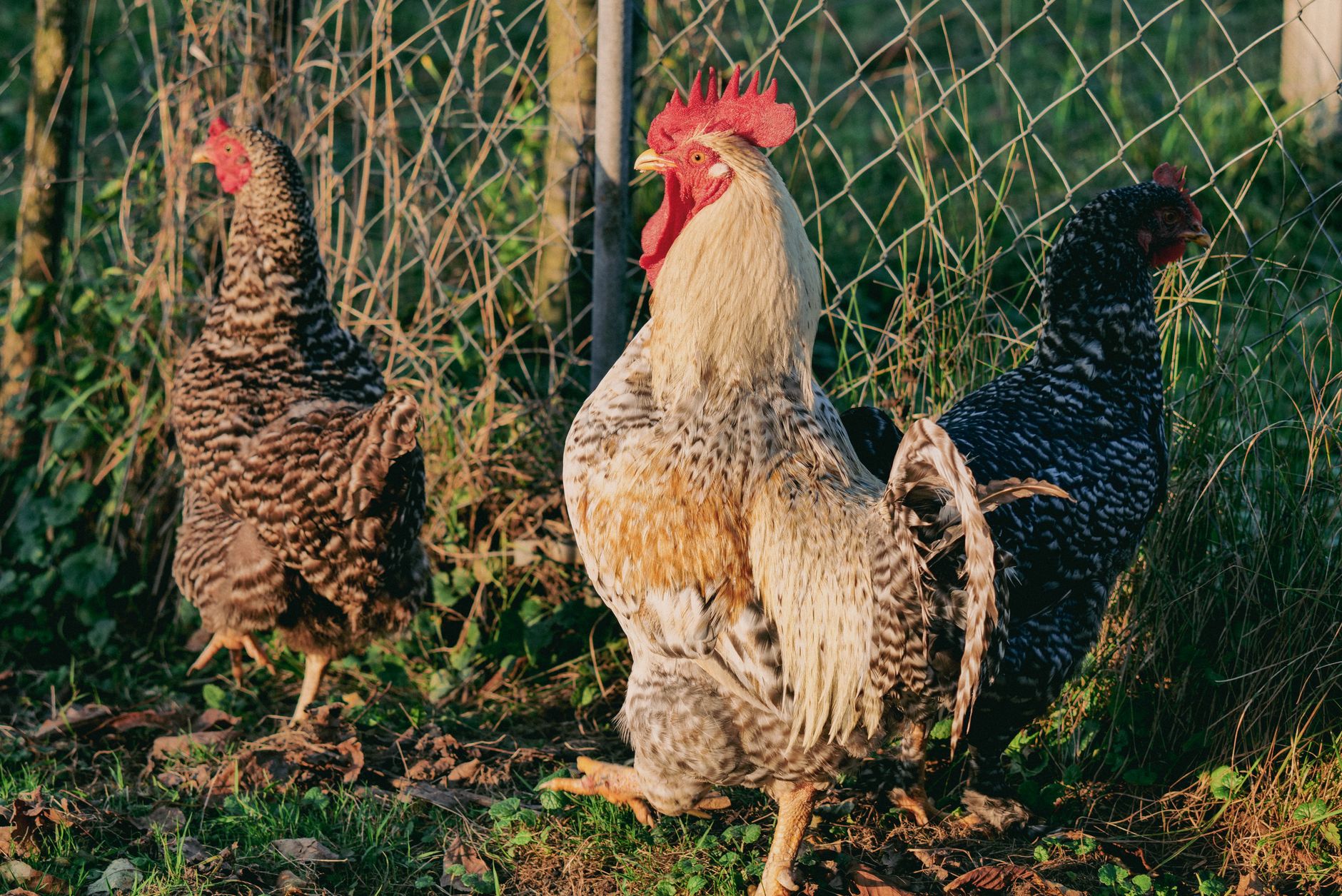
Hello fellow gardeners! Randy here, coming to you from my bustling 800 sq ft patch of green in the heart of the UK Midlands. For the past five years, ever since I swapped my IT desk for a trowel and a greenhouse, I've been absolutely obsessed with making my garden as productive, sustainable, and frankly, as alive as possible. And let me tell you, one of the most transformative decisions I've made in this journey was inviting a flock of feathered friends to join the party: chickens!
Now, I know what some of you might be thinking – chickens and prized tomatoes? A recipe for disaster, right? I had those exact same concerns when I first considered it. My precious 'Moneymaker' cucumbers and heirloom 'Cherokee Purple' tomatoes, grown painstakingly in my greenhouse, felt far too vulnerable. But through a fair bit of trial and error (and yes, a few chewed-up brassicas in my early days!), I've discovered that with careful planning and a bit of British common sense, integrating chickens into your edible garden isn't just possible, it's incredibly beneficial. It's about creating a truly symbiotic relationship where your garden thrives, your pests diminish, and your hens lead a much happier, healthier life.
In my UK garden, I've seen firsthand how a small flock can become an invaluable part of the ecosystem. They're not just egg-laying machines; they're nature's little tillers, pest controllers, and fertiliser factories. The key, I've learned, is understanding their natural behaviours and setting up systems that allow them to do their good work without turning your carefully cultivated raised beds into a dust bath. We're talking about smart fencing, strategic rotational foraging, and letting their natural instincts tackle those pesky slugs and snails that plague our British gardens. So, grab a cuppa, and let me share what I've discovered works here in the Midlands for a truly cluck-and-cultivate success story.
Creating Safe Boundaries: UK-Friendly Fencing Options for Chicken & Garden Coexistence
One of the very first lessons I learned when bringing chickens into my edible garden was the absolute necessity of robust fencing. It's not just about keeping them out of your prize-winning 'Sungold' cherry tomatoes; it's also crucially about keeping them safe from our ever-present UK predators, especially foxes. I speak from experience here – one heartbreaking morning taught me that lesson the hard way, leading to an immediate upgrade of my entire setup.
When I first started, I tried a flimsy plastic mesh, thinking it would be enough for my docile 'Light Sussex' hens. Big mistake! Not only did they quickly find their way through, but it offered zero protection from the local wildlife. Now, my main coop area, which houses my current flock of four 'Rhode Island Reds' and 'Bluebells', is surrounded by a sturdy 6ft high welded mesh fence, buried about 1ft deep to deter digging predators. It's an investment, but one that absolutely pays off for peace of mind.
For protecting specific garden beds or allowing controlled foraging, I use more flexible options. I've experimented with electric netting for larger, temporary areas, and it works a treat for keeping them contained when I want them to clear a patch after harvest. For individual raised beds, I've found simple chicken wire cages, topped with fruit cage netting during fruiting season, are brilliant at keeping both chickens and birds off my strawberries and blueberries. What works here in Britain often means thinking about both what's inside and outside the fence.
Here's a comparison of some UK-friendly fencing options I've tried or considered:
| Fencing Type | Pros (UK Garden Specific) | Cons (UK Garden Specific) | Best Use in My UK Garden |
|---|---|---|---|
| Welded Mesh (Rigid) | Extremely strong, fox-proof (if buried), durable in British weather, long-lasting. | High initial cost, harder to install, permanent fixture. | Main coop run, perimeter of permanent chicken foraging areas. |
| Electric Netting | Highly flexible, easily moved for rotational foraging, good predator deterrent. | Requires power source (mains or battery), can be tangled, needs regular checking. | Temporary foraging zones, protecting specific crop areas for short periods. |
| Chicken Wire (Hexagonal) | Economical, easy to cut and shape, good for temporary barriers. | Less durable, foxes can chew through if not reinforced, not suitable for main enclosures. | Raised bed covers, temporary barriers within garden, reinforcing existing fences. |
| Plastic Poultry Netting | Lightweight, easy to install, affordable. | Flaps in wind, less durable, not predator-proof, chickens can push through. | Very short-term, low-risk containment (e.g., separating new birds for a day). |
| Timber Palings/Picket | Aesthetically pleasing, good visual barrier, can be sturdy. | Gaps allow small birds/chicks, higher cost, requires regular maintenance (UK weather). | Decorative garden borders where chickens are not actively present, or as a secondary barrier. |

Strategic Pecking: Implementing Rotational Foraging for Healthy Gardens and Happy Hens
This is where the real magic happens, and where I've seen the biggest benefits for my 800 sq ft Midlands garden. Just letting your chickens loose in your entire garden is, frankly, asking for trouble and a lot of scratched-up seedlings. Believe me, I learned that the hard way when a whole row of young 'Purple Sprouting Broccoli' disappeared overnight! My approach now is all about controlled, strategic pecking – implementing rotational foraging that benefits both my soil and my hens.
The core idea is simple: allow your chickens access to specific, designated areas of the garden for limited periods. I mostly use this technique in my raised beds after a crop has been harvested, or in my annual rotation beds that are earmarked for cover cropping later in the season. For example, once my broad beans or early potatoes are done in July, I'll clear the bed, then open it up to the hens for a few days. They absolutely love scratching through the spent plant matter, devouring any slugs, snails, and their eggs, and enriching the soil with their droppings.
To manage this in my relatively small UK garden, I rely on a combination of movable electric netting and a small chicken tractor. The chicken tractor, which I built myself from reclaimed timber, is a lifesaaver for target-foraging. It's essentially a bottomless, mobile coop that I can move daily or every few days over fallow beds or grassy areas. I've found it's perfect for a couple of my hens to work a 4ft x 4ft bed area for a day or two, scratching up weed seeds and surface pests without going overboard. I tend to use this particularly after a crop of winter brassicas has finished, letting them clean up any lingering cabbage white butterfly pupae.
What works here in Britain is timing. I avoid letting them into active growing areas, especially when seedlings are young or fruit is ripening. Instead, I time their rotational foraging for:
- Post-harvest clean-up: After potatoes, beans, or sweetcorn are lifted.
- Weed control: On beds that are about to be rested or cover-cropped.
- Pest reduction: In areas where I know slug or snail populations have been high.
One mistake I made early on was leaving them in one spot for too long. They'll quickly turn a productive patch into a bare dustbowl if given unlimited time. Now, it's a quick, intensive visit, then they're moved on. This way, they get access to fresh ground, and the garden gets a natural, organic boost without any destruction.
Feathered Pest Patrol: How Chickens Tackle Common UK Garden Pests Naturally
Beyond the soil enrichment and the sheer joy of watching them scratch about, one of the most practical benefits of having chickens in my UK garden is their incredible ability as pest controllers. They're like little feathered detectives, constantly on the hunt for grubs, slugs, and any other creepy crawlies that dare to invade my prized vegetables. It's a natural form of pest management that reduces my reliance on sprays and allows the garden to truly thrive organically.
I've seen my 'Rhode Island Reds' hoover up slugs faster than I ever could with a head torch and a bucket! Here in the Midlands, slugs and snails are a constant battle, especially with our damp climate. When I allow my hens into a fallow bed, it's like a slug buffet. They'll scratch around, exposing hidden pests and devouring them with gusto. This significantly reduces the initial population before I even plant my next crop, giving my young seedlings a much better chance.
However, it's crucial to remember that chickens aren't a silver bullet for every pest, and you have to be careful about what you let them near. While they're brilliant at eating ground-dwelling pests, they won't typically jump up to eat aphids off your roses. And, as I mentioned, they don't distinguish between a tasty slug and a tender young 'Cosmic Purple' carrot seedling, so supervision and strategic timing are key!
Here's a breakdown of how chickens typically fare against common UK garden pests, based on my own observations:
| UK Garden Pest | Chicken Effectiveness (Randy's Experience) | Notes & Randy's Tips for UK Gardeners |
|---|---|---|
| Slugs & Snails | Excellent! Their absolute favourite. Will actively hunt and devour them. | Best when foraging in fallow beds or after harvest. Supervise near young plants as they don't differentiate. |
| Wireworms | Good. Will dig and scratch, exposing and eating wireworms in the soil. | Great for clearing old potato patches or grassy areas before new planting. |
| Leatherjackets | Good. Similar to wireworms, they'll unearth and eat these crane fly larvae. | Effective in turf areas or newly dug beds. |
| Caterpillars (ground) | Good. Will eat caterpillars found on the ground or low-lying plants (e.g., cabbage white larvae). | Less effective for caterpillars high on plants. My hens have cleaned up after brassicas. |
| Grubs & Larvae | Excellent. Any ground-dwelling beetle larvae, chafer grubs, etc., are fair game. | A fantastic way to naturally reduce soil-borne pests. |
| Weed Seeds | Excellent. Will scratch up and eat countless weed seeds from the soil surface. | Brilliant for preparing a bed for planting or clearing a weed-infested patch. |
| Ants | Moderate. Will eat ants and their eggs if they uncover a nest, but not a primary target. | Can help reduce ant populations in certain areas, but not a dedicated ant control method. |
| Aphids | Poor. Generally too small and high up on plants for chickens to bother with. | Don't expect your hens to solve your aphid problems; you'll still need other methods for these. |
| Spider Mites | Poor. Far too small and not within their foraging scope. | No help here! Focus on cultural controls and beneficial insects for these greenhouse pests. |
| Rats & Mice | Indirect. While they don't eat them, their presence and activity can deter rodents from the area. | Ensure feed is stored in rodent-proof containers; otherwise, chickens can attract rodents more than deter them. My main coop is rat-proof. |
By understanding their preferences and limitations, I've found my chickens to be an indispensable part of my garden's natural pest defence system, especially against those persistent UK slugs and snails. It's truly a win-win situation!
Mutual Protection: Safeguarding Your Edibles and Your Flock from UK Predators
Integrating chickens, even with all the mutual benefits, means taking on the responsibility of protecting them, and by extension, your garden, from local wildlife. Here in the UK Midlands, we’ve got our fair share of clever predators – foxes being the main culprits. I've learned this the hard way over my five years of gardening; a lapse in vigilance can lead to heartbreak. My first season with chickens, I lost a lovely hen, 'Clara', to a fox because I hadn't properly secured their run perimeter. It was a tough lesson, but one that cemented my commitment to robust predator-proofing.
For the flock, a secure coop is non-negotiable. It needs to be sturdy, with no gaps larger than an inch (trust me, foxes are surprisingly flexible!). I use 19-gauge welded mesh for all my coop ventilation and runs, as chicken wire simply isn't strong enough to deter a determined fox. Crucially, the run needs an anti-dig skirt – a perimeter of mesh laid flat on the ground, extending out at least 12-18 inches from the base of the fence. This prevents predators from digging underneath. I also bury a layer of mesh about 6 inches deep around the entire perimeter of my main chicken run and their designated foraging areas. It’s a bit of work upfront, but it’s paid off immensely.
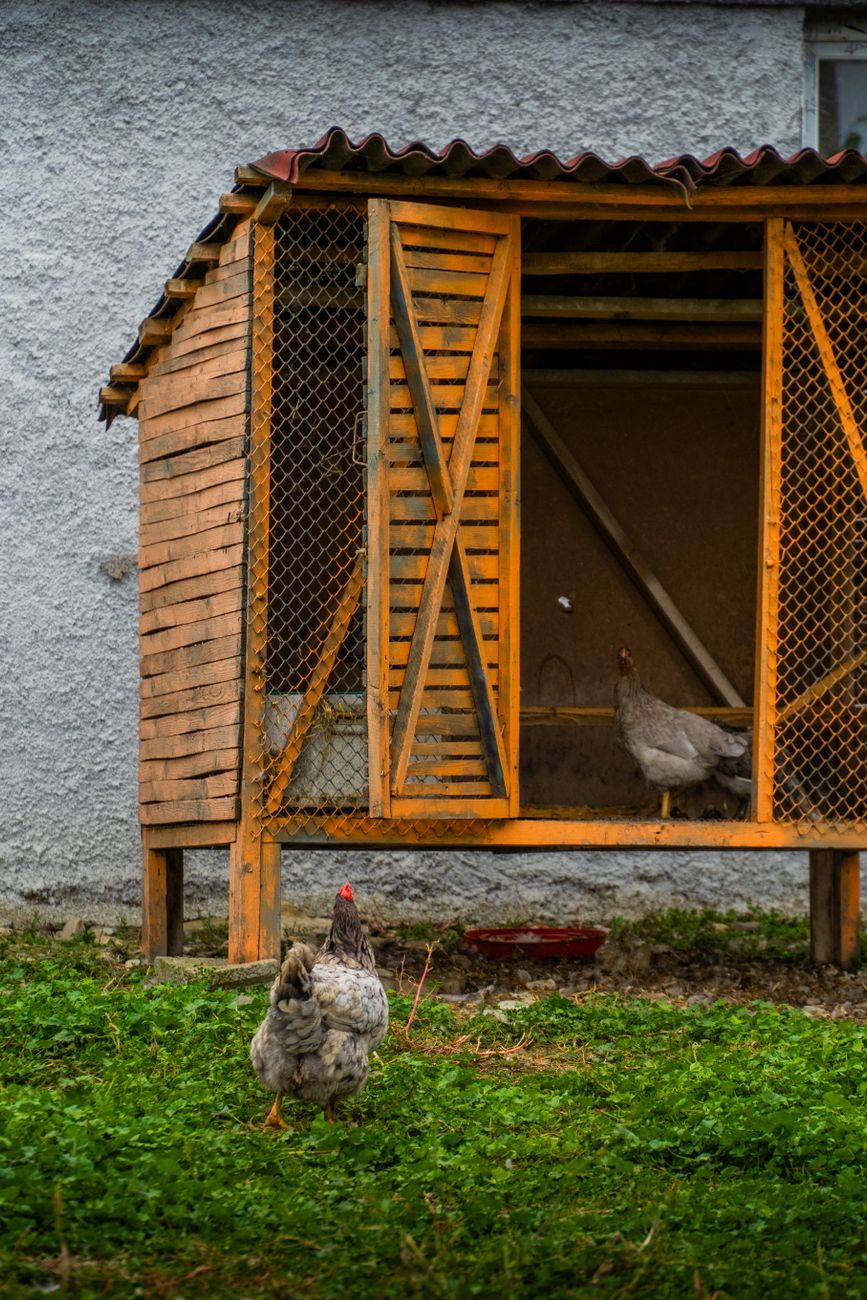
Beyond the coop, when my hens are out on their rotational foraging duties in the garden, I'm always mindful. While they're amazing at pest control, a hawk or a determined fox could still pose a threat during the day. My garden, being 800 sq ft, is quite enclosed, which helps. I also use a motion-sensor light near the coop, which has deterred a few nighttime visitors over the years. Remember, consistency is key; check fences regularly for weak spots, especially after our unpredictable British weather has had its way with them. A small hole today could be a big problem tomorrow.
Fertile Foragers: Harnessing Chicken Manure for Superior UK Garden Soil
This, for me, is where the chicken-garden symbiosis truly sings. The "waste" product of your flock is a gardener's gold! Chicken manure is packed with essential nutrients that our hungry UK vegetable gardens absolutely crave, far surpassing many other manures in its NPK (Nitrogen, Phosphorus, Potassium) content. I've been integrating chicken manure into my raised beds for about four years now, and the difference in my heirloom tomato yields and the vibrancy of my leafy greens is astounding. My 'Black Krim' tomatoes in the greenhouse absolutely thrive on it, growing stronger, more disease-resistant plants.
However, a word of caution: fresh chicken manure is too "hot" for direct application to plants. Its high nitrogen content can burn roots, especially in young seedlings. It absolutely needs to be composted properly before use. I layer it into my main compost bins along with my usual garden waste, kitchen scraps, and plenty of carbon-rich materials like wood shavings from the coop, straw, and shredded cardboard. This helps balance the nitrogen and allows it to break down safely. I aim for a year-long composting period for chicken manure to ensure it's fully decomposed and any potential pathogens are eliminated.
Once composted, it's a dream for enriching my heavy Midlands clay soil. I usually dig it in during late autumn or early spring before planting, or use it as a nutrient-rich top-dressing for established plants, particularly heavy feeders like brassicas and squash. For my greenhouse tomatoes, I'll often mix a good spadeful into the planting hole when transplanting, making sure it's well-rotted. It not only provides a slow-release feed but also significantly improves soil structure, drainage, and water retention – all crucial for tackling our varied British weather.
Here's a quick comparison of chicken manure against some other common soil amendments I've used in my UK garden:
| Manure Type | NPK (Approx. Ratio) | Best Use Cases in UK Garden | Pros for UK Gardeners | Cons |
|---|---|---|---|---|
| Chicken Manure | 3-2-1 | Heavy feeders (tomatoes, brassicas), general soil improvement | High in NPK, improves soil structure, readily available if you have chickens. | Must be composted (too 'hot' fresh), can be messy. |
| Horse Manure | 0.7-0.3-0.6 | General soil amendment, improving clay soils, mulching | Improves soil structure, good for long-term soil health, often free. | Lower nutrient content than chicken, can contain weed seeds, needs composting. |
| Cow Manure | 0.6-0.2-0.5 | Vegetable beds, enriching poor soils | Good all-rounder, improves water retention, generally less 'hot' than chicken. | Lower nutrient content, can be heavy to transport, may contain weed seeds. |
| Mushroom Compost | 0.7-0.4-0.4 | Boosting organic matter, mulching, alkaline soils | Improves soil structure, good for acid-loving plants (if pH is right), adds trace elements. | Can be alkaline (check pH for lime-hating plants), variable nutrient content. |
| Comfrey | 1.7-0.5-5.3 | Liquid feed, mulch, compost activator | Excellent source of Potassium, dynamic accumulator, DIY fertilizer. | Requires growing comfrey, can be invasive if not managed. |
Note: NPK ratios are approximate and can vary based on diet, age, and bedding material.
A Sustainable Symbiosis: Cultivating a Thriving Garden with Your Feathered Friends
Looking back over the past five years, my journey from an IT desk to digging in the soil of my 800 sq ft Midlands garden has been transformative. And honestly, a huge part of that transformation has been the integration of my flock. It's more than just having fresh eggs; it's about creating a truly vibrant, self-sustaining ecosystem right here in my backyard.
We've explored how a thoughtful approach to fencing, like my carefully constructed rotational runs, prevents destruction while maximising the benefits of their foraging. We've seen how their strategic pecking can be a game-changer for pest control, tackling slugs and snails that would otherwise decimate my 'Harlequin' cabbage and 'Cosmic Purple' carrots. And let's not forget the incredible boost their composted manure gives to my soil, ensuring my greenhouse tomatoes like 'Sungold' and 'Marmande' produce abundantly year after year, even through our often-dismal British summers.
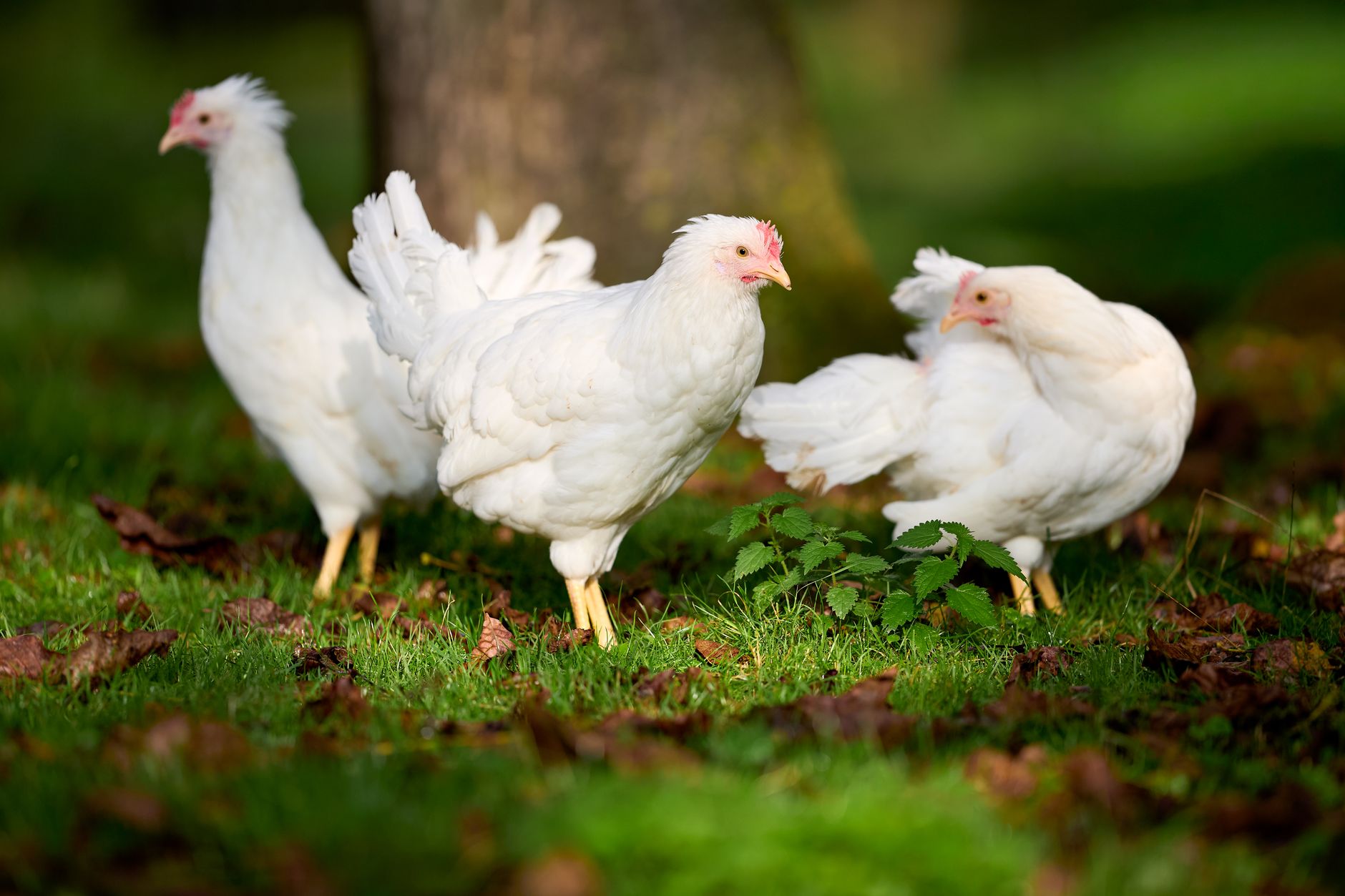
Yes, there have been challenges – the relentless battle against foxes, the occasional muddy patch after a typical British downpour, and the constant learning curve of balancing their needs with the garden's. But the rewards far outweigh any hurdles. My garden is healthier, my soil is richer, and my life is immeasurably fuller because of these feathered companions. They've taught me patience, observation, and the profound interconnectedness of nature.
For any UK gardener contemplating this step, I wholeheartedly encourage you to give it a go. Start small, plan meticulously, and be prepared to adapt. It's a journey, not a destination, but one that promises a more resilient, productive, and joyful garden. The symbiosis between your clucking companions and your cultivating hands is a powerful force for good, fostering a truly sustainable edible garden right outside your back door. Happy gardening, and happy clucking!