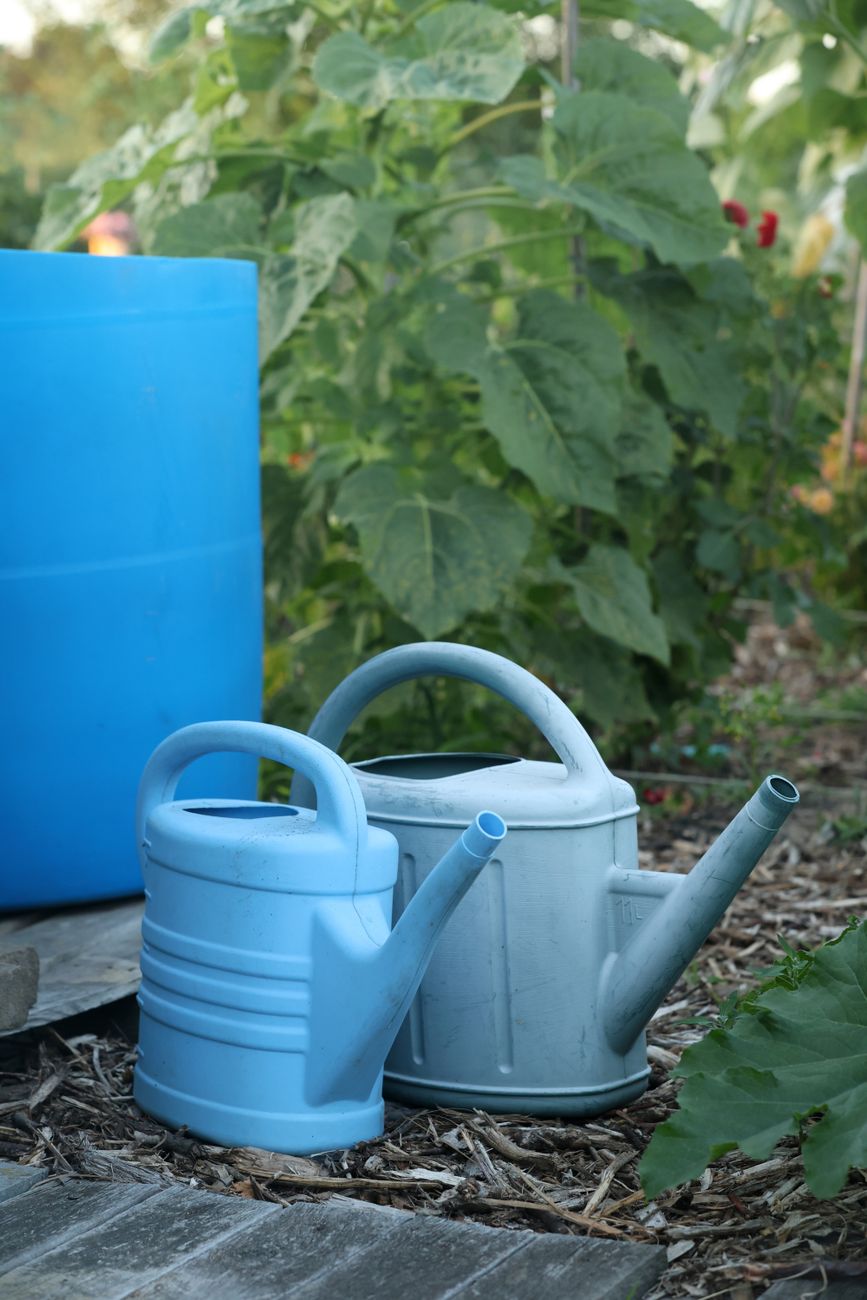
The Unseen Threat – Why Clean Rainwater is Crucial for Your Garden
Alright, fellow green thumbs, let's talk about something that often gets overlooked in our enthusiasm for growing: the quality of our water. Here in my 800 sq ft Midlands garden, with its raised beds bursting with veg and my beloved greenhouse full of heirloom tomatoes, rainwater is an absolute lifeline. I've been collecting it for years – it's free, it's soft, and it's perfect for plants, especially when our British summers decide to be, well, British.
But I learned a hard lesson early on, one that cost me a few trays of precious seedlings and some struggling herb pots. I thought any rainwater was good rainwater. I mean, it falls from the sky, right? What could go wrong? Turns out, quite a lot if you're not paying attention to what's going on inside your rain barrel. That stagnant, murky water you might be seeing? It's not just unsightly; it's a silent killer for sensitive plants and young seedlings. I’ve personally seen the difference clean, fresh rainwater makes to my 'San Marzano' tomatoes and my delicate 'Salad Bowl' lettuce, compared to the stressed-out look they got when I was less vigilant.
I'm talking about the unseen threats: algae and foul odours. They can sneak up on you, turning your perfectly good water supply into something detrimental. These aren't just aesthetic issues; they actively harm your plants by competing for nutrients, introducing pathogens, and generally stressing them out. For anyone growing tender seedlings, or trying to get a good crop of thirsty greenhouse treasures like my 'Cherokee Purple' tomatoes, this isn't just a minor inconvenience – it's a potential disaster. Over the past five years, through plenty of trial and error (and a few disheartening plant losses), I've become a bit obsessed with keeping my rainwater pristine. And today, I want to share exactly how I do it here in my UK garden, so you don't have to learn the hard way like I did.
Understanding the Enemy: How Algae and Odours Harm Your Sensitive Plants
When I first started out, I was just happy to have any water for my garden, especially during those unpredictable dry spells we get here in the UK. I’d just hook up the watering can and go. It wasn't until I noticed a strange green slime forming in the bottom of one of my barrels and a decidedly "pongy" smell coming from another that I started to question things. My newly pricked-out cabbage seedlings, 'Greyhound' variety, were looking yellow and leggy, and my young parsley plants seemed to just stop growing. I blamed everything else – too much sun, not enough sun, slugs, you name it – before I realised the culprit was staring me (and smelling me!) right in the face: my rainwater.
Algae thrives in standing water, especially when it gets some sunlight and has a few organic bits floating around. Leaves, dust, bits of roof material – it all contributes. Here in the Midlands, with our often cloudy but sometimes intensely sunny days, my barrels get just enough light to become a perfect breeding ground. The problem with algae isn't just that it looks gross; it's a living organism. It competes directly with your plants for dissolved nutrients in the water. More critically, it can clog up irrigation systems, create a breeding ground for mosquito larvae, and even release toxins. I once had a batch of 'Forellenschluss' lettuce seedlings just wilt away after getting watered with particularly mucky, algae-filled water. I thought it was damping off, but looking back, it was likely the stress from the poor water quality.
Then there are the odours. A healthy rain barrel should smell fresh, like rain. If it smells swampy, like rotten eggs, or just generally "off," that's usually a sign of anaerobic bacteria. This happens when there's not enough oxygen in the water, often due to a build-up of organic matter decaying at the bottom of the barrel. This kind of water is particularly bad for young, sensitive plants. It can introduce harmful bacteria to their delicate root systems, leading to root rot or just generally stressing them out so much they become susceptible to other diseases. I remember trying to revive some struggling 'Marmande' tomato seedlings with smelly water, thinking any water was better than none in a heatwave. Big mistake. They just got worse.
Here’s a quick breakdown of these two garden villains:
| Feature | Algae | Odour (e.g., Sulphurous/Swampy) |
|---|---|---|
| Primary Cause | Sunlight + Nutrients (organic matter) in standing water | Anaerobic bacteria breaking down organic matter in low-oxygen conditions |
| Visual Symptoms in Water | Green, slimy film; suspended green particles; cloudy green water | Clear to brownish water (less visual); often accompanied by slime/sediment |
| Smell | Earthy, sometimes fishy or slightly musty | Rotten eggs, swampy, sewage-like, generally "off" |
| Harm to Plants | - Competes for nutrients - Clogs watering systems - Can release toxins - Stresses roots - Creates breeding ground for pests | - Introduces harmful anaerobic bacteria - Causes root stress/rot - Inhibits nutrient uptake - Reduces overall plant vigour - Can lead to plant disease |
| UK-Specific Considerations | - Intermittent sun, warm periods encourage rapid growth - Frequent rainfall can wash more organic debris into barrels - Varying temperatures can lead to faster decomposition | - Long periods of still, warm water (especially in summer) accelerate anaerobic conditions - High organic matter from deciduous trees/roof moss common in UK |
| Affected Plants (My Experience) | Young seedlings (lettuce, brassicas), delicate herbs (parsley, coriander), stressed greenhouse tomatoes | Any sensitive plant, especially those prone to root issues; young transplants, seedlings, plants in pots |
First Line of Defence: Preventing Contamination from the Start (Setup & Filters)
When I first set up my rain barrels five years ago, I just wanted to catch water. I bought the cheapest ones I could find, plonked them under the downspouts, and thought that was that. Big mistake number one, right there. I quickly learned that preventing contamination is far easier than trying to clean up a murky, smelly mess later. It all starts with the initial setup.
The single most important step I took, which I now recommend to every UK gardener, is installing a good downspout filter. Initially, I just had a bit of mesh over the opening, but leaves, moss, and even bird droppings still found their way in, especially after a good British storm. My greenhouse roof, for example, is notorious for shedding small bits of algae and dust. Now, every single one of my barrels has a proper downspout diverter with an integrated filter basket. These clever bits of kit divert the water into the barrel but catch all the debris before it gets in. I’ve found the 'Gutter Mate' brand works really well for our standard UK downpipes.

Beyond the downspout filter, I always ensure my barrels have a tight-fitting lid. This isn't just to keep out light (which helps prevent algae), but also to stop curious wildlife, falling leaves, and other airborne crud from getting in. I also place my barrels in a shadier spot if possible. While my greenhouse barrels get some sun, the ones collecting water from the house roof are tucked away behind a shed, limiting light exposure. Less light means less algae, simple as that.
Another thing I've experimented with is the barrel material itself. My first barrels were dark green plastic, which is fine, but I've since acquired some second-hand food-grade barrels that are opaque and even darker. Darker colours absorb more heat, which can be an issue in summer, but they also block more light, which is key for algae prevention. What works here in Britain is a balance; you want to block light, but also not cook your water. I've found the opaque plastic ones are a good compromise.
Finally, consider the surface your water is coming from. My house roof is fairly clean, but my shed roof, for example, gets a lot of moss build-up. I make sure to regularly clean the roofs and gutters that feed into my barrels. This significantly reduces the amount of organic matter that even the best downspout filter has to contend with. A clean source means a cleaner barrel, and less work for me in the long run, which is always a win in my busy UK garden.
Tackling Existing Issues: Natural Remedies for Smelly or Algae-Filled Barrels
Even with the best preventative measures, sometimes a rain barrel can still go a bit off. Maybe you had a particularly long, warm spell here in the UK that encouraged algae, or perhaps a filter slipped. Believe me, I’ve been there. One summer, after a week of glorious sunshine followed by a sudden downpour, I went to fill my watering can from my main barrel, and the smell nearly knocked me back into the greenhouse! It was a potent, stagnant aroma that I knew wouldn't do my delicate 'Marmande' tomato seedlings any good.
So, what do you do when your precious rainwater turns murky or stinky? First, don't panic. There are some excellent natural remedies I've tried in my Midlands garden that can bring your water back to its pristine best without harsh chemicals.
The Great Clean-Out: When to Empty and Scrub
Sometimes, a full clean-out is the only answer. If your barrel is really bad – thick algae, a truly foul smell – you'll need to empty it completely. I usually do this when my plants don’t need much water, perhaps during a cooler, wetter spell, or if I have a spare barrel to switch to. Once empty, I get in there with a stiff brush and some elbow grease. For stubborn algae, a solution of warm water and a good splash of white vinegar works wonders. Just scrub, rinse thoroughly, and let it air out before refilling. I learned this the hard way when I tried to just "top up" a smelly barrel – the new water just got contaminated quickly. A full reset is sometimes essential.
Natural Additives for Mild Issues
For less severe cases, or as a preventative boost, I’ve experimented with a few natural additives:
- Baking Soda (Sodium Bicarbonate): This humble kitchen staple is surprisingly effective at neutralising odours and can slightly adjust pH, which can discourage some types of algae. I usually add about 1-2 tablespoons per 100 litres of water if I notice a slight smell developing. I just sprinkle it in and give the water a good stir with a broom handle. It worked a treat on that smelly barrel I mentioned, taking the edge off within a day or two.
- White Vinegar: While great for scrubbing, a small amount of white vinegar can also help with mild algae growth by slightly lowering the water's pH. I'd use this sparingly, maybe a cup for a 200-litre barrel, and only if I'm not planning to use the water on very acid-sensitive plants immediately. I've used it successfully when a barrel started looking a bit green, but always with caution.
- Beneficial Bacteria Treatments: You can find treatments designed for garden ponds that introduce beneficial microbes to break down organic matter. These can be brilliant for rain barrels, especially if you're getting a lot of leaf litter or pollen. I’ve tried a couple of different brands over the years – always check they’re safe for plants. They work by outcompeting the bad bacteria and algae, essentially cleaning up the ecosystem in your barrel. This has been a real game-changer for maintaining clarity during warmer UK summers.
Remember, the key is vigilance. Catching a problem early makes it much easier to fix. A quick sniff test or a glance at the water clarity can save you a lot of effort down the line.
Beyond the Basics: Advanced Tips and Accessories for Pristine Rainwater
Once you've got the basics down, and you're regularly maintaining your barrels, you might start thinking about how to really optimise your rainwater collection system. Here in my 800 sq ft Midlands garden, I'm always looking for ways to be more efficient, especially with our unpredictable British weather. I’ve played around with a few advanced setups and accessories that have made a real difference.
First Flush Diverters: The Ultimate Pre-Filter
This is perhaps the single most impactful upgrade you can make. A first flush diverter is a clever piece of kit that captures the initial rush of water from your roof – the water that’s likely carrying the most dust, leaves, bird droppings, and other gunk. Once that first, dirtiest volume of water is diverted, the cleaner water then flows into your main rain barrel.
I installed one on my main greenhouse barrel last year after getting fed up with constantly cleaning out fine silt. It’s essentially a vertical pipe that fills up first, with a slow-release valve at the bottom. When it’s full, the water from the roof bypasses it and goes into the barrel. After the rain stops, the dirty water slowly drains out, ready for the next downpour. It's a bit more effort to set up initially, but it has dramatically reduced the amount of sediment and potential contaminants in my water. My 'Sungold' tomatoes, which are quite fussy, have certainly appreciated the cleaner drinks.
Rain Barrel Linking Systems: Maximising Storage
For us UK gardeners with limited space but plenty of rain, linking multiple barrels together is a fantastic way to increase your storage capacity. I started with just one 200-litre barrel, but I quickly realised that in a good downpour, it would overflow in no time. Now, I have three barrels linked in a chain, giving me 600 litres of storage from a single downpipe. This means I can go for much longer periods without needing to rely on tap water, even during drier spells.

Linking kits are readily available – they usually consist of a flexible hose and connectors that allow water to flow freely between barrels. Just make sure all your barrels are on a level, sturdy surface, and consider how you'll access the water from each. I usually draw from the last barrel in the chain, ensuring the first ones are always topped up.
Advanced Filtration and Purification Options
For those truly sensitive plants or specific uses, you can go even further:
- Fine Mesh Filters: Beyond the basic downpipe filter, you can add finer mesh filters between your downpipe and the barrel, or even an inline filter as water leaves the barrel. These catch smaller particulates that might otherwise get through. I’ve experimented with a fine filter bag inside my main barrel to catch anything that slips past the initial screens.
- UV Light Purifiers: While usually overkill for general garden use, if you're incredibly concerned about pathogens for very delicate seedlings or specific propagation techniques, a small UV steriliser (like those used for pond water) could be installed inline. This is a significant investment and energy user, so I personally haven't gone this far in my own garden, preferring natural methods, but it's an option for the truly meticulous.
Ultimately, it's about finding the balance that works for your garden, your budget, and our unique British climate. Every step you take towards cleaner rainwater is a win for your plants and for the environment.
Conclusion: Nurturing Your Garden with Pure, Free Water
As a passionate UK home gardener, I can honestly say that investing time and effort into maintaining clean, odor-free, and algae-free rainwater is one of the best decisions I've made for my 800 sq ft Midlands garden. From my precious heirloom tomatoes in the greenhouse to my thirsty raised beds of brassicas, every plant thrives on the soft, natural goodness of rainwater.
We've explored why this unseen threat of contaminants can harm your sensitive plants and seedlings, and how a proactive approach, starting with proper setup and regular maintenance, is your best defence. I’ve shared my own experiences – the mistakes I’ve made, like that smelly barrel incident, and the successes I’ve celebrated, like the vibrant growth of my 'Costoluto Fiorentino' tomatoes after switching to cleaner water. We've delved into seasonal maintenance, natural remedies for existing problems, and even looked at some advanced accessories like first flush diverters that have transformed my water collection.
Here in Britain, with our often unpredictable weather, rainwater is a free, abundant resource. By ensuring it's kept clean, we're not just saving money on water bills; we're providing our plants with the purest drink possible, free from chlorine and other chemicals found in tap water. It’s a sustainable practice that connects us more deeply with our garden and the natural world.
So, I encourage you, fellow UK gardener, to take a closer look at your rain barrels. Implement these tips, experiment with what works best in your specific garden and microclimate, and enjoy the profound satisfaction of nurturing your plants with pure, precious rainwater. Happy gardening!