It's Randy here, coming to you from my 800 sq ft patch of green heaven right here in the heart of the UK Midlands. If you've been following my gardening journey for a while, you'll know I'm usually elbow-deep in the raised beds, coaxing 'Sungold' tomatoes to ripen in the greenhouse, or wrestling with a new herb bed. But lately, my attention has turned inwards, to the lush, leafy residents of my living room and office.
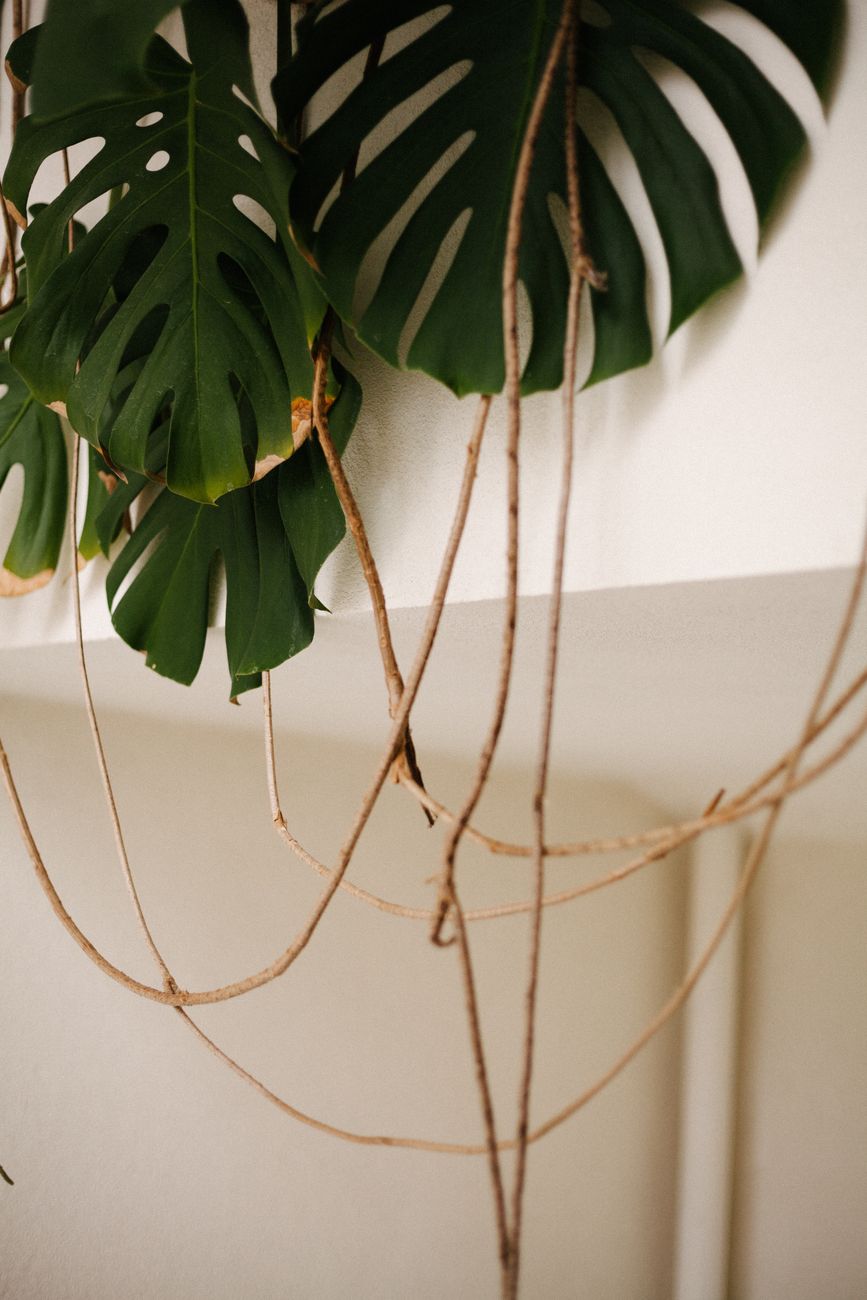
I'm talking about those gorgeous vining plants – your Pothos, Philodendrons, and Monsteras. For years, I let them trail, spill, and generally do their own thing. And while there's a certain charm to a cascading plant, I’ve found something truly transformative happens when you encourage them to reach for the sky. It's not just about making them look good (though they certainly do!); it's about unlocking their full potential, mimicking their natural habitat, and creating a truly thriving indoor jungle. Believe me, after years of experimenting with everything from moss poles to custom trellises, I’ve got a fair few stories and lessons learned to share.
Elevate Your Indoor Jungle: Why Vertical Growth Transforms Pothos, Philodendrons & Monsteras
When I first started dabbling with houseplants, about five years ago, fresh from my IT desk and utterly smitten with all things green, I was happy just to keep a plant alive. My first Pothos, a 'Golden' variety, hung in a basket, its vines stretching further and further until they practically tripped me up. It was lovely, but it never quite had that same robust, impressive look you see in those botanical garden photos. It was a bit... straggly, if I'm honest.
It wasn't until I started researching the natural habits of these plants – how they climb trees in tropical forests, reaching for light – that a lightbulb went off. Just like I stake my 'Brandywine' tomatoes in the greenhouse for better fruit production and airflow, these vining plants thrive when given something to climb. I began my experiments with a rather sad-looking Philodendron hederaceum 'Brazil' that had been trailing across a bookshelf. The transformation was astonishing! New leaves emerged larger, bolder, and with more vibrant variegation. It went from a nice plant to a showstopper, truly elevating the whole space. It makes such a difference in a small UK home, where floor space is often at a premium, to be able to grow upwards rather than outwards.
Beyond Aesthetics: The Health Benefits of Training Your Vining Plants
Beyond just looking fantastic, giving your vining plants a proper support system offers a whole host of health benefits. Think of it like providing a sturdy trellis for your climbing beans; it’s not just for neatness, it’s for their well-being. My 'Monstera deliciosa', which I’ve had for a good three years now, really showed me this. When I first got it, it was just pushing out smaller leaves. Once I introduced a sturdy moss pole, the leaves rapidly started to increase in size, and those iconic fenestrations (the splits!) began appearing much more consistently.
One of the biggest benefits I’ve observed here in my own home, especially during our often-dull British winters, is improved light exposure. When vines are trailing on the floor or across a shelf, many of the lower leaves are often shaded by those above. Training them upwards ensures that more leaves receive adequate light, which is crucial for photosynthesis and overall vigour. It also helps with air circulation, something I learned the hard way with some of my greenhouse tomatoes where stagnant air can lead to fungal issues. For indoor plants, better airflow around the foliage can reduce the risk of common indoor plant pests and diseases, which is a real bonus when you're trying to keep your plant babies healthy.

Understanding Your Plant's Grip: Aerial Roots vs. Twining Stems Explained
Before we dive into the nitty-gritty of choosing supports, it’s really helpful to understand how your plants want to climb. This was a bit of a revelation for me, moving from the outdoor garden where I'm used to peas twining or cucumbers using tendrils. Indoor vining plants, especially Pothos, Philodendrons, and Monsteras, primarily use aerial roots.
Aerial roots are those little brown nubs or sometimes longer, more developed roots that emerge from the stem. They're primarily designed to anchor the plant to a surface – like a tree trunk in their native jungle environment – and in some cases, absorb moisture and nutrients from the air. When these roots find a moist, rough surface like a moss pole, they’ll happily latch on, giving the plant stability and encouraging those larger, more mature leaves. I've seen my 'Rhaphidophora tetrasperma' (often called Mini Monstera) practically glue itself to a coir pole with these roots – it’s fascinating to watch!
Twining stems, on the other hand, are more common in plants like Hoyas or some Epipremnums, where the stem itself wraps around a support. While some Philodendrons might exhibit a bit of twining, their primary climbing mechanism is usually those strong aerial roots. Understanding this distinction is key to picking the right support, because a plant that primarily uses aerial roots will get much more benefit from a pole it can actually root into, rather than just a smooth stick.
Here’s a quick comparison of how they work:
| Feature | Aerial Roots | Twining Stems |
|---|---|---|
| Primary Function | Anchorage, support, nutrient/moisture absorption | Anchorage, support |
| Mechanism | Roots emerge from stem, attach to surface | Stem wraps around support |
| Plant Examples | Pothos, Philodendrons, Monsteras, Epipremnums | Hoyas, some jasmines, beans (outdoor) |
| Ideal Support | Moss poles, coir totems, rough bark | Trellises, thinner poles, strings |
| Benefit | Encourages larger leaves, maturity | Provides structure, keeps plant upright |
| My Experience | My Pothos 'Marble Queen' roots into moss poles beautifully, pushing out huge leaves. | Less common for my typical indoor aroids, but I use string for my greenhouse cucumbers to twine up. |
Selecting the Perfect Prop: Moss Poles, Coir Totems, Trellises & Wall Clips Compared for UK Homes
Right, so you know why you want to support your plants and how they try to climb. Now for the fun part: picking the right prop! Over my five years of intensive gardening, I’ve tried pretty much every option available for my indoor vining plants, often with varying success depending on the plant and our rather variable UK home humidity. What works for a grower in a tropical climate isn't always best for a terraced house in the Midlands!
Moss Poles: These are cylindrical supports packed with sphagnum moss. They’re fantastic because you can keep the moss damp, providing essential humidity for those aerial roots to latch onto and even draw moisture from. My 'Monstera Thai Constellation' absolutely adores its moss pole, and I regularly mist it or even pour a little water down the top. The downside? Keeping them consistently moist can be a bit of a chore, especially in drier UK homes during winter when the heating is on. I once let a moss pole dry out too much, and the aerial roots on my Philodendron 'Pink Princess' struggled to re-attach.
Coir Totems: Similar to moss poles but made from coir (coconut fibre). These are widely available in UK garden centres and online. They're a bit more budget-friendly and less prone to drying out completely compared to sphagnum moss, which can be a real plus for us here in the UK with our varied indoor climates. My larger Pothos 'N'Joy' is climbing a coir totem, and it's doing brilliantly. They don’t offer quite the same moisture-retention as a proper moss pole, but the rough texture is still excellent for aerial roots.
Trellises: These can be anything from small, decorative metal or wooden structures to larger, more elaborate designs. They’re great for plants that have smaller aerial roots or a more twining habit, or if you prefer a more open, sculptural look. I've used small bamboo trellises for my smaller Philodendron 'Micans' plants, guiding the vines through the grid. They don't offer the same rooting opportunity as a moss or coir pole, but they provide excellent physical support. They’re also brilliant if you have limited space and want to train a plant horizontally or in a particular shape.
Wall Clips/Adhesive Hooks: For a truly minimalist or expansive vertical display, wall clips are brilliant. These are small, often clear, adhesive clips that you can stick to a wall or surface, then gently guide and clip your vines into place. I’ve used these extensively for a 'Neon Pothos' in my home office, creating a trailing pattern up and around a window frame. They’re incredibly discreet and allow you to train plants almost anywhere. The main thing to remember is to ensure the adhesive is strong enough for the weight of your plant and to be careful not to damage the wall surface when removing them!
Here's a comparison to help you decide what's best for your UK home:
| Support Type | Pros for UK Homes | Cons for UK Homes | Ideal Plants | My Experience & Tips for UK |
|---|---|---|---|---|
| Moss Pole | Excellent for aerial roots, encourages large leaves; readily available online. | Requires consistent misting/watering (can dry out in heated homes); can be pricey. | Monsteras, large Philodendrons, larger Pothos | Best for plants I want to mature quickly. I water mine weekly, sometimes more in winter. |
| Coir Totem | Good texture for roots, more affordable, less prone to quick drying than moss; widely available. | Offers less humidity than moss; can look a bit rustic. | Pothos, Philodendrons, smaller Monsteras | My go-to for most vining plants. Easy to find in UK garden centres. |
| Trellis | Decorative, good for shaping plants, varied designs (metal/wood); space-efficient for smaller vines. | Doesn't offer rooting surface; may need manual tying. | Smaller Philodendrons, Hoyas, smaller Pothos | Great for aesthetics and guiding plants. I use small bamboo ones for my 'Micans'. |
| Wall Clips | Discreet, flexible for unique designs, utilises wall space; easy to find. | No rooting benefit; adhesive can damage paint; not suitable for heavy vines. | Pothos, smaller Philodendrons, Ivy | Fantastic for creating green walls! Test adhesive on an inconspicuous area first. |
Hands-On Training: Attaching, Securing & Encouraging Upward Growth for Lush Foliage
Right, so you’ve picked your weapon of choice – be it a trusty coir pole or a cleverly repurposed trellis – now comes the exciting bit: getting your plant to actually use it! I’ve learned over my five years of intensive gardening, often the hard way, that the sooner you start training, the easier it is. Trying to wrestle a well-established, sprawling Pothos onto a pole is a bit like trying to herd cats, I tell you.
For my Pothos and Philodendrons, which have more pliable stems, I usually start when they’re just putting out their third or fourth new leaf. I gently guide the stem towards the support and use soft plant ties or even thin strips of old tights. You want something that won't dig into the stem as it grows. My go-to in my UK garden is often a roll of soft garden Velcro; it's reusable and adjustable, which is brilliant as the plant thickens. I loop it loosely around the stem and the pole, ensuring there's room for growth. The key here is gentleness and regular checks – I made the mistake once of tying a 'Brasil' Philodendron too tightly, and it ended up with a nasty constriction. Lesson learned!
Monsteras are a slightly different beast because of their incredible aerial roots. These roots are their natural climbing mechanism, seeking out surfaces to latch onto and draw moisture from. When I’m training my Monstera deliciosa, which I’ve grown from a cutting in my greenhouse and now have indoors, I make sure the moss pole is kept consistently damp. This encourages those aerial roots to actually latch onto the pole rather than just flailing about in the air. I physically guide the aerial roots towards the moss pole and sometimes even use a bit of floristry wire to gently hold them in place against the moss until they grip. It might seem a bit fiddly at first, but once they get the idea, they’re off! I always mist the pole itself when I'm watering the plant, especially in our often-dry UK homes during winter when the heating is on full blast.
The trick is consistency. I pop into my plant room (which is actually just a very crowded corner of our living room!) a couple of times a week to check on my vertical growers. New growth often needs a bit of guidance, and sometimes a tie needs loosening or moving up. It’s a bit like giving a child a ladder – they need a bit of a push and a steady hand to get started, but once they're up, they feel much more secure and confident!
Budget-Friendly Boosters: Crafting DIY Supports from Common Household Items
Running a bustling 800 sq ft garden here in the Midlands, plus an ever-expanding indoor jungle, means I'm always looking for ways to save a few quid. I've found that you don't need to break the bank to give your plants the support they crave. My former IT life might have taught me logical problem-solving, but my gardening life has taught me true resourcefulness!
One of my favourite DIY options, especially for smaller Pothos or Philodendrons, is repurposing bamboo canes. I always have a stash of these left over from supporting my outdoor tomatoes or runner beans in the raised beds. For indoor use, you can simply stick a few together with garden twine to create a mini tepee or a simple stake. I've even used thicker, sturdy branches I've pruned from our garden shrubs – just make sure they're clean and free of pests before bringing them indoors. A particularly gnarly hazel branch can look quite rustic and natural as a plant support.
For something a bit more substantial, like a makeshift moss pole, I’ve had success using plastic mesh or even old chicken wire offcuts from my greenhouse repairs. You can roll this into a cylinder, fill it with sphagnum moss (always try to source this sustainably, I get mine from a local garden centre that specifies its origins) and secure it with twine. I've even seen people cut up old plastic drinks bottles, slicing them into a mesh, though I personally find chicken wire a bit easier to work with. The trick is to make sure the moss is packed in tightly so it retains moisture for those aerial roots.
Another brilliant, often overlooked, option for smaller plants is a simple wooden dowel or even a sturdy chopstick. If you’ve got a Pothos cutting you’re trying to encourage, a few bamboo skewers tied together can provide enough initial support. I once used a broken broom handle, cut to size, for a particularly ambitious 'Neon' Pothos that was just getting too big for its boots! It's all about looking at what you have around the house and seeing it through a gardener's eyes – what could this become?

Long-Term Lushness: Watering, Feeding & Pruning for Sustained Vertical Growth
Getting your plants onto a support is just the beginning of the journey, my friends. To truly achieve that lush, vertical growth, you need to think about long-term care. It’s not just about aesthetics; it’s about giving them the best chance to thrive.
Watering: This is where things can change slightly, especially if you're using a moss pole. The moss pole itself needs to be kept damp to encourage aerial roots to attach and absorb moisture. I usually water the plant as normal, allowing the top inch or two of soil to dry out between waterings, but I also make a point of misting the moss pole regularly, sometimes even pouring a small amount of water directly onto the pole itself, letting it slowly absorb downwards. This is particularly vital in the dry air of UK homes during winter when the central heating is blasting. My 'Thai Constellation' Monstera absolutely loves this, and I've noticed much larger, fenestrated leaves since I started this routine.
Feeding: Vertical growth, especially if you're encouraging bigger leaves (like with Monsteras), demands nutrients. During the main growing season, which for us here in Britain typically runs from spring through to early autumn, I feed my climbing plants every two to four weeks. I tend to use a balanced liquid houseplant fertiliser, diluted to half the recommended strength to avoid nutrient burn. I've also had great success with a good quality liquid seaweed extract; it's a fantastic all-rounder and my plants in the greenhouse adore it too. Remember, in the dormant winter months, especially with our shorter, darker days, I completely cut back on feeding. Over-fertilising when the plant isn't actively growing can lead to salt build-up and root damage.
Pruning: This is often the step people shy away from, but it's absolutely crucial for maintaining shape, encouraging bushiness, and preventing your plant from becoming leggy. If you want a full, bushy plant, not just a single vine reaching for the ceiling, you need to prune! I usually prune in spring or early summer when the plant is actively growing. I look for any long, straggly stems that aren't attaching well to the support, or simply ones that are making the plant look unbalanced. I'll snip just above a node (where a leaf or aerial root emerges). This encourages the plant to send out new growth from that point, often resulting in multiple new stems and a much lusher look. The best part? Those cuttings are perfect for propagation! I've populated half my house with propagated 'Marble Queen' Pothos from a single mother plant over the years. Don't be afraid to give it a trim; your plant will thank you for it with renewed vigour.
Conclusion: Elevate Your Indoor Jungle, The Randy Thompson Way
There you have it, fellow plant enthusiasts! From understanding the unique grip of your Pothos or Monstera to getting hands-on with ties and poles, and finally, maintaining that lush growth year-round, mastering aesthetic and effective support for your vining and climbing indoor plants is a truly rewarding journey.
What I've learned over my five years of intense UK gardening, both in my bustling 800 sq ft Midlands garden and amidst my indoor jungle, is that plants thrive when we understand their natural inclinations and give them a helping hand. Training your plants vertically isn't just about making them look good (though that’s a massive bonus, isn’t it?). It’s about mimicking their natural habitat, encouraging larger leaves, healthier aerial roots, and ultimately, a happier, more robust plant. My 'Adansonii' Monstera, which used to sprawl sadly, now proudly displays huge, fenestrated leaves climbing a DIY moss pole, and it's a testament to the power of vertical training.
Don't be afraid to experiment, be it with a store-bought moss pole or a clever contraption crafted from bits and bobs around your UK home. Remember my early mistakes – tying too tight, starting too late, neglecting the dampness of a moss pole. We all learn by doing, and every gardening challenge is just an opportunity to grow our own expertise.
So, go on, take that leap! Grab a support, gently guide those eager vines, and watch your indoor space transform into a truly vertical, vibrant green sanctuary. Your Pothos, Philodendrons, and Monsteras are just waiting for you to help them reach new heights. Happy climbing, my friends!