Introduction: The Quest for Flawless Fuchsias & Impatiens All Summer
If you're anything like me, a true UK home gardener, then the sight of a vibrant fuchsia hanging basket or a pot overflowing with colourful impatiens just screams "summer." There's nothing quite like that continuous explosion of blooms from June right through to the first frosts. But let's be honest, getting them to perform consistently, without a single wilted leaf or a spell of root rot, feels like a genuine horticultural quest, doesn't it?
I’m Randy, and here in my 800 sq ft Midlands backyard, I’ve spent the last five years – since I traded my IT desk for a trowel – obsessing over how to get the absolute best out of every plant. And believe me, container-grown impatiens and fuchsias have taught me some of the toughest lessons. I’ve seen them go from gloriously full to a sad, crispy mess in an afternoon heatwave, and equally, I’ve accidentally drowned a few in a particularly soggy British summer. It's a fine line we walk!
The secret, I've discovered through countless trials and more than a few errors, lies almost entirely in mastering consistent moisture. It's not just about watering; it's about understanding when, how, and what your plants need, especially with our wonderfully unpredictable UK weather. This isn't just theory from a book; this is hard-won experience from my raised beds, my bustling greenhouse (where my heirloom tomatoes reign supreme), and every single pot and basket I've crammed into my small space. I’m going to share exactly what I’ve learned works here in Britain to keep those impatiens and fuchsias blooming non-stop, preventing both the dreaded wilt and the silent killer, root rot. Let's get those summer displays looking absolutely sensational!
Understanding Your Plants' Thirst Levels: Impatiens vs. Fuchsias in UK Climates
One of the biggest mistakes I made when I first started out, before I really understood the nuances of different plants, was treating all my container plants the same. I'd water everything on a schedule, or worse, just when I remembered. And that, my friends, is a recipe for disaster, especially with plants like impatiens and fuchsias that have very specific, yet distinct, moisture needs.
I've learned that while both these beauties love consistent moisture, their tolerance for drying out, and their susceptibility to overwatering, are quite different. Here in the Midlands, with our mixture of sudden downpours and unexpected heatwaves, understanding these differences is crucial for preventing those dramatic wilts or the insidious onset of root rot.
Let's break down the individual thirst levels based on my experience in my UK garden:
Impatiens: These are, without a doubt, the drama queens of the container world when it comes to water. Whether you're growing the classic Impatiens walleriana (though I've mostly switched to the blight-resistant 'Beacon' series these days) or the more robust New Guinea Impatiens, they absolutely despise drying out. I’ve seen a hanging basket of impatiens look perfectly happy at 9 AM and be completely collapsed by 3 PM on a warm, breezy day. Their leaves are thinner, and they transpire water quickly. While they recover remarkably fast once watered, repeated wilting stresses the plant and reduces flowering. However, they also don't like sitting in soggy soil; it’s a delicate balance.
Fuchsias: My beautiful fuchsias, whether they're the upright varieties I grow in pots or the glorious trailing ones cascading from my baskets, also love consistent moisture. But they're a bit more forgiving than impatiens. They have slightly thicker leaves and woodier stems, giving them a little more resilience against a brief dry spell. The real danger with fuchsias in our UK climate is overwatering, particularly during cooler, wetter periods. Their roots are more prone to root rot if they’re constantly sitting in waterlogged compost, which can be easily done during a typical British summer where we might have a couple of warm days followed by a week of drizzle. I learned this the hard way with a gorgeous 'Delta's Sarah' that just slowly declined despite seemingly adequate watering – it was too much for its roots.
Here’s a quick comparison table based on what I’ve observed growing these in my UK garden:
| Feature | Impatiens (e.g., 'Beacon' series, New Guinea Impatiens) | Fuchsias (Trailing & Upright varieties) | Randy's UK-Specific Tip |
|---|---|---|---|
| General Thirst Level | High – require very consistent moisture. | Medium-High – prefer consistent moisture but tolerate brief drying better. | Check impatiens daily, sometimes twice on hot, windy UK days. Fuchsias can sometimes skip a day if the weather is mild and overcast. |
| Wilting Speed | Rapid – will wilt quickly if moisture is not consistent. | Moderate – more tolerant to occasional dry periods, but prolonged stress affects flowering. | Impatiens: Don't let them wilt! It quickly becomes a pattern and harms bloom production. Fuchsias: A slight droop is a warning, but not usually immediately critical. |
| Root Rot Susceptibility | High – if waterlogged, especially in cooler weather, roots quickly suffer. | High – particularly vulnerable to root rot if sitting in soggy compost for extended periods. | Impatiens: Ensure excellent drainage. Avoid saucers in prolonged damp weather. Fuchsias: Be cautious during wet UK summers; less is often more. |
The Foundation: Choosing Containers & Composts for Optimal Drainage & Aeration
You can have the best watering routine in the world, but if your plants are in the wrong container or the wrong compost, you’re fighting an uphill battle. This is another area where my early gardening career saw more than its share of casualties. I used to grab any old plastic pot and whatever multi-purpose compost was on offer at the garden centre, thinking "soil is soil, right?" Oh, how wrong I was!
Choosing the Right Containers for UK Conditions
The container isn't just a pretty face; it’s a crucial part of your plant's ecosystem. For impatiens and fuchsias, especially with our variable UK climate, drainage is paramount.
Drainage Holes: This is non-negotiable. If a pot doesn't have them, drill some yourself. I aim for at least three to five good-sized holes (1-2 cm diameter) in anything over 20cm. Water must be able to escape freely. I've heard people put crocks or stones at the bottom, but my personal experience and what I've learned from more experienced growers is that this actually hinders drainage by raising the water table. Just ensure the holes are clear.
Material Matters:
- Plastic Pots: These are great for moisture retention, which can be a double-edged sword. In a hot, dry spell, they keep moisture in longer, reducing watering frequency. But during a cool, wet British summer, they can easily lead to waterlogging if not managed carefully. I use them for my impatiens, especially in hanging baskets, because they need that extra moisture.
- Terracotta Pots: These are beautiful and allow excellent aeration through their porous walls. The downside, particularly in our UK climate, is that they dry out much faster. This means more frequent watering, sometimes twice a day for impatiens on a truly scorching day. For fuchsias, they can work well, offering a good balance of aeration, but be prepared to be vigilant. I often use terracotta for herbs, but for these thirsty summer bloomers, I lean towards plastic or glazed ceramic.
- Glazed Ceramic/Resin Pots: These offer the best of both worlds – the aesthetic appeal of terracotta without the rapid moisture loss. They're heavier, more stable, and generally my preferred choice for larger, permanent displays of fuchsias.
Size: Always go for the largest pot you can reasonably accommodate. Smaller pots dry out incredibly fast, meaning you're constantly watering, which is a pain, especially if you've got an 800 sq ft garden like mine and other jobs to do! A larger volume of compost provides a more stable moisture environment, acting as a buffer against our unpredictable weather. For a single fuchsia or a cluster of impatiens, I'm looking at a minimum of a
Diagnosing & Rescuing: Identifying Wilt, Root Rot, and Over/Under-Watering Symptoms
Alright, so you've been doing everything right, but sometimes, despite our best efforts, our plants still throw us a curveball. Here in the UK, especially with our notoriously changeable weather, getting the watering just right can feel like trying to hit a moving target. The biggest challenge I’ve faced, and one I hear a lot about from fellow gardeners, is distinguishing between a plant that’s wilting from thirst and one that’s wilting because its roots are drowning. It's a critical distinction, because the remedy for one will absolutely kill the other!
I learned this the hard way with a gorgeous 'Delta Salmon' Impatiens a few seasons back. It looked limp, so naturally, I watered it. Then I watered it again. Turns out, the compost was already sodden, and I was just accelerating its demise via root rot. That particular Impatiens taught me a valuable lesson about really getting to know the symptoms. Now, I always do a thorough check before reaching for the watering can.
The Tell-Tale Signs: Under-watering vs. Over-watering vs. Root Rot
Understanding the nuances is key. Under-watering is often easy to spot and quick to fix, but over-watering and the subsequent root rot can be insidious.
- Under-watering: The plant looks sad, often limp and drooping, but the leaves might feel dry and crispy rather than soft. The pot will feel incredibly light, and the compost will be visibly dry, perhaps even pulling away from the sides of the container. A good drink usually revives it within an hour or two.
- Over-watering: This is where it gets tricky. The plant also wilts, but the leaves might be yellowing, soft, or even look waterlogged. Crucially, the soil will still feel wet, often heavy, and maybe even squishy to the touch. The plant is wilting not because it lacks water, but because its roots are suffocating from too much of it.
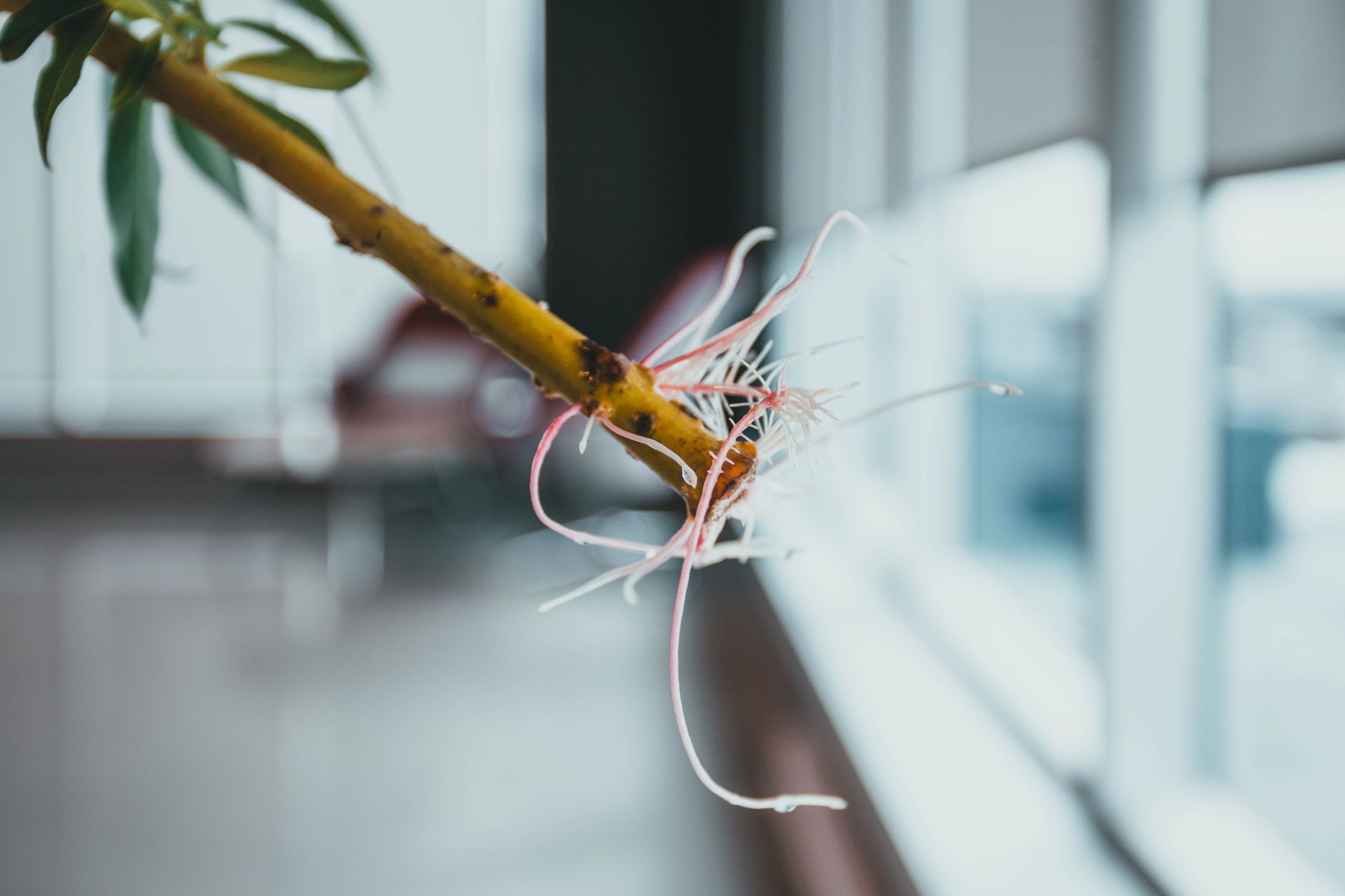
- Root Rot: This is the advanced stage of chronic over-watering. The roots, deprived of oxygen, begin to die and rot, often turning brown or black and becoming mushy. If you carefully ease the plant out of its pot, you might notice a foul, earthy smell. The plant will continue to wilt and eventually collapse, as it can no longer take up water or nutrients effectively, regardless of how much you water it.
To help you out, I've put together a quick comparison table based on what I’ve observed countless times in my 800 sq ft Midlands garden.
| Symptom Category | Under-Watering (Thirsty) | Over-Watering (Suffocating) | Root Rot (Dying Roots) |
|---|---|---|---|
| Leaves | Drooping, limp, often dry/crispy, may curl at edges. | Drooping, limp, often yellowing, soft, may look waterlogged. | Persistent wilt, yellowing, browning, eventually collapse. |
| Stems | Limp, pliable, may feel brittle. | Limp, soft, sometimes discoloured near soil line. | Soft, mushy, discoloured, especially at base. |
| Soil | Dry, light, often pulled away from pot edges. | Consistently wet, heavy, often squishy to the touch. | Consistently wet, heavy, often has a foul, stagnant smell. |
| Pot Weight | Very light. | Very heavy. | Very heavy. |
| Roots | Dry, brittle, sometimes shrivelled. (If visible) | May appear healthy initially, then yellow/brown, soft. | Brown/black, mushy, disintegrating, foul smell. |
| Rescue Plan | Water thoroughly until drainage, check pot weight daily. | Stop watering, improve drainage, let soil dry significantly. | Repot with fresh, well-draining compost, trim affected roots. |
My Rescue Tips for UK Gardeners:
If you suspect under-watering, a good, slow soak is usually all that’s needed. For an Impatiens or Fuchsia, I often stand the whole pot in a bucket of water for 20-30 minutes until the bubbles stop, letting it drink from the bottom up. Then, I let it drain fully.
For over-watering, the first step is to stop watering immediately. If the plant is small and the compost is absolutely saturated, I sometimes gently tip the pot to improve drainage, or even carefully remove the plant and wrap the root ball in newspaper for an hour or so to wick away excess moisture before repotting it in the same pot with some added perlite or grit if needed. If root rot has set in, you'll need to be brave. Take the plant out, gently wash off the old compost, and use clean, sharp snips to cut away all the mushy, discoloured roots. Repot into fresh, well-draining compost and a clean pot (or a sterilised old one), and then water very sparingly until you see signs of new growth. It's a tough call, but often worth it for a prized plant!
Smart Strategies for UK Summers: Mulching, Self-Watering, and Holiday Care
Our British summers, bless 'em, can swing wildly from glorious sunshine to days of relentless drizzle, often within the same week! This variability makes consistent moisture a real challenge for container plants. Over my five years of intensive gardening, I've experimented with several strategies to help my Impatiens and Fuchsias cope, especially when I’m busy or away from my Midlands patch.
Mulching: A Simple Yet Effective UK Tactic
Mulching isn't just for raised beds; it's a game-changer for containers too. I've found it significantly reduces evaporation from the soil surface, helping to keep moisture locked in during dry spells and regulating soil temperature.
- What I Use: For my Impatiens and Fuchsias, I generally use a thin layer (about 1-2 cm) of fine bark chips or horticultural grit. The grit is particularly good for Fuchsias as it looks neat and doesn't hold too much moisture against the stem.
- Why it Works in the UK: During those unexpected heatwaves we get, mulched pots can go an extra day or even two between waterings. Conversely, during our typical drizzly periods, it also prevents heavy rain from compacting the compost surface.
- Randy's Tip: Don't pile it too thick, especially around the stem, as this can trap too much moisture and encourage rot, particularly in our often damp climate. Leave a small gap around the plant's base.
Self-Watering Containers: My Go-To for Thirsty Plants
I'm a big fan of self-watering containers for my absolute thirstiest plants, like Impatiens. They have a built-in reservoir that the plant can draw from as needed, taking a lot of the guesswork out of daily watering.
- My Experience: I've got several self-watering hanging baskets in my greenhouse, usually packed with 'Accent' Impatiens. They're brilliant for keeping these moisture-lovers consistently hydrated, and I only need to top up the reservoir every few days, even in hot weather. It's a real time-saver.
- Pros for UK Climate: Excellent for busy gardeners, provides consistent moisture, reduces risk of underwatering during short dry spells.
- Cons for UK Climate: Can lead to over-watering if the reservoir is always full and we have prolonged rain, especially for Fuchsias that prefer slightly drier conditions between waterings. Choose carefully!
Holiday Care: Keeping Your Blooms Happy While You're Away
Ah, the holiday dilemma! Leaving your beloved container plants to fend for themselves for a week or two is every gardener's nightmare. Over the years, I've tried various methods to ensure my plants are still thriving when I return from a well-deserved break.
- Grouping & Shade: My simplest trick is to group all my container plants together in a shady, sheltered spot in my backyard. This creates a microclimate with higher humidity and less exposure to drying winds and sun.
- Capillary Matting: For my greenhouse trays, I use capillary matting. You simply place your pots on the matting, and as long as the matting is kept wet (you can run it into a tray of water), the pots will wick up moisture. It’s effective for small to medium pots.
- DIY Drip System: For my larger Fuchsia pots, I've experimented with slow-release watering spikes (the terracotta ones that you fill with a wine bottle) or even a very basic drip system from a large water butt. They're not perfect, but they buy you a few extra days.
- The Trusty Neighbour: This is often the best solution! I always leave very clear, concise instructions for my kind neighbour – "Impatiens daily, Fuchsias every other day, check compost first!"
Here's a comparison of these smart strategies:
| Strategy | Pros (for UK Conditions) | Cons (for UK Conditions) | Randy's Best Use Cases |
|---|---|---|---|
| Mulching | Reduces evaporation, regulates soil temperature, suppresses weeds. | Can trap too much moisture if too thick or in prolonged wet spells. | All containers, especially for heat-sensitive Impatiens. |
| Self-Watering Pots | Consistent moisture, less frequent watering needed, great for thirsty plants. | Can lead to over-watering if not managed, less suitable for plants preferring dry spells. | Impatiens, tomatoes, other high-water-demand plants. |
| Holiday Care (Grouping) | Reduces water loss, creates humid microclimate, simple & free. | Still requires initial thorough watering, limited effectiveness for long periods. | All containers, especially when away for 3-5 days. |
| Holiday Care (Capillary Matting) | Reliable, consistent moisture supply, good for multiple pots. | Requires a water source/reservoir, can dry out if not topped up. | Greenhouse plants, smaller pots, seedlings. |
| Holiday Care (DIY Drip/Spikes) | Provides extended watering, good for larger individual pots. | Can be inconsistent, prone to blockages, not a long-term solution. | Large Fuchsia pots, specific prized plants for up to a week. |
Conclusion: Enjoying a Season of Vibrant, Healthy Blooms with Confidence
So, there you have it, fellow gardeners! We've journeyed through the ins and outs of mastering consistent moisture for your container-grown Impatiens and Fuchsias. From understanding their unique thirst levels and choosing the perfect pot and compost, to perfecting your watering technique and knowing how to rescue a struggling plant, we've covered the lot. We've even tackled those smart strategies for our unpredictable UK summers, from mulching to holiday care.
What I've learned over my five years of hands-on experience in my UK garden, especially here in the Midlands with its wonderfully diverse weather, is that successful gardening isn't about having a magic touch. It's about careful observation, understanding your plants' individual needs, and being willing to experiment and learn from both your successes and, crucially, your failures. I've certainly had my share of both!
The beauty of container gardening is that it gives you such incredible control. You're the master of their environment, and with the knowledge we've shared, you're now equipped to provide exactly what your Impatiens and Fuchsias need to truly flourish. Don't be afraid to get your hands dirty, to lift those pots, to feel the compost, and to adjust your approach based on what you see and what the British weather throws at you.
There’s nothing quite like stepping out into my backyard on a summer evening, cup of tea in hand, and seeing those Fuchsias dripping with colour and the Impatiens glowing under the evening light, all healthy and vibrant. It's a reward that makes every moment of effort worthwhile. With these tips and a bit of practice, I'm confident you'll enjoy a season of non-stop, stunning blooms. Go forth and grow with confidence, and please do share your successes and challenges – we're all learning together!