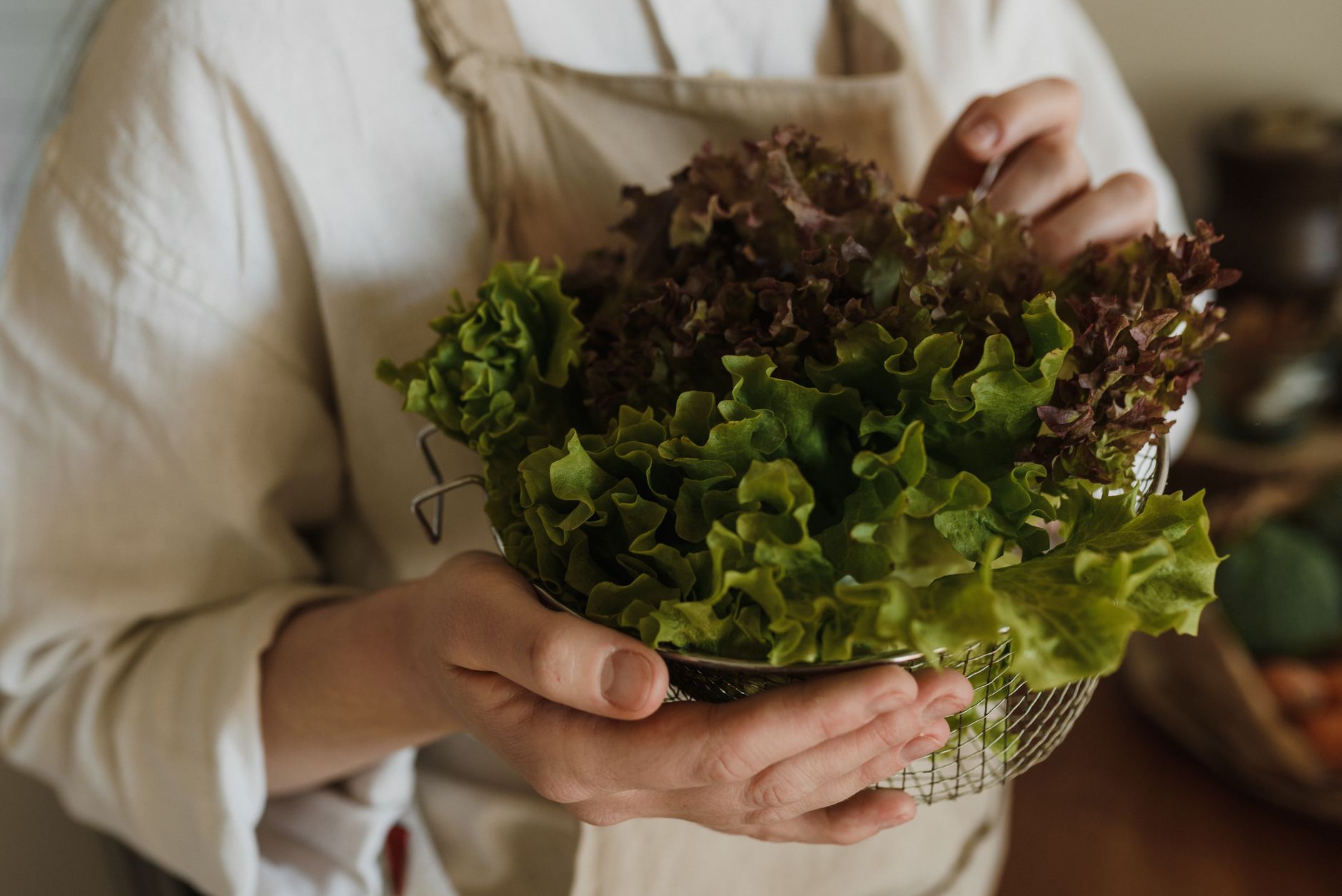
Unlock Your Year-Round Salad Bowl: The Joy of Continuous Lettuce
There’s nothing quite like stepping out into your UK garden, even on a chilly autumn morning or a blustery spring day, and plucking fresh, crisp lettuce leaves for your breakfast or lunch. For me, that feeling of self-sufficiency, of providing fresh food for my family directly from our 800 sq ft patch here in the Midlands, is what gardening is all about. When I first started five years ago, fresh out of the IT world and totally green-fingered in the wrong way, I thought lettuce was a simple "plant once, harvest once" affair. Oh, how wrong I was!
I quickly learned that the British climate, with its unpredictable bursts of heat, sudden cold snaps, and varying day lengths, makes growing a continuous supply of anything a bit of a dance. My first attempts at lettuce were a classic tale of boom and bust: a huge flush, then nothing but bolted, bitter stumps. It was frustrating, to say the least. But as I delved deeper, experimenting in my raised beds and poring over gardening books, I stumbled upon the magic of strategic succession planting, the genius of cut-and-come-again, and some clever tricks to outsmart bolting.
What I've discovered through countless trials (and a fair few errors, believe me!) is that with a bit of planning and understanding of how our UK weather impacts these leafy greens, you absolutely can have fresh, homegrown lettuce almost all year round. It’s transformed my salad bowl from an occasional treat to a daily staple. In this article, I’m going to share all the nitty-gritty details, the tips and tricks I’ve personally tried and tested in my UK garden, so you can enjoy that continuous, satisfying harvest too.
Plotting Your Harvest: A UK Gardener's Guide to Strategic Succession Planting
One of the biggest breakthroughs I had in my UK gardening journey, especially for something as fast-growing as lettuce, was truly understanding succession planting. It sounds fancy, but it's actually quite simple: instead of sowing all your seeds at once, you sow small batches every couple of weeks. This ensures you have a continuous supply coming to maturity, rather than a massive glut followed by a barren patch.
When I first started, I’d sow a whole packet of 'Butterhead' lettuce in one go, usually in spring. For about two weeks, we’d be absolutely drowning in lettuce, trying to eat it fast enough before it all decided to bolt in a sudden UK heatwave. Then, poof! No more lettuce for weeks until my next big, single sowing matured. It was inefficient, wasteful, and frankly, a bit disheartening.
What I've learned in my Midlands garden is that consistency is key, especially with our often-fickle British weather. I now aim to sow a small batch – maybe 10-15 seeds – every two to three weeks, starting from late February in the greenhouse (using modules) and continuing right through to early autumn. This staggered approach means that by the time one batch is nearing the end of its productive life, the next is ready for its first harvest, and another is just a tiny seedling. I find this rhythm works perfectly, giving me just the right amount for our family without overwhelming us.
Here's a look at some succession strategies I've found work brilliantly here in Britain:
| Succession Planting Strategy | Best for UK Climate | My UK Garden Experience | Pros for UK | Cons for UK |
|---|---|---|---|---|
| Small Batches, Staggered Sowing | All year (with protection) | My go-to method for continuous supply. I sow 10-15 seeds every 2-3 weeks in modules. | Consistent harvest, avoids gluts, easy to adjust for weather. | Requires regular, small effort; can forget a sowing. |
| Direct Sowing (Outdoor Beds) | Mid-Spring to Early Autumn | Works well for hardy varieties like 'Little Gem' or 'Salad Bowl' once soil warms. | Less transplant shock, very low effort. | Slower germination in cooler soil; vulnerable to slugs/snails. |
| Module Sowing (Indoors/Greenhouse) | Early Spring & Late Autumn/Winter | Essential for getting a head start in February/March and extending into colder months. | Quicker germination, protects seedlings from early pests/weather. | Extra step of transplanting; needs space for trays. |
| Variety Rotation (Fast vs. Slow) | All year | I pair a fast-maturing loose leaf like 'Lollo Rossa' with a slower 'Romaine' or 'Butterhead'. | Ensures different textures/types of lettuce are always available. | Requires tracking different maturity times. |
| Intercropping with Taller Plants | Summer | Planting lettuce under taller tomatoes (in greenhouse) or sweetcorn (outside) provides crucial shade. | Reduces bolting in summer heat, efficient use of space. | Can compete for nutrients if not managed; light can be too low for lettuce. |
For my module sowings, I use standard seed trays with individual cells, which really helps with transplanting without disturbing the delicate roots. I start them off in my unheated greenhouse from late February, and then they go into my raised beds as soon as they're a decent size and the soil has warmed up a bit – usually by late March or early April here in the Midlands. This gives them a fantastic head start, often before the slugs are fully active, which is a big win!
What I've learned from my own mistakes is to always keep an eye on the weather forecast. If a sudden cold snap is predicted after I've just transplanted some young seedlings, I'll throw a bit of horticultural fleece over them for a few days. Conversely, if a heatwave is coming, I might delay a sowing or ensure they're destined for a shadier spot. Flexibility is key when gardening in the UK.
The Art of Re-Growth: Mastering Cut-and-Come-Again Techniques for UK Gardens
Once you've got your succession planting schedule down, the next big step to a truly continuous supply of lettuce is mastering the "cut-and-come-again" technique. This isn't just about harvesting; it's about encouraging your plants to keep producing, extending their productive life far beyond what you might expect. When I first heard about it, I was skeptical – surely cutting a plant would just kill it? But after trying it, I was totally hooked. It's truly magical to see the same plant bounce back again and again.

The principle is simple: instead of pulling up the whole plant, you harvest only the outer leaves or cut the plant a couple of inches above the soil line, leaving the central growing point intact. This allows the plant to regenerate new leaves from that central point, giving you multiple harvests from a single sowing. It’s absolutely perfect for us UK gardeners with raised beds or small spaces, as it maximises your yield per square foot.
In my UK garden, I typically start using the cut-and-come-again method about 4-6 weeks after sowing, once the plants are a decent size. For loose-leaf varieties like 'Lollo Rossa', 'Oakleaf', or 'Salad Bowl Mix', I simply snip off the larger, outer leaves with a sharp pair of scissors or a knife, about an inch from the base. This leaves the smaller, inner leaves to continue growing. For varieties like 'Little Gem' or smaller butterheads, I'll often cut the entire head about an inch or two above the soil line, ensuring the very base and central growth bud are left.
I've learned that a clean cut is crucial for the plant's recovery; ragged tears can invite disease, especially in our damp British climate. After a harvest, I always give the plants a good drink of water – sometimes even a dilute feed of liquid seaweed – to help them recover and push out new growth. I've found that in our cooler UK spring and autumn, plants might take a bit longer to regrow (say, 2-3 weeks), whereas in the height of summer, you can often get another harvest in as little as 10-14 days.
One mistake I made early on was cutting too low, right at the soil line, effectively killing the plant. Or, conversely, not harvesting regularly enough. If you let the plant get too large or too old before its first cut, it can become stressed and more prone to bolting once you finally do cut it. Regular, gentle harvesting is the key to encouraging consistent regrowth and keeping the plant in its vegetative (leaf-producing) phase. It truly is an art, and one that has hugely boosted my continuous lettuce harvests here in the Midlands.
Beat the Bolt: UK Strategies for Cooler Lettuce and Longer Harvests
Ah, bolting. The bane of many a UK lettuce gardener's existence! There’s nothing more deflating than seeing your beautiful, lush lettuce plants suddenly shoot up a tall, woody stem, their leaves turning bitter and inedible. I’ve lost entire beds of promising lettuce to bolting in my early days, usually triggered by an unexpected heatwave or simply by letting them get too old. Understanding why lettuce bolts and implementing strategies tailored for our British climate has been a game-changer for me.
Bolting is essentially the plant’s natural response to stress, typically triggered by rising temperatures and lengthening daylight hours. It's the plant's signal that it's time to reproduce, to produce seeds, before conditions become too harsh. While we don't often get scorching summers here in the UK, those sudden spikes in temperature combined with our long summer days can certainly encourage lettuce to go to seed prematurely.
Strategy 1: Variety Selection for UK Conditions
This is perhaps the simplest and most effective strategy. Not all lettuce varieties are created equal when it comes to resisting bolting. I've found that some are bred specifically for heat tolerance and bolt resistance, making them ideal for our unpredictable UK summers.
- My Go-To Varieties:
- 'Nevada': A fantastic loose-leaf variety that I've grown for three years now in my UK garden. It's incredibly slow to bolt and produces crisp leaves even when other varieties are struggling.
- 'Black Seeded Simpson': Another reliable loose-leaf that holds up well.
- 'Summer Gem': A 'Little Gem' type that's specifically bred for summer growing and resists bolting better than its standard counterpart.
- Red-leaved varieties: I've noticed that many red-leaved varieties, like 'Lollo Rossa' or 'Red Salad Bowl', tend to be a bit more bolt-resistant than their green counterparts.
Always check the seed packet for descriptions like "slow to bolt" or "heat tolerant" when buying seeds for summer sowings here in Britain.
Strategy 2: Strategic Siting & Shade
Giving your lettuce a bit of respite from the harshest sun can significantly delay bolting. Think about where your lettuce beds are positioned throughout the day.
- Partial Shade is Your Friend: For my summer lettuce sowings, I actively seek out spots in my raised beds that get morning sun but are shaded from the intense afternoon sun. This might be behind a taller crop like my climbing beans, or nestled in the dappled shade cast by a small fruit bush.
- Shade Cloth in My Greenhouse: In my greenhouse, where I grow my beloved heirloom tomatoes, the temperatures can soar. For my lettuce seedlings or early spring sowings, I often drape a 30-40% shade cloth over the roof during sunny periods. It makes a huge difference, keeping the ambient temperature down and preventing the lettuce from bolting before it's even mature.
- Companion Planting: I've also had success interplanting lettuce with taller vegetables. For example, planting a row of loose-leaf lettuce between two rows of developing sweetcorn (once the sweetcorn is a foot or so tall) provides natural shade and keeps the soil cooler.
Strategy 3: Consistent Moisture
Lettuce needs consistent moisture to thrive. Dry soil is a major stressor for plants, and stressed plants are much more likely to bolt. This is especially true during those dry spells we sometimes get in the UK, even in spring.
- Regular Watering: I make sure my lettuce beds are consistently moist, never waterlogged, but never allowed to dry out completely. A good way to check is to stick your finger an inch or two into the soil; if it feels dry, it's time to water.
- Mulching: Applying a layer of organic mulch (like well-rotted compost or straw) around your lettuce plants is incredibly effective. It helps retain soil moisture, keeps the soil temperature cooler, and suppresses weeds, all of which reduce stress on the plants and make them less prone to bolting. I've found this particularly useful in my raised beds, which can dry out faster than in-ground beds.
Strategy 4: Timely Harvesting
Don't be afraid to harvest! Letting lettuce plants get too old or overcrowded can also trigger bolting. Regular harvesting, especially using the cut-and-come-again method I described earlier, encourages the plant to stay in its vegetative growth phase.
- Harvest Early, Harvest Often: As soon as your lettuce leaves are big enough to eat, start harvesting. Even if you don't need a full salad, taking a few outer leaves helps the plant continue producing.
- Succession Planting to the Rescue: This ties back to succession planting. If you have a continuous supply coming along, you're less likely to feel the need to push an older plant past its prime, which can make it bolt.
Strategy 5: Soil Health
Healthy soil equals healthy, resilient plants. A rich, well-draining soil that's cool and moist encourages strong root growth and reduces overall plant stress.
- Organic Matter: I regularly amend my raised beds with plenty of well-rotted compost. This improves soil structure, water retention, and provides a steady supply of nutrients, all contributing to a healthier, more bolt-resistant lettuce crop.
By combining these strategies, I've managed to significantly reduce bolting in my UK garden, allowing me to enjoy fresh lettuce for a much longer season. It's all about understanding your plants and adapting your approach to our unique British climate.
Choosing Wisely: Best Lettuce Varieties for Year-Round UK Cultivation
Alright, so we've talked about how to keep that lettuce coming, but none of it matters if you're not picking the right players for your team. Over my five years of intensive gardening here in the Midlands, I’ve experimented with countless lettuce varieties, trying to find those true champions that stand up to our often-unpredictable British weather. What works for a Californian garden just won't cut it when a late spring frost or a soggy August rolls around.
My goal in selecting varieties is always twofold: flavour and resilience. I want something that tastes fantastic but also doesn't throw a tantrum at the first sign of trouble. For continuous harvests, I look for varieties that are either naturally slow to bolt, good for cut-and-come-again, or tolerant of cooler temperatures.
Here’s a breakdown of some of my absolute favourites that have earned their permanent spot in my raised beds and greenhouse:
| Variety | Type | Key Characteristics for UK Gardens
|
|:--------------------|:--------------|:----------
| Seasonal Use
