Unlock Continuous Tender Oregano: Beyond the Woody Bush
Alright, fellow UK gardeners, let's talk oregano! If you're anything like I was when I first started out five years ago, you probably planted a lovely little oregano plant, watched it grow, harvested a bit, and then suddenly... BAM! You've got a woody, leggy, flower-sprouting monster that’s more suitable for kindling than for your Sunday roast. Sound familiar? I certainly made that mistake in my early days here in the Midlands. My first patch of oregano quickly became a testament to my lack of understanding, and frankly, a bit of an eyesore in one of my raised beds.
But fear not! Over my years of intensive growing in my 800 sq ft backyard, packed with raised beds and my beloved greenhouse, I've become a bit obsessed with getting the most out of every plant. And oregano, that glorious, aromatic herb, is no exception. My journey from an IT desk to digging in the dirt has taught me that with a bit of strategic intervention, you don't have to settle for a short burst of flavour followed by a woody disappointment. What I've learned through countless experiments and a few disappointing harvests is that we can absolutely master continuous, tender leaf harvests from our oregano plants, right here in our often-unpredictable British climate. It’s all about understanding the plant and then strategically pinching, pruning, and feeding it to prevent that dreaded woodiness and early bolting. Let me share my secrets from my very own UK garden.
Understanding Oregano's Growth Cycle for Perpetual Leaf Harvest
To truly get the best out of our oregano – and by "best," I mean those lush, tender leaves that pack a punch in your cooking – we need to understand how it naturally wants to grow. Oregano, typically Origanum vulgare or its many cultivars like 'Greek Oregano' which I favour, is a Mediterranean native. This means it's evolved to thrive in warm, sunny conditions, and it's built to withstand periods of drought. In its natural habitat, it will grow, flower, set seed, and then often die back, perpetuating itself through those seeds.
Here in the UK, especially in my Midlands garden, our seasons can be a bit more erratic. We get those glorious warm spells that oregano loves, but also sudden dips in temperature, unexpected downpours, or even prolonged cool, damp periods. My biggest learning curve came when I realised how these environmental cues, combined with the plant's natural drive, can trigger it to bolt – to put all its energy into producing a flower stalk and seeds, often at the expense of tasty leaf production. Once that happens, the plant diverts its energy, the stems get tough and woody, and the leaves lose their vibrant flavour, becoming bitter. I've found that leaving it unchecked means a short, sweet harvest in late spring, followed by a battle against woodiness all summer. The key to perpetual harvest is to trick the plant into staying in its vegetative growth phase for as long as possible, constantly producing new, tender shoots for us.
The Art of Strategic Pinching: Encouraging Bushy, Tender Growth
This is where the magic really begins! Strategic pinching is probably the simplest yet most effective technique I use to keep my oregano plants producing beautifully tender leaves throughout the growing season. Think of it as giving your plant a gentle haircut, but with purpose.
When your oregano plant is young, or after it's recovered from a hard prune, you'll see it sending up single stems. If you let these grow unchecked, they'll just shoot up, get leggy, and eventually form flower buds. My 'Compactum' oregano, which I grow in pots near my kitchen door, is particularly prone to this if I don't keep an eye on it.
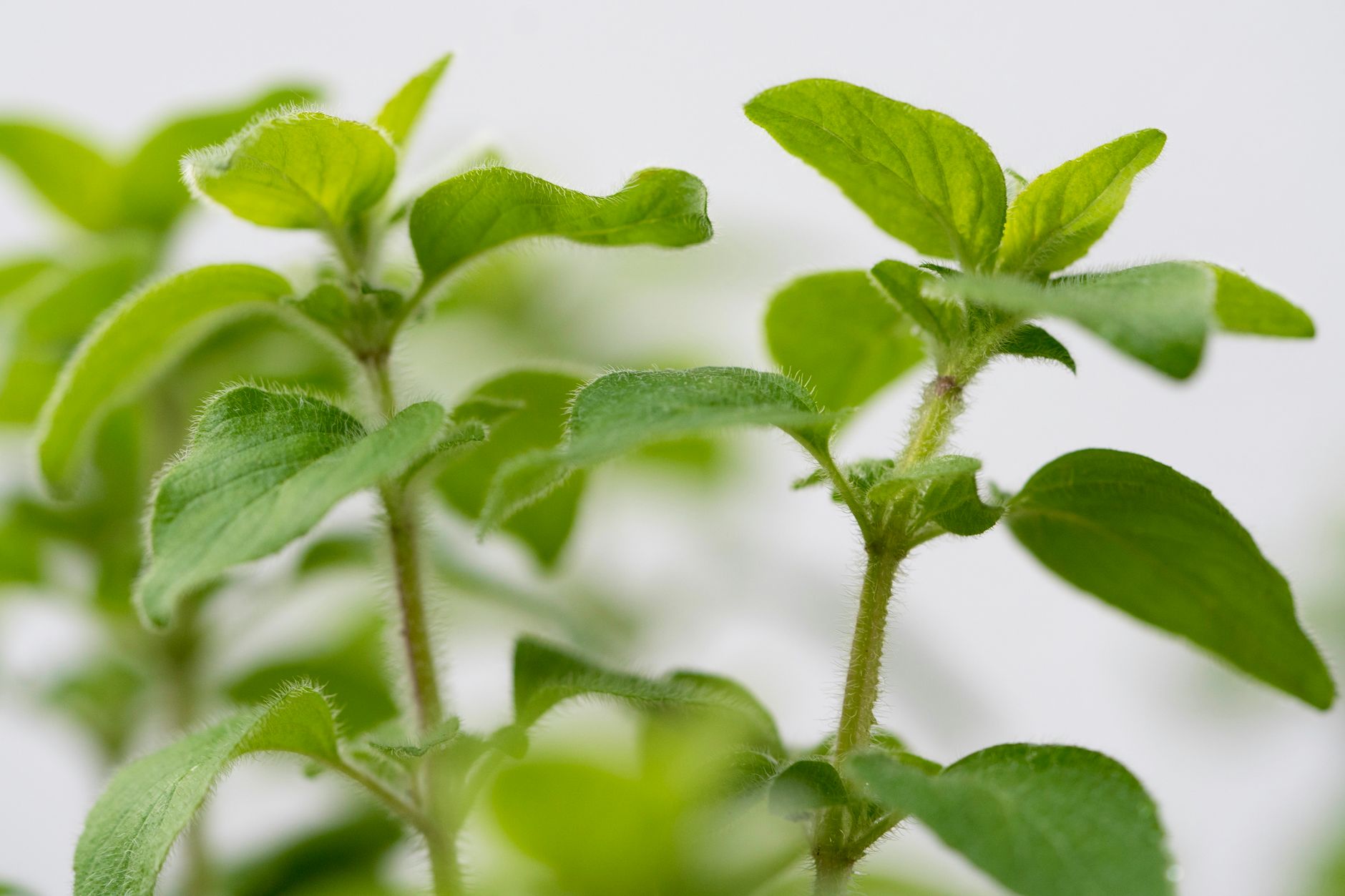
The goal of pinching is to remove the very tip of a growing stem, specifically the apical bud. This bud produces a hormone called auxin, which suppresses the growth of the side shoots (known as lateral buds). When you remove the apical bud, you remove this hormonal suppression. The lateral buds spring into action, and instead of one main stem, you get two or more new stems branching out. This results in a much bushier, denser plant with far more tender leaves.
I usually start pinching my oregano plants as soon as they've established themselves and have put on a few inches of growth – typically from late April or early May here in the Midlands, once the risk of hard frosts has passed. I aim to take about 1-2 inches off the top of each stem, always pinching just above a leaf node. You can use your thumb and forefinger for this, or a clean pair of snips if the stems are a bit tougher. I try to do this weekly, or at least every two weeks, throughout the main growing season, right up until late summer. This constant snipping not only provides me with fresh oregano for the kitchen but also keeps the plant in a perpetual state of producing new, soft growth. It’s a win-win!
Pruning for Rejuvenation: Preventing Woodiness and Promoting New Shoots
While pinching is excellent for ongoing maintenance and encouraging bushiness, there comes a time when your oregano plant needs a more significant intervention: pruning. Pruning is about removing larger, older, or woody sections of the plant, often to rejuvenate it entirely. I've learned this the hard way when dealing with our unpredictable British weather; sometimes a plant will just get away from you despite your best pinching efforts, especially during a sudden heatwave that triggers rapid growth.
Pruning is essential for preventing your oregano from becoming a woody, unproductive bush. Woody stems produce fewer, tougher, and less flavoursome leaves. By removing these older sections, you're encouraging the plant to put its energy into new, tender growth from its base.
I typically perform a more significant prune a couple of times during the growing season. The first is usually in early summer (late June/early July), after an initial flush of growth or if I notice any stems getting particularly leggy or woody despite regular pinching. I’ll cut back about a third to half of the plant, focusing on the oldest or most overgrown stems. I always make sure to cut just above a leaf node or where new growth is emerging lower down on the stem.
My second major prune often comes in late summer or early autumn (August/September). This is a great time to tidy up the plant before winter sets in. I'll often do a harder prune then, taking it back by about two-thirds. This helps the plant to focus its energy on root development and helps it overwinter better, especially if we get a particularly damp or cold winter here in the UK. Don't be afraid to be bold; oregano is incredibly resilient and will often bounce back with renewed vigour, much to my surprise the first time I nearly scalped one of my plants!
Here’s a detailed comparison to help you decide when to pinch and when to prune:
| Feature | Strategic Pinching | Rejuvenation Pruning |
|---|---|---|
| Purpose | Encourage bushiness, continuous tender leaf harvest | Rejuvenate woody plant, promote strong new growth |
| Timing (UK) | Weekly/bi-weekly, late April – late August | Early summer (June/July), late summer/early autumn (Aug/Sept) |
| What to Remove | Top 1-2 inches of new growth (apical bud) | Older, woody, leggy stems; up to 1/3 to 2/3 of the plant |
| Tools | Thumb and forefinger, small snips | Sharp secateurs or kitchen scissors |
| Result | Denser, more compact plant with tender leaves | Plant cut back, stimulates vigorous new shoots from base |
| Frequency | Regular, ongoing | Less frequent, targeted interventions |
| Impact | Gentle, subtle redirect of energy | More significant, resets growth |
| My Experience | Essential for daily harvests in my Midlands garden | Crucial for extending plant life and preventing decline |
Optimising Soil, Water, and Nutrients for Lush, Tender Oregano Leaves
Alright, so we've talked about the hands-on stuff – the pinching and pruning – but none of that will give you truly tender, flavourful oregano if the foundations aren't right. And by foundations, I mean the trifecta: soil, water, and nutrients. This is where I've learned some hard lessons here in the Midlands, especially when trying to coax the best out of my herbs.
The Right Home: Soil for Oregano Success
Oregano, like many Mediterranean herbs, absolutely despises wet feet. If it sits in waterlogged soil, it's going to sulk, get woody, and eventually give up the ghost. I learned this the hard way with my first patch planted directly into our heavy clay soil – it was a disaster! Now, in my raised beds, I ensure excellent drainage.
I use a mix that's roughly 50% good quality peat-free compost, 30% spent mushroom compost (a fantastic soil improver!), and 20% horticultural grit or perlite. This creates a free-draining, moderately fertile environment that oregano adores. For pots, it’s a similar story; a good multi-purpose compost mixed with plenty of grit works wonders. The pH should be slightly alkaline to neutral (around 6.0-7.5), which is generally what you get with good quality compost anyway.
Watering Wisdom: Less is Often More
This is crucial, especially with our unpredictable British weather. Oregano is surprisingly drought-tolerant once established. Overwatering is a much bigger killer than underwatering in my experience. I always let the top inch or two of soil dry out completely before watering again.
During a typical UK summer, with regular rainfall, I often don't need to water my in-ground oregano at all. Potted plants, however, will dry out much faster, especially on a warm, breezy day, so I check them daily. If you're unsure, stick your finger in the soil. If it feels damp, leave it. A little stress from drying out actually concentrates the oils and flavour in the leaves, which is what we want!
Feeding for Flavour, Not Just Growth
Unlike my hungry heirloom tomatoes in the greenhouse, oregano isn't a heavy feeder. Too much nitrogen will give you lush, leafy growth but often at the expense of flavour and can actually encourage woodiness by forcing too-rapid growth. My aim is consistent, moderate growth with maximum flavour.
I generally incorporate some well-rotted garden compost or a slow-release organic fertiliser into the soil at planting time, then leave it at that for the season. If I notice growth slowing down mid-season, especially after a heavy harvest, I might give it a very dilute feed of organic liquid seaweed extract – maybe half the recommended strength – every 4-6 weeks. This provides trace elements and a gentle boost without overwhelming the plant.
Here's a quick comparison of what works best for tender oregano:
| Aspect | Optimal for Tender Oregano Leaves (My UK Experience) | Suboptimal (Leads to Woodiness/Poor Flavour) |
|---|---|---|
| Soil Type | Well-draining, light, slightly gritty (e.g., 50% compost, 30% mushroom compost, 20% grit) | Heavy clay, waterlogged, dense |
| Soil pH | Slightly alkaline to neutral (6.0-7.5) | Highly acidic or excessively alkaline |
| Watering | Infrequent but deep; allow top 1-2 inches to dry out. Less in UK rain. Potted plants checked daily. | Frequent, shallow watering; constantly wet soil |
| Nutrients | Low-nitrogen organic matter at planting; dilute seaweed extract after heavy harvests (UK summer) | High-nitrogen chemical fertilisers; frequent strong feeds |
| Sunlight | Full sun (6+ hours per day) | Partial shade (less flavour), deep shade (leggy, weak growth) |
Troubleshooting & Prevention: Tackling Early Bolting and Hardening Stems
Even with the best intentions, our oregano can sometimes throw a wobbly. Early bolting (sending up flower stalks prematurely) and woody stems are common frustrations, especially with our notoriously changeable British weather. I've had my fair share of both, and I've learned that prevention is always better than cure.
Why Oregano Bolts (and Gets Woody) Too Soon
From my five years of intensive gardening, I've pinpointed a few key culprits that often lead to these issues in the UK:
- Stress: This is the big one. Extreme heat, sudden cold snaps, prolonged drought, or inconsistent watering can all trigger bolting. Last summer, during that unexpected heatwave in the Midlands, some of my oregano bolted almost overnight despite my best efforts.
- Lack of Harvesting/Pinching: As we discussed, if you're not regularly harvesting or pinching, the plant thinks its job is done and sends up flowers to set seed. It's a natural lifecycle, but not what we want for continuous tender leaves.
- Poor Soil Conditions: Compacted, nutrient-deficient, or waterlogged soil stresses the plant, leading to woody growth as it struggles to survive rather than thrive.
- Age: Even with perfect care, older oregano plants (3-4 years old) naturally become woodier. That's when a hard prune for rejuvenation, or even replacement, comes into play.
My Prevention Strategies (and What I've Learned from Mistakes)
- Consistent Harvesting is Key: This is your primary defence. Don't be afraid to snip! The more you harvest (or pinch), the more the plant is encouraged to produce new, tender growth. I aim for at least a light harvest every 2-3 weeks during peak growing season.
- Maintain Soil Health: Ensure your oregano is in well-draining, fertile soil from the start, as detailed above. I refresh the top few inches of my raised beds with fresh compost each spring to keep things happy.
- Water Wisely: Avoid extremes. Don't let it completely dry out for weeks on end, but equally, don't drown it. Check the soil moisture regularly, especially for potted plants or during dry spells.
- Strategic Shading in Heatwaves: This is a trick I picked up after the '22 heatwave debacle. If we get a sustained period of intense sun and high temperatures (which, let's be honest, can happen even here in the UK!), I'll throw some shade cloth over my oregano during the hottest part of the day. It just takes the edge off and reduces stress.
- Mulch: A thin layer of organic mulch (like well-rotted compost) around the base of the plant helps retain soil moisture, suppress weeds, and regulate soil temperature – all contributing to a less stressed plant.
What to Do If It Starts Bolting or Hardening
Don't panic! All is not lost.
- Chop It Back Hard: If you see flower stalks emerging, cut them off immediately. Go further and give the whole plant a good prune, removing up to two-thirds of the growth. This often shocks the plant back into vegetative growth. I've done this many times in my garden.
- Adjust Watering: If the soil is parched, give it a good, deep soak. If it's soggy, hold off watering and improve drainage.
- Check for Pests/Disease: While not common for oregano, a stressed plant can be more susceptible. Give it a quick once-over to rule out any underlying issues.
- Consider Replacement: If an older plant is consistently woody and yielding poorly despite your efforts, it might be time to start fresh. I usually replace my main oregano plants every 3-4 years to ensure I always have vibrant, productive bushes.
Year-Round Oregano Care in the UK: Pots, Patches, and Overwintering Strategies
One of the joys of gardening in the UK is the challenge of keeping things going through all four seasons. Oregano is generally quite hardy, but a bit of strategic care will ensure you're harvesting tender leaves even when the rest of the garden is sleeping. In my 800 sq ft Midlands garden, I rely on a mix of in-ground planting and pots, especially for herbs I want to keep producing.
In the Ground: Preparing for the British Winter
My established oregano patches in the raised beds are surprisingly resilient. They cope well with typical UK frosts.
- Autumn Prep: As autumn approaches, I give them one final significant harvest, but I leave enough foliage to protect the crown. I also clear away any fallen leaves or debris from around the base to prevent rot.
- Winter Protection: In my experience, for hardy oregano varieties, a thick layer of mulch (5-10cm of straw or wood chippings) around the base is usually sufficient to protect the roots from deep freezes here in the Midlands. I generally don't cover them with fleece unless we're expecting an exceptionally harsh, prolonged cold snap with temperatures plummeting below -5°C for several days.
- Spring Awakening: In early spring, as new growth appears, I gently rake back the mulch and give the plants a good tidy-up, removing any dead or straggly stems. This encourages vigorous new shoots.
Pots and Containers: Bringing the Harvest Closer
Potted oregano is fantastic for flexibility, allowing you to move plants around to optimise sunlight or protect them from harsh weather. This is particularly useful in smaller gardens or if you want to bring some indoors for winter harvests.
- Pot Size: I use pots that are at least 20-30cm (8-12 inches) in diameter. This gives the roots enough space and helps prevent them from drying out too quickly. Good drainage holes are non-negotiable!
- Watering: Potted oregano dries out faster than in-ground plants. I keep an eye on them daily during warmer months and reduce watering significantly in winter.
- Overwintering Potted Oregano: This is where my greenhouse comes in handy. I'll often bring a couple of pots of oregano into my unheated greenhouse around late October/early November. They'll continue to produce a small amount of tender growth throughout the winter, albeit slower. If you don't have a greenhouse, a sheltered spot against a south-facing wall, or even a cool, bright windowsill indoors, can work. Just be mindful of central heating, which can dry out the air too much.
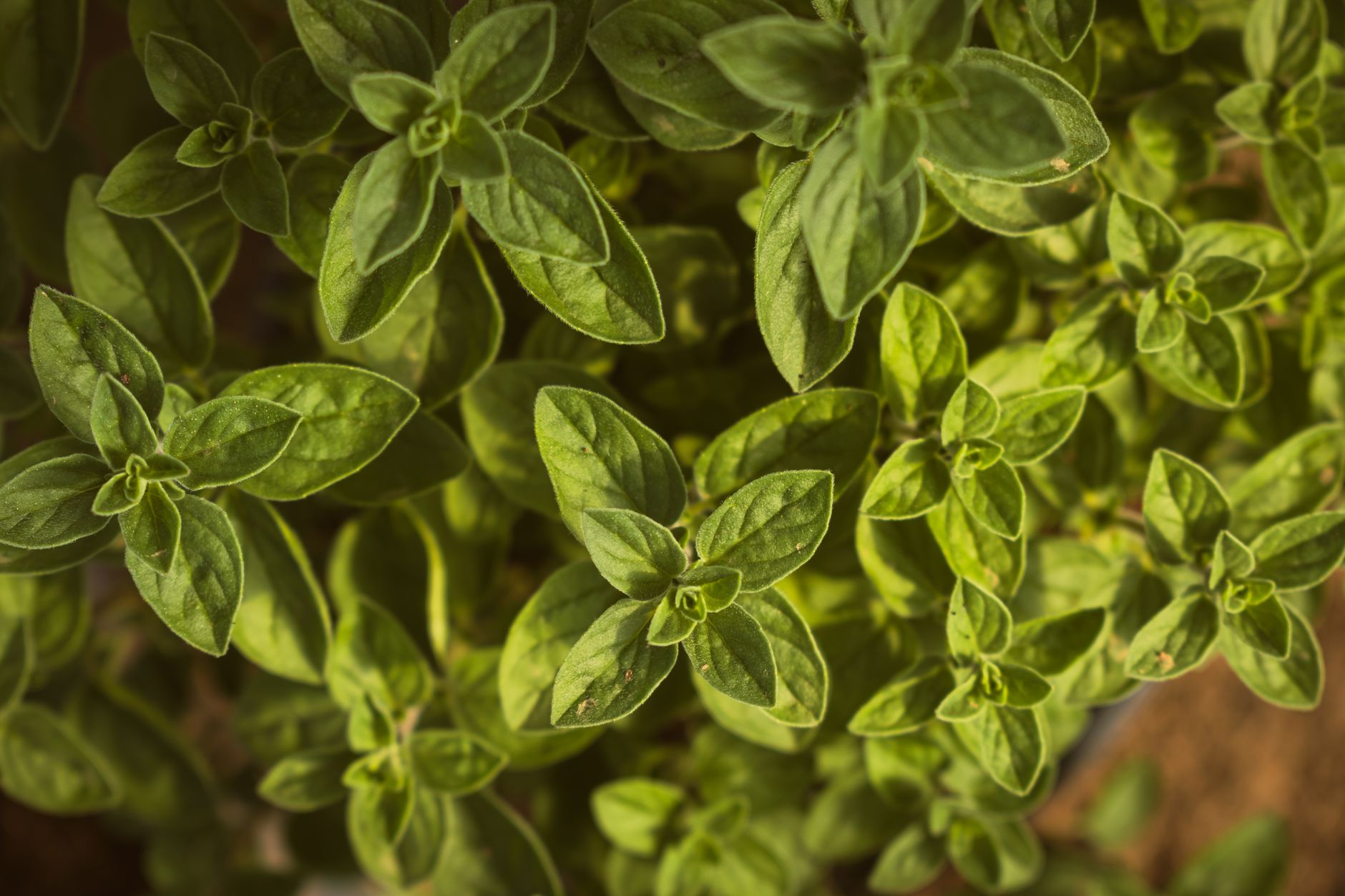
Here’s one of my potted oregano plants, ready to be moved into the greenhouse for winter. It still looks healthy and happy, even as autumn sets in here in the Midlands.
Year-Round Harvests: A Little and Often
Even in winter, under protection, you can still snip a few leaves. The flavour might not be as intense as a sun-drenched summer harvest, but it's far superior to dried supermarket stuff. I always have a small pot on my kitchen windowsill throughout winter, just for those emergency pizza toppings or pasta sauces. It doesn't grow much, but it's enough for fresh garnishes.
My general rule of thumb for UK conditions:
- Spring/Summer (April-September): Active growth, regular pinching/pruning, abundant harvests.
- Autumn (October-November): Reduce harvesting, prepare in-ground plants for winter, move pots indoors/greenhouse.
- Winter (December-March): Minimal growth, very light harvesting from protected plants, focus on survival.
Conclusion: Your Journey to Perpetual Tender Oregano
So there you have it – my five years of trial, error, and sheer obsession boiled down into a comprehensive guide for mastering continuous tender leaf harvests from oregano right here in the UK. We've journeyed from understanding its growth cycle to the precise art of strategic pinching and rejuvenating pruning.
The key takeaways, from my personal experience in my Midlands garden, are simple yet powerful:
- Pinch and Prune Relentlessly: Don't be shy! Regular harvesting is the most crucial step to prevent woodiness and encourage fresh, tender growth.
- Provide the Right Environment: Well-draining soil, appropriate watering, and minimal, targeted feeding are essential for healthy, flavourful plants.
- Be Proactive: Troubleshoot early. Address signs of stress, bolting, or hardening stems with swift action to bring your plant back into line.
- Adapt to Our UK Climate: Whether it's protecting against a surprise heatwave or overwintering pots from the frost, being mindful of our British weather ensures year-round enjoyment.
I've learned that gardening is a continuous conversation with your plants. Oregano, in particular, responds beautifully to attentive care, rewarding you with an endless supply of aromatic leaves. There's nothing quite like stepping out into my 800 sq ft backyard, even on a damp UK morning, and snipping fresh oregano for breakfast.
I encourage you to experiment in your own UK garden, apply these principles, and discover what works best for your specific conditions. Share your successes, your challenges, and your own unique insights in the comments below. Let's keep learning and growing together! Happy gardening!