
Introduction: Why Early Pinching & Pruning Transforms Your UK Garden
Remember those early days in the garden, full of enthusiasm but maybe a bit short on know-how? I certainly do! Back when I first started my 800 sq ft patch here in the UK Midlands about five years ago, I dreamt of towering sunflowers, bushy cosmos, and sturdy phlox. What I often got, though, were leggy, floppy plants that seemed to keel over at the first whisper of a British gust. It was disheartening, to say the least.
I learned the hard way that just planting and hoping for the best wasn't going to cut it, especially with our wonderfully unpredictable British weather. My initial approach was purely 'hands-off,' thinking nature knew best. But nature, in a cultivated garden setting, sometimes needs a gentle nudge, or in this case, a strategic snip.
That's when I discovered the absolute game-changer: early pinching and pruning. It sounds a bit drastic, doesn't it, to snip off perfectly healthy growth? But trust me, after years of experimenting in my own garden, I can tell you it's the secret weapon for building those robust, self-supporting stems that laugh in the face of a blustery day. For everything from my beloved Cosmos 'Sensation Mix' to my towering 'Titan' sunflowers and even my gorgeous Garden Phlox 'Bright Eyes', this simple technique has transformed my patch from a floppy mess into a resilient, floriferous haven. Let me show you how it works.
The Benefits Unpacked: Why Early Intervention Builds Stronger Stems
You might be thinking, "Randy, why on earth would I want to cut off perfectly good growth?" I get it; I felt the same way initially. It feels counter-intuitive, right? But the magic behind early pinching and pruning lies in understanding how plants grow, especially here in our often-challenging British climate.
Basically, most plants exhibit what's called 'apical dominance.' This means the main stem, or the 'apical meristem' at the very top, produces a hormone that suppresses the growth of side shoots. When you pinch out that main growing tip, you're essentially telling the plant, "Right, time to focus your energy elsewhere!" This signals the plant to send hormones and energy to those dormant side buds further down the stem, encouraging them to burst into life.
What you get is not one tall, spindly stem, but multiple strong, lateral branches. More branches mean more flowers, more foliage, and crucially, a much wider, sturdier base. In my 800 sq ft Midlands garden, where we get our fair share of wind and sudden downpours, these bushy, multi-stemmed plants are far less likely to snap, flop, or need constant staking. I've seen 'Sweet Pea' cosmos, for instance, go from a single flimsy stalk to a fantastic, floriferous bush just from one early pinch. It's truly a revelation for UK gardeners battling the elements!
Here's a quick look at the transformation you can expect:
| Feature | Unpinched Plant | Pinched Plant (Early Intervention) |
|---|---|---|
| Stem Structure | Single, tall main stem, often weak and leggy | Multiple, robust lateral stems, creating a bushier form |
| Flower Production | Fewer flowers, concentrated at the top | Many more flowers, spread across multiple branches |
| Wind Resistance | Prone to snapping, flopping, and requiring staking | Significantly more stable, less prone to wind damage (critical for UK!) |
| Root System | Focus on vertical growth, potentially less extensive roots | Stimulates stronger root development to support bushier top growth |
| Plant Health | Can be stressed by wind/rain, susceptible to disease | Generally more resilient, better air circulation, healthier overall |
| Maintenance | Often requires heavy staking and tying, especially for tall varieties | Minimal to no staking needed for many varieties, easier upkeep |
| Overall Appearance | Taller, sparser, can look gangly | Fuller, denser, more aesthetically pleasing, longer bloom period |
Essential Tools & Techniques: Making the Right Cut for Robust Growth
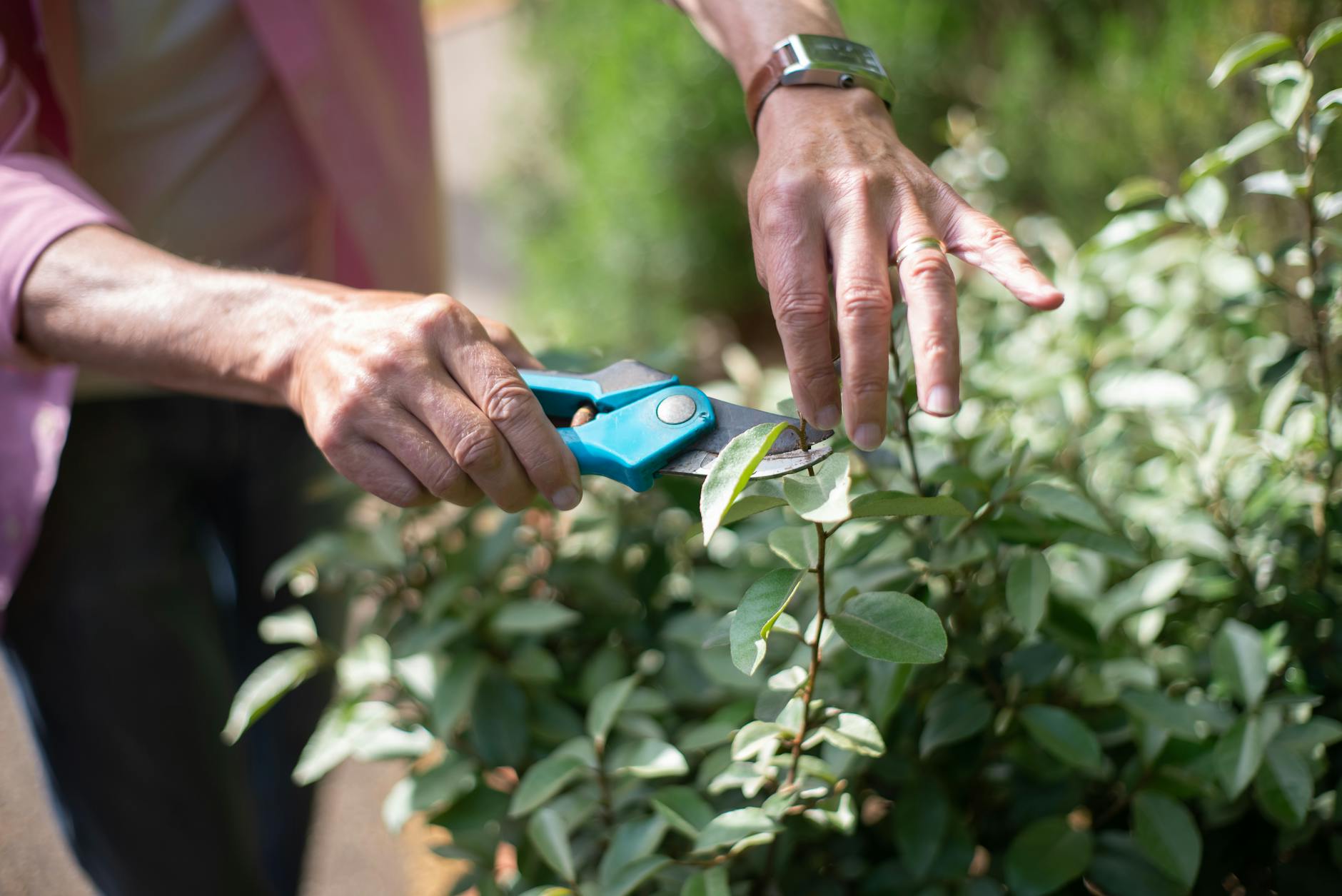
Before you go snipping away at your precious seedlings, let's talk tools. You don't need a fancy arsenal, but having the right implements and knowing how to use them makes all the difference. For most early pinching, your thumbnail and forefinger are actually perfectly adequate, especially for tender young growth like cosmos seedlings. It's a proper 'hands-on' technique, very satisfying too!
However, for slightly thicker stems or for more precise pruning, I always reach for my sharp, clean bypass pruners or snips. I've learned this the hard way: a dull, dirty tool can crush the stem rather than make a clean cut, inviting disease – and believe me, here in the damp UK, we don't need any extra invitations for fungal issues! I always keep a little pot of rubbing alcohol or a sterilising wipe handy and clean my snips after every few cuts, especially if I'm moving between different types of plants. This simple step can prevent the spread of nasty pathogens.
The technique itself is straightforward: you're aiming to remove the very tip of the main stem, usually just above a set of true leaves or a leaf node. This is where those dormant side buds are waiting. For most plants, I pinch back about 1-2 inches of growth, making sure to leave at least 2-3 sets of healthy leaves below the cut. That's where the new growth will emerge from.
A common mistake I made early on was being too timid. Don't be afraid to take a bit off! The plant will bounce back stronger, I promise. Think of it as a haircut for your plants – a fresh start for bushier, more beautiful growth. It's truly amazing what a difference a clean, precise pinch can make.
Mastering Tall Annuals: Step-by-Step Pinching for Cosmos and Sunflowers
Now that we've covered the 'why' and the 'how,' let's get down to the nitty-gritty with some of my absolute favourite tall annuals for the UK garden: Cosmos and Sunflowers. These two are fantastic candidates for early pinching and will reward you tenfold with their stunning displays, provided you give them a helping hand.
Cosmos: The UK Garden's Fluttering Friend
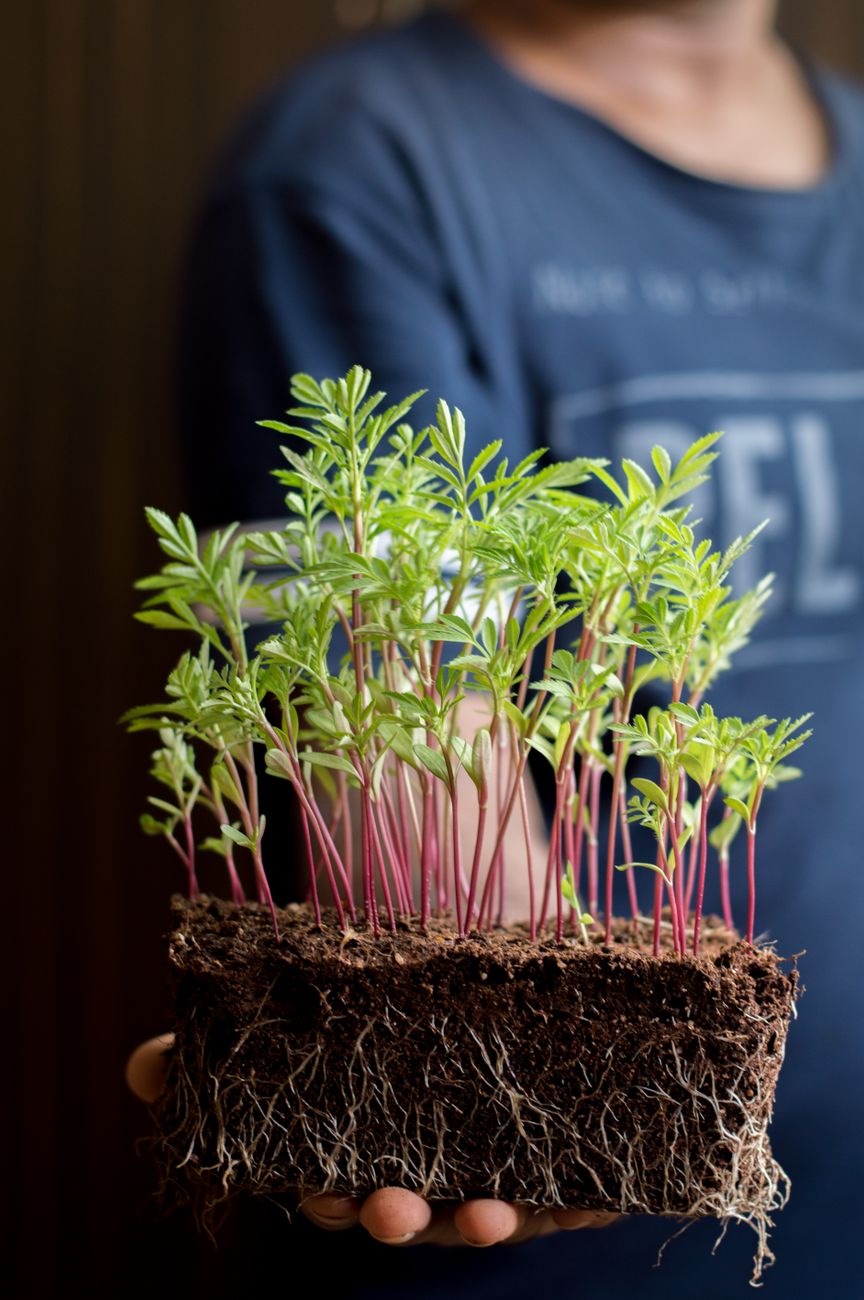
Cosmos are just brilliant, aren't they? They bring such a cheerful, airy vibe to the garden, and they're incredibly productive if treated right. In my Midlands garden, I grow a mix of Cosmos bipinnatus varieties like 'Sensation Mix' and the lovely 'Purity' every year. I sow them indoors in my greenhouse around March/April and transplant them out around late May, once the risk of frost has well and truly passed here in Britain.
When to Pinch: I typically pinch my cosmos seedlings when they're about 6-8 inches tall and have developed at least three or four sets of true leaves. This usually happens a couple of weeks after they've been transplanted out into their final spots in my raised beds, or sometimes even just before if they're getting leggy in their pots in the greenhouse.
How to Pinch: Locate the main growing tip at the very top of the plant. Using your clean snips or your fingernails, snip or pinch off the top 1-2 inches of the main stem, just above a set of leaves. You'll see those little leaf nodes where new growth will emerge. Don't worry, it'll look a bit bald for a day or two, but it's a temporary shock for long-term gain.
Randy's Tip: For an even bushier cosmos, especially if you're growing a particularly vigorous variety like 'Double Click Cranberries' in a sheltered spot, you can do a second, lighter pinch on the resulting side shoots a few weeks later. I've tried this, and it resulted in an absolute floral explosion, even with our often-grey British summers! It's worth the extra effort for a continuous supply of cut flowers.
Sunflowers: Reaching for the UK Sun
Ah, sunflowers! They're the quintessential summer giants, and while many people think of them as single-stemmed behemoths, many varieties actually benefit hugely from pinching. I always grow a selection, from the classic 'Mammoth Russian' (which I usually leave unpinched for sheer height) to multi-branching beauties like 'Titan' and 'Strawberry Blonde', which are perfect for this technique.
When to Pinch: This is where variety really matters. For multi-branching sunflowers, I pinch them when they're around 12-18 inches tall, again, having developed several sets of true leaves. This is usually about 3-4 weeks after I've planted them directly into my raised beds or after hardening off my greenhouse-started seedlings.
How to Pinch: Similar to cosmos, you're removing the main growing tip. For sunflowers, I usually take off about 2-3 inches of the top, ensuring I leave at least 3-4 healthy sets of leaves below the cut. This encourages the plant to put energy into developing those strong side shoots, which will each produce their own flower. You'll end up with a magnificent display of multiple blooms rather than just one.
Randy's Tip: Don't pinch single-stemmed sunflower varieties like 'Mammoth Russian' or 'Giant Russian'. They're bred to produce one massive head, and pinching them will just stunt that main bloom without giving you many worthwhile side shoots. Learn from my mistake; I tried it once on a 'Mammoth Russian' in a fit of experimental zeal, and it just resulted in a grumpy, stunted plant! Stick to the multi-branching types for pinching.
Here's a comparison to help you decide for your own UK garden:
| Feature | Unpinched Cosmos/Sunflower (Multi-branching) | Pinched Cosmos/Sunflower (Multi-branching) |
|---|---|---|
| Stem Structure | Taller, often spindly main stem, fewer side branches | Shorter initially, then develops multiple strong, branching stems |
| Flower Count | Fewer, potentially larger flowers (for single-stem sunflowers) | Many more flowers, often smaller but abundant (ideal for cutting) |
| Bloom Period | Shorter, as energy focuses on fewer blooms | Longer, continuous bloom as side shoots develop sequentially |
| Staking Needs | High, especially in windy UK conditions | Low to none, plants are naturally more self-supporting |
| Overall Habit | Leggy, prone to collapsing | Bushy, full, resilient, better for small spaces |
| Best Varieties | Single-stem Sunflowers (e.g., 'Mammoth Russian'); less ideal for Cosmos for bushiness | Multi-branching Sunflowers (e.g., 'Titan', 'Strawberry Blonde'); all Cosmos varieties benefit significantly |
Cultivating Resilient Perennials: Tailored Pruning for Garden Phlox and Beyond
Right, so we've talked about the quick wins with annuals like Cosmos and Sunflowers. Now, let's shift our focus to the mainstays of many UK gardens: herbaceous perennials. These beauties are with us for years, so a little early intervention can truly transform their longevity and performance. In my 800 sq ft Midlands garden, packed with perennial borders alongside my veg beds, I've learned that treating them right from the start means less faffing about with stakes later on.
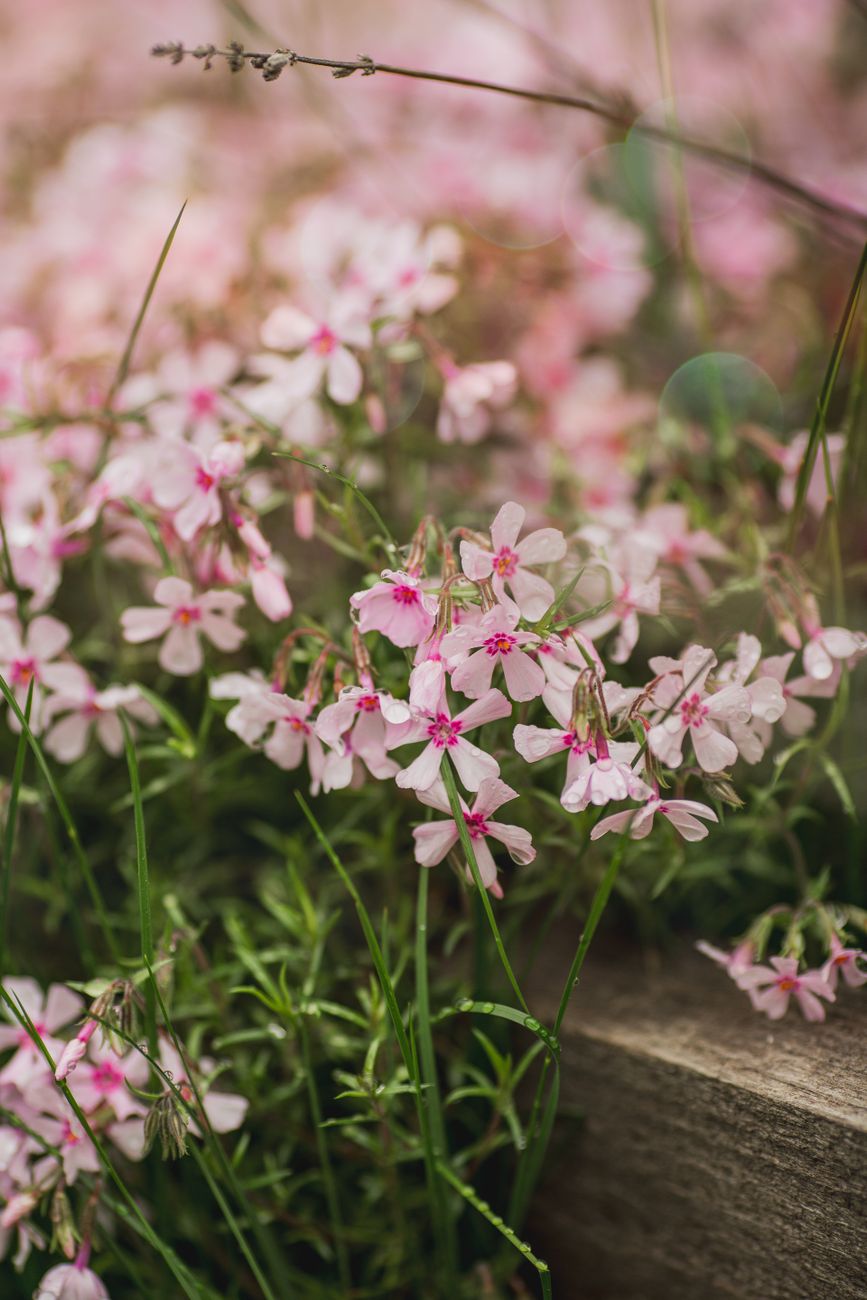
My absolute favourite example here is Garden Phlox (Phlox paniculata). Oh, Phlox! I adore its vibrant colours and heady scent on a summer evening, but boy, can it be a floppy mess without a bit of help. And don't even get me started on the powdery mildew that can plague it in our often damp British summers. That's where a technique affectionately known as the "Chelsea Chop" comes into its own.
The "Chelsea Chop" for Sturdy Phlox and More
The Chelsea Chop is a revelation for many clump-forming herbaceous perennials. It's called that because you typically perform it around late May to early June, coinciding with the RHS Chelsea Flower Show. For me, here in the Midlands, I usually aim for the last week of May, or the first week of June if we've had a particularly cold spring.
The idea is simple: you snip back the top third to half of the new growth on selected stems. This isn't a hard prune; it's a strategic pinch on a larger scale. What happens then? The plant, instead of putting all its energy into one tall, floppy stem, is forced to branch out lower down. This creates a bushier, stronger plant with multiple flower heads, often delaying flowering slightly (which can be a bonus for extending your season!) and significantly reducing the risk of mildew due due to better airflow.
I've experimented with this extensively on my 'Bright Eyes' and 'Blue Paradise' Phlox varieties. One year, I pruned one clump and left another as a control. The un-pruned clump was a leggy, mildew-ridden disaster by August, while the chopped one stood proud, a dense mass of flowers, needing no support whatsoever. It was a stark visual lesson right here in my backyard!
This technique isn't just for Phlox, though. I use it on other tall perennials that tend to flop or bloom all at once, such as:
- Asters (Michaelmas Daisies): Prevents them from getting leggy and encourages more blooms.
- Heleniums (Sneezeweed): Creates a much bushier plant with a longer flowering period.
- Sedums (Stonecrop): Helps prevent them from splaying open in the middle when they get heavy with flowers.
- Solidago (Goldenrod): Keeps it more compact and less prone to flopping.
Perennial Pruning Comparison Table: Phlox and Friends
Here's a quick guide to how I approach pinching and pruning for some common UK garden perennials:
| Perennial Type | Timing (UK Midlands) | Technique | Benefits (Randy's Experience) |
|---|
Cultivating Resilient Perennials: Tailored Pruning for Garden Phlox and Beyond
Right, so we've talked about the quick wins with annuals like Cosmos and Sunflowers. Now, let's shift our focus to the mainstays of many UK gardens: herbaceous perennials. These beauties are with us for years, so a little early intervention can truly transform their longevity and performance. In my 800 sq ft Midlands garden, packed with perennial borders alongside my veg beds, I've learned that treating them right from the start means less faffing about with stakes later on.
My absolute favourite example here is Garden Phlox (Phlox paniculata). Oh, Phlox! I adore its vibrant colours and heady scent on a summer evening, but boy, can it be a floppy mess without a bit of help. And don't even get me started on the powdery mildew that can plague it in our often damp British summers. That's where a technique affectionately known as the "Chelsea Chop" comes into its own.
The "Chelsea Chop" for Sturdy Phlox and More
The Chelsea Chop is a revelation for many clump-forming herbaceous perennials. It's called that because you typically perform it around late May to early June, coinciding with the RHS Chelsea Flower Show. For me, here in the Midlands, I usually aim for the last week of May, or the first week of June if we've had a particularly cold spring. I've learned that pushing it much later, say mid-June, can sometimes delay flowering too much for our shorter UK summers, so timing is key!
The idea is simple: you snip back the top third to half of the new growth on selected stems. This isn't a hard prune; it's a strategic pinch on a larger scale. What happens then? The plant, instead of putting all its energy into one tall, floppy stem, is forced to branch out lower down. This creates a bushier, stronger plant with multiple flower heads, often delaying flowering slightly (which can be a bonus for extending your season!) and significantly reducing the risk of mildew due to better airflow.
I've experimented with this extensively on my 'Bright Eyes' and 'Blue Paradise' Phlox varieties. One year, I pruned one clump and left another as a control. The un-pruned clump was a leggy, mildew-ridden disaster by August, while the chopped one stood proud, a dense mass of flowers, needing no support whatsoever. It was a stark visual lesson right here in my backyard! This method has saved me so much hassle with staking, which I honestly detest.
This technique isn't just for Phlox, though. I use it on other tall perennials that tend to flop or bloom all at once, such as:
- Asters (Michaelmas Daisies): Prevents them from getting leggy and encourages more blooms in autumn, which is fantastic when everything else is fading.
- Heleniums (Sneezeweed): Creates a much bushier plant with a longer flowering period, giving me more of those gorgeous coppery tones.
- Sedums (Stonecrop): Helps prevent them from splaying open in the middle when they get heavy with flowers, which can look a bit untidy.
- Solidago (Goldenrod): Keeps it more compact and less prone to flopping, making it a better neighbour in a mixed border.
Perennial Pruning Comparison Table: Phlox and Friends
Here's a quick guide to how I approach pinching and pruning for some common UK garden perennials based on my own trials:
| Perennial Type | Timing (UK Midlands) | Technique | Randy's Real-World Benefits in the UK Climate |
|---|---|---|---|
| Garden Phlox | Late May - Early June | The "Chelsea Chop": Cut back stems by 1/3 to 1/2. | Dramatically reduces flopping and mildew. Creates a bushier plant with more, albeit slightly smaller, flower heads. Extends bloom time. |
| Asters | Late May - Early June | Chelsea Chop or selective pinching of outer stems. | Prevents leggy growth and encourages more compact, floriferous autumn displays. Better resistance to wind in exposed UK gardens. |
| Heleniums | Late May - Early June | Chelsea Chop on all stems. | Promotes a much bushier habit, leading to a profusion of flowers rather than just a few tall spikes. Helps them stand up to our summer downpours. |
| Sedums | Late May - Early June | Pinch back stems by 1/2. | Stops the plant from "splaying" open in the centre when flowers get heavy. Results in a denser, stronger mound of blooms. |
| Rudbeckia | Early June | Pinch back outer stems for bushier growth. | Encourages more flowers and a sturdier plant that's less likely to collapse under the weight of its abundant blooms. |
| Tall Campanulas | Early June | Pinch back stems by 1/3. | Prevents them from getting too tall and spindly, encouraging a more robust, floriferous plant that looks great in a cottage garden setting. |
Common Pitfalls & Troubleshooting: Ensuring Your Pinching & Pruning Success
I'm not going to lie, when I first started this gardening journey five years ago, I made my fair share of mistakes. It's all part of the learning curve, especially when you're experimenting in your own backyard! The unpredictable British weather also loves to throw a spanner in the works. So, let's talk about some common pitfalls I've encountered and how to troubleshoot them.
Pitfall 1: Pinching Too Hard or Too Early
- My Mistake: My first year, I was so enthusiastic about getting bushy Cosmos, I pinched my seedlings back to almost nothing when they were barely 4 inches tall. They just sat there, sulking, for weeks. Some even died.
- Troubleshooting: Patience is key! Wait until your annuals have at least 3-4 sets of true leaves and are showing vigorous growth. For perennials, respect the Chelsea Chop timing – too early can stunt growth, too late might not give enough time for new flower buds to form before our weather turns. If you've pinched too hard, don't despair; the plant might just take longer to recover. Give it good feed and consistent water.
Pitfall 2: Forgetting to Clean Your Tools
- My Mistake: This is a big one, and I learned it the hard way. I once used uncleaned snips after pruning a diseased tomato plant in my greenhouse and unknowingly spread fungal issues to my healthy Phlox. It was a nightmare to sort out.
- Troubleshooting: Always, always clean your snips or secateurs with rubbing alcohol or a dilute bleach solution between plants, especially if you're moving from a potentially diseased plant to a healthy one. This prevents the spread of bacteria, fungi, and viruses. A quick wipe-down with an alcohol wipe is now part of my routine.
Pitfall 3: Under-Pinching or Being Too Cautious
- My Mistake: Sometimes I'd get a bit nervous, especially with a new variety, and only take off a tiny bit. Then, a few weeks later, I'd kick myself as the plant still got leggy and needed staking. My sunflowers, in particular, suffered from my initial hesitation.
- Troubleshooting: Trust the process! If you're following the guidelines for your specific plant, be confident in making that cut. Remember, most plants are surprisingly resilient. You're aiming to redirect energy, not harm the plant. A slightly more aggressive pinch early on will yield much better results than a timid trim.
Pitfall 4: Ignoring the Weather
- My Mistake: Here in the UK Midlands, a late spring frost isn't unheard of. One year, I did a perfect early pinch on some Dahlia seedlings, only for a sharp late May frost to burn back all the tender new growth. It set them back weeks.
- Troubleshooting: Keep an eye on the forecast, especially in spring. If a cold snap or late frost is predicted, delay your pinching for a few days until the risk has passed. Conversely, if we have a sudden heatwave after pinching, ensure your plants are well-watered as they'll be working hard to recover and put out new growth.
Pitfall 5: Not Observing Your Plants
- My Mistake: I used to just follow a calendar date for things. "It's May 25th, time for the Chelsea Chop!" But plants aren't robots.
- Troubleshooting: While timing guidelines are useful, always observe your individual plants. Are they actively growing? Do they look healthy? Are they showing signs of stress? A plant that's already struggling shouldn't be pinched. Wait until it's vibrant and strong. Your plants will tell you what they need if you pay attention.
Pinching and pruning isn't about perfection; it's about active engagement with your garden. Each snip is a learning opportunity, a conversation with your plant. Don't be disheartened if your first attempt isn't flawless. My 800 sq ft of raised beds are testament to a lot of trial and error, and the results speak for themselves.
Beyond the Snip: Enjoying a Fuller, More Resilient Garden All Season Long
So, we've journeyed through the whys and hows of early pinching and pruning, from the delicate seedlings of Cosmos to the established clumps of Phlox in our UK gardens. What started for me as a bit of an experiment to avoid endless staking has truly transformed my growing space.
The real beauty of mastering these techniques isn't just about avoiding floppy plants (though let's be honest, that's a huge win!). It's about cultivating a deeper connection with your garden. When you pinch a stem, you're not just making a cut; you're making a conscious decision to guide that plant, to empower it to be its best, most resilient self. You're telling it, "Go on, be strong, be bountiful!"
In my Midlands garden, the difference is night and day. My Cosmos are now stocky, flower-laden bushes that laugh in the face of a blustery British summer's day. My sunflowers, once prone to toppling, stand tall with multiple cheerful heads. And my Phlox? They're now dense, mildew-resistant towers of colour, needing no intervention from me beyond that initial Chelsea Chop. This means more time for me to enjoy my heirloom tomatoes in the greenhouse, or tend to my