My journey into the world of gardening, especially here in my 800 sq ft patch in the UK Midlands, truly kicked off five years ago when I swapped my IT desk for a trowel. It was a massive leap, but honestly, it felt like coming home. Since then, I’ve been obsessed with squeezing every last bit of potential out of my small space, from my beloved heirloom tomatoes in the greenhouse to a riot of herbs and, of course, fruit trees. One of my proudest achievements has been getting my columnar apple trees to truly thrive, bursting with fruit year after year without taking over the entire garden.
I remember when I first planted those slim 'Bolero' and 'Flamenco' apples. The promise of fresh, homegrown fruit from such a compact tree was irresistible. But for the first couple of seasons, while they grew, the yields were a bit… underwhelming. They were leggy, a bit sparse, and definitely not the fruit-laden columns I’d envisioned. That's when I dove headfirst into the world of fruit spur pruning, and let me tell you, it was a game-changer. It’s the secret sauce for anyone in the UK with limited space who dreams of abundant apple harvests.
This isn't just about hacking away at branches; it's a precise art that redirects the tree's energy, keeps it healthy, and ensures you get more delicious apples than you thought possible. I've learned this through plenty of trial and error, a few mistaken snips, and a lot of reading adapted for our often-unpredictable British weather. So, grab a cuppa, and let me share what I’ve learned about mastering fruit spur pruning for your own established columnar apple trees. We’re going to maximise those yields and keep that compact form, even in the smallest of UK gardens.
Unlocking Abundant Harvests: Why Fruit Spur Pruning is Key for Your Columnar Apples
When I first started growing columnar apples in my Midlands garden, I was a bit naive. I thought because they grew 'columnar', they'd just naturally produce fruit up and down their main stem without much fuss. Boy, was I wrong! After a couple of seasons of sparse yields and my 'Bolero' looking more like a leggy teenager than a productive fruit tree, I realised I was missing a crucial piece of the puzzle: fruit spur pruning. This isn't just a fancy gardening term; it’s absolutely fundamental for getting those incredible harvests from your compact apple trees here in the UK.
For us small-space gardeners, every inch counts, and we need our plants to pull their weight. Fruit spur pruning directly addresses this by channelling your tree's energy where it matters most: into producing fruit. Think of it like this: your apple tree has a finite amount of energy. If it's constantly putting that energy into growing long, leafy branches (what we call vegetative growth), it has less left over for creating those beautiful, juicy apples. By selectively pruning, we encourage the tree to form more fruit spurs – those short, stubby little branches that are literally designed for fruiting.
In my own garden, the difference after I started properly spur pruning was astonishing. My 'Flamenco' columnar apple, which had been a bit lacklustre, suddenly started producing a much denser crop of apples. It wasn't just about quantity, either; the fruit was larger and seemed to ripen more evenly, even when we had one of those notoriously damp British summers. Pruning also helps with light penetration, which is vital for fruit development and ripening, especially in our often-cloudy UK climate. Plus, a more open structure means better air circulation, which is a huge help in preventing fungal diseases that can plague apple trees in our typically moist conditions. It keeps the tree compact, healthy, and incredibly productive. It’s about working with your tree, not just letting it do its own thing.
Decoding Your Columnar Apple: Identifying Fruit Spurs vs. Vegetative Growth
This is where a lot of new fruit tree growers, including my past self, can get a bit confused. Before you even think about picking up your secateurs, you absolutely must be able to tell the difference between a fruit spur and a regular vegetative shoot. Pruning off a potential fruit spur is a mistake I made in my first year with my 'Bolero', and it meant fewer apples that season – a truly frustrating lesson learned!
A fruit spur is essentially a short, stubby branch, usually only a few centimetres long, that develops along the main trunk or older wood of your columnar apple. They often have a somewhat gnarled appearance, developing rings from previous years of fruiting. The key identifier is the bud at its tip: a fruit bud is typically fatter, rounder, and blunter than a vegetative bud, looking almost swollen. These are the precious little powerhouses where your apples will form next season.
Vegetative growth, on the other hand, consists of longer, thinner shoots that grow quickly. They'll have more pointed, slimmer buds along their length. Their primary purpose is to produce leaves and extend the tree's overall size. While some vegetative growth is necessary for the tree's health and canopy, with columnar apples, we want to limit this to maintain that compact form and focus energy on fruiting. I've found that in our rich UK soil and often damp conditions, columnar apples can put on a surprising amount of vigorous vegetative growth if left unchecked, quickly losing their neat shape.
Here’s a comparison table I've put together based on what I look for in my own garden:
| Feature | Fruit Spur | Vegetative Growth (Shoot/Branch) |
|---|---|---|
| Appearance | Short (2-15cm), stubby, often gnarled/ringed. | Longer, thinner, smoother, can grow rapidly. |
| Bud Type (Tip) | Fatter, rounder, blunter, often fuzzy. | Slimmer, more pointed, sometimes flatter against stem. |
| Growth Habit | Slow-growing, dense, appears on older wood (2+ yrs). | Fast-growing, extends tree size, appears on new wood. |
| Purpose | Primarily produces flowers and fruit. | Primarily produces leaves, extends canopy, strengthens tree. |
| What to do | Preserve, encourage. | Prune back to maintain form and redirect energy. |

Strategic Timing: When and Why to Prune Columnar Apple Fruit Spurs for UK Gardens
Timing is absolutely everything in gardening, especially here in Britain where the weather can be, shall we say, 'characterful'. Pruning at the wrong time can do more harm than good, leading to lost fruit or even stressing your tree, which is the last thing we want for our precious columnar apples. I’ve learned this the hard way, making a few timing mistakes early on that taught me invaluable lessons about working with our specific UK climate.
The primary time for fruit spur pruning on established columnar apples is during the dormant season, which for us in the UK typically means late winter to early spring. I usually aim for late February through March, before the buds start to swell significantly but after the harshest of the winter frosts are likely past. The 'why' here is crucial: during dormancy, the tree's sap isn't actively flowing, so cuts cause less stress and are less prone to 'bleeding'. More importantly, without leaves to obscure your view, you can clearly see the tree's structure and differentiate between fruit spurs and vegetative growth. Pruning at this time encourages robust fruiting without stimulating excessive leafy growth, which is perfect for maintaining that compact columnar form. One year, I got a bit overzealous and pruned in early February, only to have a sharp cold snap in March cause some dieback on my fresh cuts – a definite learning curve!
There’s also a secondary, lighter pruning window in summer, usually around July or August. This isn't for major structural pruning, but rather for 'tipping' back any overly vigorous new vegetative growth that might be shading out fruit or competing for the tree's energy. This summer pruning helps to keep the tree tidy, improves light penetration to the developing fruit, and discourages further strong vegetative growth. It's a bit like giving your tree a haircut to keep it looking neat and focused on the job at hand – ripening those apples!
Here’s a breakdown of the optimal timing for us UK gardeners:
| Pruning Season | Best Time (UK Specific) | Why (UK Context) | What to Focus On | Potential Risks (UK Specific) |
|---|---|---|---|---|
| Dormant | Late Feb - March | Tree is inactive, clear visibility, minimises sap loss. | Removing crossing/rubbing branches, weak growth, shaping. | Early pruning risks frost damage to fresh cuts. |
| Summer | Late July - Mid August | Reduces vigour, improves light for ripening fruit. | Tipping back overly strong new shoots (vegetative). | Pruning too heavily can reduce next year's crop. |
Equipping Yourself: Essential Tools and Safe Practices for Precise Spur Pruning
Right, so you know what to prune and when. Now, let's talk about the 'how'. Having the right tools isn't just about making the job easier; it's about making clean, precise cuts that heal quickly, preventing disease and stress to your precious columnar apple tree. I learned early on that trying to 'make do' with blunt or incorrect tools is a recipe for disaster in the garden, especially with our damp British climate where diseases can quickly take hold in ragged wounds.
The most crucial tool in your arsenal for fruit spur pruning will be a good pair of bypass secateurs. Forget anvil secateurs for this job; they crush the stem, leaving a damaged wound. Bypass secateurs, with their scissor-like action, make a clean, sharp cut that allows the tree to heal quickly and efficiently. I invested in a decent pair after struggling with cheap ones that kept jamming and mangling branches. The difference was night and day. A sharp pair is absolutely non-negotiable! I keep mine razor-sharp with a diamond sharpener, which I use regularly.
Beyond your secateurs, here are a few other bits I find essential:
- Sharpening Stone/Tool: As I just mentioned, keeping your secateurs sharp is vital. A blunt blade crushes plant tissue, making healing difficult and inviting diseases.
- Disinfectant (e.g., Isopropyl Alcohol Wipes): Especially if you're pruning multiple trees or notice any signs of disease. I always wipe down my blades between trees, or even between cuts if I suspect an issue, to prevent spreading anything nasty. Fire blight, though less common on columnar apples, is a concern in some UK areas, and hygiene is key.
- Gardening Gloves: To protect your hands from thorns, rough bark, or accidental slips.
- Small Pruning Saw (Optional): For any older, thicker branches you might need to remove that are too big for secateurs (unlikely on fruit spurs, but handy for general tree maintenance).
When it comes to safe practices, it's pretty straightforward but incredibly important. Always make your cuts cleanly and precisely, just above a bud or collar, avoiding leaving stubs. Stubs are perfect entry points for pests and diseases, which can thrive in our often-wet British weather. Always cut at a slight angle, so water runs off the wound rather than pooling, again reducing the risk of fungal issues. And finally, dispose of any diseased material responsibly – never compost it, as you could just be spreading the problem. I bag up diseased prunings and send them off with the household waste. It’s all about giving your columnar apple the best chance to thrive and produce a fantastic harvest for you!
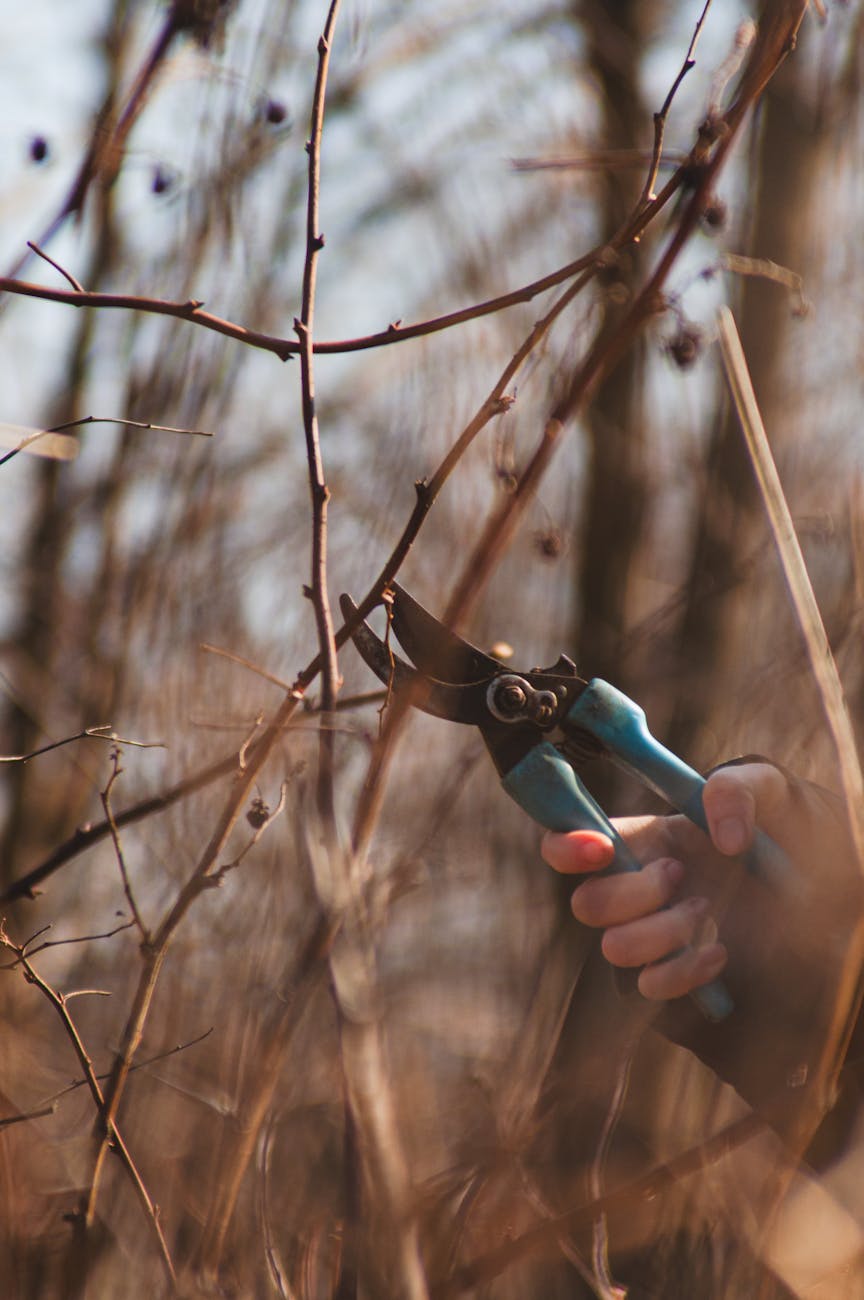
Mastering the Cut: A Step-by-Step Guide to Pruning Fruit Spurs on Columnar Apples
Right, so you've got your sharp secateurs ready, you've clocked when's the best time to prune here in the UK (late winter to early spring, remember!), and you can tell a fruit spur from a mile off. Now comes the satisfying part: making the cut. This is where precision pays off, and honestly, it’s not as daunting as it sounds once you’ve done it a few times. I remember my first time with my 'Polka' columnar apple – I was so nervous I’d chop off a potential apple! But with a bit of confidence, you'll be a pro.
Here's how I approach it in my UK garden, step by step:
Identify Your Target: Start by scanning your columnar apple's main stem. Look for those short, stubby fruit spurs. They'll have a cluster of fat, rounded fruit buds at their tips, distinct from the slimmer, pointed leaf buds. If you've got a spur that's already fruited heavily, or one that's looking a bit tired and overgrown, that's a prime candidate. Sometimes, here in the Midlands, a spur might have suffered a bit from a late frost and looks a bit sad – those are often good ones to refresh too.

Assess the Spur's Age and Vigor: Young, healthy spurs (1-3 years old) are generally kept as they are your best producers. It's the older, longer, or excessively branched spurs you're usually aiming to thin or shorten. I often find some spurs on my 'Maypole' that are getting a bit too long, extending past the main canopy, making the tree look less "columnar" and more "gangly."
The Shortening Cut (Renovation): For spurs that are getting too long or congested, you want to shorten them to encourage new, vigorous fruit buds closer to the main stem.
- Locate a suitable bud: Find a healthy, outward-facing fruit bud or a small, dormant side bud closer to the main stem. This will be your new growing point.
- Make the cut: With your sharp secateurs, make a clean cut about 5-10mm (about a quarter to half an inch) above this chosen bud, slanting slightly away from the bud. This encourages the bud to grow in the desired direction and allows water to run off, preventing rot – crucial for dealing with our damp British weather.
The Thinning Cut (Removal): If a spur is truly old, unproductive, diseased, or simply too crowded (you don't want spurs rubbing against each other, as that can lead to disease), it’s best to remove it entirely.
- Cut back to the main stem: Trace the spur back to where it originates from the main stem.
- Make the cut: Make a clean cut flush with the main stem, or just above the collar (the slightly swollen area where the spur joins the main stem). Avoid leaving stubs, as these can be entry points for pests and diseases.

Don't Overdo It: My rule of thumb, especially when I was starting out, was to take a little less rather than a little more. You can always prune again next year. Over-pruning can stress the tree and reduce your immediate harvest. I usually aim to remove or shorten about 20-30% of the older, less productive spurs in any given year. This keeps the tree productive and manageable.
Remember, each cut is an investment in future harvests. Take your time, observe your tree, and prune with purpose!
Avoiding Pitfalls: Common Fruit Spur Pruning Mistakes and How to Fix Them
We all make mistakes, especially when we're learning something new in the garden. I know I have! When I first started with my columnar apples, I made a few errors that taught me some valuable lessons, often through a season of fewer apples than I'd hoped for. Learning from these common pitfalls will save you time, effort, and most importantly, your precious fruit.
Here are some of the most common mistakes I've seen (and occasionally made myself!) when it comes to fruit spur pruning, along with how to set them right.
Common Fruit Spur Pruning Mistakes & Solutions
| Mistake Category | What It Looks Like | Why It's a Problem for UK Gardens | Randy's Solution (from experience!) |
|---|---|---|---|
| :--- | :--- | :--- | :--- |
| Mistake | Description |