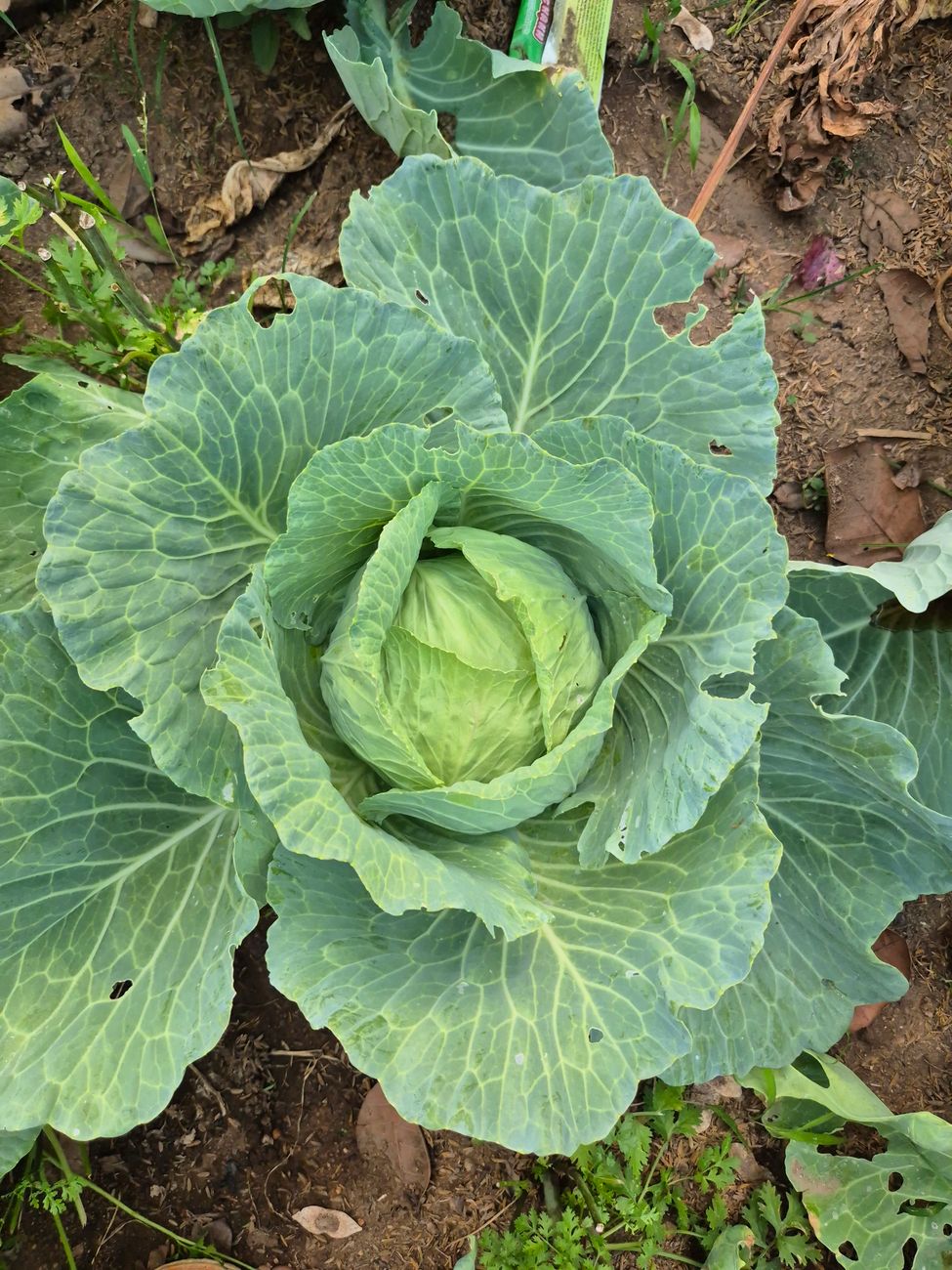
Introduction: Why Your Greens Aren't Forming Those Perfect Heads
There’s nothing quite like the feeling of pulling a perfect, dense head of lettuce or cabbage from your garden. That crisp, tightly packed core promises salads, slaws, and hearty winter meals. But if you’re anything like me, especially when I first started my gardening journey here in the UK Midlands five years ago, you've probably faced the disappointment of loose, floppy leaves instead of those coveted solid hearts. You tend to your plants, you water them, you watch them grow – but then they just… don't head up. It’s a common frustration, and believe me, I’ve been there more times than I care to admit!
I remember my first season, full of eager anticipation, sowing rows of what I thought were heading lettuces. I ended up with a beautiful display of green leaves, perfect for cutting as loose leaf, but not a single firm head to be seen. It was disheartening, especially after all the effort in my 800 sq ft backyard. I thought I was doing everything right, but clearly, something was missing.
Over the years, through countless experiments in my raised beds and greenhouse, battling our notoriously unpredictable British weather, I’ve learned that getting those tight, dense heads isn't just luck. It comes down to a few critical factors, ones that are often overlooked but make all the difference. It’s about understanding the specific needs of these plants and, crucially, adapting your approach to our unique UK climate. I’ve made all the mistakes – from choosing the wrong varieties to neglecting the soil – so you don't have to. In this article, I'm going to share everything I’ve learned from my own UK gardening experience to help you master head formation and finally achieve those picture-perfect, dense harvests you've been dreaming of.
Choosing Wisely: Selecting the Best Heading Varieties for UK Climates
One of the biggest breakthroughs I had in getting my lettuce and cabbage to head up properly was realising that variety choice isn’t just important – it’s absolutely critical, especially here in the UK. When I first started, I’d just pick whatever seeds looked good on the packet, often without checking their suitability for our temperate, often damp, climate. I learned this the hard way when I tried to grow some beautiful-looking Romaine varieties that were clearly bred for warmer, drier climes; they either bolted at the first hint of summer sun or simply refused to form anything but loose outer leaves.
In my UK garden, I’ve consistently found that selecting varieties specifically bred for our conditions makes a world of difference. You want cultivars that are known for their bolt resistance (crucial for those unexpected heatwaves we sometimes get in the Midlands), disease resistance (especially to downy mildew, which loves our humidity), and good cold tolerance if you're aiming for autumn or winter harvests. I always look for varieties labelled as "reliable for UK conditions" or "suitable for British summers." Trust me, a little research now saves a lot of frustration later!
Here’s a comparison of some of my go-to heading varieties that have proven their worth in my UK garden:
| Variety Name | Type | UK Climate Suitability | Key Features | My Personal Notes (Midlands Garden) |
|---|---|---|---|---|
| Lettuce | ||||
| 'All Year Round' | Butterhead | Excellent | Bolt resistant, good cold tolerance | A true workhorse! My go-to for consistent heads from spring to late autumn. Reliable even in cooler, wetter summers. |
| 'Tom Thumb' | Butterhead | Excellent | Compact, good for small spaces, bolt resistant | Perfect for my raised beds when space is tight. Produces lovely, small, dense heads. Great for successional sowing. |
| 'Saladin' | Romaine | Good | Downy mildew resistance, good flavour | One of the best Romaines I've found for UK conditions. Needs consistent moisture but forms decent, upright heads. |
| 'Merveille des Quatre Saisons' | Butterhead | Excellent | Cold tolerant, beautiful red tinge, bolt resistant | My favourite for autumn planting and early spring harvests. Adds colour to the garden and the plate, with surprisingly dense hearts. |
| Cabbage | ||||
| 'Greyhound' | Pointed | Excellent | Early maturing, compact, good for small gardens | My absolute favourite early cabbage. Forms tight, conical heads quickly, even in a shorter UK spring. Great flavour too! |
| 'Stonehead' | Ball | Excellent | Very dense heads, disease resistant | Lives up to its name! Produces incredibly solid, heavy heads. A reliable maincrop for summer/autumn harvests. |
| 'Tundra' | Savoy/Winter | Excellent | Frost hardy, excellent flavour, dense heads | This one is a staple for my winter garden. Withstands British frosts beautifully and gets even sweeter after a cold snap. |
| 'Filderkraut' | Pointed | Good | Large heads, good for sauerkraut | A bit slower, but if you want really substantial pointed heads, this is a winner. Needs a long growing season here in the UK. |
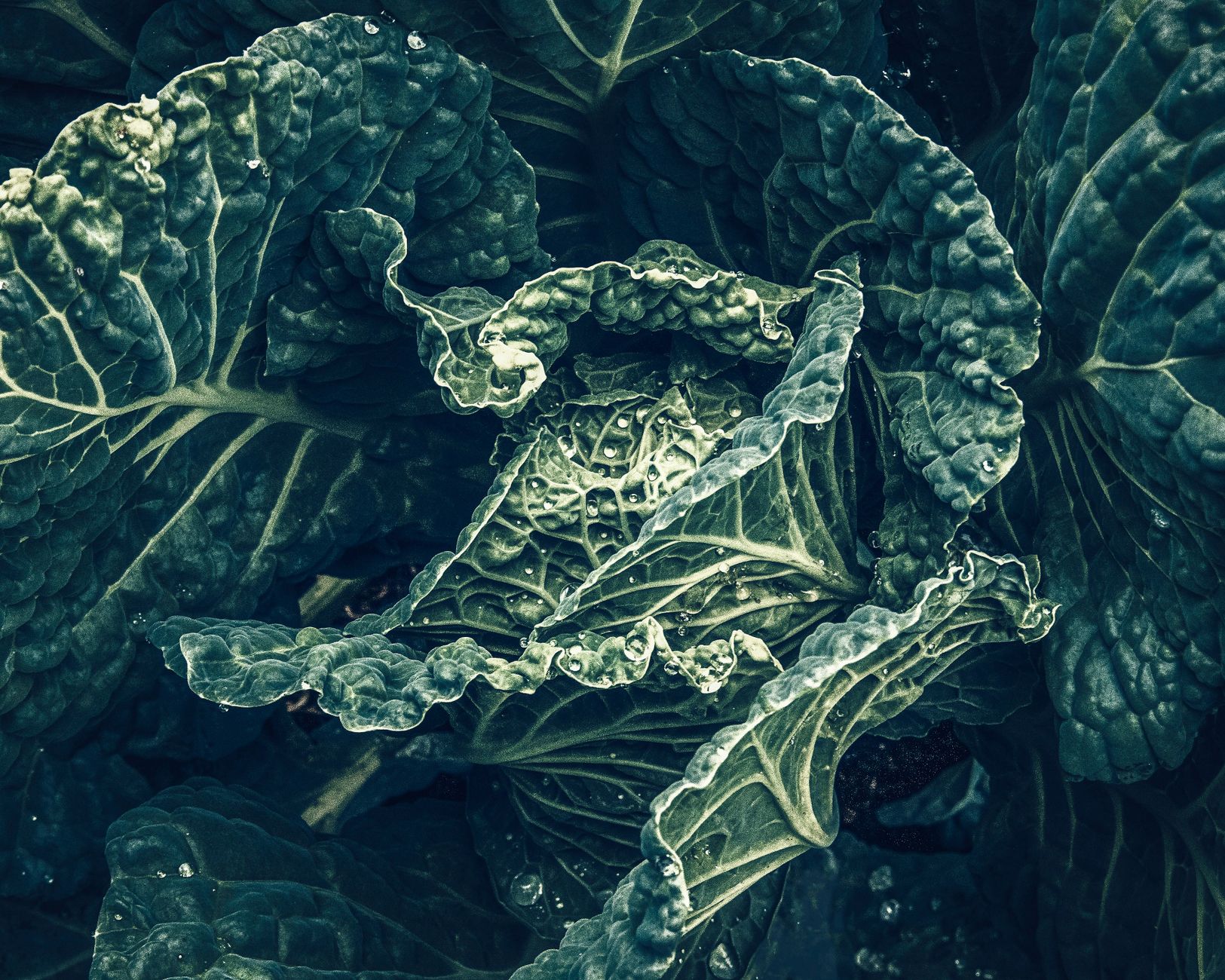
When you’re sourcing seeds, I always recommend sticking to reputable UK seed suppliers. They typically stock varieties that are tried and tested for our climate, and their descriptions often include specific advice for British gardeners. Don't make the mistake I did early on by buying generic packets; invest in varieties that give you the best chance of success!
The Root of the Problem: Optimising Soil Health and Nutrient Balance
You can choose the best UK-adapted varieties in the world, but if your soil isn’t up to scratch, those perfect heads will remain an elusive dream. I learned this the hard way when I first transitioned from an IT desk to digging in my garden. I thought any old soil would do, and my floppy lettuce and loose cabbage showed it! Soil isn’t just dirt; it’s the foundation for everything, and for heading greens, it needs to be just right – well-draining yet moisture-retentive, and packed with the right balance of nutrients.
My 800 sq ft garden here in the Midlands has quite heavy clay in places, so I’ve spent years amending it. The key for me has been incorporating a generous amount of organic matter. Every autumn, after harvesting, I dig in a thick layer of well-rotted homemade compost or good quality mushroom compost from a local UK supplier. This improves drainage in my clay and boosts water retention in my lighter raised beds. It’s a game-changer.
When it comes to nutrients, it's a delicate balance. Lettuce and cabbage are leafy greens, so they do need nitrogen for that lush growth. However, too much nitrogen, especially in the later stages, can lead to lots of outer leaves but a reluctance to form a tight head. I learned this when I over-fertilised one year with a high-nitrogen feed, resulting in huge, leafy cabbages that never firmed up. Phosphorus is vital for strong root development, which is crucial for nutrient uptake and overall plant vigour, and potassium helps with overall plant health and the development of firm, dense heads.
Here’s how I approach soil health and nutrient balance for my heading greens:
| Soil Component/Nutrient | Role in Heading | Ideal UK Condition/Level | How I Achieve It (in my UK garden) | Common UK Mistake |
|---|---|---|---|---|
| Organic Matter | Improves structure, water retention, drainage, nutrient availability | Rich, dark, crumbly soil texture, 5-10% organic matter | Annually incorporate 5-10cm (2-4 inches) of well-rotted compost or mushroom compost into my raised beds and open ground. | Not adding enough, or using uncomposted material that "steals" nitrogen. |
| Soil pH | Affects nutrient availability | Slightly acidic to neutral (pH 6.0-7.0) | I test my soil every 2-3 years. If too acidic, I add a sprinkle of garden lime in autumn; if too alkaline, I use ericaceous compost. | Not knowing your soil pH, leading to nutrient lock-out even if nutrients are present. |
| Nitrogen (N) | Promotes leafy growth | Moderate levels, especially early on | I rely on the organic matter. If plants look pale, a dilute feed of seaweed extract or comfrey tea (my homemade brew) works wonders. | Too much nitrogen, especially later, leads to leafy growth without heading; too little leads to stunted growth. |
| Phosphorus (P) | Essential for root development | Adequate levels for strong root systems | Good quality compost usually provides enough. Occasionally, I add bonemeal at planting if soil test shows deficiency. | Neglecting root health, leading to weaker plants less able to form heads. |
| Potassium (K) | Overall plant health, head density | Adequate levels for robust plants | Compost is key here too. Wood ash (from untreated wood) can be a good supplement if your soil is acidic, but use sparingly. | Insufficient potassium can result in softer, less dense heads and general plant weakness. |
| Soil Structure | Airflow, root penetration, drainage | Loose, friable, not compacted | I avoid walking on my raised beds and regularly fork over (not dig) my open ground to prevent compaction. Always improve with organic matter. | Compacted soil restricts root growth and drainage, leading to stressed plants. |
Before planting, I always give my beds a good rake to ensure a fine, even tilth, and I never plant into compacted soil. Strong, healthy roots are the foundation for a strong, healthy plant capable of forming a dense head, and that all starts with the soil.
Watering Wisdom: Consistent Moisture for Dense Head Formation
If soil is the foundation, then consistent watering is the lifeline for getting those glorious, dense heads of lettuce and cabbage. This is where our unpredictable British weather can really throw a spanner in the works. I’ve seen it all in my Midlands garden: a week of glorious sunshine followed by torrential downpours, then another dry spell. This kind of fluctuation is a recipe for disaster for heading greens, often leading to bolting or loose, airy heads.
I learned the hard way that deep, consistent moisture is critical. One year, after a particularly dry May, my entire crop of 'Greyhound' cabbage bolted almost overnight when the temperatures spiked. It was a harsh lesson in understanding that stressed plants, especially from irregular watering, will prioritise reproduction (flowering and setting seed) over forming a delicious head. Conversely, overwatering can lead to root rot and other fungal issues, which are all too common in our damp climate.
The goal is to keep the soil consistently moist, but never waterlogged. I always water deeply in the early morning. This allows the water to penetrate down to the roots before the heat of the day causes too much evaporation, and it gives the foliage time to dry off, reducing the risk of fungal diseases. I usually aim for a good soak 2-3 times a week during dry spells, rather than a little sprinkle every day. A good rule of thumb I use is the "finger test": stick your finger about an inch or two into the soil. If it feels dry, it's time to water.
Mulching has been an absolute game-changer for me in conserving moisture and maintaining an even soil temperature. In my raised beds, I use a thick layer (about 5-10cm) of straw, grass clippings (ensure they're not from chemically treated lawns), or well-rotted wood chips around my lettuce and cabbage plants. This significantly reduces evaporation, suppresses weeds that compete for water, and helps keep the soil temperature stable, preventing stress on the plants. I even collect rainwater in a water butt attached to my greenhouse – it’s softer and plants seem to prefer it!
| Watering Aspect | Why it's Crucial for Heading | My Approach in the UK Midlands Garden |
|---|
Understanding the Problem: Why Your Greens Aren't Forming Those Perfect Heads
There's nothing quite like the feeling of pulling a perfect, dense head of lettuce or cabbage from your garden. That crisp, tightly packed core promises delicious salads, slaws, and hearty winter meals. But if you’re anything like me, especially when I first started my gardening journey here in the UK Midlands five years ago, you've probably faced the disappointment of loose, floppy leaves instead of those coveted solid hearts. You tend to your plants, you water them, you watch them grow – but then they just… don't head up. It’s a common frustration, and believe me, I’ve been there more times than I care to admit!
I remember my first season, full of eager anticipation, sowing rows of what I thought were heading lettuces. I ended up with a beautiful display of green leaves, perfect for cutting as loose leaf, but not a single firm head to be seen. It was disheartening, especially after all the effort in my 800 sq ft backyard. I thought I was doing everything right, but clearly, something was missing. I’d look at pictures in gardening books, wondering why my plants didn't look like that, especially after battling our typically damp and often unpredictable British springs.
Over the years, through countless experiments in my raised beds and greenhouse, battling our notoriously unpredictable British weather, I’ve learned that getting those tight, dense heads isn't just luck. It comes down to a few critical factors, ones that are often overlooked but make all the difference. It’s about understanding the specific needs of these plants and, crucially, adapting your approach to our unique UK climate. I’ve made all the mistakes – from choosing the wrong varieties to neglecting the soil – so you don't have to. In this article, I'm going to share everything I’ve learned from my own UK gardening experience to help you master head formation and finally achieve those picture-perfect, dense harvests you've been dreaming of.
Choosing Wisely: Selecting the Best Heading Varieties for UK Climates
One of the biggest breakthroughs I had in getting my lettuce and cabbage to head up properly was realising that variety choice isn’t just important – it’s absolutely critical, especially here in the UK. When I first started, I’d just pick whatever seeds looked good on the packet, often without checking their suitability for our temperate, often damp, climate. I learned this the hard way when I tried to grow some beautiful-looking Romaine varieties that were clearly bred for warmer, drier climes; they either bolted at the first hint of summer sun or simply refused to form anything but loose outer leaves. I wasted so much precious space in my small garden!
In my UK garden, I’ve consistently found that selecting varieties specifically bred for our conditions makes a world of difference. You want cultivars that are known for their bolt resistance (crucial for those unexpected heatwaves we sometimes get in the Midlands), disease resistance (especially to downy mildew, which loves our humidity), and good cold tolerance if you're aiming for autumn or winter harvests. I always look for varieties labelled as "reliable for UK conditions" or "suitable for British summers." Trust me, a little research now saves a lot of frustration later!
Here’s a comparison of some of my go-to heading varieties that have proven their worth in my UK garden:
| Variety Name | Type | UK Climate Suitability | Key Features | My Personal Notes (Midlands Garden) |
|---|---|---|---|---|
| Lettuce | ||||
| 'All Year Round' | Butterhead | Excellent | Bolt resistant, good cold tolerance | A true workhorse! My go-to for consistent heads from spring to late autumn. Reliable even in cooler, wetter summers here. |
| 'Tom Thumb' | Butterhead | Excellent | Compact, good for small spaces, bolt resistant | Perfect for my raised beds when space is tight. Produces lovely, small, dense heads. Great for successional sowing. |
| 'Saladin' | Romaine | Good | Downy mildew resistance, good flavour | One of the best Romaines I've |
Spacing, Sunlight, and Temperature: Creating the Ideal Growing Environment
Right, you've got your soil sorted, your watering schedule down, and you've picked some cracking UK-friendly varieties. Now, let's talk about the environment around your plants. This is where many of us, myself included when I first started, make some crucial missteps. Just like we need our own space to thrive, so do our heading greens.
The Breath of Life: Why Spacing Matters
Overcrowding is a classic newbie error, and I'm guilty as charged. When I first crammed 'Little Gem' lettuce seedlings into a raised bed, thinking more plants equalled more harvest, I ended up with spindly, airy heads that were more like a loose collection of leaves than a proper head. It was a disheartening sight, especially after all the effort!
Proper spacing isn't just about giving roots room; it's about air circulation, preventing disease, and ensuring every leaf gets its fair share of sunlight. For lettuce, I typically aim for 20-30cm (8-12 inches) between plants, depending on the mature size of the variety. For cabbages, especially those big 'January King' beauties I love, you're looking at 45-60cm (18-24 inches) – they need serious elbow room to form those dense heads. This also helps reduce humidity around the leaves, which is a godsend in our often damp British climate, keeping fungal diseases at bay.
Sun's Embrace: The Power of Light
Heading vegetables are sun worshippers. They ideally need at least 6 hours of direct sunlight a day to photosynthesise efficiently and pack those leaves tightly. In my 800 sq ft Midlands garden, I've strategically placed my raised beds to maximise morning sun for lettuce and full-day sun for my cabbages. If they don't get enough light, they'll stretch, become leggy, and simply won't have the energy to form a tight head.
Now, I know our UK weather can be a bit hit-and-miss with the sunshine, especially in spring and autumn. I've had seasons where extended cloudy spells meant my lettuce heads were noticeably looser. There's not much you can do about the sky, but you can ensure no shadows from taller plants or fences are robbing your greens of precious light hours.
The Goldilocks Zone: Temperature Control
Temperature is a massive factor, particularly for lettuce. They are cool-season crops, thriving in temperatures between 13-18°C (55-65°F). If it gets too hot, especially above 24°C (75°F), lettuce varieties are prone to bolting – shooting up a flower stalk and turning bitter. This is why I often sow my spring lettuce early and then again in late summer for an autumn harvest, avoiding the peak heat of July and August in my UK garden.
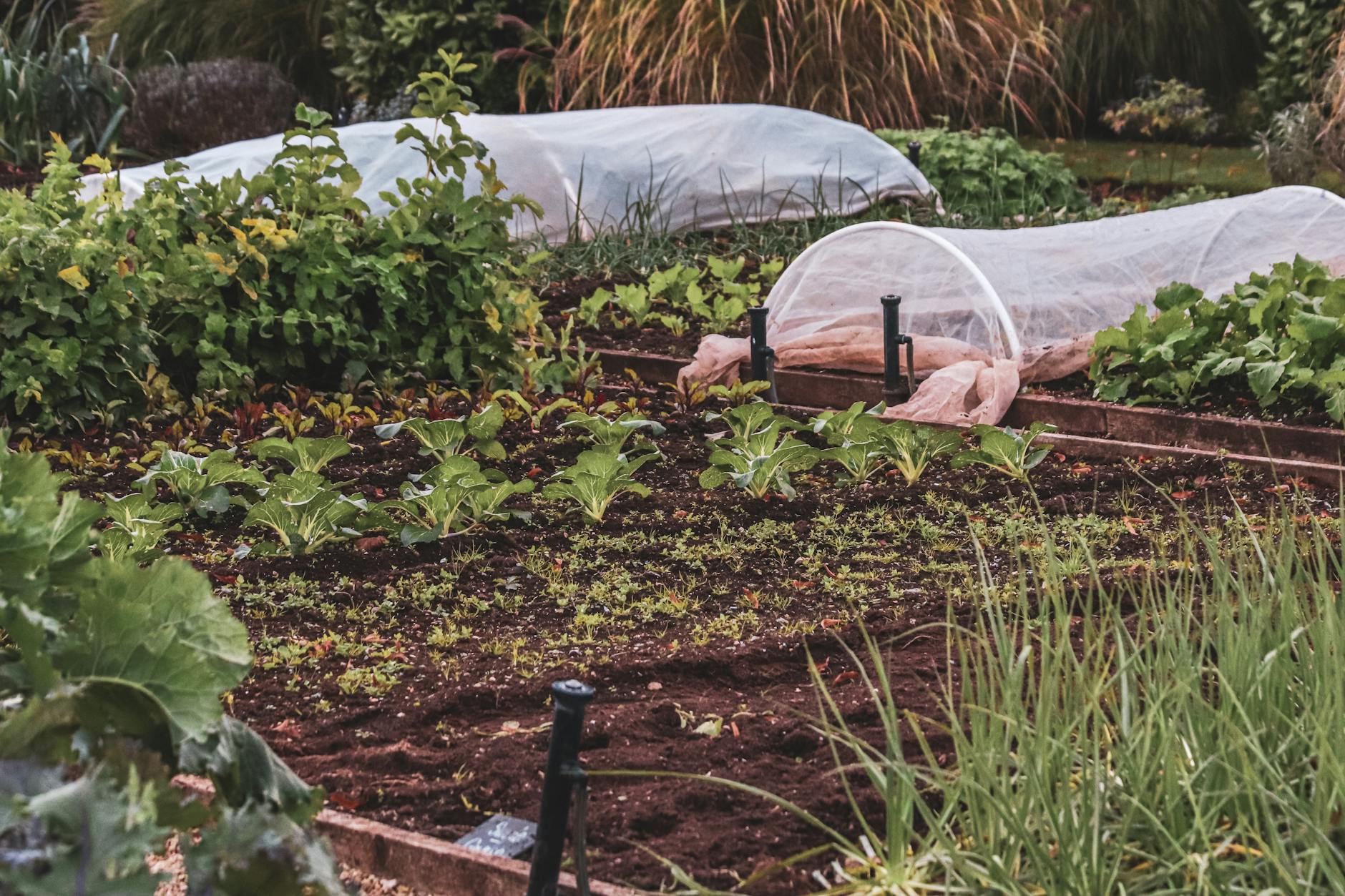
Cabbages are a bit more tolerant but still prefer cooler weather, ideally 15-20°C (60-70°F). Our British summers, while sometimes warm, are rarely scorching enough to cause widespread bolting in cabbage, but consistent warmth is needed for good growth. Frost, however, is a different beast. While some winter cabbages like 'January King' are incredibly hardy, young seedlings can be vulnerable. I've learned to keep an eye on those late spring frost warnings here in the Midlands and use fleece protection if needed.
Here’s a quick comparison to help you nail the ideal conditions:
| Factor | Lettuce (Heading Varieties) | Cabbage (Heading Varieties) | Randy's UK Experience & Tips |
|---|---|---|---|
| Spacing | 20-30 cm (8-12 inches) between plants | 45-60 cm (18-24 inches) between plants | Overcrowding leads to weak, airy heads. I always use a measuring tape now – learned that the hard way with my first 'Little Gem' crop! Good air circulation is key in the UK. |
| Sunlight | 6+ hours direct sun (tolerates very light partial shade) | 6+ hours direct sun (prefers full sun) | Essential for dense heads. I position my raised beds to catch as much sun as possible, especially morning sun for lettuce. Beware of shadows from fences or other plants. |
| Temperature | Ideal: 13-18°C (55-65°F). Prone to bolting above 24°C (75°F). | Ideal: 15-20°C (60-70°F). More tolerant to fluctuations. | Lettuce needs to avoid hot spells; I grow it in spring/autumn. Cabbage is hardier but can struggle in extreme heat (rare here) or early frosts. My greenhouse helps me start cabbage seedlings safely away from late frosts. Keep an eye on those unpredictable British weather swings! |
Pest & Disease Watch: Protecting Your Developing Heads from Setbacks
You've done all the hard work, your plants are growing beautifully, and then... disaster strikes. Pests and diseases can turn a promising crop into a heartbreaking loss overnight. Protecting those vulnerable developing heads is absolutely crucial, especially here in the UK where slugs and snails seem to be on a mission to destroy everything!
The Usual Suspects: My Battles Against Pests
I've had my fair share of pest invasions, believe me. My first year, I woke up one morning to find an entire row of 'Butterhead' lettuce seedlings completely decimated by slugs. It was a gut punch. Since then, I've become vigilant.
- Slugs and Snails: These are my arch-nemeses here in the Midlands. They love young, tender leaves and can chew through a developing lettuce or cabbage head in no time. My go-to strategy: nightly patrols with a head torch (especially after rain!), beer traps (they really do work!), and copper tape around my raised beds. I've also found that a good layer of grit or crushed eggshells around the base of plants can deter them.
- Aphids: These tiny green or black sap-suckers can quickly colonise the tender inner leaves of developing heads, weakening the plant and sometimes spreading viruses. I regularly check the undersides of leaves. If I spot them, a strong jet of water (gentle enough not to damage the plant!) or a homemade garlic spray usually sorts them out. I also encourage beneficial insects like ladybirds by planting calendula and borage nearby.
- Cabbage White Butterflies: Ah, the beautiful but destructive 'cabbage whites'! Their caterpillars can munch through cabbage leaves faster than you can say "brassica." For my cabbages, I swear by fine mesh netting. It's the most effective, chemical-free way I've found to keep those butterflies from laying their eggs. I learned this after losing a whole crop of 'Copenhagen Market' cabbage to caterpillars one summer. Netting is non-negotiable for my brassicas now.
Disease Defence: Keeping It Clean
While pests are often visible, diseases can be sneakier. Good cultural practices are your best defence.
- Fungal Diseases (e.g., Downy Mildew): These thrive in damp, humid conditions – something we get plenty of in the UK! Good air circulation (which links back to proper spacing!) is vital. I also make sure to water at the base of the plant in the mornings, allowing leaves to dry before evening. Removing any infected leaves immediately can help prevent spread.
- Clubroot: This is a nasty soil-borne disease that affects brassicas, distorting roots and stunting growth. Once you have it, it's incredibly hard to get rid of. The best prevention is good crop rotation – never plant brassicas in the same spot for at least three years. If you know your soil is prone, consider growing in raised beds with fresh compost.
Regular inspection is your best friend. A quick check of your plants every couple of days can catch issues before they become major problems. Early intervention is key!

Harvesting Success: Tips for Tighter, Denser Heads Every Season
After all that care and attention, the moment of truth arrives: harvest time! There's nothing quite like slicing into a perfectly formed, dense head of lettuce or cabbage that you've grown yourself. It's the culmination of months of effort, and it’s incredibly rewarding.
Knowing When to Cut: The Firmness Test
This is where your senses come into play.
- Lettuce: For heading varieties like 'Crisphead' or 'Romaine', you want to feel the head. It should feel firm and solid when gently squeezed, not spongy or loose. The size will also be a good indicator – compare it to what you’d expect from the variety. Don't wait too long, especially in warmer weather, or it will bolt and turn bitter. I usually harvest my 'Winter Density' when they're about the size of a small football, but still very dense.
- Cabbage: Cabbage heads should feel very firm and heavy for their size. If it feels a bit loose or hollow, give it a bit more time. Again, don't leave it too long, especially if heavy rain is forecast, as mature heads can split, making them prone to rot. I've had a few 'Copenhagen Market' heads split on me after a sudden downpour here in the Midlands – a frustrating sight!
The Art of the Cut: Maximising Your Yield
For both lettuce and cabbage, use a sharp, clean knife.
- Lettuce: Cut the head cleanly at the base, just above soil level. For some varieties, like loose-leaf types, you can often cut the outer leaves, leaving the core to produce a second, smaller harvest. For true heading types, it's usually a one-and-done deal for the main head.
- Cabbage: Cut the main head off at an angle, leaving the outer leaves and about 5-10cm (2-4 inches) of the stem in the ground. With a bit of luck and good weather, the remaining stem might produce smaller, secondary "cabbage sprouts" or mini-heads, extending your harvest. I've had decent success with this method, especially with my autumn cabbages.
Staggered Planting: The Secret to Continuous Harvests
One of my favourite techniques in my 800 sq ft UK garden is staggered planting. Instead of sowing all your seeds at once, sow a small batch every 2-3 weeks. This ensures a continuous supply of fresh, perfectly formed heads rather than a glut all at once. It’s particularly effective for lettuce, where I'll have new heads ready as older ones are harvested. This strategy has saved me from both overwhelming harvests and frustrating gaps!
Post-Harvest Care: Keeping it Fresh
Once harvested, get your greens indoors quickly. I usually remove any damaged or excessively dirty outer leaves. A quick rinse, then storing them in a breathable bag (like a damp tea towel inside a plastic bag) in the fridge helps them stay crisp for much longer. There's nothing quite like pulling a fresh, crisp head of your own homegrown lettuce out of the fridge for a salad!
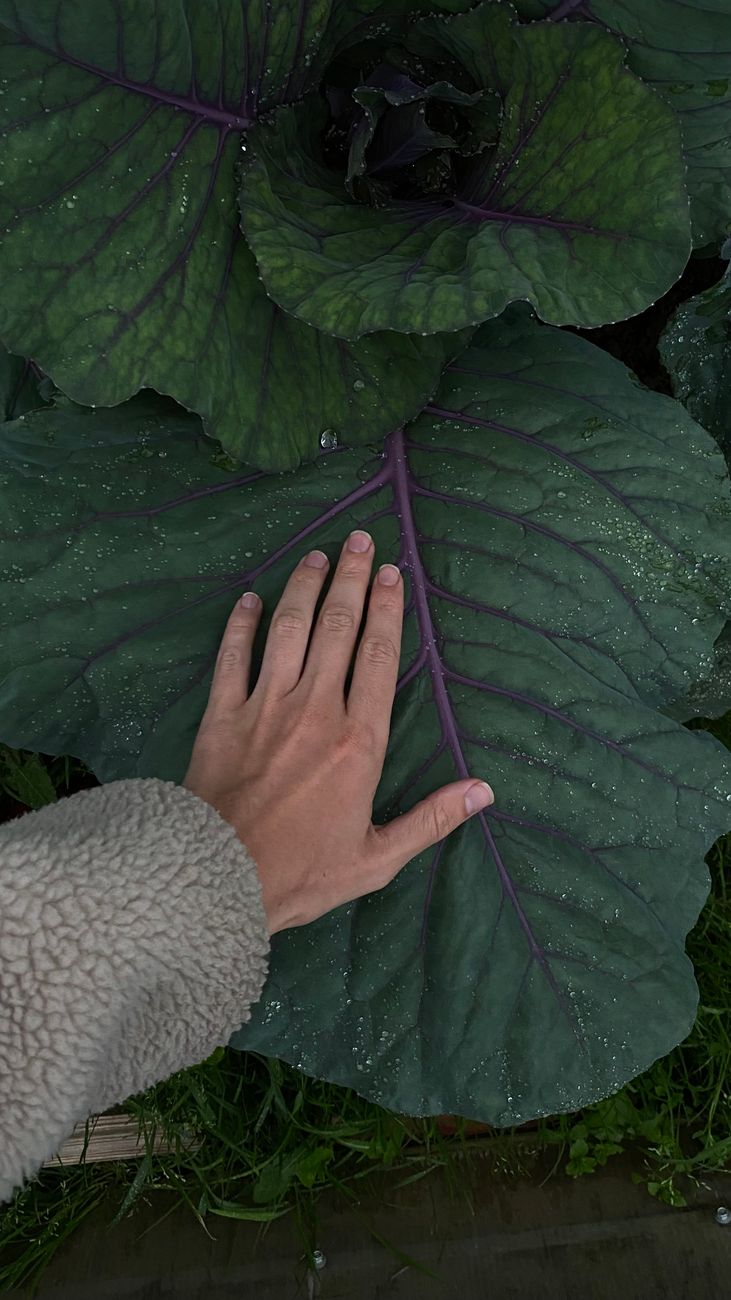
Conclusion: The Joys of a Tightly Headed Harvest
So there you have it, fellow UK gardeners! We've journeyed through the vital steps to cultivating those perfect, dense heads of lettuce and cabbage. From selecting the right varieties that thrive in our often-unpredictable British climate, to nurturing your soil, mastering your watering, and creating the ideal environment with thoughtful spacing, sunlight, and temperature control – every step plays a crucial role.
Remember, gardening is a continuous learning curve. I've made countless mistakes in my 5+ years in the garden here in the Midlands – from overcrowding my beds to losing entire rows to slugs. But each 'failure' has been a valuable lesson, pushing me to experiment and understand why things work (or don't work!) in our specific UK conditions.
The key is observation. Pay attention to your plants. Are they looking happy? Are they getting enough light? Is that pesky cabbage white butterfly hovering a little too long? Adapt your approach based on what you see and what our British weather throws at you.
There's an immense satisfaction in slicing into a firm, crisp head of lettuce or a dense, heavy cabbage that you’ve nurtured from a tiny seed. It’s a testament to your effort, your patience, and your growing understanding of the natural world. Don't be afraid to get your hands dirty, experiment in your own garden, and most importantly, enjoy the process. Here's to many seasons of tighter, denser, and utterly delicious harvests from your UK garden! Happy growing!