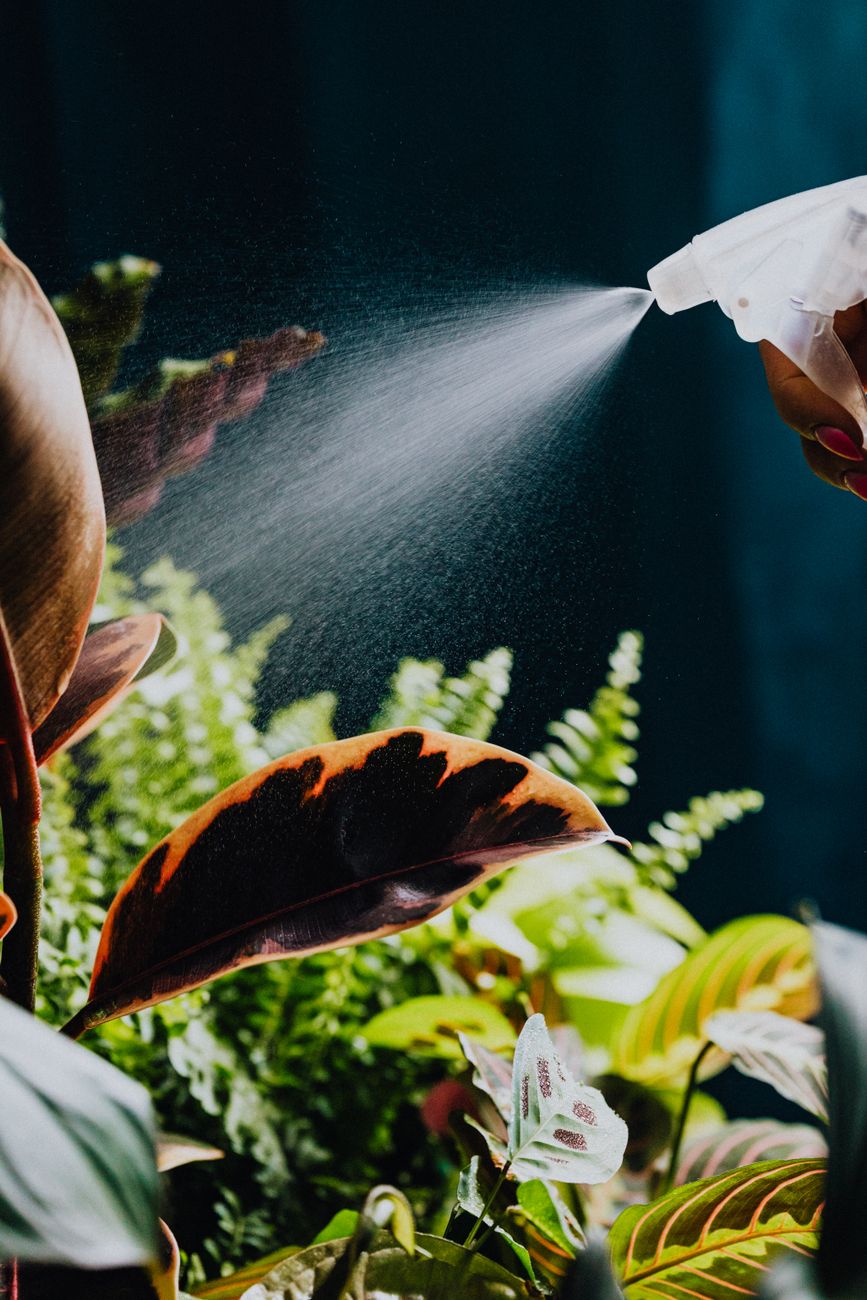
Here in the UK Midlands, especially with our unpredictable weather, mastering indoor growing can feel like a completely different world from my raised beds and greenhouse. I've spent the last five years obsessing over every detail in my 800 sq ft backyard, from coaxing heirloom tomatoes like 'Cherokee Purple' to thrive in my greenhouse to getting the perfect basil harvest. But when I brought those tropical beauties indoors, I quickly learned that the British climate, even inside, presented its own unique set of challenges.
Beyond the Misting Bottle: Why Micro-Humidity Matters for Your Tropicals
When I first started dabbling with indoor tropical plants – think my beloved Monstera deliciosa or that notoriously fussy Calathea orbifolia – the go-to advice I always heard was, "Just mist them!" And, bless my enthusiastic but naive heart, I dutifully misted. Every morning, sometimes twice a day, I'd give them a good spray, convinced I was providing them with a little slice of the jungle.
The reality, as I quickly learned through a series of crispy brown leaf tips and generally unhappy-looking plants, was that misting often does little more than provide a fleeting moment of moisture before evaporating. In our centrally heated UK homes, especially during those long, damp winters, the air can be incredibly dry. That quick spray doesn't penetrate the leaf surface enough, and it certainly doesn't create the consistent, ambient humidity these plants crave to truly thrive.
What I realised, and what I now preach to anyone who'll listen, is that it's all about micro-humidity zones. It's about creating a consistent, slightly more humid pocket of air right around your plant, rather than just wetting the leaves. Tropical plants, you see, evolved in environments where the air itself holds a lot of moisture. They rely on this for efficient transpiration – the process where they release water vapour from their leaves, which in turn helps pull water and nutrients up from their roots. If the air is too dry, this process struggles, leading to stress, stunted growth, and those dreaded brown tips. I've learned this the hard way with my own plants, seeing a significant difference in lushness once I moved beyond the misting bottle.
Decoding Your Plant's Humidity SOS: Recognizing the Signs of Low Moisture
One of the biggest frustrations I faced when I first started bringing tropical plants indoors was trying to figure out what they actually needed. A brown tip could mean underwatering, overwatering, or even pests! It took me a good year or so of trial and error, and a fair few sad-looking Fittonia plants, to truly understand the specific cries for help my plants were giving regarding humidity.
For example, I remember a particularly dramatic Alocasia 'Polly' I had. Its leaves started curling inwards and going crispy around the edges, despite me watering it regularly. I was convinced it was thirsty, so I watered it more, which only made it worse! It was only when I started looking at the texture of the brown tips – dry and brittle, almost papery, rather than soft and mushy – that I started to suspect low humidity was the real culprit. Here’s how I’ve learned to distinguish between a genuine humidity SOS and other common issues:
| Symptom | Low Humidity (Randy's Experience) | Other Common Causes (Randy's Mistakes & Learnings) |
|---|---|---|
| Crispy, Brown Leaf Tips | Most common indicator! Tips are dry, brittle, and often spread inwards from the very edge. Appears even with good watering. My Calathea 'Musaica' does this if I'm not careful. | Underwatering: Entire leaf wilts before browning; browning may be more widespread. Overwatering: Tips may be soft/mushy brown, often with yellowing on the rest of the leaf. |
| Curled or Cupped Leaves | Leaves curl inwards or cup upwards to reduce surface area and minimise moisture loss. My Fittonia 'Red Anne' does this when the air is too dry. | Underwatering: Leaves typically wilt and droop downwards. Heat Stress: Leaves might curl, but usually accompanied by overall wilting and rapid drying out. |
| Stunted Growth / Small Leaves | New growth is slow, and new leaves are smaller than usual, struggling to unfurl properly. My baby Monstera was a slow grower until I upped its humidity. | Nutrient Deficiency: Pale leaves, yellowing veins, or overall lack of vigour. Insufficient Light: Leggy growth, pale leaves. |
| Lack of New Growth | Plant seems dormant, no new leaves appearing for extended periods, even during active growing seasons. | Dormancy (seasonal): Normal for some plants, especially in winter. Root Bound: Plant needs repotting. Pests: Inspect closely for tiny invaders. |
| Browning on Leaf Edges | Similar to crispy tips but can extend along the entire leaf margin, particularly on larger-leaved plants like my Fiddle Leaf Fig. | Fertiliser Burn: Often appears as browning along edges, accompanied by white crust on soil surface. Salt Buildup: From tap water; similar to fertiliser burn. |
Essential Tools for UK Home Gardeners: Monitoring Micro-Humidity Accurately
I spent years in IT before I found my true calling in the garden, and one thing my old job taught me was the value of data. You can't fix what you don't measure! This philosophy absolutely applies to gardening, especially when it comes to something as invisible as humidity. Guessing whether your room is humid enough for a fussy fern is a recipe for disappointment, especially in our often-dry UK homes.
That's why I wholeheartedly recommend investing in a digital hygrometer. Seriously, it's a game-changer. For a long time, I just went by 'feel,' which, as you can imagine, wasn't very effective. I'd notice my prayer plant's leaves looking a bit sad, then I'd try to do something about it. Now, with a hygrometer, I can proactively adjust the environment.
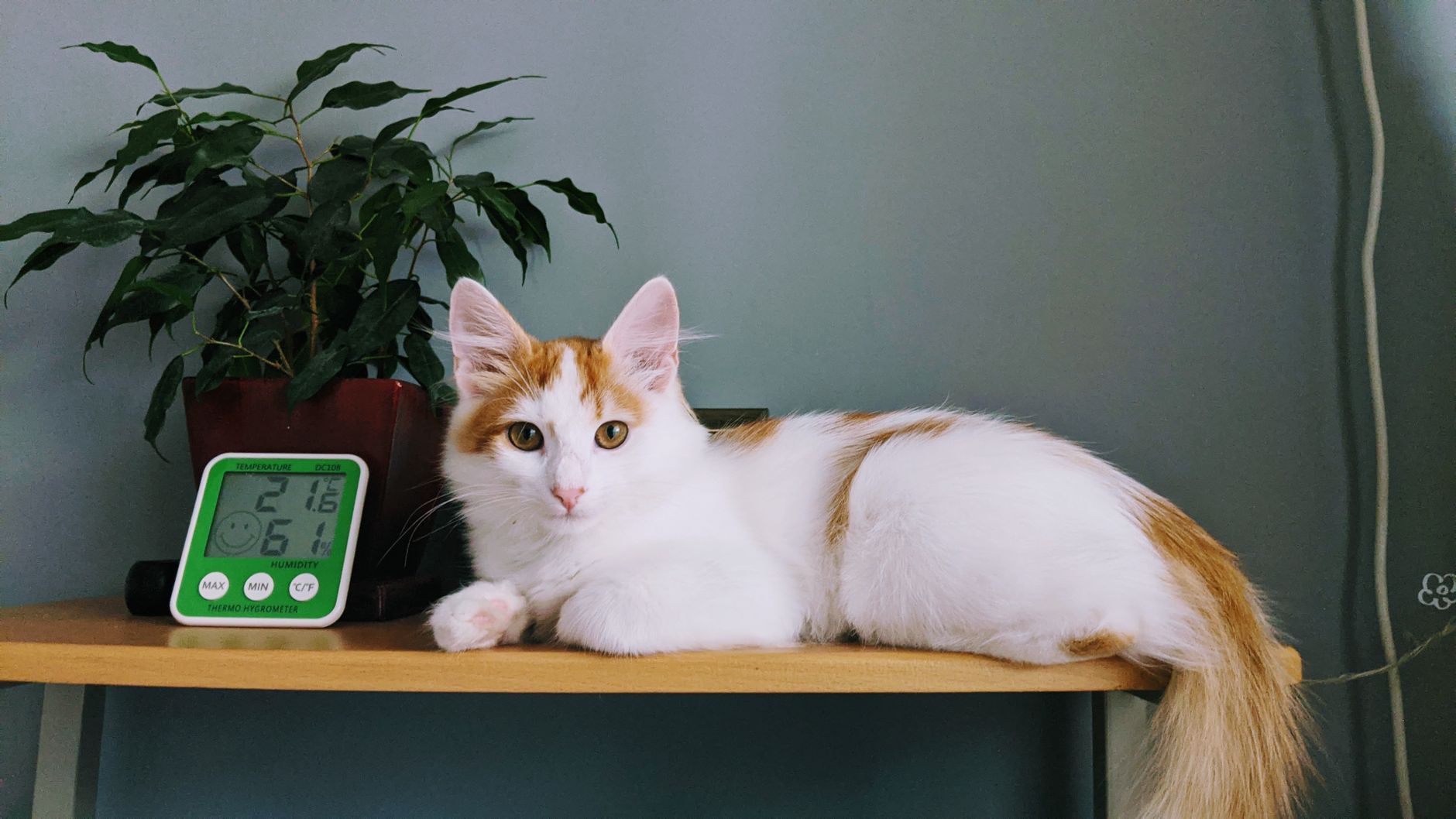
Here in Britain, especially with our central heating blasting in winter and occasionally surprising dry spells in summer, indoor humidity levels can fluctuate wildly. A good digital hygrometer, often combined with a thermometer, will give you real-time readings. I have several dotted around my house, particularly near my most sensitive tropicals. I look for something easy to read, with a clear display, and ideally one that can track highs and lows over a 24-hour period. You can pick up a decent one for under a tenner from most hardware stores or online, and believe me, it's worth every penny.
For most of my tropical plants like my Monstera, Philodendrons, and even my more tolerant peace lilies, I aim for a consistent humidity level between 50-70%. My super-fussy Calatheas and Alocasias, though, prefer it closer to 60-75%. Knowing the actual numbers allows me to adjust my strategies for each plant group. I've found placing the hygrometer right amongst the plants, or on a shelf nearby, gives the most accurate reading for that specific micro-zone. Don't put it right next to a window or a heat vent, as that will skew your results significantly!
Strategic Humidity Boosters: Targeted Alternatives to Constant Misting
Alright, so we've established that the old misting bottle, while well-intentioned, often falls short, especially with the drying effects of British central heating. It’s like trying to fill a swimming pool with a watering can – it just doesn't create a lasting impact. Over the years, experimenting in my Midlands home, I've tried a whole host of alternatives, some more successful than others. The key is to create a sustained increase in humidity right where your plant needs it.
Here's a breakdown of the methods I've personally tested and what I've found works (or doesn't quite work) in a typical UK home environment:
| Method | How it Works (Randy's Understanding) | Pros for UK Home (Randy's Experience) | Cons for UK Home (Randy's Experience) | Randy's Tip (Specific Advice from My UK Garden/Home) |
|---|---|---|---|---|
| Pebble Trays | A shallow tray filled with pebbles and water. As the water evaporates, it creates a small bubble of humidity around the plant placed on top, without the pot sitting in water. | Cost-effective and low-tech. I use these for my smaller ferns and my more delicate Calatheas. Great for individual plants that need a boost without affecting the whole room. | Needs regular refilling, especially in dry, centrally heated rooms. The humidity boost is quite localised, so not effective for large plant collections or very tall plants. Can get algae buildup if not cleaned regularly. |
My current favourites are the a humidifier (I have two now, a big one for my tropical collection in the living room and a smaller one for my bedroom where I have some more sensitive plants) and grouping plants. The humidifier is essential for consistent room-wide humidity, especially with our long UK winters and central heating. I fill it with filtered tap water to avoid mineral residue on leaves. And grouping plants, well, that’s just common sense: they release moisture through transpiration, creating a mini-ecosystem. It's like having them huddle together for warmth, but for humidity! I've found that my Monstera and my Philodendron 'Pink Princess' absolutely adore being grouped together, creating a little humid haven.
Remember, mastering micro-humidity zones isn't about one magic bullet. It's about understanding your plant's needs, monitoring your environment, and using a combination of these strategies to create a consistently happy home for your indoor tropicals. It's a journey I'm still on, but one that has brought so much more lush growth and fewer brown tips to my beloved collection here in the UK.
Crafting Custom Microclimates: Practical Setups for Every Indoor Space
Now, we've talked about why micro-humidity matters and how to measure it. The exciting part for me, and where my IT-brain really kicks in, is the practical application – building those custom microclimates. It’s a bit like setting up a mini-server room for your plants, ensuring they have the perfect environment to thrive, even if the rest of your UK home is a bit drier. I’ve tried a fair few setups in my own home, adapting them to our often-chilly, sometimes-damp, sometimes-bone-dry British conditions.
The Humble Pebble Tray: My Go-To for Consistent Local Humidity
One of the simplest yet most effective strategies I rely on, especially for my smaller indoor tropicals, is the pebble tray. It’s deceptively simple: grab a shallow tray (I've repurposed old seed trays and even sturdy baking dishes), fill it with a layer of pebbles or gravel, and add water just below the top of the pebbles. Place your potted plant on the pebbles, ensuring the pot doesn't sit directly in the water. As the water evaporates, it creates a lovely, localised pocket of humidity around your plant.
I’ve had great success with this method for my Fittonia and my smaller Calatheas, which are notorious for browning tips if they don't get enough moisture in the air. I learned this the hard way when my first Fittonia, sitting on a dry windowsill in winter, looked like it had been hit by a hairdryer. Now, my pebble trays are topped up every couple of days, and it makes a world of difference. It's a low-tech solution that consistently battles the drying effects of our central heating here in the Midlands.

The Power of Grouping: Creating a Plant Community
This is a favourite of mine because it’s not only effective but also looks fantastic. Plants naturally release moisture through transpiration (it’s basically how they "sweat"), and when you group them together, that released moisture gets trapped and boosts the local humidity for the whole group. Think of it as a mini rainforest community right there in your living room.
I've got a cluster of plants on an old chest of drawers in my spare room – a Boston Fern, a couple of Peace Lilies, and a small Monstera deliciosa. They all appreciate similar humidity levels, and by keeping them close, they essentially humidify each other. I've noticed a significant reduction in crisp leaf edges on my Peace Lilies since I started this. It’s a beautiful synergy, and it means less individual effort for me, which, let's be honest, is always a win when you're managing an 800 sq ft garden outside too! Just be mindful of airflow to prevent fungal issues in tightly packed groups.
Mini Greenhouses & Cloches: Dedicated Humidity Havens
For those truly humidity-loving divas or delicate propagated cuttings, I sometimes take inspiration from my outdoor greenhouse and create miniature versions indoors. A clear plastic cloche or even a large glass bell jar can create an incredibly stable, high-humidity environment for a single plant. I've used these for rooting rare tropical cuttings or for nursing a particularly unhappy plant back to health.
I even repurposed a small, clear plastic storage box with a lid for a tiny collection of jewel orchids – it worked a treat! The key here is ventilation. You can't just seal them up completely; opening them daily for a few minutes prevents stale air and mould. It's a bit more hands-on, but for specific plants that truly demand it, it's invaluable. My rare 'Pink Princess' Philodendron cutting absolutely thrived under a cloche when it was first establishing itself, far better than it would have in the general ambient air of my UK home.
Plant-Specific Humidity Needs: Tailoring Care for Thriving Tropical Varieties
One of the biggest lessons I’ve learned in my five years of intensive gardening, both indoors and out, is that there’s no one-size-fits-all solution. Just as my 'Marmande' tomatoes in the greenhouse need different care to my outdoor 'Charlotte' potatoes, your tropical plants will have unique humidity demands. Treating every tropical plant the same is a common mistake I made early on, leading to perfectly happy spider plants next to crispy Calatheas. Understanding these individual needs is crucial for true success here in the UK, where our indoor environments can be so variable.
I’ve spent time observing my plants, cross-referencing with good horticultural resources, and frankly, making a few blunders along the way. Below is a little table I’ve put together, based on what I’ve personally found works best for some common tropical houseplants in a typical UK home environment.
Randy's Guide: Tailoring Humidity for Your Tropicals
| Plant Variety | Ideal Humidity Range (%) | Randy's Specific UK Care Tips |
|---|