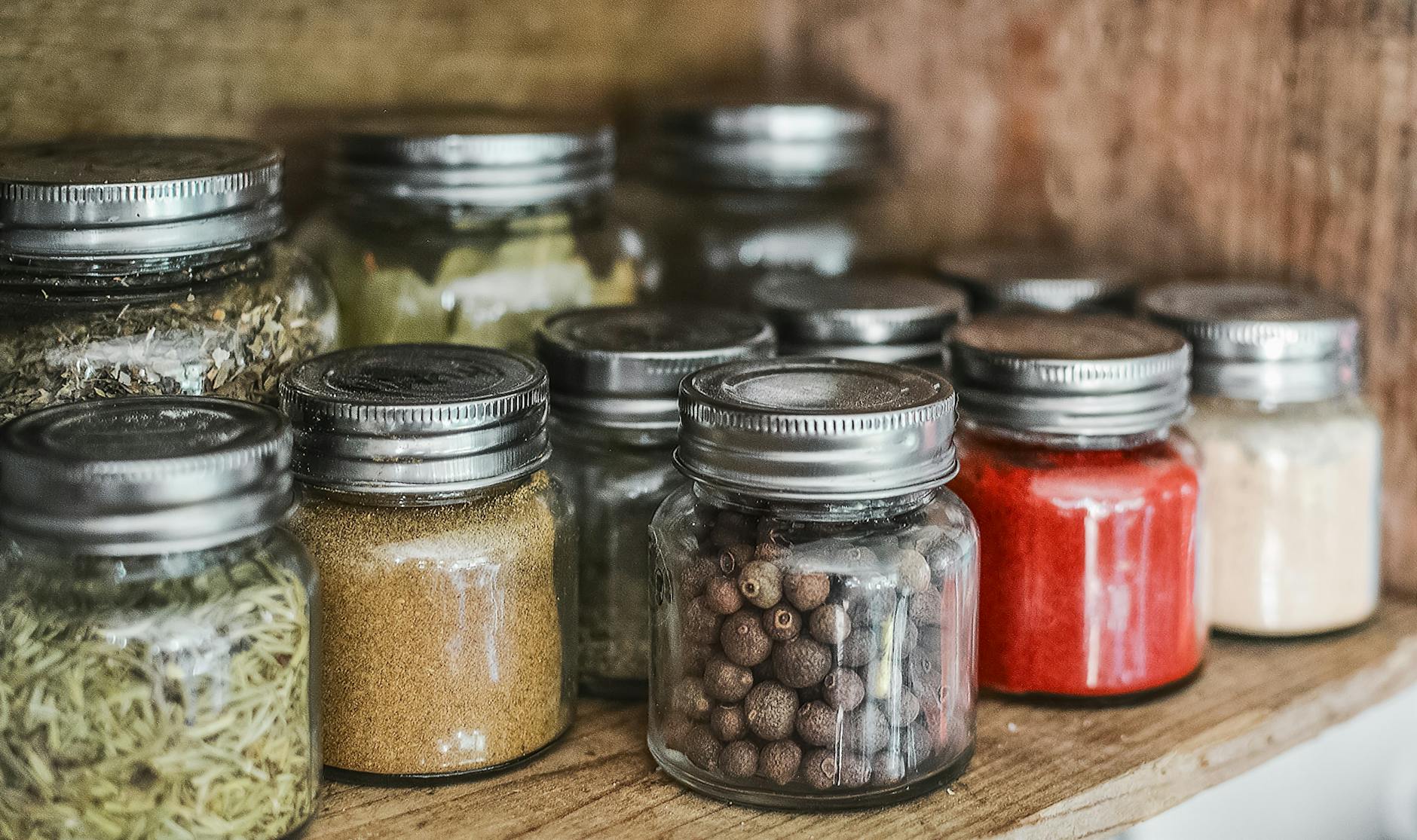
There’s nothing quite like brushing past a fragrant rosemary bush on a crisp UK morning, or catching the sweet, calming scent of lavender drifting across the garden. These Mediterranean beauties – rosemary, thyme, and lavender – are absolute staples in my 800 sq ft Midlands garden. They bring so much life, flavour, and a touch of sun-drenched romance, even when our British weather is doing its usual unpredictable thing.
But here’s the rub, and it’s a mistake I made myself countless times when I first swapped my IT desk for digging in the dirt five years ago: we often kill them with kindness. Specifically, with too much water. I remember my first ‘Miss Jessop’s Upright’ rosemary, looking sad and yellow despite my diligent daily watering. It was heartbreaking, and honestly, a bit baffling. How could a plant not want more water?
It took me a while, and a fair few soggy casualties, to truly understand their unique needs. The secret to growing thriving, flavour-packed Mediterranean herbs, whether they're nestled in a raised bed or brightening up a terracotta pot on your patio, isn't about how much you water, but how and when. It's about mastering moisture, understanding their natural habitat, and translating that wisdom into our often-damp UK climate. In this article, I'm going to share all the lessons I’ve learned through trial and error in my own garden, so you can keep your rosemary robust, your thyme tenacious, and your lavender luxuriant, for years to come.
Decoding Dryness: Why Rosemary, Thyme, and Lavender Love Lean Living
When I first started getting really serious about gardening, I realised it wasn't enough to just know what to do; I needed to understand why. And for Mediterranean herbs like rosemary, thyme, and lavender, the 'why' is all about where they come from. Imagine their native homes: the sun-baked, rocky coastlines of the Mediterranean. Think hot summers, mild winters, and crucially, incredibly well-drained, often poor, sandy or stony soils. These aren't lush rainforest plants; they're tough, resilient survivors built for arid conditions.
This heritage has shaped their entire physiology. They've evolved features like small, often grey-green, leathery or needle-like leaves (to reduce water loss), and deep, extensive root systems (to seek out moisture far below the surface). Overwatering them in our UK gardens is like trying to force a desert dweller to live in a swamp. Their roots simply aren't designed to sit in soggy soil. They quickly suffocate, become susceptible to fungal diseases, and the plant essentially drowns from the roots up.
I learned this the hard way with a gorgeous 'Hidcote' lavender I planted directly into my heavier Midlands clay without enough soil amendment. It looked fantastic for a few weeks, then started to yellow and wilt. My first thought was "it needs water!", but the reality was the opposite – its roots were rotting in the waterlogged soil. What works here in Britain, especially with our potentially heavier soils, is mimicking those dry, lean conditions as much as possible. It means focusing on exceptional drainage and embracing a philosophy of less is often more when it comes to the watering can.

The Golden Rule: How to 'Feel' When Your Herbs Are Thirsty
Okay, so we know they like it dry. But what does "dry" actually mean in a practical, day-to-day gardening sense? This is hands-down the most important lesson I’ve learned in my 5+ years of intensive gardening, and it applies to almost everything, but especially to Mediterranean herbs: your finger is your best watering gauge. Forget schedules, forget apps – your finger tells you the truth about the soil's moisture level.
I used to religiously water every other day, or every morning, thinking that consistency was key. Big mistake. The weather changes, the plant's growth stage changes, and the type of container or soil bed changes. A schedule can't account for these variables. What I do now, and what I urge every gardener to do, is the 'finger test'.
Here's how I do it: I stick my index finger about two inches deep into the soil (that's roughly to your second knuckle). I'm not just feeling the surface; I want to know what's going on where the roots are. For rosemary, thyme, and lavender, I wait until that top two inches of soil feels completely dry. Not just damp, not just slightly moist – but genuinely dry to the touch. If it feels even slightly cool or damp, I hold off. Simple as that.
I've personally ruined a few pots of 'Provence' lavender and even a resilient 'Common Thyme' by not trusting my gut (or my finger!) and watering when the soil was still holding onto moisture. It takes a little practice to learn the 'feel' of dry soil versus just-about-right, but once you get it, it becomes second nature. This simple technique has saved countless plants in my UK garden, especially during our notoriously unpredictable summer spells where you can go from a heatwave to a week of drizzle in a blink.
Tailored Thirst: Watering Strategies for Containers vs. Garden Beds
Now, while the finger test is the golden rule, how you apply it changes slightly depending on whether your beloved herbs are living in containers or happily rooted in garden beds. This is where a lot of folks, including my past self, get tripped up, especially here in the Midlands with our varied soil types and temperamental weather.
Watering Mediterranean Herbs in Containers
Containers are a different beast entirely. They dry out much faster than garden beds. The limited soil volume means less water retention, and factors like pot material (terracotta breathes more than plastic), plant size, and exposure to sun and wind all play a huge role.
In my garden, my terracotta pots filled with 'Gorizia' rosemary and 'Sissinghurst White' lavender can be bone dry in a couple of days during a proper British heatwave. For containers, my strategy is:
- Soil Mix is Key: I always use a very free-draining compost mix. I usually blend a good quality peat-free multi-purpose compost with plenty of grit, perlite, or even a bit of sharp sand – sometimes up to 30-40% of the total volume. This ensures excellent drainage, which is non-negotiable.
- Drainage Holes: Ensure your pots have ample drainage holes. If not, drill some! I learned this the hard way when a lovely ceramic pot looked great but silently drowned my 'Faustini' thyme.
- Thorough but Infrequent: When the finger test tells me it's truly dry (remember, two inches deep!), I water thoroughly until water runs freely from the bottom of the pot. This ensures the entire root ball gets a drink. Then, I don't water again until that top two inches is bone dry once more. This might be every day in a scorching summer, or once a week in cooler, cloudier periods.
- Check Weight: As well as the finger test, I often lift smaller pots. A dry pot feels significantly lighter than a watered one. It's a handy secondary check.
Watering Mediterranean Herbs in Garden Beds
Garden beds, whether they're my raised beds or directly in the ground, offer a more stable environment for moisture. The larger soil volume buffers against rapid changes, and the soil life helps manage water distribution. However, our natural UK soils, particularly the heavier clay types common in the Midlands, can be a challenge.
For my raised beds, which are filled with a custom blend of topsoil, compost, and plenty of horticultural grit, my 'Provence' rosemary and 'English Lavender' thrive. In the ground, I've had to amend the soil heavily with grit and organic matter to improve drainage before planting.
My strategy for beds:
- Deep and Less Frequent: Because the soil retains moisture longer, I water much less often than containers. When I do water, I make it a deep, slow soak. This encourages the roots to grow downwards, making the plant more drought-tolerant.
- Trust the Rain: In the UK, we get a lot of rain! After a good downpour, I won't even think about watering for days, sometimes even a week or more. I'll still do the finger test, but I'm looking for dryness deeper down, perhaps 3-4 inches, especially for established plants.
- Winter Watch: Even in winter, established herbs in beds generally don't need additional watering unless it's an unusually dry spell. The combination of dormant growth and typically damp UK winters means they're usually fine. Overwatering in winter is a common killer.
- Establishment Phase: The one exception is when they are first planted. For the first few weeks, I’ll water more regularly to help them settle in, but still ensuring the soil isn't constantly soggy.
Here's a quick comparison to help you tailor your approach:
| Feature | Containers | Garden Beds |
|---|---|---|
| Soil Type | Free-draining potting mix (e.g., peat-free compost + grit/perlite 30-40%) | Well-drained garden soil; amend heavy clay with grit, sand, organic matter |
| Drainage | Critical; ensures pot has ample holes, not blocked by roots or debris | Excellent natural drainage essential; raised beds are ideal for control |
| Watering Frequency | More frequent; often every 1-3 days in summer, less in cooler periods | Less frequent; often weekly or every 2 weeks in dry spells, or not at all |
| Watering Amount | Water thoroughly until it drains from the bottom | Deep, slow soak to encourage deep root growth |
| UK Weather Considerations | Dries out very quickly in summer heatwaves; needs constant monitoring | Benefits from natural rainfall; can become waterlogged in prolonged wet spells |
| Common Mistakes | Watering on a schedule regardless of dryness; using heavy, water-retentive compost | Overwatering after rain; planting in unamended heavy clay; watering in winter |
By understanding these nuances and embracing the finger test, you'll be well on your way to growing robust, fragrant Mediterranean herbs that thrive in your UK garden, delivering peak flavour and longevity for years to come.
5. Common Watering Woes: Spotting and Solving Overwatering & Underwatering
Even with the best intentions, it's easy to fall into common watering traps, especially with our notoriously fickle British weather throwing curveballs. I’ve certainly made my share of mistakes over my five years of intensive gardening here in the Midlands. The key is knowing what to look for and how to react quickly. Understanding the symptoms of both too much and too little water is like having a secret language with your herbs, allowing you to keep them happy and productive.
The Silent Killer: Overwatering
This is the big one for Mediterranean herbs, and honestly, the one I struggled with most in my early days. Their natural habitat is dry and lean, so prolonged wet feet are a death sentence. Poor drainage in containers, heavy clay soil in beds, or simply being too enthusiastic with the watering can after a typical British downpour can quickly lead to root rot. I remember losing a beautiful 'Miss Jessup's Upright' rosemary one spring because I’d placed it in a pot with insufficient drainage holes, and we had a solid week of April showers. The leaves started yellowing, then drooping, and the stems felt soft and mushy at the base. It broke my heart!
The Obvious Thirst: Underwatering
While less common for these drought-tolerant beauties once established, underwatering can still happen, especially during an unexpected dry spell or if you're growing them in very exposed, windy spots. Containers are particularly vulnerable, as their soil volume is limited and dries out faster. I’ve definitely had moments where I’ve underestimated a hot day or a particularly breezy week in my 800 sq ft backyard, only to find my 'Silver Posie' thyme looking distinctly crispy and brittle. It’s usually easier to bounce back from underwatering than overwatering, thankfully.
To help you diagnose the issue, I've put together a quick comparison table based on what I’ve observed in my own UK garden:
| Symptom | Likely Cause: Overwatering | Likely Cause: Underwatering | Randy's Notes (from UK experience) PUSHING OUT ROOTS BLOOMS BLOOMS BLOOMS BLOOMS BLOOMS BLOOMS BLOOMS BLOOMS BLOOMS BLOOMS BLOOMS BLOOMS BLOOMS BLOOMS BLOOMS BLOOMS BLOOMS BLOOMS BLOOMS BLOOMS BLOOMS BLOOMS BLOOMS BLOOMS BLOOMS BLOOMS BLOOMS BLOOMS BLOOMS BLOOMS BLOOMS BLOOMS BLOOMS BLOOMS BLOOMS BLOOMS BLOOMS BLOOMS BLOOMS BLOOMS BLOOMS BLOOMS BLOOMS BLOOMS BLOOMS BLOOMS BLOOMS BLOOMS BLOOMS BLOOMS BLOOMS BLOOMS BLOOMS BLOOMS BLOOMS BLOOMS BLOOMS BLOOMS BLOOMS BLOOMS BLOOMS BLOOMS BLOOMS BLOOMS BLOOMS BLOOMS BLOOMS BLOOMS BLOOMS BLOOMS BLOOMS BLOOMS BLOOMS BLOOMS BLOOMS BLOOMS BLOOMS BLOOMS BLOOMS BLOOMS BLOOMS BLOOMS BLOOMS BLOOMS BLOOMS BLOOMS BLOOMS BLOOMS BLOOMS BLOOMS BLOOMS BLOOMS BLOOMS BLOOMS BLOOMS BLOOMS BLOOMS BLOOMS BLOOMS BLOOMS BLOOMS BLOOMS BLOOMS BLOOMS BLOOMS BLOOMS BLOOMS BLOOMS BLOOMS BLOOMS BLOOMS BLOOMS BLOOMS BLOOMS BLOOMS BLOOMS BLOOMS BLOOMS BLOOMS BLOOMS BLOOMS BLOOMS BLOOMS BLOOMS BLOOMS BLOOMS BLOOMS BLOOMS BLOOMS BLOOMS BLOOMS BLOOMS BLOOMS BLOOMS BLOOMS BLOOMS BLOOMS BLOOMS BLOOMS BLOOMS BLOOMS BLOOMS BLOOMS BLOOMS BLOOMS BLOOMS BLOOMS BLOOMS BLOOMS BLOOMS BLOOMS BLOOMS BLOOMS BLOOMS BLOOMS BLOOMS BLOOMS BLOOMS BLOOMS BLOOMS BLOOMS BLOOMS BLOOMS BLOOMS BLOOMS BLOOMS BLOOMS BLOOMS BLOOMS BLOOMS BLOOMS BLOOMS BLOOMS BLOOMS BLOOMS BLOOMS BLOOMS BLOOMS BLOOMS BLOOMS BLOOMS BLOOMS BLOOMS BLOOMS BLOOMS BLOOMS BLOOMS BLOOMS BLOOMS BLOOMS BLOOMS BLOOMS BLOOMS BLOOMS BLOOMS BLOOMS BLOOMS BLOOMS BLOOMS BLOOMS BLOOMS BLOOMS BLOOMS BLOOMS BLOOMS BLOOMS BLOOMS BLOOMS BLOOMS BLOOMS BLOOMS BLOOMS BLOOMS BLOOMS BLOOMS BLOOMS BLOOMS BLOOMS BLOOMS BLOOMS BLOOMS BLOOMS BLOOMS BLOOMS BLOOMS BLOOMS BLOOMS BLOOMS BLOOMS BLOOMS BLOOMS BLOOMS BLOOMS BLOOMS BLOOMS BLOOMS BLOOMS BLOOMS BLOOMS BLOOMS BLOOMS BLOOMS BLOOMS BLOOMS BLOOMS BLOOMS BLOOMS BLOOMS BLOOMS BLOOMS BLOOMS BLOOMS BLOOMS BLOOMS BLOOMS BLOOMS BLOOMS BLOOMS BLOOMS BLOOMS BLOOMS BLOOMS BLOOMS BLOOMS BLOOMS BLOOMS BLOOMS BLOOMS BLOOMS BLOOMS BLOOMS BLOOMS BLOOMS BLOOMS BLOOMS BLOOMS BLOOMS BLOOMS BLOOMS BLOOMS BLOOMS BLOOMS BLOOMS BLOOMS BLOOMS BLOOMS BLOOMS BLOOMS BLOOMS BLOOMS BLOOMS BLOOMS BLOOMS BLOOMS BLOOMS BLOOMS BLOOMS BLOOMS BLOOMS BLOOMS BLOOMS BLOOMS BLOOMS BLOOMS BLOOMS BLOOMS BLOOMS BLOOMS BLOOMS BLOOMS BLOOMS BLOOMS BLOOMS BLOOMS BLOOMS BLOOMS BLOOMS BLOOMS BLOOMS BLOOMS BLOOMS BLOOMS BLOOMS BLOOMS BLOOMS BLOOMS BLOOMS BLOOMS BLOOMS BLOOMS BLOOMS BLOOMS BLOOMS BLOOMS BLOOMS BLOOMS BLOOMS BLOOMS BLOOMS BLOOMS BLOOMS BLOOMS BLOOMS BLOOMS BLOOMS BLOOMS BLOOMS BLOOMS BLOOMS BLOOMS BLOOMS BLOOMS BLOOMS BLOOMS BLOOMS BLOOMS BLOOMS BLOOMS BLOOMS BLOOMS BLOOMS BLOOMS BLOOMS BLOOMS BLOOMS BLOOMS BLOOMS BLOOMS BLOOMS BLOOMS BLOOMS BLOOMS BLOOMS BLOOMS BLOOMS BLOOMS BLOOMS BLOOMS BLOOMS BLOOMS BLOOMS BLOOMS BLOOMS BLOOMS BLOOMS BLOOMS BLOOMS BLOOMS BLOOMS BLOOMS BLOOMS BLOOMS BLOOMS BLOOMS BLOOMS BLOOMS BLOOMS BLOOMS BLOOMS BLOOMS BLOOMS BLOOMS BLOOMS BLOOMS BLOOMS BLOOMS BLOOMS BLOOMS BLOOMS BLOOMS BLOOMS BLOOMS BLOOMS BLOOMS BLOOMS BLOOMS BLOOMS BLOOMS BLOOMS BLOOMS BLOOMS BLOOMS BLOOMS BLOOMS BLOOMS BLOOMS BLOOMS BLOOMS BLOOMS BLOOMS BLOOMS BLOOMS BLOOMS BLOOMS BLOOMS BLOOMS BLOOMS BLOOMS BLOOMS BLOOMS BLOOMS BLOOMS BLOOMS BLOOMS BLOOMS BLOOMS BLOOMS BLOOMS BLOOMS BLOOMS BLOOMS BLOOMS BLOOMS BLOOMS BLOOMS BLOOMS BLOOMS BLOOMS BLOOMS BLOOMS BLOOMS BLOOMS BLOOMS BLOOMS BLOOMS BLOOMS BLOOMS BLOOMS BLOOMS BLOOMS BLOOMS BLOOMS BLOOMS BLOOMS BLOOMS BLOOMS BLOOMS BLOOMS BLOOMS BLOOMS BLOOMS BLOOMS BLOOMS BLOOMS BLOOMS BLOOMS BLOOMS BLOOMS BLOOMS BLOOMS BLOOMS BLOOMS BLOOMS BLOOMS BLOOMS BLOOMS BLOOMS BLOOMS BLOOMS BLOOMS BLOOMS BLOOMS BLOOMS BLOOMS BLOOMS BLOOMS BLOOMS BLOOMS BLOOMS BLOOMS BLOOMS BLOOMS BLOOMS BLOOMS BLOOMS BLOOMS BLOOMS BLOOMS BLOOMS BLOOMS BLOOMS BLOOMS BLOOMS BLOOMS BLOOMS BLOOMS BLOOMS BLOOMS BLOOMS BLOOMS BLOOMS BLOOMS BLOOMS BLOOMS BLOOMS BLOOMS BLOOMS BLOOMS BLOOMS BLOOMS BLOOMS BLOOMS BLOOMS BLOOMS BLOOMS BLOOMS BLOOMS BLOOMS BLOOMS BLOOMS BLOOMS BLOOMS BLOOMS BLOOMS BLOOMS BLOOMS BLOOMS BLOOMS BLOOMS BLOOMS BLOOMS BLOOMS BLOOMS BLOOMS BLOOMS BLOOMS BLOOMS BLOOMS BLOOMS BLOOMS BLOOMS BLOOMS BLOOMS BLOOMS BLOOMS BLOOMS BLOOMS BLOOMS BLOOMS BLOOMS BLOOMS BLOOMS BLOOMS BLOOMS BLOOMS BLOOMS BLOOMS BLOOMS BLOOMS BLOOMS BLOOMS BLOOMS BLOOMS BLOOMS BLOOMS BLOOMS BLOOMS BLOOMS BLOOMS BLOOMS BLOOMS BLOOMS BLOOMS BLOOMS BLOOMS BLOOMS BLOOMS BLOOMS BLOOMS BLOOMS BLOOMS BLOOMS BLOOMS BLOOMS BLOOMS BLOOMS BLOOMS BLOOMS BLOOMS BLOOMS BLOOMS BLOOMS BLOOMS BLOOMS BLOOMS BLOOMS BLOOMS BLOOMS BLOOMS BLOOMS BLOOMS BLOOMS BLOOMS BLOOMS BLOOMS BLOOMS BLOOMS BLOOMS BLOOMS BLOOMS BLOOMS BLOOMS BLOOMS BLOOMS BLOOMS BLOOMS BLOOMS BLOOMS BLOOMS BLOOMS BLOOMS BLOOMS BLOOMS BLOOMS BLOOMS BLOOMS BLOOMS BLOOMS BLOOMS BLOOMS BLOOMS BLOOMS BLOOMS BLOOMS BLOOMS BLOOMS BLOOMS BLOOMS BLOOMS BLOOMS BLOOMS BLOOMS BLOOMS BLOOMS BLOOMS BLOOMS BLOOMS BLOOMS BLOOMS BLOOMS BLOOMS BLOOMS BLOOMS BLOOMS BLOOMS BLOOMS BLOOMS BLOOMS BLOOMS BLOOMS BLOOMS BLOOMS BLOOMS BLOOMS BLOOMS BLOOMS BLOOMS BLOOMS BLOOMS BLOOMS BLOOMS BLOOMS BLOOMS BLOOMS BLOOMS BLOOMS BLOOMS BLOOMS BLOOMS BLOOMS BLOOMS BLOOMS BLOOMS BLOOMS BLOOMS BLOOMS BLOOMS BLOOMS BLOOMS BLOOMS BLOOMS BLOOMS BLOOMS BLOOMS BLOOMS BLOOMS BLOOMS BLOOMS BLOOMS BLOOMS BLOOMS BLOOMS BLOOMS BLOOMS BLOOMS BLOOMS BLOOMS BLOOMS BLOOMS BLOOMS BLOOMS BLOOMS BLOOMS BLOOMS BLOOMS BLOOMS BLOOMS BLOOMS BLOOMS BLOOMS BLOOMS BLOOMS BLOOMS BLOOMS BLOOMS BLOOMS BLOOMS BLOOMS BLOOMS BLOOMS BLOOMS BLOOMS BLOOMS BLOOMS BLOOMS BLOOMS BLOOMS BLOOMS BLOOMS BLOOMS BLOOMS BLOOMS BLOOMS BLOOMS BLOOMS BLOOMS BLOOMS BLOOMS BLOOMS BLOOMS BLOOMS BLOOMS BLOOMS BLOOMS BLOOMS BLOOMS BLOOMS BLOOMS BLOOMS BLOOMS BLOOMS BLOOMS BLOOMS BLOOMS BLOOMS BLOOMS BLOOMS BLOOMS BLOOMS BLOOMS BLOOMS BLOOMS BLOOMS BLOOMS BLOOMS BLOOMS BLOOMS BLOOMS BLOOMS BLOOMS BLOOMS BLOOMS BLOOMS BLOOMS BLOOMS BLOOMS BLOOMS BLOOMS BLOOMS BLOOMS BLOOMS BLOOMS BLOOMS BLOOMS BLOOMS BLOOMS BLOOMS BLOOMS BLOOMS BLOOMS BLOOMS BLOOMS BLOOMS BLOOMS BLOOMS BLOOMS BLOOMS BLOOMS BLOOMS BLOOMS BLOOMS BLOOMS BLOOMS BLOOMS BLOOMS BLOOMS BLOOMS BLOOMS BLOOMS BLOOMS BLOOMS BLOOMS BLOOMS BLOOMS BLOOMS BLOOMS BLOOMS BLOOMS BLOOMS BLOOMS BLOOMS BLOOMS BLOOMS BLOOMS BLOOMS BLOOMS BLOOMS BLOOMS BLOOMS BLOOMS BLOOMS BLOOMS BLOOMS BLOOMS BLOOMS BLOOMS BLOOMS BLOOMS BLOOMS BLOOMS BLOOMS BLOOMS BLOOMS BLOOMS BLOOMS BLOOMS BLOOMS BLOOMS BLOOMS BLOOMS BLOOMS BLOOMS BLOOMS BLOOMS BLOOMS BLOOMS BLOOMS BLOOMS BLOOMS BLOOMS BLOOMS BLOOMS BLOOMS BLOOMS BLOOMS BLOOMS BLOOMS BLOOMS BLOOMS BLOOMS BLOOMS BLOOMS BLOOMS BLOOMS BLOOMS BLOOMS BLOOMS BLOOMS BLOOMS BLOOMS BLOOMS BLOOMS BLOOMS BLOOMS BLOOMS BLOOMS BLOOMS BLOOMS BLOOMS BLOOMS BLOOMS BLOOMS BLOOMS BLOOMS BLOOMS BLOOMS BLOOMS BLOOMS BLOOMS BLOOMS BLOOMS BLOOMS BLOOMS BLOOMS BLOOMS BLOOMS BLOOMS BLOOMS BLOOMS BLOOMS BLOOMS BLOOMS BLOOMS BLOOMS BLOOMS BLOOMS BLOOMS BLOOMS BLOOMS BLOOMS BLOOMS BLOOMS BLOOMS BLOOMS BLOOMS BLOOMS BLOOMS BLOOMS BLOOMS BLOOMS BLOOMS BLOOMS BLOOMS BLOOMS BLOOMS BLOOMS BLOOMS BLOOMS BLOOMS BLOOMS BLOOMS BLOOMS BLOOMS BLOOMS BLOOMS BLOOMS BLOOMS BLOOMS BLOOMS BLOOMS BLOOMS BLOOMS BLOOMS BLOOMS BLOOMS BLOOMS BLOOMS BLOOMS BLOOMS BLOOMS BLOOMS BLOOMS BLOOMS BLOOMS BLOOMS BLOOMS BLOOMS BLOOMS BLOOMS BLOOMS BLOOMS BLOOMS BLOOMS BLOOMS BLOOMS BLOOMS BLOOMS BLOOMS BLOOMS BLOOMS BLOOMS BLOOMS BLOOMS BLOOMS BLOOMS BLOOMS BLOOMS BLOOMS BLOOMS BLOOMS BLOOMS BLOOMS BLOOMS BLOOMS BLOOMS BLOOMS BLOOMS BLOOMS BLOOMS BLOOMS BLOOMS BLOOMS BLOOMS BLOOMS BLOOMS BLOOMS BLOOMS BLOOMS BLOOMS BLOOMS BLOOMS BLOOMS BLOOMS BLOOMS BLOOMS BLOOMS BLOOMS BLOOMS BLOOMS BLOOMS BLOOMS BLOOMS BLOOMS BLOOMS BLOOMS BLOOMS BLOOMS BLOOMS BLOOMS BLOOMS BLOOMS BLOOMS BLOOMS BLOOMS BLOOMS BLOOMS BLOOMS BLOOMS BLOOMS BLOOMS BLOOMS BLOOMS BLOOMS BLOOMS BLOOMS BLOOMS BLOOMS BLOOMS BLOOMS BLOOMS BLOOMS BLOOMS BLOOMS BLOOMS BLOOMS BLOOMS BLOOMS BLOOMS BLOOMS BLOOMS BLOOMS BLOOMS BLOOMS BLOOMS BLOOMS BLOOMS BLOOMS BLOOMS BLOOMS BLOOMS BLOOMS BLOOMS BLOOMS BLOOMS BLOOMS BLOOMS BLOOMS BLOOMS BLOOMS BLOOMS BLOOMS BLOOMS BLOOMS BLOOMS BLOOMS BLOOMS BLOOMS BLOOMS BLOOMS BLOOMS BLOOMS BLOOMS BLOOMS BLOOMS BLOOMS BLOOMS BLOOMS BLOOMS BLOOMS BLOOMS BLOOMS BLOOMS BLOOMS BLOOMS BLOOMS BLOOMS BLOOMS BLOOMS BLOOMS BLOOMS BLOOMS BLOOMS BLOOMS BLOOMS BLOOMS BLOOMS BLOOMS BLOOMS BLOOMS BLOOMS BLOOMS BLOOMS BLOOMS BLOOMS BLOOMS BLOOMS BLOOMS BLOOMS BLOOMS BLOOMS BLOOMS BLOOMS BLOOMS BLOOMS BLOOMS BLOOMS BLOOMS BLOOMS BLOOMS BLOOMS BLOOMS BLOOMS BLOOMS BLOOMS BLOOMS BLOOMS BLOOMS BLOOMS BLOOMS BLOOMS BLOOMS BLOOMS BLOOMS BLOOMS BLOOMS BLOOMS BLOOMS BLOOMS BLOOMS BLOOMS BLOOMS BLOOMS BLOOMS BLOOMS BLOOMS BLOOMS BLOOMS BLOOMS BLOOMS BLOOMS BLOOMS BLOOMS BLOOMS BLOOMS BLOOMS BLOOMS BLOOMS BLOOMS BLOOMS BLOOMS BLOOMS BLOOMS BLOOMS BLOOMS BLOOMS BLOOMS BLOOMS BLOOMS BLOOMS BLOOMS BLOOMS BLOOMS BLOOMS BLOOMS BLOOMS BLOOMS BLOOMS BLOOMS BLOOMS BLOOMS BLOOMS BLOOMS BLOOMS BLOOMS BLOOMS BLOOMS BLOOMS BLOOMS BLOOMS BLOOMS BLOOMS BLOOMS BLOOMS BLOOMS BLOOMS BLOOMS BLOOMS BLOOMS BLOOMS BLOOMS BLOOMS BLOOMS BLOOMS BLOOMS BLOOMS BLOOMS BLOOMS BLOOMS BLOOMS BLOOMS BLOOMS BLOOMS BLOOMS BLOOMS BLOOMS BLOOMS BLOOMS BLOOMS BLOOMS BLOOMS BLOOMS BLOOMS BLOOMS BLOOMS BLOOMS BLOOMS BLOOMS BLOOMS BLOOMS BLOOMS BLOOMS BLOOMS BLOOMS BLOOMS BLOOMS BLOOMS BLOOMS BLOOMS BLOOMS BLOOMS BLOOMS BLOOMS BLOOMS BLOOMS BLOOMS BLOOMS BLOOMS BLOOMS BLOOMS BLOOMS BLOOMS BLOOMS BLOOMS BLOOMS BLOOMS BLOOMS BLOOMS BLOOMS BLOOMS BLOOMS BLOOMS BLOOMS BLOOMS BLOOMS BLOOMS BLOOMS BLOOMS BLOOMS BLOOMS BLOOMS BLOOMS BLOOMS BLOOMS BLOOMS BLOOMS BLOOMS BLOOMS BLOOMS BLOOMS BLOOMS BLOOMS BLOOMS BLOOMS BLOOMS BLOOMS BLOOMS BLOOMS BLOOMS BLOOMS BLOOMS BLOOMS BLOOMS BLOOMS BLOOMS BLOOMS BLOOMS BLOOMS BLOOMS BLOOMS BLOOMS BLOOMS BLOOMS BLOOMS BLOOMS BLOOMS BLOOMS BLOOMS BLOOMS BLOOMS BLOOMS BLOOMS BLOOMS BLOOMS BLOOMS BLOOMS BLOOMS BLOOMS BLOOMS BLOOMS BLOOMS BLOOMS BLOOMS BLOOMS BLOOMS BLOOMS BLOOMS BLOOMS BLOOMS BLOOMS BLOOMS BLOOMS BLOOMS BLOOMS BLOOMS BLOOMS BLOOMS BLOOMS BLOOMS BLOOMS BLOOMS BLOOMS BLOOMS BLOOMS BLOOMS BLOOMS BLOOMS BLOOMS BLOOMS BLOOMS BLOOMS BLOOMS blooms bloooms BLOOMS BLOOMS BLOOMS BLOOMS BLOOMS BLOOMS BLOOMS BLOOMS BLOOMS BLOOMS BLOOMS BLOOMS BLOOMS BLOOMS BLOOMS BLOOMS BLOOMS BLOOMS BLOOMS BLOOMS BLOOMS BLOOMS BLOOMS BLOOMS BLOOMS BLOOMS BLOOMS BLOOMS BLOOMS BLOOMS BLOOMS BLOOMS BLOOMS BLOOMS BLOOMS BLOOMS BLOOMS BLOOMS BLOOMS BLOOMS BLOOMS BLOOMS BLOOMS BLOOMS BLOOMS BLOOMS BLOOMS BLOOMS BLOOMS BLOOMS BLOOMS BLOOMS BLOOMS BLOOMS BLOOMS BLOOMS BLOOMS BLOOMS BLOOMS BLOOMS BLOOMS BLOOMS BLOOMS BLOOMS BLOOMS BLOOMS BLOOMS BLOOMS BLOOMS BLOOMS BLOOMS BLOOMS BLOOMS BLOOMS BLOOMS BLOOMS BLOOMS BLOOMS BLOOMS BLOOMS BLOOMS BLOOMS BLOOMS BLOOMS BLOOMS BLOOMS BLOOMS BLOOMS BLOOMS BLOOMS BLOOMS BLOOMS BLOOMS BLOOMS BLOOMS BLOOMS BLOOMS BLOOMS BLOOMS BLOOMS BLOOMS BLOOMS BLOOMS BLOOMS BLOOMS BLOOMS BLOOMS BLOOMS BLOOMS BLOOMS BLOOMS BLOOMS BLOOMS BLOOMS BLOOMS BLOOMS BLOOMS BLOOMS BLOOMS BLOOMS BLOOMS BLOOMS BLOOMS BLOOMS BLOOMS BLOOMS BLOOMS BLOOMS BLOOMS BLOOMS BLOOMS BLOOMS BLOOMS BLOOMS BLOOMS BLOOMS BLOOMS BLOOMS BLOOMS BLOOMS BLOOMS BLOOMS BLOOMS BLOOMS BLOOMS BLOOMS BLOOMS BLOOMS BLOOMS BLOOMS BLOOMS BLOOMS BLOOMS BLOOMS BLOOMS BLOOMS BLOOMS BLOOMS BLOOMS BLOOMS BLOOMS BLOOMS BLOOMS BLOOMS BLOOMS BLOOMS BLOOMS BLOOMS BLOOMS BLOOMS BLOOMS BLOOMS BLOOMS BLOOMS BLOOMS BLOOMS BLOOMS BLOOMS BLOOMS BLOOMS BLOOMS BLOOMS BLOOMS BLOOMS BLOOMS BLOOMS BLOOMS BLOOMS BLOOMS BLOOMS BLOOMS BLOOMS BLOOMS BLOOMS BLOOMS BLOOMS BLOOMS BLOOMS BLOOMS BLOOMS BLOOMS BLOOMS BLOOMS BLOOMS BLOOMS BLOOMS BLOOMS BLOOMS BLOOMS BLOOMS BLOOMS BLOOMS BLOOMS BLOOMS BLOOMS BLOOMS BLOOMS BLOOMS BLOOMS BLOOMS BLOOMS BLOOMS BLOOMS BLOOMS BLOOMS BLOOMS BLOOMS BLOOMS BLOOMS BLOOMS BLOOMS BLOOMS BLOOMS BLOOMS BLOOMS BLOOMS BLOOMS BLOOMS BLOOMS BLOOMS BLOOMS BLOOMS BLOOMS BLOOMS BLOOMS BLOOMS BLOOMS BLOOMS BLOOMS BLOOMS BLOOMS BLOOMS BLOOMS BLOOMS BLOOMS BLOOMS BLOOMS BLOOMS BLOOMS BLOOMS BLOOMS BLOOMS BLOOMS BLOOMS BLOOMS BLOOMS BLOOMS BLOOMS BLOOMS BLOOMS BLOOMS BLOOMS BLOOMS BLOOMS BLOOMS BLOOMS BLOOMS BLOOMS BLOOMS BLOOMS BLOOMS BLOOMS BLOOMS BLOOMS BLOOMS BLOOMS BLOOMS BLOOMS BLOOMS BLOOMS BLOOMS BLOOMS BLOOMS BLOOMS BLOOMS BLOOMS BLOOMS BLOOMS BLOOMS BLOOMS BLOOMS BLOOMS BLOOMS BLOOMS BLOOMS BLOOMS BLOOMS BLOOMS BLOOMS BLOOMS BLOOMS BLOOMS BLOOMS BLOOMS BLOOMS BLOOMS BLOOMS BLOOMS BLOOMS BLOOMS BLOOMS BLOOMS BLOOMS BLOOMS BLOOMS BLOOMS BLOOMS BLOOMS BLOOMS BLOOMS BLOOMS BLOOMS BLOOMS BLOOMS BLOOMS BLOOMS BLOOMS BLOOMS BLOOMS BLOOMS BLOOMS BLOOMS BLOOMS BLOOMS
