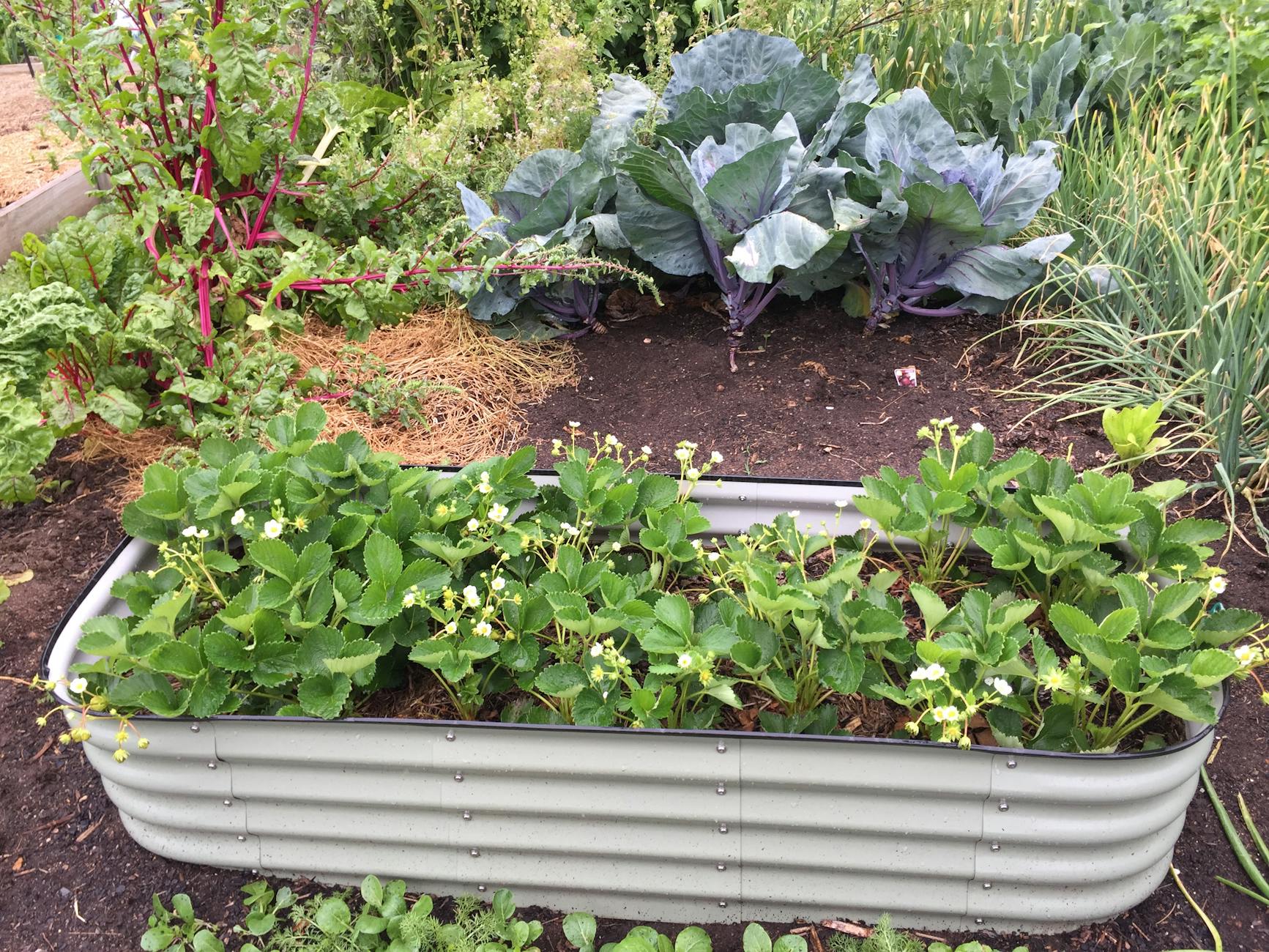
When I first traded my IT desk for a trowel five years ago here in the UK, I was a bit of a gardening purist. "Rotate your crops!" screamed every book and blog I read. And for a while, I dutifully shuffled my brassicas, legumes, and root crops around my fledgling raised beds in my 800 sq ft Midlands garden. It felt like a complicated dance, especially with limited space and an insatiable desire to grow ALL the heavy feeders – those hungry plants like tomatoes, squashes, and brassicas that seem to suck the life out of the soil.
But then, a challenge popped up. I had this one perfect raised bed, blessed with full sun and right by the greenhouse, ideal for my beloved heirloom tomatoes. The problem? You're "supposed" to rotate tomatoes, but I wanted them right there, year after year, for convenience and optimal growing conditions in our often-unpredictable British climate. I couldn't bear to move my 'Cherokee Purple' or 'Costoluto Fiorentino' to a less prime spot. That's when I started down a rabbit hole of research and experimentation, determined to defy the rotation dogma and sustain peak fertility in that single bed, even for my heaviest feeders.
What I've learned over these past five intensive years, through plenty of trial and error (and a few disheartening crop failures, thanks to my own mistakes and the odd soggy British summer), is that not only is it possible, but it can actually lead to incredibly robust, productive plants. This isn't about cutting corners; it's about deeply understanding your soil, feeding it relentlessly, and creating a living ecosystem that thrives without the traditional rotation rulebook. If you've got a favourite bed you just can't bear to move your best producers from, or simply want to simplify your garden layout, then join me. We’re going to master the art of no-rotation gardening, keeping those heavy feeders happy and your harvests abundant, right here in the UK.
The No-Rotation Revolution: Sustaining Your Single Raised Bed
The idea of "no-rotation gardening" often raises eyebrows, especially amongst traditionalists. For generations, gardeners have been taught to rotate crops to prevent pest and disease build-up and to manage soil nutrient depletion. And honestly, for many situations, it's sound advice. But in my UK garden, particularly in my raised beds where space is at a premium and I can control the soil environment much more intensely, I've found a different path. My primary motivation was my greenhouse tomatoes – I wanted them in the same spot, benefiting from the consistent warmth and light, year after year.
What I discovered is that the principles behind crop rotation – pest management and nutrient balance – can be addressed through other, more intensive means when you're working with a highly managed, living soil system. Instead of moving the plants, I focus on moving the nutrients and managing the microbes. This approach has allowed me to grow successive crops of demanding plants like maincrop potatoes, pumpkins, and a constant succession of brassicas (think 'Cavolo Nero' and 'Romanesco' cauliflower) in the same raised beds, sometimes for three or four years running, with no noticeable drop in yield or increase in disease. The key is vigilance and a proactive approach to soil health and feeding. It's a bit like giving your favourite plant its own personalised, five-star hotel experience every season.
Building the Foundation: Creating and Nurturing a Living Soil Ecosystem
You can't expect to grow the same heavy feeders year after year in the same spot without first building an absolutely bomb-proof soil foundation. For me, this started with the very construction of my raised beds. When I built my primary tomato bed, I didn't just fill it with bags of compost; I took inspiration from Hugelkultur principles, albeit on a smaller, raised-bed scale. I layered woody material (old branches, logs from pruning) at the bottom, followed by cardboard, then inverted turf from my lawn, and finally a rich mix of homemade compost, well-rotted manure, and a good quality topsoil. This initial layering creates a long-term slow-release nutrient source and excellent drainage, which is crucial for our often wet British climate.
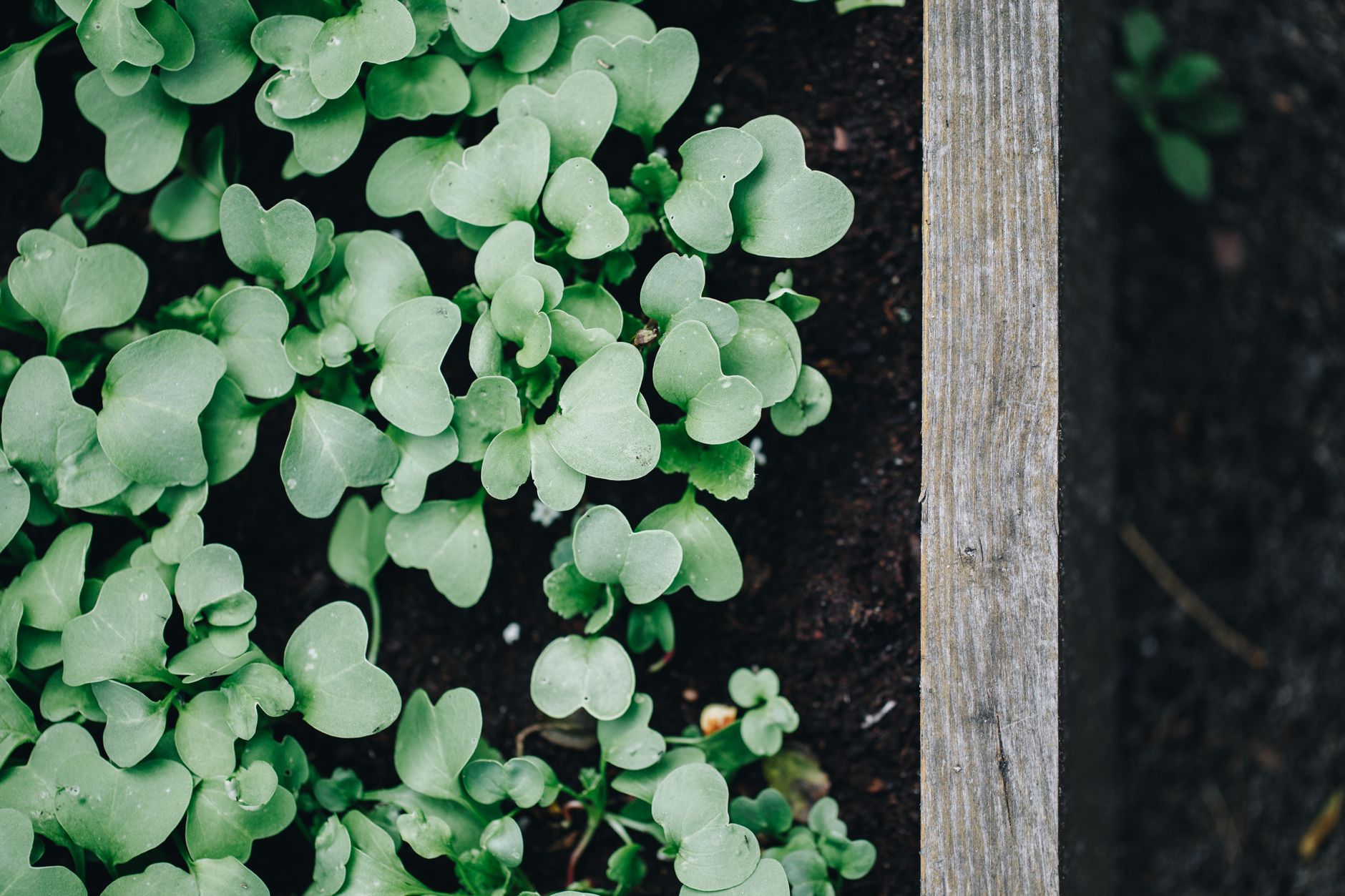
Maintaining this living soil ecosystem is an ongoing commitment. I never leave the soil bare. Bare soil is dead soil, and it's a huge no-no in my book. I use a thick layer of mulch – usually straw or wood chip – throughout the growing season to suppress weeds, retain moisture (essential during those unexpected UK heatwaves!), and feed the crucial soil microbes. At the end of each season, after harvesting my 'Butternut' squashes or pulling out the spent tomato plants, I immediately top-dress the bed with a fresh layer of homemade compost and often sow a green manure like 'Phacelia' or 'Crimson Clover' if the weather permits. This keeps the soil life active, prevents nutrient leaching during our wet winters, and adds valuable organic matter back into the system. It’s about creating a self-sustaining, vibrant community underground.
The Nutrient Powerhouse: Strategic Composting and Organic Amendments
The backbone of any successful no-rotation system for heavy feeders is an unwavering commitment to feeding the soil. These hungry plants aren't just taking nutrients; they're gobbling them up. So, my approach is multi-pronged, relying heavily on my composting efforts and a targeted use of organic amendments. I've got a couple of hot compost bins going almost constantly, churning out nutrient-rich, crumbly compost within weeks, and a wormery that provides fantastic vermicompost and 'worm tea'. I learned the hard way that skimping on compost just isn't an option; one year I tried to stretch my supply too thin, and my 'Patty Pan' squashes were visibly stunted. Never again!
I integrate compost at every opportunity: mixing it into planting holes, using it as a thick top-dressing, and even making compost teas for liquid feeding. Beyond compost, I use a range of organic amendments tailored to what my heavy feeders need. I've experimented with so many over the years, from basic blood, fish, and bone to more esoteric rock dusts. What works here in Britain often depends on your base soil and what you're trying to grow. Below is a comparison of some of my go-to organic amendments and how I use them.
| Organic Amendment | Primary Nutrients | Randy's UK Garden Use | Pros for Heavy Feeders | Cons/Considerations |
|---|---|---|---|---|
| Homemade Compost | NPK, trace minerals | Base dressing, top-dressing, planting holes, compost tea | Improves soil structure, slow-release, boosts microbial life | Requires consistent effort to produce; quality varies |
| Well-Rotted Manure | NPK, organic matter | Autumn/winter bed conditioning, planting holes for hungry crops | Excellent N source, improves soil tilth, warms soil | Needs to be well-rotted to avoid 'burning' plants; can introduce weed seeds |
| Blood, Fish & Bone | NPK (balanced) | General feed, pre-planting for most crops, mid-season boost | Good all-rounder, organic, readily available in UK | Can be slower to release in colder UK soil; smell attracts animals |
| Bone Meal | P, Ca | Root crops, flowering/fruiting plants (tomatoes, squashes) | Promotes strong root development and flowering/fruiting | Low N; takes time to break down, best incorporated at planting |
| Kelp Meal/Liquid Seaweed | K, trace minerals | Foliar spray, soil drench, stress relief, general health | Boosts plant immunity, enhances fruit flavour, quick acting (liquid) | Can be more expensive; liquid needs regular application |
| Rock Dust (Basalt/Greensand) | Trace minerals | Annual soil amendment, long-term mineral boost | Replenishes vital micronutrients often missing in depleted soils | Very slow release; effects not immediately visible; can be heavy |
| Chicken Manure Pellets | NPK (higher N) | Pre-planting for leafy greens, brassicas, nitrogen boost | Concentrated N source, easy to apply, readily available | Can be strong; needs to be used sparingly to avoid N burn |

Feeding the Feast: Tailored Nutrition Plans for UK Heavy Feeders
Knowing what amendments to use is one thing, but knowing when and how much to apply them for specific heavy feeders in a no-rotation system is where the real art comes in. These plants don't just need a one-off feed; they need a sustained nutrition plan throughout their growth cycle, especially when they're in the same bed year after year. My approach is all about observation and anticipation, adapting to our often-fickle British weather. A cold, wet spring, for example, means nutrients won't be as readily available, so I might lean on liquid feeds more.
For my heirloom tomatoes in the greenhouse, I start with a generous mix of homemade compost, bone meal, and a handful of chicken manure pellets dug into the planting hole. Once they're established and starting to flower, I switch to a weekly liquid feed, alternating between a high-potash organic tomato feed (like 'Tomorite' but I prefer organic options) and my homemade comfrey or worm tea. This prevents blossom end rot and encourages continuous fruiting. For my hungry brassicas like 'Cabbage 'Savoy King'' or 'Brussels Sprout 'Crispus'', they get a nitrogen kick with well-rotted manure before planting, and then regular top-ups with chicken manure pellets or a nitrogen-rich liquid feed every few weeks. It’s about keeping that soil larder well-stocked for their specific appetites.
Below, I've outlined some tailored nutrition plans for common UK heavy feeders, based on my own experience in my Midlands garden.
| Heavy Feeder | Key Nutrient Needs | Randy's UK Feeding Strategy | Timing & Application | Notes from My Garden |
|---|---|---|---|---|
| Tomatoes | P, K (fruiting), N (early growth) | Compost, bone meal, high-potash liquid feed, comfrey tea | Pre-planting: Compost, bone meal in hole. Weekly: Liquid feed (start flowering). | Essential for my greenhouse 'Sungold' and 'Shirley' success. Reduces blossom end rot. |
| Squash/Pumpkins | N (vining), P, K (fruiting) | Manure, compost, balanced organic feed, liquid seaweed | Pre-planting: Generous manure/compost. Fortnightly: Balanced feed (early growth), liquid seaweed (fruiting). | My 'Crown Prince' pumpkins thrive with this; prevents stunted growth in our shorter summers. |
| Brassicas | N (leafy growth), S, Ca | Manure, chicken pellets, blood meal, balanced granular | Pre-planting: Rich manure/compost. Every 3-4 weeks: Top-dress with chicken pellets/blood meal. | 'Cavolo Nero' is especially hungry. Helps prevent yellowing leaves and strengthens against pests. |
| Potatoes | N (early), P, K (tuber growth) | Compost, balanced organic potato fertiliser, comfrey/worm tea | Pre-planting: Compost. At earthing up: Granular potato feed. Fortnightly: Liquid feed (mid-season). | Crucial for good yields of my 'Charlotte' and 'Desiree'. Prevents small, scab-prone tubers. |
| Sweetcorn | N (heavy), K, P | Manure, chicken pellets, high-N liquid feed | Pre-planting: Manure/compost. Every 2-3 weeks: Chicken pellets/high-N liquid once established. | My 'Swift' sweetcorn demands this. Lack of N leads to pale, unproductive plants in our climate. |
Beyond Fertiliser: Soil Structure, Microbial Health, and Mulching for Longevity
So far, we've talked a lot about what you add to your soil to feed your plants. But here in my UK garden, I've learned that just pouring on the nutrients isn't enough. For a truly sustainable no-rotation system, especially with our sometimes-unpredictable British weather, you need to build a soil that can breathe, drain, and teem with life. It's about creating a robust, living ecosystem that supports your plants from the ground up, year after year.
The Unsung Heroes: Soil Structure and Microbial Health
Think of your soil as a bustling city, not just a nutrient larder. Good soil structure means it's got plenty of open spaces for air and water to move through, and for roots to explore deep down. When I first started gardening five years ago, my Midlands soil was heavy clay, compacting into a brick after heavy rain. My plants struggled. It wasn't until I truly embraced the no-dig philosophy and started consistently adding organic matter – not just compost, but leaf mould and well-rotted wood chips – that I saw a dramatic change. Now, even after a proper British downpour, my raised beds drain beautifully, and the soil feels springy underfoot.
And then there are the microbes – the invisible army doing so much of the heavy lifting. These tiny organisms are the unsung heroes of nutrient cycling and disease suppression. They break down organic matter, making nutrients available to your plants, and they can even fend off harmful pathogens. I’ve found that the best way to keep them happy and thriving is to give them a continuous buffet of organic material and avoid anything that might harm them, like synthetic pesticides or fertilisers. I often brew a simple compost tea from my own mature compost and give it to my beds, especially after a particularly hungry crop like my 'Sungold' tomatoes has finished its season. It’s like a probiotic boost for the soil, and I swear I see the difference in the vigour of the next planting.
Mulching for the Long Haul in UK Conditions
If there's one practice that has genuinely transformed my permanent raised beds, it's consistent mulching. It's not just about making the garden look tidy; it's a powerhouse for soil health and plant resilience, especially with our variable UK climate.
Firstly, mulch is a fantastic moisture retainer. Last summer, when we had that unexpected dry spell here in the Midlands, my heavily mulched beds barely needed watering, while a small experimental patch I'd left bare dried out in days. That’s precious water saved! Secondly, it suppresses weeds, which means less back-breaking work for me. Thirdly, it acts as an insulator, keeping the soil cooler in summer and warmer in winter, protecting delicate root systems from sudden temperature swings that are all too common in Britain.
But perhaps most importantly for a no-rotation system, mulch is a slow-release organic feeder. As it breaks down, it constantly adds organic matter to the soil, feeding those vital microbes and improving soil structure. I usually re-mulch my permanent beds every autumn with a thick layer of well-rotted straw, leaf mould, or aged wood chip, and then top it up in spring after the soil has warmed up a bit. It's a continuous cycle of nourishment and protection.

Troubleshooting & Monitoring: Spotting and Solving Common No-Rotation Challenges
Even with the best intentions and the most carefully planned system, gardening always throws up a few curveballs. That's part of the fun, right? With no-rotation gardening, especially in a single bed, you need to be extra vigilant and proactive. I've certainly had my share of challenges over the past five years, and I've learned that spotting the signs early is half the battle won.
Common Hurdles in Your Permanent Bed
- Nutrient Imbalances: This is probably the most common issue. Despite all your efforts to feed the soil, a particularly hungry crop might deplete specific nutrients faster than you can replenish them, or an imbalance might creep in. I keep a really keen eye on my plants daily. If I see the lower leaves on my 'Charlotte' potatoes starting to yellow, I know it's likely a nitrogen deficiency, and I'll give them a boost with a liquid seaweed feed. If my brassicas look a bit purplish, I’ll consider a phosphorus boost. Soil tests every few years are a good guide, but your plants are often the best indicators.
- Pest and Disease Build-up: This is a big concern for many when they hear "no-rotation." The idea is that pests and diseases specific to a certain crop might build up in the soil if that crop is planted in the same spot repeatedly. In my experience, promoting a diverse and healthy soil ecosystem goes a long way. I rely heavily on companion planting – marigolds next to my tomatoes, nasturtiums near my cabbage, and lots of herbs – to confuse pests and attract beneficial insects. I also ensure good airflow around my plants, especially during humid British summers. I had a real battle with powdery mildew on my courgettes one particularly damp year; now, I make sure to space them generously and prune ruthlessly for air circulation, even in my permanent bed. Prompt removal of any heavily affected plant material is also key to breaking the cycle.
- Soil Compaction: Even with a no-dig approach, heavy rain or accidental foot traffic can lead to some compaction over time, especially in the deeper layers. If I notice water pooling a bit more than usual or roots struggling to penetrate, I gently aerate the bed. I bought a broadfork a couple of years back, and it's been a game-changer for gently loosening the deeper soil without disturbing the delicate soil layers. It's much less disruptive than traditional digging and helps maintain that precious soil structure.
The Power of Observation and Record-Keeping
My best advice for monitoring your no-rotation bed? Walk around your garden daily. It's not just about watering; it’s about connecting with your plants. Look at the colour of the leaves, the vigour of the new growth, any unusual spots or wilting. Early detection of problems means you can often fix them with a simple adjustment rather than a major intervention.
I also keep a simple garden journal. It's nothing fancy, just a cheap notebook where I jot down planting dates, when I fed what, harvest notes, and any strange weather patterns we get here in the UK. This has been invaluable for comparing season to season. I can look back and see what worked well for my 'Costoluto Fiorentino' tomatoes in a hot summer versus a cooler, wetter one, or when I last topped up the compost in a particular bed. It helps me learn from my experiences and refine my approach every year.
Your Fertile Future: Thriving Harvests Year After Year in Your Permanent Bed
So, we've journeyed through the ins and outs of mastering no-rotation gardening, from building a vibrant soil ecosystem to fine-tuning nutrition and troubleshooting common challenges. My hope is that you've seen how a single raised bed, managed with intention and care, can become an incredibly productive and sustainable powerhouse, right here in the unpredictable UK climate.
The core principles, the ones I live by in my own 800 sq ft Midlands garden, are quite straightforward:
- Foster a Living Soil Ecosystem: Your soil isn't just a medium; it's a community. Treat it as such.
- Consistent Organic Matter is King: Regularly feed your soil with high-quality compost and other organic amendments. This is the bedrock of sustained fertility.
- Tailor Your Nutrition: Understand what your heavy feeders need and provide it strategically, observing your plants closely for cues.
- Prioritise Soil Structure and Microbial Health: Beyond nutrients, these are vital for resilience and long-term productivity. Mulch, mulch, mulch!
- Be Vigilant and Proactive: Monitor your plants and soil regularly, and don't be afraid to troubleshoot challenges as they arise. Learning from mistakes is part of the gardening journey.
Embracing this no-rotation approach has brought me so much joy and incredible harvests. I've grown everything from towering 'Black Krim' tomatoes in my greenhouse to bumper crops of 'Kestrel' cabbage and 'Sarpo Mira' potatoes in my outdoor beds, all in the same spots, year after year. It's less work in the long run, more productive, and deeply satisfying to know I'm building truly fertile ground.
It's a journey, not a destination, and every season brings new lessons, especially with our wonderfully varied British weather. Start small, experiment, and don't be afraid to get your hands dirty and learn from your own UK garden. I truly believe that with these principles, your single raised bed can become a powerhouse of production for years to come, just like mine has here in the Midlands. Imagine those thriving harvests, season after season, all from one permanent, well-loved bed. Happy gardening!
