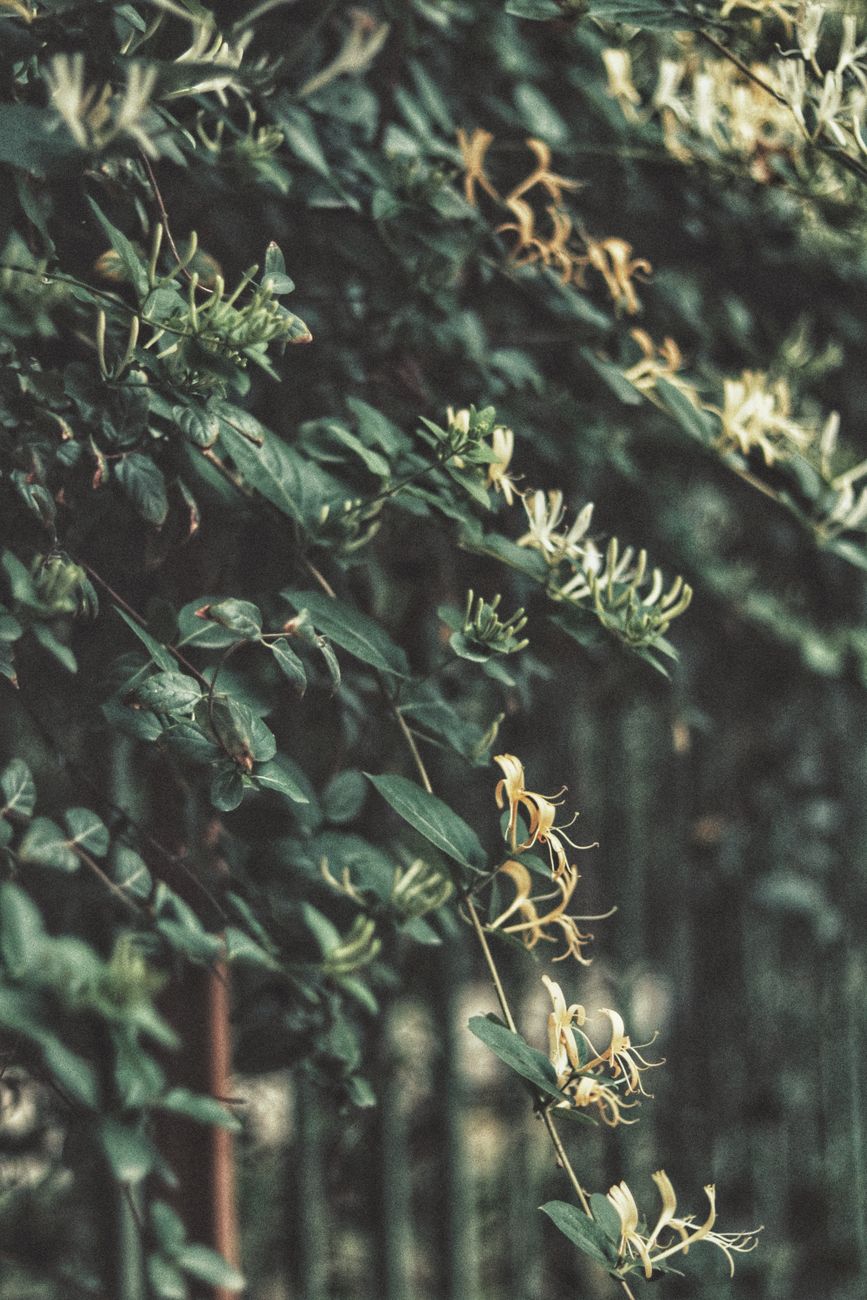
Alright, let's get down to business with those beautiful, sometimes unruly, honeysuckle vines!
I remember the first time I really fell head over heels for gardening. It wasn't the neatly lined rows of broad beans in my raised beds, or even the vibrant 'Cherokee Purple' tomatoes ripening in my little greenhouse. It was the sheer, intoxicating scent of a honeysuckle vine, wafting through the evening air in a friend's garden. I knew right then, I had to have one in my own 800 sq ft patch here in the UK Midlands.
Fast forward five years, and I’ve learned a thing or two about these incredible climbers. My garden is packed, and every square inch, every vertical surface, has to earn its keep. Honeysuckle, with its gorgeous blooms and incredible fragrance, is a non-negotiable for me, but it quickly taught me a harsh lesson: left to its own devices, this wild beauty can become an absolute monster, especially in a small British garden!
That's where strategic pruning comes in. When I first started, fresh out of my IT job and into the dirt, I thought pruning was just about snipping off dead bits. Oh, how wrong I was! I quickly learned that with honeysuckle, especially in our often-damp UK climate, it’s about so much more. It's about cultivating control, coaxing out more blooms, and ensuring the health and harmony of your entire small garden. If you've got a honeysuckle that's threatening to take over your shed or smother your prize-winning clematis, you’re in the right place. I've been there, and I’m here to share what I've learned through plenty of trial, error, and a fair few tangled mishaps in my own little green haven.
Taming the Wild Beauty: Why Strategic Pruning is Key for Honeysuckle in UK Small Gardens
There’s nothing quite like a honeysuckle in full bloom, is there? The vibrant colours, the buzzing bees, and that incredible, sweet perfume that just screams "British summer evening." I absolutely adore the native Lonicera periclymenum 'Graham Thomas' that scrambles up a trellis near my kitchen door; its creamy white, highly fragrant flowers are a constant delight from June right through to September here in the Midlands. But as much as I love its wild charm, I've learned the hard way that "wild" can quickly turn into "rampant" in a small garden setting.
When I first planted that 'Graham Thomas' four years ago, I just let it do its thing. I was so excited to see it grow, covering the trellis quickly. But within a couple of seasons, it wasn't just covering the trellis; it was trying to climb into the gutters, shading out my herb bed below, and threatening to engulf a nearby climbing rose. It became a dense, tangled mess of woody stems at the base, with most of the flowers way up high where I couldn't properly enjoy them. The air circulation suffered, and I even started to see a bit of mildew on some of the lower leaves – a common problem in our often-humid UK summers.
This is why strategic pruning isn't just a suggestion for honeysuckle in small UK gardens; it’s an absolute necessity. For me, it became less about just cutting and more about intelligent management, like debugging a complex piece of code back in my IT days. We’re not just chopping bits off; we’re actively shaping the plant for maximum performance and longevity within a confined space. It means:
- Controlled Size: Preventing the vine from overwhelming its designated spot, shading out other precious plants, or blocking paths in your 800 sq ft oasis.
- Continuous Blooms: Encouraging the plant to produce more flowering wood, ensuring that glorious fragrance and colour are consistently delivered at eye-level, not just up on the roof.
- Healthy Structure: Promoting good air circulation through the plant, which is vital in our often-damp British climate to prevent fungal diseases. It also helps create a strong framework that can support the plant for years to come.
- Garden Harmony: Ensuring your honeysuckle complements, rather than competes with, the other treasures in your compact garden.
Every snip and cut has a purpose. It’s about working with the plant and with the limitations of your garden space, turning a potentially unruly beast into a beautifully behaved, floriferous asset.
Know Your Vine: Deciduous vs. Evergreen Honeysuckle and Their Unique Pruning Needs
Before you even think about picking up those secateurs, the absolute first thing you need to know about your honeysuckle is whether it’s deciduous or evergreen. This isn't just a botanical detail; it fundamentally dictates when and how you should prune it here in the UK. I learned this distinction the hard way when I tried to prune an evergreen Lonicera japonica 'Halliana' at the same time I was tackling my deciduous 'Graham Thomas'. The evergreen just sulked for weeks, barely putting on any new growth, while the deciduous one bounced back beautifully. Whoops!
Deciduous Honeysuckle
These are the classic beauties we often associate with British hedgerows and cottage gardens. They lose their leaves in autumn, standing bare through the winter months, then burst back into life in spring.
- Examples: Our native Lonicera periclymenum (e.g., 'Graham Thomas', 'Belgica'), and many other popular garden varieties like Lonicera x heckrottii 'Goldflame'.
- Flowering Period (UK): Typically late spring to late summer, with some extending well into autumn.
- Pruning Time (UK): The general rule for most deciduous honeysuckles that flower on current year's growth is late winter to early spring (February-March in my Midlands garden). For those that flower on old wood (like some early spring bloomers), you'd prune immediately after flowering. This timing allows you to remove old, congested wood and shape the plant before it puts on its main flush of growth, leading to a spectacular display in the summer. If you have an overgrown monster, you can even be quite brutal with a renovation prune at this time.
- Why this timing: It gives the plant time to recover and produce new growth that will carry the season's flowers.
Evergreen Honeysuckle
These varieties keep their leaves year-round, offering greenery even in the depths of winter. They tend to be a bit less vigorous than their deciduous cousins, but can still get unruly if ignored.
- Examples: Lonicera japonica 'Halliana' (a vigorous scrambler with fragrant white flowers), and Lonicera henryi (dark green leaves, purplish-red flowers).
- Flowering Period (UK): Often slightly earlier or later than deciduous types, or with a more sporadic bloom. 'Halliana' flowers from summer to autumn.
- Pruning Time (UK): These are generally pruned lightly after flowering, or in early spring if just tidying. They don't appreciate a hard prune like deciduous types in late winter. If you need to do a more substantial renovation, it's best done in mid-spring after any risk of hard frosts has passed, giving them the maximum growing season to recover.
- Why this timing: Pruning after flowering means you won't sacrifice that season's display. A lighter touch is preferred as they don't regenerate as vigorously from old wood as deciduous types.
Here’s a quick comparison table I put together, based on my experiences, to help you tell them apart and guide your pruning approach:
| Feature | Deciduous Honeysuckle | Evergreen Honeysuckle |
|---|---|---|
| Leaves | Sheds leaves in autumn, bare in winter. | Retains leaves year-round, providing winter interest. |
| Flowering (UK) | Typically late spring to late summer/early autumn. | Can vary; some late spring, others summer to autumn, or sporadic. |
| Pruning Time (UK) | Late winter/early spring (Feb-March) for most; immediately after flowering for early bloomers. | After flowering for light tidying; mid-spring for heavier renovation. |
| Pruning Severity | Tolerates hard pruning (renovation) well, especially if overgrown. | Prefers light trimming; hard pruning can be done but recovery is slower. |
| Purpose | Encourage new flowering wood, manage size, rejuvenate. | Maintain shape, control size, remove spent flowers/dead wood. |
| Example Cultivar (UK) | Lonicera periclymenum 'Graham Thomas' | Lonicera japonica 'Halliana' |
Understanding this fundamental difference is your first step to becoming a honeysuckle-pruning master. Trust me, it saves a lot of head-scratching and sulking plants!
Cultivating Control: The Rewards of Pruning for Blooms, Health, and Garden Harmony
So, why go to all this effort? Is it really worth the time and the occasional prickle from a rogue stem? Absolutely, especially in a small UK garden where every plant needs to pull its weight and look its best. For me, pruning my honeysuckle has transformed it from a slightly chaotic, albeit beautiful, plant into a truly harmonious and productive element of my 800 sq ft space.
Controlled Size
This is probably the most immediate and visible benefit, particularly for us small-space gardeners. My 'Graham Thomas' could easily become a monster if I let it. I remember one season when I got a bit lazy with the pruning, and it started to creep over the top of my shed, casting unwelcome shade on my precious greenhouse tomatoes in late summer. It also started to block the path to my compost bin, which, let me tell you, is not ideal when you're carrying a bucket of kitchen scraps!
Regular, strategic pruning keeps the vine within its boundaries. It means your honeysuckle won't overwhelm neighbouring plants, won't block sunlight where it's needed, and won't make your pathways impassable. It allows the honeysuckle to be a feature, not an invader. It’s about creating a living tapestry, not a green jungle.
Continuous Blooms
This is the big payoff for all your hard work! Many honeysuckle varieties, particularly the deciduous ones I love, flower on new wood. By pruning correctly, you're actively encouraging the plant to produce lots of fresh, vigorous shoots that will bear a profusion of flowers.
When I first started, my honeysuckle would have a flush of flowers, then a long lull. After I learned to prune strategically – removing old, congested wood and shortening strong stems – I noticed a dramatic difference. My 'Graham Thomas' now blooms almost continuously from early summer right through to the first hard frosts here in the Midlands. The plant puts its energy into making flowers where they're visible and accessible for both me and the local bees, rather than sending out long, unproductive shoots up into the sky. More blooms mean more fragrance, more pollinators, and a longer season of enjoyment.
Healthy Structure
Good plant health is paramount, especially in our often-damp British climate where fungal diseases can easily take hold. A dense, unpruned honeysuckle can become a breeding ground for problems. The lack of air circulation through its tangled stems can encourage powdery mildew or other issues.
Pruning allows you to:
- Improve Airflow: By removing crossing, congested, or weak stems, you open up the plant's structure, allowing air to move freely. This helps dry out the foliage, significantly reducing the risk of fungal diseases.
- Remove Dead, Damaged, or Diseased Wood: This is crucial. Any dead or diseased wood is a potential entry point for pests and pathogens. Regular pruning helps you spot and remove these issues promptly, keeping the rest of the plant robust and healthy.
- Build a Strong Framework: Over time, strategic pruning helps build a strong, open framework of main stems. This framework can support the weight of the plant, even when it’s laden with flowers and foliage, preventing it from collapsing or pulling down its support. A healthy structure also means a more resilient plant, better able to withstand our unpredictable British weather.
Garden Harmony
Ultimately, a well-pruned honeysuckle integrates beautifully into your garden's overall design. It becomes a controlled, elegant feature rather than an untamed wildling. In my small garden, every plant has to contribute to the overall aesthetic and function. A perfectly managed honeysuckle provides height, scent, and colour without overpowering its neighbours. It shows that even the most vigorous climbers can be tamed and celebrated, creating a sense of order and abundance that is incredibly satisfying.
Sharp Insights, Safe Snips: Your Essential Toolkit for Taming Honeysuckle
Right, so we've talked about the 'why' and the 'when,' but now let's get down to the 'what' – as in, what tools do you actually need to get this job done properly? In my 800 sq ft Midlands garden, I’ve learned that having the right tool for the job isn't just about making life easier; it's about making clean, healthy cuts that help your honeysuckle thrive, not suffer. Using blunt or incorrect tools is one of the biggest mistakes I made early on, leading to ragged cuts that were ripe for disease, especially in our often damp British weather.
You don't need a huge arsenal, but a few key pieces will make all the difference. Sharpness is absolutely paramount – a clean cut heals faster, reducing the risk of pests and diseases taking hold. Always keep your blades clean too; I usually give mine a quick wipe down with a bit of alcohol after each use, especially if I've been working on anything that looked a bit suspect.
Here’s what I keep in my shed for honeysuckle duty:
Your Honeysuckle Pruning Arsenal
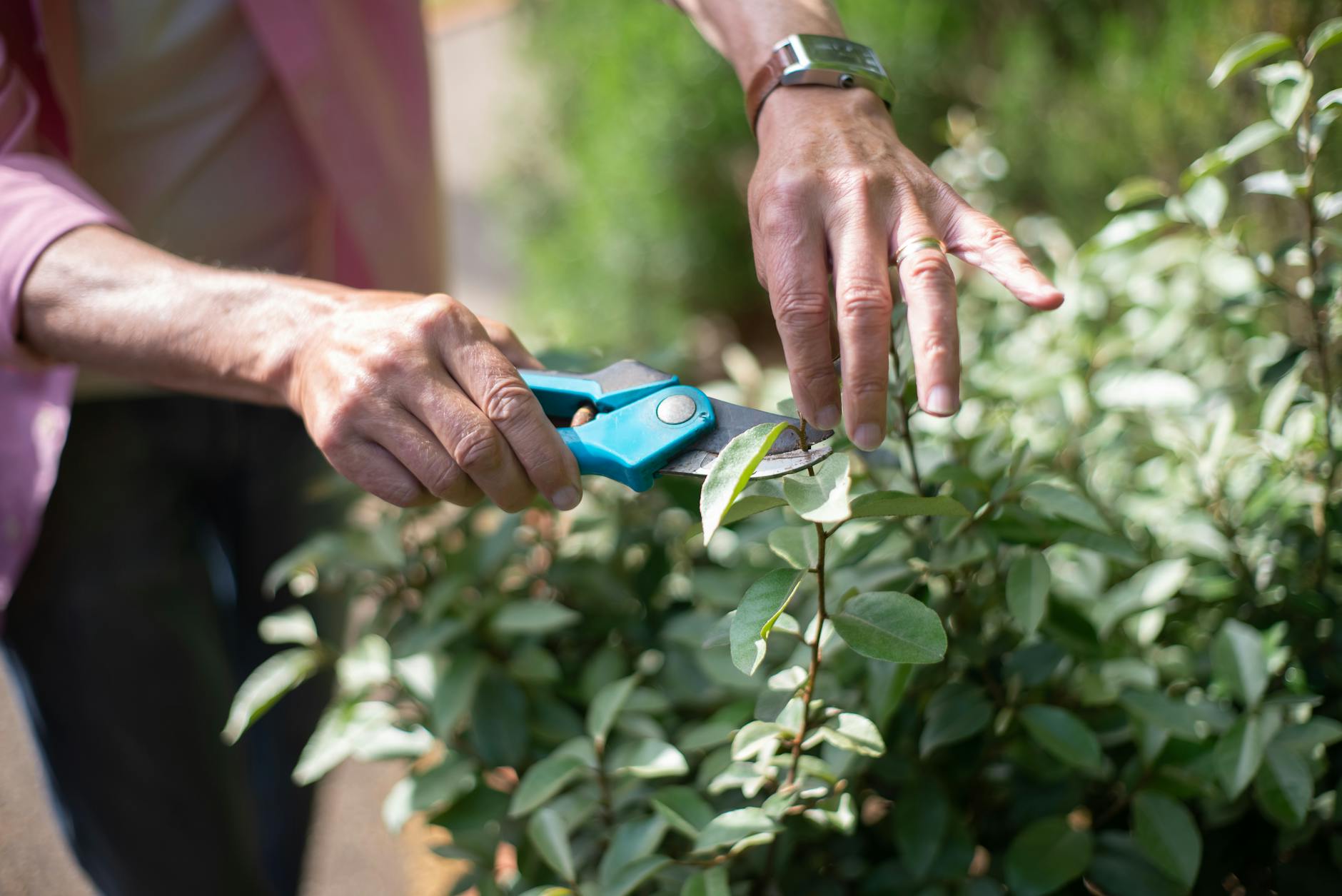
- Bypass Pruners (Hand Pruners): These are your workhorses for anything up to about 1-inch thick. They have two curved blades that bypass each other, making a clean, scissor-like cut. Essential for precision pruning, deadheading, and light shaping. I swear by a good quality pair – they feel comfortable in hand and make quick work of softer stems.
- Loppers: For thicker stems, usually up to 2 inches. Loppers have long handles, giving you more leverage to cut through tougher wood. Perfect for those thicker, older stems you need to remove during renovation pruning. My current pair have telescopic handles, which is a lifesaver for reaching into the denser parts of the vine without getting totally tangled.
- Pruning Saw: For anything thicker than your loppers can comfortably handle, typically woody stems over 2 inches. A small, curved pruning saw with sharp teeth will make short work of mature, overgrown branches. I once had to tackle a really ancient honeysuckle at the back of my greenhouse that had been left for years, and without my pruning saw, I'd still be out there!
Here’s a quick breakdown of how I choose which tool for which job:
| Tool Type | Best Use Case | Max Stem Diameter | Key Advantage | My UK Garden Tip |
|---|---|---|---|---|
| Bypass Pruners | Deadheading, light trimming, shaping, new growth | ~1 inch (2.5 cm) | Clean, precise cuts; ideal for delicate work | Keep them razor sharp! Essential for encouraging more blooms on my 'Graham Thomas'. |
| Loppers | Thicker stems, renovation pruning, reaching into dense areas | ~2 inches (5 cm) | Leverage for thicker wood; extended reach | Don't force them; if it's struggling, get the saw out to avoid damaging the plant. |
| Pruning Saw | Very thick, woody branches; severe renovation pruning | >2 inches (5 cm) | Cuts through tough, mature wood with ease | Use for those really old, neglected main stems that need a fresh start. |
Precision Pruning: A Step-by-Step Guide for Renovation and Maintenance Pruning
Now we're getting to the nitty-gritty! Whether your honeysuckle is a bit unruly or a full-blown jungle, there's a strategic approach to bring it back into line. I’ve had my fair share of both scenarios, from gently nudging my 'Belgica' into submission after a good flowering, to completely overhauling a monster that was threatening to engulf my shed. What works here in Britain, especially with our varied weather, often comes down to timing and understanding the plant's natural growth habits.
Renovation Pruning: Bringing a Beast Back from the Brink
This is for seriously overgrown, neglected honeysuckle vines that have become a tangled mess of unproductive wood. It’s a drastic measure, but often the best way to rejuvenate the plant and encourage fresh, vigorous growth and abundant blooms.
When I do it: Late winter to early spring (February to March in my Midlands garden), before new growth properly kicks in. This gives the plant time to recover before the main growing season. Doing it too late can mean sacrificing some of that year's blooms, but it's a necessary trade-off for long-term health.
My Step-by-Step Approach:
- Assess the Damage: Take a good look. Identify dead, diseased, or severely tangled stems. Don't be afraid to be brutal – it's for its own good!
- The Big Cut (The "Hard Reset"): Using your loppers and pruning saw, cut back the entire vine quite severely. I usually aim to reduce it by at least two-thirds, often cutting main stems back to about 2-3 feet (60-90 cm) from the ground or its main support structure. You're looking to leave a basic framework of healthy, young-ish stems.
- Randy's Honest Confession: The first time I did this, I felt like I was committing plant murder! It looked so bare. But I've learned that honeysuckle is incredibly resilient. My Lonicera periclymenum 'Serotina', which had become a thicket of brown, woody stems near my compost bins, bounced back with incredible vigour after I chopped it almost to the ground.
- Remove Dead and Diseased Wood: Systematically cut out any remaining dead, weak, or crossing branches. Make clean cuts back to healthy wood.
- Thin for Airflow: Remove any suckers from the base and thin out congested areas. Good airflow is crucial in our humid UK summers to prevent fungal issues.
- Shape for Future Growth: Think about how you want the vine to grow. Identify strong, healthy shoots that you want to keep and train onto your support.
Maintenance Pruning: Keeping Your Honeysuckle Happy and Healthy
This is the ongoing care for established, well-behaved honeysuckle vines. It’s about encouraging continuous blooms, maintaining shape, and preventing it from becoming overgrown again.
When I do it:
- Deciduous varieties (like 'Graham Thomas'): After the main flush of flowers in early summer. A light trim encourages a second, smaller flush of blooms. I also do a tidy-up in late winter, removing any lingering dead bits and checking the structure.
- Evergreen varieties (like Lonicera japonica 'Halliana'): These are more forgiving. I usually give them a light trim in spring to shape them and then again in late summer if they're getting too enthusiastic. Avoid pruning too hard in autumn as new growth might be susceptible to winter frost here in the UK.
My Step-by-Step Approach:
- Deadhead Spent Flowers: Once a flower cluster has faded, snip it off just above a leaf or a new bud using your bypass pruners. This diverts the plant's energy into producing more flowers, not seeds. I'm meticulous with my 'Dropmore Scarlet' to keep those vibrant orange-red blooms coming!
- Remove Unwanted Growth: Snip off any weak, spindly, or awkwardly growing shoots. Cut back any stems growing away from the support or into pathways.
- Thin Congested Areas: If the vine looks too dense, carefully thin out some of the older, less productive stems to allow light and air into the centre. This also helps expose the inner structure for better training.
- Maintain Size and Shape: Use your bypass pruners or loppers to cut back stems to maintain the desired size and shape. Cut just above an outward-facing bud to encourage growth in the right direction. This is key for keeping my honeysuckle from trying to take over the entire greenhouse wall!
Here's a quick comparison of the two approaches:
| Pruning Type | Purpose | Timing (UK) | Severity | Tools I Primarily Use |
|---|---|---|---|---|
| Renovation Pruning | Rejuvenate, restore health, reduce size | Late Winter/Early Spring (Feb-Mar) | Severe (2/3+ removal) | Loppers, Pruning Saw, Bypass Pruners (for tidying) |
| Maintenance Pruning | Encourage blooms, maintain shape, control growth | Deciduous: After flowering; Evergreen: Spring/Late Summer | Light to Moderate | Bypass Pruners, Loppers (for occasional thicker stems) |
Nurturing Your Tamed Vine: Aftercare and Ongoing Support for Healthy Growth
You've done the hard work, made the cuts, and your honeysuckle is looking much more civilised. But the job isn't quite finished! Just like raising a prize-winning tomato in my greenhouse, what you do after the main event is crucial for long-term success. Especially here in the UK, where our weather can throw anything at us, a bit of aftercare goes a long way.
Post-Pruning TLC
- Watering: This is super important, especially after renovation pruning. The plant needs to put out a lot of new growth, and that takes energy and moisture. If our British weather isn't doing its usual job of providing rain, give your honeysuckle a good, deep drink. I usually follow up a severe prune with a good soaking, particularly if we're heading into a dry spell.
- Feeding: After a good prune, especially renovation, your vine will appreciate a boost. I like to spread a generous layer of my homemade compost around the base. It’s packed with nutrients and helps retain moisture, which is fantastic for giving the plant a gentle, slow-release feed. If you don't have compost, a balanced granular fertiliser can also work, but always follow the instructions carefully.
- Support and Training: As new shoots emerge, you'll want to guide them. Honeysuckle is a twining climber, so it needs something to wrap around. Gently tie in new stems to your trellis, arch, or wall support using soft ties. This is your chance to shape the vine beautifully for the coming season. I spend a fair bit of time in spring coaxing the new growth on my honeysuckle arch into exactly the right spots.
- Pest and Disease Watch: Fresh, soft new growth can sometimes be a magnet for aphids. Keep an eye out! In my UK garden, I try to avoid chemical sprays. A strong blast of water or a quick squish between the fingers usually does the trick for aphids. For fungal issues, which can sometimes appear after heavy pruning if airflow isn't optimal, ensure good ventilation and remove any affected leaves promptly.
Remember, gardening is an ongoing conversation with your plants. By providing this nurturing aftercare, you’re setting your honeysuckle up for a season of healthy growth and glorious blooms. It's truly rewarding to see a previously neglected vine burst back to life, all thanks to a bit of strategic intervention!
Conclusion: Embrace the Pruners, Enjoy the Bloom!
Well, there you have it, fellow gardeners! We've journeyed through the wild world of honeysuckle, from understanding its growth habits to wielding our pruners with purpose. Taming these beautiful, fragrant climbers isn't just about control; it's about unlocking their full potential for continuous, vibrant blooms and maintaining a healthy, structured plant that truly enhances your small UK garden.
I’ve shared my own experiences – the triumphs, the occasional "oops" moments, and the hard-won lessons from my 800 sq ft patch here in the Midlands. I've learned that whether you're tackling an ancient, overgrown beast with a pruning saw or simply deadheading a cherished variety with your bypass pruners, the key is confidence, a sharp tool, and a bit of knowledge about what your honeysuckle needs.
So, don't be shy! Grab those pruners, step into your garden, and start shaping your honeysuckle. You'll be amazed at the difference a bit of strategic pruning can make. It transforms a tangled mess into a flowering masterpiece, adding that quintessential British garden charm. And trust me, when those fragrant blooms fill the air on a warm summer evening, you'll know all that effort was truly worth it.
What are your honeysuckle pruning experiences? Any particular varieties you swear by for our UK climate? Drop a comment below – I'd love to hear your stories and see what you've learned in your own gardens! Happy pruning, and may your honeysuckle flourish!