Unlocking the Potential: Thriving Gardens in UK Hot Zones
Right, let's talk about those tricky spots in our UK gardens, shall we? You know the ones – that sun-baked patch against a south-facing wall, or the concrete patio that seems to radiate heat long after the sun's gone down. For years, these were my nemesis. When I first started gardening five years ago, fresh out of my IT job and into the soil, I saw them as problem areas, places where nothing seemed to thrive. I’d optimistically plant something lovely, only to watch it wilt, scorch, and eventually give up the ghost, leaving me feeling a bit defeated here in my 800 sq ft Midlands backyard.
But over the seasons, through a lot of trial and error (and yes, a fair few plant casualties!), I've learned to see these "hot zones" not as curses, but as incredible opportunities. Our British climate might be famous for its unpredictability and rain, but those intense bursts of sun, especially when amplified by walls and patios, create unique microclimates. These pockets of extreme heat and dryness are actually perfect for a whole host of plants that struggle in the shadier, damper parts of a typical UK garden.
My journey to mastering these spots really took off when I decided to turn the neglected concrete slab by my back door, which gets full sun from dawn till dusk, into a productive herb and tomato haven. What was once a barren, unforgiving patch is now home to some of my most vigorous heirloom tomatoes and sun-loving herbs, thriving in conditions that would fry many other plants. It’s all about understanding these specific conditions and choosing the right plants and preparation methods. Here in the Midlands, with its mix of sunny days and sudden downpours, learning to manage these hot zones has been a game-changer for extending my growing season and expanding the variety of what I can grow. I'm buzzing to share everything I've learned so you can turn your own tricky spots into vibrant, thriving garden showcases.
Diagnosing Your Dry Spot: Identifying Heat Traps and Reflected Glare
Before we even think about what to plant, the first step to mastering your hot zone is to truly understand it. It's like a detective mission, and trust me, I've spent hours observing these spots in my own UK garden. You need to identify exactly what makes it so challenging. I’m talking about those areas that just feel hotter, drier, and more intense than the rest of your garden, even on a typically mild British summer's day.
The usual culprits are south-facing walls, fences, or the edges of concrete or paved patios. These surfaces act as thermal masses, absorbing the sun's energy all day long and then radiating that heat back out, often well into the evening. I've placed a basic outdoor thermometer against my south-facing brick wall, where my greenhouse sits, and the readings can be a good 5-10°C higher than the ambient air temperature, especially on a still day. That's a significant difference for a plant!
Then there's the issue of reflected glare. Light-coloured patios, white walls, or even glass panes (like those on my greenhouse) can bounce intense sunlight directly onto your plants, essentially giving them a double dose of sun. This isn't just about heat; it's about light intensity, which can scorch leaves and dry out soil at an alarming rate. One year, I planted some basil a bit too close to a reflective wall, thinking it would love the extra warmth. It certainly got warm, but the leaves quickly turned crispy brown from the reflected intensity. Lesson learned!
Finally, consider the airflow. Hot zones against solid structures often have reduced air circulation, which can make the heat feel even more oppressive to plants and also limit the cooling effect of breezes. In my 800 sq ft garden, the corner where my shed meets the fence creates a really sheltered, hot pocket that's totally different from the more open, airy raised beds. Take a good look at your garden throughout the day – observe where the sun hits, how long it stays, and which surfaces are involved. This observation is key to understanding your specific microclimate.
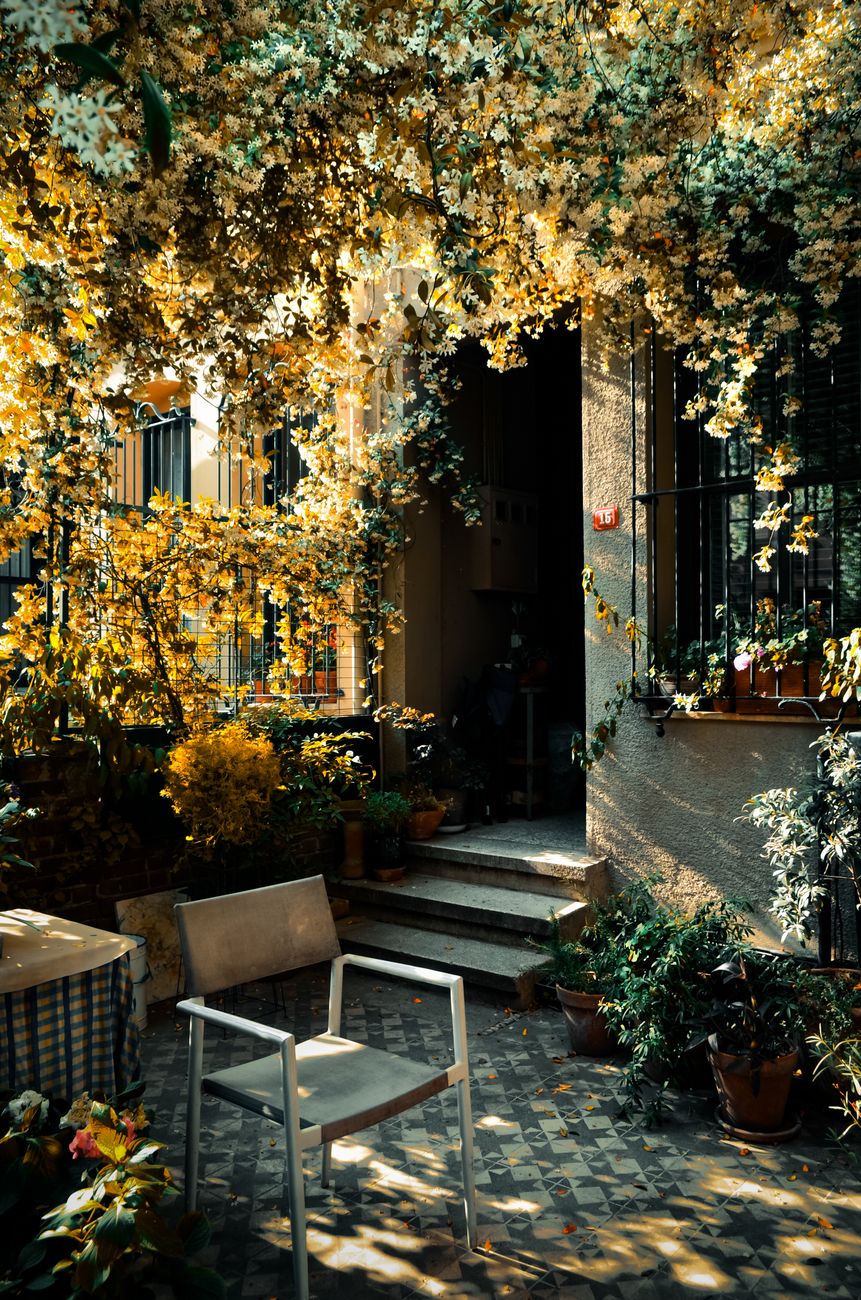
Top Performers: Drought-Resistant Plants That Love UK Sun
Alright, now for the fun part – filling those hot spots with plants that will absolutely thrive! After years of experimenting in my Midlands garden, battling everything from scorching heatwaves to surprise late frosts (oh, British weather!), I've compiled a list of absolute superstars. These aren't just "drought-tolerant" in a theoretical sense; these are plants I've seen flourish against my brick walls and on my sun-baked patio, truly embracing the heat.
It’s important to remember that "drought-resistant" doesn't mean "never water." Especially when establishing new plants or during prolonged dry spells that even we get here in the UK, a good drink is still crucial. But once they're settled in, these plants are far more forgiving if you miss a watering or two, which is a lifesaver when you're juggling a busy life.
I've had incredible success with edibles, transforming my hot zones into productive areas. My heirloom tomatoes, like 'Marmande' and 'Costoluto Fiorentino', absolutely adore the heat radiating from the greenhouse wall. They ripen beautifully and taste incredible. Herbs too, are a no-brainer. Rosemary, thyme, and oregano just burst with flavour when grown in these conditions.
For ornamentals, I lean towards plants with silvery foliage, which naturally reflects sunlight, or those with tough, leathery leaves that are adapted to resist water loss. Think Mediterranean vibes, but perfectly suited for our British summers.
Here’s a detailed breakdown of my top performers:
| Plant Name | Key Features for Hot Zones | Randy's UK Garden Tip | Best for UK Climate |
|---|---|---|---|
| Heirloom Tomatoes (e.g., 'Marmande', 'Sungold') | Love intense heat; promotes ripening. | Grow in large pots or raised beds against a south-facing wall for maximum warmth. Pinch out side shoots for best yield. | Excellent in UK greenhouse or sheltered hot spots; choose blight-resistant varieties if possible. |
| Rosemary | Aromatic, tough, woody stems; prefers well-drained, dry soil. | Plant in a large terracotta pot on the patio. Prune lightly after flowering to maintain shape. | Hardier varieties ('Miss Jessop's Upright') cope well with UK winters if in a sheltered spot. |
| Lavender (e.g., 'Hidcote', 'Munstead') | Silvery foliage, fragrant, thrives in poor, dry soil. | Plant in full sun. Don't overwater once established. Trim after flowering for neatness. | Classic UK cottage garden plant, perfectly suited for hot, dry spots, attracts pollinators. |
| Thyme | Low-growing, spreads well, highly drought-tolerant. | Great as ground cover between patio slabs or in containers. Harvest leaves regularly. | Robust and adaptable; many varieties are fully hardy across the UK. |
| Oregano | Resilient, aromatic, benefits from heat for flavour. | Plant near tomatoes – companion planting bonus! Pinch back flowers to encourage leafy growth. | A Mediterranean herb that genuinely thrives in UK hot spots, improving flavour in sun. |
| Sedum (Stonecrop) | Succulent leaves store water; very low maintenance. | Fantastic in rockeries, containers, or at the front of a border. Virtually indestructible. | Excellent for UK gardens, provides late-season interest and food for bees. |
| Gaillardia (Blanket Flower) | Bright, cheerful flowers; long blooming, heat and drought tolerant. | Deadhead regularly to encourage more flowers. Grows well in poor soil. | Adds a splash of colour throughout a British summer, very rewarding. |
| Agapanthus (African Lily) | Architectural, stunning blue/white flowers; copes with dry conditions. | Plant in pots and bring indoors in winter in colder UK regions. Feed regularly during growing season. | Beautiful in containers on a hot patio; provides exotic flair in UK summers. |
Building a Resilient Foundation: Soil Preparation for Extreme Heat
Okay, so we've identified our hot spots and picked our superstar plants. But before a single plant goes in the ground (or pot!), we need to talk soil. This is where my old IT problem-solving brain really kicks in – it’s all about building a robust "system" from the ground up. In these hot, dry zones, poor soil preparation is often the biggest reason for plant failure, and believe me, I've learned this the hard way after some early, bone-dry disappointments in my Midlands garden.
The challenge in these areas is twofold: the soil dries out incredibly fast, and without good structure, nutrients can leach away quickly. My early mistake was just digging a hole and planting, assuming the general garden soil would be fine. It wasn't. The plants struggled to get a foothold, and I was constantly watering.
The solution isn't complicated, but it is crucial: focus on improving both water retention AND drainage. This sounds contradictory, but it's about creating a soil structure that holds onto moisture like a sponge, yet still allows excess water to pass through, preventing root rot during those sudden British downpours.
Here’s what I've found works wonders in my 800 sq ft backyard, especially in the raised beds and large containers I use for my hot zone plants:
- Organic Matter, and Lots of It: This is your best friend. Incorporate generous amounts of well-rotted garden compost, leaf mould, or aged farmyard manure. For my raised beds, I typically dig in a good 2-3 inches (5-7cm) of my homemade compost every autumn, and another inch in spring. This material acts like a sponge, holding onto water and nutrients, slowly releasing them as needed. It also improves soil structure, making heavy clay soils more workable and sandy soils more retentive.
- Mulch is Your Saviour: Once your plants are in, a thick layer of mulch is non-negotiable. I swear by a good 5cm (2 inches) layer of straw around my tomatoes in the greenhouse, and wood chips or gravel for my ornamental beds. Mulch does several things: it insulates the soil, keeping it cooler in summer and warmer in winter; it dramatically reduces water evaporation (saving you a lot of watering!); and it suppresses weeds, which compete for precious moisture.
- Consider Raised Beds or Large Containers: For truly challenging hot spots, especially over concrete or very poor soil, raised beds or large terracotta pots are fantastic. They allow you to create the perfect soil mix from scratch, giving your plants the best possible start. In my garden, the raised bed against the south-facing fence is packed with a mix of topsoil, compost, and a bit of grit, making it ideal for herbs and peppers.
Here's a comparison of common soil amendments and how I use them:
| Soil Amendment | Purpose for Hot Zones | Randy's UK Application Tip | Pros/Cons for UK Gardeners |
|---|---|---|---|
| Well-Rotted Compost | Improves water retention & drainage; adds nutrients. | Dig in 5-7cm (2-3 inches) when preparing beds; top dress annually. | Pros: All-rounder, improves structure, free if homemade. Cons: Can be bulky to buy/transport. |
| Leaf Mould | Excellent water retention; soil conditioner. | Mix into top layer of soil or use as a mulch. | Pros: Fantastic for moisture, free to make. Cons: Takes time to decompose (1-2 years), less nutrient-rich than compost. |
| Aged Farmyard Manure | Nutrient-rich; good for water retention. | Incorporate well into the soil, ideally in autumn/winter before planting. | Pros: Boosts fertility immensely. Cons: Can be strong, needs to be well-rotted to avoid scorching plants. |
| Horticultural Grit | Improves drainage, prevents compaction. | Mix into heavy clay soils (approx. 10-20% by volume) or container mixes. | Pros: Long-lasting, good for root aeration. Cons: Doesn't add nutrients, can make soil dry out faster if overused in sandy soils. |
| Straw Mulch | Insulates, retains moisture, suppresses weeds. | Apply 5cm (2 inches) around established plants, especially edibles. | Pros: Cheap, biodegradable, good for veg. Cons: Can look messy, needs replenishing, can attract slugs/snails. |
| Wood Chip Mulch | Long-lasting insulation, moisture retention. | Use for ornamental beds or around shrubs. Avoid direct contact with plant stems. | Pros: Aesthetically pleasing, lasts longer. Cons: Can deplete nitrogen as it breaks down, more expensive. |
| Gravel/Stone Mulch | Reflects light, retains heat (good for specific plants), suppresses weeds. | Ideal for Mediterranean plants, rockeries, or around heat-loving herbs. | Pros: Permanent, great for radiating heat. Cons: Can make soil very hot, not suitable for all plants, heavy to apply. |
Smart Watering & Feeding Strategies: Deep Hydration for Hot Zones
Once you’ve got your plants in the ground and your soil sorted, the next crucial step in conquering the hot zone is mastering your watering regime. This isn't just about splashing water around; it's about smart, deep hydration. I learned this the hard way during my first couple of summers, thinking a quick sprinkle every evening was enough. Boy, was I wrong! That just encourages shallow root systems, which are exactly what you don't want in a drying hot spot.

What I've found works brilliantly here in my Midlands garden, especially against that south-facing wall, is deep, infrequent watering. Instead of daily drizzles, I aim for a thorough soak every two to three days, sometimes less if we get a decent British downpour (you never know when those will hit!). The goal is to get water right down to the root zone, encouraging those roots to dive deep in search of moisture. This makes the plant much more resilient when the surface dries out.
For my raised beds in the hot zone, I swear by soaker hoses or a simple drip irrigation system. I’ve rigged up a basic drip system for my greenhouse tomatoes – varieties like 'Moneymaker' and 'Gardener's Delight' – and it's a game-changer. It delivers water slowly and directly to the soil, minimising evaporation. If you're hand-watering, take your time. A slow, steady stream at the base of the plant is far better than a quick blast. I typically water first thing in the morning before the sun really gets going, giving the plants time to drink up before the heat of the day. Watering in the evening can leave foliage wet overnight, inviting fungal issues – something I've battled with on my courgettes more than once after a humid British summer evening.
When it comes to feeding, hot zones can be a bit tricky. Over-feeding plants that are already under heat stress can actually do more harm than good. I tend to go for a 'little and often' approach with organic liquid feeds, like a diluted seaweed or comfrey tea. For my hungry crops like greenhouse tomatoes or aubergines (yes, I manage them in the hot zone of my greenhouse!), I'll give them a regular feed every week or two once they start flowering. For less demanding plants or established perennials, a good compost mulch in spring is often all they need. Always remember to water thoroughly before and after feeding to prevent root burn, especially in hot conditions.
Providing Relief: Creative Shade Solutions and Wind Protection
Even the most sun-loving plants can get a bit overwhelmed by the relentless glare and heat reflected off a sunny wall or patio here in the UK. And let's not forget the wind! Our British weather can throw some surprisingly strong gusts, which, combined with intense sun, can quickly desiccate plants, making them look sad and crispy. I've learned that providing a bit of strategic relief can make all the difference.
My first foray into shade solutions was a rather amateurish attempt with an old bedsheet draped over some canes for my struggling lettuce. It worked, but it looked terrible! Now, I’m a bit more sophisticated. For my more tender crops in the hot zone, like leafy greens or newly planted seedlings, I often use shade cloth. You can buy it in different percentages (I find 30-50% shade is usually ample for UK conditions) and simply drape it over hoops or a simple frame. It's fantastic for taking the edge off the midday sun without blocking it out entirely. I use a small piece over my herb bed (rosemary, thyme, oregano) near the south-facing wall during peak summer, just to prevent scorching on the leaves.
Another brilliant trick I've employed in my 800 sq ft garden is using taller, more robust plants to provide natural shade for their more delicate neighbours. For instance, I'll plant my sunflowers or climbing beans (like the 'Painted Lady' runner beans I love) on the sunnier side of a raised bed, knowing their height will cast a beneficial shadow over lower-growing plants like lettuce or spinach during the hottest part of the day. It's a living, breathing shade solution!
Wind protection is equally vital. That same sunny wall or fence that provides heat can also create a wind tunnel or funnel strong gusts. I’ve had young tomato plants snapped clean off by an unexpected gust, despite being staked. Low hedges, trellises with climbing plants, or even strategically placed pots can act as excellent windbreaks. For particularly exposed areas, a section of permeable netting (like windbreak netting) can be a lifesaver. It reduces wind speed without creating turbulence, which solid fences can sometimes do. Think about the prevailing wind direction in your garden and how you can soften its impact on your hot zone plants. I've found that even a simple row of sweet peas growing up a trellis can offer enough protection for a row of basil just behind it.
Ongoing Care: Maintenance, Pests, and Seasonal Adjustments
Getting your hot zone thriving isn't a 'set it and forget it' situation; it's an ongoing relationship. These areas, by their very nature, demand a bit more vigilance from us UK gardeners. I spend a lot of time just observing my plants, especially in these challenging spots. It’s amazing what plants will tell you if you just pay attention!
Regular monitoring is key. I make a habit of checking my hot zone plants daily, particularly during dry spells. Look for signs of stress: wilting leaves (especially in the morning, which indicates genuine thirst, not just midday flop), yellowing, or browning edges. Catching these early means you can intervene before it's too late. I’ve learned that a consistent routine of checking soil moisture with my finger is far more reliable than any gadget.
Pests and diseases can also be more prevalent in stressed plants. Red spider mites, for example, absolutely love hot, dry conditions and can decimate plants in my greenhouse, including my beloved 'Cherokee Purple' tomatoes, if I’m not careful. I learned the hard way that good airflow and regular misting can help deter them. Keep an eye out for aphids, whitefly, and other sap-suckers too. Strong, healthy plants are always more resistant, so focus on good cultural practices: proper watering, feeding, and air circulation. Don't be afraid to prune out any congested growth to improve airflow and reduce hiding spots for pests.
Seasonal adjustments are also crucial. What works in early summer might need tweaking in the height of August. As the days shorten and the sun angle changes, your hot zone might become less intense. This is when I start thinking about what crops can take over. For example, once my early summer salad leaves have bolted in the heat, I might sow a round of heat-tolerant chard or kale for autumn in that spot, knowing the sun will be less brutal.
At the end of the season, a thorough clear-up is vital. Removing spent plants, diseased foliage, and adding a fresh layer of compost helps to reset the soil and prepare it for the next year. I also take stock of what worked and what didn't. Did that 'Sungold' tomato really love that south-facing wall, or would it have done better in the greenhouse? This continuous learning and adapting is, for me, the most rewarding part of gardening here in the UK.
Conclusion: Embrace the Challenge, Reap the Rewards
So there you have it – my journey and lessons from tackling the "hot zone" in my 800 sq ft Midlands garden. What started as a frustrating, barren patch has, through experimentation and a fair few mistakes, become one of the most productive and interesting areas of my backyard. We’ve covered everything from diagnosing those tricky spots and choosing the right drought-resistant heroes, to building a resilient soil foundation, perfecting your watering game, providing clever shade, and staying on top of ongoing care.
Remember, gardening is a constant learning curve, especially with our wonderfully unpredictable British weather. You'll have successes, and you'll definitely have failures – I've had plenty! But each one is a lesson learned. My biggest takeaway, after five years of intensive gardening, is that even the most challenging spots in your UK garden hold immense potential. It just takes a bit of understanding, patience, and a willingness to get your hands dirty and experiment.
Don't let that sun-baked wall or concrete patio intimidate you. Instead, see it as an exciting opportunity to push the boundaries of what you thought was possible in a UK climate. Try out some of the plants and techniques I've shared, adapt them to your own unique garden conditions, and most importantly, enjoy the process. You might be surprised at the vibrant, thriving oasis you can create, even in the hottest corner of your patch. Happy gardening!