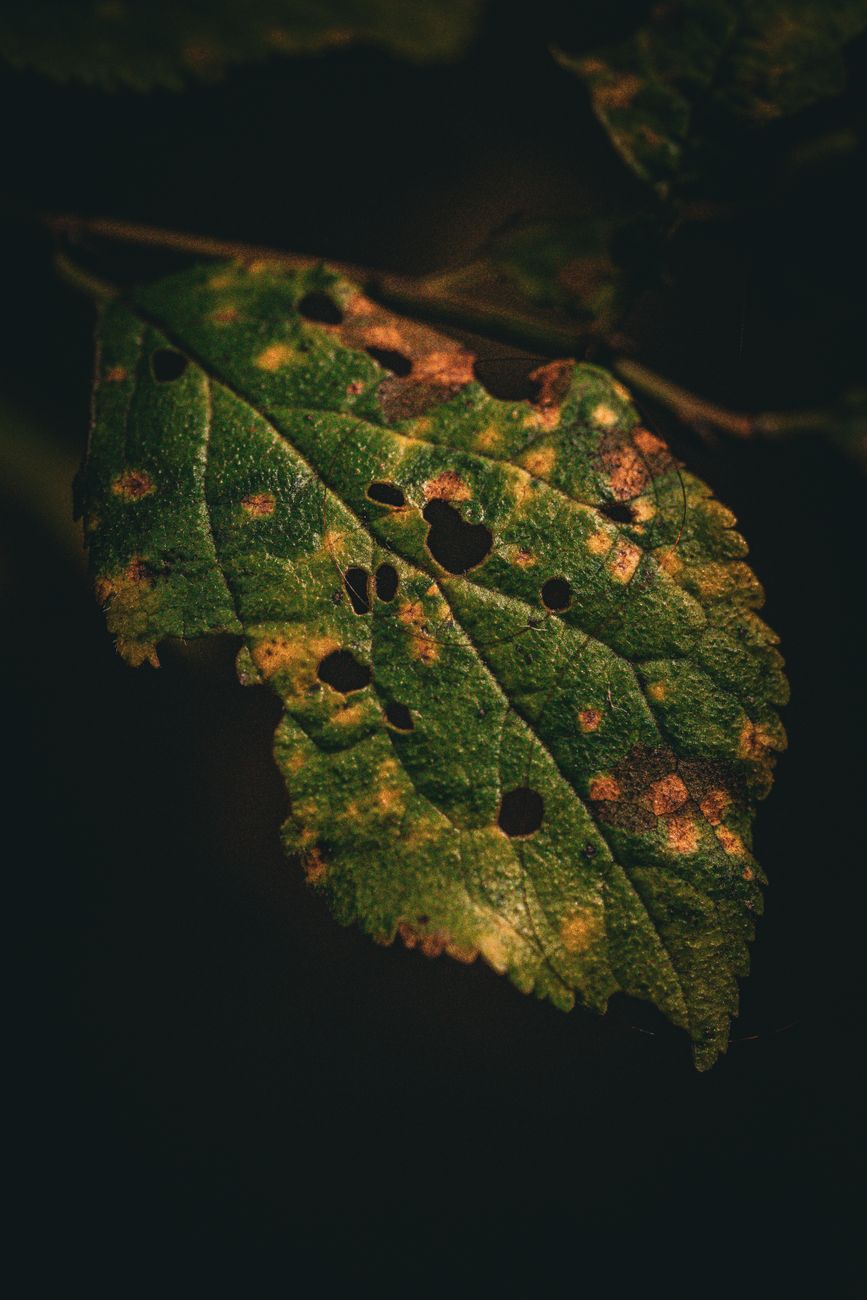
Beyond the Eye: Why Your Fingers Are Your Garden's Best Early Warning System
When I first traded my IT keyboard for a trowel five years ago, here in my little patch of the UK Midlands, I thought gardening was all about what you could see. Bright green leaves, plump tomatoes, buzzing bees – that was the picture in my head. And for a while, I’d just gaze proudly at my raised beds and greenhouse, thinking everything was grand. Then, seemingly overnight, a tomato plant would droop, a kale leaf would yellow, or worse, I’d spot a nasty patch of spider mites on my beloved 'Cherokee Purple' heirloom, often when it was already a bit late. It was frustrating, and honestly, a bit disheartening, especially with our unpredictable British weather throwing curveballs.
But over the years, through a lot of trial and error (and a fair few plant casualties, I won't lie), I've learned a secret that's transformed how I care for my 800 sq ft backyard haven. It's not about fancy gadgets or expensive diagnostics; it's about getting hands-on, literally. I've discovered that my fingers are often my garden's earliest and most reliable warning system. Before any visible spots, yellowing, or wilting shows up, a plant will often tell you it's struggling through the subtle changes in its leaf texture. What once felt smooth might now feel rough, what was supple might now be brittle, what was firm could be limp.
This 'touch test' has become a cornerstone of my gardening routine, helping me catch problems like nutrient deficiencies or the first whisper of a pest infestation long before they become a full-blown crisis. It means I can intervene quickly, often with simple, organic solutions, saving my precious crops and keeping my greenhouse tomatoes thriving. Here in Britain, where we battle everything from late frosts to torrential summer downpours, early detection is absolutely key. So, grab a cuppa, and let me share what I’ve learned about feeling your way to a healthier, happier UK garden.
The Feel of Health: Understanding Normal Leaf Texture for UK Garden Plants
Before you can spot a problem, you need to know what 'normal' feels like. Just like you know the feel of your favourite worn-in gardening gloves, you'll soon learn the healthy texture of your plants. In my UK garden, from the waxy leaves of my kale to the slightly fuzzy stems of my greenhouse 'Sungold' tomatoes, every plant has its own unique, healthy feel. A healthy leaf should generally feel turgid – firm and full of water – and have a certain resilience. It should spring back slightly when gently pressed, not flop or snap.
For example, my brassicas, like the 'Cavolo Nero' kale I grow in my raised beds, have a wonderfully robust, slightly waxy feel to their dark green leaves. They're cool and smooth to the touch, and quite sturdy. If I pick up a leaf and it feels thin, papery, or unusually soft, I know something's probably amiss. My heirloom tomatoes in the greenhouse, varieties like 'Brandywine' or 'Moneymaker', have a slightly different character. Their leaves are often a bit softer, with a fine, almost velvety fuzz, but still feel firm and alive, never limp or brittle. They have a certain 'give' without being weak. Herbs like mint and basil, on the other hand, are much more delicate, but even they should feel fresh and hydrated, not brittle or dry.
I've learned this through countless hours of just running my hands over my plants, observing, and remembering. It might sound a bit daft, but it’s a practice that pays dividends, especially for spotting issues before they escalate, which is crucial with our often-fickle British weather patterns.

Here’s a quick guide to what some common UK garden plants should feel like when they’re happy:
| Plant Type (Common UK Varieties) | Healthy Leaf Texture Description | Randy's Observation (UK Specific)
Environmental Stressors: The Weather's Impact on Leaf Feel – A UK Gardener's Guide
Here in the UK Midlands, if there's one thing I've learned, it's that our weather is a fickle beast. One minute it's glorious sunshine, the next it's a blustery downpour or a sudden chill. These environmental shifts, often beyond our control, can wreak havoc on our plants, and guess what? They signal their distress through their leaves, often before you see wilting or discolouration. My hands have become my early warning system for everything from unexpected cold snaps to those surprisingly intense British heatwaves.
I remember one late May when I put out my tender courgette seedlings a bit too early. We had a sudden overnight frost – one of those sneaky ones the forecast barely mentioned. The next morning, before I even saw any dark, mushy patches, I touched the leaves of my 'Defender' courgettes. Instead of their usual supple, slightly fuzzy feel, they were stiff, almost brittle, and cold to the touch, like thin parchment. It was a clear sign of cold shock. I managed to cover some, but others were too far gone. It was a tough lesson, but it taught me that cold isn't just about visible ice; it's about a change in the plant's very structure.
Drought, even short periods of it in a greenhouse, can also change leaf texture dramatically. Last summer, during a particularly dry spell, I noticed my 'Moneymaker' tomato leaves in the greenhouse felt slightly papery and less plump than usual, even though the soil felt superficially damp. A deeper check revealed the soil was bone dry beneath the surface. They weren't wilting yet, but they were definitely thirsty. Conversely, after a solid week of typical British summer rain, I've felt my lettuce leaves become almost waterlogged – puffy and unusually soft, signalling too much moisture, which can lead to root rot if not addressed.
Strong winds, especially here in my relatively exposed Midlands garden, are another silent stressor. My spinach and chard, when hit by a few days of persistent breeze, often develop a slightly rougher, almost leathery feel to their leaves, particularly along the edges. It’s windburn, and it's their way of telling me they're expending energy trying to protect themselves.
Here's a quick guide based on what I've encountered in my UK garden:
| Environmental Stressor | How it Affects Leaf Feel (Before Visible Damage) | What it Looks Like (Early Visible Signs) | Randy's Experience & Tip for UK Conditions |
| :---------------------- | :---------- | :--------------------------------------- | :----------TRANSFERRING KNOWLEDGE FROM RANDY'S GARDEN TO YOURS
Integrating the Touch Test into Your UK Gardening Routine: A Step-by-Step Guide
So, we've talked a lot about what leaves should feel like and what common 'off' textures can tell us. Now, the big question is: how do you actually weave this into your everyday gardening? For me, it's become as natural as grabbing my secateurs or checking the soil moisture. It's not a chore; it's a connection.
When I first started, fresh out of the IT world, I thought gardening was all about following instructions to the letter. But the UK climate quickly taught me that flexibility and observation are far more valuable. The touch test is exactly that – a skill you develop through consistent, hands-on interaction.
Here’s how I’ve integrated it into my 800 sq ft Midlands garden, and how you can too:
Morning Patrol with a Brew: This is my favourite time. Every morning, after I've made my first cuppa, I do a quick walk-around. It’s not an intense inspection, just a gentle sweep of the beds and a peek into the greenhouse. I'll lightly brush my hand over the leaves of my 'Crimson Crush' tomatoes, feel the broad leaves of my squash plants, or gently squeeze a pea pod. It takes five, maybe ten minutes, but it sets the tone for the day and often flags issues before they become major headaches.
- Randy's Tip: Focus on plants you know are susceptible or are currently stressed. For me, that's often my greenhouse tomatoes – they're my pride and joy, but also very responsive to changes.
During Watering or Weeding: This is a no-brainer. Your hands are already there! As you water, let your fingers brush against stems and leaves. If you're weeding around a plant, take a moment to really feel its foliage. Is it stiff when it should be pliable? Is it sticky when it should be smooth? This is where you catch those subtle changes you might miss on a quick morning scan. I often find aphids on the undersides of my broad bean leaves this way, just by feeling a slight bumpiness I wouldn't have seen from above.
Establish Your Baseline Touch: This is crucial. Every plant, even every variety, has its 'normal' feel. A robust 'Shirley' tomato leaf feels different from a delicate 'Red Russian' kale leaf. Spend time just feeling healthy plants, especially when they're thriving. This builds up a mental library of what's right. When something feels "off," your brain will immediately flag it because it doesn't match your established baseline. I've grown 'Gardener's Delight' tomatoes for three years now, and I know exactly what a healthy, slightly fuzzy leaf should feel like. Any deviation gets my attention.
Investigate When You Feel 'Off': The touch test isn't the final answer; it's the alarm bell. If something feels amiss:
- Look Closer: Flip leaves over, check stems, look at the soil surface. Is there a tiny pest? A discolouration you missed?
- Check Soil Moisture: Is it too wet, too dry, or just right? Stick your finger deep down.
- Review Recent Weather: Has it been unusually hot, cold, wet, or windy?
- Consider Nutrient Needs: When was it last fed? Is the soil depleted?
Keep Simple Notes (Mental or Physical): You don't need a fancy spreadsheet. For me, it's often a mental note: "Cabbage leaves felt a bit leathery today, check for cabbage white eggs tomorrow." Sometimes, if it's a recurring issue or a new experiment, I'll jot it down in my garden journal. It helps track patterns, especially with our unpredictable British weather.

Cultivating a Deeper Connection: Your Hands-On Approach to Plant Health
Stepping away from the computer screen and into the living, breathing world of my garden five years ago was the best decision I ever made. And honestly, the "touch test" has been one of the most profound lessons I've learned along the way. It’s more than just a technique; it's a philosophy, a way of truly connecting with the life you're nurturing.
We live in a world that often encourages us to observe from a distance, to rely solely on what we see with our eyes or read in a book. But the garden, my friends, demands more. It asks for your presence, your gentle touch, and your patient observation. When I first started, I was so focused on grand plans and perfect harvests. Now, I find immense joy in the small details – the delicate texture of a new 'Romanesco' cauliflower leaf, the velvety feel of a healthy 'Genovese' basil, or the subtle stickiness that warns me of aphids on my greenhouse peppers.
This isn't about being a perfect gardener – goodness knows I've had my share of failures, from a whole crop of blight-ridden potatoes in a particularly wet Midlands summer to a greenhouse full of cucumbers decimated by spider mites (a lesson I learned the hard way about humidity and touch!). It's about being an attentive gardener. It's about understanding that your hands are incredibly sophisticated tools, capable of picking up nuances that often precede visible symptoms.
By regularly touching your plants, you're not just performing a diagnostic check; you're building a relationship. You're learning their language, understanding their needs, and becoming a more intuitive and responsive caretaker. This deeper connection enriches not only your garden but your own well-being. There's a profound satisfaction in knowing your plants intimately, in feeling their vitality, and in being able to respond to their subtle calls for help.
So, I urge you, fellow UK gardeners, to go out there. Get your hands dirty. Feel those leaves. Let your fingers become the wise, early warning system for your patch of green. You'll be amazed at what your plants will tell you, and you'll grow not just a healthier garden, but a deeper appreciation for the incredible life thriving within it. Happy touching!