Unlocking Flavour and Longevity: The Art of Winter Squash Curing
There’s nothing quite like the feeling of pulling a magnificent winter squash from the vine in my 800 sq ft Midlands garden. That moment of satisfaction, knowing all the effort, the nurturing through our often-unpredictable British weather, has paid off. I've grown everything from the vibrant 'Uchiki Kuri' to the majestic 'Crown Prince' in my raised beds and even snuck a few into the greenhouse for an early start. But here's the thing I learned the hard way when I first started gardening five years ago: harvesting is only half the battle.
When I first transitioned from IT to spending my days knee-deep in soil, I'd bring in my beautiful squash, stash them in the shed, and expect them to last for months. More often than not, they'd start to soften, develop mould, or simply taste… well, a bit bland, just a few weeks later. It was disheartening, especially after tending to them so diligently. I quickly realised that I was missing a crucial step, a secret weapon that transforms a good harvest into a truly exceptional one: winter squash curing.
Curing isn't just some fancy term for storage; it's a vital process that enhances both the flavour and the shelf-life of your hard-won harvest. For us UK gardeners, with our sometimes-short growing seasons and damp autumns, mastering this technique is an absolute game-changer. It means enjoying your homegrown 'Sweet Dumpling' or 'Blue Kuri' long into the depths of winter, tasting sweeter and richer with every passing week. I've spent years experimenting with different methods in my own garden, trying to figure out what truly works best in our specific climate, and I'm genuinely obsessed with sharing what I've learned. So, grab a cuppa, and let's dive into making your winter squash last longer and taste utterly incredible.
More Than Just Storage: The Science Behind Enhanced Flavour and Shelf-Life
When I first heard about curing, I admit, I was a bit sceptical. "Just leave them out in the sun?" I thought. But after experiencing the difference firsthand, I'm a total convert. Curing isn't just about drying out a squash; it’s a fascinating biological process that fundamentally changes the fruit for the better. It’s a bit like dry-ageing a steak or fermenting vegetables – it takes something good and elevates it to something extraordinary.
In my UK garden, I've seen the magic happen year after year. The science behind it is actually quite simple. Firstly, the curing process allows the skin of the squash to harden and thicken, a process called periderm formation. This tough outer layer acts like a natural suit of armour, protecting the squash from physical damage, moisture loss, and, crucially, from pesky pathogens that cause rot. Without it, even a perfectly healthy squash is vulnerable to the damp conditions often found in our British sheds and pantries.
Secondly, and this is where the flavour really kicks in, curing initiates the conversion of starches into sugars within the squash. Think of it like a natural ripening process that continues off the vine. An uncured squash might look ready, but it hasn't fully developed its complex sweetness. I’ve found that my 'Crown Prince' squash, which can be a bit watery and starchy right after harvest, transforms into a rich, nutty, and intensely sweet delight after a proper cure. It concentrates the flavours, making every bite more satisfying. This dual action – strengthening the exterior and sweetening the interior – is why curing is an indispensable step for any serious UK winter squash grower.
Cured vs. Uncured Winter Squash (Randy's UK Garden Experience)
Here's a quick comparison based on my trials and errors here in the Midlands:
| Feature | Cured Squash (My UK Experience) | Uncured Squash (My UK Experience) |
|---|---|---|
| Flavour | Significantly sweeter, richer, nutty, concentrated flavour; excellent texture. | Often bland, starchy, sometimes watery; less developed flavour profile. |
| Shelf-Life | 3-6+ months (e.g., 'Crown Prince' often lasts into March/April for me). | 2-4 weeks typically before softening/rot; very variable. |
| Skin Hardness | Tough, dry, unyielding; difficult to pierce with a thumbnail. | Softer, often slightly moist; easily bruised or scratched. |
| Disease Resist. | Highly resistant to mould, rot, and fungal issues due to hardened skin. | Prone to stem-end rot, mould, and rapid deterioration, especially in damp. |
| Moisture Content | Lower internal moisture, leading to concentrated flavour and better storage. | Higher internal moisture, making it more susceptible to spoilage. |
Timing is Everything: Knowing When Your Winter Squash is Ready for Curing
Knowing when to harvest your winter squash is absolutely critical, especially here in the UK where our autumn weather can turn from gloriously sunny to miserably damp and frosty in a heartbeat. One mistake I made early on, thanks to our often-dreary British autumns, was harvesting too early because I was worried about frost. I learned the hard way that a premature harvest means a squash that just won't cure properly and won't develop that deep, sweet flavour we're all after.
For me, the key is patience, combined with a keen eye on the weather forecast. You want to let your squash mature as long as possible on the vine, right up until the point of a hard frost. A light nip of frost isn't usually a problem for a mature squash, but a hard freeze will damage the skin and greatly reduce its storage potential. Here's what I look for in my Midlands garden to tell me a squash is ready for harvest and, subsequently, curing:
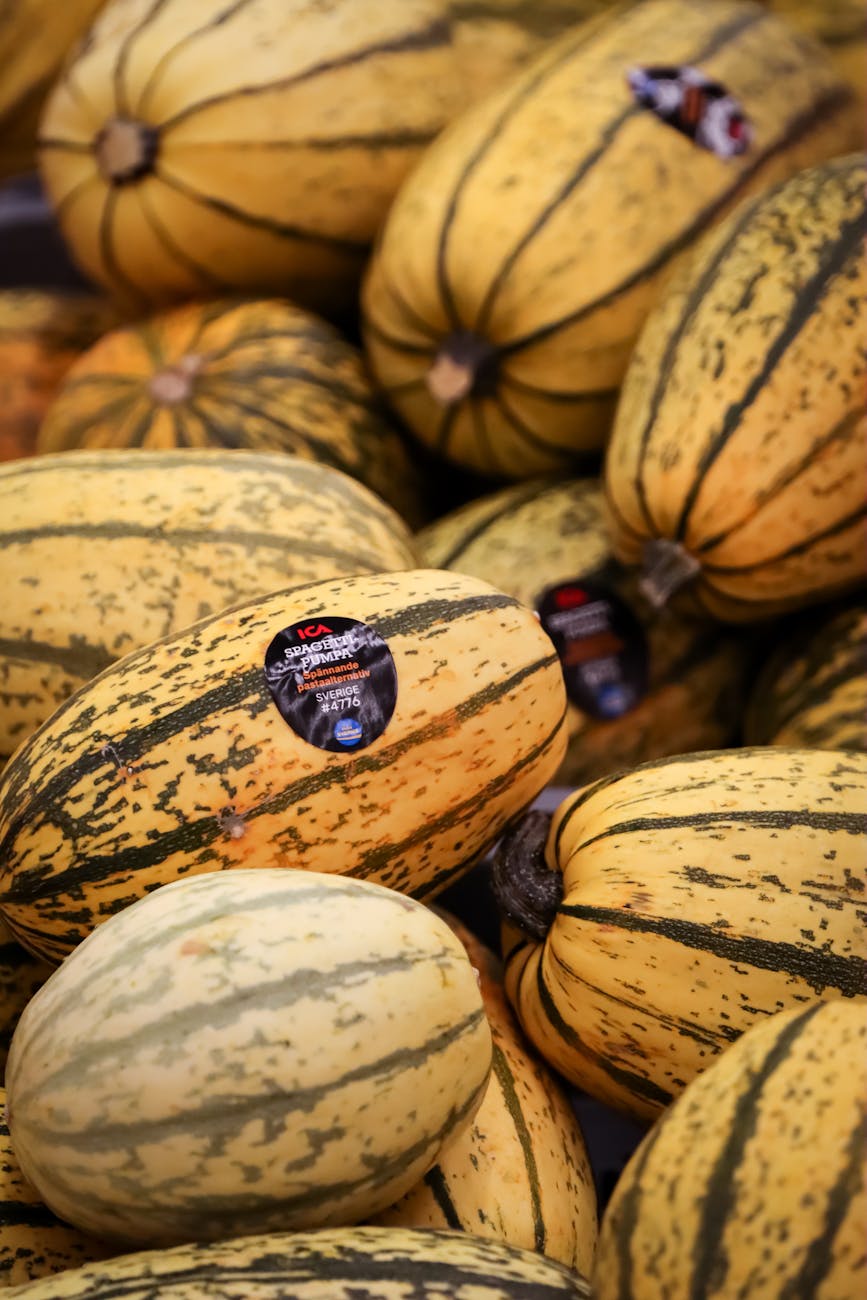
- Deep, Uniform Colour: The squash should have reached its full, mature colour for its variety. My 'Uchiki Kuri' needs to be a vibrant, almost glowing orange, while 'Crown Prince' should have that distinct steely blue-grey hue. Any green patches usually mean it’s not quite ready.
- Hardened Skin: This is probably the most crucial indicator. Try to pierce the skin with your thumbnail. If it leaves a mark or goes through easily, it needs more time on the vine. A fully mature squash will have skin that feels truly hard and resistant.
- Dry, Corky Stem: The stem connecting the squash to the vine should be dry, hard, and ideally starting to crack or cork. It should definitely not be green and pliable. This indicates that the plant has stopped sending nutrients to the fruit, and the squash is ready to be independent.
- Hollow Sound (Optional but helpful): Give the squash a gentle tap. A mature squash will often sound hollow, whereas an immature one might sound dull or solid.
For specific varieties in my garden, my 'Sweet Dumpling' squash usually hits these marks by late September, allowing me to cure them before the really cold weather sets in. My larger 'Crown Prince' and 'Turk's Turban' often take until mid-October, pushing it close to our first heavy frosts. It's a delicate balance, but waiting for these signs ensures you're starting the curing process with a squash that has the best chance of extended storage and incredible flavour. When you do harvest, always leave a good 2-4 inch stem attached – never carry the squash by its stem! This little 'handle' is vital for preventing rot at the stem end, a common pitfall I've encountered with our damp British air.
4. From Garden to Store: Step-by-Step Curing for UK Home Growers
Right, so you’ve got those beautiful, mature squash harvested with their little T-stems intact – brilliant! Now comes the crucial bit: getting them properly cured. This isn't just a fancy step; it’s where the magic truly happens, transforming them from good to absolutely glorious. I’ve refined my curing process over the past five years in my UK garden, and what works here in the Midlands might need a slight tweak depending on your specific microclimate, but the principles are solid.
The first thing to remember is gentle handling. Think of them as precious babies. Any bruise or cut is an open invitation for rot, which is the last thing you want after all that hard work. I always carry them carefully, one or two at a time, to their designated curing spot.
Next, a quick clean-up. Don't wash them! Just use a dry cloth or a soft brush to gently wipe off any soil or debris. Water can introduce moisture and pathogens, hindering the curing process. I usually do this right on the potting bench in my greenhouse after harvest.
Now for the curing environment itself. This is where British weather can throw a spanner in the works if you’re not careful. Winter squash need warmth and moderate humidity for curing. We're talking ideally 25-30°C (77-86°F) with about 70-80% humidity. Achieving this in a typical UK autumn can be a challenge, but I've found a few reliable spots. My small greenhouse is often perfect in late September/early October, especially on sunny days. I lay them out on old pallets or shelves to ensure good air circulation all around. If the weather turns chilly, I'll move them to a sunny, south-facing windowsill indoors or even a spare room with a small fan heater running for a few hours a day to keep the temperature up. What you absolutely want to avoid is a cold, damp shed – that’s a recipe for disaster, as I learned with a batch of 'Delicata' one particularly soggy October!
I arrange them in a single layer, making sure they’re not touching. This allows air to circulate freely and prevents moisture build-up between them. I've got some old fruit crates that I use to stack them, allowing air to get underneath too. The curing process usually takes 10-14 days for most varieties, though some, like my beloved 'Crown Prince', can benefit from a little longer, perhaps up to three weeks. You'll know they're done when the skin has visibly hardened, the colour has deepened, and the stem (that precious T-stem!) has dried and shrivelled. It'll feel like it's sealed itself off.

5. Maximising Your Harvest: Ideal Storage Conditions for Long-Term Enjoyment
So, your squash are beautifully cured, their skins tough, their flavours concentrating. The hard work is nearly done, but don’t fall at the final hurdle! Getting the storage conditions right is just as vital for extended enjoyment. After all the effort in my 800 sq ft Midlands garden, nurturing these beauties from seed, I want to be enjoying them well into spring.
The golden rule for long-term storage is cool, dry, dark, and with good air circulation. Forget those warm, brightly lit kitchen counters – that’ll shorten their lifespan dramatically. I’ve tried various spots around my UK home over the years, from a cool corner of the spare room to a designated shelf in my unheated garage (only for the hardiest varieties, mind!). My current favourite is a dry, unheated spare room, on a sturdy shelf away from any external walls that might get too cold.
Here’s a breakdown of the ideal conditions I aim for:
| Storage Factor | Ideal Condition | Why it Matters (UK Context) | Randy's UK Setup |
|---|---|---|---|
| Temperature | 10-15°C (50-60°F) | Prevents sprouting and decay; warmer temps shorten shelf life. Our British winters can fluctuate, so consistency is key. | Unheated spare room, away from radiators. Sometimes my greenhouse in deep winter (only if insulated enough). |
| Humidity | 50-70% Relative Humidity | Too high encourages mould and rot; too low causes shrivelling. UK homes can be damp, so good ventilation is crucial. | Good airflow in the spare room. Avoid damp corners of sheds unless specifically dehumidified. |
| Light | Dark | Light can encourage sprouting and greening, affecting quality. | Covered shelves or inside a cupboard in the spare room. |
| Air Circulation | Good, consistent airflow | Prevents moisture build-up and inhibits fungal growth. Stagnant air is the enemy. | Squash placed in single layers on slatted shelves or old pallets; never piled. |
| Placement | Single layer, not touching each other, off the floor. | Reduces pressure points and allows air to circulate around each squash. | Sturdy shelves in the spare room, sometimes an old wooden fruit crate. |
I check my stored squash regularly, usually once a week or so, just to make sure no one is starting to look suspicious. Any soft spots, mould, or shrivelling means it’s time to use that squash or compost it before it affects its neighbours. My 'Crown Prince' and 'Blue Kuri' varieties typically store well into March or April here in the Midlands, while 'Butternut' usually lasts until January/February. It's incredibly satisfying to pull out a perfectly preserved squash for a warming winter soup when it's freezing outside!
6. Avoiding Common Curing Mistakes: Expert Tips for a Perfect Preserve
Look, we've all been there. Gardening is a constant learning curve, and I've certainly made my share of mistakes over the past five years. When I first started out, I lost a fair few lovely squash harvests to improper curing and storage, especially with our unpredictable British weather. Learning from these blunders is how we get better, and I want to share my hard-won lessons so you don't have to repeat them!
Here are some of the most common curing and storage mistakes I've encountered (and sometimes made myself!):
- Damaged Squash: This is probably the biggest culprit for early spoilage. Any nicks, cuts, or bruises on the skin are entry points for bacteria and fungi. When harvesting, be super careful not to drop them or knock them against each other. I once tried to carry too many 'Winter Luxury Pie' pumpkins at once and dinged a couple – they were the first to go mouldy in storage.
- Washing Before Curing: I mentioned this earlier, but it bears repeating. Resist the urge to give your squash a bath! Water can introduce pathogens and increase surface moisture, which is the opposite of what we want for curing. A dry brush or cloth is all you need.
- Curing in Too Cold or Damp Conditions: This is a classic UK problem, especially if you're relying on an unheated shed in a chilly autumn. If the temperature is too low (below 20°C) or the humidity is too high during the curing phase, the skin won't properly harden and seal. One year, I tried to cure some 'Uchiki Kuri' in a slightly damp shed during a particularly cold October – big mistake! They quickly developed soft spots and mould. Warmth and airflow are key.
- Storing Uncured Squash: If you skip the curing step, your squash won't develop that tough, protective skin, and their internal sugars won't have fully converted. They'll spoil much faster and won't taste as sweet. It's tempting to rush, but patience is a virtue here.
- Improper Storage Conditions Post-Curing: Storing cured squash in a warm kitchen or a bright, sunny spot will drastically shorten their lifespan. They'll either shrivel up or start to sprout. Similarly, a damp, poorly ventilated cellar or shed is an open invitation for mould. I’ve had my share of beautifully cured 'Sweet Dumpling' squash succumb to dampness when I tried storing them in a less-than-ideal spot in my shed one particularly wet winter.
Mastering winter squash curing isn’t just about following steps; it’s about understanding the 'why' behind each one, especially within the context of our unique British climate. It’s about creating the right environment, whether that’s in your greenhouse, a sunny windowsill, or a carefully chosen corner of your home.
Conclusion: Your Winter Harvest, Preserved and Perfected
So, there you have it – the full journey from garden to long-term storage, ensuring your winter squash not only lasts but tastes absolutely incredible. The art of curing is a game-changer for any UK home gardener, unlocking deeper flavours and extending the joy of your harvest well beyond the autumn months.
I’ve learned through countless experiments, successes, and a few inevitable failures in my own 800 sq ft Midlands garden that taking the time for proper curing is one of the most rewarding steps in the entire growing process. Imagine pulling out a perfectly stored 'Crown Prince' in February, its flesh sweet and vibrant, ready for a comforting roast or a hearty soup – that’s the payoff for a little extra effort now.
Don't be intimidated by the process; it’s genuinely straightforward once you understand the principles. Pay attention to your squash, provide them with the right conditions, and you'll be enjoying the fruits (or rather, vegetables!) of your labour for months to come. It’s a truly satisfying feeling, knowing you’ve nurtured these plants from seed to plate, and extended their deliciousness right through the depths of winter.
Give it a go this season! I’d absolutely love to hear about your experiences, your favourite storage varieties, and any clever curing hacks you’ve discovered in your own UK gardens. Drop a comment below, and let's keep the conversation going! Happy curing, fellow gardeners!