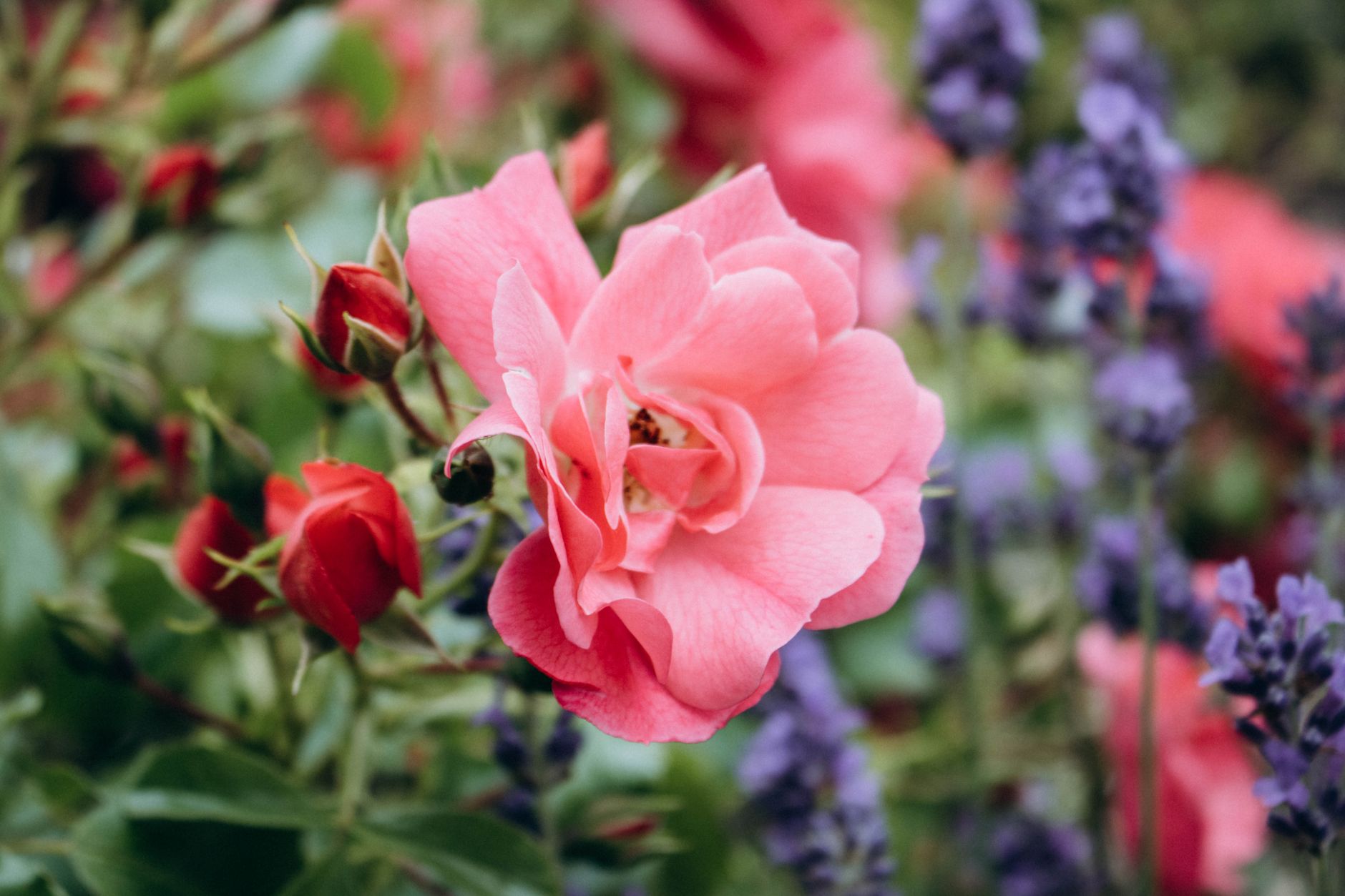
Unlocking Your Garden's Scent Potential: A Guide to Fragrant Blooms
There’s something truly magical about stepping into your garden and being hit by a wave of glorious scent. For me, here in my 800 sq ft Midlands backyard, it’s not just about what my garden looks like, but how it smells. After five years of digging, planting, experimenting, and sometimes failing spectacularly, I’ve learned that coaxing out the most potent fragrances from your flowers isn't just luck – it’s a deliberate art, built on understanding your plants and our wonderfully unpredictable British climate.
When I first started transforming my garden from a patchy lawn into the productive haven it is today, I was so focused on growing the biggest heirloom tomatoes in my greenhouse and getting a decent yield from my raised beds that I almost overlooked the power of scent. It was a single, unusually warm June evening, standing next to a climbing rose I’d somewhat haphazardly planted, when its perfume just enveloped me. That moment was a real turning point. It made me realise that fragrance isn't just a bonus; it's a huge part of the garden experience, especially after a long day of IT work (my old life, before the soil called to me!). Since then, I’ve been obsessed with figuring out how to maximise those incredible aromas. This isn't just about throwing a plant in the ground; it's about strategic placement, understanding the very dirt it grows in, and giving it the right drink. I'm going to share what I've learned, often through trial and error (and a few soggy summers!), focusing on three of my absolute favourite fragrant stars: classic roses, calming lavender, and the utterly charming sweet peas. Get ready to make your UK garden smell utterly divine.
Sun, Shelter, and Scent: Optimising Planting Locations for Fragrance
Just like us, flowers are particular about where they like to settle down, and their preferred spot can dramatically impact how much scent they produce. It’s all about creating the perfect microclimate. In my UK garden, especially with our often-changeable weather, getting the location right is probably the single most important decision I make for fragrance.
For roses, especially those intensely fragrant varieties like 'Gertrude Jekyll' or 'Munstead Wood' that I adore, full sun is generally the rule. I aim for at least six hours of direct sunlight a day. In my Midlands garden, I have a south-facing wall where I've trained my 'Claire Austin' climbing rose, and the warmth radiating off that wall really helps concentrate its citrusy myrrh scent. However, here in Britain, "full sun" can sometimes mean "full exposure to driving rain and wind." Too much wind can actually strip away volatile essential oils, reducing the perfume. So, I always look for a spot that offers a bit of shelter from strong prevailing winds. A fence, a wall, or even a sturdy shrub nearby can act as a windbreak. One year, I planted a beautiful 'Chandos Beauty' in an exposed spot near the gate, and while it flowered well, the fragrance was noticeably weaker than the same variety I planted in a more sheltered corner by the shed. Lesson learned: sun and shelter for roses are key for a potent perfume here.
Lavender, on the other hand, is a sun-worshipper through and through, and it really thrives on heat. It's a plant that transports me straight to Provence, even when I'm just pottering about in my greenhouse. For maximum scent from varieties like 'Hidcote' or 'Munstead' (which are fantastic for our climate), you need that hot, baking sun all day long. My biggest patch of lavender is along the edge of a raised bed that gets uninterrupted sun from dawn till dusk, and the scent on a warm summer's afternoon is just incredible. They don't mind a breeze as much as roses, but they absolutely detest soggy feet. So, good air circulation is beneficial to prevent fungal issues, especially after a classic British summer downpour. I always plant them on a slight mound if the soil is heavy, ensuring any excess water drains away quickly.
Sweet peas ('Cupani' or 'Matucana' are my absolute favourites for scent) are a bit more nuanced. They love sun but appreciate a bit of afternoon shade in the hottest part of summer, particularly if we get one of those rare heatwaves. Direct, intense midday sun all day can sometimes scorch their delicate blooms and reduce their fragrance. In my garden, I grow them on an obelisk that gets morning sun and then dappled shade from a nearby apple tree in the late afternoon. This seems to be the sweet spot. They also need protection from strong winds, as their delicate stems can be easily damaged, and those precious essential oils can be dispersed too quickly. I use netting or canes to give them something to climb, which also offers a bit of structural shelter.

The Dirt on Aroma: Tailoring Soil for Potent Rose, Lavender, and Sweet Pea Scents
You know, when I first started gardening, I thought soil was just, well, dirt. How wrong I was! I've learned that the soil isn't just a medium for plants to stand in; it's their pantry, their hydration system, and for fragrant flowers, it's where the magic happens. The nutrients, pH, and structure of your soil directly influence the production of the essential oils that give flowers their scent. Get the dirt right, and you'll seriously amplify that perfume.
For my beloved roses, I've found that they really thrive in a rich, deep, slightly acidic to neutral loam (pH 6.0-7.0). Here in the Midlands, my native soil is a heavy clay, which can be a challenge. When I prepare a bed for roses, I spend a lot of time amending that clay. I dig in plenty of well-rotted garden compost or farmyard manure – I'm talking a good bucketful per plant. This improves drainage in heavy clay and adds a slow-release feast of nutrients. Roses are hungry plants, and they need a steady supply of potassium and phosphorus to fuel both bloom production and, crucially, essential oil synthesis. One mistake I made early on was not feeding them enough. The blooms were pretty, but the scent was lacklustre. Now, I top-dress with compost every spring and give them a specific rose feed (usually organic, high in potash) during the growing season. This ensures they have all the building blocks for those amazing perfumes.
Lavender is almost the complete opposite. These Mediterranean beauties crave lean, well-drained, alkaline to neutral soil (pH 6.5-7.5). My heavy clay is definitely not what they naturally prefer! So, for my lavender patches, I've had to work hard. I significantly improve drainage by incorporating grit or sharp sand and plenty of mushroom compost (which tends to be alkaline) into the soil. I also raise the beds slightly to ensure no water ever sits around their roots, which is fatal for them, especially during our damp UK winters. I remember losing a whole row of 'Hidcote' one particularly wet spring because the drainage wasn't good enough. Now, I'm meticulous. They don't need a lot of feeding; in fact, too much nitrogen can lead to lush leafy growth at the expense of flowers and, more importantly, essential oil production. Leaner soil means a more concentrated fragrance.
Sweet peas, with their delicate, often ethereal scent, prefer a rich, well-drained soil, much like roses, but they lean a little more towards neutral (pH 6.5-7.5). They are incredibly hungry plants and need a lot of organic matter. Before planting my sweet peas each year (usually in autumn for overwintering or early spring in the greenhouse), I dig a trench about 30cm deep and fill it with a generous layer of well-rotted compost, leaf mould, and a good handful of bone meal. This provides a slow-release feed and excellent drainage. They need consistent moisture but hate being waterlogged. The rich organic matter helps retain moisture without becoming boggy, which is perfect for our varying UK rainfall. I've found that a good base of organic matter means stronger plants and, crucially, more intensely fragrant blooms throughout their season.
Here's a quick comparison of what I aim for in my UK garden:
| Feature | Roses | Lavender | Sweet Peas |
|---|---|---|---|
| Soil pH | Slightly acidic to neutral (6.0-7.0) | Alkaline to neutral (6.5-7.5) | Neutral (6.5-7.5) |
| Soil Texture | Rich, deep, well-drained loam | Lean, very well-drained, gritty | Rich, deep, well-drained, moisture-retentive loam |
| Organic Matter | High (well-rotted manure, compost) | Low to moderate (mushroom compost, grit) | High (well-rotted compost, leaf mould) |
| Drainage | Good, consistent moisture | Excellent, sharp drainage is critical | Good, consistent moisture, no waterlogging |
| Feeding | Regular (rose-specific, high potash) | Minimal (avoid high nitrogen) | Regular (bone meal, high potash, liquid feed) |
| Key for Fragrance | Consistent nutrients, rich organic matter | Lean, well-drained conditions, good air flow | Deep, rich organic matter, steady feeding |
Hydration for Hedonism: Optimal Watering Techniques for Enhanced Fragrance
It might sound counterintuitive, but how you water your plants can profoundly influence the intensity of their fragrance. Essential oils, the compounds responsible for scent, are produced by the plant, and their concentration can be affected by the plant's hydration levels. It's a delicate balance; too little water stresses the plant, reducing oil production, but too much can dilute the oils or lead to root rot, which is just as bad.
For roses, consistent watering is key, especially during dry spells here in the UK. I aim for deep, infrequent watering rather than shallow, daily sprinkles. This encourages the roots to grow deeper, making the plant more resilient. In my 800 sq ft garden, I typically give my roses a good soak once or twice a week, depending on the weather – about 10-15 litres per plant. I always check the soil moisture with my finger first, about 5cm down. If it feels dry, they get a drink. If we’ve had a proper British downpour, I’ll hold off. Overwatering can lead to fungal diseases and weak growth, which definitely won't produce those magnificent, fragrant blooms. I learned this the hard way during a particularly damp July; my roses looked a bit sad and the fragrance was muted. Now, I focus on watering the base of the plant, avoiding wetting the foliage, especially in the evening, to minimise fungal issues.
Lavender is a plant that thrives on neglect when it comes to watering, once established. These plants are built for arid climates. After their first year in my garden, I rarely water my established lavender plants unless we're experiencing a prolonged drought (which, let's be honest, is becoming more common even here in the UK). Their deep root systems can usually find enough moisture. Overwatering is the single biggest killer of lavender in our damp climate. It leads to root rot, and once that sets in, it’s usually game over. I’ve probably killed more lavender through kindness (i.e., too much water) than anything else. So, my rule for lavender is simple: if in doubt, don't water. Let the soil dry out completely between waterings, even feeling bone dry is fine for mature plants. If you've just planted them, or they're in pots, then they'll need a bit more attention until they're established.
Sweet peas are thirsty plants, especially when they are actively growing and flowering. They need consistent moisture to produce their abundance of blooms and their glorious scent. If sweet peas get too dry, they'll stop flowering, and the blooms they do produce will be small and lack fragrance. In my garden, I water them regularly, usually every other day during dry periods, ensuring the soil remains evenly moist but never waterlogged. I use a watering can with a rose attachment to deliver water gently to the base of the plants. During peak flowering, I sometimes give them a liquid feed alongside their water, which seems to really boost both flower production and scent. One summer, I went away for a long weekend and neglected to ask a neighbour to water them. When I returned, the plants were drooping, and the flowers had lost their vibrancy and much of their scent. It took them a good week to recover, and the intensity of their perfume never quite returned to its peak. Consistent hydration is truly crucial for sweet peas.
Cultivating Classic Scents: Specific Care for Iconic Fragrant Flowers
Now that we've covered the general principles of getting that glorious scent from our plants – the right spot, the perfect soil, and just enough water – it's time to get specific. Roses, lavender, and sweet peas are the fragrant superstars of my UK garden, and each one has its own little quirks for truly potent blooms. I’ve spent years experimenting with these in my 800 sq ft Midlands patch, learning what makes them sing here in our British climate.
Let's dive into the specifics for these three beauties:
Roses: The Queen of Fragrance
Ah, roses! My absolute obsession. I've got a few 'Gertrude Jekyll' climbers scrambling over an archway, and their old rose scent stops me in my tracks every summer. For maximum fragrance, the key with roses, especially here in the UK, is consistent care. They're hungry plants, and they need a good, steady supply of nutrients to produce those oil-rich petals.
I feed my roses with a balanced granular fertiliser in early spring, just as they're waking up, and then again after the first flush of flowers. A good organic rose food, rich in potash, really helps with flower production and, crucially, scent. I've also found that a thick mulch of well-rotted compost around the base in late winter keeps the soil moist and provides a slow release of nutrients throughout our often-damp British growing season. Don't forget that consistent watering, especially during dry spells (yes, even in the UK, we get them!), is vital for keeping those fragrant oils building up in the petals.
Lavender: Mediterranean Magic in the Midlands
Lavender brings a little piece of Provence to my UK garden, even though our weather can be a bit more... "varied." I grow 'Hidcote' and 'Munstead' in my raised beds, and their scent is just incredible, especially on a warm afternoon. Unlike roses, lavender absolutely hates wet feet, which is a common pitfall here. My biggest mistake when I first started was planting it in heavy clay soil without enough grit – it just sat there looking miserable and barely scented.
Now, I make sure their soil is incredibly free-draining, adding plenty of horticultural grit and sand to my raised beds. They thrive in full sun, and I give them very little in the way of feed. Too much nitrogen can lead to lush foliage but fewer, less fragrant flowers. I usually just give them a light top-dressing of compost in spring, and that's it. Minimal fuss, maximum scent!
Sweet Peas: Cottage Garden Charmers
Sweet peas are pure joy in my garden. I grow heritage varieties like 'Matucana' and 'Painted Lady' for their intense, nostalgic fragrance. Getting them to produce those long, scented stems is a bit of an art form, especially with our sometimes-chilly springs and unpredictable summers.
I start mine in root trainers in my greenhouse in autumn or late winter, giving them a head start. Good, rich, free-draining soil is essential, so I dig in plenty of well-rotted manure or compost before planting out in spring. They are incredibly thirsty and hungry plants once they get going, so I water them regularly, especially when they're flowering, and feed them with a high-potash liquid feed every week or two. This encourages continuous blooming and keeps that amazing fragrance coming.
Here's a quick comparison of their key needs for fragrance here in the UK:
| Feature | Roses (e.g., 'Gertrude Jekyll') | Lavender (e.g., 'Hidcote') | Sweet Peas (e.g., 'Matucana') |
|---|---|---|---|
| Sunlight | Full sun (6+ hours), tolerates partial | Full sun (6+ hours) | Full sun (6+ hours) |
| Soil pH | Slightly acidic to neutral (6.0-7.0) | Alkaline to neutral (6.5-7.5) | Slightly acidic to neutral (6.0-7.5) |
| Soil Drainage | Well-drained, moisture-retentive | Excellent drainage (crucial in UK) | Rich, well-drained, moisture-retentive |
| Feeding | Heavy feeder: balanced in spring, potash after flush | Light feeder: minimal compost in spring | Heavy feeder: high potash weekly/bi-weekly |
| Watering | Consistent, especially in dry spells | Drought tolerant once established, avoid overwatering | Consistent, especially when flowering |
| UK Specifics | Mulch to retain moisture, consistent feeding for repeat blooms | Add grit for drainage, avoid winter wet; 'Hidcote' and 'Munstead' are robust | Start early in greenhouse, provide strong support, regular feeding for continuous harvest |
| Fragrance Tip | Prune for good air circulation, deadhead regularly for new blooms | Prune after flowering to maintain bushiness and encourage new fragrant growth | Pick often! The more you pick, the more flowers and scent you get |
Beyond the Basics: Pruning, Deadheading, and Pest Control for Lasting Aroma
It’s not just about getting the plants established; it’s about ongoing care that keeps those fragrant factories humming all season long. I've learned, often through trial and error (and a few disheartening seasons!), that these practices are just as crucial as everything else we’ve discussed.
The Art of Pruning for Scent
Pruning might seem intimidating, but for fragrance, it’s a game-changer. For my roses, I do my main prune in late winter here in the Midlands, usually February or early March, depending on how mild the weather has been. I remove dead, diseased, or crossing stems, aiming for an open goblet shape that allows good air circulation. This isn’t just about plant health; good airflow reduces fungal diseases, which can stress the plant and divert energy away from scent production. It also encourages strong, healthy new growth, and it's these fresh stems that bear the most fragrant blooms.
Lavender also benefits from a good haircut. I prune my lavender fairly hard after flowering in late summer, cutting back by about a third, but making sure to leave some green growth. This keeps them bushy and prevents them from getting leggy and woody, which means more compact, fragrant flower spikes next year.
Deadheading for Continuous Scent
This is probably one of the simplest yet most effective tasks for prolonging fragrance. When a flower fades, the plant’s natural instinct is to produce seeds. Deadheading tricks the plant into thinking it hasn’t completed its mission, so it diverts energy into producing more flowers, and thus more scent.
For roses, I snip off the spent blooms just above a strong leaf, ideally facing outwards. This encourages new shoots and buds. For sweet peas, it’s even more critical – if you let them go to seed, they’ll stop flowering almost overnight. I pick my sweet peas religiously, every day or two, and if I miss a few that have gone past their best, I deadhead them immediately. It’s like a fragrant relay race in my garden!

Pest Control: Protecting Your Aroma Investment
Nothing puts a damper on a fragrant display quite like a plague of aphids or a powdery mildew outbreak. Pests and diseases stress the plant, diverting its precious energy from producing those volatile oils that give us scent. In my UK garden, I’m all about organic pest control. I learned the hard way that blasting everything with chemicals isn't sustainable and can harm beneficial insects.
My first line of defence is always prevention: healthy soil, good air circulation, and choosing resilient varieties. I regularly check my roses for aphids and blast them off with a strong jet of water from the hose. If it’s a bad infestation, I'll use a homemade garlic spray or a dilute neem oil solution, which I've found works reasonably well in our damp British climate without harming ladybirds. For diseases like powdery mildew, which can pop up in humid UK summers, ensuring good airflow through pruning and not overhead watering can make a huge difference. Healthy plants are naturally more resistant, and a happy plant smells better!
Your Fragrant Garden Awaits: Enjoying the Rewards of Scented Blooms
So, there you have it – my tried-and-tested approach to squeezing every last drop of glorious scent from your garden, straight from my 800 sq ft patch here in the UK Midlands. We've journeyed through the crucial steps, from finding that perfect sun-drenched, sheltered spot to crafting the ideal soil for each fragrant star. We’ve talked about the goldilocks zone of watering – not too much, not too little – and delved into the specific needs of my beloved roses, lavender, and sweet peas. And we've covered the ongoing care, like the transformative power of pruning and deadheading, and my gentle, organic approach to pest control.
I won't lie, it takes a bit of effort and observation. Gardening, especially when you're trying to coax out specific qualities like fragrance, is a constant learning curve. I've certainly had my share of challenges with our unpredictable British weather – soggy springs, dry spells, sudden frosts – but every year, I learn a little more. What works for one variety might need tweaking for another, and what works in my Midlands garden might need slight adjustments for your corner of the UK.
But believe me, the rewards are immeasurable. There’s nothing quite like stepping out into your own garden and being enveloped by the rich perfume of a 'Gertrude Jekyll' rose, the calming aroma of lavender, or the sweet, nostalgic scent of sweet peas. It connects you to nature, lifts your spirits, and makes all that effort utterly worthwhile.
My biggest encouragement to you is this: get out there and experiment! Don't be afraid to try different varieties, adjust your watering, or tweak your feeding schedule based on what you observe in your garden. Every gardener's experience is unique, and that's the beauty of it. Start with these principles, observe what works best for your specific UK conditions, and most importantly, enjoy the process.
I’d love to hear about your own fragrant successes and even the challenges you've faced in your British gardens. What are your go-to fragrant flowers? What tips have you discovered that make a difference? Share your stories below – let’s keep learning and growing together! Your fragrant oasis is just a few strategic steps away. Happy gardening!