Beyond the Main Head: Unlocking Continuous Broccoli & Raab Harvests
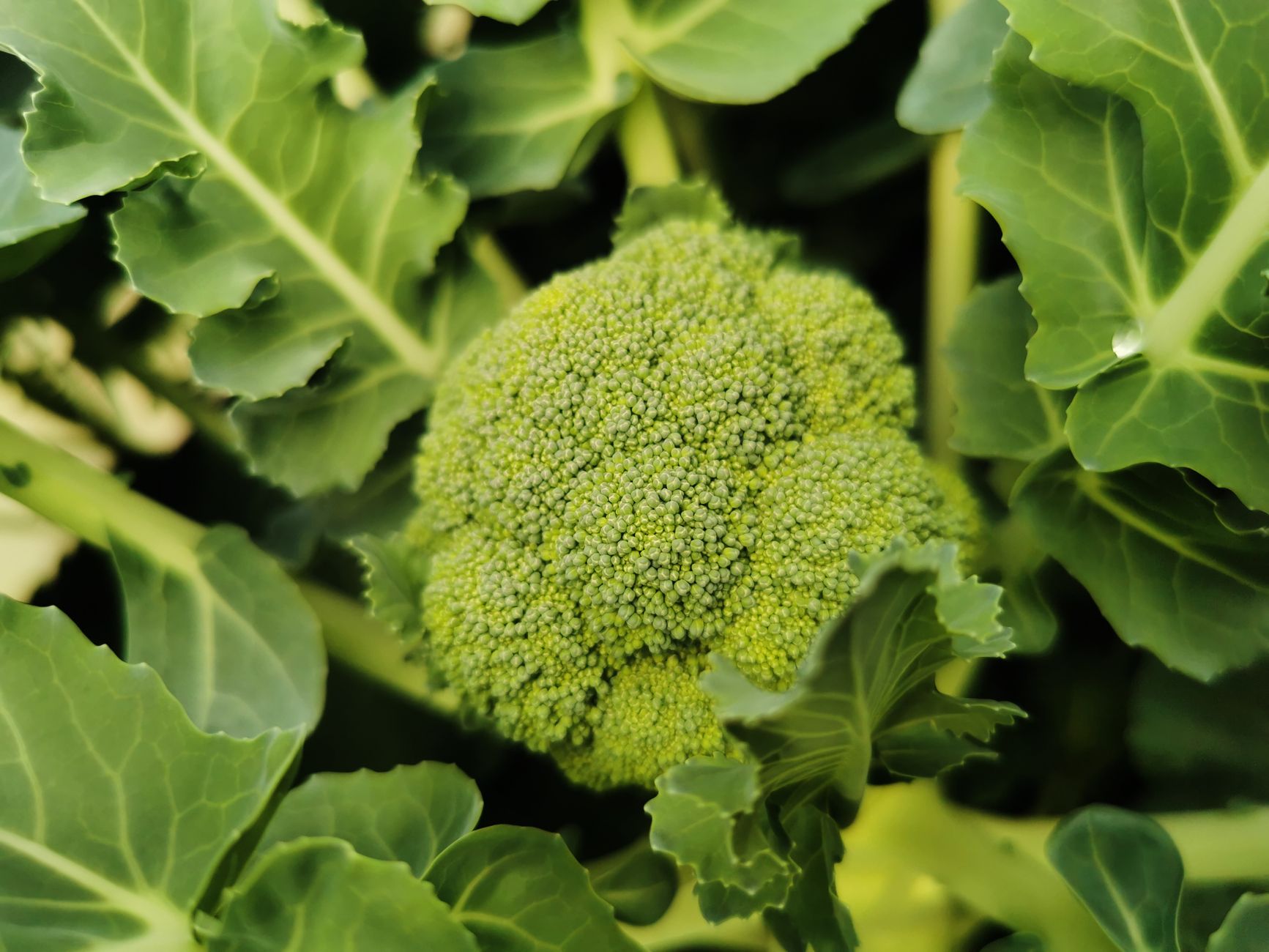
There’s nothing quite like that first moment, is there? The feeling of spotting a perfectly formed, vibrant green head of broccoli emerging from your carefully tended plants. It’s a real triumph, especially here in the often-challenging UK climate. For years, when I first started my intensive gardening journey in my 800 sq ft Midlands backyard, I used to treat that initial head as the grand finale. I’d harvest it, feel a burst of pride, and then… well, then the plant often just sat there, looking a bit forlorn, eventually heading to the compost heap.
But oh, how my perspective has changed over the past five years! After countless hours of experimenting in my raised beds and greenhouse, pouring over old gardening books, and chatting with fellow enthusiasts, I’ve had a massive breakthrough with brassicas. I discovered that the main harvest is just the beginning. With the right approach – a bit of strategic pinching, careful timing, and giving them the best possible start in top-notch soil – you can coax these incredible plants into yielding tender, sweet florets and succulent stems not just once, but continuously for weeks, sometimes even months.
It’s about shifting your mindset from a single, dramatic harvest to a steady, reliable supply that keeps your kitchen stocked. I’m talking about those smaller, sweeter side shoots that are a revelation compared to their supermarket cousins. Whether it's the peppery bite of broccoli raab or the delicate flavour of sprouting broccoli, getting a continuous supply is incredibly rewarding. I’ve learned this through plenty of trial and error, a few disheartening failures thanks to our unpredictable British weather, and a whole lot of muddy hands. So, grab a cuppa, and let me share what I’ve found truly works here in my UK garden for maximising these fantastic brassicas.
The Foundation: Ideal Soil & Site Preparation for Sweet Brassicas
Let's be honest, you can have the best intentions and the fanciest varieties, but if your soil isn't up to scratch, you're fighting an uphill battle. Here in my Midlands garden, I started with what felt like solid clay – the kind that could double as pottery material after a good rain! Over the years, I’ve learned that brassicas, especially broccoli raab and sprouting broccoli, are hungry plants. They need a rich, well-draining soil that holds moisture but doesn’t get waterlogged, and crucially, one that's packed with nutrients.
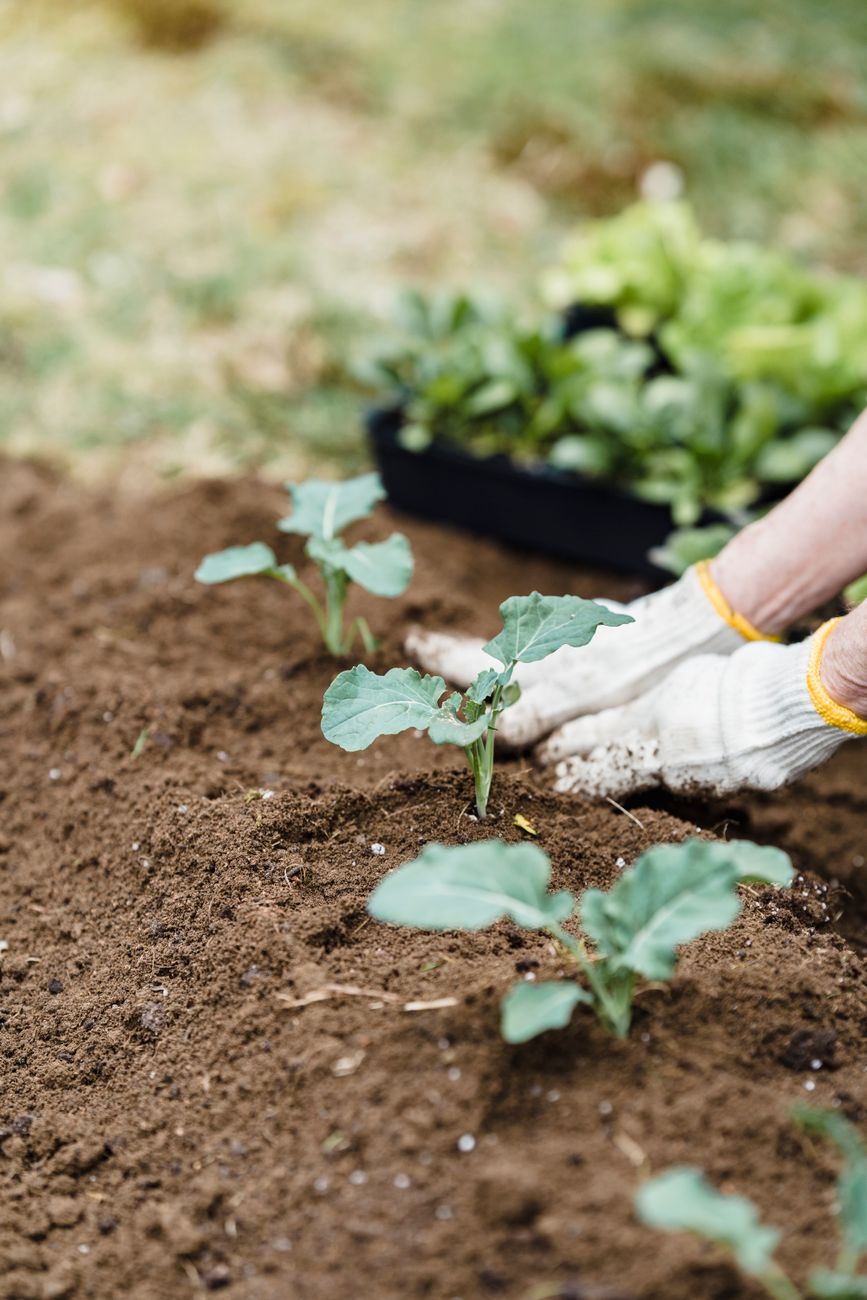
My strategy has evolved into a yearly ritual: building up that soil. Every autumn, after the previous season's crops are done, I fork over my brassica beds, breaking up any compaction. Then, I pile on a generous 3-4 inch layer of well-rotted homemade compost. This isn't just about adding nutrients; it's about improving soil structure, which is vital for root development and drainage. I also dig in a good amount of well-rotted farmyard manure if I can get my hands on it, maybe a wheelbarrow-full per 4x8ft raised bed. This slow-release organic matter is a game-changer for sustained growth.
Before planting in spring, I’ll usually add a balanced, organic granular fertiliser, lightly forking it into the top few inches. Something like a 'Growmore' or a specific brassica feed works well, following the package instructions, of course. This gives them an immediate boost without overfeeding. What I’ve also learned is the importance of pH. Brassicas prefer a slightly alkaline to neutral soil (pH 6.5-7.5). My soil tends to be slightly acidic, so I'll often add a sprinkle of garden lime every couple of years, particularly to my brassica beds, to help ward off clubroot – a nasty fungal disease that loves acidic conditions and can devastate your crop in the UK. I learned this the hard way after a particularly soggy summer wiped out a whole bed of lovely sprouts.
Site-wise, these plants are sun-worshippers. They need at least six hours of direct sunlight a day to thrive and produce those sweet florets. I dedicate one of my sunniest raised beds to them, making sure they’re not overshadowed by taller plants. And please, please, rotate your crops! I never plant brassicas in the same spot two years running. This simple practice is crucial for breaking pest and disease cycles, especially for clubroot, which can linger in the soil for years.
Choosing Your Champions: Varieties & Optimal Sowing Times for UK Gardens
One of the most exciting parts of gardening for me is experimenting with different varieties, and brassicas are no exception. Over the years, I've tried a fair few in my UK garden, and I’ve definitely got my favourites for continuous harvests. It’s not just about picking any old seed packet; it’s about choosing varieties that perform well in our often-fickle British weather and understanding when to sow them for the best results.
For sprouting broccoli, 'Early Purple Sprouting' is an absolute classic and a must-have for me. It’s incredibly reliable and produces masses of delicious purple spears from late winter right through spring. I typically sow these in modules in late spring (April-May) in my greenhouse, then transplant them out in early summer. 'Late Purple Sprouting' is another winner, extending the harvest well into late spring and early summer, providing a crucial bridge before other crops take off. For something a bit different, 'White Sprouting' is fantastic; it’s slightly milder and just as prolific.
Broccoli raab (also known as 'rapini') is a personal obsession of mine. It’s quicker to mature and offers that lovely bitter-sweet flavour. Varieties like 'Quarantina' or 'Novantesima' have done incredibly well for me. I usually direct sow these in succession from spring to late summer, every 3-4 weeks, to get a truly continuous supply. They’re much more tolerant of succession planting than sprouting broccoli, which needs a longer growing season.
Timing is everything, especially with our unpredictable British climate. For sprouting broccoli, my main sowings happen in April or May. I start them in modules in the greenhouse to give them a head start and protect them from early slugs and snails – a constant battle here in the Midlands! They'll then be ready to transplant out around June or July. This timing allows them to establish well before the colder weather sets in, and they'll then overwinter to produce those glorious spears from February onwards. One mistake I made early on was sowing too late, resulting in underdeveloped plants that struggled through winter and yielded very little.
For broccoli raab, I aim for three main sowings: an early spring sowing (March/April) for a late spring/early summer harvest, a mid-summer sowing (July/August) for an autumn harvest, and sometimes a very late summer sowing (late August/early September) for a mild autumn crop or even overwintering in a sheltered spot if the winter isn't too harsh. The key with raab is to avoid the peak heat of July if you want to prevent premature bolting, though some varieties are more heat-tolerant.
Here’s a quick guide to some of my tried-and-tested champions for UK gardens:
| Variety Name | Type | Days to Harvest (from transplant) | Sowing Window (UK) | Randy's Notes & Flavour Profile
Beyond the Main Head: Unlocking Continuous Broccoli & Raab Harvests
Right, let’s talk about broccoli. Not just any broccoli, but the kind that keeps on giving, filling your kitchen with tender florets and succulent stems week after week. When I first started gardening seriously five years ago, here in my Midlands backyard, I was thrilled with that one big head of Calabrese. I’d harvest it, feel a burst of pride, and then… well, that was usually it. The plant would just sit there, often looking a bit sad, eventually succumbing to slugs or the compost heap. I always thought, "Surely there's more to it than this?"
Turns out, there absolutely is! Through a fair bit of trial and error in my 800 sq ft of raised beds, battling our famously unpredictable British weather, and learning from some fantastic experienced growers, I’ve completely changed how I approach brassicas. I've discovered that with a few strategic techniques – particularly specific pinching methods, careful timing, and giving them the absolute best start in rich, healthy soil – you can unlock a continuous harvest of sweet, delicious sprouting broccoli and broccoli raab. It’s not about getting one giant head; it’s about getting dozens of smaller, sweeter, more manageable shoots that just keep coming. This isn't just about abundance; it's about flavour too. Those side shoots are often far more tender and sweeter than the main crown. Trust me, once you taste your own homegrown, continuously harvested spears, there’s no going back to the supermarket stuff. Let me share what I’ve learned makes all the difference here in the UK.
The Foundation: Ideal Soil & Site Preparation for Sweet Brassicas
You can have the best intentions and the most promising seeds, but if your soil isn't right, you're building on shaky ground. When I first dug into my backyard here in the Midlands, I quickly realised I had heavy, often waterlogged clay. It was a proper challenge! Over my five years of intensive gardening, I’ve learned that broccoli raab and sprouting broccoli are incredibly hungry plants. They need a soil that's not just rich in nutrients but also drains well, yet retains enough moisture to keep them happy through our often-dry spells followed by downpours.
My approach now is almost a ritual. Every autumn, once the previous season's crops are done, I get stuck in, forking over my brassica beds. This helps break up any compaction from the summer, especially with my clay base. Then comes the good stuff: a generous layer, usually 3-4 inches deep, of my own well-rotted homemade compost. This isn't just about feeding the plants; it's about fundamentally improving the soil structure, which is vital for strong root development and preventing waterlogging. If I can get it, I'll also add a good wheelbarrow-full of well-rotted farmyard manure per 4x8ft bed. This provides a brilliant slow-release nutrient boost that keeps them going through their long growing season.
Come spring, before planting, I’ll lightly fork in a balanced, organic granular fertiliser, following the instructions on the packet. This gives my young brassicas that crucial initial burst of energy. What I've also found absolutely critical for brassicas in the UK is managing soil pH. They really thrive in slightly alkaline to neutral conditions, ideally between pH 6.5 and 7.5. My natural soil tends to be a bit on the acidic side, which, I learned to my cost, is prime territory for clubroot – a nasty fungal disease that can decimate a brassica crop. After losing an entire bed of promising sprouts one particularly wet summer, I now apply a sprinkle of garden lime to my brassica beds every couple of years. It’s a simple step, but it makes a huge difference in preventing that devastating disease.
Beyond the soil itself, site selection is key. These plants are sun-lovers, plain and simple. They need at least six hours of direct sunlight daily to produce those abundant, sweet florets. I always dedicate one of my sunniest raised beds to them, making sure they won't be overshadowed by any taller, more boisterous neighbours. And a golden rule I’ve adopted from day one: crop rotation. I never, ever plant brassicas in the same spot two years running. This simple act is one of the most effective ways to break pest and disease cycles, keeping my plants healthier and more productive year after year.
Choosing Your Champions: Varieties & Optimal Sowing Times for UK Gardens
One of the real joys of gardening, for me, is experimenting with different varieties and finding out what truly thrives here in my UK garden. With broccoli raab and sprouting broccoli, it's not just about picking any seed packet; it's about selecting champions that can handle our often-moody British weather and knowing when to sow them for the best, most continuous harvests. I’ve certainly had my share of duds over the years, but I’ve also found some real stars.
For classic sprouting broccoli, 'Early Purple Sprouting' is an absolute non-negotiable in my garden. It’s incredibly reliable, hardy, and produces an abundance of those beautiful, sweet purple spears from late winter right through spring. I typically sow these in modules in my greenhouse in late spring, usually around April or May, then transplant them out into their permanent beds in early summer. Its slightly later cousin, 'Late Purple Sprouting', is just as brilliant, extending the harvest well into late spring and early summer, bridging that gap before other crops really get going. For something a little different, I’ve had great success with 'White Sprouting', which offers a slightly milder flavour and is equally prolific.
Broccoli raab, or 'rapini', is a personal favourite of mine because it's so quick to mature and offers that lovely, slightly bitter, peppery kick. I’ve had fantastic results with varieties like 'Quarantina' and 'Novantesima'. These are much more suited to succession sowing than the longer-season sprouting broccoli. I’ll often direct sow a small batch every 3-4 weeks from early spring right through to late summer to keep a steady supply coming into the kitchen. They’re quite adaptable, but I’ve learned to avoid sowing them in the absolute hottest part of July to prevent them from bolting too quickly in a heatwave, though some varieties are more heat-tolerant.
Getting the sowing time right is absolutely paramount, especially with our notoriously changeable UK climate. For my main sprouting broccoli crop, I aim for an April or May sowing. Starting them off in modules in the greenhouse gives them a crucial head start, protecting them from early season slugs and those chilly spring nights that we often get here in the Midlands. They’ll then be ready to transplant out into their outdoor beds around June or July. This timing allows
Nurturing Your Crop: Feeding, Watering, and Mulching for Sustained Production
Once you've got your young broccoli raab and sprouting broccoli plants settled in after the strategic pinching, the real work of continuous harvesting begins with consistent care. It’s a bit like looking after a hungry teenager – they need regular meals and drinks to keep growing! In my 800 sq ft Midlands garden, especially with the variable British weather, I've learned that a consistent routine here makes all the difference.
Feeding for Sweet Florets
For brassicas, which are hungry plants, I find a regular feeding schedule is crucial for encouraging those sweet, tender side shoots. About two weeks after planting out, or once they’ve recovered from the initial pinch, I start giving them a liquid feed every 10-14 days. I often alternate between a balanced organic liquid feed and something like comfrey tea, which I brew myself from plants grown around my plot. Comfrey is brilliant for potassium, which really helps with flower and fruit development – exactly what we want for florets! Last year, I made the mistake of underfeeding a bed of 'Calabrese' during a particularly wet spell, thinking the rain would wash nutrients down. The result? Smaller, less vigorous side shoots than the bed I kept well-fed. Lesson learned about nutrient leaching in our UK downpours!
Watering Wisely in the UK Climate
Consistent moisture is vital for preventing bitter-tasting florets and woody stems. Broccoli raab and sprouting broccoli don't like to dry out. In my raised beds, which can drain a bit too efficiently, I often need to water deeply every couple of days during dry spells. If we get one of our glorious, sun-drenched (and sometimes rare!) UK heatwaves, it's every day. Early morning is my preferred time, as it allows the foliage to dry before evening, reducing the risk of fungal diseases, which can be a real pain in our often humid climate. A good soak is better than a light sprinkle; you want the water to reach deep into the root zone, encouraging strong root development.
The Power of Mulch
Mulching is one of my go-to techniques for saving time and providing a stable environment for my brassicas. After planting and once the soil has warmed a little, I apply a good 2-3 inch layer of organic mulch around the base of the plants. I usually use well-rotted garden compost or straw. This does three wonderful things for my UK garden:
- Moisture Retention: It significantly reduces evaporation, meaning I water less frequently, which is a blessing when you've got a lot of beds to tend.
- Weed Suppression: It smothers competing weeds, so the brassicas aren’t fighting for those precious nutrients and water.
- Temperature Regulation: It keeps the soil temperature more consistent, protecting roots from both our occasional spring frosts and summer heat.
I've found that mulching also encourages a healthy soil ecosystem, which benefits everything I grow.
Common Challenges: UK Pests, Diseases, and Organic Solutions
Gardening in the UK, especially with brassicas, means you're going to encounter some challenges. Our often mild, damp climate can be a breeding ground for certain pests and diseases. I've certainly had my share of battles, from losing entire rows to slugs in a particularly wet spring to fighting off the dreaded cabbage white caterpillars. The key is vigilance and having an organic action plan ready.
My Organic Battle Plan
I'm strictly organic in my garden, so chemical sprays are out. This means relying on observation, prevention, and natural remedies. Here’s a quick rundown of what I usually face and how I tackle it:
| Challenge (Pest/Disease) | Common Signs in UK Gardens | My Organic Solution (Randy's Experience) |
|---|---|---|
| Cabbage White Caterpillars | Holes in leaves, frass (caterpillar droppings), caterpillars themselves (green or striped) | Prevention is key! I net my brassicas with fine mesh (Enviromesh or similar) from the moment they go out. If I miss one, I hand-pick every morning and evening. Growing nasturtiums nearby as a trap crop can also help, though they sometimes just get munched too! |
| Aphids (Greenfly/Blackfly) | Clusters on undersides of leaves, distorted new growth, sticky honeydew | Strong water spray to dislodge them. Introduce beneficial insects like ladybirds (you can buy larvae or encourage them naturally). If severe, a homemade garlic spray or diluted insecticidal soap (organic approved) can work. |
| Slugs & Snails | Irregular holes in leaves (especially young plants), slime trails | My first line of defence: hand-picking at dusk (a head torch is essential!). I use copper tape around raised beds and pots. Organic slug pellets (iron phosphate-based) are a last resort in very wet conditions. Creating habitat for predators like frogs and hedgehogs helps. |
| Clubroot | Swollen, distorted roots; stunted, wilting plants (even when watered) | This is a tough one. Prevention is paramount. Ensure good crop rotation (no brassicas in the same spot for at least 3-4 years). Maintain alkaline soil (pH 7.0+); I add lime every few years based on soil tests. Avoid spreading infected soil. |
| Downy Mildew | Yellow patches on upper leaf surfaces, greyish-white fuzzy growth on undersides | Most common in cool, damp weather. Ensure good air circulation by spacing plants adequately. Water at the base, not overhead. Remove and destroy infected leaves immediately. Choosing resistant varieties is the best long-term strategy. |
I can't stress enough how important netting is for cabbage whites. I learned that the hard way in my first year, watching my beautiful 'Apollo' broccoli raab get decimated overnight. Now, the moment those tiny plants go into the ground, the hoops and mesh go over them. It's a bit of faff, but worth every minute.
Harvesting & Enjoying: Keeping Florets Sweet and Stems Succulent
This is the moment we've been waiting for! The joy of harvesting your own sweet, tender broccoli raab and sprouting broccoli is truly one of the most rewarding parts of gardening. With broccoli raab, you'll be harvesting much sooner, typically within 6-8 weeks, while sprouting broccoli takes longer, often through winter and into spring depending on the variety.
The Art of the Cut for Continuous Harvest
For both broccoli raab and sprouting broccoli, the key to sustained production is knowing how to cut.
- Broccoli Raab: Once the central head or florets are about 4-6 inches tall and the buds are still tight – before they start to yellow and open – it's time to harvest. I cut the main stem about 5-6 inches below the florets, just above a leaf or side shoot. This encourages the plant to put energy into developing more side shoots. Keep an eye on them; they can bolt quickly in warm weather, and once they flower, the taste becomes bitter. I aim to pick every 2-3 days during peak production.
- Sprouting Broccoli: For varieties like 'Early Purple Sprouting', you'll harvest the main central spear first, once it's about 4-6 inches long and the buds are still tightly closed. Again, cut it with a good length of stem, leaving a few leaves below. This encourages a flush of side shoots. These side shoots will then be harvested continually over weeks, sometimes months, often just as they reach a good size (2-4 inches) before the flowers open. I find a sharp knife or secateurs are essential for a clean cut, which helps the plant recover quickly.
I remember one year, I was a bit too hesitant to cut my 'Romanesco' sprouting broccoli, letting the main head get a bit too big. The result was fewer, smaller side shoots later on. Don't be shy with that first cut!
Keeping Florets Sweet and Stems Succulent
Harvesting at the right time is paramount for flavour. Over-mature florets become tough and bitter, while stems get woody. I always try to harvest in the cool of the morning, especially if it’s a sunny day. The plants are at their most turgid then, full of moisture and sugars.
Once harvested, if you're not using them straight away, I find the best way to store them is in a loosely tied plastic bag in the fridge. They’ll keep for 3-5 days, but honestly, they taste best when cooked within hours of picking. There's nothing quite like steaming fresh-picked 'Cardinal' sprouting broccoli from my garden, still warm from the sun, and serving it simply with a knob of butter. Utter bliss!
Conclusion: Your Journey to Abundant, Tender Broccoli
There you have it – my full guide to getting the most out of your broccoli raab and sprouting broccoli here in the UK. From understanding the vital role of soil and selecting the right varieties for our unique climate, to the game-changing technique of strategic pinching, and then nurturing your plants through pests and into harvest, it's a journey well worth taking.
I’ve spent five years experimenting in my 800 sq ft Midlands garden, sometimes getting it gloriously right, and other times learning tough lessons from our unpredictable British weather. But through it all, the reward of stepping outside and picking armfuls of tender, sweet florets and succulent stems, knowing exactly where they've come from, is unparalleled.
Remember, gardening is all about observation, patience, and a willingness to learn. Don't be afraid to try different varieties, adjust your timings based on your local microclimate, and most importantly, get your hands dirty! With a bit of strategic planning and consistent care, you too can enjoy a truly continuous harvest of these fantastic brassicas from your own UK garden. Happy growing!