Unlock the Secret to Bountiful Potted Herbs: A UK Gardener's Guide
Hello fellow green thumbs! Randy here, coming to you from my 800 sq ft patch of gardening heaven here in the UK Midlands. If you're anything like me, there's nothing quite like stepping out your back door and snipping a handful of fresh basil for a pesto, or grabbing some vibrant parsley to sprinkle over your dinner. It’s a game-changer for home cooking, isn't it? But let's be honest, getting a continuous, tender leaf harvest from potted culinary herbs like basil, cilantro, and parsley can feel like a bit of a challenge, especially with our notoriously unpredictable British weather throwing curveballs.
When I first left my IT job five years ago to dive headfirst into gardening, I made all the classic mistakes. My basil would bolt the moment a heatwave hit, my cilantro would turn bitter before I got a decent handful, and my parsley just... well, it often just looked a bit sad. I yearned for that lush, non-stop supply I saw in gardening books, and I knew it was possible, even here in the UK. So, I started experimenting in my greenhouse and raised beds, treating my potted herbs almost like a science project. I've spent seasons trying different approaches, learning what truly works in our climate, and I've finally cracked the code to keeping those tender leaves coming thick and fast.
Today, I’m going to share my tried-and-tested UK gardener's secrets for maximising your potted herb harvests. We'll be diving deep into three key strategies I rely on: strategic pinching to encourage bushiness, smart root cooling to delay bolting, and optimal nutrient cycling to keep your plants well-fed and productive. These aren't just theoretical tips; these are techniques I've refined right here in my Midlands garden, facing down everything from scorching summer days to chilly spring snaps. Trust me, if I can get non-stop basil in a UK greenhouse, you can too!
The Art of the Snip: Strategic Pinching for Continuous Tender Leaf Production
Pinching is hands down the most crucial technique for encouraging continuous growth and delaying bolting in your tender herbs. It sounds simple, right? Just a little snip. But knowing when and where to pinch makes all the difference. When I first started, I was too timid, or I'd harvest randomly, and my basil plants would shoot straight up, flower, and then be done for the season. It was incredibly frustrating, especially after nurturing them from seed in the greenhouse.
What I've learned from five years of intense experimentation is that pinching isn't just harvesting; it's a conversation with your plant. When you pinch off the top growth, you remove the plant's apical dominance – essentially telling it to stop growing taller and instead put energy into side shoots. This creates a bushier, more productive plant that gives you more leaves over a longer period. For basil, this is especially vital, as it's so prone to bolting once it starts to flower. I've found that consistent, early pinching of varieties like 'Sweet Genovese' and 'British Basil' allows me to harvest fresh leaves well into late autumn, even when the outdoor temperatures start to dip.
Here’s how I approach pinching for my go-to culinary herbs:
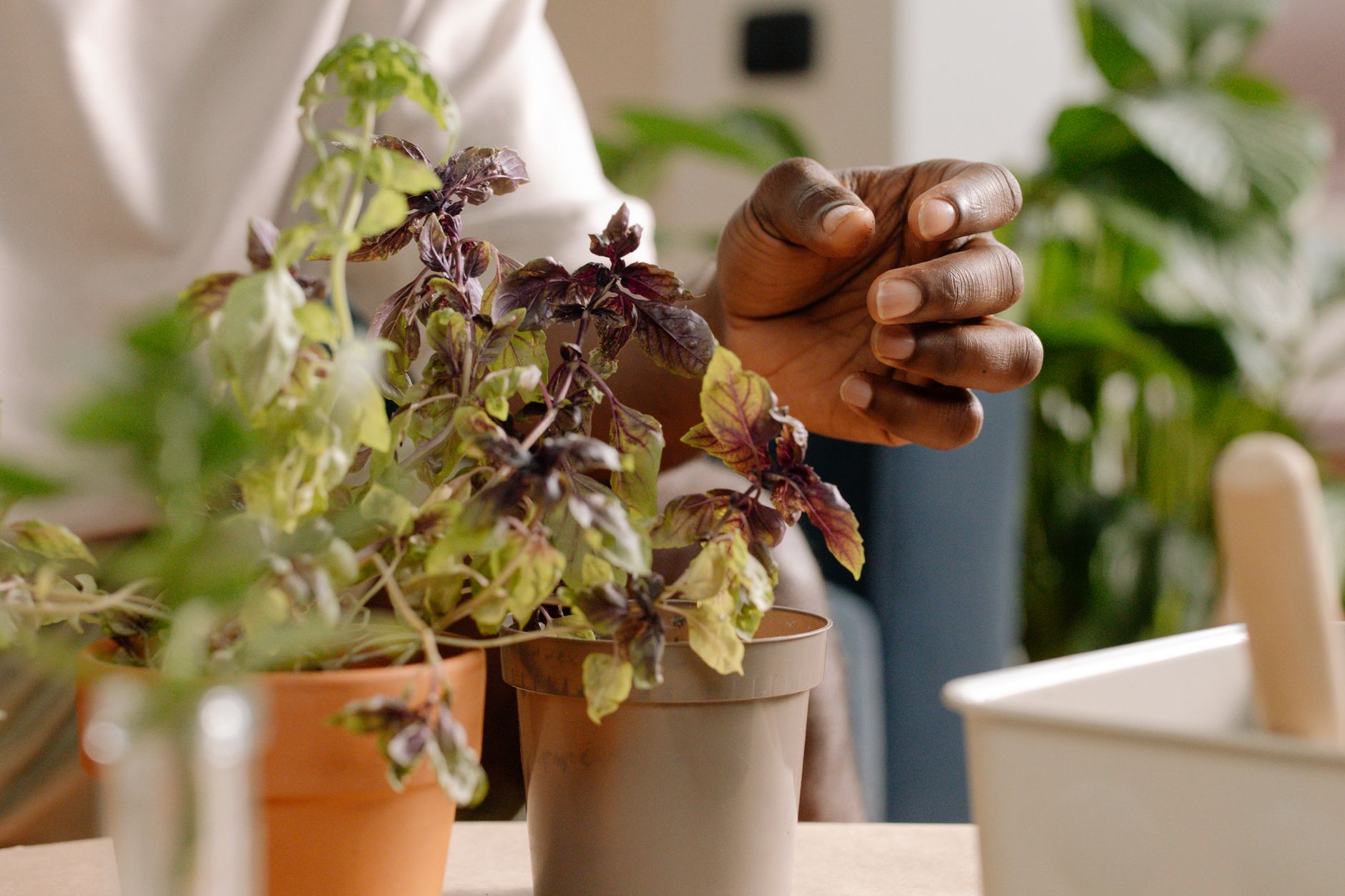
- Basil: This is the one I'm most vigilant with. As soon as my basil seedlings have developed two sets of true leaves (the second set after the initial round ones), I start pinching. I look for the central growing stem and pinch it back just above a leaf node where two smaller leaves are emerging. This forces those side shoots to grow, making the plant branch out. After that, every time a stem has grown two more sets of leaves, I pinch it back again, always above a node. Crucially, if you see any flower buds forming – those tiny little clusters at the top of the stems – pinch them off immediately! This is your plant's signal it's ready to bolt, and removing them can buy you weeks of extra leafy growth. I usually harvest my basil every 7-10 days this way during the peak season.
- Cilantro (Coriander): Cilantro is a tricky one here in the UK; it loves to bolt, especially if it gets too warm or stressed. Instead of pinching the central stem, I focus on harvesting the outer leaves and stems from the base of the plant. I use sharp snips and take about a third of the plant's foliage at a time, leaving the inner, younger leaves to continue growing. This encourages the plant to produce more leaves rather than focusing on its seed stalk. I've found 'Calypso' to be a particularly good slow-bolting variety for my UK garden, but even with that, consistent harvesting is key.
- Parsley: Whether it's flat-leaf 'Italian Giant' or curly 'Moss Curled', parsley is generally more forgiving than basil or cilantro. For parsley, I always harvest the outer, mature stems right at their base. This allows the younger, inner leaves to mature. I never just snip the tips of leaves; that leaves ugly, cut edges and doesn't encourage new growth from the crown. By taking the whole stem, you're telling the plant to push out more new growth from its centre. I usually give my parsley a good haircut every couple of weeks, ensuring I don't remove more than half the plant's foliage at any one time.
My big takeaway? Regular, strategic pinching isn't just about getting a harvest today; it's about training your plants for a continuous supply. Don't be afraid to snip!
| Herb | Pinching Technique | Frequency (UK Peak Season) | Why it Works | Randy's Tip |
|---|---|---|---|---|
| Basil | Pinch above a leaf node, removing central stem & any flower buds. | Every 7-10 days | Promotes side branching, delays flowering & bolting. | Don't be shy! Early, aggressive pinching pays off. |
| Cilantro | Harvest outer leaves and stems from the base. Avoid central stalk. | Every 10-14 days | Encourages new leaf production from the crown, delays bolting. | Use slow-bolting varieties and keep them cool. |
| Parsley | Snip outer, mature stems at their base. | Every 14-20 days | Stimulates new growth from the centre, maintains plant vigour. | Harvest entire stems, not just leaf tips. |
Beat the Heat: Root Cooling Strategies for Delaying Bolting in Potted Herbs
Here in the UK, we might not have scorching summers every year, but when a heatwave does hit, especially in my greenhouse, my potted herbs are the first to suffer. The biggest culprit for early bolting, particularly with basil and cilantro, isn't just hot air, but hot roots. A pot sitting in direct sun on a patio can heat up incredibly quickly, stressing the plant and signalling it's time to reproduce (i.e., bolt and go to seed) before it's given you many leaves. I learned this the hard way one particularly hot July in my Midlands garden when my entire basil crop in terracotta pots bolted within days despite regular watering. It was a real gut punch!
Since then, I've become obsessed with keeping my herb roots cool, and it's made a monumental difference to my tender leaf harvests. These strategies are particularly important for pots in sunny spots or in a greenhouse, where temperatures can climb quickly even on a moderately warm British day.
Here are a few root cooling tricks I use:
- Choose the Right Pot Material and Colour: Dark plastic pots absorb and retain heat like mad. I prefer terracotta pots for my herbs as they are porous and allow some evaporative cooling, which helps keep the soil temperature down. However, terracotta can dry out faster, so it's a trade-off. If I use plastic, I always opt for lighter colours like white or pale grey, which reflect more sunlight.
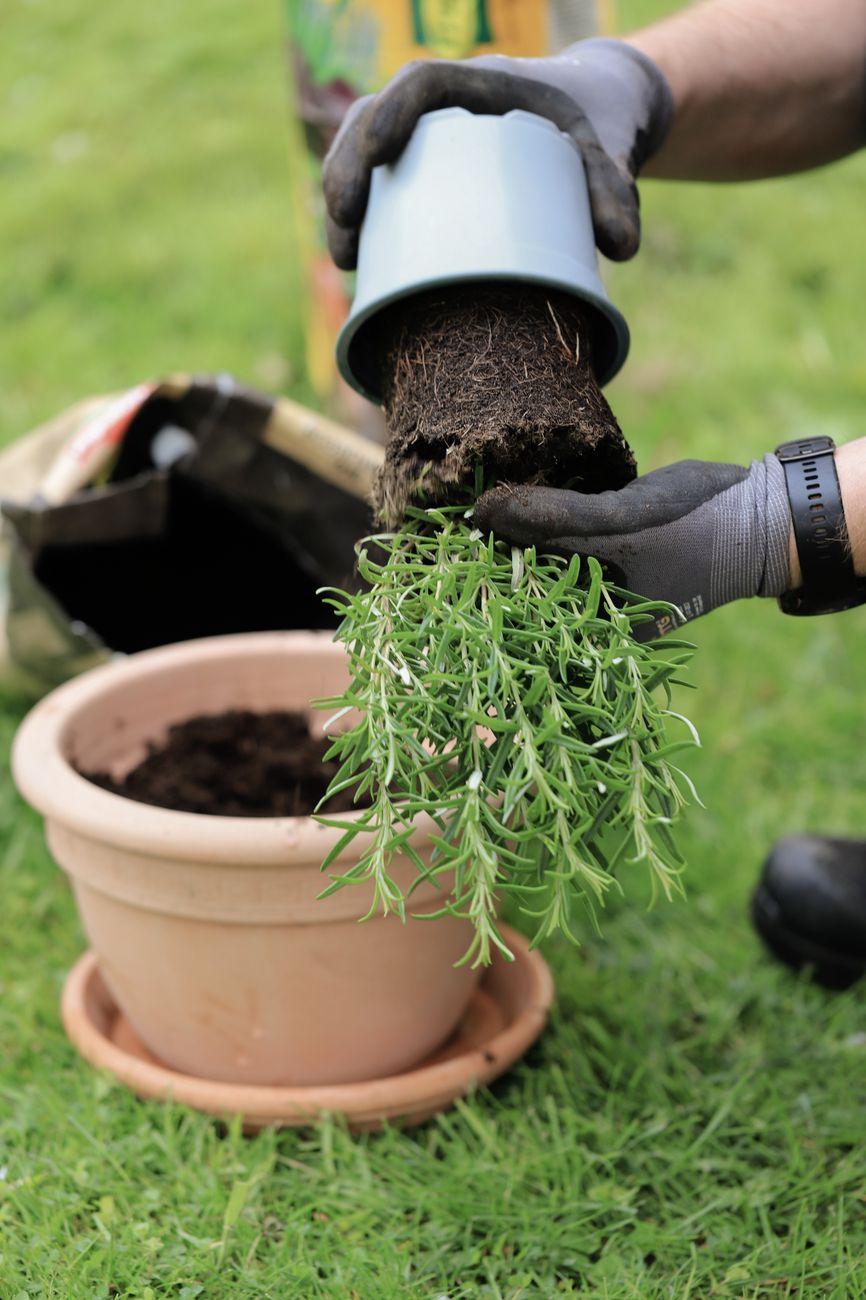
- The Pot-in-Pot Method: This is one of my favourites for plants I want to keep in prime locations. I simply plant my herb in a smaller pot, then place that smaller pot inside a larger, decorative pot. The air gap between the two pots acts as insulation, helping to keep the inner pot's soil temperature more stable. For my basil in the greenhouse, I often bury the inner pot directly into a larger raised bed, effectively insulating it with the surrounding soil.
- Mulching the Top: A good layer of mulch on top of the soil surface in the pot helps tremendously. It shades the soil from direct sun and reduces evaporation, keeping the soil cooler and moister. I often use a thin layer of grit or small decorative stones in my pots. It looks neat and does the job. Just make sure the mulch isn't piled right up against the plant stem.
- Strategic Shading: If a heatwave is forecast, I'll move my potted herbs into a shadier spot during the hottest part of the day. For those in fixed positions (like larger planters), I'll rig up some temporary shade. This could be as simple as placing a larger plant next to it, or for my greenhouse herbs, I've installed a retractable shade cloth that I can pull over during peak sun hours.
- Consistent Watering: While not directly a "cooling" method, inconsistent watering causes stress, which can lead to bolting. Aim for consistent moisture, but never waterlog your pots. I check my pots daily during warm spells and water thoroughly until water drains from the bottom. Early morning watering is best, so the plants have access to water before the day heats up.
By combining these methods, I've managed to extend the harvest period of my heat-sensitive herbs significantly. It’s all about creating a microclimate that tells the plant, "Don't worry, it's not too hot; keep growing those lovely leaves!"
Fueling the Flora: Optimal Nutrient Cycling for Non-Stop Herb Harvests
Think about it: when you're constantly snipping leaves off your herbs, you're asking them to put out continuous new growth. And just like us, plants need fuel to do that! One of the biggest mistakes I made when I first started was assuming herbs were low-maintenance and didn't need much feeding. Boy, was I wrong! My potted herbs would start strong in their fresh compost, but after a few weeks of diligent pinching and harvesting, their growth would slow, leaves would yellow slightly, and overall vigour would decline. They were literally running on empty.
I quickly realised that for non-stop tender leaf production, I needed a consistent and balanced nutrient cycling strategy. It’s not about overfeeding, but about providing a steady supply of what they need, especially nitrogen for leafy growth. Here in the UK, with our often-rainy climate, nutrients can leach out of pots quite quickly, making regular feeding even more important.
My feeding regimen usually starts with a good quality, peat-free multi-purpose compost mixed with a bit of slow-release organic fertiliser granules at potting time. This gives the plants a gentle start. After about 3-4 weeks, once they're actively growing and I've started harvesting, I switch to liquid feeding.
Here’s my approach to keeping my herbs well-fed:
- Basil: Basil is a surprisingly hungry plant. I feed my potted basil every 10-14 days with a diluted liquid feed. I've found a general-purpose liquid seaweed extract like 'Maxicrop Original Seaweed Extract' works wonders, as it provides a gentle boost of micronutrients and helps with overall plant health. Sometimes, if I'm pushing for maximum leaf production, I'll use a half-strength tomato feed (like 'Tomorite') which has a good N-P-K balance for leafy growth, despite its name. The key is dilution – half the recommended strength is often perfect for herbs.
- Cilantro: Cilantro is a bit less demanding than basil but still benefits from regular feeding, especially if you're harvesting frequently. I feed my cilantro every 2-3 weeks with a similar diluted liquid seaweed feed. Overfeeding cilantro, particularly with high-nitrogen fertilisers, can sometimes make it bolt faster, so a gentler approach is best. I always ensure the soil is moist before feeding to prevent root burn.
- Parsley: Parsley is another vigorous grower that appreciates consistent feeding. I treat it similarly to basil, feeding every 10-14 days with a diluted general-purpose liquid feed or a seaweed extract. I pay close attention to the colour of the leaves; if they start looking a bit pale or yellowish, it's a clear sign they need a nutrient boost.
Remember, the goal isn't to force explosive growth with huge doses of fertiliser, but to provide a consistent, gentle supply that supports ongoing leaf production. Too much of a good thing can lead to burnt roots or lush, but weak, growth. By tuning into your plants and observing their growth, you'll soon get a feel for their feeding needs.
| Herb | Feeding Frequency (UK Peak Season) | Recommended Feed Type | Randy's Tip |
|---|---|---|---|
| Basil | Every 10-14 days | Diluted liquid seaweed extract or half-strength tomato feed. | Watch for pale leaves; they're telling you they're hungry! |
| Cilantro | Every 2-3 weeks | Diluted liquid seaweed extract. | Go easy; overfeeding can stress and encourage bolting. |
| Parsley | Every 10-14 days | Diluted liquid seaweed extract or general-purpose liquid feed. | Consistent feeding maintains deep green foliage and vigour. |
Tailored Care: Maximising Basil, Cilantro, and Parsley Individually
While the core principles of strategic pinching, root cooling, and nutrient cycling apply across the board, I've learned that each herb has its own little quirks, especially here in the UK. After years of experimenting in my 800 sq ft Midlands garden, I’ve found that a bit of tailored care can really make the difference between a decent harvest and an absolute bounty.
Basil: The Warmth Lover
Basil, with its incredible aroma, is probably the most rewarding to grow, but it’s also the most sensitive to our often-fickle British weather. I mainly grow 'Genovese' and 'Sweet Basil' in pots, and they absolutely thrive in my greenhouse, but I also keep some by the back door for easy access.
My Basil Wisdom:
- Pinching: This is crucial for basil. I always snip just above a leaf node, ensuring I leave at least two sets of leaves below the cut. This encourages bushy growth, not just one tall stem. If you see flower buds forming, pinch them off immediately!
- Warmth & Sun: Basil loves sun, but not scorching sun directly on its roots. In a UK summer heatwave (we do get them, sometimes!), I might move pots to a spot that gets morning sun and afternoon shade, or use a straw mulch. I remember one year, I left my basil pots out during a surprisingly chilly late May night here in the Midlands, and they just sulked for a week. Lesson learned: protect them from unexpected dips below 10°C.
- Watering: Basil is thirsty. I check my basil pots daily, sometimes twice on really warm days, making sure the soil is consistently moist but never waterlogged.
Cilantro (Coriander): The Bolting Bandit
Oh, cilantro! This one used to be my nemesis. It’s so quick to bolt (go to seed) here in the UK, especially when the weather warms up. But I’ve finally cracked it, largely thanks to successive sowing and some serious root cooling. My go-to variety for leaf production is 'Santo' as it seems a little more resilient.
My Cilantro Wisdom:
- Pinching: I focus on harvesting the outer leaves and stems, leaving the central growing point intact. Don't be too aggressive with the pinching; cilantro doesn't bounce back quite as quickly as basil.
- Successive Sowing: This is my real secret weapon. I sow a small pot of cilantro seeds every 2-3 weeks from early spring right through to late summer. That way, as one batch starts to bolt, I’ve got another coming along.
- Cool Roots & Partial Shade: Cilantro hates heat, both air and root temperature. I always ensure my cilantro pots are well-cooled as discussed earlier – burying them in the ground, wrapping them, or placing them in a larger pot. In my UK garden, I've found that a spot with morning sun and afternoon shade significantly delays bolting, particularly during our warmer spells.
- Watering: Keep the soil consistently moist. Any dry spells will send it straight to seed.
Parsley: The Patient Performer
Parsley, whether it’s the flat-leaf 'Gigante d'Italia' or a curly variety, is a fantastic, dependable herb. It might be slow to get going, but once it does, it keeps on giving.
My Parsley Wisdom:
- Pinching: Harvest the outer stalks first, snipping them close to the base. This encourages new growth from the centre. Don't strip the plant bare; always leave a good amount of foliage to photosynthesise.
- Germination Trick: Parsley is a slow starter, isn't it? I used to get so impatient. Now I always pre-soak the seeds overnight or give them that hot water trick – pour a kettle of hot (not boiling) water over the seeds in a sieve, then sow immediately. It really helps speed things up in our often-cooler UK spring soil.
- Light & Location: Parsley is more tolerant of partial shade than basil, making it perfect for those slightly less sunny spots in my Midlands garden. It still appreciates some sun, especially in the morning.
- Nutrient Needs: Parsley is a heavier feeder than you might think. Regular, diluted feeds keep it producing those lush, green leaves.
Here’s a quick comparison table I use as a mental checklist in my UK garden:
| Herb | UK Growing Focus | Pinching Strategy | Common UK Challenge | Randy's UK Tip |
|---|---|---|---|---|
| Basil | Warmth, Sun, Consistent Moisture | Above leaf node, remove flowers | Cold snaps, sudden heat | Protect from temps below 10°C. Use greenhouse or cloche for early starts. |
| Cilantro | Cool roots, Consistent Moisture, Partial Shade | Outer leaves, leave central growth | Rapid bolting in warmth | Successive sow every 2-3 weeks. Afternoon shade is key in summer. |
| Parsley | Patient Germination, Consistent Moisture, Nutrients | Outer stalks at base, leave central | Slow to start, can get leggy | Pre-soak seeds, provide adequate light, regular feeding. |

Troubleshooting Your Herb Garden: Common Issues and Quick Fixes for UK Growers
Even with the best intentions and all my years of experience in my 800 sq ft UK garden, things don't always go perfectly. Our British weather loves to throw a spanner in the works, and sometimes plants just decide to be difficult. Here are some common issues I've faced and my go-to fixes.
Bolting (Going to Seed)
This is probably the most common complaint, especially with cilantro and basil in warmer UK weather.
- Why it happens: Stress, heat, age, inconsistent watering, or sometimes just genetics.
- Randy's Fix: For cilantro, if it’s starting to bolt, harvest what you can and then pull it up and sow a fresh batch. You can let it go to seed if you want coriander seeds, but the leaves will become bitter. For basil, if you catch the flower buds early, pinch them off to encourage more leaf growth. If it's gone full bolt, harvest the remaining good leaves quickly. I've definitely had my share of basil going to flower overnight here in the UK when we get a sudden heatwave. It’s frustrating, but not the end of the world – just a sign to sow more!
Yellowing Leaves
- Why it happens: This is often a sign of either too much or too little water, or a nutrient deficiency.
- Randy's Fix: First, check the soil moisture. Is it soaking wet for days? That's likely overwatering. Let it dry out a bit, ensure good drainage. If it’s bone dry, you're underwatering. If watering seems fine, it might be hungry. Give it a diluted liquid feed. One spring, my parsley started looking really pale. I assumed it was hungry, but turns out I'd been a bit too enthusiastic with the watering can after a spell of rain!
Leggy, Stretched Growth
- Why it happens: Not enough light. The plant is desperately reaching for a light source. This is common if you're trying to grow herbs indoors in a dimly lit UK home.
- Randy's Fix: Move the pot to a brighter location. If growing indoors, consider a grow light. You can sometimes pinch back the leggy growth to encourage bushier habits, but it's always better to prevent it with adequate light from the start. When I first started, my indoor basil was always so spindly. I quickly learned that even our UK sun isn't always enough through a window sometimes.
Pests (Aphids, Whitefly)
- Why it happens: They just appear! Especially in a greenhouse or sheltered spots.
- Randy's Fix: Aphids are a pain, especially on basil in the greenhouse. I always keep a spray bottle of diluted horticultural soap (just a few drops of washing-up liquid in water, though proper horticultural soap is better) handy. Spray the affected areas, top and bottom of leaves. Repeat every few days until they're gone. For whitefly, yellow sticky traps can help, but regular spraying is key. My experience in the Midlands is that early detection is everything!
Fungal Issues (e.g., Basil Downy Mildew)
- Why it happens: High humidity, poor air circulation, and wet leaves, especially in our damp UK climate.
- Randy's Fix: Basil downy mildew is a real problem sometimes, especially after a run of damp, humid weather here in the Midlands. Always try to water the soil directly, not the leaves. Ensure good air circulation around your pots – don’t cram them too close together. If you spot it (yellow patches on top, grey fuzzy mould underneath), remove affected leaves immediately and improve conditions. Sometimes, sadly, a severely affected plant might need to be sacrificed to protect others.
Your Year-Round Herb Garden Awaits: Enjoying Fresh Flavours
So there you have it, my fellow UK gardeners! We've journeyed through the ins and outs of strategic pinching, the genius of root cooling, and the magic of nutrient cycling, all specifically tailored for getting the absolute most out of your potted basil, cilantro, and parsley here in our wonderful, if sometimes challenging, British climate.
From my own 5+ years of intensive experience in my 800 sq ft Midlands garden, I can tell you that these techniques aren't just theory; they're the tried-and-tested methods that have transformed my herb harvests from fleeting treats into continuous bounties. I’ve made my mistakes – trust me, I’ve killed more basil with a surprise cold snap than I care to admit – but I’ve learned from every single one, and that’s what gardening is all about.
There’s nothing quite like stepping out into my garden, even on a grey UK day, and snipping fresh, tender leaves for dinner. The flavour of home-grown herbs simply can't be beaten, and the satisfaction of harvesting something you've nurtured from a tiny seed is truly immense.
Remember, gardening is an ongoing experiment. Don’t be afraid to try these techniques, tweak them to suit your specific garden conditions, and most importantly, enjoy the process. Our UK climate presents unique challenges, but it also offers unique rewards. With a little care and attention, you can keep those fresh flavours coming all season long, and even extend your harvest indoors when the chill truly sets in.
I'd love to hear about your own experiences! What works for you here in Britain? Share your successes and your lessons learned in the comments below. Happy growing, and may your pots overflow with fragrant, delicious herbs!