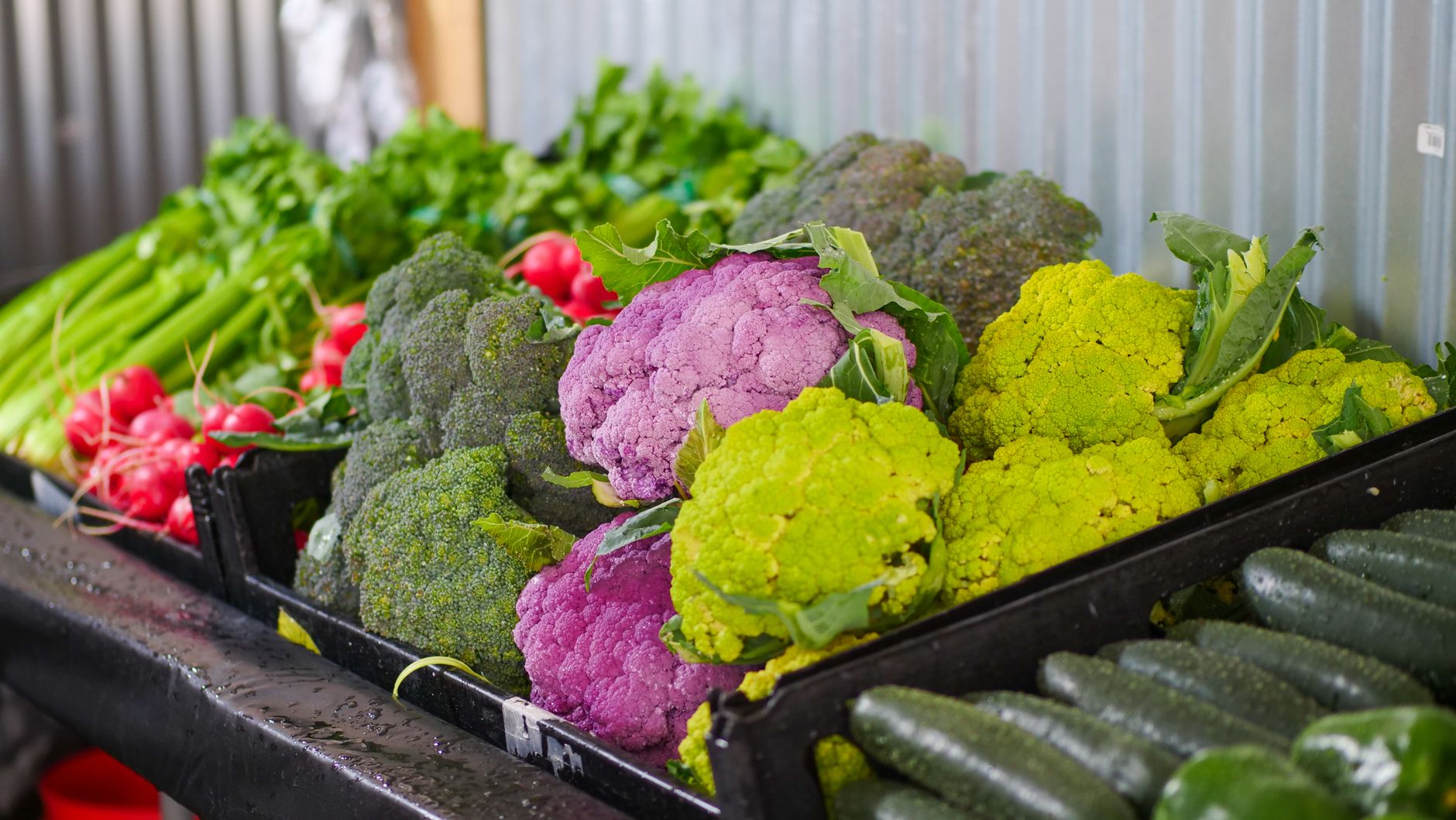
Unlock More Harvests: The Secret to Abundant Broccoli & Cauliflower Side Shoots
If you're anything like I was when I first started digging into gardening five years ago here in the UK, you probably thought broccoli and cauliflower were a one-and-done deal. You grow that beautiful main head, you harvest it, and then... that's your lot, right? Well, let me tell you, that mindset was one of my biggest early mistakes, and correcting it has utterly transformed my brassica harvests here in my 800 sq ft Midlands garden.
I remember my first successful broccoli head – a 'Calabrese' variety, perfectly formed despite our notoriously unpredictable British weather that year. I chopped it off, feeling mighty pleased with myself, and promptly pulled the plant out to make space. What a waste! It wasn't until I started reading more, experimenting in my raised beds, and chatting with seasoned local growers that I stumbled upon the absolute game-changer: the power of side shoots.
Now, my broccoli and cauliflower plants don't just give me one glorious harvest; they keep on giving, often for weeks, sometimes even months, well into the autumn, thanks to a bit of strategic cutting and ongoing care. It's like finding extra pockets in a coat you already loved! This isn't just about getting a few more florets; it’s about doubling, even tripling, your yield from the same plant, maximizing every inch of your precious growing space. And believe me, in a packed backyard like mine, every inch counts! I've learned this through plenty of trial and error, a few outright failures (our slug population here in the Midlands is legendary!), and a whole lot of joyful success. I'm going to share exactly how I do it in my UK garden, so you can enjoy that continuous bounty too.
Understanding Your Plants: The Growth Cycle Explained for Continuous Yields
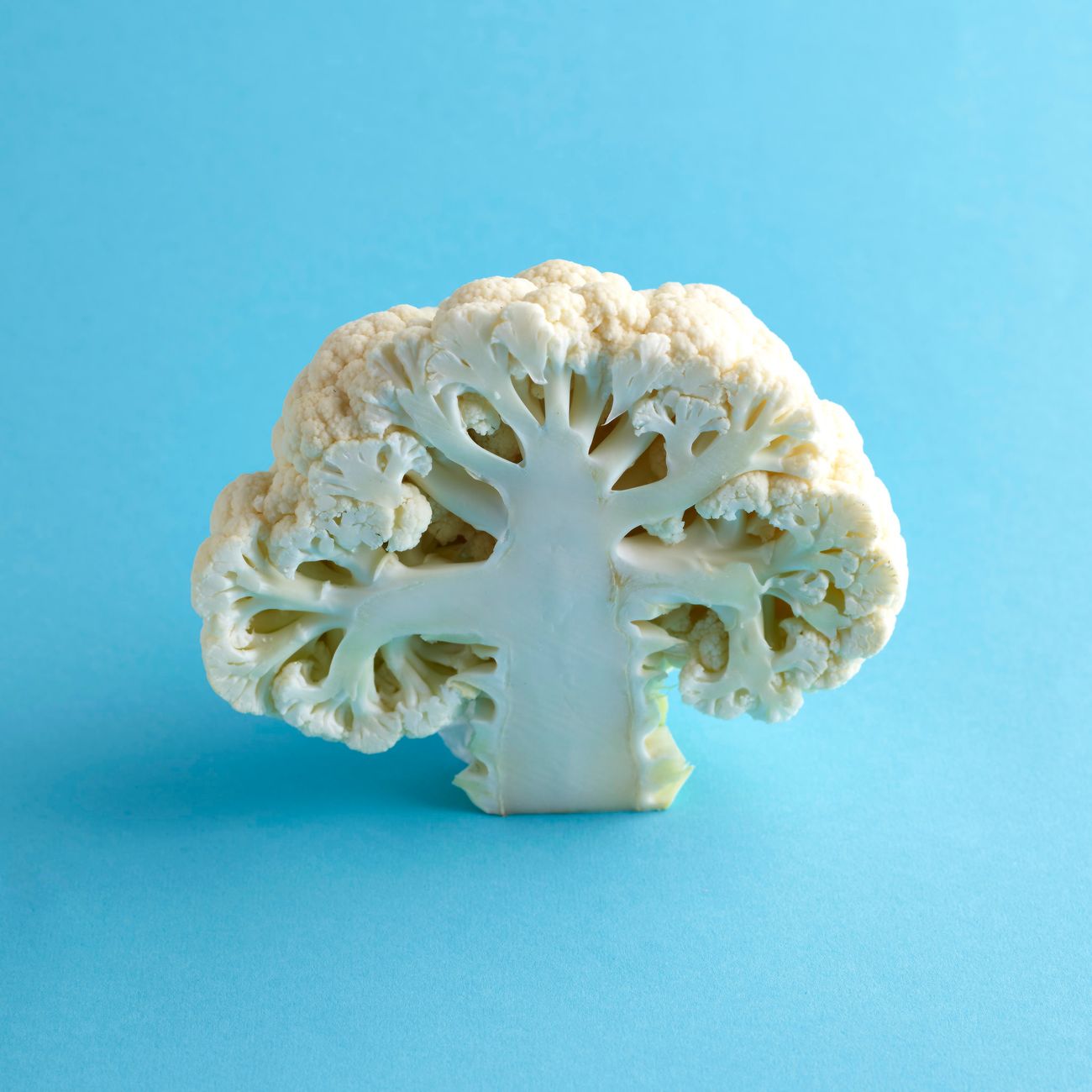
To truly unlock the potential for those glorious side shoots, we need to understand a bit about what makes our broccoli and cauliflower plants tick. Think of them as incredibly determined food factories. Their primary goal, from a biological perspective, is to produce seeds to ensure the next generation. That big, beautiful main head you're so proud of? That's actually a cluster of flower buds, just waiting to burst open and form seeds.
When you allow the plant to form its main head, it's putting all its energy into that one big reproductive effort. But here's the brilliant bit: these plants also have what are called 'axillary buds' or 'lateral buds' nestled in the leaf axils – the points where the leaves join the main stem. These buds are essentially backup plans, waiting for their moment to shine.
In my UK garden, especially with varieties like 'Romanesco' cauliflower or classic 'Calabrese' broccoli, I've observed this incredible resilience firsthand. Once you remove that dominant main head, you're essentially telling the plant, "Right, plan A is gone! Time for Plan B!" This signals the axillary buds to activate, diverting the plant's energy into developing smaller, but equally delicious, side shoots. It’s a survival mechanism that we, as savvy gardeners, can cleverly exploit for continuous harvests. This is particularly effective with our variable British climate, as it allows us to spread our harvest risk – if an early main head gets hit by a late frost or a particularly nasty bout of brassica pests, we still have those side shoots to look forward to!
The Critical First Cut: Encouraging Side Shoot Explosion
This is arguably the most crucial step in the entire process, and it's where many, including my past self, get it wrong. For years, I'd either cut the head too high, leaving too little stem, or too low, removing too many potential side shoot sites. After much trial and error in my Midlands garden, experimenting with various broccoli and cauliflower varieties like 'Purple Sprouting' and 'All Year Round' cauliflower, I've honed the technique that works best for maximizing side shoot production in our UK growing season.
The timing is paramount. You want to harvest the main head when it's firm, compact, and before the individual florets start to loosen or show any sign of yellowing (which means it's about to flower). For cauliflower, this means before the curds start to 'rice' or separate.
Now, for the cut itself: I always aim to cut about 4-6 inches (roughly 10-15 cm) below the main head. This is absolutely key. Why this specific length? Because it leaves several healthy leaves attached to the main stem, and critically, it ensures that at least 3-5 axillary buds are left intact in the leaf axils. These are the very buds that will develop into your next wave of delicious side shoots. If you cut too high, you might only leave one or two buds, limiting your potential. Cut too low, and you risk removing too many leaves that are essential for photosynthesis, weakening the plant's ability to produce new growth.
I've experimented, believe me. One season, trying to be too neat, I cut a 'Green Sprouting' broccoli head just an inch below the floret. The result? A few very weak, tiny side shoots that barely amounted to anything. The next year, I left a longer stem, and the difference was astounding – robust, plentiful shoots appearing within a couple of weeks. What works best for our UK growing season is giving that plant enough green matter to keep photosynthesizing vigorously while signaling it to produce more.
Here’s a detailed comparison of common cutting approaches I've tried:
| Cutting Method | Description | Pros for UK Gardening | Cons for UK Gardening | Randy's Recommendation & Why |
|---|---|---|---|---|
| --- | --- | --- | --- | --- |
| Immediate Cut (1-2 inches below head) | You slice the main head off, leaving a very short stub behind, often leaving only a few dormant leaf nodes. |
Strategic Harvesting: Maximising Your Side Shoot Yields
Right, so you've done the critical first cut, you've kept your plants happy and healthy, and now you're seeing those glorious side shoots emerging. This is where the real fun begins – the continuous harvest! Knowing when and how to pick these little treasures is key to keeping the plant productive and ensuring you get the best flavour and texture. I've learned through quite a few seasons here in my Midlands garden that timing is everything, especially with our often-unpredictable British weather.
My general rule of thumb is to harvest side shoots when they're firm and well-formed, but before the tiny flower buds start to show yellow. Once those flowers open, the flavour can turn a bit bitter, and the texture gets tougher. For broccoli, this usually means shoots around 4-6 inches long. For cauliflower, the side curds are much smaller, often just 2-3 inches across. They'll be like miniature versions of the main head, but don't underestimate them – they're absolutely delicious!
I always use a sharp knife or secateurs for a clean cut, leaving about an inch of stem on the plant. This prevents tearing and minimises the risk of disease getting in. I've heard some people advocate snapping them off, but I find a clean cut is less stressful for the plant and encourages more uniform regrowth. Plus, it's just neater.
Now, you might be wondering, what's the optimal size to aim for? It depends a bit on what you want to achieve. Do you want the absolute best flavour for tonight's dinner, or are you trying to maximise the sheer volume for freezing? Here's a little comparison table based on my own trials and errors in my 800 sq ft patch:
| Harvesting Goal | Side Shoot Size (Broccoli) | Side Shoot Size (Cauliflower) | Randy's Notes (from my UK Garden) |
|---|---|---|---|
| Best Flavour & Tenderness | 4-6 inches (10-15 cm) | 2-3 inches (5-7 cm) | My absolute favourite for stir-fries and steaming. Quick harvest encourages more. 'Calabrese Sprouting' is a winner here. |
| Maximum Quantity | Up to 8-10 inches (20-25 cm) | Up to 4-5 inches (10-12 cm) | Good for freezing or if you're feeding a crowd. Can get a little tougher if left too long, especially in a hot spell here in the UK. |
| Before Frost/Bad Weather | Any usable size | Any usable size | Crucial here in the Midlands! I learned the hard way with an early October nip wiping out a promising batch. Harvest what you can! |
| Encouraging More Shoots | Just before flower buds open | Just before curds start to loosen | Prompt removal seems to signal the plant to divert energy into producing more new growth. Be ruthless but kind! |
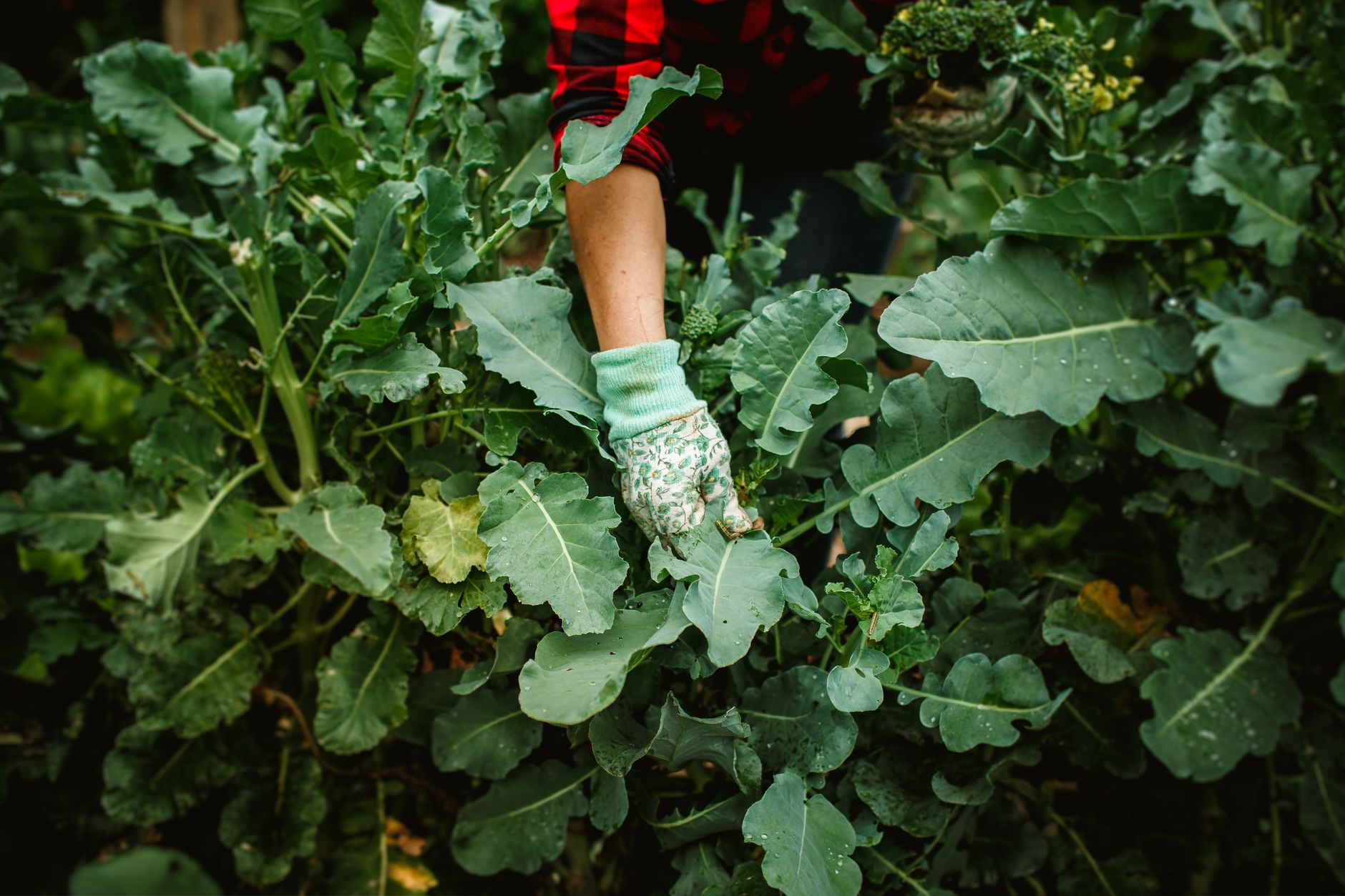
I usually do a quick check of my brassica beds every other day during peak season. It's amazing how quickly those side shoots can mature, especially if we get a nice warm, sunny spell after a bit of rain. Regular harvesting isn't just about getting food; it's a critical part of the plant's care. By removing the ready shoots, you're telling the plant, "Hey, keep producing! We need more!"
Common Challenges & Solutions for UK Gardeners
Now, I wouldn't be a proper UK gardener if I didn't talk about the challenges, would I? Growing anything in Britain means contending with our unique blend of weather, pests, and diseases. I've certainly had my share of setbacks over the past five years, and my broccoli and cauliflower have faced them all!
Pests: The Usual Suspects
- Cabbage White Butterflies: These are the bane of my brassica existence! Their caterpillars can decimate a plant in days. Last year, they were an absolute nightmare, even with my best efforts.
- My Solution: Fine mesh netting (Enviromesh or similar) is your best friend. Get it over your plants as soon as they go in the ground and keep it secure. I also practise regular inspection – daily if I can – picking off any caterpillars or eggs by hand.
- Slugs and Snails: Ah, the classic British garden menace. They love tender young brassica leaves.
- My Solution: I use a combination of methods: beer traps, copper tape around raised beds, and regular evening patrols with a head torch, especially after rain. I've also found a rough grit or crushed eggshell barrier around new plants can deter them.
- Aphids: Tiny green or black sap-suckers that can weaken plants and spread disease.
- My Solution: A strong jet of water can dislodge them. For heavier infestations, I use an organic insecticidal soap spray. Encourage beneficial insects like ladybirds by planting companion flowers like marigolds and calendula nearby.
Diseases: Keeping Them Healthy
- Clubroot: This is a nasty fungal disease that can devastate brassicas, especially in acidic soils. I learned this the hard way when it nearly wiped out my entire brassica patch one season before I got serious about rotation and soil pH.
- My Solution: The absolute best defence is crop rotation. Never plant brassicas in the same spot for at least three years. Maintain a soil pH of 7.0 or slightly higher by adding lime if your soil is acidic (get a soil test!). I also grow some resistant varieties like 'Clapton F1' where I suspect issues.
- Downy Mildew: Appears as fuzzy grey or purple patches on leaves, often in damp, humid conditions.
- My Solution: Good air circulation is key. Don't overcrowd plants. Water at the base of the plant, not over the leaves, especially in the evening. Remove and destroy affected leaves immediately.
Weather Woes (Very British Problems!)
- Sudden Cold Snaps/Frost: Our unpredictable springs and autumns here in the UK can bring unexpected frosts, damaging tender new growth.
- My Solution: Keep fleece or cloches handy. If a frost is forecast, I'll cover my plants overnight. For early spring plantings, starting them under cover in my greenhouse gives them a head start.
- Heavy Rain/Waterlogging: Prolonged wet periods can lead to root rot and fungal issues. I remember one summer here in the Midlands when we had a ridiculously wet July.
- My Solution: Ensure excellent drainage. Raised beds are a lifesaver for this. Incorporate plenty of organic matter into your soil to improve structure. Avoid overwatering.
- Heatwaves/Drought: While less common than rain, we do get dry spells. Broccoli and cauliflower don't like to dry out.
- My Solution: Consistent watering is vital, especially when side shoots are forming. Mulch around plants with compost or straw to retain soil moisture and keep roots cool.
Extending the Season: Tips for a Longer Harvest
The beauty of side shoots is that they naturally extend your harvest, but with a few extra tricks, you can really push the boundaries and enjoy fresh brassicas for even longer here in the UK. I'm always trying to squeeze an extra week or two out of my season, sometimes even more!
Successional Planting
This is probably the most effective strategy. Instead of planting all your broccoli and cauliflower at once, sow small batches every 3-4 weeks from spring to early summer. For instance, I might sow a tray of 'Calabrese Sprouting' in late March, another in late April, and a final one in late May. This ensures a staggered harvest, meaning you'll have main heads and then side shoots coming in waves, rather than a glut all at once. My greenhouse comes in handy for getting those early starts!
Choosing the Right Varieties
Some varieties are simply better suited for extended harvests or specific times of the year in the UK.
- Broccoli: Look for 'sprouting' varieties like 'Early Purple Sprouting', 'Late Purple Sprouting', or 'White Sprouting'. These are specifically bred to produce an abundance of delicious side shoots over a long period. I find 'Calabrese' types are excellent for main heads and then a good secondary flush of shoots.
- Cauliflower: Varieties like 'Romanesco' or some of the 'Autumn Giant' types can offer decent secondary curds, though generally less prolific than broccoli. I've had some success with 'All Year Round' producing small, usable side curds well into autumn.
Protection from the Elements
- Early Starts: For an early spring crop, starting seeds indoors or in a heated propagator in February/March and then transplanting hardened-off seedlings under cloches or in a polytunnel/greenhouse can give you a head start, often allowing for a harvest in late May/early June.
- Autumn Extension: As the temperatures drop in autumn, you can protect your plants with horticultural fleece or even move smaller plants into a cold frame or unheated greenhouse. This can shield them from early frosts and keep those side shoots coming for several more weeks, sometimes even into early winter here in the Midlands. I've experimented with overwintering some smaller plants under fleece and had surprising success getting a very early spring crop!
Mulching and Feeding
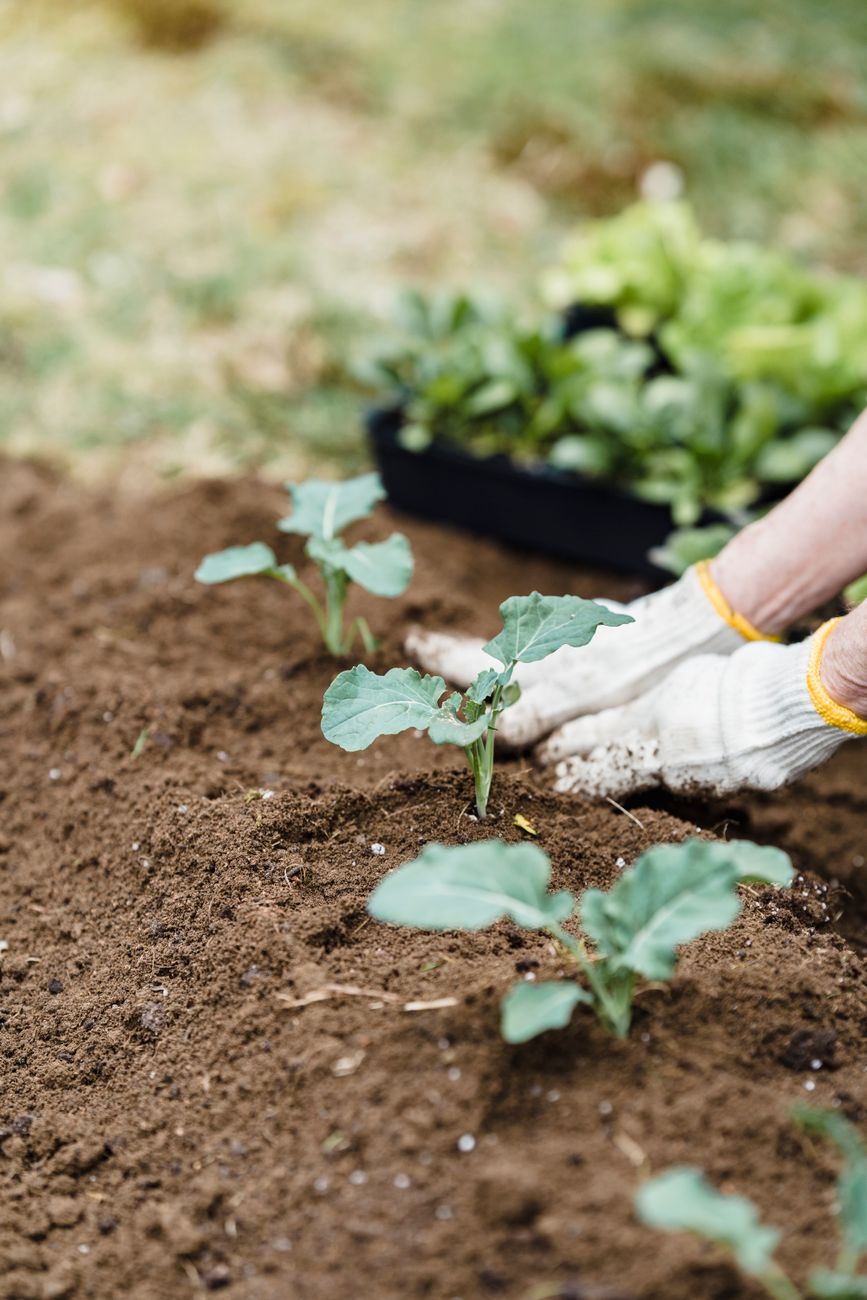
A good layer of organic mulch (compost, straw) around your plants does wonders. It helps regulate soil temperature, suppresses weeds, and crucially, retains moisture. This consistent moisture is vital for continuous growth. Also, don't forget to give your plants a boost with a balanced liquid feed every few weeks, especially after the main head has been cut. They're working hard to produce all those side shoots, and they need the nutrients! I often use a comfrey liquid feed that I brew myself; it's packed with potassium which brassicas love.
Conclusion: Embrace the Abundance!
So there you have it, fellow gardeners! Growing abundant broccoli and cauliflower side shoots isn't some mystical art; it's a wonderfully rewarding practice rooted in understanding your plants, making that critical first cut, and providing consistent care. From my 800 sq ft patch here in the heart of the UK Midlands, I can tell you that the joy of stepping out into the garden and picking a basketful of fresh, tender brassicas, knowing you’ve unlocked so much more from a single plant, is truly unmatched.
I've made my fair share of mistakes over the past five years – forgetting to net against cabbage whites (oh, the horror!), leaving plants to dry out in a sudden heatwave, or just not being brave enough with that initial main cut. But every season teaches me something new about what works best in our quirky British climate. And what I've learned is this: broccoli and cauliflower are incredibly generous plants if you give them a little love and strategic encouragement.
By implementing these strategies – making that decisive first cut, nurturing your plants with consistent water and feed, staying vigilant against pests and diseases, and harvesting those side shoots regularly – you'll transform your harvest from a one-off event into a continuous feast. Imagine having fresh, homegrown broccoli and cauliflower gracing your dinner table for weeks, even months! It's not just about the food; it's about the connection to your garden, the satisfaction of growing your own, and the sheer abundance you can create.
So, go on, give it a go! Be brave with that initial cut. Experiment with varieties. And most importantly, enjoy the process. I promise you, the rewards are absolutely delicious. Happy gardening!
Have you tried these techniques in your UK garden? What are your favourite broccoli or cauliflower varieties for side shoot production? Share your experiences and tips in the comments below – I'd love to hear what works for you!