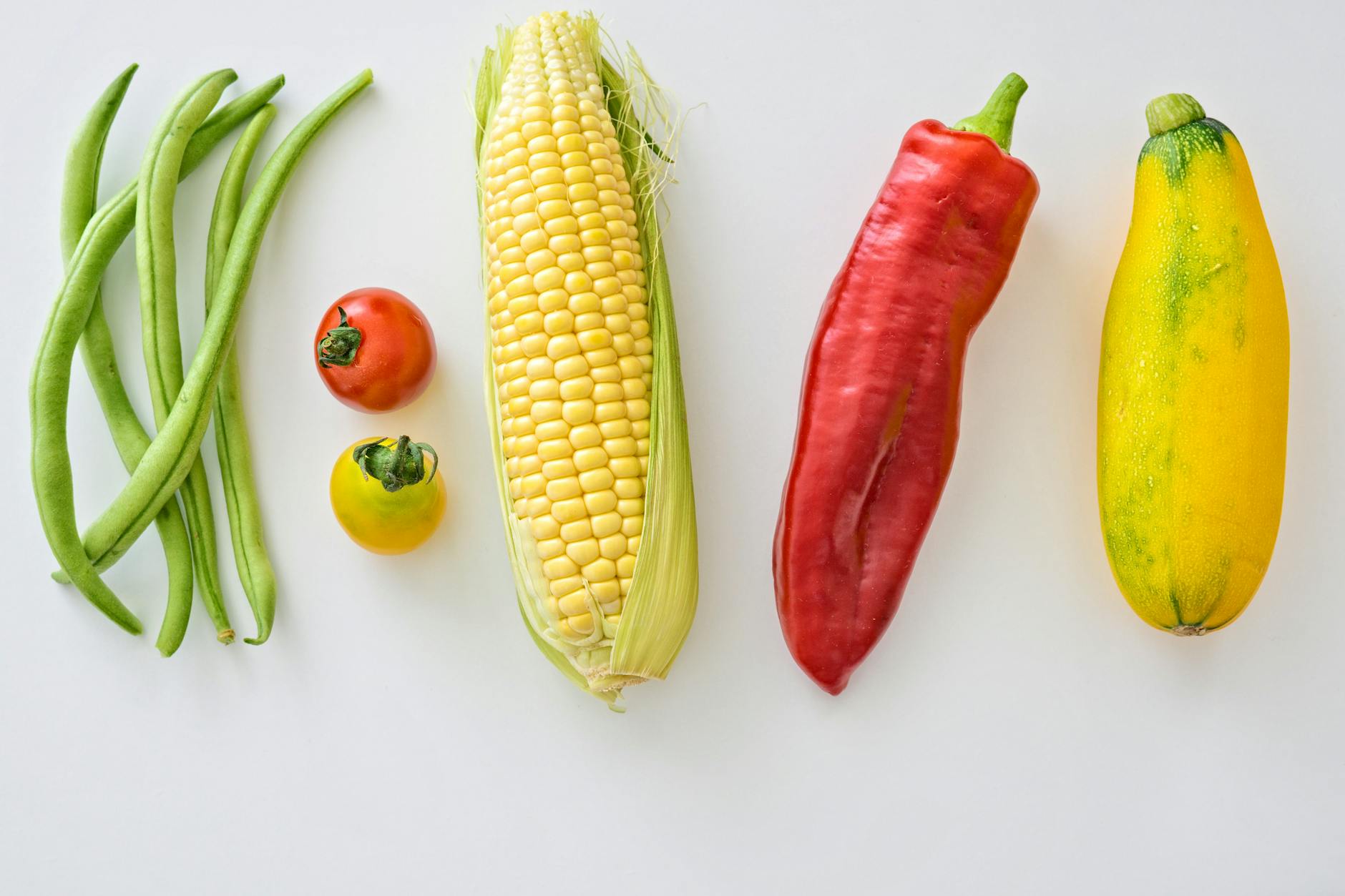
Don't Rip It Out! Getting a Second Harvest from Your Summer Veggies
Right, hands up if you've ever looked at a bush bean plant, picked the last few pods, seen it looking a bit tired, and thought, "That's it then, straight into the compost bin with you!" Go on, admit it – I certainly did for my first couple of years of intensive gardening here in the UK Midlands. It felt like the natural end of the season for that particular plant. But oh, how wrong I was! And what a revelation it was when I finally realised the incredible potential for a second, sometimes even a third, flush of deliciousness from some of our most beloved summer veggies.
Here in Britain, our growing season, while glorious when it's good, can feel a bit short sometimes, can't it? Every sunny day, every productive plant, feels precious. So, wasting potential by prematurely yanking out a perfectly capable plant? That's just not on in my 800 sq ft packed-to-the-gills garden. Over my 5+ years of hands-on experience, experimenting in my raised beds and even in my trusty greenhouse, I've learned that with a bit of savvy post-harvest pruning and a good feed, many of your summer stars are ready and willing to give you another round.
This isn't just about squeezing a few extra leaves out; we're talking about a proper second crop, extending your harvest well into late summer and early autumn. In this article, I'm going to share my tried-and-tested methods – straight from my own UK garden – for getting those bush beans, basil, and even zucchini to burst back into life. I'll even share a few mistakes I made along the way so you don't have to repeat them, especially with our wonderfully unpredictable British weather! Let's maximise those yields, shall we?
The Science of Re-Growth: Understanding Your Plants' Potential for a Second Flush
When I first transitioned from the world of IT into full-time gardening, my analytical brain still loved understanding the 'why' behind everything. It's not enough for me to just know what to do; I want to understand why it works. And getting a second flush from your veggies is a prime example of applying a bit of plant science in a practical, rewarding way here in the garden.
Most of the annual vegetables we grow, even though they complete their life cycle in one year, are programmed for survival and reproduction. When you harvest the main crop, especially something like bush beans or basil, you're essentially removing the plant's primary goal (producing seeds) or its most vigorous growth points. This triggers a response. The plant still has energy reserves stored in its roots and lower stems, and it’s not ready to give up just yet!
What happens next is fascinating: dormant buds, often located in the leaf axils (where the leaf stem meets the main stem), receive the signal to activate. Normally, these might be suppressed by apical dominance – the plant's tendency to prioritise growth from the main, central stem. By pruning, you're breaking that dominance, telling the plant to send energy to these dormant buds. For plants like basil, which are all about lush, leafy growth, this means new side shoots emerge, leading to a bushier plant. For bush beans, it means new flowering stems can develop, leading to more pods. Zucchini, on the other hand, is just an absolute powerhouse of production anyway, and a bit of tidying up encourages it to push out even more flowers.
Of course, this re-growth needs fuel. Just like you'd be ravenous after a big effort, your plants need a good feed to kickstart their second flush. And here in the UK, especially in the Midlands where our summers can be a bit hit-and-miss, ensuring they have enough warmth, sunshine, and consistent moisture is absolutely critical. I've found that a good liquid feed, applied consistently after pruning, makes all the difference. Without it, the plant might try to regrow, but it'll be a weak, half-hearted effort, not the bountiful second flush we're aiming for.

Bush Beans: Precise Pruning for a Prolific Second Crop
Bush beans are a staple in my UK garden. I grow 'Safari' and 'Masterpiece' varieties every single year in my raised beds, and they never disappoint with their first flush. But for a long time, once that initial heavy harvest was done, I’d just let them go to seed or pull them out. A rookie mistake, I now realise! I learned the hard way that our British summer, while capable of producing a great first crop, often leaves us wishing for just a little bit more. That's where the second flush comes in.
Last season, despite a couple of decidedly dodgy weeks of weather here in the Midlands, my 'Safari' beans gave me an incredible second harvest well into September, simply by being ruthless with my secateurs and generous with the feed.
The key to a successful second flush of bush beans isn't just picking the pods; it's about proper pruning. Once your bush bean plants have given you their main flush of pods and are looking a bit spent – perhaps the leaves are yellowing slightly, and new flowers are scarce – don't just pick the remaining pods. Instead, get your sharpest secateurs and prepare to prune. I aim to cut the entire plant back by about one-third to one-half of its original height. The crucial part is to cut just above a leaf node, making sure to leave at least two or three sets of healthy leaves on the lower part of the plant. These remaining leaves are vital for photosynthesis, to power the new growth. If you leave too little, the plant might struggle to recover; if you leave too much, you won't trigger that strong regrowth response.
Immediately after pruning, give them a good drink and a generous feed. For beans, which are legumes and fix nitrogen, I initially give them a balanced organic liquid feed, maybe a liquid seaweed, to encourage overall vigour. Once I start seeing new flower buds forming, I switch to a feed slightly higher in phosphorus to promote flowering and pod set. What works here in Britain is often to pick a slightly earlier maturing variety for your first crop, which then gives you more time for a second flush before the true cold sets in. I usually get my first harvest by late July, giving me a solid month or so for regrowth before temperatures really drop off in October.
| Method | Pros | Cons | Yield (per plant) | Effort | UK Suitability (Midlands) |
|---|---|---|---|---|---|
| Rip Out After First Flush | Clears space quickly for new crops or autumn sowing; straightforward. | Wasted plant potential; shorter harvest season; less overall yield; uses up compost space sooner. | Low (single, concentrated crop) | Low | Poor (misses opportunity to extend short UK season) |
| Prune & Feed for Second Flush | Maximises yield significantly; extends harvest season by several weeks; efficient use of space and resources. | Requires ongoing attention; risk of disease if weather turns very wet; plants may look 'scrappy' for a bit. | High (double, sometimes triple crop) | Moderate | Excellent (capitalises on good late summer/early autumn) |

Basil: Pinching and Feeding for Continuous, Aromatic Harvests
Ah, basil. The quintessential summer herb. Nothing beats the smell of fresh 'Sweet Genovese' basil, especially when it's just come out of my greenhouse. But basil here in the UK can be a bit of a diva, can't it? It absolutely hates cold, wet feet and will bolt to flower at the first sign of stress or if you let it get too mature. I learned this the hard way when a sudden cold snap here in the Midlands last August turned my beautiful outdoor basil patch into a sad, wilting mess overnight. Now, I keep most of my basil babies sheltered, either in the greenhouse or in pots I can whisk indoors.
The secret to continuous, bushy basil, full of those aromatic leaves, isn't about harvesting the whole plant at once. It's about consistent, strategic pinching and feeding. My goal is always to prevent it from flowering, because once basil starts to flower, its energy shifts from producing delicious leaves to making seeds, and the leaves often become smaller and more bitter.
Instead of just plucking individual leaves, I practice regular 'pinching'. When a basil plant has about 6-8 sets of true leaves, I start by pinching off the central growing stem just above a set of healthy leaves. This encourages the plant to branch out from the leaf axils below the cut, creating a much bushier plant. And it's not a one-and-done job! Every week or two, I'll go around my basil plants – both the 'Sweet Genovese' in the greenhouse and the 'Dark Opal' I experiment with in a sheltered spot outside – and pinch back any stems that are getting too leggy or showing signs of forming flower buds. Always pinch above a node, leaving at least one or two sets of leaves on the stem.
Feeding is also paramount for continuous basil harvests. Basil is a hungry plant, especially when you're asking it to keep producing fresh leaves. I give my basil a dose of a balanced organic liquid feed (something like a general purpose seaweed extract) every two weeks throughout the summer. If I notice the leaves looking a bit pale, I'll sometimes opt for a slightly higher nitrogen feed for a cycle or two to green them up. Consistent moisture is also vital; basil hates drying out, especially in pots. What works for me in our often-cooler UK climate is to ensure it has plenty of sun but is protected from any cold winds. If you're growing it outdoors, a terracotta pot near a south-facing wall can work wonders, especially if you can bring it in if the forecast is looking chilly.
| Method | Pros | Cons | Yield (per plant) | Flavour / Quality | UK Suitability (Midlands) |
|---|---|---|---|---|---|
| Harvest Sporadically / Let it Flower | Requires minimal effort; plant grows tall quickly. | Plant 'bolts' (flowers) rapidly; leaves become bitter and sparse; very short harvest window. | Low, short-lived | Often bitter, less aromatic | Poor (especially for outdoor plants, due to rapid bolting) |
| Consistent Pinching & Feeding | Long, continuous harvest of tender, flavourful leaves; very bushy, healthy plants; maximises productivity. | Requires regular attention (weekly/bi-weekly); need to be vigilant for flower buds. | High, extended for many weeks | Sweet, highly aromatic | Excellent (crucial for getting a long harvest in UK conditions) |
5. Zucchini: Strategic Cuts and Nutrient Boosts for Abundant Second Flushes
Ah, zucchini. The plant that goes from a tiny seedling to a monstrous leaf-factory seemingly overnight, then suddenly you're drowning in courgettes! But don't let its initial enthusiasm trick you into thinking it's a one-hit wonder. With a bit of strategic pruning and a good feed, my friends, you can coax a fantastic second (and sometimes even third!) flush from these prolific plants, extending your harvest well into early autumn here in the UK.
I've grown 'Black Beauty' and 'Romanesco' for years in my Midlands garden, and while 'Black Beauty' is a workhorse, 'Romanesco' often gives me the most beautiful, ridged fruits, though it can be a bit more sensitive to our cooler, wetter spells. The key to getting more from them is less about continuous harvesting (which you're probably already doing daily!) and more about plant health and renewal.
Making the Cut: Zucchini Pruning for Renewal
When your zucchini plants start to look a bit tired, perhaps the first fruits are slowing down, or the lower leaves are yellowing and showing signs of powdery mildew (a common sight in our damp British summers, I've found!), it’s time for some aggressive action. Don't be shy!
- Remove Old, Yellowing, or Diseased Leaves: This is crucial. I usually start by taking off any leaves that are touching the soil or showing signs of fungal issues. These are energy sinks and potential disease spreaders. Use sharp, clean secateurs and cut the leaf stem right back to the main stem. Last year, I lost a 'Costata Romanesco' plant early to a sudden mildew outbreak because I was too hesitant with the secateurs. Lesson learned!
- Take Out Non-Productive Stems/Branches: If you have multiple main stems or side shoots that aren't producing flowers or fruit, consider removing them. The plant is putting energy into keeping them alive. Focus its efforts on the productive parts.
- Harvest Everything, Then Prune Harder: Once you’ve done a big harvest and cleared all the existing fruits, go in for a harder prune. I often remove up to a third of the foliage, especially those huge, older leaves that are shading out new growth or flowers. This opens up the plant for better air circulation (reducing mildew risk) and signals to the plant to put out new growth and, crucially, new female flowers.
- Consider Stem Layering (for vine varieties): If you're growing a vining zucchini (like some of the 'Tromboncino' types, though they're less common in smaller UK gardens like mine), you can carefully bury a section of the stem where it meets the ground. New roots will form, giving the plant a boost. I've only done this once with limited success due to a very wet May, but it's an option for the adventurous!
Nutrient Boost for a Zucchini Encore
After such a drastic haircut, your zucchini plant needs a serious pick-me-up. I always follow pruning with a good, balanced liquid feed.
- My Go-To: Here in the Midlands, I swear by a good seaweed extract or a general purpose tomato feed (which is usually higher in potash – potassium – great for flowering and fruiting). I dilute it to the recommended strength, sometimes even a little stronger if the plant looks particularly stressed, and apply it directly to the base of the plant after a good watering.
- Compost Tea: If I've got a batch brewing, a drench of homemade compost tea is fantastic for providing a gentle, microbe-rich boost. I usually make a bucket full with some well-rotted manure or compost and let it steep for a few days, then dilute it to a weak tea colour.
- Timing: I feed immediately after pruning, then again every 10-14 days as new growth and flowers start to appear. This gives the plant the energy it needs to push out that second flush of fruit.
It's all about making the plant think, "Right, time to put on a new burst of growth and set more fruit before the season ends!"
Zucchini Re-Growth Potential: A Quick Comparison
Here's a little table based on my experience with different zucchini types in my 800 sq ft UK garden.
| Zucchini Type | Pruning Notes (Randy's Advice) | Feeding Strategy (Randy's Advice) | Re-growth Potential (UK Climate) | Randy's Midlands Experience to its current form (Randy's perspective) |
|---|---|---|---|---|
| Bush Beans | Pinch out the growing tip to encourage side branching and more flowers. Remove any stems that have already produced all their beans. | Once flowering slows, apply a balanced liquid feed every two weeks. My 'Speedy' bush beans in the greenhouse respond well to a feed with a slightly higher potassium content. |