Introduction: Addressing the Imbalance in Your Mixed Borders
There's nothing quite like the joy of a thriving mixed border, is there? All those different textures, colours, and heights working together in a glorious tapestry. Here in my 800 sq ft Midlands garden, packed to the rafters with raised beds and a little greenhouse, I've spent the last five years trying to cram in every plant I love, from my beloved heirloom tomatoes to hardy British perennials. The dream is always a harmonious display, but let's be honest, sometimes it feels more like a botanical battle royale out there!
I've definitely faced this challenge myself: you carefully plant a delicate perennial, full of hope, only for it to be utterly dwarfed and outcompeted by a neighbouring plant that seems to grow at warp speed. It's frustrating to watch a plant you've nurtured just sit there, looking lacklustre, while its neighbour throws its weight around, hogging all the good stuff. This isn't just about aesthetics; it's a real issue of "resource robbery," where a vigorous, hungry plant is literally stealing the water, nutrients, and even sunlight from its less assertive companion.
I learned this the hard way, making plenty of mistakes in my early days. One season, I had a beautiful 'Strawberry Sensation' Phlox looking utterly miserable next to a rampant 'Goldsturm' Rudbeckia, despite my best efforts. It took me a while, and a fair bit of head-scratching, to truly understand what was going on beneath the soil. But through a lot of experimenting, and yes, a few failures, I've picked up some practical strategies that have helped my underperforming perennials finally get a fighting chance. So, if you've got a plant looking a bit sad next to a greedy neighbour, pull up a chair – we’re going to get it thriving!
Spotting the Signs: Diagnosing Resource Robbery in Your Perennials
Diagnosing resource robbery isn't always obvious, especially when you're dealing with our famously unpredictable British weather. Sometimes, a struggling plant might just be reacting to a cold snap, too much rain, or not enough sun. But when you see one plant consistently underperforming right next to a vigorous, healthy specimen, it's time to put on your detective hat. I've found that the key is to look for a specific set of symptoms that point to a competitive disadvantage, rather than just general stress.
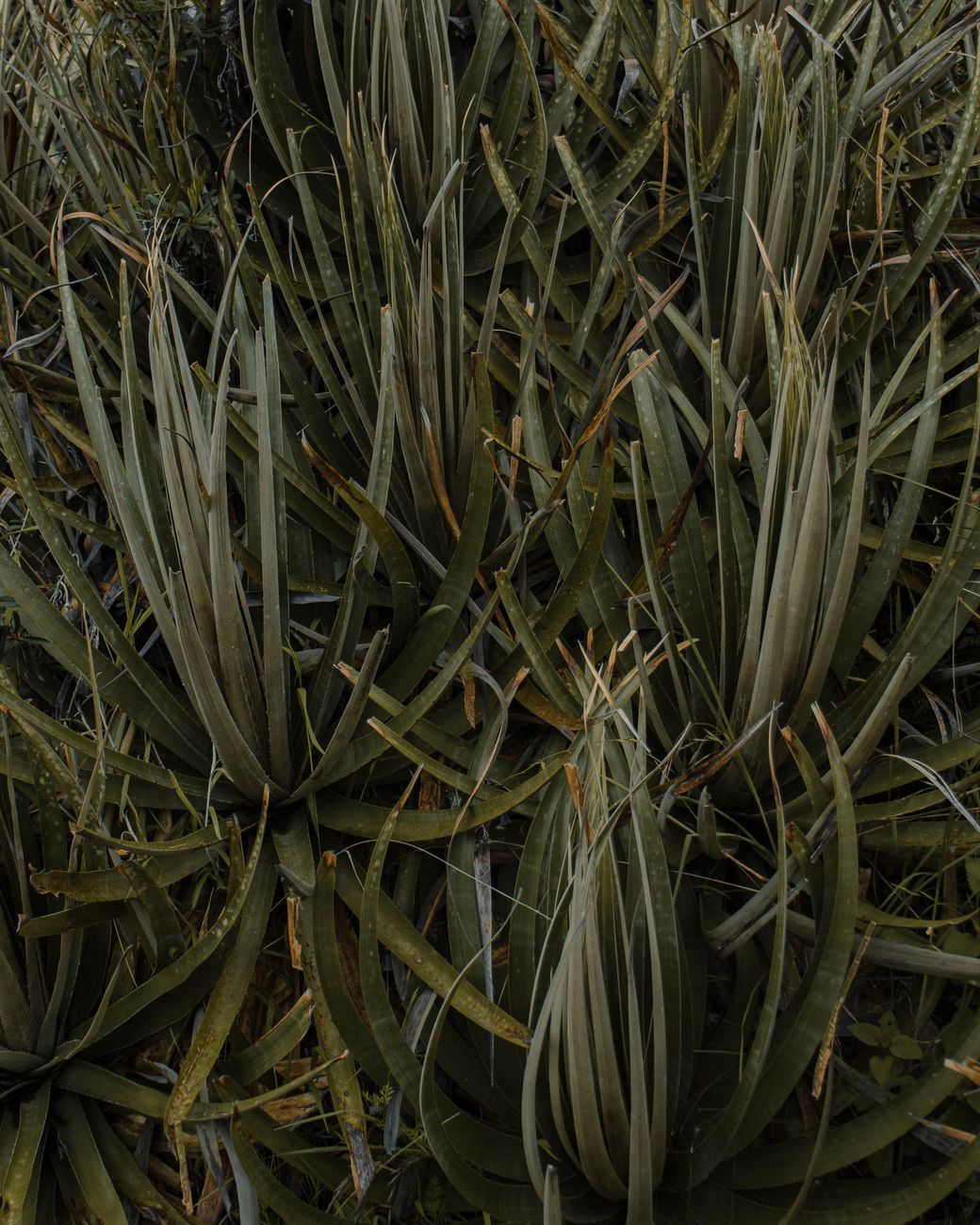
One of the most common signs I look for in my UK garden is stunted growth. If your perennial isn't reaching its expected height or spread, or if its leaves are noticeably smaller than they should be, that's a big red flag. I remember planting a lovely 'Purple Emperor' Sedum, expecting it to form a decent clump, but it just stayed tiny next to a huge clump of Helianthus 'Lemon Queen'. The Sedum was barely a quarter of the size it should have been after a full season.
Another clear indicator is pale or yellowing leaves, often referred to as chlorosis. This usually points to a nutrient deficiency, particularly nitrogen or iron, which are vital for healthy green foliage. The irony is, you might be feeding the border generally, but the stronger plant is simply outcompeting for those nutrients. My 'Rozanne' Geranium, usually a vigorous performer, looked washed out and sparse in a spot where it was too close to a well-established ornamental grass – a good chunk of its nutrients were simply being hoovered up.
Beyond colour, watch for poor flowering or fruiting. If your perennial is producing fewer blooms, smaller flowers, or simply no flowers at all, it's a sign it doesn't have the energy to put into reproduction. Similarly, look for wilting, even with adequate watering. This often means the vigorous plant's roots are so effective at drawing up water that your struggling plant just can't get enough, even if the soil feels damp on the surface. Finally, just a general lack of vigour – a plant that looks thin, sparse, or just generally unhappy compared to what you know it should be – is a strong signal that it's being outmanoeuvred in the race for resources.
Understanding the Competitors: Identifying Vigorous Heavy Feeders
To tackle resource robbery, you first need to know who the culprits are! Not all vigorous plants are "heavy feeders," but many of the ones that quickly dominate a border definitely are. These are the plants that grow fast, produce a lot of foliage or flowers, and consequently demand a significant amount of nutrients and water from the soil. In my 800 sq ft UK garden, I've got a few of these hungry beasts, and I've learned to either give them their own space or implement serious strategies to manage them.
Generally, heavy feeders tend to have extensive root systems – either shallow and wide-spreading, or deep and fibrous – which makes them incredibly efficient at hoovering up whatever's available. Their rapid growth above ground is a tell-tale sign of their high demands below ground. Think about plants that send up lots of new shoots, produce huge leaves, or flower prolifically for a long season; all that growth takes energy, and that energy comes from the soil.
Here in the UK, some of the most common heavy feeders that can become resource bullies include many members of the Asteraceae family (like Rudbeckia, Helianthus, and some taller Asters), certain ornamental grasses, and even some large-leaved Hostas or fast-growing shrubs. I've had to learn to respect the power of these plants, often giving them more room than I initially thought, or strategically pairing them with equally robust neighbours. Trying to put a delicate, slow-growing perennial right next to a monster Helianthus 'Lemon Queen' is just asking for trouble, believe me!
To give you a clearer idea, I've put together a table of some common vigorous plants I've encountered in my UK garden and what makes them such strong competitors. This isn't an exhaustive list, but it covers many of the usual suspects you might find in a mixed border here in Britain.
| Plant Name (Common UK Vigorous Plants) | Growth Habit (Typical) | Root System (How it competes) | Nutrient Demand (Why it's a bully) | Randy's UK Garden Notes (Personal Experience) |
|---|---|---|---|---|
| Rudbeckia 'Goldsturm' | Fast, clumping, spreads by rhizomes | Fibrous, dense, wide-spreading | High N, P, K for prolific flowers | My 'Goldsturm' takes over if I'm not careful. Needs division every 3-4 years in my Midlands garden to keep it in check. |
| Helianthus 'Lemon Queen' | Very fast, tall, wide-spreading | Deep, extensive, hungry taproot | Very High N, P, K for huge growth | A real monster! Its roots travel. Definitely needs space or a root barrier, especially in our heavier clay soils. |
| Phlox paniculata (many varieties) | Fast, upright, forms dense clumps | Fibrous, moderately deep & wide | High N for foliage, P, K for blooms | Can be a vigorous grower, especially 'David'. Needs good feeding to flower well, often outcompeting neighbours. |
| Miscanthus sinensis (various) | Fast, upright, dense clumps | Deep, fibrous, very efficient | High N, K for tall canes, foliage | Beautiful, but thirsty and hungry. I've seen it starve out smaller plants nearby for water and nutrients. |
| Asters (taller varieties) | Fast, upright, spreading | Fibrous, dense, can be invasive | High N, P, K for late season blooms | Many of these are garden thugs if not managed. They'll muscle out anything delicate by autumn. |
| Lysimachia clethroides (Gooseneck) | Very fast, aggressive spreader | Shallow, very dense rhizomatous | High N, P, K for rapid spread | A beautiful plant, but a true thug! I grow it only in a pot or a very contained area. It will steal everything. |
| Hosta (large varieties) | Moderate to fast, wide clumps | Thick, fleshy, dense | High N for large leaves | While not always a 'feeder' in the same way, their huge leaves cast dense shade and their root mass takes up space. |
Strategic Soil Enhancement: Tailoring Nutrients for Underperformers
Once you've spotted the signs and identified the greedy neighbour, it's time to act. My approach to strategic soil enhancement is all about giving the underperforming perennial a direct, tailored boost without overfeeding the entire border – because we don't want to make the bully even stronger! This is where my IT problem-solving brain really kicked in, thinking about targeted interventions rather than broad-brush solutions.
The core problem for your struggling plant is a nutrient deficit, coupled with potential water stress. So, our aim is to enrich the soil right where the underperformer needs it most. First off, organic matter is your best friend. I can't stress this enough. Here in my Midlands garden, with its mix of clay and loam, improving soil structure and nutrient retention is paramount. I regularly incorporate plenty of homemade compost from my trusty dalek bin, and copious amounts of leaf mould I collect from the autumn clear-up.
When you're dealing with resource robbery, you want to gently fork in a good shovel-full (about 5 litres) of well-rotted garden compost or manure around the base of your struggling perennial. Do this carefully, trying not to disturb the roots of the vigorous plant too much. The beauty of organic matter is its slow-release nature; it won't just feed the plant for a week, but will gradually break down, improving soil structure and providing a steady supply of nutrients over time. I do this in early spring as the plant is waking up, and often again in mid-summer if it's still looking a bit sad.
For a more immediate, targeted boost, I turn to liquid feeds. My absolute favourite is homemade comfrey tea – I brew it in an old water butt, and it's absolutely packed with potassium, perfect for flowering and overall plant health. For a nitrogen kick, especially if the leaves are pale, a diluted seaweed extract works wonders. I typically apply a liquid feed every 2-3 weeks during the main growing season, directly to the soil around the underperforming plant. This ensures the nutrients go straight to where they're needed, rather than being intercepted by the deeper roots of the heavy feeder. Just be sure to water the plant thoroughly beforehand to prevent root burn, especially with our sometimes unpredictable British heatwaves.
I also like to use slow-release granular fertilisers or natural options like bonemeal (for phosphorus) or blood, fish, and bone. I'll scratch a small handful into the soil surface around the struggling plant in early spring. These products release nutrients gradually over several months, offering a sustained feeding programme that can help the plant build strength throughout the season. Last season, I used a specific rose and shrub food (which is often a good balanced slow-release option) around a struggling Hellebore that was being swamped by a nearby perennial Geranium, and it really helped it bulk up.
Finally, don't underestimate the power of a good mulch. Once you've added your organic matter and any granular feeds, a layer of bark chippings, wood chip, or even more compost around the underperformer will help retain soil moisture, suppress competing weeds, and slowly break down to add more organic goodness. It also acts as a physical barrier, making it slightly harder for the vigorous plant's roots to spread quite so aggressively into your desired zone. I aim for a 5-7 cm layer, leaving a small gap around the plant's stem to prevent rot. This combination of soil improvement and targeted feeding has been a game-changer for many of my mixed borders here in the UK.
Precision Feeding & Watering: Delivering Resources Where They're Needed Most
Once you've got your soil sorted, the next step is ensuring those struggling perennials actually get the good stuff. It’s no good amending the soil around a beleaguered Hosta if the hungry Hydrangea next door just hoovers it all up again. This is where precision comes in, and I’ve learned the hard way that a blanket approach just doesn’t cut it in a competitive border, especially with our often-fickle British weather dictating watering needs.
In my 800 sq ft Midlands garden, I've had real success with targeted feeding. For instance, my 'Jack Frost' Brunnera, planted a few years back near a mature 'Annabelle' Hydrangea, was looking a bit sorry for itself. The Hydrangea was thriving, but the Brunnera's leaves were smaller, and it just wasn't putting on the growth I expected. My solution? Regular, diluted liquid feeds applied directly to the Brunnera's root zone, rather than scattering granular feed across the whole bed. I use a watering can with a narrow spout, or even a recycled plastic bottle with small holes poked in the lid, to really direct the feed.
Watering is similar. Our summers here in the UK can swing from deluge to drought in a heartbeat. I've installed a simple drip irrigation system in some of my raised beds, but for mixed borders, I often rely on hand-watering specific plants. This allows me to ensure the underperformer gets a good, deep soak without encouraging the heavy feeder to root even more aggressively towards that moisture. Monitoring soil moisture with a simple probe around the individual plant is key. I aim for consistently moist, but not waterlogged, conditions for my struggling plants.
Here's a breakdown of some precision feeding and watering methods I’ve tried in my UK garden:
| Method | Description | Pros (for UK conditions) |
|---|