Introduction: The Mixed Bed Watering Challenge in UK Gardens
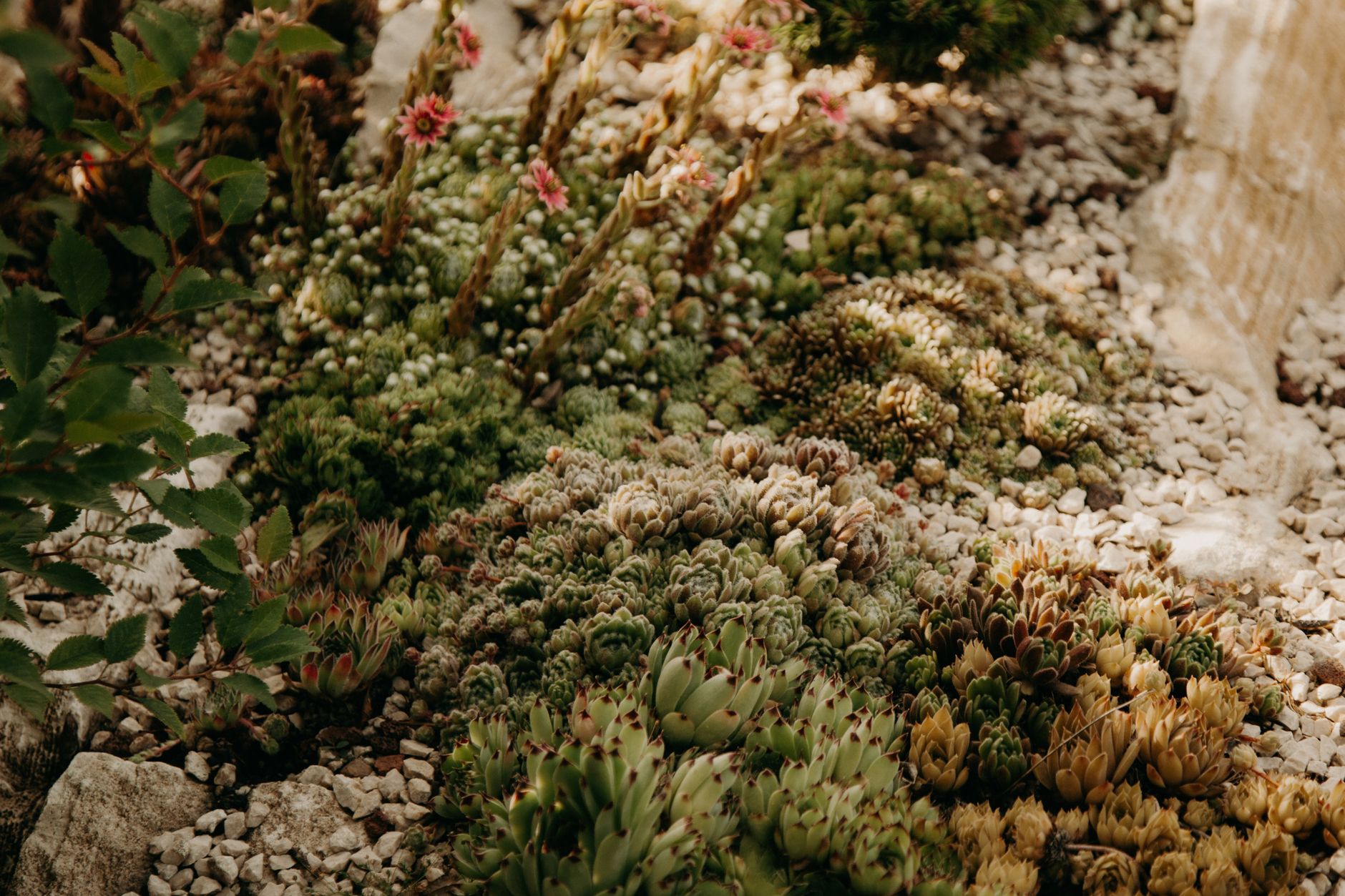
Right then, fellow gardeners, let's talk watering. If you're anything like me, your UK garden isn't a neat row of single-species perfection. Oh no, my 800 sq ft backyard here in the Midlands is a glorious, slightly chaotic tapestry of raised beds crammed with everything from greedy heirloom tomatoes to stoic drought-tolerant herbs. And that, my friends, is where the watering challenge truly begins. How on earth do you keep a thirsty 'Gardener's Delight' tomato happy and plump while simultaneously preventing root rot in the rosemary just inches away, especially when our British weather can swing from a dreary drizzle to a scorching heatwave in the blink of an eye?
I've been wrestling with this exact conundrum for the past five years in my own garden, ever since I swapped my IT desk for a trowel and discovered the sheer joy – and occasional frustration – of growing my own food. It's a balancing act, isn't it? We want to maximise space, create beautiful, productive ecosystems, but the differing water needs of our plant neighbours can make us feel like we're constantly on the verge of either drowning or dehydrating something. I’ve made my share of mistakes, believe me. More than once, I've seen a favourite basil plant wilt from underwatering because I was worried about overwatering the nearby 'Foremost' potatoes, or worse, found a cherished lavender looking sorry for itself after a deluge meant for the courgettes. But through all that trial and error, I've learned some truly invaluable lessons about optimising watering strategies for our mixed garden beds right here in the unpredictable UK climate. And that's exactly what I'm buzzing to share with you today.
Categorising Your Mixed Bed: Thirsty vs. Drought-Tolerant UK Plants
The first, and arguably most crucial, step to mastering mixed-bed watering is to truly understand the individual needs of your plants. It sounds obvious, I know, but it’s something I glossed over when I first started, and it cost me a few good crops. You can’t treat a beefsteak tomato the same way you treat a Mediterranean herb like thyme; they simply operate on different hydrological principles, especially in our British soils. I've found that grouping plants by their general water requirements makes a world of difference. It's not about being rigid, but about being aware.
In my UK garden, particularly in the raised beds, I've started consciously thinking about who needs a regular drink and who prefers to dry out a bit between waterings. For example, my greenhouse is a haven for thirsty heirloom tomatoes like 'Black Krim' and 'Paul Robeson', which absolutely demand consistent moisture to prevent blossom end rot and produce those juicy fruits. Outside, my courgettes, runner beans, and leafy greens like 'Red Russian' kale are also big drinkers, especially during those unexpected warm spells we get in June and July. On the flip side, many of my culinary herbs – rosemary, thyme, sage, and even some of the more established chives – are incredibly drought-tolerant once they’ve settled in. I've even found some of the hardier brassicas, like 'Cavolo Nero' kale, can handle quite dry conditions once established, though they'll produce better with consistent moisture. Understanding these differences is your superpower.
| Plant Category | Typical UK Examples | Water Requirements | Randy's Notes from the Midlands Garden |
|---|---|---|---|
| Thirsty Plants | Tomatoes (especially greenhouse varieties like 'Sungold'), Courgettes, Cucumbers, Pumpkins, Runner Beans, Leafy Greens (Lettuce, Spinach, Kale), Celery, Sweetcorn, Basil, Strawberries | Prefer consistently moist (but not waterlogged) soil. Often need daily watering in warm, dry spells, particularly when fruiting or forming heads. Susceptible to wilting, poor growth, and specific issues like blossom end rot if underwatered. | My 'Moneymaker' tomatoes in the greenhouse are absolute sponges; I give them a good soak every morning in summer. Runner beans ('Scarlet Emperor') in the raised beds demand consistent moisture, especially once they start climbing, or flowering drops. |
| Moderate Drinkers | Potatoes, Carrots, Onions, Garlic, Cabbages, Broccoli, Peas, Chard, Peppers (once established), French Beans, Most Perennial Flowers | Prefer soil to dry out slightly between waterings, but don't like prolonged drought. Typically need watering every 2-3 days in dry periods. Good soil structure is key to avoid waterlogging while providing enough moisture. | My 'Charlotte' potatoes usually get a good weekly drench, unless we've had a proper British downpour. My 'Bright Lights' chard does best with regular, but not excessive, water – it can look a bit sad if left too dry but recovers quickly. |
| Drought-Tolerant Plants | Rosemary, Thyme, Lavender, Sage, Oregano, Marjoram, Mediterranean Herbs, Some Sedums, Yarrow, Achillea, Established Sunflowers, Asparagus (once established) | Can tolerate periods of dry soil and prefer to dry out thoroughly between waterings. Overwatering is a common cause of root rot or fungal issues. Often thrive on less frequent, deeper waterings. | My 'Miss Jessop's Upright' rosemary outlasts almost anything else in a dry spell. I practically ignore my established lavender after its first year, and it thrives. I learned the hard way that my sage hates soggy feet after a particularly wet spring. |
Building the Right Foundation: Soil Structure for Diverse Watering Needs
You can have all the fancy watering gadgets in the world, but if your soil isn't up to scratch, you're fighting an uphill battle. I learned this the hard way when I first started gardening in my Midlands plot. The soil here is classic heavy clay – brilliant for holding nutrients, but a nightmare for drainage. My early attempts at mixed beds were a disaster; some plants would get waterlogged while others struggled because the water couldn't penetrate evenly. It was a real lightbulb moment when I realised that optimising watering isn't just about how you apply water, but what the water is going into.
For mixed beds, especially with such diverse needs, you need soil that's both free-draining and moisture-retentive. Sounds contradictory, doesn't it? But it's entirely achievable with organic matter. Over the years, I've spent countless hours amending my raised beds with copious amounts of homemade compost, well-rotted manure, and sometimes a bit of grit or perlite for extra drainage. This creates a friable, crumbly structure that acts like a sponge. It absorbs water readily, holding onto just enough for the thirsty plants, but allows excess to drain away freely, preventing the dreaded soggy feet for your drought-lovers. In my experience, a good, deep layer of healthy, humus-rich soil (at least 30cm in my raised beds) has been the single biggest game-changer for uniform watering and plant health. It means I'm not constantly battling the extremes of my native clay.

Precision Watering Techniques for Mixed Beds: Drip, Soaker, and Hand Watering
Once you know your plants and have built a fantastic soil foundation, it's time to get surgical with your watering. This is where my inner IT geek comes out – I love optimising systems! Relying solely on a hosepipe and a spray gun for a mixed bed is like using a sledgehammer to crack a nut; it’s inefficient and rarely hits the mark for every plant. Over the years, I've experimented with various methods, and I’ve found a combination approach works best in my 800 sq ft UK garden, allowing me to tailor water delivery precisely.
For my thirsty greenhouse tomatoes, a drip irrigation system has been a revelation. Each plant gets its own emitter, delivering water directly to the root zone at a slow, consistent rate. This minimises evaporation and ensures every 'Brandywine' gets exactly what it needs without wetting the foliage (which helps prevent blight in our damp British climate). For my larger raised beds with a mix of moderate and thirsty plants – think courgettes next to chard – soaker hoses are fantastic. They lie directly on the soil, slowly releasing water along their length, which is great for deep, even watering without wasting too much. And then there's the humble watering can, or hand watering, which remains invaluable for those specific, drought-tolerant plants that only need a drink now and then, or for giving a struggling plant some targeted TLC. It also lets me observe the soil and plants up close, which is something a timed system can't do.
| Watering Technique | Description | Pros for UK Mixed Beds |
|---|---|---|
| :--- | :--- | :--- |
| Drip Irrigation | A system of pipes delivering precise amounts of water directly to the plant root zone via emitters. Often automated with a timer. | Efficiency: Minimal water loss from evaporation or runoff, perfect for thirsty plants like tomatoes in a greenhouse or raised beds. Precision: Delivers water exactly where needed, avoiding wetting foliage which can prevent fungal diseases (e.g., blight on tomatoes in UK's damp climate). Automation: Can be set on a timer, great for consistent watering during holidays or busy periods. Weed Suppression: Less water on paths means fewer weeds. |
Developing a Dynamic Watering Schedule and Monitoring Moisture Levels
Right, so we've covered the tools and the soil, but how do we actually know when to water? This, my friends, is where the art and science of gardening truly merge. I’ve learned over my five years of intensive UK gardening that a rigid watering schedule is about as useful as a chocolate teapot here in the Midlands. Our British weather is simply too unpredictable!
The Ever-Changing UK Weather and Your Watering Plan
My approach is always dynamic. I don't set a timer for "water every Tuesday and Friday." Instead, I have a base understanding of what each section of my 800 sq ft garden needs, and then I adjust daily based on the forecast and, crucially, what I see and feel. For instance, my thirsty 'Sungold' tomatoes in the greenhouse will get water daily in July if it’s sunny, without fail. But if we've had a proper downpour, that might mean holding off on the outdoor raised beds for a couple of days, even if the schedule "says" it's time.
Here’s a rough outline of how I approach scheduling:
- Daily Check: Quick visual scan of all beds, especially the thirstiest plants.
- Weekly Deep Dive: A more thorough check, poking fingers into the soil.
- Post-Rainfall Adjustment: Always check if the rain actually penetrated the soil, especially under dense foliage or in compacted areas. Sometimes a drizzle barely makes a dent.
- Forecast Awareness: I keep an eye on the BBC weather app. If a heatwave is coming, I might give everything a good deep drink before it hits, so they're well-hydrated. If heavy rain is on its way, I'll hold off.
My Go-To Moisture Monitoring Techniques
I've experimented with a few gadgets over the years, but honestly, nothing beats getting your hands dirty.
The Finger Test (My Personal Favourite)
This is my absolute number one method for checking soil moisture, and it's free! I simply push my index finger about two inches deep into the soil.
- If it feels dry: Time to water. For established, drought-tolerant plants like lavender or rosemary, I might let it go a bit deeper, but for my courgettes or potatoes, two inches dry is the signal.
- If it feels damp: Hold off. I've learned that even if the top inch is dry, there can be plenty of moisture deeper down, especially in my well-mulched raised beds. Overwatering is a silent killer, and it's a mistake I've made more than once in my early days, especially with our occasionally cool, damp British summers.
Visual Cues (Learning Your Plants' Language)
Plants are pretty good at telling you when they're thirsty, but you need to learn their specific "language."
- Wilting: This is the obvious one. My 'Moneymaker' tomatoes in the greenhouse will start to droop dramatically when they're parched. However, some plants, like my pumpkins, can wilt in the midday sun even when they have enough water, simply as a protective measure. It's about observing them in the morning and evening too.
- Leaf Colour/Texture: Dull, slightly greyish leaves can indicate thirst. Crispy edges are a definite red flag. My 'Red Russian' kale, for instance, gets a bit leathery when it's stressed for water.
Moisture Meters (A Tool, Not a Guru)
I've used basic probe-style moisture meters. They can be useful for getting a quick reading, especially in deeper pots or beds where the finger test might not reach far enough. However, I've found them to be inconsistent at times, especially in soil with varying compositions. They're a good guide, but I wouldn't rely on them exclusively. Always back it up with the finger test and your own observations.
Avoiding Overwatering and Underwatering: Common Mistakes and Quick Fixes
Even with the best intentions and the most dynamic schedule, we all make mistakes. I certainly have! My journey from an IT desk to an 800 sq ft garden has been paved with learning experiences, and trust me, I've drowned more plants than I care to admit, and parched a few others too. The key is to recognise the signs and know how to react.
The Silent Killer: Overwatering
Overwatering is often more insidious than underwatering because the symptoms can sometimes mimic thirst, leading to a vicious cycle.
Signs of Overwatering:
- Yellowing Leaves: Often starting at the bottom of the plant. Unlike nutrient deficiencies which usually show specific patterns, overwatering can cause a general yellowing as roots struggle to take up oxygen.
- Stunted Growth: Plants won't thrive. They'll look generally unhappy and lack vigour.
- Wilting (yes, again!): This is where it gets tricky. If roots are waterlogged, they can't take up water or nutrients, leading to the plant wilting even though the soil is saturated.
- Root Rot: The ultimate consequence. Anaerobic conditions (lack of oxygen) in the soil encourage harmful bacteria and fungi that literally rot the roots. You'll often notice a foul smell if you pull up an affected plant.
- Oedema: Small, water-filled blisters on leaves, particularly common on my greenhouse tomatoes if I've been a bit too generous after a cooler spell.
Common Mistakes I've Made (and How to Avoid Them):
- "More is Better" Mentality: When I first started, I thought if a plant looked a bit sad, it must need more water. Especially after a dry spell, I’d sometimes overcompensate. I learned the hard way that too much love can be detrimental.
- Ignoring Soil Drainage: Assuming all my raised beds were perfectly draining. Some of my earlier soil mixes weren't as airy as they should have been, leading to water pooling at the bottom.
- Underestimating UK Humidity/Rainfall: A sunny day can be misleading. If the air is humid, plants transpire less. And a week of intermittent British drizzle can keep soil surprisingly moist, even if the surface looks dry.
Quick Fixes for Overwatering:
- Stop Watering Immediately: Obvious, but crucial. Let the soil dry out significantly.
- Improve Drainage: If it's a pot, lift it onto pot feet. For raised beds, consider gently aerating the soil with a fork, taking care not to damage roots. In the future, amend with more grit or compost.
- Increase Airflow: For plants in a greenhouse, open vents and doors to reduce humidity. Outdoor plants will benefit from good spacing.
- Pruning (Carefully): Remove any yellowing or rotting leaves to reduce the plant's workload and potential disease spread.
The Thirsty Truth: Underwatering
Underwatering is usually easier to spot and quicker to rectify, but prolonged periods can cause irreversible damage.
Signs of Underwatering:
- Wilting (the classic!): Leaves droop, often looking limp and lifeless. My 'Black Krim' tomatoes are particularly dramatic.
- Crispy, Brown Leaves: Especially around the edges, or entire leaves turning brown and brittle.
- Stunted Growth: Again, plants won't grow as vigorously.
- Poor Fruit/Flower Set: Plants under water stress will prioritise survival over reproduction. My runner beans will drop flowers if they're not getting enough consistent moisture.
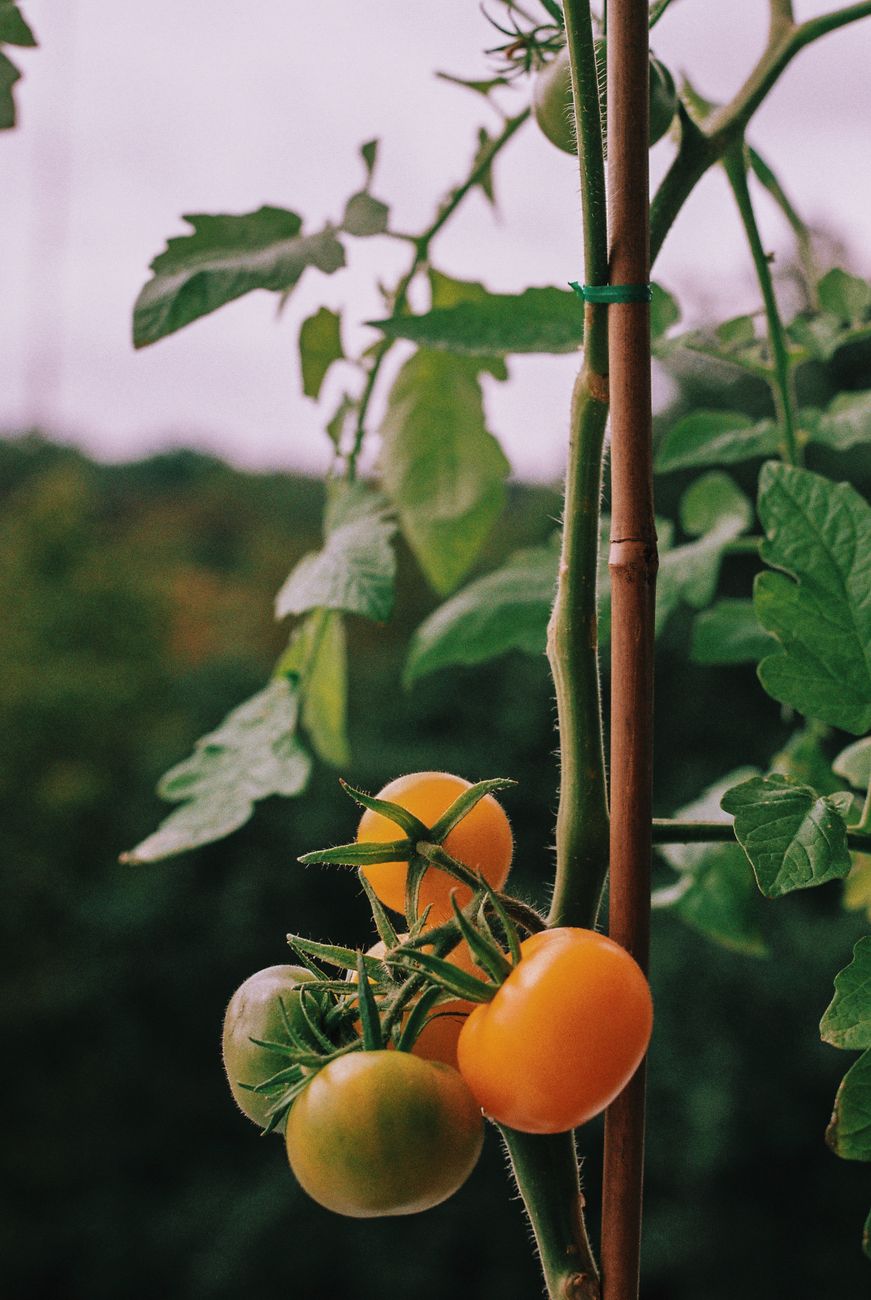
- Fruit Splitting: This is a big one for my heirloom tomatoes. Inconsistent watering – a dry spell followed by a sudden deluge or heavy watering – can cause the fruit to rapidly expand and split. I've lost many a perfect 'Cherokee Purple' this way!
Common Mistakes I've Made (and How to Avoid Them):
- Misjudging "Drought-Tolerant": Thinking that once established, a drought-tolerant plant needs no water. They still need a good drink during prolonged dry spells, especially if they're still young.
- Surface Watering: A quick sprinkle often only wets the top inch of soil, leaving the deeper roots parched. This is a common pitfall with hand watering.
- Forgetting Newly Planted Additions: When I add a new plant to an established bed, it needs extra care and consistent watering for its first few weeks, regardless of its neighbours. I've definitely neglected a few new herb starts in the past.
Quick Fixes for Underwatering:
- Deep, Slow Watering: Provide a thorough, deep drink. Use a soaker hose or drip system, or hand water slowly until the water penetrates well into the root zone.
- Mulch, Mulch, Mulch: If you haven't already, apply a good layer of organic mulch (straw, compost, wood chips) around your plants. This is a game-changer for moisture retention, especially in our often-sunny UK summers. I rely heavily on straw mulch in my vegetable beds.
- Shading: During extreme heat, temporary shade cloths can reduce water loss from plants.
- Water in the Morning: This gives the plants time to absorb water before the heat of the day and reduces evaporation, which is particularly important here in the UK where mornings can be cool but afternoons can suddenly warm up.
Remember, the goal is consistency. Avoiding the extremes of too much or too little water is the sweet spot for a happy, thriving mixed garden bed. It’s all about observation and adapting to what your garden, your plants, and our wonderfully unpredictable British weather are doing.
Conclusion: Nurturing a Thriving Mixed Garden Bed with Smart Watering
Well, there you have it, fellow gardeners! We've journeyed through the intricacies of keeping a mixed garden bed hydrated, from understanding your plants' individual thirst levels to mastering the art of dynamic watering schedules here in the UK. This isn't just about pouring water on plants; it's about thoughtful, precise care tailored to our unique British climate and the diverse needs of your garden's inhabitants.
When I first started out in my Midlands garden five years ago, fresh from the world of IT, I often felt overwhelmed by the sheer number of variables. Watering felt like a constant guessing game. But through countless experiments, a few glorious successes, and, yes, plenty of my own soggy or crispy failures, I've learned that it truly boils down to a few core principles.
Let's quickly recap the essentials for your thriving mixed bed:
- Know Your Plants: Categorise your garden residents into "thirsty" and "drought-tolerant." This is your foundational knowledge.
- Build the Best Home: Invest in good soil structure. High-quality, well-draining, moisture-retentive soil is the unsung hero of efficient watering. My compost-rich raised beds are testament to this!
- Precision is Key: Utilise the right tools. Drip irrigation for thirsty areas, soaker hoses for rows, and targeted hand watering for individual plants allow you to direct water exactly where it's needed, minimising waste and preventing issues for less thirsty neighbours.
- Be Dynamic, Not Rigid: Forget fixed schedules. Your watering plan needs to be a living document, constantly adjusted based on our glorious British weather, plant observations, and soil moisture checks. My finger test is my most valuable tool!
- Learn from Your Mistakes: Overwatering and underwatering are common pitfalls. Recognise the signs early, understand the "why," and apply quick fixes. I've certainly had my share of both, especially when first tackling the nuances of our UK summers.
Gardening, for me, is a continuous journey of learning and discovery. There's immense satisfaction in seeing a vibrant mixed bed, where a thirsty courgette happily coexists next to a resilient thyme plant, all thanks to a bit of thoughtful watering. It’s about creating a harmonious ecosystem right in your own backyard.
Don't be afraid to experiment, observe, and get your hands dirty. Your plants will tell you what they need, and with a little practice, you'll become a master of the watering can (or drip system!). Here in the UK, where one day can be a heatwave and the next a deluge, adapting your watering strategy isn't just a good idea – it's essential for success.
I'd love to hear about your own watering triumphs and challenges! What strategies have worked best for you in your UK garden, especially in mixed beds? Share your tips and tricks in the comments below – let's keep the conversation flowing! Happy gardening!