
Introduction: Why Protect Your Patio Berries This Winter?
There's nothing quite like stepping out onto your patio on a sunny summer morning and picking a handful of your own sweet, juicy blueberries or plump, ripe raspberries. For me, here in my 800 sq ft Midlands garden, those moments are pure gold – the culmination of months of nurturing. My patio is crammed with various containers, and a good chunk of them are dedicated to these fantastic fruiting shrubs. I’ve been growing container berries for about five years now, ever since I first swapped my IT desk for a trowel, and I’ve learned a thing or two about getting a bumper harvest.
But here’s the thing about growing these beauties in pots, especially here in the UK: winter can be a real killer if you're not prepared. I learned this the hard way in my second year of serious gardening. I had a gorgeous blueberry bush, ‘Bluecrop’ it was, absolutely laden with flowers that spring, promising a huge harvest. I just left it out on the patio, thinking it would be fine – after all, blueberries are hardy, right? Well, a particularly brutal January cold snap, coupled with some biting easterly winds, saw it off. Come spring, it just didn't wake up. The roots had simply frozen solid and died. It was heartbreaking, and a lesson I swore I’d never forget.
That's why I'm so passionate about strategic winter protection for my patio berries. It’s not about coddling them; it’s about giving them a fighting chance against our famously unpredictable British weather. A little effort now, before the really nasty weather sets in, can mean the difference between a sad, lifeless stick and a thriving, productive plant bursting with fruit next season. Trust me, the taste of those homegrown berries, knowing you’ve successfully guided them through a typical UK winter, is just incredible. So, let’s get those plants tucked in and ready for their best season yet!
Understanding the Risks: What UK Winters Do to Container Berries
When we talk about overwintering container-grown blueberries and raspberries here in the UK, the biggest thing we're protecting isn't necessarily the branches or the leaves (which these deciduous plants drop anyway). It's all about the roots. In their natural habitat, these plants would have their roots insulated by many inches of soil. That soil acts like a big, warm blanket, protecting them from the worst of the cold. But in a pot? That's a whole different ball game.
Here in the Midlands, our winters can be a real mixed bag. We get everything from mild, damp spells to sudden, sharp frosts, often accompanied by icy winds that just suck the life out of everything. A container simply doesn't offer the same thermal mass as the ground. The soil in a pot freezes much faster and much deeper than the soil in a raised bed or the open ground. Once that soil freezes solid, the roots are in serious trouble. They can't take up water, they become damaged by ice crystals forming within their cells, and ultimately, they die from cold desiccation – basically, they freeze-dry. I’ve seen it happen with my own eyes, and it’s a quick route to a dead plant.
Beyond just the freezing temperatures, our wet British winters pose another threat: waterlogging. If your pots aren't draining well, or if they sit in saucers full of cold rainwater, the roots can rot, even before the really hard frosts hit. Then, when a freeze does come, those waterlogged roots are even more susceptible to damage. It’s a double whammy! Plus, those relentless winter winds we get – especially here on my exposed patio – can cause wind scorch and further dry out the potting mix, even when the air temperature isn't freezing. It's a constant battle, but one we can definitely win with the right approach.

Pre-Winter Prep: Essential Steps Before the Big Chill
Alright, before we even think about wrapping pots or moving them, there are a few crucial steps I take in my garden every autumn. Getting this groundwork right makes all the difference to how well your berries cope with the coming months. I usually start this process around late October or early November, depending on how quickly the temperatures drop here in the Midlands. You want to get it done before the first really hard frost bites.
First up, watering is key. It might seem counter-intuitive to water plants heading into winter, but a well-hydrated root ball is far more resilient to cold than a dry one. I give all my container berries a really thorough soak, letting the water drain out completely. After that, I scale back significantly. The goal is to keep the compost just barely moist, not wet. One mistake I made early on was overwatering in late autumn, thinking more water was better. It just led to cold, soggy roots, which are a recipe for root rot and make them even more vulnerable to freezing. Now, I only water if the top inch or two of compost feels dry, and I do it on a milder day.
Next, I do a bit of light pruning and tidying. This isn’t a heavy structural prune – that’s usually done in late winter or early spring for most berries. Instead, I focus on removing any dead, diseased, or damaged canes or branches. For my raspberries, this means cutting back the old fruiting canes (floricanes) right to the ground, as they won't produce again. For blueberries, it’s mostly about thinning out any crossing branches or weak growth. This tidying up improves air circulation and reduces the chances of fungal diseases taking hold during the damp winter months. I've found that neglecting this step often leads to disease issues come spring.
Finally, I stop feeding my container berries by late August or early September. Adding fertiliser later than this encourages tender new growth that simply won't have time to harden off before the frosts hit. This soft, sappy growth is incredibly susceptible to cold damage, and it drains the plant's energy unnecessarily. My focus shifts from encouraging growth to letting the plant naturally slow down and prepare for dormancy.
Here's a quick look at my pre-winter prep strategy:
| Task | What I Do (Randy's Method) | Why it Works (UK Context) | Mistake I've Made (or seen) |
|---|---|---|---|
| Watering | Give a deep, thorough soak before first frost; then water sparingly, only when dry on mild days. | Hydrated roots are more resilient to freezing and desiccation. Prevents root rot from waterlogging. | Overwatering in cold weather led to cold, soggy compost and root rot. Forgetting to water meant dry, exposed roots. |
| Pruning | Remove dead, diseased, or damaged branches/canes. For raspberries, cut back spent floricanes to the ground. | Reduces disease risk, improves air circulation, focuses plant energy for next season. | Heavy autumn pruning can remove potential fruiting wood or stimulate new, tender growth that gets frost-damaged. |
| Feeding | Stop all feeding by late August/early September. | Allows the plant to naturally harden off and enter dormancy, preventing soft, frost-vulnerable new growth. | Fertilising too late encourages tender shoots that are easily zapped by early frosts, weakening the plant. |
| Pest/Disease Check | Inspect plants thoroughly, remove any fallen leaves or debris from the pot surface. | Eliminates overwintering sites for pests and fungal spores, reducing spring outbreaks. | Leaving debris allowed mildew and slug eggs to overwinter, causing problems next season. |
Choosing Your Overwintering Strategy: Options for Every UK Garden
Once the pre-winter prep is done, it's time to decide how you're actually going to protect those precious roots. What works best for you will depend on a few things: how many plants you have, what kind of shelter is available in your UK garden, and how harsh your local microclimate tends to be. I’ve experimented with a few different methods across my 800 sq ft, from the exposed patio to the shelter of my greenhouse, and here’s what I’ve found works well here in Britain.
My general rule of thumb is this: the smaller the pot and the more tender the variety, the more protection it needs. My young blueberry plants, especially the less hardy ones, get VIP treatment. My established, large raspberry pots, which are pretty robust, might just get grouped together.
Grouping Pots Together
This is the simplest method and my go-to for established, larger pots of hardy varieties like 'Glen Ample' raspberries or my older 'Chandler' blueberries. I gather all my container berries, along with other hardy potted shrubs, and huddle them together in a sheltered spot. For me, that's often against the south-facing wall of my house or tucked right up against the shed. The idea is that the pots insulate each other, and the wall or shed provides a barrier against those biting prevailing winds and some protection from driving rain and frost. It's surprising how much difference this small act can make, especially during milder UK winters.
Wrapping Containers
For my more vulnerable blueberry varieties or smaller pots that don't have the bulk of their neighbours to protect them, I wrap the containers themselves. I usually use bubble wrap – the large bubble kind is best – or a couple of layers of old hessian sacks. I wrap it around the sides of the pot, making sure to cover the entire pot down to the ground, and secure it with twine or tape. I always leave the top of the compost exposed for air circulation and to allow rainfall to reach the roots, but sometimes I'll lay a thick layer of straw or wood chips on top for extra insulation. This is crucial for protecting the root ball from freezing solid. I learned this after losing that 'Bluecrop' to frozen roots; now, any pot that isn't getting greenhouse treatment gets a good wrap.
Moving to a Sheltered Spot
Beyond just grouping, consider where you're placing them. A sheltered corner of the patio, under the eaves of the house, or even inside an unheated shed or garage for the coldest spells can be a lifesaver. The key is to protect them from direct exposure to freezing winds and prolonged hard frosts. I often move my more precious blueberry pots into the lean-to greenhouse against the house, which offers a few degrees of extra warmth compared to being completely outside. It doesn't need to be warm, just protected from the extremes.
Unheated Greenhouse or Cold Frame
This is my preferred method for young plants or those I'm particularly keen to protect, especially during the harshest Midlands winters. My unheated greenhouse is packed with these pots from late autumn through to early spring. While the air inside will still get cold, it offers fantastic protection from wind, driving rain, and the sharpest frosts. Crucially, it prevents the pots from getting waterlogged, which is a major benefit in our damp climate. Even in the greenhouse, I still often group pots together and add a layer of straw on top of the compost for extra root insulation. Just remember, even in a greenhouse, pots can still freeze solid if temperatures plummet for extended periods, so some root wrapping might still be beneficial.
Bringing Indoors (Last Resort)
I rarely do this for blueberries or raspberries, as they need a period of cold dormancy to fruit well. Bringing them into a warm house can disrupt this cycle and lead to poor harvests. However, if you have a very young, very tender plant, or if we're facing an unprecedented deep freeze (think Beast from the East levels), an unheated porch or a very cool, bright conservatory might be an option for a short period. The key is unheated and short-term. I've only done this once, for a couple of tiny raspberry canes I was experimenting with after an incredibly late propagation, and it was truly a last resort to save them.
Here's a comparison of these strategies to help you choose what's right for your UK garden:
| Strategy | Where I Use It (Randy's Garden) | Pros (UK Specific) | Cons (UK Specific) | Best For (UK Conditions) |
|---|---|---|---|---|
| Grouping Pots | Main patio against house/shed, for mature, hardy plants. | Simple, offers mutual insulation, good wind break; minimal effort. | Limited protection in very deep or prolonged freezes; still exposed to heavy rain. | Mild UK winters, larger, established, hardy varieties; busy gardeners. |
| Wrapping Containers | Exposed areas of patio, smaller pots, younger blueberries. | Excellent root insulation, protects from wind scorch; effective for targeted protection. | Can be fiddly to wrap many pots; needs checking for dampness; not the prettiest solution. | Smaller or more vulnerable plants; exposed locations; areas prone to sharp frosts. |
| Unheated Greenhouse/Cold Frame | Young plants, tender blueberry varieties; my primary choice for critical plants. | Best protection from frost, wind, and excessive wet; good control over moisture levels. | Takes up valuable sheltered space; still requires some root insulation for deep cold. | Tender varieties, young plants, very cold Midlands winters; gardeners with dedicated space. |
| Bringing Indoors (Cool/Unheated) | Extreme emergencies for very young/tender plants; short-term only. | Maximum protection from outdoor elements. | Disrupts dormancy; risk of pest issues indoors; not ideal for long-term health or fruiting. | Absolute last resort for critical, very small plants during extreme, short-duration cold snaps. |
Step-by-Step Protection: Implementing Your Chosen Method
Right, now we’ve talked through the whys and wherefores, let’s get our hands dirty with the actual doing. This is where your chosen strategy comes to life in your UK garden. I’ve tried most of these methods over the years, and while the principles are sound, our British weather often throws a curveball, so flexibility is key!
Insulating Pots Outdoors
If you’ve decided to brave the elements and keep your berries outside, insulation is your best friend. In my Midlands garden, I rely on this method for my more robust 'Bluecrop' blueberries and a couple of 'Autumn Bliss' raspberries that just won't fit anywhere else.
- Clean and Clear: First, give the pots and the area around them a good clean. Remove any fallen leaves or debris that could harbour pests or diseases. I learned this the hard way one year when a sneaky slug population decided to overwinter right under my blueberry pots!
- Elevate (if possible): If your pots don't already have feet, pop them onto some pot feet or bricks. This improves drainage and prevents the pot from sitting directly on cold, damp ground, which can lead to root rot. Good drainage is non-negotiable in our soggy British winters.
- Wrap the Sides: This is the crucial bit. I usually use several layers of bubble wrap, secured tightly with garden twine or strong tape. You can also use hessian sacks, old wool blankets, or even those big, tough builders' bags cut to size. The aim is to create an insulating air gap around the pot. Make sure you cover right down to the base and up to the rim. I often use old compost bags cut open – they’re waterproof and free!
- Insulate the Top: While the roots are protected, the top layer of soil is still vulnerable. A good 5-10cm (2-4 inches) layer of straw, wood chips, or even a thick layer of autumn leaves on top of the soil acts as a natural mulch. This helps regulate soil temperature and keeps moisture in.
- Positioning: Tuck your insulated pots close to a south-facing wall if you have one. This offers a bit of extra shelter from prevailing winds and captures any weak winter sun. Just make sure they’re not completely blocked from rain, or you’ll need to water them manually during dry spells.
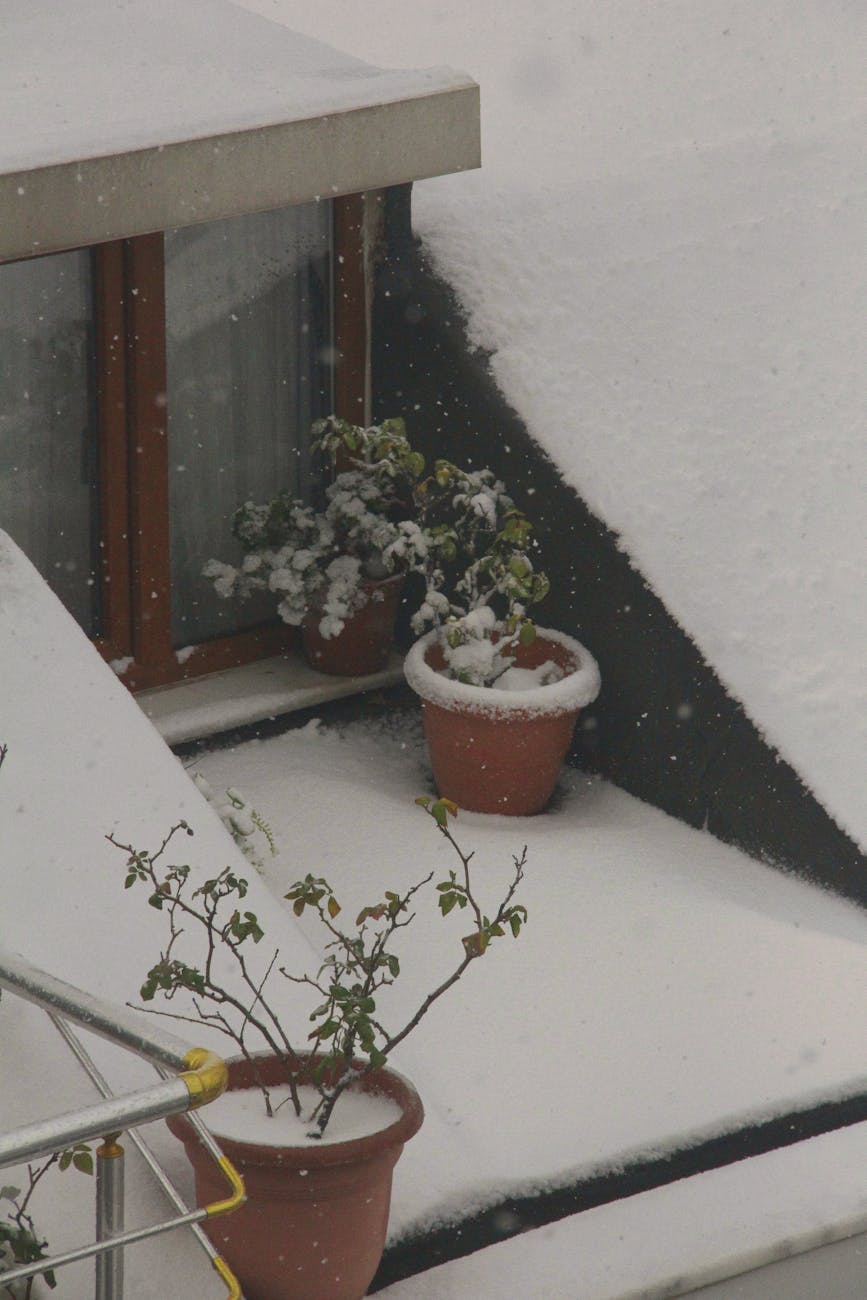
Moving Berries to a Sheltered Spot
This is my go-to for my slightly more tender varieties or those I’m particularly fond of, like my 'Duke' blueberries, which have given me cracking harvests.
- Preparation is Key: Before moving, give your plants a quick health check. Remove any dead or diseased leaves and check for pests. You don't want to introduce spider mites or aphids into your greenhouse or shed. A good blast with the hose can dislodge many unwanted visitors.
- Choose Your Sanctuary:
- Unheated Greenhouse: This is ideal. The glass offers protection from wind and hard frost but still provides natural light. Mine gets absolutely packed in winter!
- Shed or Garage: These are great for complete frost protection but lack light. Your berries will essentially go into a deeper dormancy. Just be mindful of airflow to prevent mould. I’ve found my raspberries, like 'Glen Ample', do surprisingly well in the shed once they’ve dropped their leaves.
- Cool Porch/Conservatory: If you have one that stays cool (crucial, too warm and they won’t get proper dormancy), it can work well, especially for blueberries.
- Arrange for Airflow: Even in a sheltered spot, good air circulation is vital to prevent fungal diseases. Don't cram your pots together too tightly. In my greenhouse, I make sure there's at least a hand's width between each pot. I’ve had issues with botrytis (grey mould) on plants that were too close together in damp conditions.
- Consider a Fleece Blanket: For exceptionally cold snaps (which we certainly get here in the UK, often unexpectedly!), I'll throw a layer of horticultural fleece over my plants in the greenhouse. It adds a crucial few degrees of protection.
Winter Care & Monitoring: Don't Forget Them!
Just because your berries are hunkered down, doesn't mean you can completely forget about them. Winter care is less about active tending and more about watchful waiting, especially with our notoriously fickle British weather.
Watering: The Delicate Balance
This is where I often messed up early on. My first winter, I either watered too much (leading to soggy roots and death) or too little (desiccated roots, also death). The key is moderation.
- For outdoor insulated pots: Check the soil every couple of weeks. Stick your finger in about 5cm (2 inches). If it feels dry, give them a small drink. Rain and snow usually take care of most of the watering, but prolonged dry spells can be misleading.
- For sheltered pots (greenhouse/shed): They'll need even less water. Once a month might be enough. The goal is to keep the compost just barely moist, not wet. The plants are dormant, so their water requirements are minimal. If they're in a completely dark shed, they might not need any water at all until spring. I usually give mine a very light sprinkle in January if the compost feels bone dry.
Pest Patrol
Even in winter, pests can be lurking. A sheltered environment can be a haven for them.
- Slugs and Snails: They love damp, sheltered spots. Check under pots and around the base.
- Vine Weevils: These are my nemesis! The larvae munch on roots, and you won't know until your plant suddenly wilts in spring. A winter check of the soil surface in your pots can sometimes reveal them. I've found a few nasty surprises in my greenhouse pots over the years.
- Mould and Fungi: Poor air circulation and damp conditions are a recipe for disaster. Keep an eye out for any fuzzy white or grey patches on stems or soil. If you spot any, improve airflow and remove affected parts immediately.
Ventilation and Airflow
This is particularly important for plants in greenhouses, poly-tunnels, or even sheds.
- Greenhouses: On milder winter days (and we get plenty of those, even here in the Midlands!), open vents or the door for an hour or two. This helps dry out the air and prevents stagnant conditions that encourage fungal diseases.
- Sheds/Garages: If your plants are completely dormant and leafless, they might not need ventilation as much, but a quick airing on a dry day can still be beneficial.
Monitoring British Weather
Our weather here in the UK is legendary for its unpredictability. One week it's mild and damp, the next it's a bitter 'Beast from the East'.
- Sudden Cold Snaps: If a really harsh frost is forecast, add extra layers of fleece to outdoor plants, or bring pots from a cold greenhouse into a shed for a night or two if you can.
- Mild Spells: Be wary of extended mild periods. They can sometimes trick plants into breaking dormancy too early, only for a late frost to zap new growth. Don't be tempted to bring them out too soon.
Spring Awakening: Reintroducing Your Berries for a Bumper Harvest
Ah, spring! That first hint of warmth, the birds singing, and the exciting prospect of fresh berries. This is the moment when all your winter efforts pay off. But don't jump the gun! Reintroducing your container berries needs a gentle touch. I’ve learned this the hard way after losing promising new growth to a late April frost more than once in my UK garden.
The Great Unveiling: Timing It Right
The timing for bringing your berries out of their winter slumber is critical here in the UK.
- Don't Rush It: Resist the urge to strip off all insulation or haul plants out of the greenhouse at the first sign of a sunny day in March. Our last frost dates can be as late as May in some parts of the Midlands, and a sharp snap can ruin tender new shoots.
- Gradual Acclimatisation (Hardening Off): This is non-negotiable for plants that have been in a sheltered greenhouse or shed.
- Week 1-2 (Late March/Early April): Start by opening greenhouse doors/vents more frequently during the day. For shed-stored plants, bring them out to a sheltered spot for a few hours on mild days, then back in.
- Week 3-4 (Mid-April): Leave them outside in a sheltered, semi-shaded spot for longer periods, bringing them in only if a hard frost is forecast.
- Early May (or when serious frost risk has passed): By now, they should be ready for their permanent summer home on your patio. For my 'Duke' blueberries, I usually aim for the first week of May here in the Midlands.
Spring Pruning, Repotting & Feeding
Once they're out and about, it’s time to give them a bit of TLC to prepare for the season ahead.
- Pruning:
- Blueberries: In early spring, remove any dead, damaged, or crossing branches. For mature plants (4+ years), also remove a few of the oldest, thickest canes right down to the base to encourage new, productive growth. I aim for a goblet shape with good airflow.
- Raspberries: For autumn-fruiting (primocane) raspberries like 'Autumn Bliss', you prune all canes down to ground level in late winter/early spring. For summer-fruiting (floricanes), you prune out the canes that fruited last year, leaving the new, strong canes.
- Repotting or Top-Dressing:
- Repotting: Every 2-3 years, your berries will likely need a larger pot. Always choose a pot only one size up. Blueberries need ericaceous compost (acidic), while raspberries are less fussy but appreciate good quality, free-draining compost. When I repot my 'Bluecrop', I always use fresh ericaceous compost mixed with some slow-release feed.
- Top-Dressing: If not repotting, scrape off the top 5-10cm (2-4 inches) of old compost and replace it with fresh, nutrient-rich compost. This rejuvenates the soil without the stress of full repotting.
- Feeding: As soon as you see signs of new growth, start feeding. Use a balanced liquid feed every 2-4 weeks during the growing season. For blueberries, make sure it’s an ericaceous feed, or they'll struggle to absorb nutrients in our neutral tap water. I swear by a good seaweed feed for all my berries – it gives them a real boost.
Here's a quick comparison of the spring reintroduction efforts based on your overwintering strategy:
| Overwintering Strategy | Ease of Spring Reintroduction | Key Spring Tasks | Randy's Observation (UK Conditions) |
|---|---|---|---|
| Outdoor (Insulated) | Easiest | Remove insulation, prune, top-dress/feed | Least shock for the plant as it's already acclimatised. Just need to watch for late frosts after removing covers. My 'Bluecrop' always springs back vigorously this way. |
| Cold Greenhouse/Polytunnel | Moderate | Gradual hardening off, prune, repot/feed | Requires careful hardening off over 2-4 weeks to prevent shock. New growth can be tender. I've had good success, but you need to be patient. |
| Shed/Garage (Dark Dormancy) | Moderate to Challenging | Hardening off, prune, repot/feed, monitor for light shock | Plants need the most careful hardening off. Bring out to shade first, then gradually introduce more light. Can take a bit longer for them to 'wake up' and show new growth. My shed-stored raspberries do well, but they need time to adjust. |
Conclusion: Reap the Rewards of Your Winter Labours
So there you have it – a full journey from autumn prep to spring awakening for your container-grown blueberries and raspberries. It might seem like a bit of faff, especially when our British winter weather is doing its worst, but trust me, the effort is absolutely worth it.
I've learned this through five years of trial and error in my 800 sq ft Midlands garden. I’ve killed plants by forgetting to water them, lost entire harvests to late frosts, and battled a fair few vine weevils. But each time, I’ve learned something new about what works here in our unique UK climate.
By taking these strategic steps, you're not just protecting your plants; you're investing in next season's harvest. You're ensuring those precious roots are safe, allowing your berries to rest properly and build up the energy they need to burst forth with vigour in spring. Imagine plucking those first juicy blueberries or sweet raspberries from your patio pots next summer – that's the reward for your dedication!
Don't be afraid to experiment a little in your own UK garden. What works for my 'Bluecrop' in the Midlands might need a slight tweak for your 'Duke' in Cornwall or your 'Autumn Bliss' in Scotland. Pay attention to your specific microclimate, listen to your plants, and learn from every season.
I’d love to hear about your own experiences and what clever tricks you’ve found for overwintering your container berries here in the UK. Drop a comment below and share your wisdom – we’re all in this gardening adventure together! Happy overwintering, and here’s to a bumper berry harvest next year!