Nothing quite screams late summer abundance in a UK garden like a dahlia. Those flamboyant, diverse blooms, from the delicate 'Totally Tangerine' pompoms to the dinner-plate grandeur of 'Kelvin Floodlight', are the absolute showststoppers in my 800 sq ft Midlands backyard. For me, they represent the pinnacle of a season's hard work, a riot of colour that keeps giving right up until the very last gasp of autumn.
When I first properly got into gardening five years ago, after swapping my IT career for a life closer to the soil, I was quickly captivated by dahlias. I remember my first year, I just left a few in the ground, naively hoping our British winter would be kind. Spoiler alert: it wasn't. Despite a relatively mild start to the season here in the Midlands, a sudden, sharp December frost got them good, and come spring, there was nothing but mush. That's when I committed to learning the art of overwintering, and honestly, it's been one of the most rewarding gardening decisions I've made.
Overwintering your dahlia tubers isn't just about saving money on buying new ones each spring (though that's a huge bonus, especially when you're eyeing up those pricier, more unusual varieties!). It’s about cultivating stronger, more established plants that produce more blooms, earlier, year after year. Here in the UK, especially away from the very mildest coastal fringes, overwintering isn't just a suggestion; it's practically essential for reliable, spectacular displays. Our unpredictable British weather just doesn't guarantee the mild, frost-free ground conditions dahlias need to survive dormancy outdoors.
This guide is built on my own trial and error, the successes (and the occasional blunders!) right here in my UK garden. From the initial dig to the careful storage and triumphant replanting, I’ll walk you through my step-by-step process. By the end, you'll have the confidence to ensure your treasured dahlias not only survive winter but thrive, ready to put on an even more abundant show next season.
Timing is Key: When to Dig Up Your Dahlia Tubers in the UK Climate
So, you've enjoyed your dahlias all summer, maybe even into a glorious, mild autumn here in the UK. Now comes the crucial question: when do you actually dig them up? For me, here in the Midlands, it's all about that first hard frost. Not just a chilly night, but the kind that turns the leaves a bit crispy and black.
I remember one year, it was late October, and we had a sudden, sharp frost overnight. I woke up to find my beautiful 'Café au Lait' dahlias, which had been absolutely thriving, looking like they'd been hit by a flamethrower. Their lush green foliage was totally blackened and withered. This is your cue!
Why wait for frost? It feels counter-intuitive to let your beloved plants get frosted, right? But here's the thing: those tubers underground are still busy packing away energy from the foliage. A light frost signals to the plant that winter is coming and it's time to fully withdraw that energy down into the tubers for storage. Digging them up too early, when the foliage is still green and actively growing, means the tubers haven't had a chance to fully mature and store enough energy for dormancy, making them more prone to shrivelling or rotting in storage.
However, and this is where our unpredictable British weather plays its hand, you don't want to wait too long after that first hard frost. A hard, prolonged freeze, especially if the ground freezes solid for an extended period, can damage the tubers. So, it's a bit of a Goldilocks scenario – not too early, not too late.
In my 5+ years of growing here, I've learned to keep a very close eye on the British weather forecasts from late September onwards. For my Midlands garden, that first significant frost usually hits sometime between late October and mid-November. Coastal areas in the South West might get an extra few weeks of growing time, while those further north in Scotland could be looking at early October.
Once the foliage has blackened and withered, I usually give it another week or so, if the weather remains mild, just to be sure that energy transfer is complete. Then, it's time to act!

The Digging Process: Gentle Extraction and Initial Preparation Steps
Right, the frost has done its job, you've waited that crucial week, and now it's time for the slightly muddy, but ultimately rewarding, part: getting those precious tubers out of the ground.
First things first, I grab my trusty gardening fork and a sharp pair of bypass secateurs. Forget spades; they're far too aggressive for delicate tubers and you risk slicing right through them.
Step 1: Cut Back the Stems
I start by cutting the main stems down to about 4-6 inches (10-15cm) above ground level. This leaves you with a good 'handle' to work with and, crucially, reduces the chance of moisture getting into the hollow stems and rotting the crown during storage. One year, I cut them too short, and it was a nightmare to find where the plant actually was once the foliage was gone. Trust me, leaving a bit of stem helps immensely.
Step 2: Loosen the Soil
Now, the digging itself. This is where patience truly pays off. I start by pushing my fork into the ground about 8-12 inches (20-30cm) away from the main stem, all around the plant. You're aiming to create a circle of loosened soil, not to lever the plant out directly. Work your way around, gently wiggling the fork to break up the soil. Dahlia tubers can spread out surprisingly far, especially those lovely dinner plate varieties like 'Kelvin Floodlight' that I adore, so give them plenty of space.
Step 3: Lift Gently
Once the soil is thoroughly loosened, very carefully lever the entire clump up. Try to lift from underneath the entire root ball, not by pulling the stems. The 'neck' where the tubers attach to the old stem is surprisingly fragile, and damage here is a common cause of storage failure. I've learned this the hard way: a snapped neck often means a dead tuber in storage. Take your time, feel for resistance, and adjust your fork.
Step 4: Initial Shake-Off & Label
Once out of the ground, gently shake off the excess soil. Don't worry about getting them perfectly clean yet; we'll do that in the next stage. What's absolutely vital at this point is labelling! Believe me, I've been there. "Oh, I'll remember that one's 'Karma Choc' and that one's 'Totally Tangerine'," I'd tell myself. Come spring, after months in storage, they all look pretty much the same! Now, I tie a sturdy, weather-resistant label (garden tags work great, or even a piece of plastic milk bottle cut into strips with a permanent marker) directly to the main stem of each clump. This small step saves so much heartache and confusion later.

Cleaning, Curing, and Dividing: Preparing Tubers for Winter Storage
You've got your muddy clumps out of the ground and labelled – brilliant! Now, let's get them properly prepped for their winter slumber. This stage is absolutely critical for preventing rot and ensuring you have viable tubers come spring.
Cleaning Your Dahlia Tubers
First, we need to get them clean. While you shook off the bulk of the soil, it’s important to remove any remaining dirt. I usually take my clumps over to an old bucket of water or even just use the garden hose on a gentle setting. The aim is to wash away all the soil, especially from between the individual tubers and around the crown.
Why clean them? Because soil can harbour pests, diseases, and moisture, all of which are enemies of stored tubers. You want them as clean as possible. Just be gentle – no scrubbing brushes! As you wash, you might notice some thin, fibrous feeder roots. These can be trimmed off with your secateurs. They're not going to be useful for next year's growth.
Curing for Winter Resilience
Once clean, the tubers need to 'cure.' Think of it like hardening them off for storage. Curing is essentially a drying process that allows any minor cuts or scrapes on the tubers to heal over, forming a protective layer that helps prevent rot during storage.
Here in the UK, especially with our often damp autumns, finding the right curing spot can be a bit of a challenge. I usually lay my cleaned tubers out in a single layer on old newspaper or cardboard in my greenhouse (if it's still warm enough and frost-free) or in a dry, airy shed. A garage works too, as long as it's not damp. The ideal conditions are a temperature of around 7-15°C (45-60°F) with good air circulation. Avoid direct sunlight. I usually leave them for about a week to ten days, turning them occasionally to ensure even drying. You'll know they're cured when the skin feels slightly leathery and firm, not soft or brittle.
One mistake I made early on was trying to cure them too fast in a really warm, dry spot, which just shrivelled some of the smaller tubers. Slow and steady wins the race here in our British climate.
To Divide or Not to Divide: That is the Question!
Now we come to a common dilemma for UK dahlia growers: do you divide your tuber clumps now, before storage, or wait until spring? Both methods have their champions, and I've tried both in my Midlands garden. Personally, I tend to divide in spring, as I find it a little easier to spot the 'eyes' (the growth points) when they're just starting to swell. However, there are good reasons to do it now, too.
| Feature | Dividing Now (Autumn) | Dividing in Spring |
|---|---|---|
| Pros | Saves storage space, which is a big deal in my packed greenhouse or shed! Tubers are completely dormant and less prone to damage from handling. Good if you have many large clumps. | Easier to identify 'eyes' (growth points) as they swell, leading to a higher success rate for viable divisions. Less chance of accidentally storing a 'blind' (non-viable) tuber. |
| Cons | Harder to identify 'eyes' on dormant tubers, increasing risk of making non-viable divisions that won't sprout. More potential for cut surfaces to dry out too much if not handled correctly. | Takes up more storage space over winter, as you're storing entire clumps. Tubers are more active, so cuts need careful handling immediately after dividing to prevent rot from fresh wounds. |
| Randy's Take (UK) | "I've found this really useful for very large, unwieldy clumps, especially if my storage space is tight. But I'm extra careful to ensure each division has a piece of the 'crown' (the base of the old stem where the eyes form) and at least one viable tuber attached." | "This is my preferred method. I can clearly see where the new growth is emerging, which drastically reduces the number of 'dud' divisions. It means storing larger clumps, but for me, the higher success rate of getting a healthy plant in my UK garden is absolutely worth it." |
| Key for Success | Ensure each division has at least one 'eye' and a piece of the main crown. Dust freshly cut surfaces with sulphur powder or cinnamon (a natural fungicide) to prevent fungal issues before storing. | Ensure each division has at least one 'eye' and a piece of the main crown. Allow fresh cuts to 'scab' over for a day or two in an airy spot before planting, especially vital in our often damp British spring conditions. |
If you do decide to divide now, the golden rule is that each division must have at least one 'eye' (a tiny bump or node where the new shoot will emerge) and a piece of the 'crown' (the part where the old stem connects to the tubers). Without these, it won't grow. I use a sharp, clean knife or secateurs. Cut carefully, ensuring each piece is robust. After dividing, I let the cut surfaces 'scab' over for a day or two in the same curing conditions to prevent rot from entering.
5. Choosing Your Storage Method: A Comparison for UK Conditions
Right, so you've got your beautiful, clean, cured, and (maybe) divided dahlia tubers, all ready for their winter nap. Now, where are you going to put them? This is a crucial step, especially with our often-damp and unpredictable British weather. Over the years, I've experimented with a few different methods in my little 800 sq ft Midlands garden, trying to find what works best in our typical UK home environments – usually an unheated shed, garage, or a cool cupboard. What I've learned is that the key is finding a balance between keeping them dry enough to prevent rot, but not so dry they shrivel up into sad, crispy husks.
My shed, bless its heart, can be a bit damp in the depths of winter, so I've had to be smart about air circulation and insulation. I tried just wrapping them in newspaper one year, thinking it would be enough, but a rogue slug found its way in and had a bit of a feast – never again! Here’s a rundown of the most common storage methods I've come across and what I've found works (or doesn't work) here in the UK.
| Storage Method | Pros (UK context) | Cons (UK context) | Best for (Randy's advice) | My Experience |
|---|---|---|---|---|
| Peat Moss/Vermiculite/Sawdust | Excellent insulation against temperature fluctuations; absorbs excess moisture; good airflow if packed loosely. Keeps tubers plump. | Can be a bit messy; requires a well-sealed container to prevent drying out too much; peat moss isn't the most environmentally friendly choice (I use coir or vermiculite now). | Unheated sheds, garages, or cellars where temperatures might dip or fluctuate a bit. Ideal for preserving moisture. | This is my go-to method! I layer my tubers in plastic crates (the sort you get from the supermarket for fruit) with damp vermiculite or coir. I've found this keeps them perfectly plump and prevents rot, even in my slightly damp shed. Just make sure the medium is only slightly damp, not wet. |
| Plastic Wrap/Cling Film | Keeps moisture in, preventing shriveling; very compact storage. | High risk of condensation and rot in fluctuating UK temperatures; lack of airflow is a big problem; easy to forget and not check regularly. | Only for very cool, consistent environments (e.g., a cold larder) where you can monitor them weekly. | I tried this once with a couple of tubers. They looked great for a month, then I found them mouldy and soft. Our UK temperatures, even indoors, just aren't consistent enough for this method without meticulous checking. I'd avoid it unless you have a truly stable, cold spot. |
| Paper Bags/Cardboard Boxes | Good airflow, preventing rot; simple and cheap; easy to check tubers. | Can lead to tubers drying out and shriveling if the storage area is too warm or dry; offers minimal insulation against cold. | Cooler, slightly more humid locations like a garage or a cool, dry corner of a shed. Best for shorter storage periods or if you check frequently. | I use this for smaller batches or if I'm short on vermiculite. I've found that if my shed gets a bit too dry, the tubers can start to shrivel by late winter. Adding a single apple to the box can help keep a bit of humidity in, surprisingly! |
| Left in the Ground (Mulched) | No digging required; natural insulation. | Very risky in most of the UK due to wet, cold winters leading to rot; vulnerability to slugs, rodents, and severe frosts. Only viable in the mildest, well-drained southern coastal areas. | Only if you live in a very sheltered, well-drained, mild coastal area of the UK (e.g., parts of Cornwall) and have perfectly drained soil. | I'm in the Midlands, so this is an absolute no-go for me. I learned early on that our heavy clay soil and frosty winters would just turn them into dahlia soup. I know some lucky folks down south can get away with it, but for most of us, digging is essential. |
My personal recommendation, after five years of trial and error in my Midlands plot, is definitely the vermiculite or coir method in plastic crates. It offers the best balance for our typical British home storage conditions, giving you peace of mind that your tubers are snug and sound for the winter.

6. Winter Watch: Monitoring Your Stored Tubers for Success
You've put them away, now don't forget about them! This is where vigilance pays off. Just because they're tucked up for winter doesn't mean they're entirely self-sufficient. I've learned this the hard way. One year, I was so chuffed with myself for getting them stored, I completely forgot to check on them until March. When I opened the crate, a couple of my prized 'Café au Lait' tubers had succumbed to a sneaky patch of mould. Devastating!
So, in my UK garden, I make a point of doing a quick "health check" on my stored tubers about once a month, especially in December, January, and February when our temperatures are at their lowest and dampness can creep in.
Here's what I'm looking for:
- Mould or Rot: This is the big one. If you see any soft, mushy, or discoloured spots, or fuzzy mould, act immediately. Carefully remove the affected tuber (or just the affected part if it's small and isolated, cutting it out with a clean, sharp knife). If it's a small patch, I'll dab it with a bit of sulphur powder or even just leave it exposed to air for a bit to dry out the area. If it's widespread, unfortunately, that tuber might be a goner to protect the others.
- Shriveling: If your tubers are looking a bit wrinkly and deflated, it means they're losing too much moisture. This usually happens if your storage medium (vermiculite/coir) was too dry, or if the storage area is too warm. You can try to very lightly mist the storage medium (not the tubers directly!) or add a slightly damp paper towel to the box for a day or two to increase humidity.
- Pests: Less common, but sometimes a rogue mouse or slug might find its way into an accessible crate. Keep an eye out for chew marks. I make sure my crates are well-sealed and off the floor in my shed.
Maintaining the right conditions is crucial. Aim for a consistently cool temperature, ideally between 4-7°C (40-45°F). My shed can dip below this on very frosty nights, which is why the insulating power of vermiculite is so important. Also, good air circulation is key. Don't stack crates too tightly, and make sure your storage area isn't completely sealed off. A little airflow helps prevent dampness from settling.
It might sound like a faff, but these monthly check-ins literally take five minutes, and they've saved countless tubers from an early demise in my UK garden. It’s far less effort than having to buy new tubers every spring!
7. Spring Awakening: Replanting and Dividing for Next Season's Abundant Blooms
Ah, March! The days are getting longer, the birds are singing, and the gardening itch becomes almost unbearable. This is when I start thinking about waking up my sleeping dahlias. It's truly one of the most exciting parts of the gardening year for me – that moment of anticipation, wondering if all your hard work of overwintering has paid off.
Here in the Midlands, I usually aim to bring my dahlia tubers out of their winter slumber around mid-March to early April. This gives them plenty of time to sprout new growth indoors before the last threat of frost has passed in late May/early June.
Preparing for Replanting: My Spring Ritual
| Task | When (UK timing) | How (Randy's method) | Why it's important |
|---|---|---|---|
| Waking Tubers | Mid-March to Early April (Midlands) | I carefully unearth them from their vermiculite beds and give them a good once-over. Any remaining soft spots are trimmed off. I then place them in shallow trays or seed trays, covering them lightly with fresh, slightly damp multi-purpose compost. I make sure the "crown" (where the old stem was) is exposed. | This gentle reintroduction to moisture and light signals to the tubers that it's time to wake up, encouraging them to start developing eyes and roots before planting out. |
| Pre-sprouting (Chitting) | March-April (4-6 weeks before planting out) | I pop these trays into my greenhouse, where it's warmer and brighter, but a sunny windowsill indoors works just as well. Keep the compost consistently moist, but not waterlogged. You'll start to see little pink or green "eyes" (sprouts) emerging from the crown area. | Pre-sprouting gives your dahlias a head start, meaning earlier and more abundant blooms. It also makes it super easy to identify viable tubers and where to make your divisions, as the eyes are clearly visible. |
| Final Division | April-May (when sprouts are 1-2 inches) | Once those sprouts are clearly visible, usually 1-2 inches long, it's the perfect time for any final divisions. Remember, each division needs at least one tuber and a visible "eye" or sprout. I use a clean, sharp knife to carefully separate them, making sure each new piece has enough tuber mass to sustain the new plant. I often dust the cut surfaces with sulphur powder or allow them to air dry for a few hours to prevent rot, especially with our damp spring weather. | Dividing at this stage ensures each new plant has a strong start. If you divided in autumn, you might not need to do this again, but it's a great opportunity to make more plants from successful tubers and get rid of any parts that haven't woken up. |
| Planting Out | Late May to Early June (after last frost) | This is the moment! Once all danger of frost has passed (for me in the Midlands, that's usually the first week of June, but always check your local forecast!), it's time to get them into their final positions. I plant them about 4-6 inches deep in my well-drained raised beds, making sure the crown is just below soil level. Space them according to their expected mature size – my dinner plate varieties get a good 2-3 feet between them. I also make sure to put a sturdy stake in at the time of planting so I don't damage the tubers later. | Planting out after the last frost is absolutely critical for dahlias, as they are very tender. Planting deep helps anchor them and encourages strong root development. Staking early prevents damage and provides essential support for their eventual heavy blooms, especially in windy UK summers. |
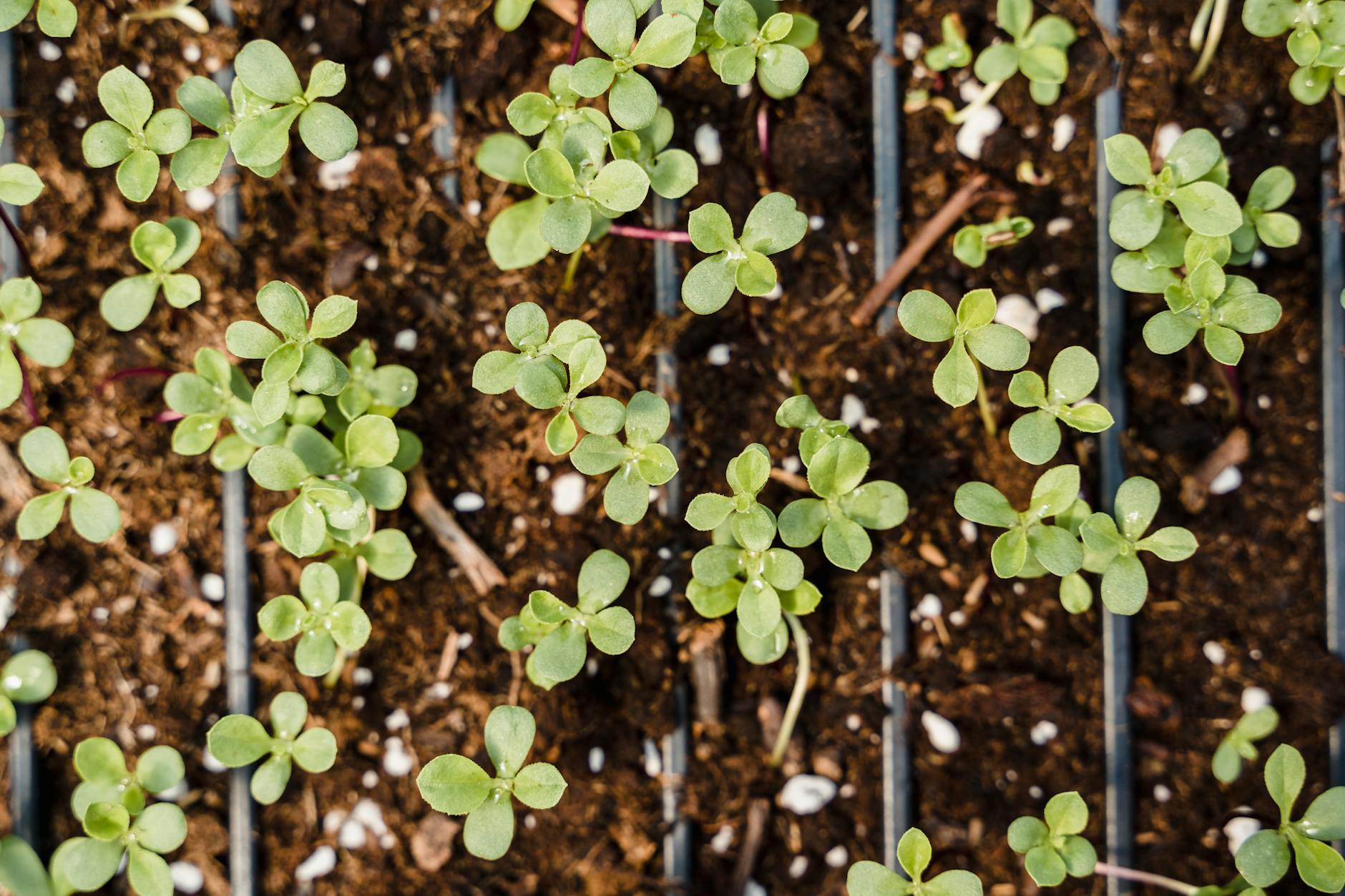
One final, crucial tip for planting out in the UK: slugs and snails absolutely adore tender dahlia shoots! I've had entire rows decimated overnight in my garden. As soon as those precious green shoots emerge from the soil, I'm out there with my chosen slug defence – usually a combination of wool pellets and regular evening patrols. Don't underestimate these slimy garden villains!
Conclusion: Your Abundant Dahlia Future Awaits!
Phew! We've been on quite a journey, haven't we? From those last spectacular blooms in autumn to gently tucking your tubers away for winter, and then the exciting reawakening in spring. Overwintering dahlias might seem like a bit of an effort at first glance, but I promise you, from my five years of intensive gardening here in my Midlands plot, it's one of the most rewarding tasks you can undertake.
Think about it:
- You save money: No need to buy new tubers every year for your favourite varieties.
- You preserve your favourites: Keep those unique, hard-to-find, or sentimental dahlias going strong for seasons to come.
- You get bigger, better blooms: Established tubers often produce more vigorous plants and an even more abundant display than new ones.
- You learn and grow: Each year, you'll refine your technique, learning what works best in your specific UK garden and climate.
I've made my fair share of mistakes along the way – from leaving tubers in too-damp soil to forgetting to check on them for months – but each hiccup has been a valuable lesson. That's the beauty of gardening, isn't it? It's a constant cycle of learning, experimenting, and celebrating the successes.
So, don't be shy! Give overwintering your dahlia tubers a go this year. You've got all the steps, straight from my own UK gardening experiences. Imagine the sheer joy of seeing those familiar, vibrant blooms erupt in your garden next summer, knowing you nurtured them through the cold British winter. It's an incredible feeling of accomplishment.
Have you successfully overwintered dahlias in your UK garden? Or perhaps you've got a brilliant tip or a funny story about a winter storage mishap? I'd absolutely love to hear about it in the comments below! Let's share our experiences and help each other grow even more spectacular gardens here in Britain. Happy gardening!