Introduction: Why Your Tender Geraniums Deserve a Winter Retreat
Here in my 800 sq ft Midlands garden, as the days shorten and that familiar crisp autumn bite hits the air, my thoughts inevitably turn to protecting the tender darlings I’ve nurtured all summer. Among them, my beloved zonal geraniums – or Pelargoniums as we gardeners properly call them – always get special attention. For years, when I first swapped my IT keyboard for a trowel five years ago, I used to treat them as annuals, letting the first proper British frost claim them. What a waste! I quickly learned that these vibrant beauties, with their endless blooms, don't have to be a one-season wonder, especially not when you put in the effort to keep them going.
That realisation was a game-changer for me. Why spend money on new plants every spring when, with a little know-how and a bit of space, you can keep your favourites thriving year after year? Overwintering geraniums isn't just about saving a few quid; it's about preserving a specific variety you love, maybe one passed down, or a particularly vigorous specimen that just shone in your patio pots. For me, it's about the 'Apple Blossom Rosebud' pelargonium I found at a local plant fair a few years back – its delicate, rose-like blooms are absolutely stunning and I couldn't bear to lose it to our unpredictable British winter. Through trial and error, and yes, a few unfortunate losses to damp and rot in my early days, I've developed a system that works brilliantly here in the UK.
This guide isn't just theory; it's what I've personally tried and tested in my own backyard, from my little greenhouse to the shed. I’ve experimented with different methods, learned from my mistakes (like that time I stored them too wet – never again!), and I'm here to share the nitty-gritty details of how you can give your cherished geraniums a well-deserved winter retreat, ensuring they bounce back with vigour next spring. We’ll cover two main approaches: putting them into a gentle indoor dormancy and, for those who want to expand their collection, taking cuttings. Get ready to embrace sustainable gardening and keep those stunning blooms gracing your UK garden for many seasons to come!
Method 1: Preparing and Storing Geraniums for Indoor Dormancy
When the weather forecast starts hinting at those first proper frosts – usually sometime in late October or early November here in the Midlands – it’s time to get serious about lifting your geraniums. I tend to watch the long-range forecast like a hawk. You want to get them in before a hard frost hits, as that can severely damage the plant and make overwintering much riskier. I've found that waiting for the leaves to just start looking a bit tired, but before they're completely battered by cold, is the sweet spot.
The goal here is to send your geraniums into a state of semi-dormancy, much like a bear preparing for winter. They won’t be actively growing, but rather conserving energy until spring. Here’s my step-by-step approach that I’ve honed over the past few years:
Timing is Everything (for the UK Climate): As I mentioned, keep an eye on those night-time temperatures. Once they consistently drop below 5°C (around 40°F), it's a good indicator that a proper frost isn't far off. For me, this is typically the last week of October, but our British weather can be fickle, so always be prepared to act quickly.
Lift and Clean: Gently dig up your geraniums from their pots or garden beds. I usually give the soil around them a good soaking the day before, which makes lifting much easier and reduces root shock. Once lifted, gently shake off as much soil as you can from the roots. You don't need to wash them; just get rid of the heavy clumps. This is a crucial step I learned the hard way – excess soil holds moisture and can lead to rot during storage.
The Big Prune: This is where it can feel a bit brutal, but trust me, it’s for their own good. I cut back the stems significantly, aiming to leave about 15-20 cm (6-8 inches) of stem. Remove all leaves, flowers, and any soft, new growth. You want to leave mostly woody stems. This drastically reduces the plant’s need for water and light during dormancy, and it also helps prevent fungal diseases from developing in storage. Don't be shy; a good prune promotes bushier growth in spring! I remember one year I was too cautious, and those plants were much leggier and slower to recover than the ones I'd pruned hard.
Inspection for Pests and Diseases: Before storing, give your plants a thorough once-over. Look for any signs of pests like aphids, whitefly, or spider mites hiding on the stems. If you find any, either wipe them off manually or give the plant a gentle spray with an organic insecticidal soap (ensure it's dry before storage). Also, check for any soft spots or discoloured stems, which could indicate disease. It’s better to discard a diseased plant now than risk it spreading to your whole collection.
Preparation for Storage: This is a bit of a personal preference, but I’ve had great success with two methods.
- Bare Root Storage (My Preferred Method for Shed/Garage): After pruning and cleaning, I let the plants air dry for a day or two in a cool, sheltered spot – often hanging them upside down in my greenhouse for 24 hours if it’s not too cold. This helps any lingering moisture evaporate. Then, I wrap the roots loosely in newspaper or brown paper bags. The key is to allow for some air circulation while preventing them from completely drying out.
- Potting Up (for Brighter, Cooler Spots): If I have a particularly special plant, or if I have space in a slightly brighter, cooler room indoors, I might pot it into a slightly larger pot than its root ball needs, using fresh, well-draining compost. I then water it once, lightly, and don't water again until spring. This isn't true dormancy but more of a slow, cool growth.

Optimal Conditions for Dormant Geranium Storage in the UK
Finding the right spot for your dormant geraniums is absolutely crucial, especially with our often-damp and fluctuating British weather. The ideal conditions are cool, dark, and with good air circulation. This prevents them from trying to grow (which they won't have the energy or light for) and, more importantly, stops rot and mould from setting in – a common killer in our climate.
In my UK garden setup, I’ve experimented with a few locations: my unheated greenhouse, the shed, and even a cool corner of the garage. Each has its pros and cons, and what works best really depends on how cold your winter gets and how insulated your outbuildings are. The main enemy is consistent dampness combined with cold.
Here’s a detailed comparison of common UK storage options and what I've learned from my own trials:
| Storage Location | Ideal Temperature Range (UK) | Humidity Considerations | Light Requirements | Randy's Experience (UK Midlands) | Pros (UK Specific) | Cons (UK Specific) |
|---|---|---|---|---|---|---|
| Unheated Greenhouse | 2-10°C (35-50°F) | Moderate (50-70%) | Low to Moderate | My Trial: My lean-to greenhouse can get quite cold, sometimes dipping below freezing on the coldest nights. I wrap plants in fleece or newspaper. Humidity can be an issue if ventilation isn't good on milder days, leading to botrytis. I lost a few to damp rot in my first year. | Offers some frost protection, moderate light, easy access. | Can get too cold (freezing), prone to damp issues if not ventilated, requires monitoring during cold snaps. |
| Garden Shed | 2-8°C (35-46°F) | Low to Moderate (40-60%) | Dark | My Trial: This is my go-to for bare-root storage. It's consistently cool and dark. The key is to ensure it's not completely airtight, allowing for some air exchange. I hang my bare-root geraniums upside down or store them in open paper bags on shelves. Minimal moisture, minimal light, perfect for deep dormancy. | Consistently cool and dark, good for bare-root storage, usually dry. | Can get very cold if uninsulated; plants can completely dry out if humidity is too low; pest issues (mice) can be a problem if not secured. |
| Garage/Cellar | 2-10°C (35-50°F) | Moderate (50-70%) | Dark | My Trial: Similar to the shed but often slightly warmer and more insulated. If it's attached to the house, it rarely dips below freezing. Great for bare-root or lightly potted plants. I've used my cellar for 'Mrs. Pollock' pelargoniums with great success – they love the stable, cool conditions. | Stable temperatures, good insulation, dark, often less prone to extreme cold. | Can be too warm if frequently used/heated, limited space, can be damp if poorly ventilated, potential for exhaust fumes if it's a working garage. |
| Cool Indoor Room | 10-15°C (50-59°F) | Low to Moderate (40-60%) | Bright (indirect) | My Trial: Not true dormancy, but a slow-growth phase. I've tried this with a few potted varieties near a north-facing window. They tend to get leggy if not enough light, and you need to monitor watering very carefully. They require more attention than truly dormant plants. | No frost risk, easy access for monitoring. | Often too warm, can lead to leggy growth, requires more watering and light, higher risk of indoor pests (spider mites, whitefly) thriving in warmer conditions. Not suitable for bare-root. |
General Tips for UK Dormancy:
- Ventilation is Key: Regardless of where you store them, ensure there's some air movement. Stagnant, damp air is a death sentence for dormant plants in our climate.
- Minimal Watering (if potted): If you've chosen to pot them, water very sparingly – maybe a tiny sip once a month, just enough to keep the roots from completely shrivelling. For bare-root storage, no watering is needed. I usually don't water until I see signs of new growth in early spring.
- Regular Checks: I make it a habit to check on my dormant geraniums every couple of weeks. Look for any signs of mould, shrivelling stems (too dry), or soft, mushy spots (too wet/cold). Catching these issues early can save your plants. If a stem looks bad, prune it off immediately.
Method 2: Taking Geranium Cuttings for Fresh Spring Plants
While overwintering your mature plants is fantastic, taking cuttings offers another brilliant way to ensure a vibrant display next year – and it’s a great way to expand your collection for free! I absolutely love this method, especially for those special varieties where I want a few extra plants. It also means you’re starting with fresh, vigorous young plants in spring, which sometimes outperform their older, overwintered parents. I typically aim to take my cuttings in late summer or early autumn, usually around August or September here in the Midlands, giving them plenty of time to establish roots before the real cold sets in.
One year, my prized 'Frank Headley' variegated pelargonium looked a bit sad after a particularly wet summer. Instead of risking the whole plant, I took a dozen cuttings, and by spring, I had a whole new generation ready to go. It was a proper triumph!
Here's how I approach taking geranium cuttings:
Selecting Your Stems: Choose healthy, non-flowering stems from the parent plant. Look for growth that's firm but not too woody – a bit like a pencil in thickness is ideal. Avoid any stems with flowers or buds, as the plant will put energy into blooming rather than rooting. I usually go for stems that are about 10-15 cm (4-6 inches) long.
Making the Cut: Using a sharp, clean knife or secateurs (I always sterilise mine with rubbing alcohol to prevent disease), make a clean cut just below a leaf node. A node is where a leaf or side shoot emerges from the main stem. This is where rooting hormones naturally concentrate, giving your cutting the best chance to root.
Preparing the Cutting:
- Remove Lower Leaves: Strip off all but the top two or three leaves. Any leaves below the soil line will rot and can lead to fungal issues. I also remove any flowers or flower buds to direct all the plant's energy into root production.
- Optional: Rooting Hormone: While geraniums root fairly easily, I often dip the cut end into rooting hormone powder or gel, especially for more challenging varieties or if I want to ensure a higher success rate. Just a quick dip is all you need.
Planting Your Cuttings:
- Compost Method (My Go-To): I prepare small pots or seed trays with a mix of 50/50 perlite and peat-free compost, or a specific cutting compost. This provides excellent drainage, which is critical for preventing rot. Make a small hole with a dibber or pencil, insert the cutting, and gently firm the compost around it. I can usually get 3-4 cuttings in a 9cm pot.
- Water Method (for Fun & Visuals): While the compost method gives stronger roots, I sometimes put a few cuttings in a jar of water on my kitchen windowsill. It’s mesmerising to watch the roots form, and it’s a great way to show the kids how plants grow. Just be sure to change the water every few days to keep it fresh and prevent stagnation. Once roots are about 2-3 cm long, I pot them up into compost.
Aftercare for Cuttings:
- Watering: Water your freshly potted cuttings thoroughly once, then allow the compost to almost dry out before watering again. Overwatering is the biggest killer of new cuttings.
- Location: Place your cuttings in a bright, warm spot, but out of direct, scorching sunlight. My propagation bench in the greenhouse, with some shade cloth, is perfect. A bright windowsill indoors also works well.
- Humidity (Optional): Creating a mini-greenhouse effect by covering the pots with a clear plastic bag or a propagator lid can help maintain humidity, but ensure there's some ventilation to prevent mould. I find with geraniums, it's often not strictly necessary as long as they're not drying out too quickly.
- Patience: Roots usually form within 3-6 weeks. You'll know they've rooted when you see new leaf growth emerging from the top of the cutting. Once rooted, they can be treated like small potted plants, gradually acclimatising them to slightly cooler temperatures as autumn progresses.
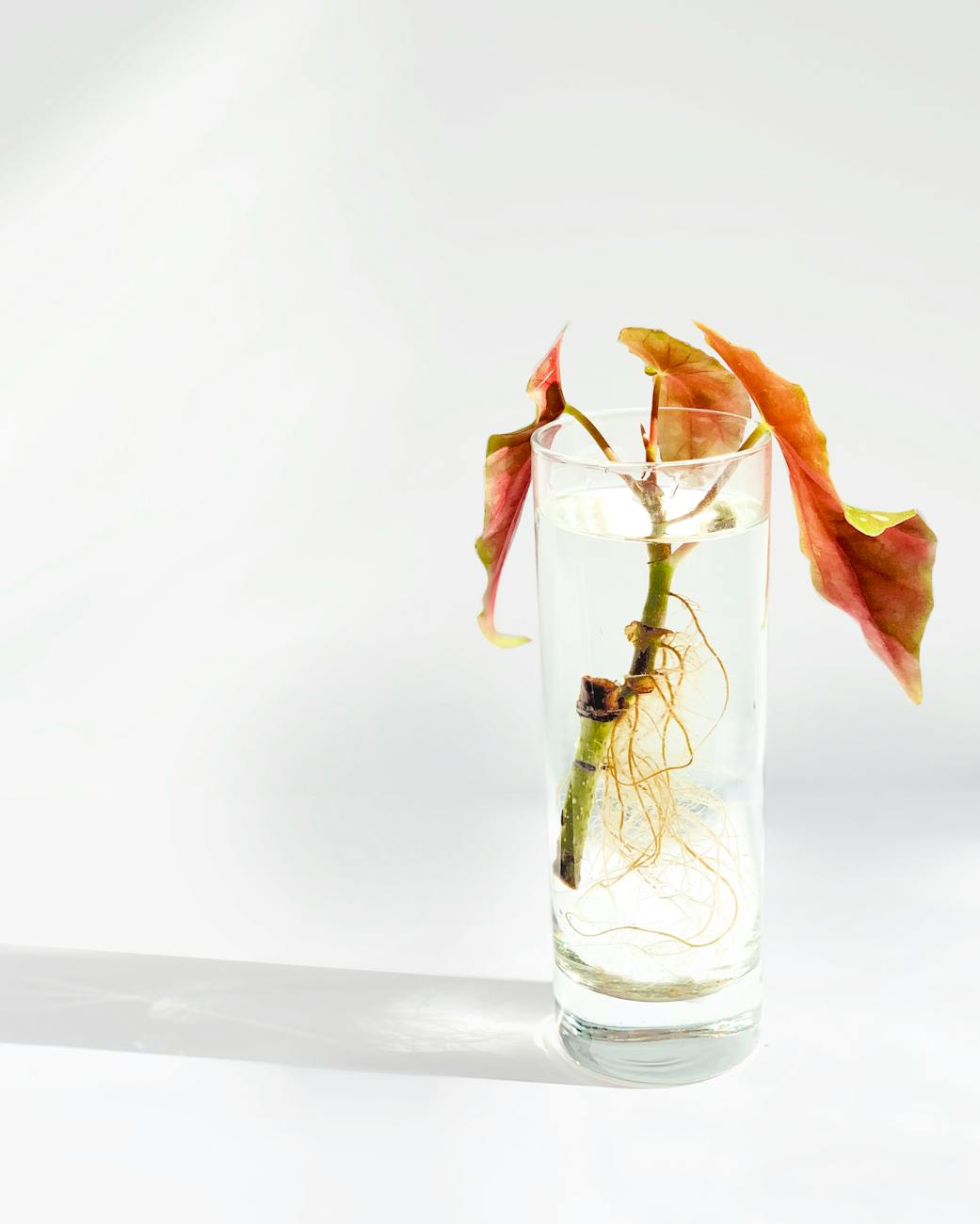
By early winter, these cuttings should be well-rooted and can be kept in a cool, frost-free, bright spot – like a windowsill in a cool spare room or a heated propagator in the greenhouse – ready to grow into robust plants for spring. This method has saved so many of my favourite geraniums from our unpredictable British winters, and it's incredibly satisfying to see those tiny cuttings flourish into full-sized plants!
5. Comparing Overwintering Methods: Dormancy vs. Cuttings
Okay, so we've explored the nitty-gritty of both overwintering methods: tucking your mature plants into a winter sleep and propagating fresh new ones from cuttings. Both are fantastic ways to keep your beloved geraniums going, but they serve different purposes and come with their own set of considerations. In my 800 sq ft Midlands garden, I've dabbled heavily in both, often running experiments side-by-side to see what truly works best for our sometimes-fickle British climate.
For me, the choice often comes down to what I want to achieve for the next season. Do I want a big, established plant that will burst into flower quickly, or am I looking to fill more pots and expand my collection cheaply? Let's break it down in a handy table, drawing on my five years of trial and error right here in the UK.
| Feature | Method 1: Indoor Dormancy (Mature Plants) | Method 2: Cuttings (New Plants) | Randy's Take (UK Context) |
|---|---|---|---|
| Effort Level | Medium. Initial prep (pruning, cleaning) then mostly passive monitoring. | Medium-High. Requires careful cutting, propagating, and potting up. | Dormancy is less hands-on for me after the initial chop. Cuttings need more daily attention. |
| Space Required | Significant. Mature plants can be bulky, even when pruned. | Moderate. Cuttings start small, but multiple pots add up. | My shed takes up a lot of space with dormant plants. Cuttings fill my greenhouse bench. |
| Time Commitment | Low post-prep. Weekly checks, minimal watering. | Higher. Daily checks for moisture, light, eventual potting on. | Dormant plants are a winter break for me. Cuttings keep me busy! |
| Cost Savings | Excellent. You keep your existing, often expensive, plants. | Excellent. Free plants from existing stock. | Both save a fortune compared to buying new plants every spring. |
| Vigor/Maturity | Plants emerge mature, often flowering earlier and more prolifically. | New plants, while healthy, take longer to establish and reach full bloom. | My dormant 'Mrs. Pollock' always flowers weeks before its cutting-born siblings. |
| Disease/Pest Risk | Can carry over pests/diseases if not meticulously cleaned beforehand. | Lower risk, as you start with fresh, disease-free material (ideally). | I've had spider mites pop up on dormant plants, never on fresh cuttings. |
| Genetic Diversity | Maintains existing varieties. | Maintains existing varieties. | Great for keeping hold of those special heirloom varieties I love. |
| Ideal for UK | Gardeners with cool, dark, frost-free storage (shed, garage, cool room). | Gardeners with a bright, warm windowsill or heated propagator/greenhouse. | I use dormancy for my main showpiece geraniums; cuttings for filling gaps. |
| Common Pitfall | Too much watering during dormancy, leading to rot in damp UK conditions. | Cuttings drying out or rotting due to inconsistent moisture/temperature. | I lost a few to rot early on by being too generous with the watering can. |
As you can see, there's no single "best" method. For me, the ideal approach is often a combination. I'll usually overwinter a few of my absolute favourite, largest specimens – varieties like 'Frank Headley' with its stunning variegated leaves – by bringing them indoors for dormancy. This ensures I get those big, established plants that make a real statement in my patio pots early in the season.
Then, I'll take a good number of cuttings from the same plants, and from others I want to multiply, like my vibrant red 'Decora' zonal geraniums. This gives me a backup plan and allows me to expand my display without buying dozens of new plants every spring. It's a fantastic way to ensure continuity and experiment with different garden layouts. Last year, I managed to create a whole new display of hanging baskets purely from cuttings, which felt incredibly satisfying and cost me nothing but a bit of time and compost!

6. Spring Rejuvenation: Bringing Your Geraniums Back to Life
Ah, spring! That magical time when the days get longer, the sun finally starts to feel warm on your face, and you can practically hear your garden sighing with relief. For us UK gardeners, it’s a moment of cautious optimism, especially after a long, grey winter. This is when we start the exciting process of waking up our overwintered geraniums. My greenhouse, usually a quiet haven in winter, buzzes with activity from late February onwards as I begin this delicate dance.
Waking Up Dormant Plants
Around late February to early March here in the Midlands, I start thinking about my dormant geraniums. This timing is crucial – too early and they might get leggy reaching for non-existent light; too late and you've missed a head start.
- Gradual Awakening: Bring your dormant plants out of their dark storage spot. I move mine from the cool, dark corner of my shed into my unheated greenhouse. The increased light, even if it's still cool, signals to them that it's time to stir. If you don't have a greenhouse, a bright, cool windowsill in a spare room is perfect.

- The First Drink: For the first few weeks, I give them a very light watering – just enough to moisten the compost, not drench it. Remember, they've been asleep; a sudden flood can shock them or encourage rot. I've learned this the hard way after a particularly damp spring one year, where I was a bit too eager with the watering can and lost a couple of prized plants to stem rot. Now, it's a cautious trickle!
- Pruning for Bushiness: Once you see signs of new growth (usually small, fresh green shoots appearing from the stems), it's time for a proper tidy-up. Prune back any dead, spindly, or crossing stems. This is also your chance to shape the plant. I usually aim to cut back by about a third, encouraging a bushier, more compact plant rather than a leggy one. This is vital for strong flowering later.
- Repotting and Feeding: Around mid-March, once they're actively growing, I carefully knock them out of their old pots. If they're root-bound, I'll move them up to a slightly larger pot (just one size up, no drastic jumps!) using fresh, good-quality multi-purpose compost. If they're staying in the same pot, I'll gently scrape off the top inch or two of old compost and replace it with fresh. At this point, I also start them on a diluted liquid feed, something balanced to encourage both foliage and root development.
Potting On Geranium Cuttings
If you took cuttings, by now they should be well-rooted and showing strong new growth.
- Individual Homes: Once your cuttings have a good network of roots (you can usually see them poking out of the drainage holes or gently check by tipping the plant out of its pot), it's time to pot them into their own small pots. I typically use 9cm (3.5 inch) pots filled with a good quality, free-draining multi-purpose compost.
- Pinching for Bushiness: To encourage a bushier plant with more flowers, pinch out the growing tip when the plant has developed about 3-4 sets of leaves. This sacrifices one potential flower but encourages two or more side shoots, leading to a much fuller plant. I always pinch my cuttings; it makes such a difference to the final display.
- Feeding: Just like the dormant plants, once established in their new pots and actively growing, begin feeding your cuttings with a diluted liquid feed every 1-2 weeks.
Hardening Off and Final Placement
This is perhaps the most critical step for us here in the UK, thanks to our unpredictable weather! You absolutely must harden off your geraniums before moving them outdoors permanently.
From early to mid-May (often aiming for after the last predicted frost, which for me in the Midlands is usually around the third week of May), I start the hardening off process. Over 7-10 days, gradually expose your plants to outdoor conditions.
- Day 1-3: Place them outside in a sheltered, shady spot for a few hours, bringing them in overnight.
- Day 4-6: Increase their time outdoors, moving them to a slightly brighter spot, still bringing them in at night or covering them if frost is forecast.
- Day 7-10: Leave them out overnight in a sheltered spot, unless a severe cold snap or frost is expected.
This gradual acclimatisation prevents shock, which can stunt growth or even kill tender plants. Believe me, I've skipped this step in my early gardening days, eager to get my pots looking lush, and paid the price with sickly, stressed plants. Never again!
Once hardened off and all danger of frost has passed (which, for me, is usually safe after the late May Bank Holiday), your vibrant geraniums are ready for their summer home in your garden, whether that's in pots, hanging baskets, or even directly into beds.
7. Conclusion: Enjoying Vibrant Geraniums Year After Year
And there you have it, fellow gardeners! We've journeyed through the entire cycle of overwintering your beloved tender geraniums, from preparing them for their winter slumber to coaxing them back to life and getting them ready for a spectacular summer display. It might seem like a bit of effort, especially if you're new to this, but I promise you, the rewards are absolutely worth it.
In my 800 sq ft Midlands garden, overwintering geraniums has become a non-negotiable part of my autumn and spring routine. It's not just about saving money (though that's a huge bonus when you consider the cost of new plants every year!). It's about the sheer satisfaction of nurturing a plant through its dormant phase, seeing those first green shoots emerge in spring, and then witnessing it burst into a riot of colour, often bigger and better than the year before.
I’ve had geraniums like my cherished 'Appleblossom Rosebud' that I've successfully overwintered for three years running now, growing into magnificent, floriferous specimens that simply wouldn't be achievable from a shop-bought plug plant. Each year, it feels like a small victory against our sometimes-challenging British weather, a testament to careful planning and a bit of horticultural know-how.
Whether you choose the quiet elegance of indoor dormancy or the prolific promise of fresh cuttings, you're investing in the future vibrancy of your garden. Don't be afraid to experiment, to try both methods, and to see what works best in your specific UK garden conditions. One year I tried leaving a pot of 'Black Velvet Rose' geraniums in a slightly warmer spot in the shed, and it completely failed due to rot; the next year, I moved them to the coolest, driest corner, and they thrived. Learning from these little experiments is all part of the fun!
So, go on, give it a go! Extend the life of your favourite geraniums, fill your garden with even more colour, and revel in the joy of sustainable, homegrown beauty. You'll not only save money but also build a deeper connection with your plants, nurturing them through the seasons.
I'd absolutely love to hear about your experiences. Have you overwintered geraniums before? What are your favourite varieties for our UK climate? Share your tips and triumphs (or even your comical failures, we've all had them!) in the comments below. Happy gardening, and here's to a garden full of vibrant geraniums, year after year!