Breaking the Boom-Bust Cycle: Why Biennial Bearing Harms Your Apple & Pear Harvests
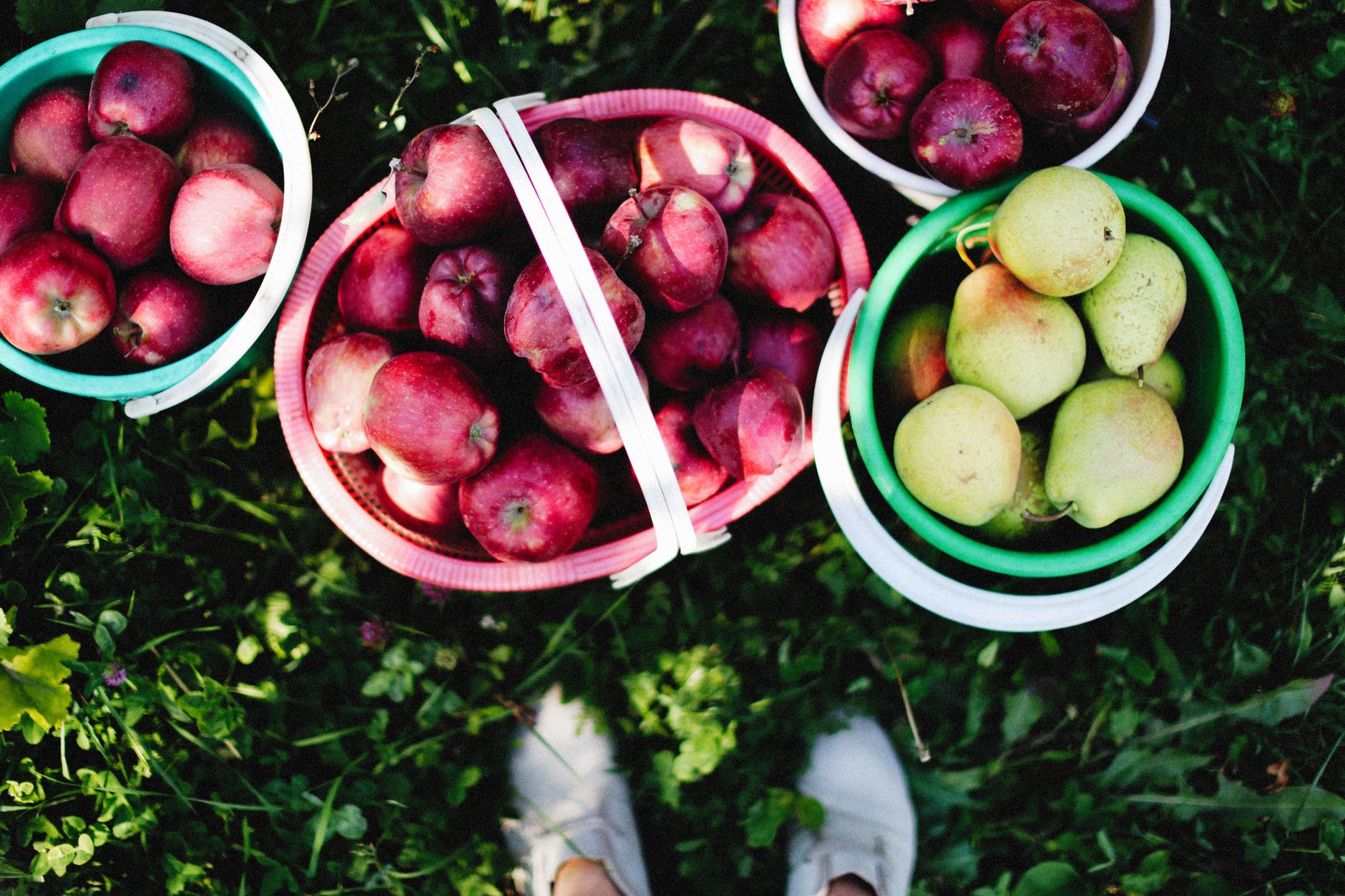
If you're anything like me, you dream of a consistent, bountiful harvest from your homegrown apple and pear trees every single year. Here in my 800 sq ft garden in the UK Midlands, every inch of space is precious, and every plant needs to pull its weight. So, when one of my precious fruit trees decides to take a year off after giving me an overwhelming bounty, it's not just annoying – it's a real problem for my carefully planned garden ecosystem. That frustrating pattern, where a tree produces a massive crop one year (the "on" year) only to yield next to nothing the following year (the "off" year), is what we call biennial bearing.
I first encountered this properly with my 'Discovery' apple tree, which is a fantastic early season eater here in Britain. For two years, it gave me a respectable amount of crisp, sweet apples. Then, one summer, it was absolutely laden – branches bowing under the weight, I could barely keep up with the harvest! I was chuffed, thinking I'd cracked it. The very next spring, however, I barely saw any blossom. My heart sank. That year, I might have picked a dozen apples, total. It felt like a betrayal! I’ve learned since then that this boom-bust cycle isn't just a bit inconvenient; it actually harms the long-term health and productivity of your trees, especially in our often unpredictable British climate. It saps the tree's energy, makes it more susceptible to pests and diseases, and frankly, it's just disheartening for us dedicated gardeners. But don't despair! I've spent the last few years experimenting, learning from my mistakes (and there have been a few, believe me!), and I'm here to share what I've found really works to break this cycle and get those consistent, delicious harvests we all crave.
The Science Behind the Scarcity: How Biennial Bearing Works in UK Orchards
Understanding why biennial bearing happens is half the battle. It's not just a tree being moody; it's a complex physiological response, especially pronounced in certain varieties and exacerbated by our variable UK weather. Essentially, fruit trees have a finite amount of energy to go around. In an "on" year, when a tree sets an excessive amount of fruit, it pours all its resources into developing those apples or pears. This huge energy drain means there's little left over to do something equally vital: form new flower buds for the next year's crop.
Think of it like this: your tree is trying to be a superhero, but it can only lift one car at a time. If it uses all its strength to lift a massive car (a huge crop), it's too exhausted to even think about lifting another one for a while. The chemical signals from the developing seeds in the fruit also play a role, specifically inhibiting the formation of new flower buds. So, by the time autumn rolls around after a bumper crop, the tree simply hasn't developed enough viable flower buds for the following spring. Here in the Midlands, a late frost can sometimes thin out an "on" year's blossom naturally, ironically helping to prevent biennial bearing by reducing the initial fruit set. But relying on dodgy British weather isn't a strategy I'd recommend!
To give you a clearer picture, here's how an 'on' year contrasts with an 'off' year in my UK garden:
| Characteristic | "On" Year (Bumper Crop) | "Off" Year (Scarcity) |
|---|---|---|
| Blossom Density | Extremely heavy, tree covered in flowers. | Very sparse, few flowers, mostly vegetative growth. |
| Fruit Set | Abundant, often too many fruits per cluster. | Minimal, if any, fruit set. |
| Fruit Size | Tends to be smaller due to competition for resources. | Larger, but very few fruits. |
| Tree Vigor | Reduced growth, often stunted new shoots. | Strong vegetative growth, lots of new shoots. |
| Flower Bud Dev. | Severely inhibited for the next year's crop. | Ample energy for developing abundant flower buds. |
| Harvest Expectation | Overwhelming, often requires significant thinning. | Disappointing, often only a handful of fruits. |
| Pest/Disease Risk | Higher due to stressed tree and dense canopy. | Lower, as tree has more energy for defence. |
Early Intervention: Strategic Fruit Thinning for Consistent Annual Yields
This is where we step in, dear fellow gardeners! The most immediate and impactful way I've found to prevent biennial bearing is through strategic fruit thinning. It might feel counter-intuitive, even painful, to remove perfectly good-looking fruit from your tree, especially when you're dreaming of that harvest. Believe me, the first time I did it on my 'Conference' pear tree, I felt like I was committing a crime against nature! But I promise you, it's an act of kindness for your tree and an investment in your future harvests.
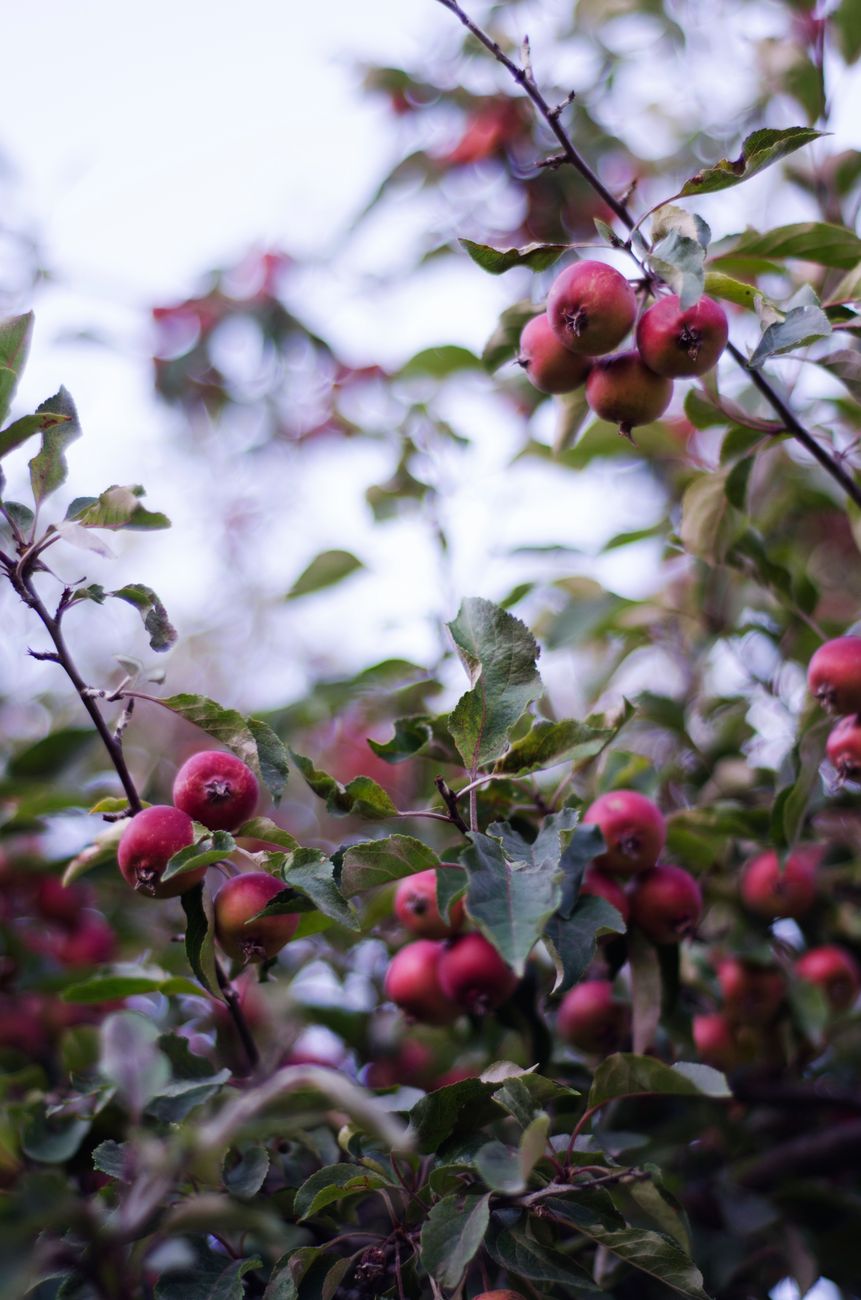
The key here is early intervention. The earlier you thin, the more effective it is. Those developing seeds in the fruit are already sending out those bud-inhibiting signals, so we need to act before they get too established. In my UK garden, I typically aim to start thinning apples and pears around late May to early June, once the natural "June drop" has mostly occurred and the fruitlets are about the size of a large marble or a 20p coin. Our British springs can be a bit hit-and-miss, so I always wait until I'm confident that any danger of late frosts has passed and the fruit set is truly established.
Here's my approach:
- Assess the Clusters: Look at each cluster of fruitlets. Often, you'll see three to five (or even more!) tiny fruits growing together.
- Identify the "King Fruit": This is usually the largest, most centrally placed fruit in the cluster. It's often the strongest and best-formed. This is the one you want to keep.
- Remove the Weaker Ones: Gently twist off the smaller, misshapen, or damaged fruitlets. I usually thin to just one or two fruits per cluster. For apples, aiming for one fruit every 4-6 inches (roughly a hand-width) along the branch is a good general guide. Pears can sometimes handle two per cluster, but one is safer for consistency.
- Be Ruthless (but not reckless!): This is the hard part. It feels like you're sacrificing a lot, but you're actually ensuring the remaining fruit develops into larger, healthier specimens, and crucially, you're allowing the tree to put energy into forming next year's flower buds.
Last year, despite a particularly soggy June here in the Midlands, I diligently thinned my 'Egremont Russet' apples. I removed probably 60% of the tiny fruitlets. My wife thought I was mad! But come harvest, those remaining apples were magnificent – beautifully sized, crisp, and with that distinctive russet flavour. And even better, this spring, the tree is showing a really promising, even spread of blossom, not an overwhelming flush, but enough for a good, manageable crop. That's the power of thinning!
Precision Pruning: Shaping Your Trees for Future & Regular Cropping
While thinning tackles the current season's crop, precision pruning is about shaping your tree for long-term, consistent productivity. It's a bit more of an art form, but once you understand the principles, it becomes incredibly rewarding. I've certainly made my share of mistakes – once, I got a bit carried away with the loppers on my young 'Williams Bon Chrétien' pear and cut off way too much fruiting wood. Live and learn! What I've found works best here in the UK is a balanced approach that encourages a healthy tree structure while promoting the right kind of wood for annual fruiting.
The goal with pruning for biennial bearing is to manage the tree's energy and encourage the formation of new fruiting spurs (short, stubby branches that bear fruit) and replacement wood. We want to avoid letting the tree become overcrowded with old, unproductive wood or excessively vigorous, leafy growth that doesn't contribute to fruit.
Here are some key pruning techniques I use:
- Summer Pruning (Late July - August in UK): This is crucial for apples and pears grown on restrictive forms (cordons, espaliers, fans) and also beneficial for regulating vigour on bush trees. I focus on shortening current season's growth (new shoots) back to about 3-4 leaves from their base. This diverts energy from leafy growth into fruit bud formation for the following year. It's especially useful after an "on" year to stimulate bud development.
- Winter Pruning (November - March in UK, when dormant): This is about shaping the tree, removing dead, diseased, or crossing branches, and encouraging new growth.
- Thinning out old fruiting spurs: Over time, fruiting spurs can become congested and less productive. I selectively remove some of the oldest, weakest spurs to make way for new ones.
- Renewal Pruning: Identify and remove a proportion of older, less productive branches to encourage the growth of new wood that will bear fruit in subsequent years. This ensures a constant supply of young, vigorous fruiting wood.
- Balancing Vigour: If a tree is growing excessively vegetatively (lots of leaves, few fruit buds), a lighter winter prune combined with heavier summer pruning can help redirect energy. Conversely, if a tree is weak, a harder winter prune can stimulate stronger growth.
It's all about finding that sweet spot for your individual tree and variety. My 'Braeburn' apple, for example, tends to be more vigorous, so it benefits from more summer pruning to keep it in check. My 'Concorde' pear, being a bit more restrained, needs less aggressive pruning.
To help clarify the different approaches, here's a comparison of how various pruning techniques impact the biennial bearing cycle:
| Pruning Technique | Timing (UK) | Primary Goal for Biennial Bearing | Impact on Tree & Harvest |
|---|---|---|---|
| Summer Pruning | Late July - August | Redirect energy to fruit bud formation. | Reduces vegetative growth, promotes next year's blossom. |
| Winter Pruning (Thinning) | Nov - Mar (dormant) | Remove old, unproductive wood; encourage new spurs. | Improves light penetration, stimulates new fruiting wood. |
| Winter Pruning (Renewal) | Nov - Mar (dormant) | Replace old branches with new, vigorous ones. | Maintains tree health, ensures continuous supply of fruit. |
| Hard Pruning (Corrective) | Nov - Mar (dormant) | Rejuvenate neglected or very biennial trees. | Can shock the tree, but effective for long-term health if done right. |
| Light Pruning (Maintenance) | Varies by tree/goal | Maintain balance and open structure. | Keeps tree manageable, supports consistent fruiting. |
Remember, pruning is a long-term strategy. You won't see results overnight, but consistently applying these techniques will lead to healthier, more productive trees that give you a reliable harvest year after year.

Beyond Thinning & Pruning: Year-Round Care for Steady Harvests
While strategic thinning and precise pruning are the heavy hitters in our battle against biennial bearing, they’re not the only players on the team. Think of it like growing a champion heirloom tomato in my greenhouse – it’s not just about pinching out side shoots; it’s a whole system of care that leads to those glorious, heavy fruits. For our apple and pear trees here in the UK, consistent annual harvests depend on a holistic, year-round approach that supports the tree's overall health and vigour.
Feeding Your Future Harvests: Nutrition in the UK Climate
Just like I need a good cuppa and a biscuit to keep me going, your fruit trees need the right nutrients. Here in the Midlands, our soils can be a bit variable, so I always recommend a soil test if you’re unsure. Generally, fruit trees benefit from a balanced feed in early spring, just as they're waking up. I've found that a good general-purpose granular fertiliser, scattered around the drip line before a good rain (or a thorough watering if our British weather isn't cooperating!), works wonders. Avoid high-nitrogen feeds later in the season, though; that just encourages leafy growth at the expense of fruit bud formation, which is the exact opposite of what we want for consistent cropping. One mistake I made early on was overfeeding a vigorous 'Discovery' apple with chicken manure pellets in summer – all I got was huge leaves and very few apples the next year! Lesson learned.
The Thirst Quencher: Watering for Fruit Development
Our British summers, as we all know, can swing wildly from damp and dreary to surprisingly dry. Consistent moisture is absolutely critical, especially from blossom time through to fruit development. If the tree is stressed by drought during this period, it's more likely to drop fruit prematurely or, worse, decide it doesn't have the energy to form fruit buds for the following year. In my 800 sq ft garden, I use a combination of rainwater harvesting (essential with our hosepipe bans!) and a good, deep soak once a week during dry spells. Smaller, younger trees, especially those on dwarfing rootstocks, will need more vigilant watering than established giants. I learned this the hard way with a young 'Conference' pear in its second year – a dry July meant tiny, shrivelled fruits and a very sparse crop the year after. Now, I mulch heavily to help retain moisture.
Health Check: Pest & Disease Management
A healthy tree is a happy, productive tree. Regular checks for pests and diseases are part of my weekly routine, especially during the growing season. Common culprits here in the UK like apple scab, canker, and codling moth can weaken your trees, diverting energy from fruit production or causing fruit loss. I try to manage these organically where possible. Good garden hygiene, like clearing up fallen leaves and fruit in autumn, is crucial for breaking disease cycles. For codling moth, I’ve had some success with pheromone traps in my small orchard area; it's not a complete eradication, but it significantly reduces the damage without resorting to sprays. If you have canker, which is unfortunately common in our damp climate, prompt pruning out of affected branches is key.
The Buzz About Pollination: Ensuring Fruit Set
This might seem obvious, but no pollination means no fruit! Most apple and pear varieties need a compatible partner to set fruit. Even self-fertile varieties often benefit from cross-pollination for better yields. In my small space, I’ve carefully selected varieties that are compatible and flower at similar times. If you only have one tree, consider planting a crab apple nearby – they’re fantastic pollinators for many apple varieties. We've got plenty of wild bees and bumblebees buzzing around my raised beds, especially with all the herbs and flowers I interplant, which helps enormously. If you're in a very exposed or urban area, sometimes hand-pollination can even be an option, though I've thankfully never had to resort to it here in the Midlands.
The Magic Carpet: Mulching for Tree Health
Finally, a good layer of mulch around the base of your fruit trees is a game-changer. I use well-rotted garden compost or wood chip, applied in late autumn or early spring. It suppresses weeds (which compete for water and nutrients), conserves soil moisture (a lifesaver during our dry spells), and slowly adds organic matter to the soil, improving its structure over time. Just remember to keep the mulch a few inches away from the trunk to prevent collar rot. This simple step saves me so much time weeding and watering, allowing me to focus on the more enjoyable tasks!
Your Biennial Bearing Prevention Calendar: A UK Gardener's Timeline
So, we've talked about the "what" and the "why." Now let's get down to the "when." Gardening here in the UK is all about timing, and preventing biennial bearing is no exception. This calendar outlines the key tasks month-by-month, specifically tailored for our British seasons. Remember, these are general guidelines; your specific microclimate in the Midlands, the variety of tree, and the unpredictable British weather will always play a role, so keep a keen eye on your trees!
Here’s a snapshot of my year, adapted for both apples and pears:
| Month (UK) | Key Tasks for Biennial Bearing Prevention (Apples) | Key Tasks for Biennial Bearing Prevention (Pears) | Randy's Notes & Tips (UK Specific) |
|---|---|---|---|
| Jan | Dormant pruning if weather allows (mild days) | Dormant pruning if weather allows (mild days) | I often get my secateurs out on a crisp, dry day, but avoid if it's freezing here in the Midlands – frozen wood is brittle! |
| Feb | Dormant pruning (before buds swell), check for canker | Dormant pruning (before buds swell), check for canker | This is the prime window for winter pruning before growth truly kicks off. Crucial for light penetration next season. |
| Mar | Bud burst, early pest checks (aphids, overwintering eggs) | Bud burst, early pest checks (aphids, overwintering eggs) | Keep an eye on swelling buds. A quick spray of organic bug killer can help if aphids appear. |
| Apr | Blossom time! Monitor pollination. | Blossom time! Monitor pollination. | If it's a cold, wet British spring, bee activity might be low. Don't panic, but keep an eye on fruit set. |
| May | Assess initial fruit set (pea-sized fruitlets) | Assess initial fruit set (pea-sized fruitlets) | The 'June drop' often takes care of some of the work, but I start mentally preparing for thinning. |
| Jun | Major Fruit Thinning (after June drop), water if dry | Major Fruit Thinning (after June drop), water if dry | This is it! I aim for a hand-width (4-6 inches) between apples. Pears are less aggressive, 1-2 per cluster is usually enough. |
| Jul | Summer pruning (vigorous varieties), continue thinning | Summer pruning (if needed for vigour/form), continue thinning | On vigorous varieties like 'Discovery', I'll do some light summer pruning to allow light in and reduce vigour. |
| Aug | Monitor fruit development, consistent watering | Monitor fruit development, consistent watering | Crucial for fruit size and quality. A dry spell now means smaller, less flavourful fruit and potential stress for next year's buds. |
| Sep | Harvesting begins (early varieties), clear fallen fruit | Harvesting begins (early varieties), clear fallen fruit | 'Worcester Pearmain' is often one of the first off my trees. Good hygiene helps prevent overwintering pests. |
| Oct | Harvesting continues, final checks for pests/diseases | Harvesting continues, final checks for pests/diseases | My 'Bramley' is usually ready now. Clear all fallen fruit to minimise fungal spores. |
| Nov | Final tidying, apply mulch, prepare for winter | Final tidying, apply mulch, prepare for winter | I apply a good layer of compost as mulch before the first hard frosts here in the Midlands. It feeds and protects. |
| Dec | Reflect and plan for next year's pruning/thinning | Reflect and plan for next year's pruning/thinning | Time to study the bare branches and think about where I want fruit next year. And maybe order a new heirloom tomato variety for the greenhouse! |

Enjoying Your Bounty: A Lifetime of Consistent Apple & Pear Harvests
So there you have it – my tried-and-tested approach to breaking the cycle of biennial bearing here in my UK garden. It might sound like a lot when you lay it all out, but trust me, once you get into the rhythm, these tasks become second nature. It's not just about one-off actions; it's a continuous conversation with your trees, understanding their needs, and responding to what our wonderfully unpredictable British climate throws at them.
I've learned a lot in my five-plus years of intensive gardening, often through making mistakes like not thinning enough, or getting my pruning timings a bit off. But every year has been a learning curve, and the rewards are absolutely worth it. Imagine stepping out into your garden, even if it's just a small 800 sq ft space like mine, and picking a perfectly ripe apple or a crisp pear, knowing that you've nurtured that tree to produce its best, year after year. That consistent abundance of homegrown fruit is not just satisfying, it's a truly delicious achievement.
By committing to strategic thinning, precision pruning, and thoughtful year-round care, you're not just preventing biennial bearing; you're cultivating healthier, more robust trees that will provide you and your family with a steady, high-quality harvest for years to come. It’s a bit of effort, yes, but the taste of that first consistently-cropped apple makes all the planning, the snipping, and the thinning absolutely worthwhile.
Now, go forth, observe your trees, get those secateurs ready, and enjoy the journey to a lifetime of consistent harvests! I'd love to hear about your experiences and any tips you've picked up in your own UK garden – drop a comment below and let's share our passion for homegrown goodness!