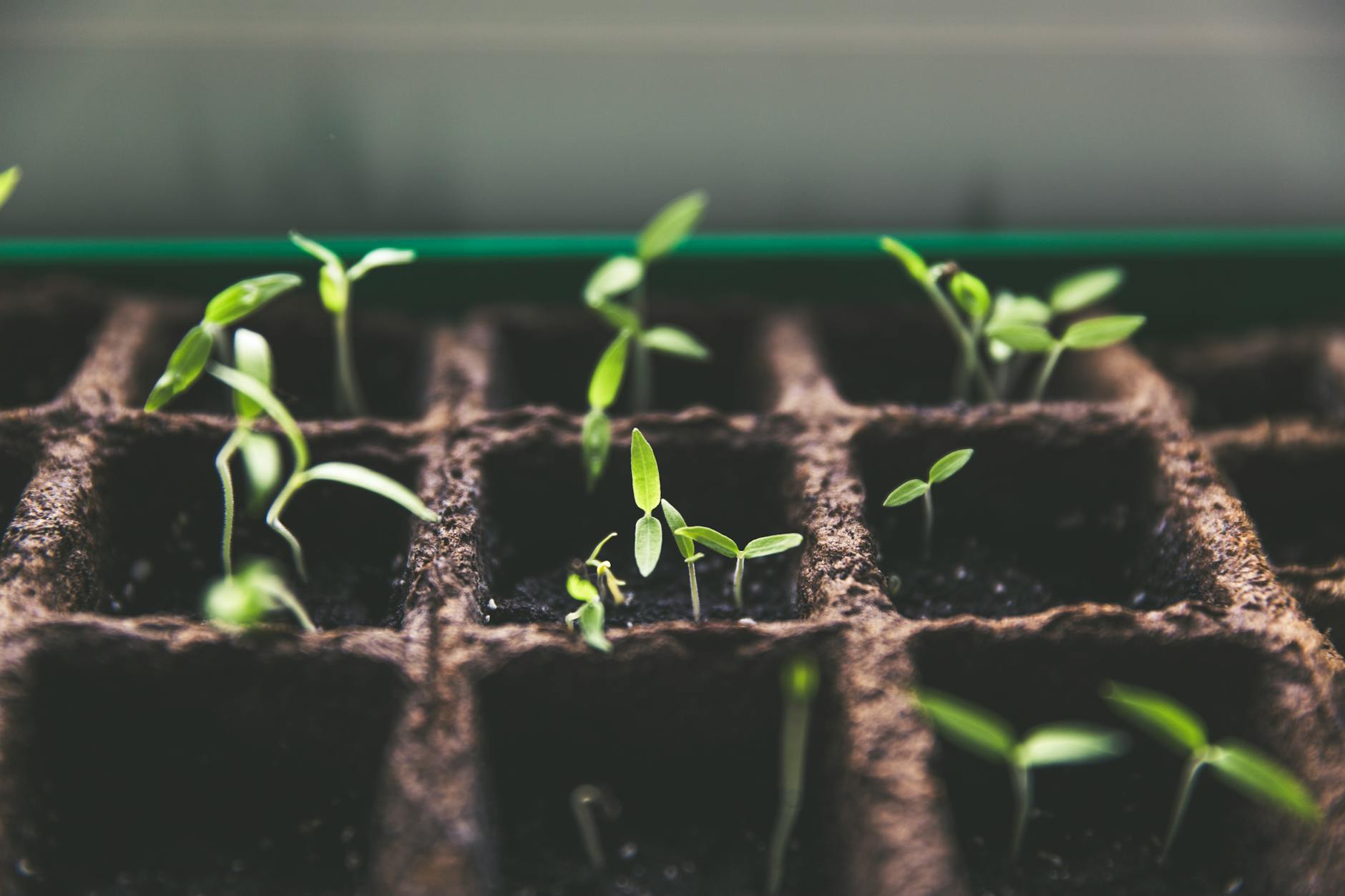
Introduction: Safeguarding Your Sown Seeds from Hungry Birds
There's a special kind of excitement that comes with sowing seeds in the spring, isn't there? You've spent weeks, maybe months, dreaming of those vibrant 'Cherokee Purple' tomatoes ripening in your greenhouse, or those crisp 'Little Gem' lettuces ready for a summer salad. You've nurtured the soil, carefully placed each tiny seed, and watered with hopeful anticipation. Then you wake up, look out at your meticulously prepared raised beds here in my 800 sq ft Midlands garden, and find... devastation. Little holes, pecked-out divots, and patches of bare earth where your future harvest once lay.
It's soul-crushing, I know. I've been there countless times in my five years of intensive UK gardening, especially in my early days. Those little feathered bandits, as cute as they are, can be absolute terrors when it comes to newly sown seeds. From the cheeky robins to the determined pigeons, they see your freshly turned soil and scattered seeds as an open invitation to an all-you-can-eat buffet.
But fear not, fellow UK gardeners! This isn't a battle we have to lose, nor do we need to resort to drastic measures. My passion for gardening, honed through years of trial and error (and plenty of British weather challenges!), has taught me that we can protect our precious seeds from planting right through to germination using humane, effective strategies. I've experimented with everything, from old CDs to elaborate scarecrows, and I'm here to share what I've found truly works in a typical British backyard. Let's make sure your hard work turns into a bountiful harvest, not bird feed!
Why Birds Target Your Garden: Understanding the Seed Snatchers
Before we dive into the solutions, it helps to understand why our avian neighbours are so keen on our garden beds. It's easy to get frustrated and see them as pests, but in reality, birds are just doing what comes naturally: finding food. My 800 sq ft backyard, with its numerous raised beds and greenhouse, is essentially a giant, well-stocked larder for them, especially during the spring when natural food sources might be a bit scarcer.
Here in the Midlands, I see a regular cast of characters. The house sparrows are often the boldest, flitting in and out with remarkable speed. Blackbirds are masters of digging, often leaving surprisingly large craters in their wake, especially when they're foraging for worms but stumble upon a lovely seed. And let's not forget the pigeons, who can wipe out a row of pea or bean seeds in minutes if left unchecked. Even my beloved garden robins, usually my trusted companions, aren't above a quick snack of a newly sprouted seedling.
Newly sown seeds are particularly vulnerable for a few key reasons:
- Easy Access: They're sitting right on the surface or just barely covered, making them incredibly easy for birds to spot and dig up.
- High Energy: Seeds are packed with concentrated energy and nutrients, making them a very appealing food source, especially for birds needing energy for nesting or feeding young.
- Visible Disturbance: Freshly disturbed soil from sowing often highlights the presence of seeds, acting like a beacon for hungry birds. I've often watched them from my kitchen window, observing how quickly they zone in on a freshly sown patch.
I've learned that it's not maliciousness; it's instinct. Understanding this helps us choose strategies that are both effective for us and harmless for them. We want to deter, not harm, and ensure our gardens remain a haven for both plants and wildlife, just not at the expense of our harvests!
Effective Physical Barriers: Your First Line of Defence
Alright, let's get down to brass tacks. From my years of battling everything from unexpected frosts to relentless slugs here in my UK garden, I've learned that when it comes to birds and newly sown seeds, a physical barrier is your most reliable friend. It's a simple truth: if they can't get to the seeds, they can't eat them. I've tried all sorts of 'scare' tactics – shiny CDs, old plastic bottles, even a rather sad-looking scarecrow made by my kids – and while they might offer a momentary pause, the birds invariably figure them out. What really works are solid, impenetrable shields.
I use a mix of different barriers depending on the crop, the bed size, and the time of year, always keeping our wonderfully unpredictable British weather in mind. What works for a small patch of early spring carrots might be different from what I use for my brassica seedlings.
Here's a breakdown of the physical barriers I've tested and trusted in my own garden, along with their pros and cons for us UK gardeners:
| Barrier Type | Randy's Experience (Pros for UK) | Randy's Experience (Cons for UK) | Best For... (UK Context) |
|---|---|---|---|
| :--- | :--- | :--- | :--- |
| Bird Netting | - Highly effective physical barrier. - Allows for air circulation and rain penetration. - Can be used on hoops or framework. - Good against larger birds like pigeons, blackbirds, and even squirrels. - Reusable year after UK seasons. | - Can be fiddly to install tightly. - Crucially, mesh size matters! If it's too fine, small birds can get tangled (a big no-no for me). If too wide, small birds can get through. - Requires sturdy support to prevent sagging, especially with British wind and rain. - Can make access for weeding/watering more difficult. - Needs to be checked regularly for damage. | - Protecting larger areas of newly sown rows like peas, beans, carrots, salad greens. - Covering raised beds where multiple crops are sown. - Permanent protection over fruit cages (strawberries, currants). I use a 7mm mesh for most veg. |
Clever Deterrents: Visual, Auditory, and Distraction Tactics
Right, so you've got your physical barriers in place, but sometimes the birds are just too clever for their own good, or you've got a particularly stubborn patch they keep eyeing up. This is where I start getting a bit more creative – and sometimes a bit silly, if I'm honest! I've experimented with all sorts of visual and auditory deterrents, and even tried to distract them with other goodies. The key, I've learned here in my UK garden, is that birds are smart. They get used to things quickly. So, novelty and rotation are your best friends.
Visual Wonders (and Woes)
My first port of call is usually anything shiny or reflective. You know the drill: old CDs, reflective tape, even those sparkly Christmas decorations that look a bit out of place in July.
- CDs & Reflective Tape: I've strung old CDs on fishing line or twine around my raised beds. The way they spin and flash in the British sunshine (when we get it!) can certainly startle birds. Similarly, reflective holographic tape, often sold for bird scaring, does a similar job. I usually tie strips of it to canes or poles around the edges of a newly sown bed.
- My experience: They work brilliantly for a few days, maybe a week. Then, the local starlings and sparrows seem to cotton on. They realise it's not a predator, just a bit of a nuisance. So, I often have to move them around, or take them down for a few days and put them back up. It’s a bit of a faff, but sometimes it buys me enough time for germination.
- Scarecrows: Oh, the classic scarecrow! I even tried making a rather dashing one out of an old pair of my jeans and a straw hat a couple of years back.
- My experience: Honestly? More of a novelty for the grandkids than an effective bird deterrent in my 800 sq ft Midlands garden. Unless you're moving it daily, birds quickly learn it's a static, harmless lump of fabric. If you've got a huge allotment, maybe, but for smaller plots, it's low on my list.
Auditory Alarms (Mostly for Me!)
Beyond what they see, what about what they hear? Wind chimes, ultrasonic devices... I've dabbled!
- Wind Chimes: I love the gentle tinkling of wind chimes near my greenhouse, but as a bird deterrent for seeds?
- My experience: They're lovely background noise for me while I'm potting up my 'Cherokee Purple' tomatoes, but the birds here in the UK don't seem bothered in the slightest. They'll happily peck away at seeds just metres from them. Save them for ambience, not protection!
- Ultrasonic Devices: You can buy devices that emit high-frequency sounds, supposedly irritating to birds but inaudible to humans.
- My experience: I bought one once, positioned it near a bed of newly sown Florence fennel that the pigeons were devouring. I watched them land, ignore the device, and continue their feast. Maybe in a very enclosed space, but for an open garden like mine, I've found them to be a waste of money. They just don't seem to cut through the natural sounds of the garden.
Distraction Tactics: A Risky Business
This is where it gets a bit more controversial and requires a leap of faith. The idea is to give the birds something else to eat, hoping they'll leave your precious seeds alone.
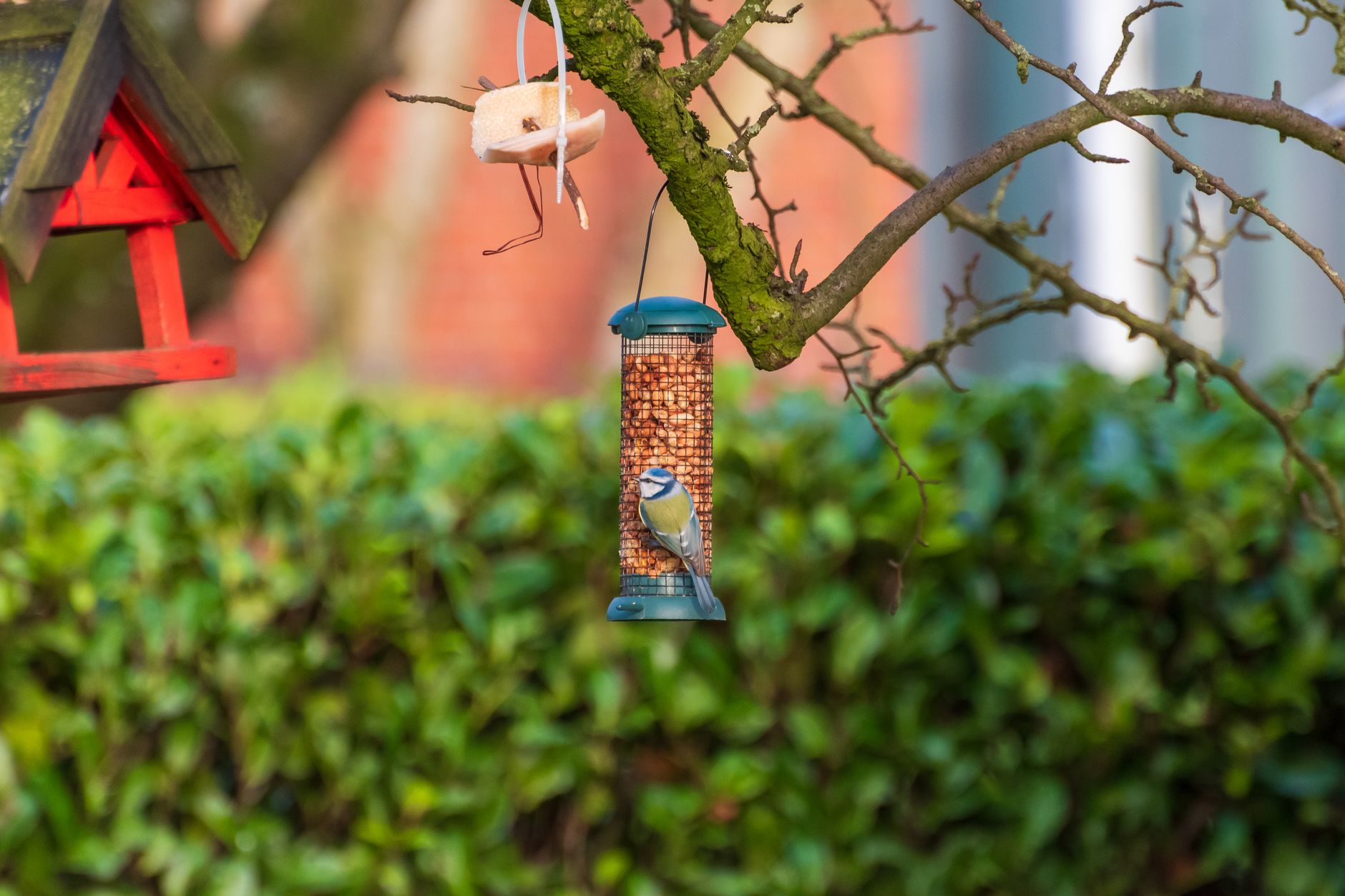
- Dedicated Bird Feeders: Placing a feeder filled with birdseed (like black sunflower seeds or a general mix) a good distance away from your vegetable beds.
- My experience: I've had mixed results. Sometimes, it works a treat – the birds focus on the easy meal. Other times, it just attracts more birds to the general vicinity of my garden, and then they spot my freshly sown 'Early Nantes' carrots as an extra treat. You have to be consistent with refilling it, and it's a gamble. In a small garden, it can sometimes backfire.
Here's a quick rundown of my experiences with these clever deterrents:
| Deterrent Type | My UK Garden Experience | Pros for UK Conditions | Cons for UK Conditions | Randy's Rating (1-5) |
|---|---|---|---|---|
| Visual: | ||||
| CDs/Reflective Tape | Good initial shock; need regular movement/rotation. | Wind makes them move, increasing effectiveness. Cheap. | Birds quickly habituate; can look messy. | 3 |
| Scarecrows | Mostly ornamental; ineffective unless moved daily. | Classic garden aesthetic. | Birds learn they're harmless fast; takes up space. | 1 |
| Auditory: | ||||
| Wind Chimes | No discernible effect on birds in my experience. | Pleasant sound for gardeners. | Birds ignore them; doesn't deter. | 1 |
| Ultrasonic Devices | Expensive, completely ineffective in my open garden. | (Claimed: Inaudible to humans, eco-friendly) | Birds largely ignore them; questionable effectiveness in open spaces. | 1 |
| Distraction: | ||||
| Dedicated Bird Feeders | Can divert birds, but also attracts more to the garden. Requires consistent refilling. | Can provide alternative food source, potentially saving your seeds. | Can attract more birds; risk they'll still find your beds. Cost of feed. | 2 |
Natural & Companion Planting Strategies: Luring Birds Away
This is one of my favourite areas to experiment with – working with nature, using plants themselves to help protect my crops. It's not always a foolproof method, especially with hungry pigeons, but it adds another layer of defence and often benefits the garden in other ways too.
Dense Planting for Cover
Birds love an easy landing strip and clear ground to forage. If the soil is densely covered, it makes it harder for them to spot and access those tiny seeds.
- My experience: When I'm sowing things like radish, spinach, or even some of my direct-sown salad leaves, I'll often sow a little thicker than strictly necessary. The idea is that the emerging seedlings quickly form a dense canopy. This makes it much less appealing for a bird to land and start scratching around. It’s certainly helped reduce losses compared to sparsely sown rows where the soil is exposed for longer. This works particularly well for quick-germinating seeds here in the British spring.
Companion Planting: Aromatic Guards
Certain plants are said to deter birds (or other pests) with their strong scents or physical characteristics.
- Aromatic Herbs & Flowers: I've heard gardeners swear by strong-smelling herbs like mint, basil, or even marigolds planted around vulnerable beds. The theory is that the scent masks the smell of the seeds or is simply unpleasant to birds.
- My experience: I always interplant calendula and 'Sensation Mix' cosmos amongst my veg for beneficial insects and general cheerfulness, and I do pop a few marigolds around my greenhouse tomatoes. Do they directly deter seed-eating birds? I’m not entirely convinced for the really determined ones. I haven't seen a dramatic drop in seed theft purely from these. However, they definitely contribute to a healthier ecosystem, attracting pollinators and other helpful critters, so I keep doing it anyway! They might offer a slight camouflage effect too.
- Prickly or Spiky Plants: Another idea is to plant things with spiky or tough foliage around the edges of beds to make landing uncomfortable.
- My experience: I’ve considered planting things like borage or even some smaller thistle varieties (though I’d be wary of them getting out of hand!). I haven't fully committed to this one yet, as space in my 800 sq ft garden is precious, and I prefer plants with multiple benefits. If I had more room, I might try a border of something like globe artichokes, but that's a big commitment just for bird deterrence!
Sacrificial Planting: A Risky Diversion
This strategy is similar to the bird feeder idea, but using plants. You intentionally plant something birds absolutely love, hoping they'll feast on that instead of your desired crops.
- My experience: I tried this one season with a dedicated patch of millet and a few extra sunflowers specifically for the birds. It was interesting. The smaller birds absolutely loved the millet, and the larger finches were all over the sunflowers once they went to seed. Did it completely save my 'Scarlet Nantes' carrots? Not entirely. Some still found their way to the veg patch. It's a bit like giving a child a biscuit to stop them eating cake – sometimes it works, sometimes they just want both! For a smaller UK garden like mine, dedicating precious space to a sacrificial crop feels like a big gamble, especially if the birds decide your heirloom beans are tastier anyway.
Integrated Protection & Ongoing Monitoring: A Holistic Approach for Success
If there's one thing my five-plus years of intense gardening here in the UK Midlands have taught me, it's that there's no magic bullet. No single trick will keep all the birds away from all your seeds, all the time. The real secret to success, the thing that genuinely works, is an integrated, holistic approach combined with diligent monitoring.
Combining Forces: The Power of Layers
Think of your garden protection like a well-designed IT system (my old life coming in handy here!). You don't just have one firewall; you have layers of security.
- My Approach: For my most vulnerable beds – those with slow-germinating seeds like parsnips, or especially tasty ones like peas and sweetcorn – I'll combine several methods. I’ll start with a solid physical barrier, usually my trusty netting or cloches. Then, I might add some reflective tape nearby for extra visual deterrent, just in case a cheeky robin tries to sneak in. And I always, always make sure I'm checking it regularly. This multi-layered defence makes it much harder for birds to succeed. It's about cumulative effect.
The Watchful Eye: Ongoing Monitoring
This is absolutely crucial. You can set up the best defences in the world, but if you're not checking them, a determined bird or a gust of British wind can undo all your hard work.
- My Routine: Every morning, as I do my rounds with a cuppa, I check my newly sown beds. I look for any disturbed soil, any tell-tale footprints, or any gaps in my netting. After a particularly blustery day, or a heavy downpour (which we get plenty of here in the UK!), I make an extra check. Rain can wash soil away, exposing seeds, and wind can lift netting or knock over deterrents. Early detection means you can fix the problem before significant damage is done. I've learned this the hard way after losing entire rows of 'Moneymaker' lettuce to pigeons one morning because a bit of netting had come loose.
Adaptability is Key: Learning from Experience
Birds are incredibly intelligent and adaptable creatures. What works one week might be completely ignored the next. And our British weather? It's the ultimate wildcard!
- My Philosophy: Be prepared to switch things up. If you notice birds are getting past your initial defences, reinforce them. Add another layer of netting, try a different visual deterrent, or even change your sowing schedule slightly. I keep a little gardening journal, noting what I planted, what protection I used, and how successful it was. This helps me learn and adapt for the next season. It’s all part of the continuous learning curve that makes gardening so addictive.
Patience and Persistence: The Gardener's Virtues
Let's be honest, gardening isn't always smooth sailing. We face pests, diseases, unpredictable weather, and yes, hungry birds. There will be times you lose seeds, even with the best efforts. I've certainly had my share of frustrations, especially when a sudden cold snap in April or a prolonged wet spell in May here in the Midlands has set me back.
But that’s part of the journey. Don't get disheartened. Every lost seed is a learning opportunity. The satisfaction of seeing those tiny seedlings emerge, knowing you’ve nurtured them from the very beginning, is absolutely priceless.
Conclusion: Sowing Success, One Protected Seed at a Time
So, there you have it – my tried-and-tested strategies for protecting those precious newly sown seeds from our feathered friends here in the UK. From robust physical barriers and clever visual tricks to understanding how to work with nature through companion planting, it’s all about giving your garden the best possible start.
Remember, it’s rarely about a single solution. The most effective approach, in my 800 sq ft Midlands garden, has always been an integrated one: a combination of sturdy netting, a few well-placed deterrents, and above all, consistent monitoring and adaptability. Our unpredictable British climate and the sheer determination of a hungry bird mean you'll always need to be on your toes!
Don’t let the thought of bird theft deter you from the incredible joy of growing your own. Embrace the challenge, learn from every success and every setback, and enjoy the process. There’s truly nothing quite like watching your garden come to life, knowing you’ve helped those tiny seeds on their journey from soil to supper. Happy sowing, fellow UK gardeners – may your seeds germinate safely and abundantly!