Tired of Tomato Troubles? Understanding Blossom End Rot Beyond the Obvious
Oh, the heartbreak! There’s nothing quite like walking into your greenhouse, brimming with anticipation to check on your gorgeous tomato or pepper plants, only to spot it: that tell-tale dark, sunken patch on the blossom end of a fruit. Blossom End Rot (BER). If you've been gardening for more than a season or two here in the UK, chances are you've encountered this frustrating blight. I certainly have. When I first started out five years ago in my 800 sq ft Midlands garden, I thought I was doing everything right. My heirloom 'Brandywine' tomatoes were thriving, leaves green and lush, flowers abundant. Then, BAM! BER struck, turning promising fruits into compost fodder.
For years, like many new gardeners, I blamed myself, thinking I just wasn't watering enough. And while watering certainly plays a critical role, what I've learned through countless hours of experimenting, observing, and, yes, making plenty of mistakes in our notoriously unpredictable British climate, is that BER is far more complex than a simple splash of water can fix. It's a delicate dance between soil health, nutrient uptake, and environmental stability – a dance that our UK weather often tries to trip up.
I used to spend hours just staring at my affected plants, trying to pinpoint what I was doing wrong. Was it the heatwave we had that week? The sudden downpour? Was my soil actually deficient? It felt like a riddle. But over time, and with a bit of a scientific, IT-nerd approach (a habit from my former career!), I’ve pieced together a much clearer picture of what truly causes BER in my raised beds and greenhouse here in the Midlands. And I'm chuffed to share those insights with you, so you can enjoy a bountiful, blemish-free harvest too!
What Causes BER? Unpacking the Calcium Conundrum
When you first encounter Blossom End Rot, the immediate reaction – and what you’ll often read online – is that it’s a calcium deficiency. And yes, at its core, BER is a physiological disorder caused by a localised calcium deficiency in the developing fruit. But here’s the crucial twist, especially for us UK gardeners: it's very, very rarely due to an actual lack of calcium in your soil. Most of our garden soils, even here in the Midlands with its varied geology, contain adequate calcium for our plants.
The real culprit, in almost all cases, is an inability of the plant to absorb and transport enough calcium to the rapidly growing fruit. Think of calcium like the building blocks for the fruit's cell walls. If those blocks don't arrive fast enough, or consistently enough, the cells on the blossom end collapse, leading to that characteristic leathery, sunken patch. This transport issue is almost always tied to environmental factors, not a lack of the mineral itself in the ground.
I learned this the hard way. Early on, after seeing BER on my 'Moneymaker' tomatoes, I rushed out to buy calcium supplements, thinking a quick fix was just a sprinkle away. I'd add eggshells, gypsum, even specific BER foliar sprays. And guess what? The problem often persisted. It was incredibly frustrating and felt like I was throwing good money after bad. What I didn't understand then was that the calcium was likely there in the soil, ready and waiting. My plants, however, couldn't access it efficiently, often due to fluctuating moisture levels or poor root health. It's a critical distinction, and one that shifts our focus from simply adding more calcium to creating the ideal conditions for the plant to use what's already available.
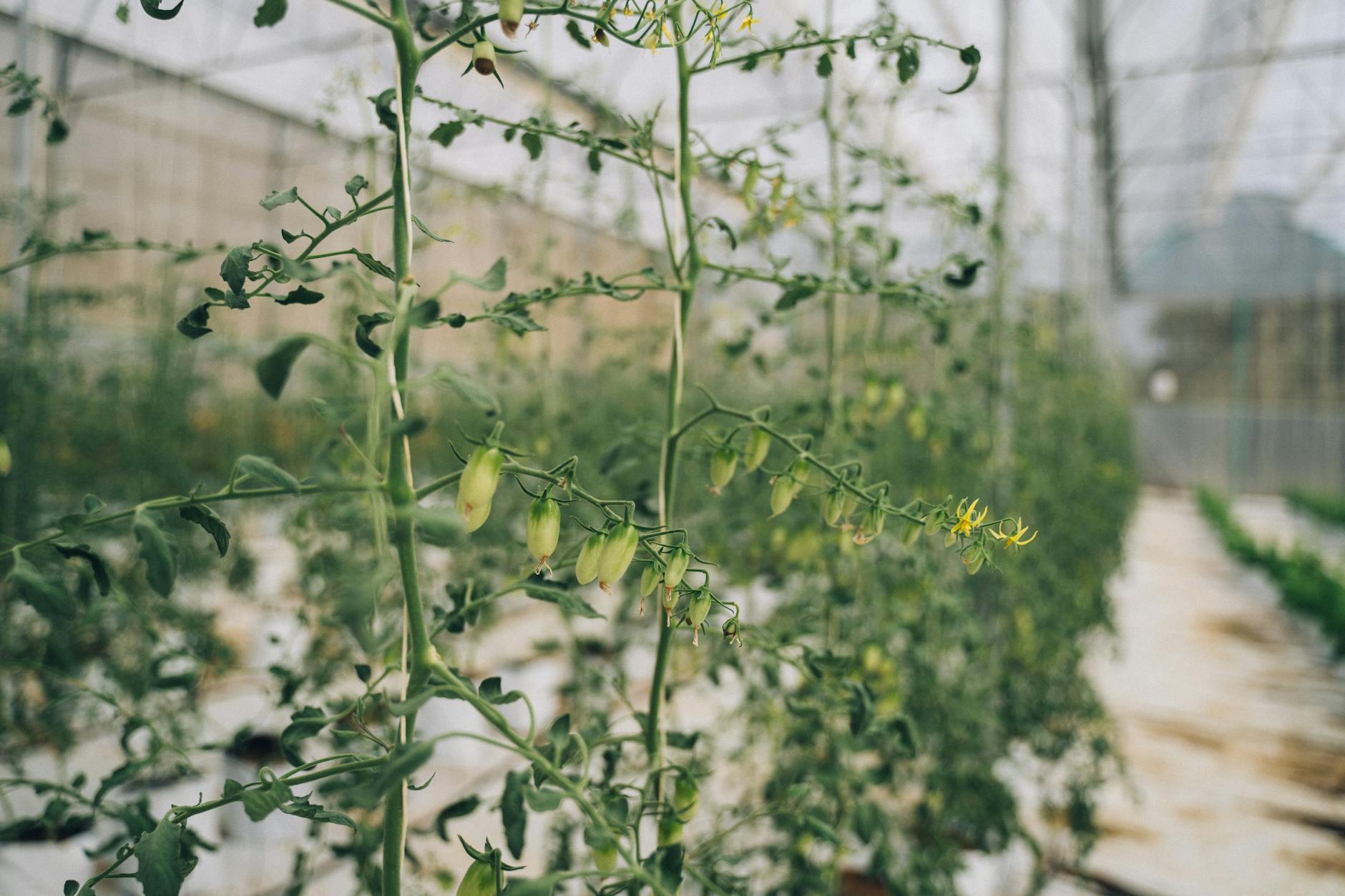
Soil Health & pH: The Foundation for Calcium Uptake
Before we even think about watering, we need to talk about the very ground our precious tomatoes and peppers call home. Soil health is the absolute bedrock for preventing BER. You see, even if your soil has plenty of calcium, if the conditions aren't right, the plant's roots can't take it up efficiently. And that’s where pH and organic matter come in, especially important for managing our often heavy, sometimes challenging, UK soils.
Calcium is most available to plants when the soil pH is in the slightly acidic to neutral range, typically between 6.0 and 7.0. Below 6.0, calcium becomes less available; above 7.0, other nutrients can become locked up, affecting overall plant vigour. In my raised beds, I've seen first-hand how much of a difference a balanced pH makes. When I first built them, I filled them with a mix that was a bit too alkaline, and my plants struggled. Now, I regularly test my soil pH using a simple home kit – something I recommend every UK gardener does at least once a year, especially if you're battling persistent issues. If it's too low, a bit of garden lime can help. Too high, and some elemental sulphur or more organic matter can gradually bring it down.
Beyond pH, the amount of organic matter in your soil is paramount. Here in my Midlands garden, I'm constantly adding homemade compost, well-rotted manure, and leaf mould to my raised beds. This isn't just about feeding the plants; it's about building soil structure. Rich, crumbly soil, full of organic matter, holds moisture much more consistently than sandy or heavy clay soils. It improves drainage, encourages a healthy microbial ecosystem, and creates an environment where roots can grow deep and strong, accessing nutrients – including calcium – more effectively. I've found that plants grown in my deeply enriched, organic-matter-rich beds are far more resilient to stress, and thus less prone to BER, even during those unpredictable British summer heatwaves or sudden deluges. It's about giving your plants the best possible start, from the ground up!
Watering Wisdom: Consistency is King (Not Just Quantity)
This is where many of us, myself included when I was starting out, often go wrong. The common advice for BER is "just water more!" While adequate water is crucial, it’s the consistency of that watering, not just the sheer volume, that makes all the difference for calcium uptake. Our glorious British weather, with its penchant for sudden downpours after a dry spell, or vice versa, can be the biggest saboteur of consistent moisture levels.
Imagine your tomato plant's roots as a network of tiny straws, constantly sipping water and dissolved nutrients, including calcium, from the soil. If the soil suddenly dries out, those straws can't function. Then, if you flood them with water, they're overwhelmed. This feast-or-famine cycle is a major stressor. It disrupts the plant's ability to transport calcium from the roots, through the stem, and up to the developing fruits. The rapidly expanding cells in the fruit's blossom end are the first to suffer from this interruption, leading to that dreaded rot.
I learned this lesson the hard way in my greenhouse. One year, I was so busy with work (my old IT job!) that my watering schedule was erratic. Hot days meant the compost in the pots dried out quickly, and I’d often overcompensate later. Despite having perfectly good soil and plenty of calcium, my 'San Marzano' tomatoes were riddled with BER. It was a stark reminder that even under glass, consistency is paramount. Now, I make it a point to check the soil moisture daily, sticking my finger down a few inches, rather than just watering on a set schedule. Mulching heavily around my outdoor tomatoes and peppers has also been a game-changer here in the Midlands, helping to retain moisture and buffer against our changeable weather.
Here's a breakdown of how different watering approaches impact your plants and their susceptibility to BER:
| Watering Approach | Pros (for the plant) | Cons (for the plant & BER) | Randy's UK Gardening Tip |
|---|---|---|---|
| Consistent, Deep Watering | Maintains steady moisture; promotes deep root growth; ensures continuous calcium transport; reduces plant stress. | Requires vigilance and regular checking, especially during dry spells; can be time-consuming. | Aim for consistently moist, not soggy, soil. Use a drip irrigation system or water by hand slowly and deeply, checking soil moisture daily in containers or every other day in raised beds during dry British weather. Mulch heavily! |
| Inconsistent Watering (Dry/Wet Cycles) | (None for the plant) | Causes extreme plant stress; disrupts calcium transport; damages root hairs; leads directly to BER during rapid growth periods. | This is the absolute worst for BER. Our unpredictable UK summers make this a common trap. Avoid letting plants wilt before watering; that's already too late for consistent calcium delivery. |
| Overwatering | (None for the plant) | Drowns roots, leading to root rot; reduces oxygen availability; washes away nutrients; can mimic BER symptoms due to root damage. | Easy to do in our cooler UK climate, especially in pots. Ensure excellent drainage. Lift pots to feel weight, or use a moisture meter. Don't water if the top inch or two is still damp. |
| Underwatering | (None for the plant) | Causes wilting and severe stress; halts nutrient uptake; leads to stunted growth and often BER as the plant prioritises survival over fruit development. | Common during UK heatwaves or when plants are establishing. Always check soil moisture rather than relying on a schedule. Mulch is your best friend for moisture retention! |
5. Feeding Your Plants Right: Balanced Nutrition for Strong Roots
While calcium is the star of the show when we talk about Blossom End Rot, it's crucial to remember that your plants need a balanced diet, not just a calcium supplement. Think of it like us – you can't just eat calcium tablets and expect to be healthy! My approach in my 800 sq ft Midlands garden has always been holistic. I've found that focusing solely on adding calcium often overlooks the bigger picture of overall plant health, which is what truly prevents BER.
I learned this the hard way a few years back when I first started growing 'Marmande' tomatoes in my greenhouse. I was so worried about BER that I went a bit overboard with calcium feeds, neglecting the other essential nutrients. What happened? My plants got leggy, the leaves were a bit yellow, and while I didn't get BER, the overall harvest was disappointing. It was a clear sign that a plant struggling with general nutrient deficiencies can't effectively use the calcium it does get, even if it's abundant in the soil.
For my tomatoes and peppers, especially those in raised beds and containers, I rely on a good quality, balanced organic feed. When they're young, I use something slightly higher in nitrogen to get good leafy growth – a liquid seaweed feed works wonders here. Once they start flowering and setting fruit, I switch to a feed that's higher in potassium (the 'K' in NPK). This is usually a tomato-specific feed, which is perfectly suited for peppers too. I feed them every 10-14 days, as per the product instructions, but I always keep an eye on the plant's vigour. If they look a bit stressed, I might hold off or dilute the feed a bit more. Consistent, moderate feeding is far better than sporadic heavy doses here in our unpredictable British climate.
6. Environmental Stressors: Temperature, Wind, and Root Disturbance
Even if your soil is perfect, your watering is consistent, and you're feeding your plants well, environmental stressors can still trigger BER. These factors directly impact a plant's ability to transport water and, consequently, calcium to the developing fruits. I've certainly had my share of challenges with this, especially with our notoriously variable UK weather!
One scorching summer we had here in the Midlands a couple of years ago, my greenhouse tomatoes ('Sungold' and 'Gardener's Delight') suffered a bit despite everything else being spot on. The extreme heat meant the plants were transpiring like mad, pulling water to the leaves to cool themselves down, leaving less for the fruit. I quickly learned the importance of shading the greenhouse and ensuring good ventilation during heatwaves. Conversely, sudden cold snaps, which are common even in late spring in Britain, can shock plants and slow down their nutrient uptake.
Wind is another subtle but significant stressor, particularly for my outdoor peppers and the 'Costoluto Fiorentino' tomatoes I sometimes try outside (with mixed success!). Strong winds increase transpiration dramatically, drying out plants faster and stressing their root systems. I've seen fruits on exposed plants develop BER even when their sheltered counterparts were fine. And finally, root disturbance – it's a silent killer. When I first started, I'd often be a bit too enthusiastic with weeding around my tomato plants, not realising the damage I was doing to those delicate feeder roots. Every time roots are disturbed, the plant has to divert energy to repair them, reducing its ability to draw up water and nutrients.
Here's a quick look at how these environmental factors play a role and what I've learned to do in my UK garden:
| Stressor | Impact on BER | Randy's UK Mitigation Strategy