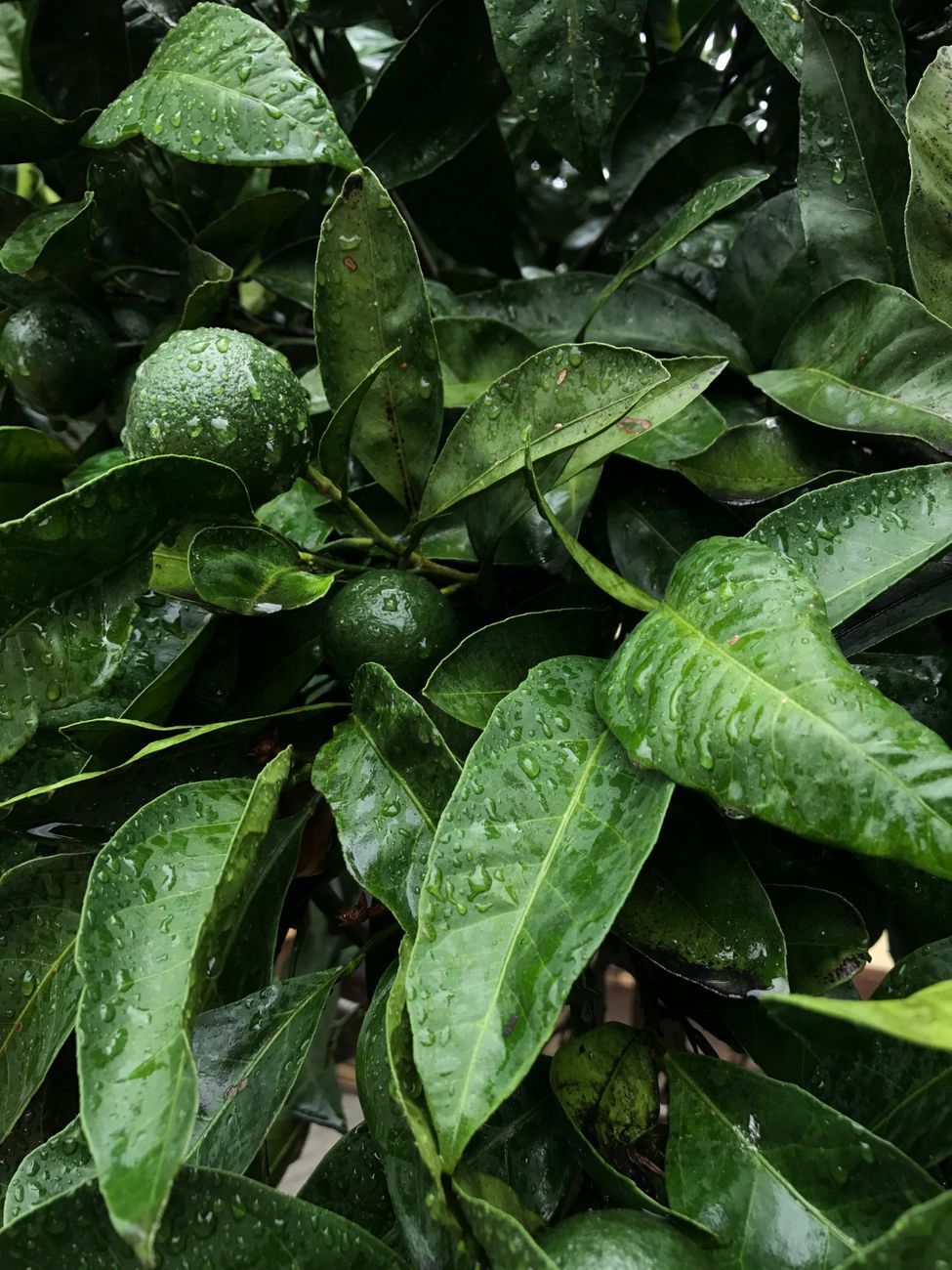
Right, fellow UK gardeners, let's talk about that annual dread, shall we? You've spent a glorious British summer nurturing your potted citrus, maybe a fragrant lemon tree, or that exotic jasmine you're so proud of. They've thrived outdoors, soaking up every precious ray of our sometimes-elusive sunshine. Then, the chill sets in, and it's time to bring them indoors. You carry them in, full of hope, only to wake up a week later to a carpet of yellowing leaves. Sound familiar? Oh, it certainly does to me! When I first started this gardening journey five years ago here in the Midlands, my conservatory floor became a graveyard of what felt like perfectly healthy leaves every single autumn. It was disheartening, to say the least, and I almost gave up on bringing anything tropical indoors. But as any obsessed gardener knows, giving up isn't an option. I've learned, often the hard way through trial and error in my 800 sq ft backyard, that this dramatic leaf drop isn't inevitable. It's usually a clear sign of shock, and the good news is, we can largely prevent it with a bit of foresight and a gradual acclimation strategy tailored for our wonderfully unpredictable British climate. So, grab a cuppa, and let's dive into how I now successfully bring my beloved citrus and other tender tropicals indoors for winter without the drama.
Why Your Citrus and Tropicals Shed Leaves Indoors: Understanding the Shock
So, why does this happen? Why do our beautiful plants, which were thriving just days before, suddenly decide to strip naked once they cross the threshold into our homes? It boils down to one word: shock. And it’s a multi-faceted shock, really, especially when you consider the dramatic shift from a lively British garden to a cosy, but often alien, indoor environment.
Think about it from your plant's perspective. Outdoors, even on a cloudy day here in the UK, the light intensity is significantly higher than anything it will experience through a windowpane. I mean, we're talking about a drop of 50% to 90% in light levels, depending on the window's orientation and how clean it is! For a plant like my 'Mayer' lemon, which has spent all summer basking in direct sunlight, this sudden dimming sends its internal clock into a spin. It simply can't photosynthesise as efficiently, and its immediate response is to ditch the leaves it can no longer support, conserving energy. I learned this the hard way with my first passion fruit vine (Passiflora edulis 'Frederick') a few years back; it just defoliated almost overnight, and I realised the south-facing windowsill wasn't nearly enough after a summer in full sun.
Then there's the humidity. Our British summers can be quite humid, especially here in the Midlands, with average outdoor humidity often sitting comfortably between 70-90%. Step inside during winter, and with our central heating blasting away, the air can become incredibly dry, often dropping to 30% or even lower. Tropicals, in particular, are just not built for that. Their leaves are designed to transpire efficiently in humid conditions, and when the air is bone-dry, they start losing water faster than their roots can absorb it. Again, a plant's natural defence mechanism kicks in: shed the leaves to reduce water loss. My little coffee plant (Coffea arabica), which I treat more as an ornamental, is a prime example; it's the first to tell me the humidity is too low by crisping its leaf edges.
And let's not forget temperature. While we might think our houses are wonderfully warm, the shift from fluctuating outdoor temperatures (including cooler nights) to a constant, often warmer, indoor temperature can also be a jolt. More importantly, the soil temperature changes. Outdoors, the soil might gradually cool with the ambient air, but indoors, it might warm up faster or stay consistently warmer, affecting root activity. Plus, drafts from doors and windows, or sudden blasts of radiator heat, create microclimates of stress. It's a complex dance of environmental factors, all screaming "change!" to your unsuspecting plant. Understanding these stresses is the first step to mitigating them, and trust me, it’s a lesson that took me a couple of seasons and a few sad-looking plants to truly grasp in my own UK garden.
Timing is Everything: When to Start Acclimating Your Plants in the UK
Now, you might be thinking, 'Okay, Randy, I get it, shock is bad. But when exactly should I be moving my plants?' And this, my friends, is where our wonderfully unpredictable British weather throws us a curveball every single year. There’s no hard and fast date, no calendar entry that screams 'Move all tropicals indoors!' because what works one year in the UK Midlands might be a complete disaster the next.
What I've learned through years of watching weather patterns in my 800 sq ft garden here in the Midlands is that it's all about temperature thresholds and observing the subtle signs of autumn. The general rule of thumb I follow for most of my tender citrus like my 'Meyer' lemon and my young fig trees (Ficus carica 'Brown Turkey', though they're hardier) is to start thinking about the move when nighttime temperatures consistently dip below 10°C (50°F). For truly tropical plants, like my Musa basjoo (which I actually leave out but protect heavily) or the more sensitive Bougainvillea, I'll start the process when nights are regularly hitting 7-8°C (45-46°F). Anything lower than that, and you're risking cold shock even before you bring them inside.
One mistake I made in my early days was waiting too long, clinging onto those last few warm days of October. I remember one year, a sudden cold snap hit in late October after a mild spell, and I had to rush my citrus indoors, giving them virtually no acclimation time. The resulting leaf drop was epic! So, my advice now is to start planning the move when the forecasts consistently show those cooler nights creeping in, usually from late September through October here in Britain. Don't wait for the first frost warning – that’s far too late for a gentle transition.
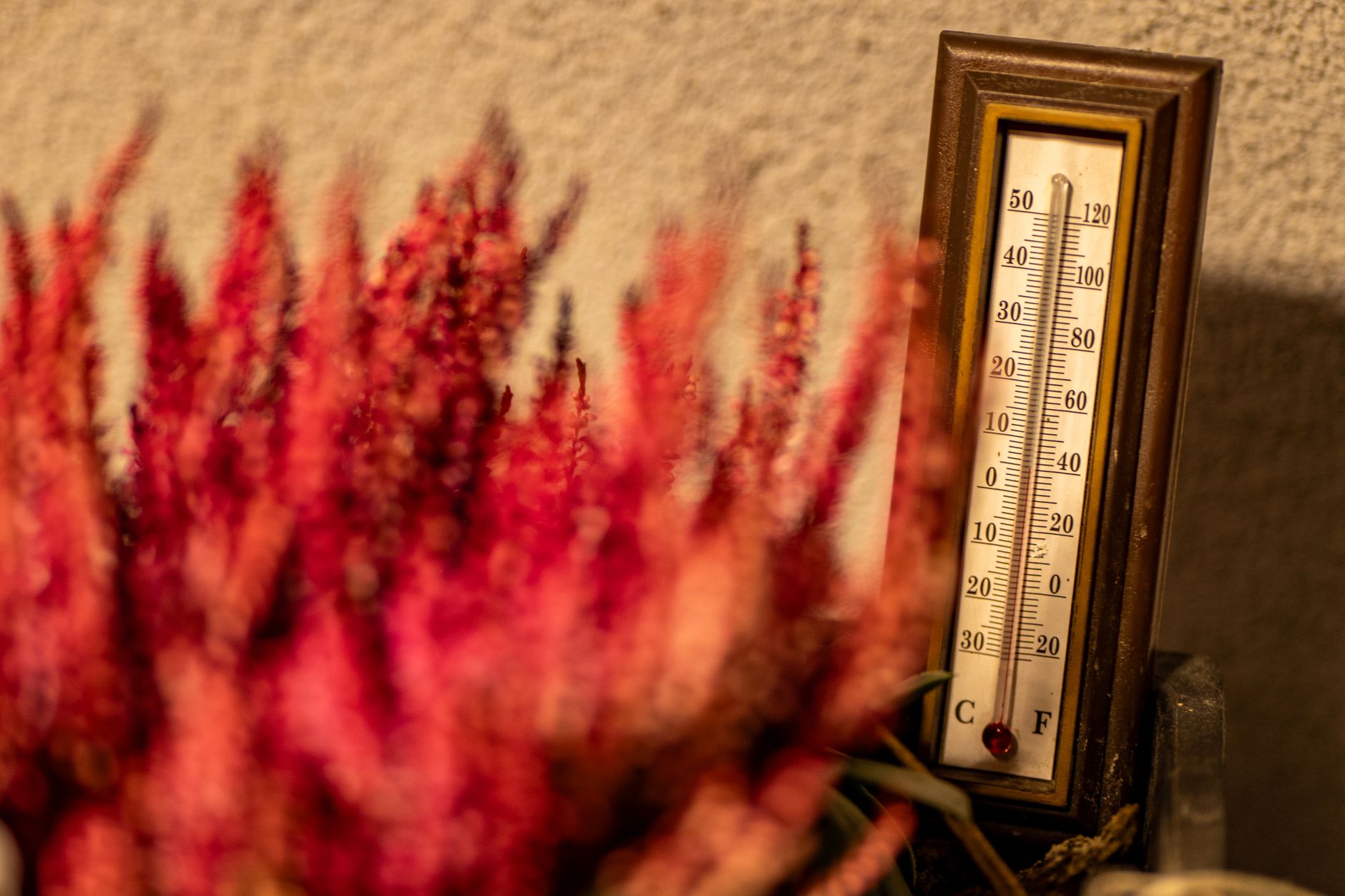
I keep a close eye on the long-range forecast, specifically for my local area. I use a simple garden thermometer, like the one I've got hanging on my greenhouse frame, to monitor the actual ambient temperature rather than just relying on the BBC weather app. Seeing those numbers drop consistently helps me mentally prepare. It's not just about avoiding frost; it's about giving your plants a heads-up that winter is coming, and they need to start preparing for a different environment. Think of it as a gentle nudge, rather than a sudden eviction notice.
Pre-Move Preparation: Essential Steps for a Smooth Transition
Alright, so you've nailed the timing – the nights are getting chilly, and your plants are about to embark on their indoor winter holiday. But before you even think about carrying them inside, there are some crucial prep steps that will make all the difference, trust me. I learned this the hard way after bringing in a seemingly healthy bay tree one autumn, only to discover it was harbouring a secret army of scale insects that then decided to colonise everything else in my conservatory. Never again!
Pest Patrol: Your First Line of Defence
This is non-negotiable. Your outdoor plants have been exposed to all sorts of garden critters, most of which are harmless outdoors. Indoors, however, they become a major headache. Before anything comes inside, I give every single plant a thorough inspection. I'm talking about checking the undersides of leaves, leaf axils, along stems, and even the soil surface. Look for aphids, spider mites (especially on citrus), whiteflies, mealybugs, and those sneaky scale insects.
If I find anything, it's treatment time. For light infestations, a good blast with the hosepipe (making sure to target undersides) followed by a spray of insecticidal soap or neem oil usually does the trick. I'll often repeat this a week later. For citrus, I'm particularly vigilant about spider mites, so I always give them a good shower anyway. This preventative step saves so much heartache later on.
Cleanliness is Next to Plantliness
Once the pests are dealt with, it's time for a good clean-up. Remove any dead or yellowing leaves; these are just an invitation for fungal issues and provide hiding spots for pests. Wipe down the leaves with a damp cloth – this not only removes dust and grime (which can hinder photosynthesis) but also helps you spot any pests you might have missed. I even give the pots a good scrub to get rid of any algae or soil splash. It just makes the whole indoor environment feel cleaner and reduces the risk of bringing in mould spores.
A Light Pruning Session
Now, I'm not suggesting a drastic haircut, but a light prune can be beneficial. Remove any leggy, weak, or crossing branches. This improves air circulation, reduces the plant's overall footprint (which is handy in a smaller space like my greenhouse or conservatory), and means fewer leaves for the plant to support when light levels drop. For my citrus, I'll snip off any small, immature fruits that are unlikely to ripen indoors, as they just drain the plant's energy. Focus on shaping the plant for its indoor life, not for outdoor growth.
Here’s a quick comparison of what your plant's life is like outdoors versus the essential prep for its indoor move:
| Feature | Outdoor Life (Summer in UK Garden) | Essential Pre-Move Preparation (Randy's Method) |
|---|---|---|
| Pests | Natural predators keep them in check; mostly benign. | Thorough inspection: Undersides of leaves, stems, soil. Treat with hose/soap/neem. |
| Foliage | Full, lush growth; some natural yellowing/shedding. | Clean-up: Remove all dead/yellowing leaves. Wipe down dusty leaves. |
| Pruning | Minimal, focused on shaping for outdoor growth. | Light prune: Remove weak/leggy/crossing branches, immature fruits for energy saving. |
| Pot/Soil | Exposed to elements, beneficial soil organisms. | Pot scrub: Clean outside of pot. Check soil for pests. |
| Watering | Frequent, often daily, depending on weather. | Reduce: Water thoroughly a day or two before move, then let dry slightly. |
| Fertilising | Regular feeding for vigorous growth. | Stop: Cease fertilising completely a few weeks before moving indoors. |
These steps are about giving your plants the best fighting chance against
Creating the Ideal Indoor Environment: Light, Humidity & Temperature
Right, so you've done the hard graft of acclimation, slowly bringing your beauties in from the bracing UK autumn air. Now, the real challenge begins: making your cosy British home feel like a Mediterranean sun trap or a tropical rainforest for these plants! This is where I’ve learned the most through trial and error in my own 800 sq ft Midlands garden.
Light: The Sunshine Substitute Act
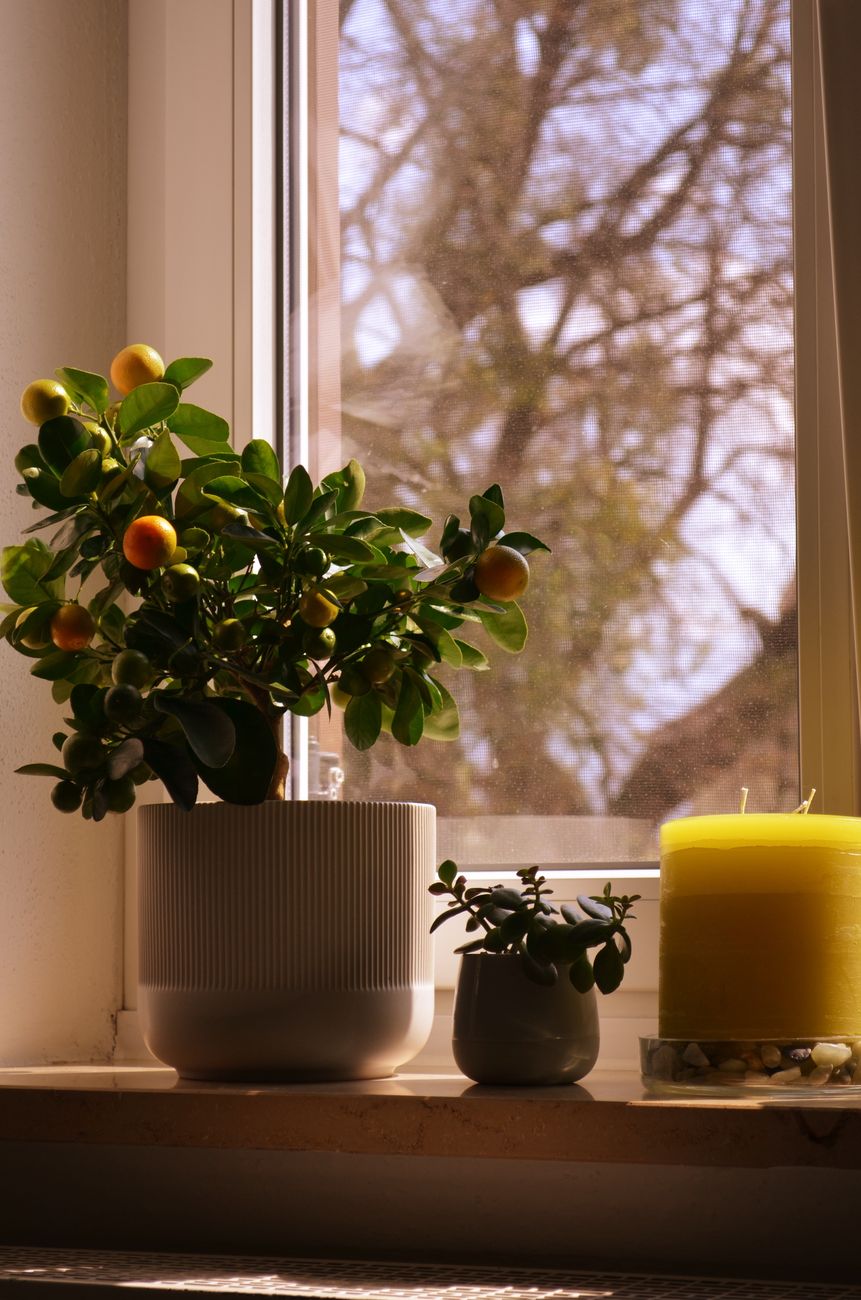
This is, hands down, the biggest hurdle for us UK gardeners. Our indoor light, especially through a window in winter, simply doesn't compare to even a cloudy British summer day, let alone the glorious sun your citrus or tropicals are used to. I learned this the hard way with my first calamondin orange; I thought a south-facing window was enough. It wasn't. It just limped along, dropping leaves like confetti.
That's why supplemental lighting is non-negotiable for serious overwintering, in my experience. I've invested in a couple of full-spectrum LED grow lights for my key plants – my 'Meyer' lemon and a couple of chilli plants that I bring in to overwinter. I position them so the light source is about 12-18 inches (30-45 cm) above the foliage, running them for 10-12 hours a day, often on a timer so I don't forget. This consistent, strong light is crucial for them to photosynthesise and stay vibrant. Believe me, the difference is night and day.
Humidity: Battling the British Central Heating Beast
Our homes, especially with central heating blasting away during a typical UK winter, become incredibly dry. For plants that thrive in naturally humid climates, this is another huge shock. Low humidity leads to crispy leaf edges and, you guessed it, more leaf drop. My home, like many here in the Midlands, can get quite dry.
I've found a multi-pronged approach works best. Firstly, pebble trays are a simple, effective trick. I fill shallow trays with pebbles and water, placing the pots on top, making sure the pot base isn't sitting directly in the water. As the water evaporates, it creates a microclimate of higher humidity around the plant. For my more sensitive plants, like my small banana plant (a Musa basjoo that I try to keep going indoors), I even run a small room humidifier nearby for a few hours a day. Misting can help, but it's very temporary and needs to be done frequently, which I often forget in my busy schedule! I also try to group plants together; they create their own little humid zones.
Temperature: Keeping it Cosy, Not Tropical
Most citrus and tropicals prefer a stable, cool-ish indoor temperature for winter dormancy, typically between 10-18°C (50-65°F). Here in the UK, many of us heat our homes warmer than that, but the key is consistency and avoiding extremes.
I keep my overwintering plants in the cooler spare room or a corner of the living room away from direct heat sources. Avoid placing them right next to radiators or drafty windows and doors. The sudden swings in temperature from a radiator kicking in or a cold draft from opening a door can be incredibly stressful. I’ve noticed my citrus plants are particularly prone to dropping leaves if they get a sudden blast of cold air, which often happens when I open the back door to let the dog out! A stable environment is far more important than a super-warm one.
Winter Care Routine: Watering, Feeding, and Pest Monitoring
Once your plants are settled into their indoor digs, your care routine needs a complete overhaul. Forget the thirsty summer demands; winter is a time of rest for most of these plants, and less is often more. This is where I’ve personally made mistakes by treating them like they were still outdoors, leading to soggy soil and unhappy roots.
Watering: The Golden Rule is Less (Much Less!)
This is probably the most critical change. During winter, plant metabolism slows right down, meaning they need far less water. Overwatering indoors is a death sentence, quickly leading to root rot. I’ve lost a couple of smaller tropicals this way in my early days, heartbreaking!
My golden rule now is: always check the soil moisture before watering. I stick my finger about two inches (5 cm) deep into the soil. If it feels moist, I leave it. If it feels dry, then it’s time to water. For my citrus in particular, I usually wait until the top 2-3 inches are completely dry. This might mean watering every 2-3 weeks, or even less, depending on the plant, pot size, and the humidity in your home. When I do water, I water thoroughly until it drains from the bottom, then ensure no standing water remains in the saucer.
Feeding: A Winter Fast
Just like watering, feeding needs to be drastically reduced, or even stopped completely. Most plants enter a period of dormancy or significantly slowed growth indoors due to lower light levels. Feeding them during this time can actually burn their roots or lead to leggy, weak growth.
I usually stop feeding my citrus and tropicals entirely from late October until early March, when I start seeing signs of new growth or when they are ready to go back outside after the last frosts. When I do resume feeding in spring, I start with a half-strength dose of a balanced liquid feed.
Pest Monitoring: Your Indoor Vigilance Mission
Bringing plants indoors can also bring in unwanted hitchhikers, and the dry, warm indoor air is often a perfect breeding ground for common houseplant pests like spider mites, mealybugs, and scale. I once had a spider mite invasion on my greenhouse heirloom tomatoes that nearly brought me to tears, so I am incredibly vigilant now!
I make it a habit to inspect my plants thoroughly every few days. I check the undersides of leaves, along stems, and in leaf axils. Look for tiny webs (spider mites), sticky residue (honeydew from aphids/scale/mealybugs), or tiny cottony masses (mealybugs).
If I spot anything, I act immediately. For small infestations, a damp cloth with a little rubbing alcohol can manually remove mealybugs and scale. For spider mites, I often rely on neem oil sprays (mixed according to instructions) applied thoroughly to all leaf surfaces, repeating every 5-7 days for a few weeks. Sticky traps can also help monitor for flying pests like fungus gnats, which often appear in moist indoor soil.
Here's a quick comparison of summer vs. winter care:
| Feature | Outdoor Summer Care (UK) | Indoor Winter Care (UK) |
|---|---|---|
| Light | Full sun to partial shade; natural daylight. | Supplemental grow lights (10-12 hrs/day); brightest window possible. |
| Humidity | Natural outdoor humidity; often higher. | Low due to central heating; use pebble trays, humidifiers. |
| Temperature | Warm, fluctuating; average UK summer temps. | Stable, cooler (10-18°C); avoid drafts & direct heat. |
| Watering | Frequent, often daily in hot spells; check top inch of soil. | Infrequent; check top 2-3 inches of soil; risk of root rot. |
| Feeding | Regular feeding during active growth (weekly/bi-weekly). | Stop feeding entirely (late Oct-early Mar). |
| Pest Monitoring | Outdoor predators help; occasional checks. | Daily/weekly vigilance; common indoor pests (mites, mealybugs). |
Troubleshooting: What If Leaf Drop Still Occurs?
Alright, let's be honest. Even with the best intentions and meticulous care, sometimes those leaves just decide to make a break for it. I still get a few yellow leaves every year on my Meyer lemon, despite my best efforts. It's frustrating, but it doesn't mean you've failed! A little leaf drop is actually quite normal as plants adjust to their new, drastically different environment.
If you’re seeing significant or continuous leaf drop, it’s time to play detective:
- Sudden Temperature Swings: Did a draft hit them, or were they too close to a radiator or a cold window? Consistency is key.
- Watering Woes: This is the most common culprit. Stick your finger deep into the soil. Is it bone dry (underwatering)? Or is it soggy and smelling a bit off (overwatering)? Adjust your watering schedule immediately. Remember, overwatering is often worse indoors.
- Insufficient Light: Have you been diligent with your grow lights? Or is the window just not cutting it? More light is almost always better for these plants indoors in the UK.
- Pest Attack: Get out your magnifying glass! Check every nook and cranny for those tiny invaders. A small infestation can quickly stress a plant.
- Nutrient Deficiency (Rare in Winter): If you've stopped feeding, this is unlikely to be an issue during dormancy. If you were feeding, perhaps you overdid it?
- Root Shock: Sometimes, the initial transition or even repotting can cause a temporary shock. Give it time, maintain consistent care, and avoid further stress.
My advice? Don't panic. Re-evaluate your environment and routine methodically, one step at a time. I've learned that patience and observation are the most powerful tools in a gardener's arsenal, especially when dealing with our often-fickle British weather and the challenges of indoor gardening. Often, a small tweak to watering or light is all that's needed to get them back on track.
Conclusion: Your Winter Oasis Awaits
Bringing your beloved citrus and tropical plants indoors for the UK winter doesn't have to be a daunting task, even if I've had my share of initial struggles here in the Midlands! It's an act of love, truly, and a fantastic way to extend the joy of gardening through the colder months.
We’ve covered everything from understanding why they shed leaves, to the crucial timing for acclimation (always keeping our unpredictable British weather in mind!), preparing your plants, and the step-by-step gradual transition. We've delved into creating that all-important indoor environment – light, humidity, and temperature – and established a tailored winter care routine for watering, feeding, and diligent pest monitoring. And remember, a little leaf drop isn't the end of the world; it’s just a sign your plant is communicating with you.
My 5+ years of intensive gardening experience, particularly with these sun-loving beauties in my 800 sq ft backyard, have taught me that success lies in patience, observation, and understanding the unique needs of your plants in a UK context. It’s about creating a stable, consistent environment that mimics their natural habitat as closely as possible, even when it’s grey and blustery outside.
Don’t be afraid to experiment, learn from your plants (and your mistakes – I’ve certainly made a few!), and most importantly, enjoy the process. There’s immense satisfaction in seeing vibrant green leaves and even a few ripening fruits on your 'Meyer' lemon or a happy fig tree while the frost nips at the windows.
So, here's to a winter of thriving tropicals and citrus in your home! I'd love to hear about your experiences, your successes, and any challenges you've faced bringing your plants indoors in the comments below. What varieties are you overwintering this year? Happy indoor gardening, fellow UK green thumbs!
