Introduction: The Hidden Threat of Thirsty Roots to Your UK Home's Foundation
Alright, fellow UK gardeners! Randy here, from my little patch of green in the Midlands. You know, when I first swapped my IT desk for a trowel five years ago, I thought gardening was all about nurturing plants, getting those heirloom tomatoes to ripen, and battling slugs. And it is, mostly! But as I’ve delved deeper into the fascinating, sometimes frustrating, world of growing things, I’ve learned that a truly holistic approach to gardening around your home involves understanding some less obvious, but critically important, aspects. One of those big ones, which often gets overlooked until it’s too late, is the hidden threat that thirsty tree and shrub roots can pose to your home's foundation.
I've got an 800 sq ft backyard here, packed with raised beds, a buzzing greenhouse, and every corner accounted for. When you’re trying to maximise every inch, it’s easy to get carried away with planting beautiful specimens close to the house for instant impact. But trust me, as someone who's spent countless hours researching and learning from both successes and, let's be honest, a few mistakes in my UK garden, being mindful of what you plant and where, especially near your home, is absolutely crucial. Here in Britain, with our often-unpredictable weather and the prevalence of heavy clay soils, this isn't just a minor concern; it can become a serious, wallet-draining problem. I'm talking about foundation cracks, subsidence – the kind of issues that make even the hardiest gardener wince.
This isn't about scaring you away from planting magnificent trees or lush shrubs near your home. Far from it! It’s about arming you with the knowledge I've gained through my own intensive experience, so you can make smart, strategic choices. We're going to dive into why our specific UK clay soils are so vulnerable, how far those seemingly innocent roots can really spread, and, most importantly, the recommended safe planting distances to protect your most valuable asset – your home. So, grab a cuppa, and let's get rooted in this vital topic.
Understanding Clay Soil: Why UK Foundations are Vulnerable to Moisture Changes
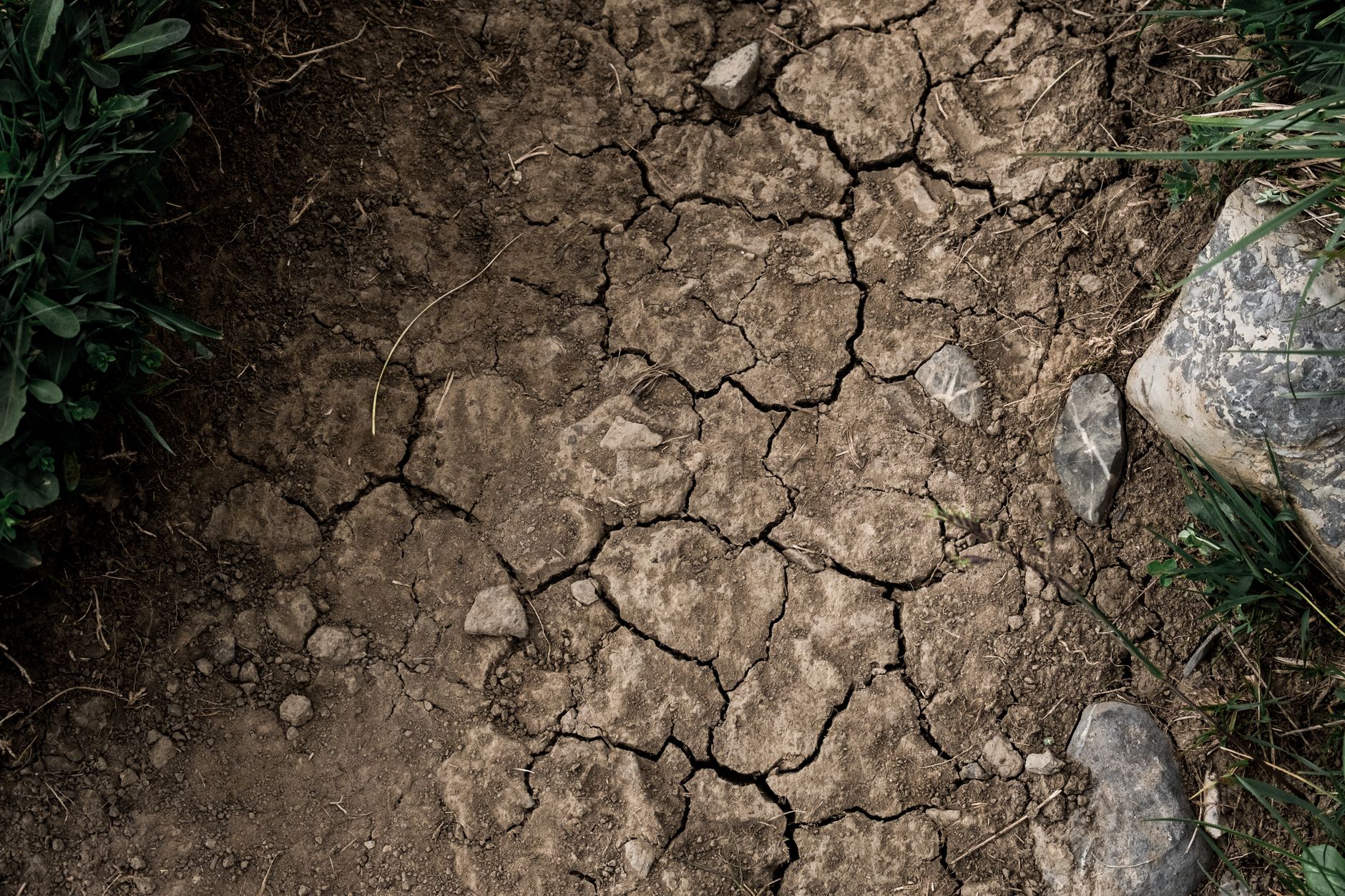
If you've spent any time digging in a typical British garden, chances are you've encountered clay soil. Here in the Midlands, my 800 sq ft backyard is built on some seriously heavy stuff. When I first started five years ago, full of enthusiasm but little practical knowledge, I had no idea what a challenge it would be. I remember trying to dig my first vegetable bed in late winter, and it felt like trying to chip away at concrete – then in summer, it would bake solid and crack like a desert floor. That’s the nature of clay, and it’s why our UK foundations are so vulnerable.
Clay soil is made up of incredibly tiny particles, packed tightly together. This structure gives it a fantastic ability to hold onto water, much like a sponge. When our typical British winters bring their relentless rain, that clay soaks it up, expanding significantly. Then, when a drier spell hits – and as we’ve seen in recent years, our UK summers can throw some surprisingly hot and dry weeks at us – that moisture starts to evaporate. As the water leaves, the clay contracts and shrinks. This constant cycle of swelling and shrinking, known as "shrink-swell," puts immense pressure and movement on anything built on top of it, including your home’s foundation.
Now, imagine adding a thirsty tree or shrub into this equation. During those dry periods, especially if we get a proper UK heatwave, a mature tree will actively seek out every last drop of moisture it can find. Its roots act like powerful straws, drawing water out of the surrounding soil, accelerating the drying process in the clay beneath your house. This localised drying causes the clay directly under your foundation to shrink unevenly, leading to differential settlement – one part of your house sinks more than another. That's when you start seeing those tell-tale cracks appear in your walls, both inside and out. It’s a costly lesson, and one I've tried to avoid in my own garden by being acutely aware of where I put my plants. I've seen enough examples of cracked clay soil around older UK properties to know it's a real issue.

Mapping the Risk: How Far Do Tree and Shrub Roots Really Spread?
When I first started thinking about planting a new 'Discovery' apple tree near the back of my garden, my initial thought was simply about its canopy spread. I figured, if the branches weren't hitting the house, the roots would be fine, right? Oh, how naive I was! That's one of the biggest misconceptions I had to unlearn very quickly here in the Midlands. I stumbled down a rabbit hole of research about root systems, and it completely changed how I plan my garden layout.
The truth is, tree and shrub roots, especially the finer feeder roots that are most efficient at drawing water, can spread much, much further than the visible canopy. While some trees have deeper taproots, most develop extensive lateral root systems that spread outwards, often two to three times the width of the crown, sometimes even more. These roots are tirelessly searching for water and nutrients, and if there's a reliable supply under your house, they'll find it. Soil type plays a huge role here; in heavy UK clay, roots tend to spread more widely and closer to the surface because oxygen can be scarce deeper down. This makes them incredibly efficient at extracting moisture from the shrink-swell zone directly beneath your home.
I learned this the hard way when I decided to remove a particularly stubborn old Hawthorn that was a bit too close to the boundary wall (thankfully not the house!). Digging it out, I was genuinely shocked by how far some of those feeder roots had travelled, snaking under the path and well beyond where I expected. It was a real eye-opener. It's not just the big, woody roots you need to worry about; it's the vast network of fine, hair-like roots that are the real water-guzzlers.
To give you a better idea of the potential reach of common trees and shrubs you might find in a UK garden, I've put together a table based on my research and understanding of how these plants behave in our British climate. Remember, these are estimates, and local conditions can always vary.
| Tree/Shrub Type (Common UK Garden Varieties) | Root Spread Potential | Typical UK Mature Height (m) | Estimated Lateral Root Spread (m) | Key Characteristic/Risk Factor |
| :---
| :-------------------- | :--------------------------- | :---
| :---
Smart Choices for Clay: Best Drought-Tolerant Trees & Shrubs for UK Gardens
Right, so we've talked about the "why" and the "how far," but now for the exciting bit: the "what"! Choosing the right plants is absolutely crucial, especially when you're dealing with our notoriously heavy UK clay soils and the occasional dry spell that can really test a plant's mettle. I've made my fair share of mistakes here in my 800 sq ft Midlands garden, picking pretty things from the garden centre only to watch them struggle, or worse, become moisture monsters. What I've learned is that it pays to be strategic and look for plants that genuinely thrive in these conditions without needing a constant drink from your foundation.
The key is drought tolerance, especially once established. These plants have evolved to cope with periods of low rainfall, meaning their roots are less likely to go on a desperate quest for moisture deep beneath your home. Many native British plants are fantastic for this, as they're perfectly adapted to our climate, even the less predictable bits!
Here’s a little table I’ve put together based on what I’ve seen work well in my own clay soil and what I've researched for our specific UK conditions. Think of it as a starting point for your own smart choices.
| Plant Name (Common/Cultivar) | Type | Max Height/Spread (approx.) | Key Features | Why it's good for UK Clay/Drought (Randy's Take) |
|---|---|---|---|---|
| Field Maple (Acer campestre) | Small Tree | 10-15m H / 8m S | Native, lobed leaves, good autumn colour, small winged fruits. | A brilliant native choice! I've seen these looking fantastic even after a dry summer here in the Midlands. They tolerate exposed sites and heavy clay brilliantly once settled in. Just remember the recommended distance for trees! |
| Hawthorn (Crataegus monogyna) | Small Tree/Large Shrub | 5-10m H / 4-8m S | Native, thorny, white spring flowers, red berries in autumn (haw). | Another UK native hero! Incredibly tough and adaptable. I've used it for hedging in a really exposed, clay-rich corner of my garden, and it just shrugs off dry spells. Great for wildlife too. |
| Common Holly (Ilex aquifolium) | Small Tree/Large Shrub | 10-15m H / 4-8m S | Native, evergreen, spiny leaves, red berries (on female plants). | A classic for a reason. Holly loves clay and once it gets going, it's incredibly self-sufficient. I've got a couple of smaller varieties in pots near the house, but if you're planting in the ground, give it room. |
| Lavender (Lavandula angustifolia) | Small Shrub | 0.5-1m H / 0.5-1m S | Fragrant, purple flowers, evergreen foliage. | Oh, I absolutely adore lavender. I’ve got 'Hidcote' and 'Munstead' bordering a couple of my raised beds, and they positively thrive in the heavy, well-drained clay I've got. They ask for so little water once established and smell divine. |
| Mahonia (Mahonia x media 'Charity') | Medium Shrub | 3-4m H / 2-3m S | Architectural, evergreen, spiky leaves, fragrant yellow winter flowers. | This is one of my go-to's for a shady, dry spot, especially on clay. Its roots aren't usually aggressive, and it looks fantastic year-round. I planted one near my greenhouse, and it’s been a trooper through all sorts of British weather. |
| Cotoneaster (Cotoneaster franchetii) | Medium Shrub | 2-3m H / 2-3m S | Semi-evergreen, arching branches, orange-red berries. | Many cotoneasters are fantastic on clay and very drought tolerant. They're often overlooked, but they're super tough and provide great winter interest with their berries. Just pick a non-invasive variety! |

Remember, "drought-tolerant" doesn't mean "never water it." All new plants, regardless of their reputation, need consistent watering during their first year or two to establish a strong root system. After that, these beauties should largely look after themselves, even when the British summer decides to turn into a mini-desert.
Maintenance Matters: Managing Existing Plants and Monitoring Foundation Health
Choosing the right plants is a huge step, but the journey doesn't end there. If you're like me, you've probably got some existing trees and shrubs that pre-date your foundation crack awareness, or perhaps you've inherited a garden with some thirsty giants. Don't panic! There are definitely things we can do to manage the situation and keep an eye on our home's health.
Watering Wisely: The Clay Soil Conundrum
This is perhaps the biggest ongoing maintenance task, especially with our unpredictable UK weather. In dry spells – and yes, we do get them, even here in the Midlands! – you might be tempted to douse everything. But on clay, that can be a double-edged sword.
- Existing Thirsty Plants Near the House: If you have a large, established tree or shrub closer than ideal to your foundation, inconsistent watering can be a real problem. During extended dry periods, its roots will seek out moisture, and your foundation could be the target. The trick is to try and maintain a consistent moisture level in the soil around these plants. I've found that deep, infrequent watering is best. Instead of a daily sprinkle, give them a good, slow soak once a week during a dry spell. This encourages roots to go deeper, rather than spreading out superficially. I even collect rainwater from my greenhouse roof in water butts specifically for this – it’s softer and free!
- New Drought-Tolerant Plants: As I mentioned earlier, even the toughest plants need help establishing. For their first year or two, keep a close eye on them, especially during dry spells. A good rule of thumb I use is to check the soil a few inches down. If it's dry, give them a drink. Once they're established, they'll be much more self-sufficient, allowing you to breathe a sigh of relief.
Pruning and Root Barriers: When to Consider Them
- Pruning: For smaller shrubs that might be a bit too close, regular pruning can help manage their overall size and thus their water demand. I've got an old, inherited Viburnum near the back of the house that I keep in check with an annual prune. It keeps it healthy and prevents it from becoming a huge, thirsty beast. For larger trees, particularly those very close to the house, you might consider crown reduction. However, this is a job for an approved arboriculturist – please don't try to tackle a large tree yourself! They can advise on what's safe and effective without stressing the tree.
- Root Barriers: This is a more drastic measure and honestly, something I've only ever considered for a particularly stubborn, thirsty tree that was too close to a previous property. Root barriers are physical barriers installed in the ground to deflect roots away from your foundation. They're expensive, disruptive, and not always 100% effective. My honest opinion? If you're at the point of considering a root barrier, it's probably time to consult an arborist or structural engineer to see if tree removal is a safer, long-term solution. Prevention through smart planting is always my preferred route.
Monitoring Your Foundation: Be Your Own Detective
This might sound like I'm taking my old IT troubleshooting skills into the garden, but honestly, regular observation is your best friend. Foundation cracks don't appear overnight (usually!).
- Look for the Signs: Make it a habit to walk around your house regularly, perhaps once a month with a cuppa in hand, just like I do. Look for new or expanding cracks in the exterior brickwork, especially near windows and doors. Inside, check for cracks in plaster, sticking doors or windows, or uneven floors.
- Track the Weather: If you notice a crack appearing or worsening after a particularly long, dry spell followed by heavy rain (typical British summer, eh?), that's a red flag that soil movement might be at play.
- When in Doubt, Call a Pro: If you see anything concerning, don't hesitate to consult a structural engineer. They can assess the situation properly and give you peace of mind, or recommend appropriate action. It's always better to catch these things early.
Conclusion: Cultivating a Secure Home with Mindful Planting
Gardening, for me, is about so much more than just growing delicious tomatoes in my greenhouse or coaxing vibrant colours from my raised beds. It's about creating a living, breathing space that brings joy and supports our lives. And that, I've learned, absolutely includes being a good steward of our homes.
The hidden dance between our gardens and our foundations, especially here in the UK with our expansive clay soils, is a crucial one to understand. I've seen firsthand the challenges our British weather can throw at us – from bone-dry spells to torrential downpours – and how those extremes can impact the ground beneath our feet.
By understanding how thirsty roots seek out moisture, by respecting those strategic planting distances, and by making smart, drought-tolerant choices for our trees and shrubs, we can cultivate gardens that are not only beautiful but also harmonious with our homes. It's about being proactive, thoughtful, and a little bit observant.
My 800 sq ft here in the Midlands is a constant experiment, a place where I'm always learning. And balancing the sheer joy of growing with the practicalities of home maintenance, like protecting my foundation, is a challenge I've learned to embrace. It’s a testament to the fact that with a little knowledge and a lot of passion, we can create stunning, resilient gardens that stand the test of time, without putting our most valuable asset at risk.
So, get out there, observe your garden, make some smart choices, and enjoy the incredible satisfaction of a thriving garden and a secure home. Happy gardening, fellow UK green thumbs!
