
Introduction: Safeguarding Your Strawberry Harvest from Gray Mold
There's nothing quite like plucking a perfectly ripe, plump strawberry from your own patch. That burst of sweet, sun-warmed flavour is, for me, one of the absolute highlights of the British summer. I still remember the first time I tasted a 'Cambridge Favourite' straight from my raised bed here in the Midlands – it was pure bliss, a world away from anything you'd buy in a supermarket. But, oh, the heartbreak when you reach for that perfect berry, only to find it's succumbed to the dreaded gray mold, Botrytis cinerea.
When I first started gardening five years ago, fresh out of the IT world and diving headfirst into this new obsession, my strawberry patch was a disaster zone more often than not. I'd get a decent flush of berries, then suddenly, seemingly overnight, a furry grey plague would descend, turning my beautiful fruit into mush. It was soul-destroying, especially after all the effort I'd put into nurturing those plants. I quickly learned that Botrytis isn't just a nuisance; it's a formidable enemy, particularly in our often damp and unpredictable UK climate.
Over the years, through a lot of trial and error (and a fair few ruined harvests!), I've become a bit of a detective when it comes to Botrytis. I've experimented endlessly in my 800 sq ft backyard, trying every trick in the book to keep my 'Florence' and 'Elsanta' plants healthy and productive. What I've discovered is that preventing gray mold isn't about one magic bullet; it's a strategic, multi-pronged approach rooted in understanding the enemy. It's about giving your plants the best chance to thrive, even when the British weather is doing its best to challenge them.
In this article, I want to share my hard-won lessons on how to keep your strawberries pristine. We'll dive deep into three critical areas: optimising airflow to create an environment Botrytis hates, implementing rigorous sanitation practices to break its lifecycle, and exploring organic sprays as a final line of defence. My goal is to equip you with the knowledge I've gained, so you can enjoy that perfect, unblemished strawberry harvest, year after year, right here in your own UK garden.
Spotting the Enemy: Identifying Gray Mold Symptoms and Its Lifecycle
Before we can fight gray mold effectively, we need to know what we're looking for and understand how it operates. Trust me, I learned this the hard way. In my first couple of seasons, I'd often confuse early signs of Botrytis with other issues, or simply not spot it until it was too late and a whole cluster of berries was already ruined. Now, I'm eagle-eyed, especially during those crucial weeks leading up to harvest in late May and June.
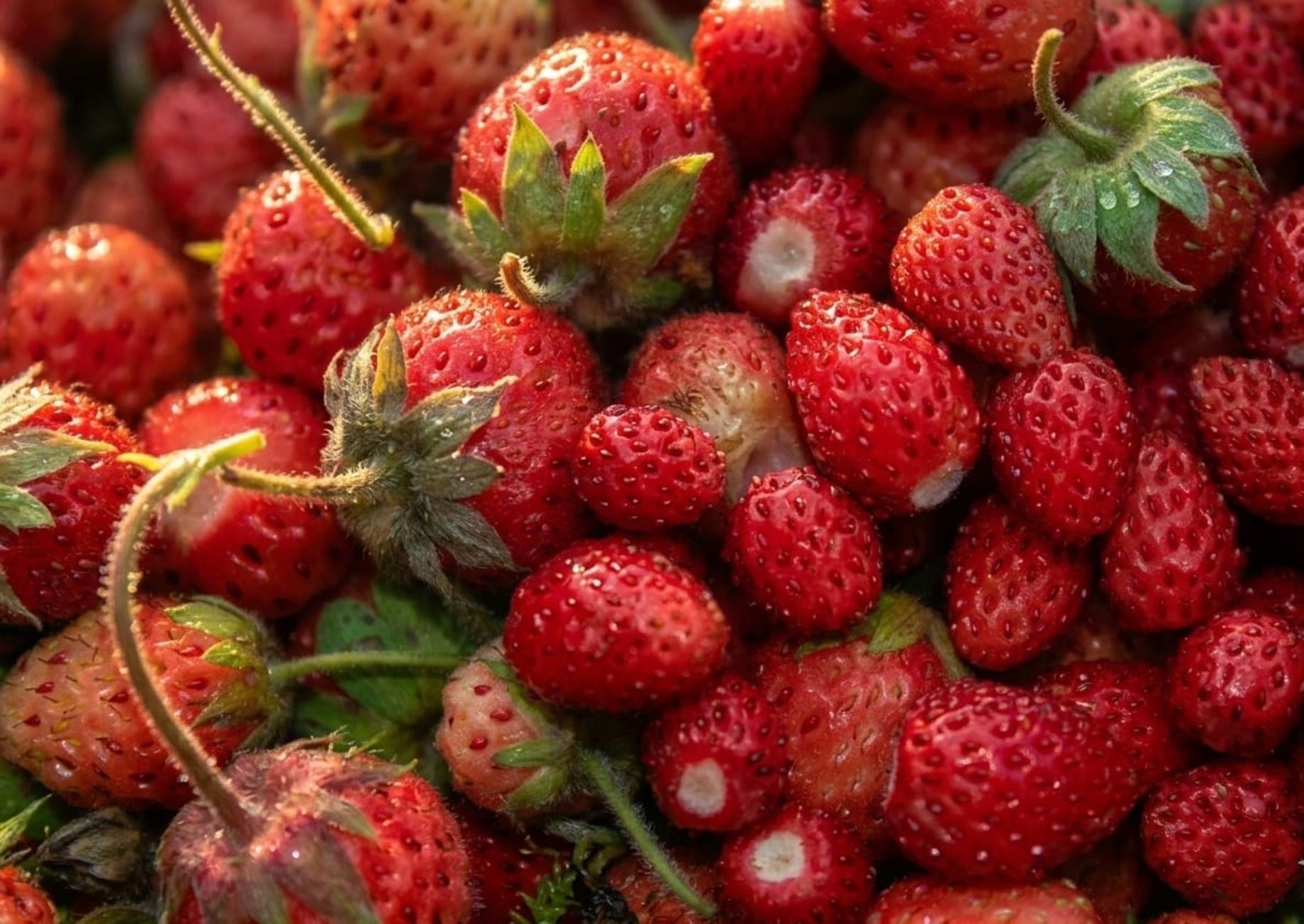
Gray mold typically first appears as small, soft, brown spots on ripe or ripening strawberries. These spots quickly enlarge, becoming sunken and watery. The truly tell-tale sign, though, is the fuzzy, greyish-brown fungal growth that soon covers the affected areas. It looks like a dusty coat of ash, and if you've seen it once, you'll never forget it. This fuzzy growth is actually a mass of spores, ready to spread to neighbouring fruit and foliage, especially if the air is still and humid.
But it's not just the fruit that gets hit. I’ve often seen it start on the flowers themselves, especially if we’ve had a wet spring. The petals turn brown, and the whole flower can fail to develop into a berry, or the infection can lie dormant and then flare up as the fruit ripens. It can also affect the stems and leaves, causing dark lesions and general wilting, though this is less common than fruit rot in my experience.
Understanding Botrytis's lifecycle is key to breaking its hold. This fungus thrives in cool, damp conditions – basically, a typical British summer! The spores overwinter on dead plant material, fallen leaves, or even in the soil. When temperatures rise (above 15°C, usually) and moisture is abundant (rain, dew, irrigation), these spores become active. They’re carried by wind, splashing water, or even on our gardening tools to new plants. They germinate on wet plant surfaces, particularly where there's an injury or where petals have fallen onto developing fruit. That's why flowers and ripening fruit are so susceptible; they're often damp and have soft tissues. The fungus quickly penetrates the plant tissue, causing the rot we all dread. The more moisture and humidity, the faster it spreads. This is why our unpredictable UK downpours followed by humid days are a perfect storm for Botrytis in my Midlands garden.
Breathe Easy: Optimising Airflow for Healthy Strawberry Plants in the UK
If I had to pick one single strategy that has made the biggest difference in preventing gray mold in my 800 sq ft garden, it's airflow. Our British climate, especially here in the Midlands, can be notoriously damp. We get plenty of rain, often followed by humid, still air – precisely the conditions Botrytis cinerea absolutely loves. Ensuring good air circulation around your strawberry plants is like building an invisible shield against this fungal foe.
I learned this lesson after a particularly dismal harvest of 'Florence' strawberries in my second year. They were planted too close, practically cuddling each other, and when a spell of humid weather hit, the mold went through them like wildfire. It was a proper wake-up call. Since then, I’ve become obsessed with giving my plants room to breathe.
My primary approach is proper spacing. I grow my strawberries in raised beds – 1.2m x 2.4m – and I ensure each plant has at least 30-45cm (12-18 inches) of space around it. This might seem generous, but it allows air to flow freely between the plants, drying out leaves and fruit quickly after rain or morning dew. For row planting, aim for similar spacing between plants and at least 60-90cm (2-3 feet) between rows. In my greenhouse, where I grow 'Mara des Bois' for an earlier crop, I also ensure plenty of ventilation by keeping the doors and vents open whenever possible, even on cooler days, to prevent stagnant air.
Another crucial technique is strategic leaf pruning. As the plants mature, they can become quite bushy. While those big leaves are great for photosynthesis, they can also trap moisture around the developing fruit. I make it a habit to carefully remove some of the older, lower leaves, especially those that are yellowing or touching the soil. I also trim any excessive foliage that's creating a dense canopy. I usually do this in late spring, just as the flowers are setting and the first fruits are forming. This opens up the plant, allowing sunlight and air to penetrate right to the centre, helping to dry out the fruit and soil surface. It's a fine balance – you don't want to remove too much, as the leaves are essential for energy production – but a judicious trim can make a world of difference.
I also swear by growing my strawberries in raised beds and mounding the soil slightly around the base of the plants. This helps with drainage, preventing waterlogging around the crowns, and also elevates the fruit slightly, keeping it off the damp soil. For my older 'Cambridge Favourite' patch, I also lay down straw mulch (clean, fresh straw, not old, damp stuff!) around the plants once they start fruiting. This not only keeps the berries clean but also creates a dry barrier between the fruit and the soil, further reducing moisture retention.
Here's a detailed comparison of airflow strategies I've tried in my UK garden:
| Strategy | Description | Pros (UK Climate) | Cons (UK Climate) | My Experience (Midlands Garden) |
|---|---|---|---|---|
| Generous Spacing | Planting individual plants 30-45cm apart, rows 60-90cm apart. | Maximises air circulation, quick drying after rain/dew. Reduces spore spread. | Requires more garden space, which can be an issue in smaller UK plots. | Absolutely essential. My 'Elsanta' yields improved drastically. It's worth sacrificing a few plants for overall health. |
| Strategic Leaf Pruning | Removing older, lower, or overly dense leaves, especially those touching the ground. | Improves light penetration and air movement within the plant canopy. Directs energy to fruit. | Can accidentally remove too many leaves, reducing photosynthesis. Needs careful judgement. | I prune in late May/early June. It’s a game-changer for my 'Florence' berries, keeping the centre of the plant open. |
| Raised Beds/Mounding | Growing in elevated beds or mounding soil around plants to lift fruit. | Excellent drainage, keeps fruit off damp ground. Warms soil faster in spring. | Initial setup cost/effort. Can dry out quicker in hot spells (rare in UK, but happens). | My entire strawberry patch is in raised beds. It’s non-negotiable for me for drainage and fruit protection against our damp soil. |
| Straw Mulch | Applying a layer of clean, dry straw around plants once flowers appear. | Keeps fruit off soil, reduces splashing of fungal spores. Suppresses weeds, conserves moisture (paradoxically, by reducing evaporation). | Can introduce slugs if not kept dry. Needs replacing if it gets too damp and breaks down. Can initially trap moisture if too thick. | I use fresh barley straw every year. It’s fantastic for keeping my 'Cambridge Favourite' clean and surprisingly effective against rot. |
| Vertical Growing | Using hanging baskets, strawberry towers, or tiered planters. | Lifts fruit entirely off the ground, excellent airflow. Ideal for small UK spaces. | Can dry out very quickly, requiring more frequent watering, especially in sunny spots. Limited yield per plant. | I have a strawberry tower with 'Elegance'. Great for early, pristine berries, but needs daily watering during dry spells. |
By combining these strategies, I’ve found that my strawberries here in the Midlands are far more resilient to the damp conditions we so often experience. It's about proactive management, creating an environment where Botrytis struggles to get a foothold.
Cleanliness is Key: Essential Sanitation Practices for Botrytis Prevention
If airflow is your first line of defence, then rigorous sanitation is undoubtedly your second. I used to think 'a bit of tidying' was enough, but I quickly learned that Botrytis is an opportunist, and any lapse in cleanliness gives it a chance to take hold. In my UK garden, especially with our often mild, damp winters, fungal spores can easily overwinter, just waiting for the right conditions to spring back to life.
My sanitation routine starts even before the growing season truly kicks off. In early spring, as new growth emerges, I meticulously go through my strawberry beds and remove any dead leaves, old runners, or plant debris from the previous year. This is where those Botrytis spores love to lurk, lying dormant. I'm talking about getting right down to the crowns and clearing everything out. I learned this after one season where I was a bit lazy with my autumn clean-up, and sure enough, the gray mold was rampant the following spring. It’s a tedious job, but it starves the fungus of its initial breeding ground.
Throughout the growing season, particularly from flowering right through to the end of harvest, I make daily rounds of my strawberry patch. This isn't just for admiring my budding fruit; it's a critical inspection. Any strawberry showing the slightest sign of gray mold – even a tiny brown spot – is immediately removed. I don't just pick it off and drop it on the ground; I carefully place it in a bucket and take it straight to the waste bin, or even better, burn it if I have a fire going. Never, ever put infected plant material in your compost bin, as the spores will happily survive and spread. This practice of 'rogueing' infected fruit is crucial for preventing the spread. Once those fuzzy grey spores appear, they're incredibly airborne and can quickly infect healthy fruit nearby.
I also pay close attention to any yellowing or diseased leaves throughout the season. If a leaf looks sickly or shows any suspicious spots, it gets snipped off and disposed of properly. This helps maintain good airflow (as mentioned earlier) and removes potential disease vectors. It's all about reducing the amount of fungal inoculum in the environment around your plants.
After the harvest is complete, usually by late July or August here in the Midlands, I perform a more significant clean-up. I trim back all the old foliage, leaving just the crowns and the youngest leaves. I also remove all runners (unless I'm planning to propagate new plants) and any remaining debris. This 'renovation' helps rejuvenate the plants and, crucially, removes a vast amount of potential overwintering sites for Botrytis. Then, I give the beds a good weeding to eliminate any hiding spots for pests or diseases.
Finally, tool hygiene is something I take seriously. I always clean and disinfect my secateurs and other tools after working in the strawberry patch, especially if I've been removing diseased material. A quick wipe down with rubbing alcohol or a dilute bleach solution ensures I'm not inadvertently spreading spores from one plant to another, or from my strawberry patch to my heirloom tomatoes in the greenhouse!

It might sound like a lot of work, but these sanitation practices are non-negotiable for me now. I’ve found that a proactive, diligent approach to cleanliness dramatically reduces the pressure from gray mold. It's about being observant, consistent, and ruthless with anything that looks remotely suspicious. It’s certainly paid off in my UK garden, giving me far more of those perfect, blemish-free strawberries to enjoy.
Nature's Shield: Effective Organic Sprays and Treatments for Gray Mold
Even with the best airflow and sanitation practices, sometimes our unpredictable British weather throws us a curveball, or a particularly humid spell lingers too long. That's when I start thinking about giving my strawberry patch a little extra protection with organic sprays. I've experimented with a fair few over my five years in this Midlands garden, and what I've learned is that consistency and timing are absolutely crucial here in the UK.
My first port of call for any fungal issue, including Botrytis, is usually a biological fungicide. I've had really good success with products based on Bacillus subtilis. This beneficial bacterium literally outcompetes and suppresses fungal pathogens. I tend to start applying it preventatively once flowering begins, especially if the forecast looks a bit damp. It’s like giving my plants a tiny army to fight off the grey mold before it even gets a foothold.
Another organic option I've used, particularly if I spot any very early signs or during prolonged wet spells, is potassium bicarbonate. It works by disrupting the cell walls of fungal spores, and it's generally safe for pollinators once dry. I once had a particularly stubborn patch of 'Honeoye' strawberries in a raised bed that just seemed to attract Botrytis every damp spring. A weekly spray of potassium bicarbonate, applied in the early morning, really helped turn the tide and saved a significant portion of my harvest that year.
It's important to remember that these aren't miracle cures; they're preventative tools. You need to apply them thoroughly, getting good coverage on leaves, stems, and especially around the developing fruits. And always, always follow the manufacturer's instructions for dilution and application, paying close attention to any "days to harvest" restrictions, even with organic options. We want pristine strawberries, not chemically-tinged ones!
Here’s a quick rundown of some organic spray options I've considered and, in some cases, used in my UK garden:
| Organic Spray/Treatment | How it Works (for Botrytis) | Randy's Experience (UK Midlands) | Pros for UK Gardeners | Cons for UK Gardeners |
|---|---|---|---|---|
| Bacillus subtilis (e.g., Amylo-X, Serenade Garden) | Beneficial bacteria colonise plant surfaces, outcompeting and suppressing fungal pathogens. | My go-to preventative. Started using it 3 years ago on my 'Cambridge Favourite' and 'Marmolada' plants in the greenhouse and outdoors. Very effective when applied consistently before symptoms appear. | Safe for beneficials, organic, good preventative. | Needs consistent application, best before infection. |
| Potassium Bicarbonate | Disrupts fungal cell walls, acting as a contact fungicide. | Used it as a reactive spray on 'Honeoye' during a very wet May. Saw good results in halting early spread. | Quick knock-down, organic, readily available. | Short residual effect, needs frequent reapplication after rain. |
| Copper-based Fungicides (e.g., Bordeaux Mixture - check organic certification) | Broad-spectrum fungicide, prevents spore germination. | Used very sparingly and cautiously in the past on other crops. Haven't found it necessary for strawberries with good airflow/sanitation. | Effective, can provide longer protection. | Can accumulate in soil with overuse, needs careful application to avoid phytotoxicity, some organic certifications have restrictions. |
| Neem Oil | Primarily an insecticide/miticide, but has some fungicidal properties (disrupts fungal growth). | I use it for pest control (aphids!), but not my primary weapon against Botrytis. Might offer minor preventative fungicidal benefit. | Multi-purpose, organic. | Limited efficacy specifically for established Botrytis compared to other options. |
Beyond Sprays: An Integrated Approach to Long-Term Botrytis Prevention
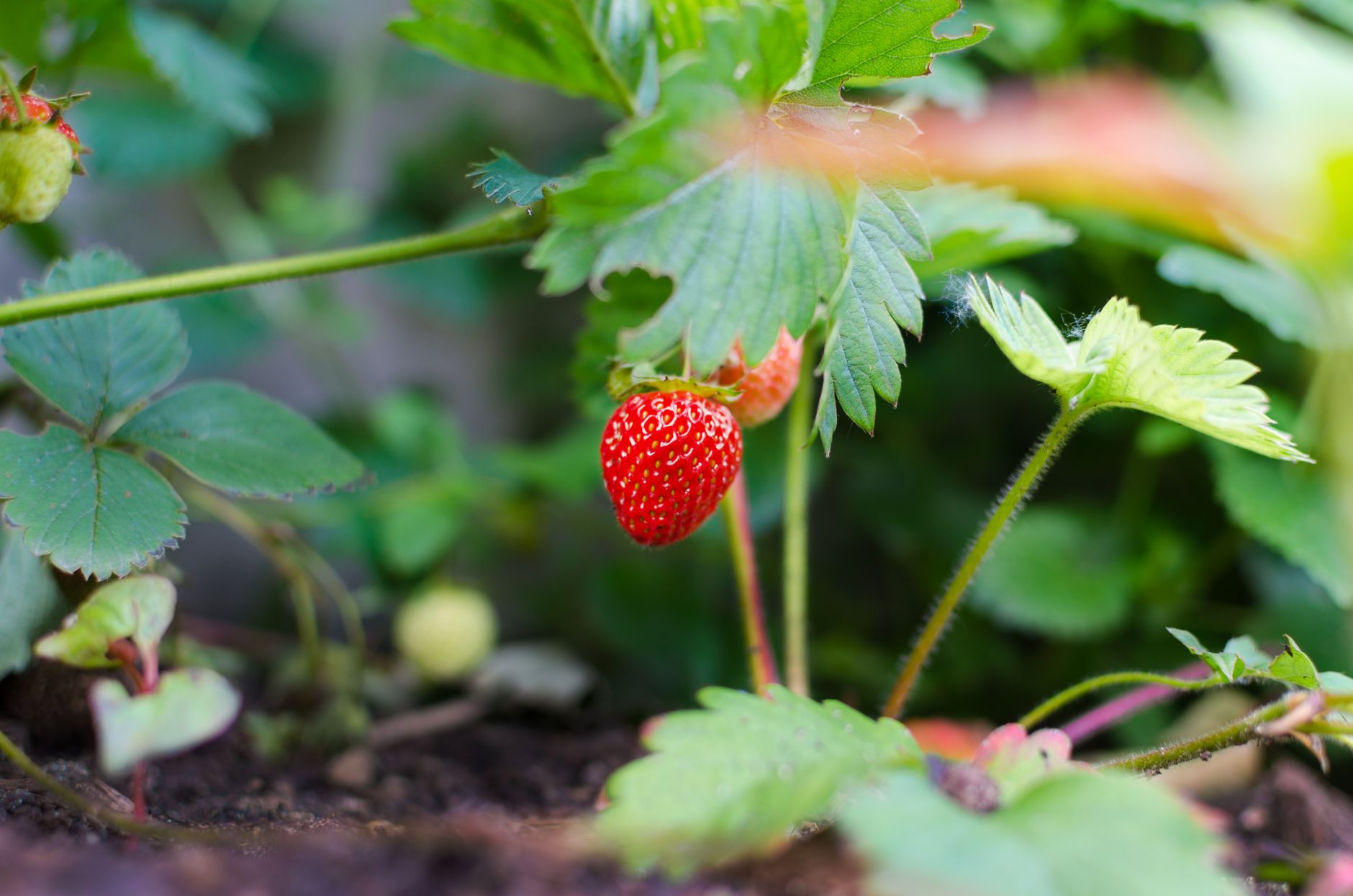
Relying solely on sprays is a bit like patching a leaky roof with plasters – it might help for a bit, but you haven't fixed the underlying problem. For me, true success in preventing Botrytis in my 800 sq ft Midlands garden comes from an integrated, holistic approach that weaves together everything we've discussed. It's about creating an environment where strawberries thrive and Botrytis struggles to survive.
One of the biggest lessons I've learned is the power of crop rotation, even in a small garden like mine. While strawberries are perennials, if I'm growing them in beds, I make sure that particular spot hasn't hosted other susceptible plants (like tomatoes or beans) in recent years. This helps break the disease cycle in the soil. I also try to rotate the specific area within my raised beds where I grow them every 3-4 years, giving the soil a rest and a chance for any lingering spores to die off.
Choosing the right varieties for our British climate makes a huge difference too. Some strawberry cultivars are naturally more resistant to fungal diseases. While I love experimenting with heirlooms, for my main crop, I often lean towards reliable, disease-resistant varieties. Varieties like 'Rhapsody' or 'Symphony' are often touted for their resistance here in the UK. I've found that growing 'Rhapsody' in a slightly more exposed, airier spot has given me fantastic, relatively Botrytis-free harvests even in damper seasons.
And let's not forget about soil health. Healthy soil leads to healthy plants, and healthy plants are more resilient to disease. I regularly amend my raised beds with homemade compost, ensuring good drainage and a rich microbial life. This isn't a direct Botrytis killer, but it's foundational for strong plants that can better withstand stress and potential infection.
Here’s how I integrate these long-term strategies into my garden plan:
| Integrated Strategy | Randy's Approach (UK Midlands Garden) | Benefits for Botrytis Prevention | My Learnings/Challenges |
|---|---|---|---|
| Crop Rotation/Location Shift | Rotate strawberry beds every 3-4 years, or if in containers, move them to a new spot annually. | Breaks the disease cycle in the soil, reduces spore build-up. | Requires good record-keeping in a small garden! Helps prevent other issues too. |
| Disease-Resistant Cultivars | Prioritise varieties known for fungal resistance (e.g., 'Rhapsody', 'Symphony') for main crops. | Plants have an inherent ability to fight off infection, reducing reliance on sprays. | Research is key – check UK specific recommendations. Taste can vary. |
| Soil Health & Nutrition | Regular compost amendments, occasional organic feeds, avoid over-fertilising with nitrogen. | Strong, healthy plants are more resilient to disease pressure. | Over-feeding nitrogen can lead to lush, soft growth that's more susceptible to mold. |
| Strategic Mulching | Use straw after plants are established and setting fruit. Avoid black plastic in damp areas. | Keeps fruit off the soil, reduces splash-back of spores. | Too much mulch too early can trap moisture around crowns. |
| Companion Planting | Planting garlic or chives nearby (anecdotal benefits). | Some gardeners believe certain plants deter fungi or pests, improving overall plant health. | Hard to quantify direct Botrytis impact, but no harm in trying! |

Enjoying a Bountiful, Botrytis-Free Strawberry Harvest
Well, there you have it, fellow gardeners! My journey through the trenches of Botrytis prevention in my very own UK garden. It’s been a learning curve, let me tell you. I've had seasons where my strawberries looked more like furry grey golf balls than juicy red gems, and I've had seasons, like last year, where I was absolutely swimming in perfect, pristine berries, ready for jam, tarts, and just plain scoffing straight from the plant.
The biggest takeaway from all my experimenting, my triumphs, and my soggy failures here in the Midlands, is this: there's no single magic bullet. Preventing gray mold on your strawberries is about building a robust defence system. It's about understanding our often-damp British climate and working with it, not against it.
Start with good airflow – seriously, don't underestimate the power of a good prune and proper spacing. Keep things scrupulously clean, removing any dodgy bits the moment you spot them. And then, if the weather turns against you, or if you just want that extra layer of confidence, consider those organic sprays as a preventative measure. Couple all of that with an integrated long-term plan, choosing the right varieties and nurturing your soil, and you're well on your way to success.
I promise you, the effort is worth it. There’s nothing quite like plucking a perfectly ripe, sweet strawberry from your own garden, knowing you've nurtured it from flower to fruit, safeguarding it from the dreaded Botrytis. It's a taste of pure summer, a reward for your hard work, and proof that even in our sometimes challenging climate, we can achieve truly pristine harvests.
So, go forth, my friends, armed with knowledge and a healthy dose of gardening passion! Get out there, give your strawberries the care they deserve, and prepare to enjoy a truly bountiful, Botrytis-free strawberry harvest this year. I'd love to hear how you get on! Happy gardening!