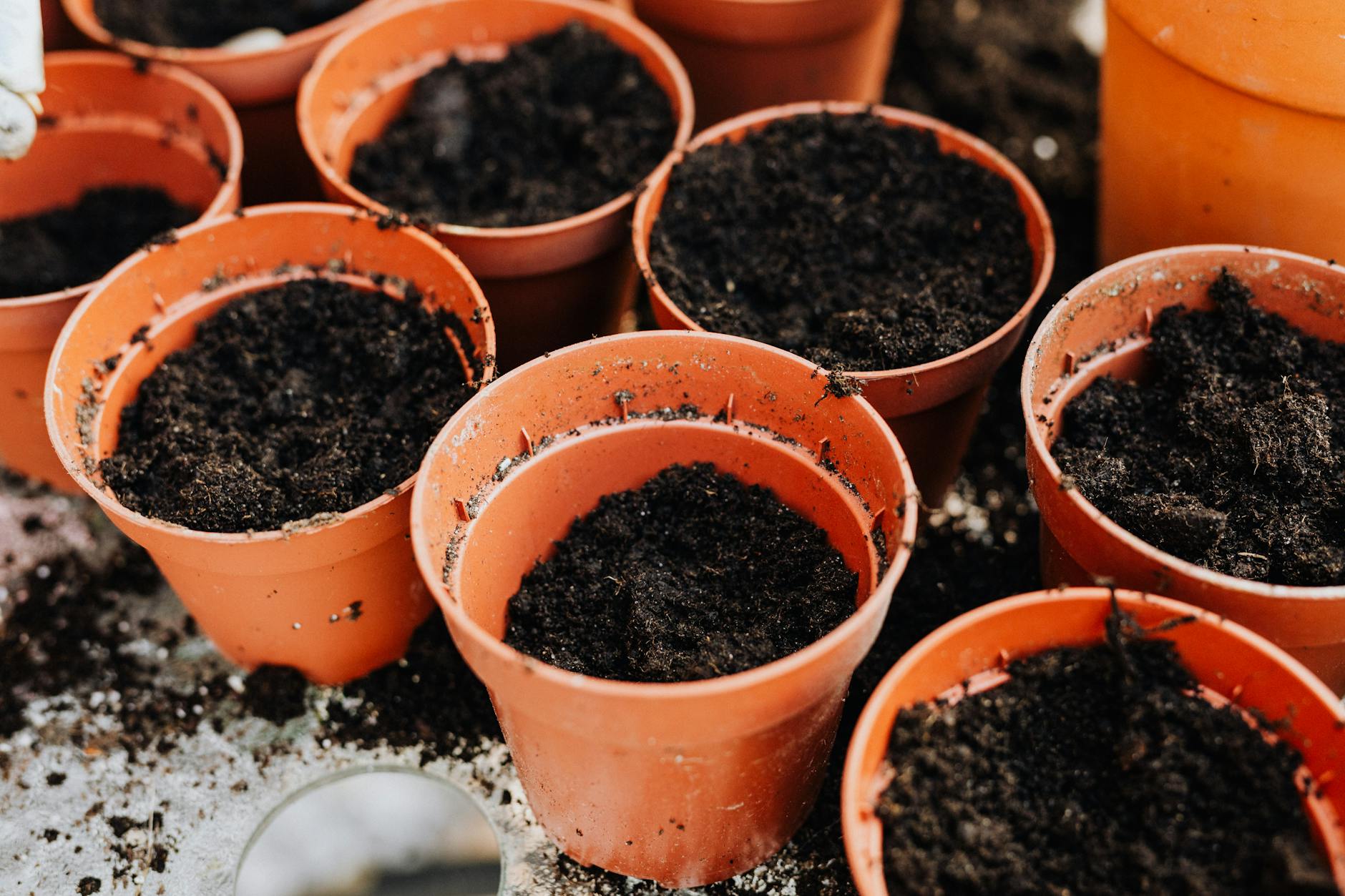
Alright, pull up a chair, grab a cuppa, and let's talk about something that can really sneak up on you in the garden, especially if you're as container-obsessed as I am here in the Midlands. We pour our heart and soul into our potted plants, don't we? From those vibrant patio displays to the precious heirloom tomatoes thriving in the greenhouse, containers are a lifesaver for making the most of every inch, even in my jam-packed 800 sq ft backyard.
But there’s a sneaky little problem that often goes unnoticed until your prized basil looks a bit sad, or your chilli plant isn't quite reaching its potential. I'm talking about ground roots – those adventurous, opportunistic explorers from the soil beneath, silently invading your carefully curated container world. I learned this the hard way with a particularly stubborn 'Costoluto Genovese' tomato that just wouldn't thrive one year, despite all my efforts. It turns out, the ground beneath was having a feast at its expense.
Over my five-plus years of intensive gardening, moving from a desk job in IT to digging in the dirt, I've had my fair share of triumphs and, let’s be honest, a good few head-scratching moments. Many of those moments led to a deeper understanding of how plants work, and how to outsmart nature just a little bit. Preventing ground roots from hijacking your potted plants is one of those crucial lessons I've picked up, and it's made a massive difference to the health and vigour of my container crops, whether they're outside battling the British weather or snuggled in the greenhouse.
This isn't just about keeping your plants alive; it's about helping them truly flourish, giving them every advantage against our often-unpredictable UK climate. So, let’s get stuck into how we can protect our container gardens from this unseen threat, using strategic barriers, smart elevation, and clever container choices.
The Hidden Threat Beneath: Why Ground Roots Invade Potted Plants
It sounds a bit like a horror film, doesn't it? "The Roots That Came From Below!" But in reality, it's just nature doing what nature does best: seeking out resources. Plants are incredibly efficient at finding what they need – water, nutrients, and stable anchorage. When you place a pot directly onto the bare ground, or even a thin layer of gravel, you're essentially laying out a welcome mat for any ambitious roots lurking beneath.
Think about it from a plant's perspective. Your container soil is often rich, well-draining, and regularly watered – a veritable five-star hotel compared to the sometimes compacted, nutrient-depleted, or overly wet soil just outside the pot. The drainage holes in the bottom of your pots are, to a ground root, like open doors to a buffet. They’re simply following the path of least resistance and greatest reward.
I’ve seen this happen countless times in my UK garden, especially with my larger patio containers. One year, I had a fantastic 'Sungold' cherry tomato in a big terracotta pot, sitting right on a patch of earth near the greenhouse. It was doing brilliantly for a while, then suddenly growth slowed, and the leaves looked a bit pale. When I finally lifted the pot to move it, I found a dense mat of white, fleshy roots clinging to the bottom, clearly not from the tomato itself, but from the vigorous perennial weeds just underneath. It was a proper "aha!" moment and taught me exactly why this seemingly minor issue can become such a major headache. Our often damp British soil just encourages those ground roots to spread, making it even more vital to create a clear separation.
Spotting the Signs: How Ground Roots Harm Your Container Plants
The tricky thing about ground root invasion is that the signs can be quite subtle at first, often mimicking other problems like nutrient deficiencies or underwatering. You might assume your plant is just a bit stressed, when in fact, it's fighting a silent battle for survival. I've been there, scratching my head, trying to figure out why my normally robust 'Kentucky Wonder' beans in a large pot were suddenly looking so lacklustre.
Here are the key indicators I’ve learned to look for in my own UK garden:
- Stunted Growth Despite Good Care: This is often the first and most frustrating sign. You’re watering, feeding, and providing good light, but your plant just isn't growing as vigorously as it should, or its neighbours are. The invading roots are stealing those precious nutrients and water before your potted plant can get to them.
- Rapid Drying Out: Even if you're watering regularly, you might notice the compost in your pot drying out much faster than usual. This is a classic symptom, as the ground roots are effectively siphoning off moisture through the drainage holes. I noticed this acutely with my greenhouse chillies; a pot that usually held moisture for two days would be bone dry in one.
- Nutrient Deficiency Symptoms: Yellowing leaves, purpling stems, or general pallor can all point to a lack of nutrients. Again, the ground roots are the culprits, outcompeting your plant for the food you’ve provided. My 'Black Krim' tomatoes, which are usually such strong feeders, once showed signs of magnesium deficiency, even after I’d given them a good feed. It turned out to be root invasion.
- Difficulty Lifting or Moving Pots: This is the most obvious, and often the point where you discover the problem! If your pot feels oddly heavy or is stuck fast to the ground, chances are roots have grown through the drainage holes and anchored themselves firmly into the soil below. I've nearly pulled my back out trying to move a large lavender pot that had become completely rooted into my gravel path.
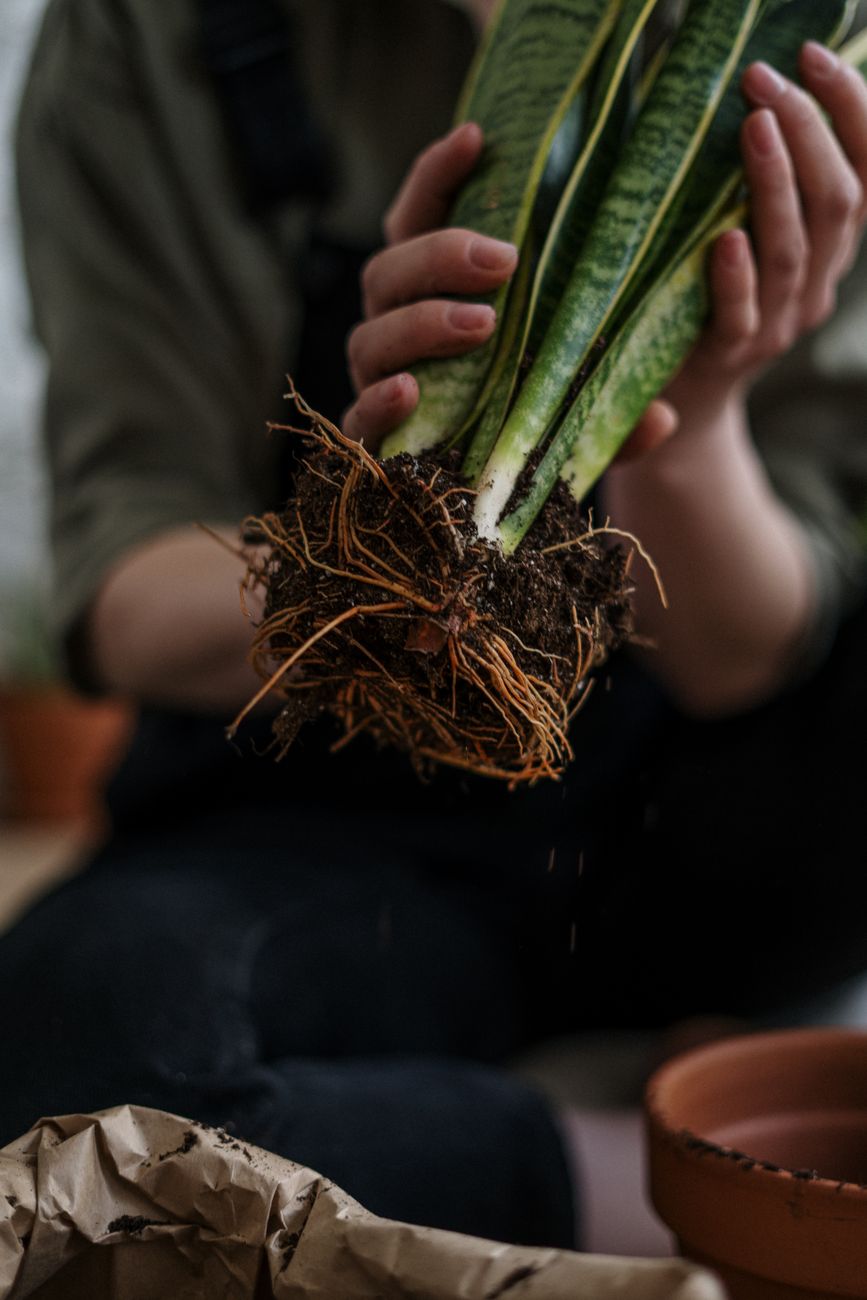
The harm isn't just about resource competition. A plant that's constantly struggling for water and food is also a weakened plant, more susceptible to pests and diseases – something we certainly don't need more of with our often damp and pest-friendly British weather! It's a domino effect that can quickly undo all your hard work.
Laying Down the Law: Effective Root Barriers for Your Pots
Once you’ve seen the damage ground roots can do, you quickly realise the importance of establishing clear boundaries. I've tried various methods in my 800 sq ft Midlands garden over the years, from improvised solutions to purpose-built products, and what works best really depends on the pot, the plant, and where it’s sitting. The goal is always the same: create an impenetrable layer between your pot's drainage holes and the soil below, while still allowing water to drain freely.
One mistake I made early on was thinking a bit of old cardboard would do the trick. It worked for about a week, then quickly broke down in our damp UK climate, becoming just more food for the ground roots! You need something more durable, something that can withstand the elements and the relentless push of root growth.
Here’s a detailed comparison of what I've found to be effective, drawing on my own experiences here in Britain:
| Barrier Material | Randy's Experience (UK Garden) | Pros for UK Gardeners | Cons for UK Gardeners | Best Use Case in UK
Choosing Wisely: Pots That Naturally Deter Ground Roots
Beyond barriers and elevating our beloved pots, the very container we choose can make a big difference in the fight against ground roots. Over my five years of intensive gardening here in the Midlands, I’ve experimented with just about every pot material under the sun. Some have been brilliant, others… well, let's just say they taught me valuable lessons, often involving wrestling a root-bound plant out of a stubborn pot!
When I first started, I thought a pot was just a pot. How wrong I was! I quickly learned that the material, the shape, and even the finish of a pot can either invite or deter those sneaky ground roots. The key, I've found, is to pick materials with smooth, non-porous surfaces and sturdy construction.
The Pot Material Showdown: What Works (and What Doesn't)
Let me walk you through my experiences with different pot types, focusing specifically on their interaction with ground roots.
Plastic Pots: These are often my go-to for many vegetables, especially my 'Shirley' tomatoes in the greenhouse before they go into bigger grow bags. Their smooth, non-porous surfaces are a massive plus. Roots struggle to cling to the slick plastic, making them much easier to lift and check. They're lightweight, which is great for moving around, but can sometimes blow over in our unpredictable British winds if not weighty enough or staked. On the downside, cheaper plastic can degrade in our UV, but good quality, thick plastic pots last ages.
Glazed Ceramic Pots: For my herbs or some of my more ornamental edibles like 'Black Krim' tomato plants that get pride of place on the patio, glazed ceramic pots are fantastic. The smooth, glazed finish is just like plastic – roots find it hard to get a purchase. Plus, they're heavy, which is brilliant for stability in a blustery UK summer. The only real drawback is their weight when you need to move them, and of course, they can be a bit pricier.
Metal Containers: I’ve dabbled with repurposed metal tubs, especially for potatoes or large root vegetables. The smooth metal sides are excellent for root deterrence. However, they can heat up significantly in direct sun, even in the UK, which can cook the roots. It's something to be mindful of, perhaps painting them a lighter colour or placing them in a slightly shadier spot during heatwaves. My 'Charlotte' potatoes loved a large, galvanised tub, but I did have to monitor the soil temperature closely during that unusually hot spell we had in June last year.
Terracotta Pots: Ah, terracotta. They look lovely, don't they? And they're great for plants that like to dry out a bit. But when it comes to ground roots, they can be a bit of a nightmare if not elevated properly. The porous nature of unglazed terracotta allows moisture to wick through, which can actually attract ground roots seeking that moisture. The rough inner surface also gives roots something to cling to. If I use terracotta, it’s always on pot feet and often with a root barrier inside. I learned this the hard way with some 'Moneymaker' tomatoes a few years back – their roots were practically glued to the pot!
Fabric Grow Bags: These are a mixed bag for me. While fantastic for aeration and preventing root circling within the bag, they are absolutely terrible at deterring ground roots if placed directly on soil. The fabric is highly permeable, allowing moisture and roots to pass straight through. They are brilliant, and I use them extensively for my main crop tomatoes and potatoes, but always, always elevated on sturdy pot feet or gravel beds. Without elevation, they're an open invitation for ground roots.
To help you choose, I’ve put together a quick comparison based on my own experience:
| Pot Material | Root Deterrence (Ground Roots) | Pros (UK Gardening) | Cons (UK Gardening) | Randy's Verdict |
|---|---|---|---|---|
| Plastic | Excellent (smooth, non-porous) | Lightweight, affordable, easy to clean, good moisture retention. | Can degrade over time, lighter ones prone to blowing over in wind. | My everyday workhorse, especially for veggies. |
| Glazed Ceramic | Excellent (smooth, non-porous) | Heavy (stable in wind), attractive, durable. | Heavy to move, can be expensive, prone to cracking in hard frosts if not protected. | Great for patio display plants. |
| Metal | Excellent (smooth, non-porous) | Durable, can be stylish, good for large plants. | Can heat up in sun (monitor soil temp), potentially rust. | Use with caution, good for large root crops. |
| Terracotta | Poor (porous, rough surface) | Attractive, good for drainage, breathable. | Roots cling, wicks moisture (attracts ground roots), heavy, can break. | Only with strong elevation and/or internal barrier. |
| Fabric Grow Bags | Very Poor (permeable) | Excellent aeration, prevents root circling, lightweight when empty. | Roots pass directly through, needs robust elevation. | Essential for many crops, but must be elevated. |
Vigilance is Key: Regular Checks and Maintenance for Root-Free Pots
Even with all the clever barriers, elevation, and smart pot choices, the battle isn't truly won without regular vigilance. Think of it like checking your 'Sungold' tomatoes for blight – early detection is everything! In my 800 sq ft Midlands garden, where every inch counts, I've learned that a quick, routine check can save a whole season's worth of effort.
I try to make it a habit to check my potted plants weekly, especially during the peak growing season from May to September. A good time is usually when I'm watering or doing my general garden rounds. After a particularly heavy downpour, which we get plenty of here in the UK, it’s even more important. The ground can get saturated, and roots are opportunistic – they’ll spread wherever they find moisture and nutrients.
What to Look For (And What to Do)
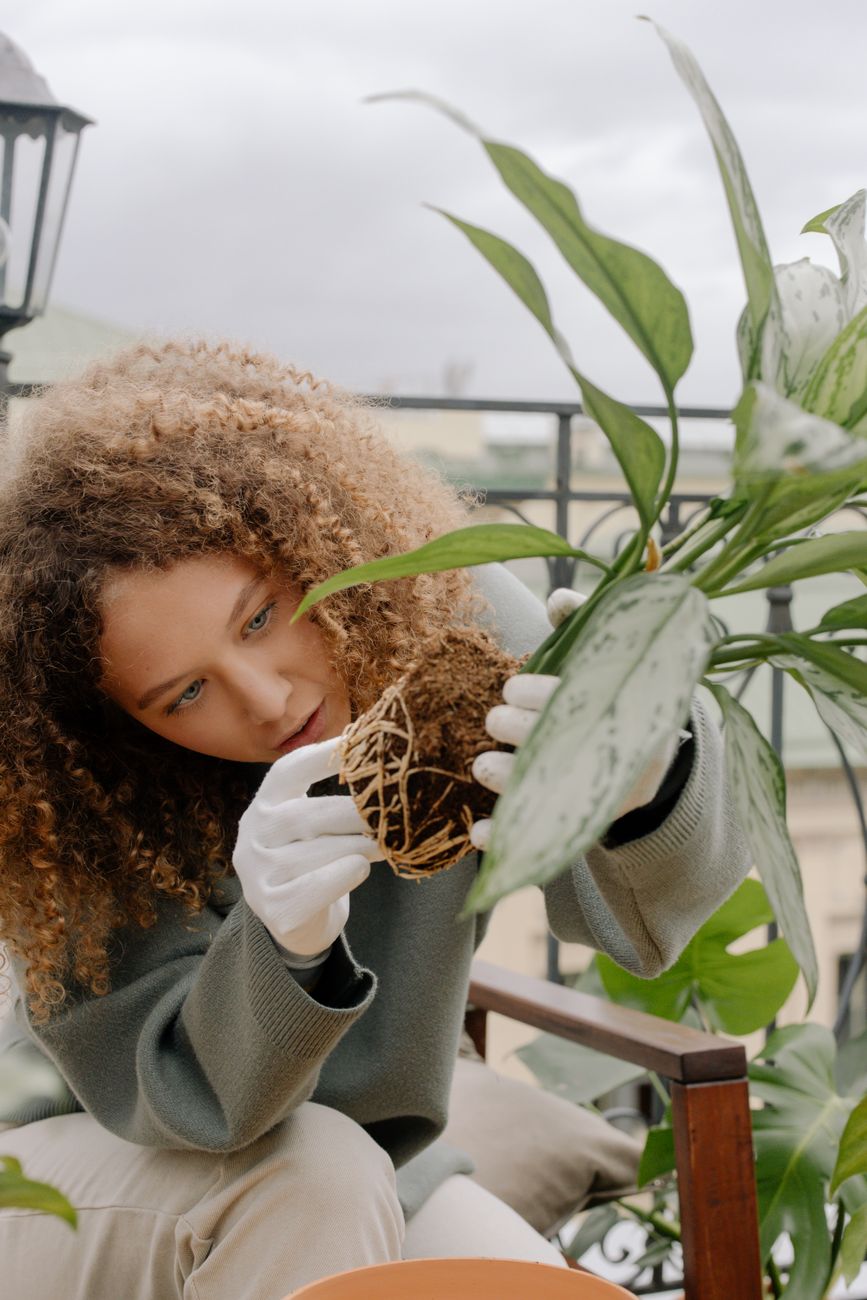
- Roots Emerging from Drainage Holes: This is the most obvious sign. If you see white or pale roots poking out of the bottom of your pot and anchoring themselves into the soil below, you've got an invasion. Don't ignore it!
- Pots Feeling "Stuck": Try to gently nudge or lift your pot. If it feels firmly rooted to the ground and doesn't want to move, you've likely got ground roots holding it hostage.
- Plant Stress Despite Good Care: This is a more subtle sign. If your plant is looking droopy, wilting, or generally unhealthy, despite you providing adequate water, feed, and light, ground roots could be the culprit. They're competing for resources, effectively starving your potted plant. I remember one year my greenhouse 'Gardener's Delight' cherry tomatoes in a large pot started looking really sad, even though I was watering them daily. It turned out they'd sent roots right through the capillary matting into the gravel below.
If you spot any of these signs, it's time for action. My usual approach is to:
- Lift and Inspect: Carefully lift the pot. If it's stuck, you might need to gently wiggle it or even use a trowel to sever the invading roots from the ground. Be careful not to damage your pot or the plant's main root ball.
- Trim Invading Roots: Once lifted, you'll likely see a tangled mess of roots at the bottom. Use a sharp, clean pair of secateurs or scissors to trim these off, cutting them flush with the drainage holes. Don't be afraid – the plant will recover. I've done this countless times to my potted chillies and peppers.
- Re-establish Barriers/Elevation: This is your chance to reinforce your prevention strategy. Add fresh landscape fabric under the pot, put down new pot feet, or move it to a more suitable elevated surface. For my greenhouse tomatoes, I now put a layer of thick plastic sheeting under my grow bags before adding the gravel and pot feet, just to be extra sure.
- Consider Repotting: If the plant is severely root-bound within its own pot, or if the invasion was particularly aggressive, it might be time to repot it into a larger container with fresh compost. This gives the plant a new lease on life and a clean slate.
Remember, prevention is always easier than cure. A few minutes of checking and maintenance can save you a lot of headache and heartache down the line.
Cultivating Healthier Containers: A Summary of Root Invasion Prevention
Well, there you have it, folks – my comprehensive guide to keeping those pesky ground roots out of your beloved potted plants! From my experience over five intensive years here in my 800 sq ft Midlands garden, battling everything from slugs to unpredictable British heatwaves, I've learned that a bit of foresight and consistent effort can make all the difference.
We've explored the sneaky ways ground roots try to invade, the tell-tale signs to look out for, and crucially, a whole arsenal of strategies to keep them at bay. It really boils down to a few key principles:
- Strategic Barriers: Whether it's tough landscape fabric, plastic sheeting, or purpose-built root barriers, creating a physical divide between your pot and the hungry ground is a game-changer. I've seen firsthand how a simple sheet of heavy-duty membrane can protect a whole row of my 'Celebrity' pepper pots.
- Elevated Placement: Lifting your pots, even by a few inches, makes it significantly harder for ground roots to reach them. Pot feet, bricks, gravel beds – they're not just for aesthetics; they're vital defensive tools. My greenhouse 'Black Cherry' tomatoes thrive because they're well off the ground, ensuring those roots stay put in their containers.
- Smart Container Choices: The material of your pot plays a bigger role than you might think. Smooth, non-porous surfaces like plastic and glazed ceramic are your friends, naturally deterring root attachment. While I love the look of terracotta, I now know its limitations and adjust my strategy accordingly.
- Constant Vigilance: This is perhaps the most critical. Regular checks, especially during active growth periods and after heavy rain, will help you spot and tackle any potential invasions early. It's a small investment of time for much healthier, happier plants.
My journey from an IT desk to a thriving garden has been all about learning, experimenting, and sometimes, making a few mistakes along the way. But every challenge, like dealing with ground roots, has taught me something valuable. The joy of harvesting a perfectly ripe 'Marmande' tomato from a container, knowing it's grown healthily without external interference, is truly incomparable.
So, go on, give these methods a try in your own UK garden! Whether you're growing vibrant 'Padron' peppers on your patio or a collection of aromatic herbs by the back door, these strategies will help ensure your container plants get all the nutrients and water they need, precisely from where you intend. I'd love to hear how these tips work for you and what ingenious solutions you've come up with. Happy gardening, fellow enthusiasts!
