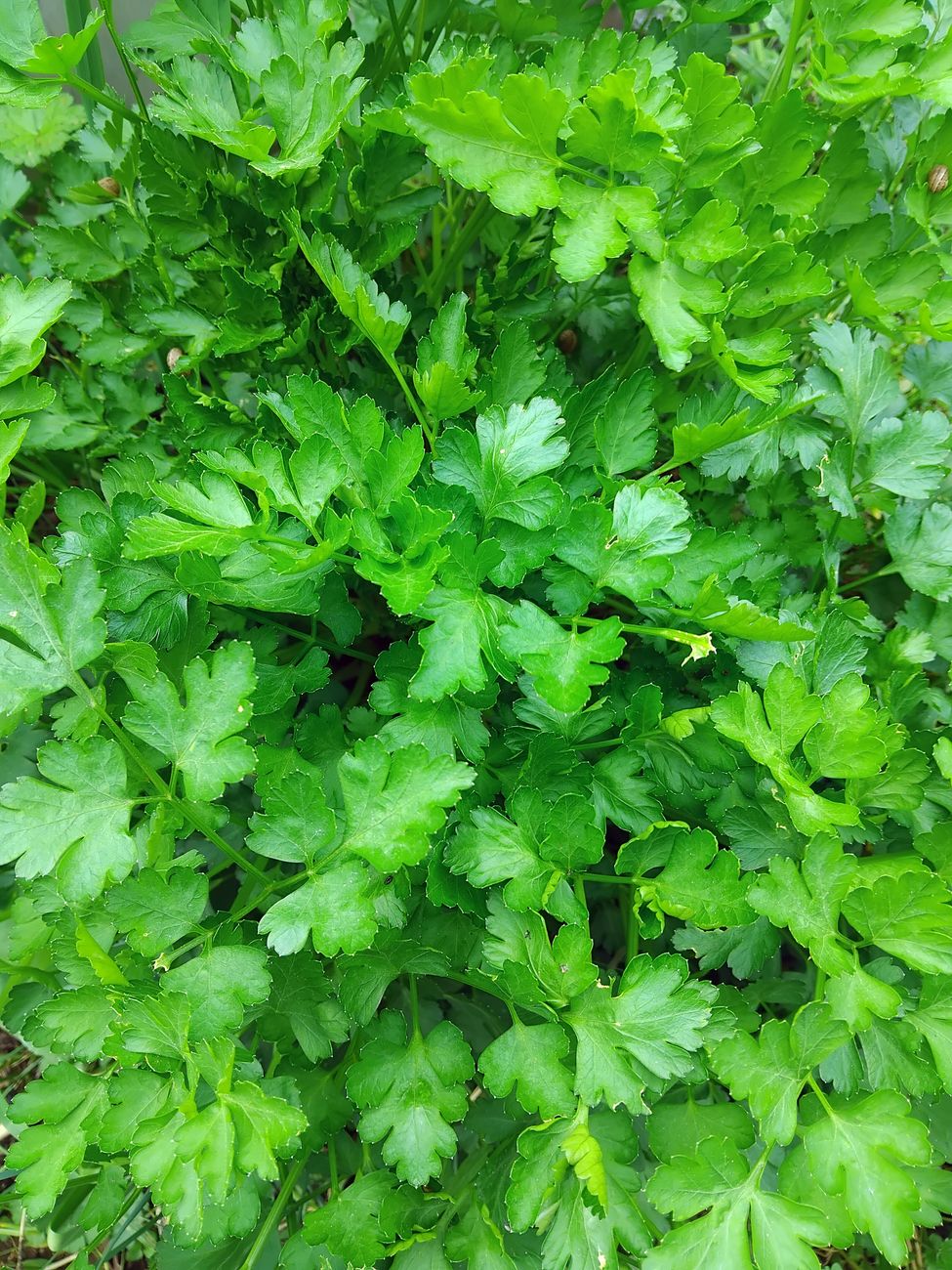
Introduction: Unlocking the Secret to Ever-Leafy Parsley in Your UK Garden
If you're anything like me, you've probably stood in your UK garden, admiring a thriving patch of vibrant green parsley one day, only to return a week later and find it suddenly shooting skyward, its leaves turning pale and its stems hardening. It's the dreaded bolt, isn't it? That moment when your beautiful, flavourful herb decides it's had enough of producing delicious leaves and makes a beeline for seed production. For years, I struggled with this, especially during our notoriously unpredictable British summers here in the Midlands. My parsley would bolt so fast, it felt like I was constantly replanting just to keep a steady supply.
When I first traded my IT keyboard for a trowel five years ago, I was obsessed with getting things right in my 800 sq ft backyard. My raised beds and greenhouse are packed, and every inch counts. Parsley, being such a kitchen staple, became a real challenge. I've spent countless hours experimenting, observing, and, honestly, making a fair few mistakes, all to crack the code on keeping parsley leafy and flavourful for as long as possible in our specific UK climate. It’s incredibly frustrating to lose that fresh, peppery goodness just when you need it most.
But I'm here to tell you, it doesn't have to be a yearly battle! Through my own trial and error, I've discovered some fantastic strategies that have transformed my parsley patch from a fleeting success into a consistent producer. In this article, I'm going to share everything I've learned, from the nitty-gritty of why parsley bolts, to the exact watering and feeding regimen that works wonders in my UK garden. Get ready to enjoy bumper harvests of beautiful, aromatic parsley, ensuring your herb garden is always packed with flavour, not just flower stalks!
Understanding Parsley Bolting: Why Your Herb Garden Goes to Seed Prematurely
So, what exactly is bolting, and why does our beloved parsley seem so keen to do it, often at the most inconvenient times? At its heart, bolting is a plant's natural response to perceived stress or ideal conditions for reproduction. Parsley, being a biennial plant, is naturally programmed to grow leaves in its first year and then produce flowers and seeds in its second year. However, here in the UK, various environmental factors can trick it into thinking its "second year" has arrived much sooner.
The main culprits for premature bolting in my experience, especially here in the Midlands, are:
- Temperature Fluctuations: Our British weather can be a real rollercoaster. A sudden heatwave after a cool spell, or even prolonged periods of high temperatures, can signal to the plant that its life cycle needs to speed up before conditions become too harsh. I once lost an entire bed of 'Italian Giant' flat-leaf parsley during a particularly hot July – it just shot up overnight!
- Day Length: Longer daylight hours, particularly as we move into late spring and early summer, are a natural trigger for many plants, including parsley, to initiate flowering.
- Stress: This is a big one. Inconsistent watering, nutrient deficiencies, overcrowded conditions, root disturbance, or even letting the plant get too dry can all act as stressors. A stressed plant thinks it's dying, so its priority becomes reproducing by setting seed. I learned this the hard way when I neglected a container of parsley during a busy week – it bolted faster than anything I'd ever seen.
Understanding these triggers is the first step in preventing them. It's all about creating an environment where your parsley feels comfortable and has no reason to rush to seed. It wants to stay leafy for you, trust me!
Common Parsley Varieties & Their Bolting Tendencies for UK Gardeners
| Parsley Variety | Leaf Type | Bolting Tendency (UK Climate) | Notes from My UK Garden Experience |
|---|---|---|---|
| 'Italian Giant' | Flat-Leaf | Moderate to High | My go-to for flavour, but very susceptible to bolting with heatwaves. Needs consistent moisture and some afternoon shade in summer. |
| 'Moss Curled' | Curly-Leaf | Low to Moderate | A bit more resilient to bolting than flat-leaf types, especially in cooler springs. Great for garnishing and holds up well to our winds. |
| 'Hamburg' | Root Parsley | Low | Primarily grown for its parsnip-like root, but produces edible leaves too. Very slow to bolt, but leaves are less flavourful than others. |
| 'Darki' | Flat-Leaf | Moderate | A good, sturdy flat-leaf option I've tried. Seems to handle slight temperature shifts a little better than 'Italian Giant'. |
| 'Aphrodite' | Curly-Leaf | Low | Another curly variety I've had success with. It stays compact and bushy for longer, making it a good choice for containers. |
Optimal Site Selection and Soil Preparation for Bolting-Resistant Parsley
When it comes to keeping parsley happy and leafy here in the UK, where you plant it and what it's growing in makes a monumental difference. I’ve experimented with parsley in various spots across my 800 sq ft Midlands garden, from full sun to dappled shade, and I've definitely found the sweet spot.
Parsley loves sunshine, but not scorching sun, especially during our increasingly hot British summers. What I've learned is that here in the UK, partial shade is often the secret weapon against early bolting. I'm talking about a spot that gets morning sun, maybe until midday, and then benefits from some afternoon shade. This protects the plant from the most intense heat of the day, which is often the primary trigger for bolting. My current parsley patch thrives alongside my taller raised beds, which cast a lovely shadow over it from about 2 pm onwards.

As for soil, this is non-negotiable for healthy, bolt-resistant parsley. If you're like me and started with the heavy clay often found here in the Midlands, you know the struggle. Parsley needs rich, well-draining soil that retains moisture but never becomes waterlogged. Here's my tried-and-tested recipe for success:
- Good Drainage is Key: Standing water is a death sentence for parsley roots. If you have heavy clay, amend it generously with organic matter. I dig in at least a bucket-load of homemade compost and a good amount of well-rotted manure per square metre. This lightens the soil structure beautifully.
- Nutrient-Rich Foundation: Parsley is a hungry plant, especially when you're constantly harvesting its leaves. I ensure my beds are topped up with plenty of fresh compost every spring. A slow-release organic fertiliser, like a general-purpose pellet, worked into the top few inches before planting, provides a steady supply of nutrients without overwhelming the plant.
- Ideal pH: Parsley prefers a slightly acidic to neutral pH, ideally between 6.0 and 7.0. Our Midlands soil tends to be on the neutral side, so I rarely need to adjust, but it's worth checking with a soil test kit if you're unsure.
One mistake I made early on was planting parsley in a spot that got full, unadulterated sun all day. Despite my best efforts with watering, that bed always bolted first. Moving it to a location that gets a few hours of afternoon shade, even if it's just from my greenhouse or a taller shrub, has made a world of difference. It's about replicating that slightly cooler, more stable environment that makes parsley feel at home.
Mastering Watering, Feeding, and Temperature Control to Prevent Early Bolting
Once you've got your parsley in the perfect spot with happy soil, the next big puzzle piece in preventing early bolting in your UK garden comes down to consistent care: how you water, what you feed it, and how you manage those tricky temperature swings our British weather loves to throw at us. I've learned these lessons through plenty of trial and error in my own 800 sq ft patch.
Watering: Consistency is King (especially with UK weather)
Parsley absolutely detests drying out, but it also hates having soggy feet. The key is consistent moisture. I've found that here in the Midlands, especially during dry spells, watering deeply every other day or so, rather than a light sprinkle daily, is far more effective. This encourages the roots to grow deeper, making the plant more resilient. I use my rain barrel water whenever possible – it's naturally softer and the plants seem to love it. During prolonged summer downpours, I make sure my raised beds drain effectively, as waterlogging is a common stressor. One year, I neglected a patch during a mini-heatwave, and by the time I got back to it, the plants were already throwing up flower stalks, convinced their time was up. Never again!
Feeding: Balanced Diet for Leafy Growth
Parsley is a leaf producer, so it needs nutrients that support lush, green foliage. This means a balanced feed, rather than something high in nitrogen which can sometimes encourage vigorous but weak growth. If your soil is rich with compost, a regular liquid feed every 2-3 weeks during the growing season is usually sufficient. I use a diluted seaweed extract or a general-purpose organic liquid feed. The critical thing here is not to overfeed, especially with high-nitrogen fertilisers, which can push plants into bolting. What works here in Britain is a gentle, steady approach, supporting the plant's natural growth cycle without forcing it.
Temperature Control: Battling the British Extremes
This is where our unpredictable UK climate really comes into play. While we don't often get prolonged tropical heat, those sudden spikes in temperature can shock parsley into bolting.
- Shade Cloth: During unexpected heatwaves (yes, we get them, even in the Midlands!), I've learned to throw a light layer of shade cloth over my parsley patch during the hottest part of the day. It's a simple trick that has saved many a harvest.
- Succession Planting: This isn't strictly temperature control, but it's my best strategy for continuous harvests through temperature fluctuations. I sow small batches of parsley seeds every 3-4 weeks from early spring until late summer. This way, if one batch bolts due to a sudden heat spike, I always have younger plants coming along.
- Mulching: A good layer of organic mulch (like straw or wood chippings) around the base of the plants helps to regulate soil temperature, keeping the roots cooler in summer and warmer in winter, and also conserves moisture. This is a game-changer for stability in my garden.
Watering & Feeding Strategies for Bolting-Resistant Parsley in the UK
| Strategy Aspect | Approach for Bolting Prevention (UK) | Why it Works in My UK Garden |
|---|---|---|
| Watering Frequency | Deep watering 2-3 times a week (adjust for rainfall) | Encourages deep root growth, making plants more drought-tolerant during dry spells, and prevents surface drying which stresses plants. Avoids constant dampness. |
| Watering Method | Base of the plant, early morning or late evening | Minimises evaporation and allows water to soak in effectively. Reduces leaf wetness, which can lead to fungal issues in our damp UK climate. |
| Feeding Type | Balanced organic liquid feed (e.g., seaweed extract) or general-purpose organic pellets. | Provides steady, gentle nutrients for strong leaf development without pushing excessive, rapid growth that can trigger bolting. |
| Feeding Frequency | Every 2-3 weeks during active growth (spring/summer) | Consistent nutrient supply ensures plants are well-fed and less stressed, but avoids overfeeding which can be detrimental. Less needed if soil is very rich. |
| Temperature Mgmt. | Use shade cloth during heatwaves (>25°C), mulch soil, ensure good air circulation. | Protects plants from extreme heat stress, which is a major bolting trigger. Mulch moderates soil temperature, and air circulation prevents humidity build-up. |
| Harvesting | Regular, consistent harvesting from outer leaves | Keeps the plant focused on producing new foliage, rather than diverting energy to flower production. It's a "use it or lose it" strategy! |
Strategic Harvesting: Cutting Techniques to Prolong Your Parsley's Leafy Life
You've done all the hard work setting up your parsley for success – good soil, consistent watering, and the right spot. Now, how you actually harvest those beautiful green leaves is absolutely crucial for keeping the plant in a leafy production mode and stopping it from thinking its job is done and it's time to flower. Think of it like a strategic haircut; you're not just tidying up, you're encouraging more growth in the right places.
When I first started out, I made the classic mistake of just snipping off the top few sprigs of parsley whenever I needed some for a dish. It felt intuitive, but what I quickly learned (the hard way, as always!) was that this actually encourages the plant to stretch upwards, becoming leggy and more prone to bolting here in our often-unpredictable UK weather. The plant thinks it's being "pruned" for height, not for bushiness.
The secret, my friends, is to adopt a "cut and come again" approach, focusing on the outer stems. Here's how I do it in my Midlands garden:
- Target the Outer Stems: Always aim for the mature, larger stems on the outside of the plant. These are the oldest leaves, and removing them signals the plant to produce new growth from the centre. If you only take the inner, younger leaves, you're essentially removing the future growth, which is counterproductive.
- Cut Low and Clean: Use a sharp pair of snips or kitchen scissors (I keep a dedicated pair for herbs in the greenhouse). Cut the stems right at the base, close to the soil line. Don't just snip the leaf off halfway up the stem; remove the entire stem. This keeps the plant tidy and prevents decaying bits from attracting pests or diseases, especially in our damp British climate.
- Leave the Heart Intact: The very centre of the parsley plant, where the new, tender leaves are emerging, is its engine room. Leave this undisturbed. You want to encourage it to constantly push out fresh growth from this core.
- Harvest Regularly: This is key! Don't wait until the plant is enormous and overgrown. I aim to harvest a decent handful from each plant at least once a week during peak season, even if it's just to chop and freeze. Regular harvesting keeps the plant vigorous and actively producing leaves, rather than building up energy to produce a flower stalk. Last summer, during a particularly good spell of weather, I was harvesting twice a week from my 'Gigante d'Italia' plants, and they just kept on giving!
By harvesting strategically, you're not only getting a constant supply of fresh, flavourful parsley, but you're also tricking the plant into believing it needs to keep growing leaves, delaying its natural urge to flower and set seed.
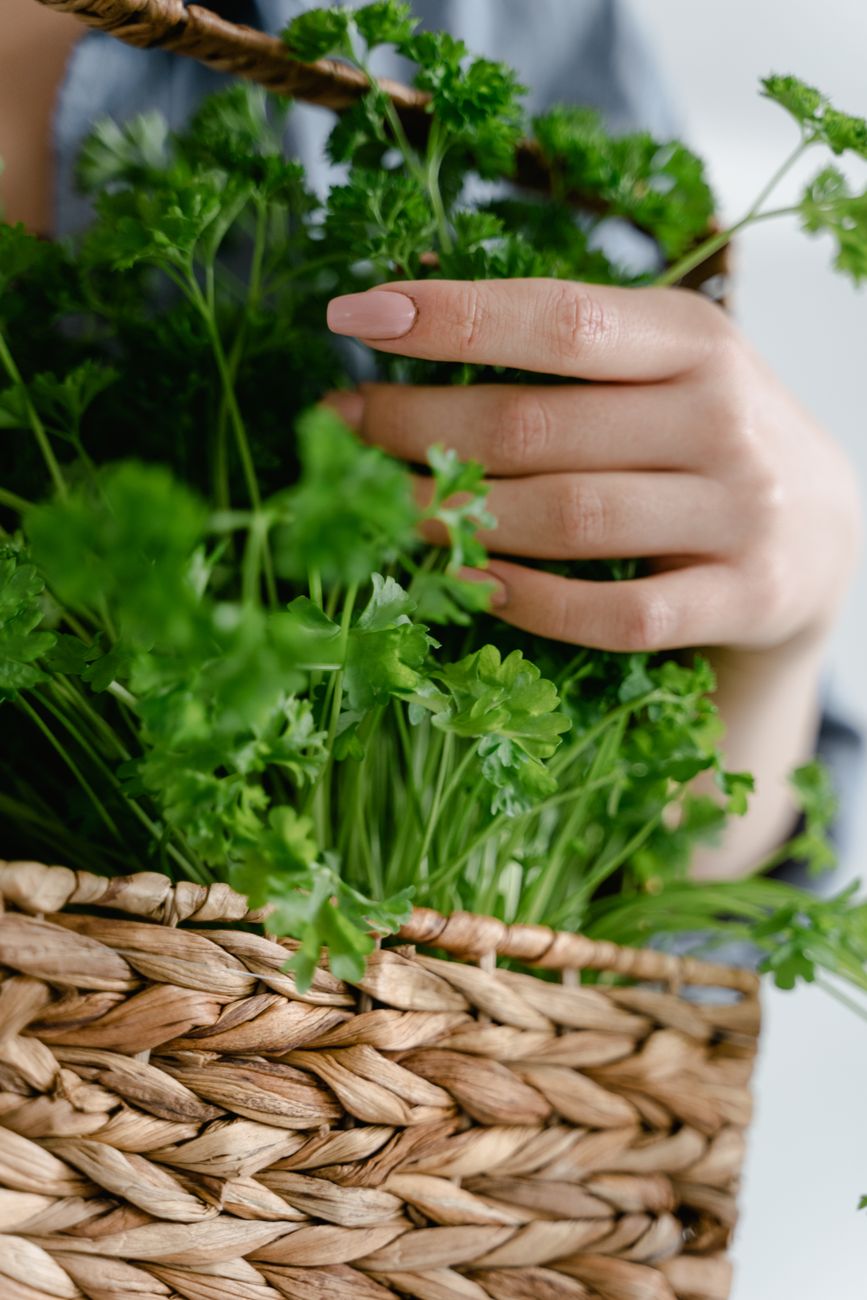
Choosing the Right Parsley Varieties for a Longer UK Growing Season
While all parsley can be prone to bolting under stress, some varieties are definitely more cooperative and better suited to our unique UK climate than others. Over my five years of intensive gardening here in the Midlands, I've experimented with quite a few, and I've certainly found my favourites that offer better resistance to premature bolting.
Generally, you'll find two main types: flat-leaf (or Italian) parsley and curly-leaf parsley.
Flat-Leaf Parsley (Petroselinum crispum neapolitanum)
This is my absolute go-to, hands down, for both flavour and resilience.
- Flavour Profile: It has a much stronger, more robust flavour than curly parsley, which is why it's so popular in cooking. It's fantastic in everything from a simple sauce to a hearty stew.
- Bolting Resistance: In my experience, flat-leaf varieties tend to be more vigorous and slightly more tolerant of fluctuating temperatures and the occasional dry spell we get in Britain. They seem to hold off bolting for longer, especially if kept well-watered and harvested correctly.
- Recommended Cultivars for the UK:
- 'Gigante d'Italia' / 'Italian Giant': This is the champion in my garden. I've grown it every year, both in my raised beds and in large pots in the greenhouse, and it consistently produces large, lush leaves. It's incredibly productive and has proven to be quite slow to bolt, even through a couple of surprisingly warm spells we've had here in the Midlands. I've even managed to overwinter it under a cloche in a mild year, getting an early spring harvest.
- 'Dark Green Italian': Another excellent choice, very similar to 'Gigante d'Italia' with its strong flavour and good vigour.
Curly-Leaf Parsley (Petroselinum crispum crispum)
While beautiful for garnishes, I've found it a bit more temperamental when it comes to bolting.
- Flavour Profile: Milder, often described as slightly peppery. It holds its shape well, making it a favourite for presentation.
- Bolting Resistance: Unfortunately, in my experience, many curly varieties can be quicker to bolt, especially if they encounter heat stress during a British summer. They can also be a bit fussier about consistent moisture.
- Recommended Cultivars for the UK (if you prefer curly):
- 'Moss Curled 2': This is a popular choice, and it's often bred for improved bolting resistance compared to older curly varieties. If you're set on curly parsley, this would be my recommendation.
- 'Paramount': Another good, vigorous curly variety that's known for its deep green colour and good yield.
Last summer, I ran a little side-by-side experiment in my raised beds. I had my trusty 'Gigante d'Italia' next to a 'Moss Curled' plant I'd picked up on a whim. Despite identical care, the 'Moss Curled' started showing signs of bolting (a slight elongation of the central stem) about two weeks before the 'Gigante d'Italia' when we had a mini heatwave. It just goes to show, variety really does matter, particularly with our finicky British weather!
When choosing seeds, always go for a reputable UK supplier. Good quality seeds mean healthier, more robust plants that are inherently better equipped to resist bolting.
Conclusion: Enjoying Abundant, Flavorful Parsley from Spring to Autumn
There you have it, fellow UK gardeners! We've taken a deep dive into the art and science of keeping your parsley productive and leafy, right here in our often-challenging British climate. From understanding the 'why' behind bolting to getting your site and soil just right, mastering watering and feeding, finessing temperature control, employing strategic harvesting, and finally, choosing the best varieties – we've covered the lot.
I know it might sound like a lot of steps, but trust me, each little tweak makes a huge difference. I learned most of these lessons through trial and error in my own 800 sq ft Midlands garden, often after a frustratingly early bolting incident left me parsley-less for weeks! But the joy of having a constant supply of fresh, vibrant parsley from spring right through to autumn is absolutely worth it.
Imagine stepping out to your garden, whether it's a raised bed, a pot on your patio, or a dedicated herb patch, and snipping off a handful of fragrant, tender parsley leaves whenever you need them. No more sad, yellowing sprigs from the supermarket, no more disappointment when your plants go to seed too soon. This isn't just about preventing a plant from flowering; it's about maximising flavour, yield, and your enjoyment of homegrown goodness.
So, take these tips, try them out in your own UK garden, and don't be afraid to experiment. We're all learning from our experiences with our unique British weather patterns. You might find a combination that works perfectly for your microclimate. With a bit of care and attention, you'll be enjoying abundant, flavourful parsley for months on end. Happy gardening, and here's to many more delicious dishes, seasoned with your very own, home-grown parsley!