Beyond Watering: Protecting Your Garden from Hose Havoc
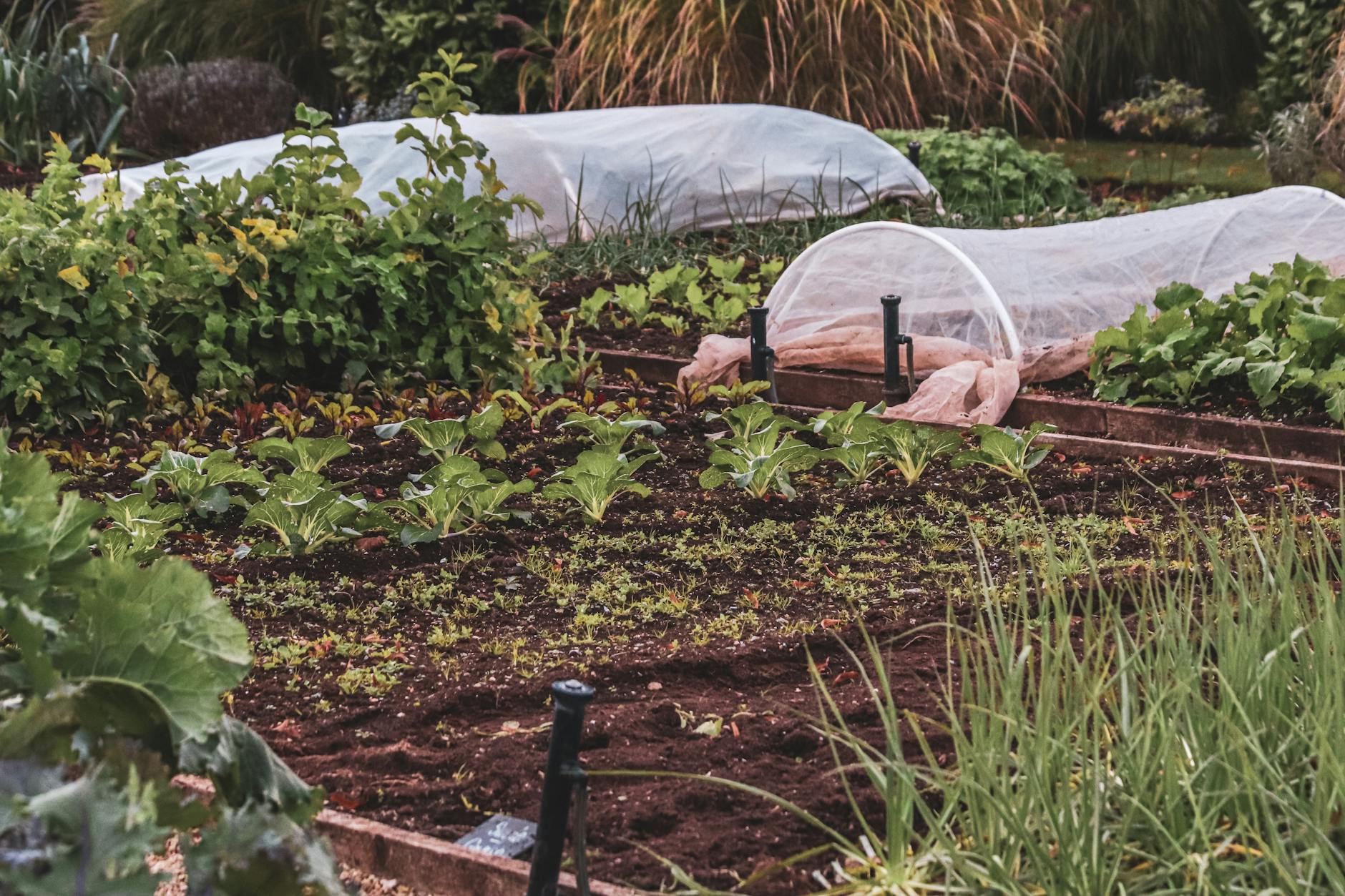
Right, let's have a proper chat about something we all do almost daily in the growing season: watering. It sounds simple enough, doesn't it? Grab the hose, turn on the tap, and give our beloved plants a drink. But after five years of intense gardening here in my 800 sq ft plot in the Midlands, I’ve learned that a garden hose can be a bit of a double-edged sword. Yes, it delivers life-giving water, but if not managed carefully, it can also wreak absolute havoc on your carefully tended beds, compacting your precious soil and crushing your delicate seedlings.
When I first traded my IT desk for a trowel and started transforming my backyard, I was so focused on getting the watering done that I didn't give a second thought to how the hose was dragging across my patch. I quickly discovered, often to my dismay, that my enthusiasm for hydrating my plants was inadvertently causing damage to the very things I was trying to nurture. From flattened young spinach in my raised beds to bruised stems on my prized greenhouse heirloom tomatoes – 'Aunt Ruby's German Green' never forgives a careless tug – I've seen it all. I even remember one particularly soggy spring, after a typical British downpour, my heavy hose created a veritable trench through a newly sown row of parsnips. That season's harvest was, shall we say, 'sparse' in that area.
That's why I'm so passionate about sharing what I've learned through trial and error. Preventing hose damage isn't just about saving a few plants; it’s about maintaining the health and structure of your soil, protecting your hard work, and ultimately, ensuring a more bountiful harvest. It's an often-overlooked aspect of garden care, but one that can make a huge difference, especially in a compact, intensively planted UK garden like mine. So, let’s dive into how we can stop our hoses from becoming destructive garden beasts and keep our plots lush and thriving.
Understanding the Underside: How Hoses Harm Your Garden Beds
It’s easy to think of a garden hose as just a flexible pipe, but its weight and the way we drag it around can cause significant, often unseen, damage. In my UK garden, with its mix of amended clay and loam, I've had to contend with these issues head-on. There are two main culprits when it comes to hose damage: soil compaction and direct physical harm to your plants.
Let's talk about soil compaction first. This is a big one, especially in our often-damp British climate. When you repeatedly drag a heavy hose across a garden bed, or even just let it lie in one spot for too long, the pressure compresses the soil particles. This reduces the air pockets in the soil, which are absolutely vital for healthy root growth. Roots need oxygen to thrive, and beneficial soil microbes, which break down organic matter and make nutrients available, also rely on good aeration. Compacted soil becomes dense and hard, making it difficult for roots to penetrate and for water to drain properly. In my experience, particularly after a typical Midlands wet spell, compacted areas can become waterlogged, leading to root rot, or conversely, repel water, making it harder for plants to get the moisture they need. I've seen this firsthand when trying to dig up carrots or potatoes from an area where the hose frequently rested – the soil was like concrete! It's a proper struggle for any plant to establish itself and flourish in such conditions.
Then there's the more obvious physical plant damage. This is where my early mistakes really hit home. A heavy hose, especially when full of water, can easily snap tender stems, bruise delicate leaves, or even uproot small seedlings. Think about those beautiful, young 'Sungold' tomato plants in the greenhouse, or a freshly planted row of 'All the Year Round' lettuce. One careless tug of the hose and you could wipe out a week's growth or more. I’ve accidentally decapitated more than a few hopeful young basil plants in my herb bed, and even snapped off lower branches of my established 'Black Krim' tomatoes when trying to reach the far corner of the greenhouse. It’s disheartening, to say the least, to see your hard work undone by a moment of inattention. It’s not just the immediate damage either; bruised plants are more susceptible to pests and diseases, which is the last thing any UK gardener needs, especially with our often-changeable weather.
Strategic Routing: Planning Your Hose's Path for Minimal Impact
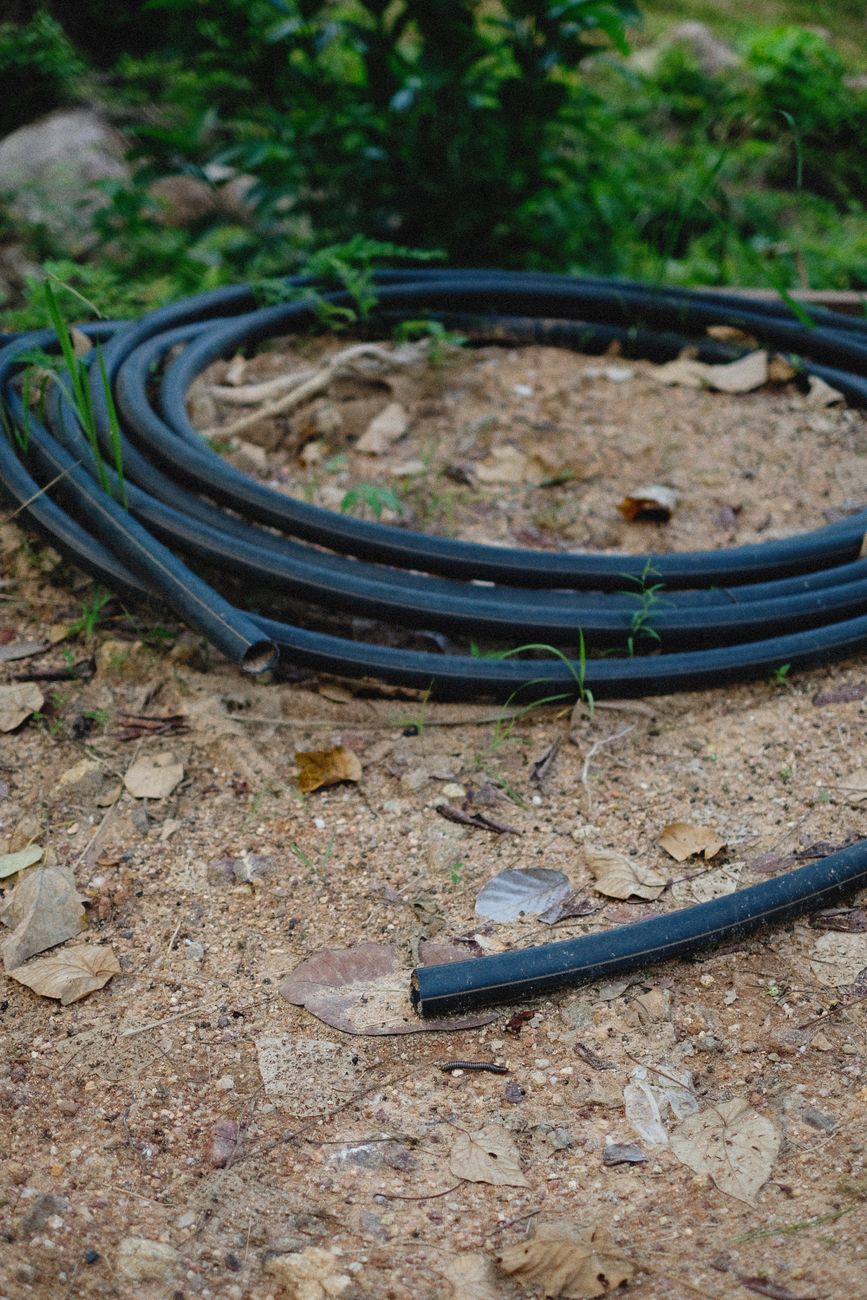
After a few seasons of battling bruised plants and rock-hard soil, I realised I needed a proper strategy. Just as I plan my crop rotations and companion planting, I started planning my hose's path. This isn't just about convenience; it's about protecting my garden's health and my sanity. In my 800 sq ft Midlands garden, every square foot is precious, so minimising unnecessary disruption is key.
My approach to strategic routing has evolved over the years. Initially, I just tried to be more careful, but that wasn't enough. Now, before I even start watering, I think about the most efficient and least destructive route. Here’s how I tackle it:
Map Your Garden's Hotspots: Identify areas that are particularly vulnerable. For me, this includes my raised beds where young seedlings are establishing, the greenhouse full of delicate heirloom tomatoes, and my herb spiral. These are the zones I absolutely must protect. I often sketch a rough diagram of my garden, marking out these 'no-go' or 'caution' zones for the hose.
Utilise Permanent Pathways: Wherever possible, I always try to keep the hose on paved paths, gravel, or designated stepping stones. In my garden, I have a main gravel path that runs down the centre, and I try to keep the hose on that as much as possible. It saves plants, prevents compaction, and keeps the hose cleaner too. If you don't have many hard pathways, consider laying down some temporary stepping stones or even sturdy planks during peak watering times.
Create Dedicated Hose Channels (Where Possible): Along the edges of some of my raised beds, I've actually created a slight, narrow channel in the soil or laid down a line of bricks just for the hose. This elevates it slightly off the bed and guides it, preventing it from flopping over onto my tender lettuces or spring onions. It's a bit of extra work upfront, but it's paid dividends in protecting my crops.
Work from the Farthest Point Back: This might seem obvious, but it’s a game-changer. I start watering the beds furthest from the tap first, gradually working my way back. This way, I'm pulling the hose towards myself over already watered (and potentially trampled) areas, rather than dragging it back and forth across dry, vulnerable beds. It's a simple change, but it really reduces the chances of accidental damage.
Consider Multiple Hose Points or Soaker Hoses: For my greenhouse, where I grow my cherished 'Cherokee Purple' and 'Gardener's Delight' tomatoes, I actually have a separate, shorter hose permanently attached to a tap inside. This means I don't have to drag the main, heavy garden hose through the narrow greenhouse door and risk damaging the plants or the structure. For some of my larger raised beds, I've also experimented with soaker hoses laid beneath mulch, which eliminates the need to move the hose at all once it's set up. It’s a bit of an investment, but for consistent watering in specific areas, it's brilliant.
By proactively planning my hose's journey through my garden, I've significantly reduced plant damage and kept my soil healthier. It takes a conscious effort, especially when the British weather decides to throw a curveball and you're rushing to water before the next downpour, but it's absolutely worth it.
Essential Tools: Hose Rollers, Guides, and Reels for Smooth Operation
Even with the best strategic routing, a long, unwieldy garden hose can still be a pain. That's where some clever tools come into play, making the whole watering process much smoother and safer for your plants. I’ve experimented with various gadgets over the years in my 800 sq ft garden, trying to find what works best for navigating around raised beds, the greenhouse, and my various planting schemes.
First up, hose rollers and guides. These are brilliant, often underestimated tools. They act as a pivot point, allowing your hose to glide smoothly around corners, through dense planting, or past delicate structures without snagging or dragging. They're particularly useful for preventing the hose from crushing plants along the edge of a path or a raised bed. I've got a couple of spike-style guides strategically placed around the corner of my greenhouse and near a particularly dense patch of perennial herbs where the hose always used to get caught. It’s made a massive difference – no more snapped lavender stems!
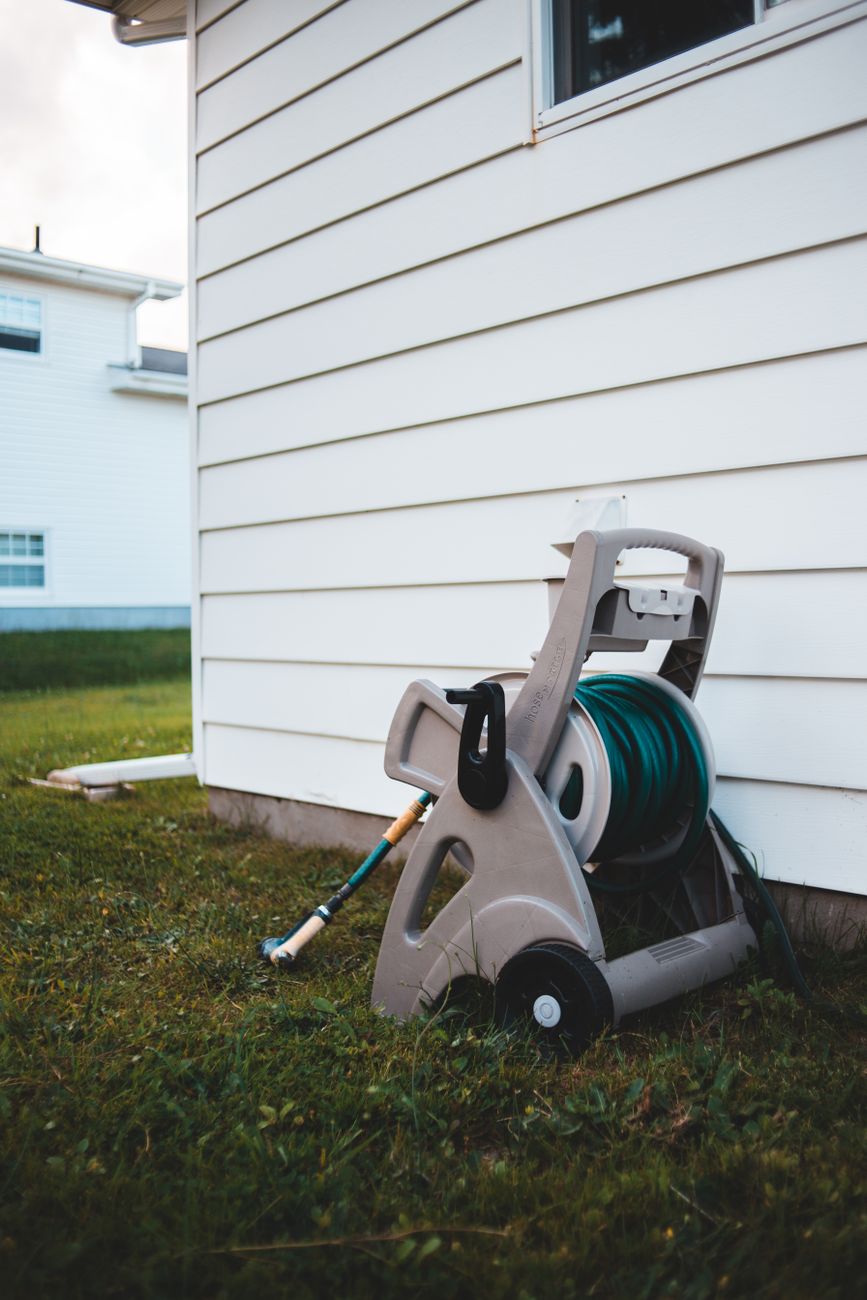
Then there are hose reels. Oh, what a difference a good reel makes! For years, I just coiled my hose up manually, leaving it in a messy heap by the tap. Not only did it look untidy, but it was a nightmare to uncoil without kinks, and inevitably, I’d drag it across something important. A hose reel keeps your hose tidy, protected, and most importantly, makes deploying and retracting it an absolute breeze. There are various types, from wall-mounted to portable, and finding the right one for your UK garden setup is key. For my main hose, I've got a sturdy, wall-mounted reel right by my outdoor tap; it keeps the hose off the ground and neatly organised. For a smaller, secondary hose I use for specific beds, I have a compact portable reel that I can easily move to where it's needed.
Here’s a breakdown of some of the options I've tried and what I've found works best here in the Midlands:
| Tool Type | Pros (UK context) | Cons (UK context) | Best Use (UK garden scenario) |
|---|---|---|---|
| Spike Hose Guides | Easy to install in soil, portable, good for temporary routing, inexpensive. Prevents hose from crushing plants along a path. | Can be dislodged in very soft or waterlogged UK soil. Plastic versions might degrade faster in harsh British sun/frost. | Navigating around specific plant clusters (e.g., a patch of 'Florence' fennel), guiding hose around corners of raised beds or greenhouse base. |
| Corner Hose Rollers | Sturdier than spikes, ideal for fixed corners (like a house wall or raised bed edge). Keeps hose elevated off plants. | Less portable, requires a stable surface or corner. Can be more expensive than simple spikes. | Guiding the hose around the corner of a brick wall, a sturdy raised bed, or the solid base of a shed/greenhouse. |
| Wall-Mounted Reel | Keeps hose tidy, off the ground, and easily accessible. Protects hose from UV damage and general wear. Good for frequent use. | Fixed location, can be a visual element. Requires drilling into a wall. Some designs might struggle with very heavy, long hoses. | Main watering point for a medium to large UK garden (e.g., my 800 sq ft plot), especially where frequent watering is needed from a single tap. |
| Portable Hose Reel | Excellent for flexibility, can be moved to different taps or storage locations. Good for smaller hoses or specific tasks. | Requires manual winding (unless expensive auto-rewind). Can be bulky to move if filled with a very long, heavy hose. | Watering specific distant beds, using a secondary tap, or for gardeners with smaller plots or those who need to store the hose in a shed over winter. |
| Hose Pot/Holder | Decorative, keeps hose neatly coiled and hidden. Often made of attractive materials. | Less convenient for quick deployment/retraction than a reel. Still requires manual coiling and uncoiling, can be heavy when full. | For gardeners prioritizing aesthetics, or for shorter hoses used occasionally in a specific area (e.g., watering container plants on a patio). |
Investing in the right tools really does make a difference. For my intensive small-space gardening here in the Midlands, a good wall-mounted reel combined with a few strategically placed spike guides has been the perfect combination. It means less time untangling, less frustration, and most importantly, healthier, undamaged plants. It’s about working smarter, not harder, and giving our gardens the best chance to thrive, even when faced with the everyday challenge of watering.
Building Barriers: Protective Edging and Borders for Delicate Beds
Even with the most strategic routing and the best hose rollers, sometimes a rogue hose can still wander. That’s where physical barriers come into their own. I’ve learned this the hard way in my 800 sq ft Midlands garden, especially when my prize 'Black Krim' tomatoes were just setting fruit in a raised bed, and a careless hose drag took out a lower branch. Devastating! Now, I swear by protective edging, not just for aesthetics but as an essential line of defence.
Edging acts as a bumper, keeping your hose from encroaching on delicate plants or compacting the soil right at the bed’s edge. It provides a clear boundary, guiding the hose along its path and preventing it from slipping into your carefully cultivated space. I’ve experimented with various materials over the years, weighing up cost, durability, and how well they stand up to our unpredictable British weather. What works for a formal border might not be practical for a bustling vegetable patch.
Here in my garden, I use a mix. Around my more permanent raised beds, I’ve gone for sturdy timber – treated, of course, to withstand the damp UK climate and prevent rot. For my smaller herb beds or temporary annual displays, I often opt for something more flexible or easy to install. It’s all about finding the right balance for your specific needs and budget.
Let’s look at some common options I’ve tried and tested:
| Edging Material | Pros (in my UK garden) | Cons (in my UK garden) | Best For (Randy's Advice) |
|---|---|---|---|
| Flexible Plastic | Affordable, super easy to install, great for curves, won't rust. | Can look a bit cheap, prone to damage from UV over time, less effective against heavy hoses. | Temporary beds, defining pathways, quick fixes. |
| Metal (Steel/Aluminium) | Sleek, modern look, very durable, holds shape well, thin profile. | Can be sharp edges (watch your shins!), more expensive, can be tricky to bend. | Formal borders, permanent pathways, defining distinct areas. |
| Treated Timber | Natural aesthetic, sturdy, good for raised beds, easy to DIY. | Needs treatment to prevent rot (essential in our damp climate!), can splinter, can be bulky. | Raised beds, rustic borders, robust protection. |
| Stone/Brick | Highly durable, very attractive, provides excellent hose guidance, adds thermal mass. | Labour-intensive to install, can be expensive, frost heave can shift them over time. | Permanent borders, feature beds, cottage garden style. |
| Living Edging | Beautiful, softens harsh lines, provides habitat, can be fragrant (e.g., thyme). | Offers no physical barrier to a hose, requires maintenance (trimming), plants can be damaged. | Aesthetic appeal, combined with other barriers or in low-traffic areas. |
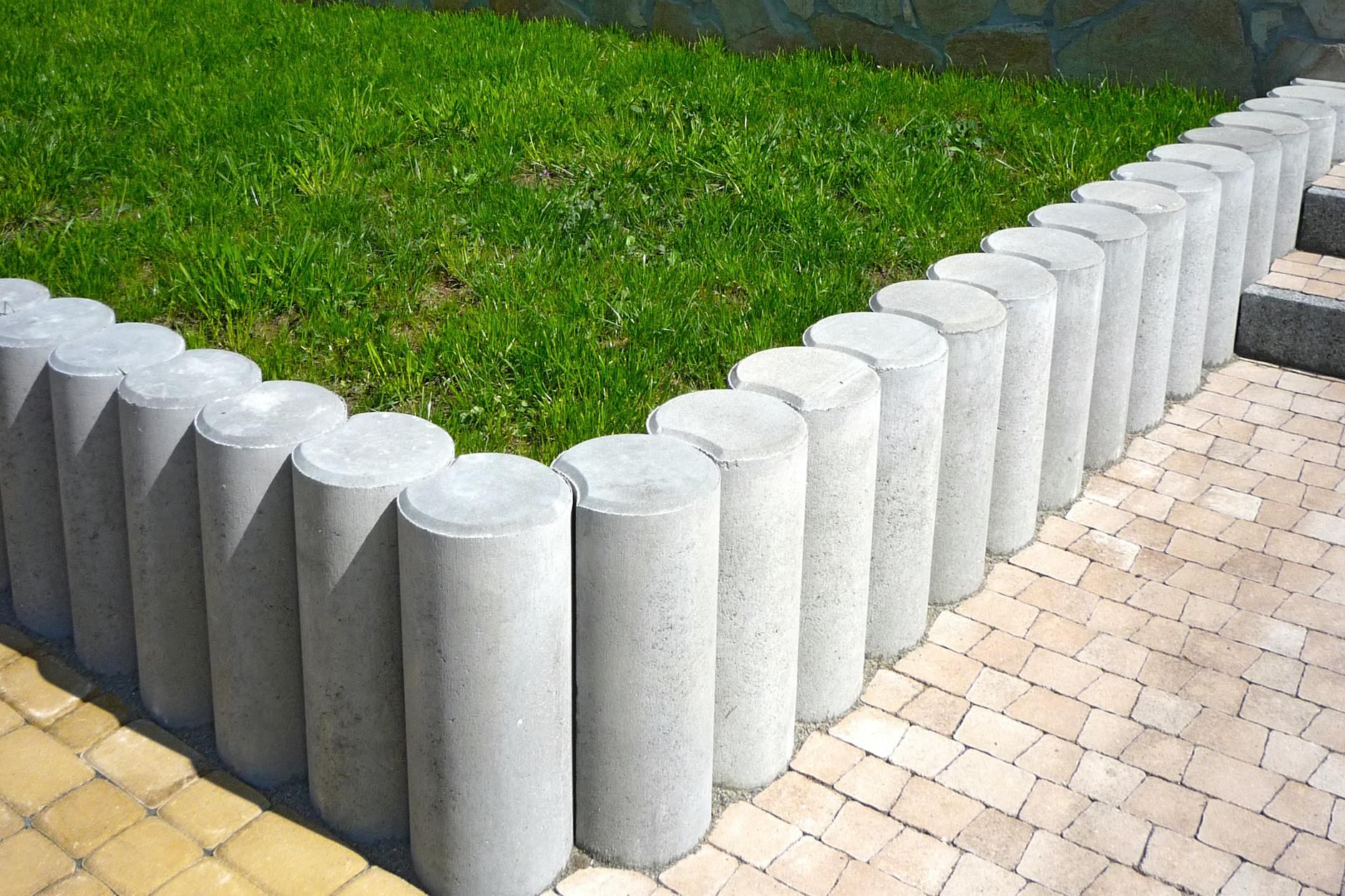
My top tip? Don't underestimate the power of a good timber or stone edge around your most delicate plants. For my 'Marmande' tomatoes growing in the greenhouse, I've got a low, sturdy timber kerb around the perimeter of the bed. It means I can drag the hose in to fill the watering cans without fear of knocking over a precious plant or compacting the soil where their roots are spreading. It's a small investment that saves a lot of heartache and hard work later on.
Beyond the Hose: Reducing Reliance with Smart Watering Solutions
While mastering hose management is crucial, the ultimate goal for me has always been to reduce how often I actually need to drag a hose around. Less hose movement means less risk of damage, less soil compaction, and honestly, less effort for me! In my busy 800 sq ft garden, every bit of efficiency helps, especially when I'm juggling growing a dozen varieties of heirloom tomatoes in the greenhouse alongside all the outdoor veg.
One of the biggest game-changers for me has been drip irrigation and soaker hoses. I installed a simple drip system in my greenhouse for the tomatoes a couple of years ago, and it's been a revelation. Each plant gets a slow, steady drink right at the root zone, minimising evaporation and keeping the foliage dry (which is vital for preventing blight in our humid UK summers!). Outside, I use soaker hoses snaked through my main raised beds, especially for crops like courgettes and French beans. They deliver water directly to the soil, rather than spraying it everywhere, meaning less water wasted and no need to constantly monitor a sprinkler.
![IMAGE_PLACEER_6: drip_irrigation_system_greenhouse_uk]
Another essential strategy, particularly here in the UK where we get our fair share of rain (and then some!), is rainwater harvesting. I’ve got two water butts attached to the downpipes from my greenhouse and shed. Not only does it provide chemical-free water that plants absolutely love, but it also reduces my reliance on the mains tap – and my water bill! Plus, during those inevitable hosepipe bans we sometimes face in the drier parts of summer, having a store of rainwater is a lifesaver for my thirsty greenhouse dwellers.
And let's not forget the humble mulch. This isn't strictly a watering solution, but it's probably the most effective way I've found to reduce the need for watering. A good 5-10cm layer of organic mulch – whether it's straw around my potatoes, wood chip on my perennial beds, or homemade compost on my annual veg patches – drastically cuts down on evaporation. This means I water less frequently, and when I do, the soil retains that moisture for longer. It also suppresses weeds, which means less digging and less chance of compacting the soil when I’m weeding. It’s a win-win for soil health and my back!
For those tiny, delicate areas or specific container plants, sometimes the old-fashioned watering can is still the best. It gives you precise control, and you can carry it straight from your rainwater butt. I often use it for seedlings or newly planted herbs where a hose might be too powerful or too cumbersome. By combining these methods, I’ve significantly reduced the amount of time my hose is even out of its reel, letting my plants thrive with minimal disturbance.
Cultivating Care: A Lush Garden Through Mindful Hose Management
So, we've journeyed through the nitty-gritty of hose management, from understanding the subtle damage a dragging hose can inflict on your precious soil and plants, to strategically planning its route, arming yourself with clever tools like rollers and reels, and finally, building physical barriers with effective edging. We’ve even looked beyond the hose, exploring smart watering solutions like drip irrigation, rainwater harvesting, and the magic of mulch to reduce your reliance on it altogether.
When I first started gardening seriously five years ago here in the UK, fresh out of the IT world, I made so many mistakes. I remember thinking a hose was just a hose – a simple tool for watering. Oh, how wrong I was! My initial enthusiasm often led to hurried watering sessions, leaving a trail of flattened seedlings and compacted soil in my wake. It was disheartening to see the results of my own carelessness. But through those early failures, I've learned that a truly lush, healthy garden isn't just about what you plant, but how you care for it.
What I've really discovered in my 800 sq ft Midlands garden is that mindful hose management isn't just about preventing damage; it's about fostering an overall healthier ecosystem. By protecting your soil structure, you encourage vital microbial life, better drainage, and stronger root development – all things that help your plants thrive, especially when battling our notoriously unpredictable British weather. Healthy soil means healthier plants, which means better harvests of those glorious 'Gardeners Delight' tomatoes or robust 'Purple Sprouting Broccoli' that we cherish here in the UK.
It's about being present, observing your garden, and treating every interaction with care. Whether you're carefully guiding a hose around your prize 'Cherokee Purple' tomatoes in the greenhouse or setting up a soaker hose for your outdoor brassicas, each mindful action contributes to a more resilient and productive garden.
So, take a moment. Look at your garden, envision your hose's journey, and apply some of these strategies. You don't need to implement everything at once. Start small: perhaps a strategically placed roller, a new piece of edging around a vulnerable bed, or simply being more conscious of where your hose is going. You'll be amazed at the difference it makes. Your plants will thank you, your soil will thank you, and honestly, you'll feel a greater sense of satisfaction knowing you’re nurturing your green space with genuine care.
Happy gardening, and here's to many more years of lush, undamaged beds!