
Introduction: Unravelling the Mystery of Lower Leaf Loss in Vigorous Plants
There's nothing quite like the pride of seeing your garden plants absolutely thriving. You've nurtured them, fed them, protected them from the slugs, and they've rewarded you with lush, dense foliage. But then, you spot it – those tell-tale yellowing leaves right at the bottom, often followed by them browning and dropping off. It’s a familiar sight for many of us UK gardeners, and for a long time, it was a real head-scratcher for me here in my 800 sq ft Midlands backyard.
When I first transitioned from coding bugs in IT to battling real bugs in the garden five years ago, my initial thought was always a nutrient deficiency or maybe I’d forgotten to water. I’d rush out with the seaweed feed or give everything an extra drench, hoping for a miracle. And sometimes, yes, that was the issue. But more often than not, especially with my vigorous heirloom tomatoes in the greenhouse or my crammed raised beds of leafy greens, those lower leaves continued to look miserable while the top of the plant was bursting with life. It felt like a system error I couldn't debug!
What I've learned through years of experimenting, observing, and yes, making my fair share of mistakes in our often-unpredictable British climate, is that for many dense, seemingly healthy plants, the problem isn't always what's going in at the roots. Instead, it’s often about what's not reaching those lower levels: light, fresh air, and efficient nutrient mobility from the plant's internal transport system. We pack our plants in, we encourage them to grow big and bushy, and sometimes, those clever plants sacrifice their lower leaves to focus energy where the sun shines brightest.
In this article, I want to share my personal journey and the practical, real-world strategies I’ve developed right here in my UK garden to prevent that premature lower leaf yellowing and drop. My goal, and hopefully yours too, is fuller, healthier foliage from top to bottom, making the most of every square inch. So grab a cuppa, and let's get into it.
Diagnosing the Problem: Why Your Plant's Lower Leaves Are Suffering
Spotting those yellowing lower leaves can be frustrating, especially when the rest of your plant looks absolutely cracking. It’s easy to jump to conclusions, and believe me, I’ve been there. For years, my go-to response was either more feed or more water. But for dense, vigorous plants, those tell-tale signs often point to a completely different set of environmental factors within the plant's own microclimate.
Think about it: a plant is a living system. When it’s growing fast and bushy, the upper canopy gets all the glory – the direct sunlight, the fresh breeze. The lower leaves, however, can quickly become shaded, suffocated by still, humid air, and essentially forgotten by the plant's internal nutrient delivery system as it prioritises the growth tips and developing fruits. It’s a survival strategy, but not ideal for a gardener wanting maximum yield and health. I learned this the hard way with my 'Sungold' cherry tomatoes in the greenhouse. They were so prolific at the top, but the bottom half was perpetually shedding yellow leaves. I was convinced it was blight until I realised the issue was much simpler: those leaves just weren't earning their keep anymore.
Here's a breakdown of how to differentiate between common issues and the specific problem of light, airflow, and nutrient mobility, based on my observations in my Midlands garden:
| Symptom & Location | Possible Cause: Nutrient Deficiency (e.g., Nitrogen) | Possible Cause: Underwatering/Drought Stress | Possible Cause: Light/Airflow/Nutrient Mobility Issue (Dense Plants) | Randy's Observation (UK Specific)
Fueling From Below: Ensuring Nutrient Mobility to Every Leaf
Even with perfect pruning and spacing, there's one more piece of the puzzle that often gets overlooked when we talk about those precious lower leaves: what's going on underground. It's all well and good to give your plants light and air, but if the nutrients aren't making it to every part of the plant, those older leaves will be the first to suffer. They're often sacrificed by the plant to fuel new growth higher up, especially if nutrient uptake is limited.
I learned this the hard way with my greenhouse tomatoes a couple of seasons back. I was meticulously de-leafing and spacing, but still, the very lowest leaves on my 'Gardener's Delight' were stubbornly turning yellow. It dawned on me that while I was feeding them, perhaps the mobility of those nutrients, particularly magnesium and nitrogen, wasn't quite right, or the soil itself was just plain exhausted. Our often damp UK climate can also leach nutrients from the soil, especially in raised beds where drainage is good.
Think of your plant's vascular system as tiny plumbing pipes. For those lower leaves to stay green and healthy, they need a consistent supply of water and dissolved nutrients delivered right to them. This comes down to healthy roots and a balanced feeding strategy. I’ve found that a holistic approach to feeding works best here in my Midlands garden, focusing on building rich soil and supplementing thoughtfully.
Here's a quick comparison of how different feeding methods can impact nutrient mobility and overall plant health, especially for those hard-working lower leaves:
| Feeding Method | How it Helps Nutrient Mobility | Pros in My UK Garden | Cons in My UK Garden |
|---|---|---|---|
| Well-rotted Compost/Organic Matter | Improves soil structure, water retention, provides a slow, steady release of nutrients, and fosters beneficial soil microbes that make nutrients available. | Builds long-term soil health, less risk of overfeeding, excellent for my raised beds and general soil conditioning. | Slower acting for immediate deficiencies, takes time to break down fully, can be a bit heavy if overdone. |
| Liquid Feeds (e.g., Comfrey Tea, Seaweed Extract, Balanced NPK) | Delivers nutrients directly to the root zone for fast absorption, bypassing the need for extensive soil breakdown. | Quick boost for struggling plants or during periods of heavy fruiting/flowering, easy to adjust dosage, great for container plants like my greenhouse tomatoes. | Needs frequent application, can be leached away by our heavy British downpours if applied just before rain, risk of nutrient burn if over-concentrated. |
| Granular Slow-Release Fertiliser | Releases nutrients gradually over several weeks or months, often coated to control release based on soil moisture and temperature. | Convenient, less frequent application needed, good for consistent feeding throughout the growing season, especially in unpredictable UK weather. | Can be less precise, harder to react quickly to plant needs, might not activate efficiently in very cold or dry soil conditions. |
My strategy now involves a heavy dose of my own homemade compost mixed into my raised beds every spring. Then, during the growing season, I'll supplement with liquid feeds like comfrey tea (which I brew from a patch I grow specifically for this) or a balanced organic liquid feed, especially when plants are setting fruit. This combination ensures both long-term soil health and immediate nutrient availability, keeping my lower leaves looking much happier.
Tailored Solutions: Preventing Lower Leaf Drop in Common UK Garden Plants
Applying these general principles to specific plants in your UK garden can make a huge difference. Every plant has its quirks, and what works for a tomato won't necessarily be the same for a courgette. Over the years, experimenting in my 800 sq ft patch, I've developed a few go-to strategies for some of our most common UK garden favourites.
Tomatoes (Especially in the UK Greenhouse)
My beloved heirloom tomatoes – 'Cherokee Purple', 'Black Krim', 'Moneymaker' – are the queens of my greenhouse. They are also incredibly prone to lower leaf yellowing and disease if not managed well.
- Pruning: I religiously remove all leaves below the first truss of flowers as soon as it starts to set fruit. This is crucial for airflow and preventing soil-borne splash diseases. As the plant grows, I continue to remove any yellowing leaves or those that are shading lower trusses. I usually aim to have no leaves touching the soil.
- Spacing: In my greenhouse, I space them about 60cm (2ft) apart in raised beds. This feels generous but pays dividends in air circulation and light penetration, even when they’re huge.
- Nutrient Focus: Tomatoes are hungry! Consistent feeding with a potassium-rich liquid feed once fruits start to set is vital. I also make sure the soil is rich in compost from the start, providing a good base of nitrogen and trace elements like magnesium, which is crucial for preventing interveinal yellowing on older leaves.
Courgettes and Squash
These vigorous growers are notorious for becoming dense, sprawling beasts that quickly develop yellowing, powdery mildew-ridden lower leaves. I’ve battled this many a wet British summer.
- Pruning: As soon as the plant starts to produce fruit, I begin removing the older, larger leaves from the centre of the plant. I focus on those that are shading developing fruits or lying directly on the soil. You might feel brutal, but it opens up the plant dramatically. I also snip off any leaves that show the first signs of powdery mildew to prevent it spreading.
- Spacing: Courgettes need far more room than you think! I give mine at least 90cm (3ft) between plants in my raised beds. This gives them the airflow they desperately need, especially in our humid climate.
- Nutrient Focus: They’re heavy feeders. I dig in plenty of well-rotted compost or manure before planting, and then a regular dose of balanced liquid feed (or even diluted comfrey tea) once fruiting starts helps keep all those big leaves happy and productive.
Runner Beans and French Beans
These climbing beauties can quickly form a dense wall of foliage, especially in a good summer. While beautiful, this density can lead to damp, shaded lower leaves and reduced pod production.
- Pruning: Once the plants are well established and climbing, I'll thin out some of the internal leaves, especially those not actively producing flowers or pods, to allow light and air into the centre. I also remove any leaves that are looking tired or diseased at the base.
- Spacing: I plant my runner beans about 15-20cm (6-8 inches) apart along a sturdy cane structure. This close spacing works because they grow upwards, but thinning those lower leaves prevents a stagnant microclimate.
- Nutrient Focus: Beans are nitrogen fixers, so they enrich the soil themselves. However, good phosphorus and potassium levels are important for flower and pod production. A good base of compost is usually sufficient, but a feed of seaweed extract can give them a boost.
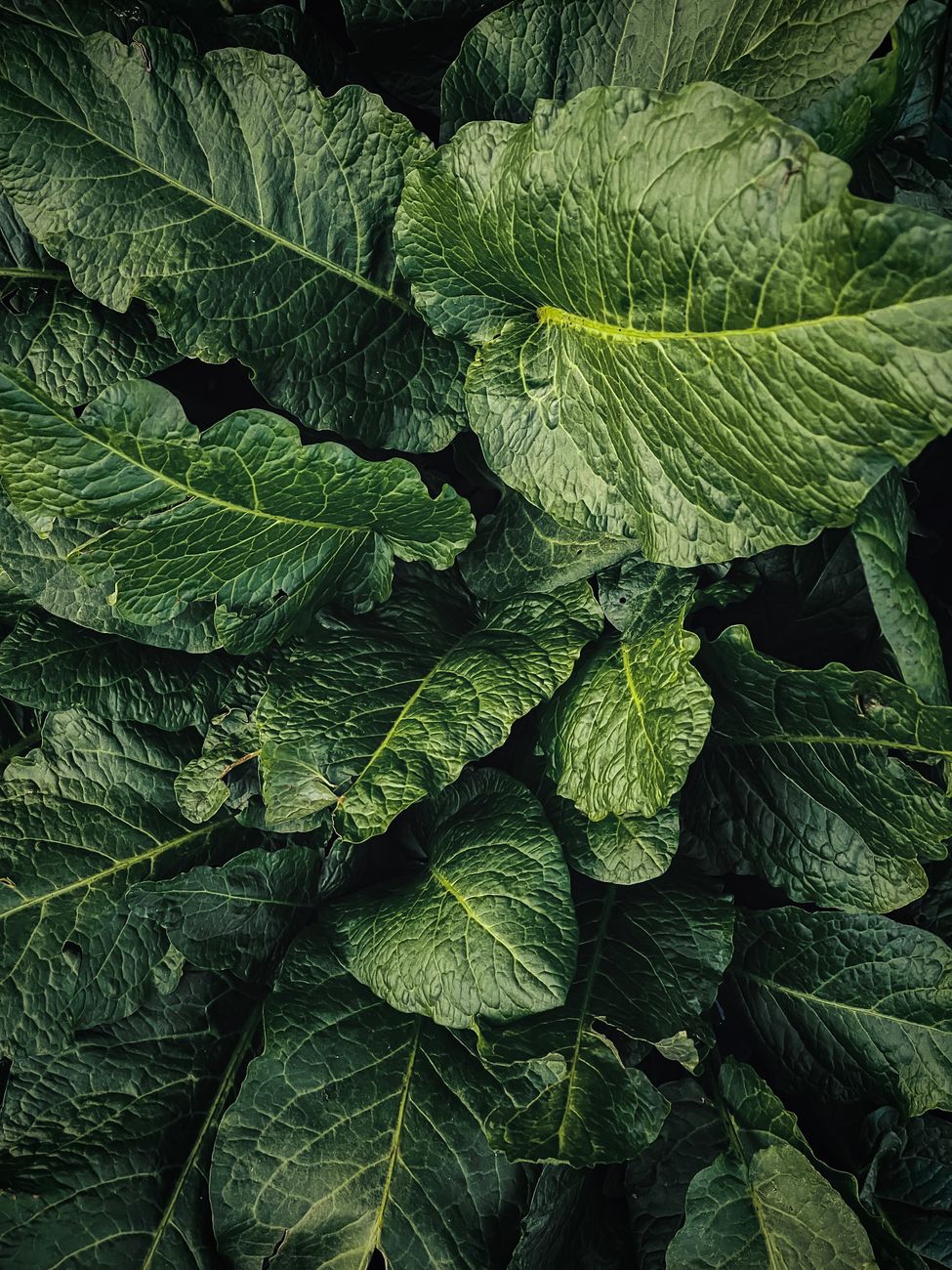
Cultivating Fuller Foliage: A Holistic Approach to Plant Health
So, there we have it – a journey through the often-misunderstood world of lower leaf yellowing and drop. It's a common sight in our UK gardens, especially with our wonderfully unpredictable weather, but it's rarely a death sentence. What I've learned over my five years in this intensive 800 sq ft patch in the Midlands is that it's all about proactive care and really observing your plants.
From the strategic snip of the pruners to ensuring ample breathing room between plants, and finally, to making sure every leaf gets its fair share of nutrients from the soil, it's a holistic approach. It's not just one magic bullet, but a combination of techniques that work together to create an environment where your plants can truly thrive. I've made my share of mistakes – planting too close, feeding too little, or simply underestimating the power of a good British downpour to cause problems – but each yellow leaf was a lesson learned.
The satisfaction of seeing a dense, vigorous plant, bursting with fruit or flowers, right down to its lowest, vibrant green leaves, is immense. It's a testament to understanding your plant's needs for internal light, airflow, and nutrient mobility. Don't be afraid to experiment a little in your own garden; every plant, every microclimate, is a bit different. Listen to what your plants are telling you. With a bit of strategic intervention, you can cultivate fuller, healthier foliage that supports abundant harvests. Happy gardening, fellow UK growers!
