Introduction: Why Treat Your Home-Saved Seeds?
There's nothing quite like the satisfaction of saving your own seeds, is there? For me, here in my 800 sq ft Midlands garden, it's become an annual ritual – carefully selecting the best 'Moneymaker' tomatoes from the greenhouse, shelling those plump 'Borlotto Firetongue' beans, or picking the perfect 'Hungarian Wax' peppers. It's about preserving a little piece of my gardening success, ensuring I have the genetics I love, and, let's be honest, saving a few quid. But let me tell you, I learned the hard way that saving seeds isn't just about drying them out and popping them in an envelope.
When I first started gardening five years ago, fresh out of the IT world and absolutely buzzing with my newfound passion, I was incredibly naive. I'd religiously save seeds from my best plants, store them carefully, and then come spring, I’d sow them with such high hopes. Only to watch some of my precious seedlings wither and die right before my eyes – a mysterious damping-off, or strange spots appearing on young leaves. It was disheartening, especially after all the effort. I'd blame the compost, the watering, even the notoriously unpredictable British weather, but I rarely considered the seeds themselves.
Through a lot of reading, experimenting, and frankly, a few heartbreaking failures in my own UK garden, I've learned that healthy seeds are the foundation of healthy plants. And sometimes, even the most robust-looking seeds can carry hidden passengers – microscopic fungal or bacterial spores that are just waiting for the right damp, cosy conditions of a seed tray to wreak havoc. Preventing seed-borne diseases before they even get a chance to sprout is one of the simplest yet most effective steps we home gardeners can take. It’s a bit like running a good antivirus scan before opening an important file; an old habit from my IT days that surprisingly applies to gardening too!
Understanding the Threat: Common Seed-Borne Diseases in Tomatoes, Beans & Peppers
So, what exactly are we up against when we talk about seed-borne diseases? It's not just a vague threat; these are specific pathogens that can cling to the outside of your seeds, or sometimes even lurk inside, waiting for the perfect moment to strike. In my UK garden, especially with our often-damp springs and variable summer temperatures, I've encountered several culprits that particularly target my beloved tomatoes, beans, and peppers.
The Silent Killers: Damping-Off
This is probably the most common and frustrating issue I've faced, especially with my greenhouse tomatoes and peppers. Damping-off isn't a single disease but a collection of fungal pathogens (like Pythium, Rhizoctonia, and Phytophthora) that thrive in cool, damp conditions – basically, a typical UK spring in a seed tray. I've watched entire trays of promising 'Gardener's Delight' or 'Aji Lemon Drop' pepper seedlings, which looked perfectly healthy one evening, simply keel over and rot at the soil line by morning. It's heartbreaking. These fungi often come in on contaminated soil or tools, but they can also be present on the seed coat itself, just waiting for moisture to activate.
Tomato Troubles: Bacterial Spot & Canker
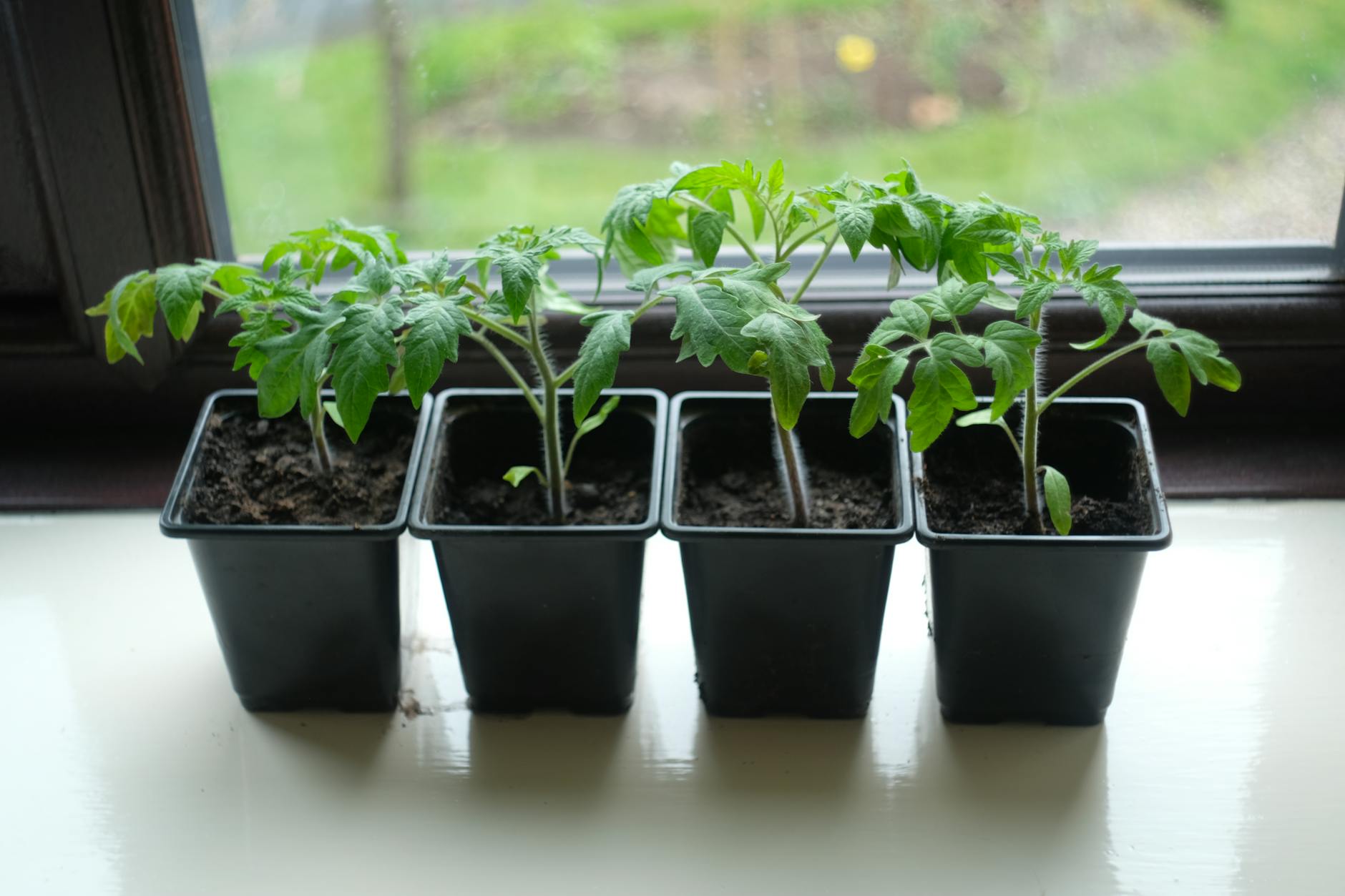
For my heirloom tomatoes, especially varieties like 'Cherokee Purple' and 'Costoluto Fiorentino' that I grow religiously in my greenhouse, bacterial spot (Xanthomonas campestris pv. vesicatoria) and bacterial canker (Clavibacter michiganensis subsp. michiganensis) are serious concerns. I've been lucky enough to largely avoid a full-blown canker outbreak, but I've certainly seen bacterial spot. It manifests as small, dark, water-soaked spots on leaves, stems, and even the fruit. It can drastically reduce yields and plant vigour. What I've learned is that these bacteria can survive on the surface of tomato seeds, ready to infect the young seedling as soon as it germinates, particularly if conditions are humid, which they often are in a UK greenhouse during propagation.
Bean Blight & Anthracnose
Beans are generally robust, but they're not immune. I've had seasons where my 'Cobra' climbing beans or 'Red Swan' bush beans developed issues. Bacterial blights (like common blight and halo blight) can cause large, irregular brown spots on leaves and pods, often with a yellow halo. They thrive in wet, windy conditions, which we get plenty of in the Midlands! Anthracnose, a fungal disease, causes sunken, dark lesions on pods, stems, and leaves. Both of these can be seed-borne. If you save seeds from an infected plant, even if the seeds themselves look fine, you could be carrying the problem forward. Last year, I noticed some odd spots on my 'Borlotto Firetongue' pods; thankfully, I didn't save those seeds, learning from past mistakes.
Pepper Problems: Bacterial Spot (Again!)
Just like tomatoes, peppers are susceptible to bacterial spot. In my experience growing 'Padron' and 'Hungarian Wax' peppers, the symptoms are identical to those on tomatoes, causing leaf drop and reduced fruit quality. Again, these pathogens can hitch a ride on the seed, patiently waiting for the right conditions to emerge. It's a reminder that good hygiene and pre-treatment aren't just for tomatoes; they're vital across the board for these solanaceous crops.
Foundation for Healthy Seeds: Pre-Treatment Best Practices
Before we even dive into specific treatments, it's crucial to understand that prevention starts long before a seed bath. Think of it as laying down a solid IT infrastructure before you even install the software – it makes everything run smoother. In my 5+ years of intensive UK gardening, I've found that some basic principles, often overlooked, make a massive difference in preventing seed-borne issues.
First and foremost, source seeds from healthy plants. This might sound obvious, but it's easy to get carried away saving seeds from your favourite variety, even if that particular plant had a few suspect leaves or fruits. If a plant showed any signs of disease – spots, wilting, discolouration – I simply don't save its seeds. It's a tough call sometimes, especially if it's your only 'Black Krim' tomato, but it's better to lose one year's seeds than to perpetuate a disease for seasons to come. I learned this the hard way with a batch of 'Runner Bean Enorma' that consistently showed rust; saving those seeds just meant more rust the following year.
Secondly, proper harvesting and drying techniques are paramount. For tomatoes, I always ferment my seeds. This natural process helps to break down the gelatinous sac around the seed and, importantly, can kill some surface pathogens. After fermenting for a couple of days (I usually aim for 2-3 days at room temperature, here in the UK Midlands, checking daily for mould), I rinse them thoroughly and spread them thinly on a non-stick surface to dry completely. For beans and peppers, it's about making sure they are bone dry. I leave my bean pods on the plant until they are crisp and brown, then shell them and lay the seeds out on trays in a warm, airy spot in my conservatory for at least a week. Any hint of moisture, and you're inviting fungal growth in storage.
Finally, cleanliness in storage. Once my seeds are perfectly dry, I store them in airtight containers (small plastic pots or sealed envelopes) in a cool, dark, and dry place. For me, that's often a cupboard in my spare room. Labelling is crucial – variety and date, always! And I always make sure my storage containers are clean and dry. It's like ensuring your data storage is properly defragmented and free of viruses; a clean environment prevents contamination.
Warm Water Bath: A Simple Heat Treatment for Disinfection
Right, so you've got your healthy, properly dried, and stored seeds. Now we can talk about taking that extra step to really clean them up. This is where the warm water bath comes in – a fantastic, organic-friendly method that I've adopted in my own garden. It sounds incredibly simple, but the science behind it is clever: precise heat for a specific duration can kill many fungal and bacterial pathogens on and within the seed coat without harming the embryo itself. It's a brilliant low-tech solution, especially for us home gardeners who don't have access to fancy chemical treatments.
I first came across this technique in an old gardening manual and, being a bit of an experimenter, I had to try it. The key, I've learned, is absolute precision with temperature and timing. A few degrees too hot, or a few minutes too long, and you risk cooking your seeds, making them unviable. A few degrees too cold, or too short, and you won't kill the pathogens. It’s a delicate balance, but entirely achievable with a good thermometer and a bit of patience.
Here's how I do it in my UK kitchen: I use a large thermos flask filled with hot water, then I float a smaller container (like a jam jar) with my seeds inside it. This creates a stable water bath. I monitor the temperature in the smaller jar with a digital thermometer. I start with water slightly hotter than needed, add my seeds (which will drop the temperature), and then adjust with small additions of cooler water until I hit the exact target temperature. It's a bit like a scientific experiment, which appeals to my inner geek!
What works here in Britain, with our fluctuating ambient temperatures, is to be meticulous. I always have a kettle of hot water and a jug of cold water ready to adjust the temperature quickly. Once the seeds are in, I keep a close eye on the thermometer, ensuring it stays within the specified range for the entire duration.
Warm Water Bath Treatment Guidelines for Home-Saved Seeds
This table summarises the specific temperatures and timings I use, based on my research and successful application in my Midlands garden. Remember, these are critical for success!
| Seed Type | Target Temperature Range | Duration | Key Considerations for UK Gardeners |
|---|---|---|---|
| Tomato | 50-52°C (122-125.6°F) | 25-30 min | Crucial for bacterial spot and canker. I find this especially valuable for my greenhouse heirloom varieties like 'Moneymaker' and 'Black Krim' to give them the best start in our often-humid UK spring. Ensure seeds are fully submerged and agitated occasionally. After treatment, immediately spread seeds on a paper towel to cool and dry thoroughly, away from direct heat. |
| Pepper | 50-52°C (122-125.6°F) | 25-30 min | Similar pathogens to tomatoes, so the same parameters apply. My 'Aji Lemon Drop' and 'Hungarian Wax' pepper seeds benefit greatly from this. Peppers can be a bit slower to germinate anyway, so giving them a clean start is vital. Make sure to dry them meticulously afterwards to prevent mould, especially important in our damp climate. |
| Bean | 50°C (122°F) | 20-25 min | Beans are a little more sensitive to heat, so a slightly lower temperature and shorter duration are recommended. This helps tackle common bean blights and anthracnose. I've successfully treated 'Borlotto Firetongue' and 'Cobra' seeds this way. Be extra careful with drying large bean seeds; they can hold moisture. I usually spread them out on a tray with good airflow for a good few days after treatment. |
| General Tips | Always use a reliable digital thermometer. | Stick to the times. | Cool and dry thoroughly and quickly post-treatment. This is paramount to prevent re-infection or mould growth, especially in a cool, damp UK environment. I often use a fan on a low setting for a few hours to aid quick drying. Label your treated seeds clearly. |
Once the seeds have had their warm bath, I immediately spread them out on paper towels or a fine mesh screen to cool down and dry completely. This final drying step is critical. Any residual moisture can lead to mould or reduce viability. I usually leave them in a warm, airy spot, away from direct sunlight, often with a small fan gently blowing over them for 24-48 hours. Only once they're absolutely bone dry do they go back into their labelled packets, ready for sowing. It's a small effort for a huge payoff in healthy seedlings and a thriving UK garden!
5. Diluted Bleach Solution: An Effective Chemical Disinfection Method
Now, I know what some of you might be thinking – bleach in the garden? Randy, are you mad? But hear me out. While I always lean towards natural methods where possible, sometimes a more potent intervention is needed, especially if you've had a particularly nasty seed-borne disease crop up in your UK patch. I've found that a diluted bleach solution is incredibly effective for surface sterilisation, particularly for seeds where a warm water bath isn't quite cutting it, or for seeds like beans where fermentation isn't an option.
Bleach, specifically household bleach containing sodium hypochlorite, is a powerful oxidising agent. What that means for us gardeners is that it effectively kills pathogens – bacteria, fungi, and some viruses – on the surface of your seeds. It's not absorbed by the seed if done correctly, making it a safe and efficient treatment. I've personally used this method for my runner bean seeds when I suspected a fungal issue after a particularly wet summer here in the Midlands, and it made a noticeable difference to germination rates and seedling health the following spring.
Here's how I go about it:
- Prepare your solution: The key is dilution. I mix one part standard household bleach (usually 5% sodium hypochlorite) with nine parts water. This gives you a 10% bleach solution, which is strong enough to be effective without damaging your precious seeds. I always use rainwater for this if I can, as our tap water here can be quite hard.
- Soak the seeds: Place your seeds in a fine mesh tea strainer or a small muslin bag. Submerge them completely in the bleach solution.
- Timing is crucial: I usually soak seeds for 10-20 minutes. For tougher-coated seeds like beans or peppers, I might go for the full 20 minutes. For more delicate seeds, I stick to 10-15. Leaving them in for too long can harm viability, so set a timer! I learned this the hard way when I got distracted with a particularly vigorous weed patch one year and almost pickled my 'Lunchbox Mix' pepper seeds.
- Rinse, rinse, rinse: This is arguably the most important step. Immediately after soaking, rinse the seeds thoroughly under cold running water for at least 5 minutes. You want to wash away every trace of bleach. I often use a sieve under a running tap, stirring the seeds gently to ensure complete rinsing.
- Dry completely: Just like with the warm water bath, proper drying is essential before storage. (More on this in the next section!)
Comparing Disinfection Methods
To help you decide which method might be best for your UK garden, I’ve put together a little comparison based on my experiences. Each has its place, depending on the seed type and the specific challenges you might face here in Britain.
| Feature | Warm Water Bath (Heat Treatment) | Diluted Bleach Solution (Chemical Disinfection) |
|---|---|---|
| Primary Target | Internal & External pathogens (bacteria, fungi, some viruses) | External pathogens (bacteria, fungi, some viruses) |
| Seed Types Best For | Tomatoes, peppers, some brassicas (e.g., my 'Romanesco' broccoli) | Beans, peas, most non-mucilaginous seeds (e.g., my 'Hungarian Wax' peppers) |
| Ease of Use | Moderate (requires precise temperature control) | Easy (simple mixing, but careful timing) |
| Effectiveness | Very effective for internal pathogens if done correctly | Highly effective for surface pathogens |
| Safety Concerns | Risk of cooking seeds if too hot; less risk for gardener | Use gloves, eye protection; good ventilation; toxic if ingested; rinse thoroughly |
| My Experience in UK | Great for tomatoes, but our variable ambient temps need attention. | Reliable for quick surface clean, especially for beans after a damp summer. |
| Pros | Non-chemical; can address internal issues. | Quick, highly effective surface sterilisation. |
| Cons | Can reduce viability if temps are off; doesn't clean seed surface. | Chemical handling; doesn't address internal issues; requires thorough rinsing. |

6. Fermentation for Tomato Seeds: A Natural Cleaning Process
Ah, tomato seeds! This is where my passion truly shines in the greenhouse. For my heirloom tomato varieties like 'Cherokee Purple' or 'Costoluto Fiorentino', I swear by fermentation. It’s a beautifully natural process that not only cleans the seeds of their gelatinous coating, which inhibits germination, but also effectively kills many seed-borne diseases like bacterial canker and tobacco mosaic virus. It mimics nature's own way of cleaning seeds when a tomato drops and rots on the ground.
The first time I fermented my own 'Gardener's Delight' seeds, I was absolutely amazed at how clean and ready for storage they came out. It felt like I was unlocking a secret little piece of gardening magic! It’s a bit messy, yes, and it can smell a bit… well, yeasty, but the results are so worth it for healthy, viable tomato plants the next season.
Here's my tried-and-tested method for fermenting tomato seeds:
- Select ripe tomatoes: Only use fully ripe, healthy tomatoes. If the fruit itself shows signs of disease, don't use it for seed saving. I always pick the best examples from my greenhouse plants here in the Midlands.
- Scoop out the pulp: Cut your tomatoes open and squeeze or scoop out the seeds and their surrounding gel into a clean glass jar. I usually use an old jam jar. Don't add any water at this stage, the tomato juice is enough.
- Let it ferment: Cover the jar loosely with a lid or a piece of cloth secured with a rubber band. This allows air circulation but keeps out fruit flies (mostly!). Place the jar in a warm spot, ideally around 18-22°C (65-72°F). In our cooler UK autumns, I often pop the jar on a sunny windowsill in the greenhouse or a warm spot indoors.
- Monitor the process: Fermentation usually takes 2-5 days. You'll see a layer of mould or scum forming on top, and it will smell slightly yeasty or sour. This is good! The good bacteria are doing their job, breaking down the gel and killing pathogens.
- Randy's wisdom: One mistake I made early on was leaving them too long during a warm spell – they started sprouting in the jar! Never again. Keep a close eye on them, especially after day two. If you see tiny sprouts, you've gone too far.
- Separate and rinse: Once the mould layer is visible and the seeds have sunk to the bottom (this indicates the gel sac has broken down), it's time to clean. Carefully pour off the mouldy layer and any floating debris. Fill the jar with water, stir, and let the good seeds sink. Pour off the bad seeds and remaining pulp. Repeat this rinsing process several times until the water is clear and only clean seeds remain at the bottom of the jar.
- Dry thoroughly: Again, this step is paramount! (Which leads us nicely into the final section).
7. Post-Treatment Care and Optimal Seed Storage for Longevity
You've put in all that effort to treat your seeds, so don't fall at the final hurdle! Proper drying and storage are absolutely critical to ensure your seeds remain viable for years to come, especially with our often damp and unpredictable British climate. I've learned this the hard way more than once, losing a whole batch of precious 'Yellow Brandywine' tomato seeds to mould because I rushed the drying process.
Drying Your Precious Seeds
Whether you've given your seeds a warm water bath, a bleach dip, or a luxurious fermentation, they must be bone dry before storage. Any residual moisture is an open invitation for mould and fungi, which will quickly render your seeds useless.
- Spread them out: After rinsing, spread your seeds in a single layer on a non-stick surface. I swear by coffee filters, paper plates, or old window screens. Avoid regular paper towels as the seeds often stick to them.
- Air circulation is key: Place them in a cool, dry room with good air circulation. Avoid direct sunlight or excessive heat, which can damage viability. Here in my Midlands home, I usually use a spare bedroom or a corner of my potting shed if it's not too humid.
- Turn them regularly: For the first few days, I gently stir or turn the seeds daily to ensure even drying. This prevents them from clumping together and encourages air flow around each seed.
- Be patient: This is not a quick process. For tomato and pepper seeds, it can take anywhere from 1 to 3 weeks to be completely dry, depending on the humidity. Bean seeds might dry faster. You'll know they're dry when they snap rather than bend, and they're no longer sticky or pliable. If you're really worried about humidity in your UK home, a food dehydrator on its lowest setting (around 30-35°C, 85-95°F) for a few hours can speed things up, but be very cautious not to "cook" them.
Optimal Seed Storage for Longevity
Once your seeds are absolutely, unequivocally dry, it's time to put them to bed for the winter. The goal is to keep them cool, dark, and dry.
- Air-tight containers: I store my seeds in small, labelled paper envelopes (breathable, but protected) inside larger, airtight containers like old jam jars or sturdy plastic food containers. For extra moisture protection in our often-damp climate, I often throw in a small desiccant packet (like the silica gel packets you find in new shoes or electronics).
- Cool, dark, stable temperature: Store your containers in a cool, dark place where temperatures remain relatively stable. A cupboard, a pantry, or even a spare fridge (if kept consistently dry and not opened too often) are ideal. Avoid places with fluctuating temperatures, like a shed that heats up in the sun and cools down at night, or near a radiator. My seed storage box is a bit of an obsession – I've got everything labelled meticulously, especially after a mix-up with 'Sungold' and 'Gardener's Delight' one year that led to some very confused salads!
- Label everything! This might seem obvious, but it's vital. Include the variety name, the date you saved the seeds, and any treatment method used. This helps you track what works and how old your seeds are.
With proper drying and storage, you can expect your home-saved tomato and pepper seeds to remain viable for 4-5 years, sometimes even longer! Bean seeds typically last 3-4 years. It’s always a good idea to do a germination test on older seeds before committing to planting a whole bed.
Conclusion: Embracing Healthy Seeds for a Bountiful UK Harvest
And there you have it, fellow gardeners! We've journeyed through the crucial steps of preparing your home-saved tomato, bean, and pepper seeds for a healthy start, tackling everything from the foundational best practices to specific treatments like the warm water bath, the diluted bleach solution, and the brilliant natural fermentation for tomatoes.
I've learned, often through trial and error in my own 800 sq ft Midlands garden, that taking these extra steps is an investment that truly pays off. Preventing seed-borne diseases isn't just about avoiding disappointment; it's about giving your plants the best possible start, reducing the need for interventions later, and ultimately ensuring a more abundant and satisfying harvest. I've seen firsthand how a little bit of pre-storage care can make all the difference, especially when dealing with our often-challenging British weather.
Don't be daunted by these methods; they are simpler than they sound once you get into the swing of it. Start with one variety, maybe your favourite 'San Marzano' tomatoes or a beloved runner bean. Experiment, learn from your successes (and your occasional missteps, like my sprouted pepper seeds!), and enjoy the incredible satisfaction of growing healthy, vigorous plants from your very own, home-saved, disease-free seeds.
Happy seed saving, and here's to many more years of thriving harvests in our wonderful UK gardens!