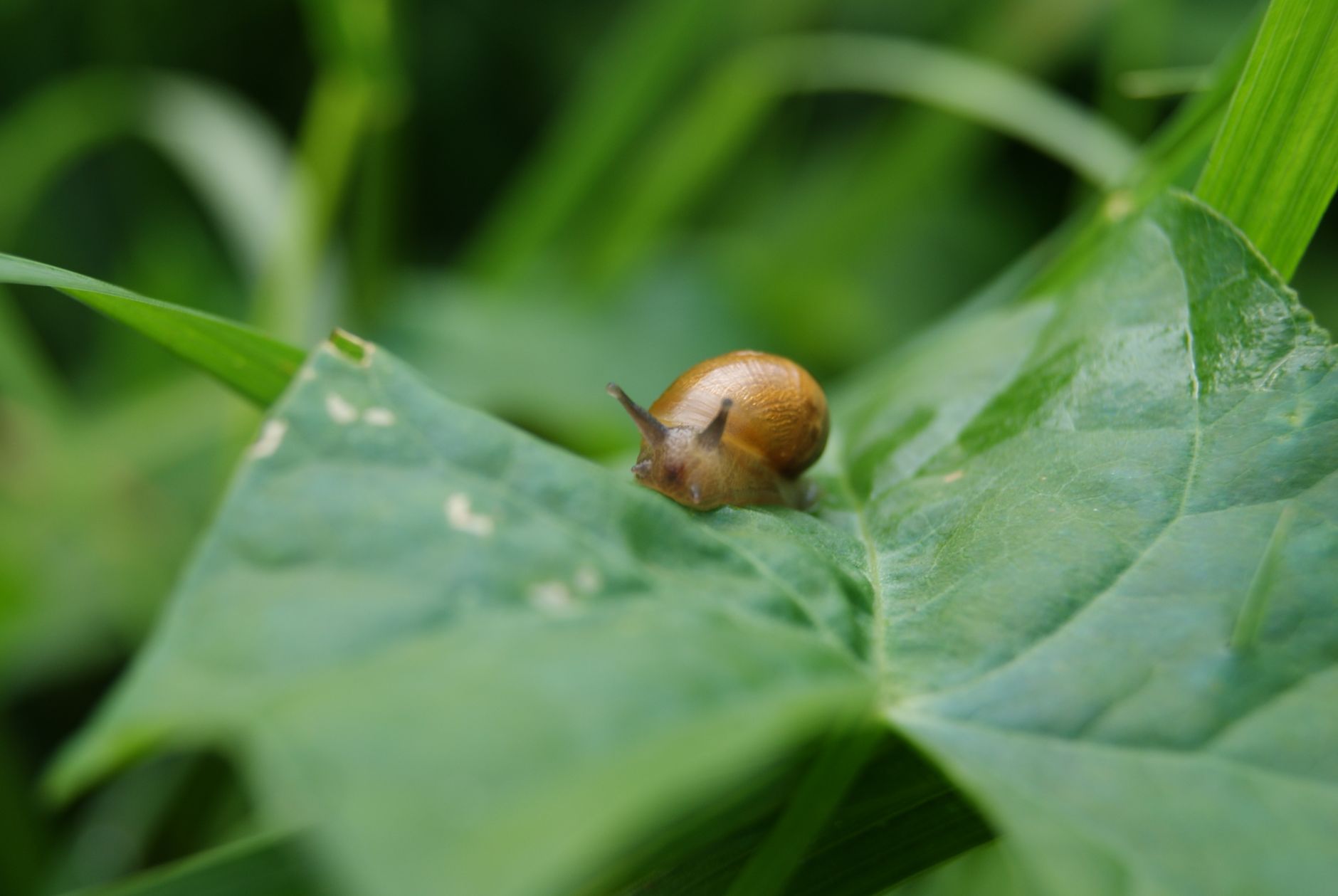
The Early Bird Catches the Slug: Protecting Your Spring Shoots
Right then, fellow UK gardeners, can we all agree that there are few things more soul-crushing than seeing those beautiful, unfurling hosta leaves or the promising spikes of delphinium shoots emerge after a long winter, only to find them riddled with holes overnight? It’s a gut punch, isn't it? Here in my 800 sq ft Midlands garden, packed with raised beds and a greenhouse that's my pride and joy, I absolutely live for this time of year. The air smells of damp earth and new growth, and every morning feels like unwrapping a fresh present.
But with that joy comes the inevitable dread: the slugs and snails. They’re the uninvited guests at the spring party, and they've got a particular fondness for those tender, juicy emerging shoots. I've spent the last five years, since leaving my IT job to pursue this passion full-time, battling these slimy fiends, especially on my prize hostas and the delphiniums I’m trying to establish. I’ve learned a lot through trial and error – and trust me, there's been plenty of error, especially with our unpredictable British weather influencing their activity! This year, I'm determined to get ahead of them, and I want to share my tried-and-tested organic strategies with you so we can all enjoy intact, glorious spring foliage.
Know Your Foe: Understanding Slug & Snail Habits in UK Gardens
Before we go to war, it pays to understand your enemy, doesn't it? Slugs and snails are a ubiquitous part of the British garden ecosystem, and our damp, mild climate here in the UK Midlands creates absolutely ideal conditions for them. They thrive in moisture, which means after a typical British shower, or even just a heavy dew, they're out in force. I've found that they're most active at dusk, overnight, and early in the morning, retreating to cool, damp, dark places during the heat of the day – under pots, in thick ground cover, or beneath bits of wood.
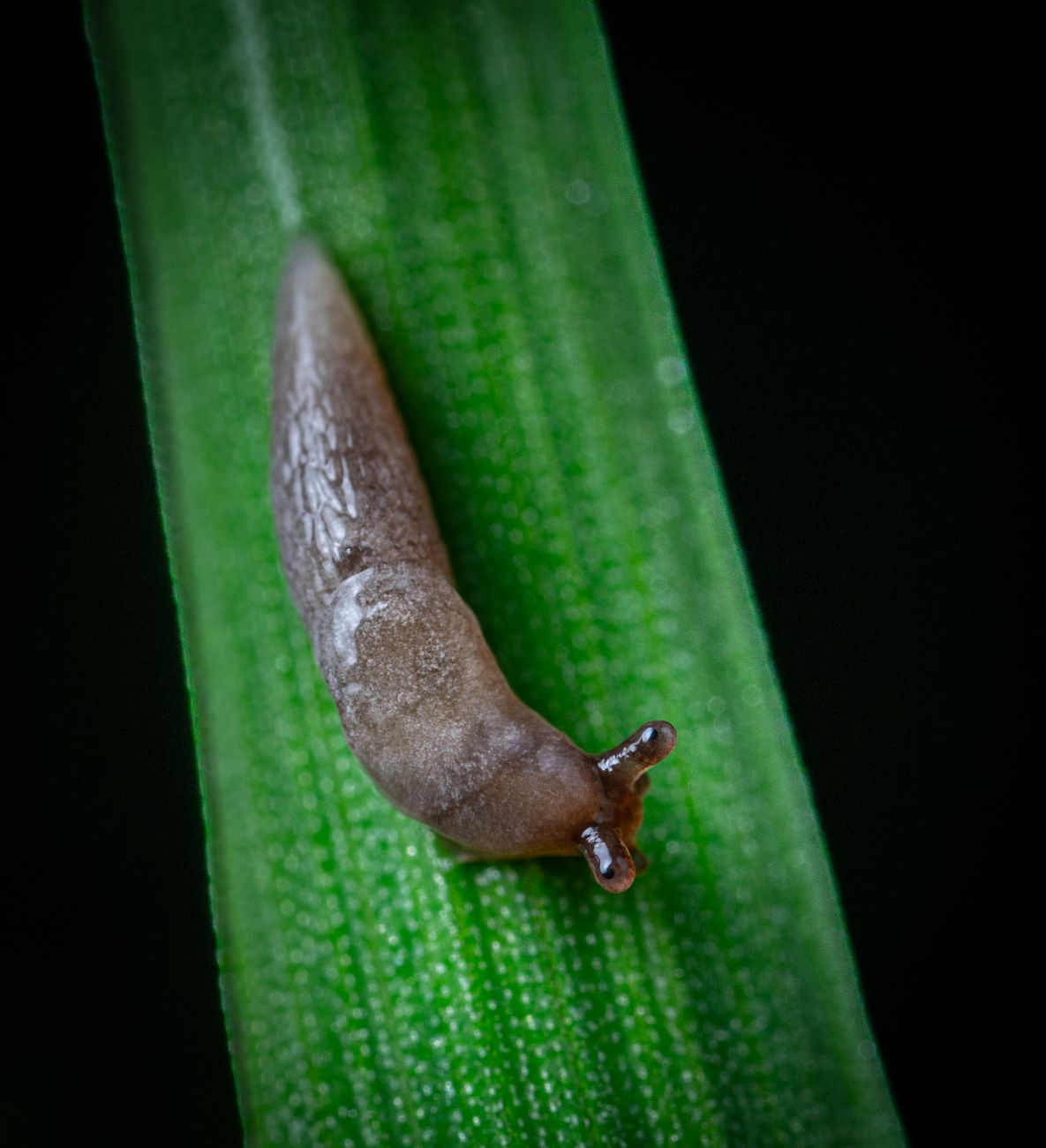
Their diet is broad, but those emerging hosta and delphinium shoots are like gourmet treats to them. They're soft, packed with moisture, and easy to munch through. A single slug can devour a surprising amount of foliage in one night, and the damage is often irreversible on those first, precious leaves. One mistake I made in my early gardening days was waiting until I saw significant damage. By then, it's too late for those pristine leaves. What works here in Britain, in my experience, is to start your slug defence before you even see the first shoot unfurl. Think of it as pre-emptive strike gardening! They overwinter as eggs or adults in the soil, ready to emerge when temperatures rise, so being ready for them as soon as those first green tips push through is crucial.
Physical Barrier Power: Organic Defenses for Delicate Shoots
Over the years, I've experimented with almost every organic physical barrier you can imagine in my raised beds and around my greenhouse. What works well for one plant or situation in my UK garden might not be ideal for another, especially considering how much rain we get. The key is to create a barrier that slugs and snails find difficult or unpleasant to cross, without harming other wildlife or adding chemicals to your soil.
Here’s a rundown of the barriers I've tested, along with my honest thoughts on how they perform in our British climate:
| Barrier Type | How I Use It (in my UK garden) | Pros (for UK conditions) | Cons (for UK conditions) | My Personal Tip |
|---|---|---|---|---|
| Copper Tape | I wrap this around the rims of my terracotta pots for hostas or create rings on flat ground. | Very effective when dry; slugs get a mild electric shock. Lasts ages, even with rain. | Can be expensive for large areas. Less effective if covered in soil or bridging leaves. | Ensure a clean, dry surface when applying. Check for soil bridging after heavy rain. Works best for pots. |
| Sharp Grit/Crushed Eggshells | I create a generous 2-inch wide ring around individual hosta clumps and young delphiniums. | Cheap and readily available. Slugs dislike crawling over sharp edges. | Effectiveness significantly reduced by heavy rain (they just glide over wet grit). Needs topping up. | Apply on dry soil and refresh after a week of consistent rain. Mix in some crushed oyster shells for variety. |
| Wool Pellets | I scatter these around emerging shoots in my raised beds, about an inch thick. | They swell and become prickly when wet, making a great barrier. Organic and adds nutrients. | Can get washed away or compacted by very heavy downpours. Not the cheapest option for large areas. | Best applied just before rain is forecast so they swell and interlock. Very good for raised beds. |
| Plastic Cloches/Collars | I use cut-down plastic bottles (milk jugs work great!) around single, vulnerable shoots. | Excellent immediate protection from slugs and harsh weather. Reusable and free. | Can create a humid microclimate, potentially encouraging fungal issues if not vented. Looks a bit messy. | Cut the bottom off a 2L milk bottle, push it firmly into the soil, and remove on dry days to air. |
I've found that no single barrier is a magic bullet, especially with our notoriously damp British spring. Often, the best approach is a combination. For example, I might use a plastic collar for the first few weeks on a particularly precious hosta, then switch to a ring of wool pellets once it's a bit more established. It’s all about adapting to what our UK weather throws at us!
Baiting & Trapping: Effective Organic Solutions for Slug Control
While physical barriers are fantastic for protecting specific plants, sometimes you need to thin out the general slug population in your garden. This is where organic baits and traps come in. I’ve spent many evenings patrolling my Midlands garden with a head torch, but sometimes you just need to let the traps do the work overnight. The key is to use methods that are safe for pets, wildlife, and beneficial insects, which is why I stick strictly to organic solutions.
Here are the baiting and trapping methods I rely on, based on my years of dealing with UK slugs and snails:
| Method | How I Use It (in my UK garden) | Pros (for UK conditions) | Cons (for UK conditions) | My Personal Tip |
|---|---|---|---|---|
| Organic Slug Pellets (Iron Phosphate) | I sprinkle a few around susceptible plants, especially after a spell of rain. | Very effective. Safe for pets, wildlife, and children. Breaks down into soil nutrients. | Can be slightly expensive. Effectiveness can be reduced if completely washed away by very heavy rain. | Apply sparingly and strategically, not in large piles. Reapply after a week of persistent wet weather. |
| Beer Traps | I bury shallow containers (old yogurt pots work well) up to their rim, filled with cheap lager. | Highly effective at attracting and drowning slugs. Very cheap to set up. | Needs regular emptying and refilling (every 2-3 days). Can attract other insects or even hedgehogs if too open. | Use a cheap, strong-smelling lager. Place a 'roof' over the trap (e.g., a slate) to keep rain out and reduce evaporation. |
| Grapefruit/Orange Halves | After eating the fruit, I place the empty halves, cut-side down, in damp, shady spots. | Attracts slugs, which hide underneath during the day. Free and uses up kitchen waste. | Needs checking daily to collect and dispose of slugs. Not always as effective as beer for sheer numbers. | Check first thing in the morning. Collect the slugs and dispose of them far from your garden, or in your compost heap (if you're brave!). |
| Hand-Picking | I go out with a head torch and a bucket of salty water after dark, particularly after rain. | Extremely satisfying and highly effective for immediate reduction. Free. | Time-consuming and requires dedication, especially in a larger garden like mine. Not for the squeamish. | Make it a regular evening ritual. Focus on areas where you've seen damage. It’s amazing what you'll find when you really look! |
For me, success with organic slug control often comes down to a multi-pronged attack. I'll combine physical barriers with targeted baiting, and I’m never above an evening slug hunt. The key in our UK climate is persistence and adapting your strategy to the conditions. A damp week might mean more traps, while a dry spell lets the grit barriers shine. Keeping ahead of them early in the season is the best way to ensure those beautiful hosta leaves and delphinium spires grow strong and unblemished.
Natural Predators & Biodiversity: Inviting Wildlife Help to Your Garden
Now, this is where things get really interesting for me – turning your garden into a self-regulating ecosystem. While barriers and baits are brilliant, they're just part of the puzzle. My ultimate goal in my 800 sq ft Midlands garden is to create a haven for wildlife that also happens to be brilliant at slug control. It's about letting nature do some of the heavy lifting, especially here in Britain where slugs are practically our national mollusc!
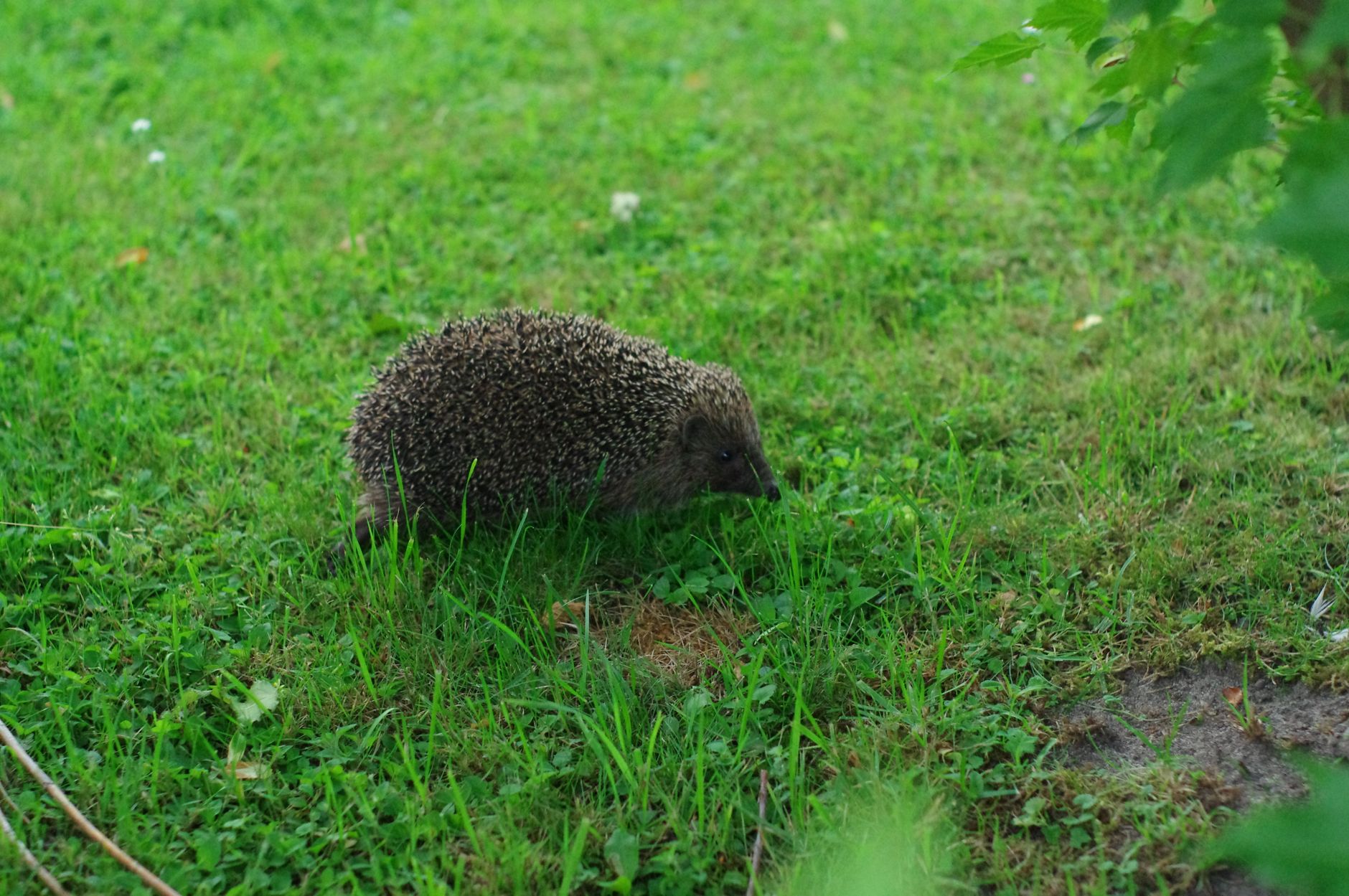
I've spent the last five years actively trying to encourage natural predators, and it's been a real game-changer. My biggest success story? Hedgehogs. Bless their spiny little hearts, they are absolute slug-gobbling machines. I've been lucky enough to have a couple of visitors in my garden over the years, and knowing they're out there on patrol makes me feel like I've got my own nocturnal security team. I make sure to leave a few wilder spots – a small log pile under the plum tree, an area of longer grass near the fence – which provides them with shelter and places to forage. I also leave a shallow dish of water out, especially during dry spells, and crucially, I never use slug pellets that could harm them. Organic really is the only way to go if you want a thriving, balanced garden.
It's not just hedgehogs, though. Ground beetles are another unsung hero. These little chaps are voracious predators of slug eggs and juvenile slugs. I’ve noticed a definite increase in their numbers since I started using less invasive digging methods and kept plenty of leaf litter and mulch in my raised beds. They love to hide in those dark, damp spots during the day and come out at night to hunt. Birds, too, play their part. While they might not tackle the biggest slugs, blackbirds and thrushes are excellent at picking off smaller ones and their eggs. I've always got a bird feeder up, and I leave some berries on the elderflower bush for them, making my garden an attractive place for them to hang out. Even frogs and toads, if you're lucky enough to have a pond or a damp corner, will help keep the slug population in check. It’s all about creating a diverse habitat that welcomes these helpful creatures.
Garden Hygiene & Cultural Practices: Making Your Garden Less Appealing
Beyond inviting in the good guys, we also need to make our gardens less inviting for the slugs themselves. This comes down to good garden hygiene and smart cultural practices. It’s not the most glamorous part of gardening, I know, but trust me, it makes a massive difference, especially with our often damp British weather creating perfect slug conditions.
One of the biggest lessons I learned the hard way when I first started out five years ago was the importance of keeping things tidy. Slugs love clutter. Piles of old leaves, discarded plant pots, weeds – these are all five-star hotels for slugs and snails, offering them perfect daytime hiding spots from predators and the sun. I used to be terrible for leaving empty pots scattered around, thinking "I'll get to that later," and then wondering why my hostas were looking like lace doilies. Now, I'm pretty militant about clearing away debris. After a planting session, all pots go straight to the cleaning station. Spent plant material goes into the compost bin (unless it’s diseased, then it’s straight out of the garden!).
Weed control is another huge one. Weeds aren’t just competing with your precious plants for nutrients; they're also providing excellent cover and a ready food source for slugs. Keeping my raised beds clear of weeds, especially around my delphiniums and hostas, means slugs have fewer places to hide and fewer snacks to munch on before they get to my prize plants. I'm a big fan of hand-weeding regularly – it’s a bit of a zen activity for me now, and it lets me get up close and personal with any lurking slugs.
Watering practices are also critical. Slugs thrive in damp conditions. I always try to water my plants in the morning, rather than the evening, especially here in the UK where the nights can be cool and damp anyway. This gives the soil surface a chance to dry out before nightfall, making it less appealing for slugs to venture out. I also focus on watering the base of the plants, directly at the roots, rather than overhead sprinkling, which just creates a lovely damp playground for them across the whole bed. In my greenhouse, where I grow my heirloom tomatoes like 'Cherokee Purple' and 'Black Krim', I use drip irrigation, which keeps the soil surface drier and drastically reduces slug issues compared to when I used to hand-water haphazardly. It’s all about denying them the moist environment they crave.
Integrated Strategy: Combining Methods for Lasting Protection
Right, so we've covered a fair bit, haven't we? From physical barriers to baits, encouraging wildlife to keeping a tidy patch. If there's one thing I've learned in my five years of intensive gardening here in the UK, it's that there's no single magic bullet for slug and snail control. Our British climate, with its often mild, damp conditions, makes it a constant battle. What truly works, what has saved my 'Frances Williams' hostas and 'King Arthur' delphiniums year after year, is an integrated strategy. It’s about combining several of these methods, adapting them to your specific garden, and being consistently vigilant.
Think of it like this: I start early, usually in late February or early March here in the Midlands, when those first delicate hosta shoots are just nosing out of the ground. That’s when I get my copper tape out, wrapping it around my favourite pots. Around the same time, I’m sprinkling a ring of organic slug pellets (the ferric phosphate kind, always!) around the base of my emerging delphiniums in the raised beds. I don't go overboard, just enough to create a deterrent.
As the weather warms up, and if I see any tell-tale slime trails or nibbles, I might deploy some beer traps, especially in areas where I've seen high activity. I'm also constantly scanning for slugs during my evening garden strolls – headtorch on, bucket in hand, ready to pick them off by hand. And all the while, I'm making sure my garden is welcoming to hedgehogs and ground beetles, keeping the borders tidy, and watering smartly. It's a layered defence, a multi-pronged attack, if you will.
Last season, despite a particularly wet spring here in the Midlands, this integrated approach meant my hostas had barely a nibble, and my delphiniums bloomed gloriously. I even managed to get some fantastic photos of their intact, vibrant foliage, which felt like a real triumph after years of battling. One mistake I made early on was relying on just one method, like just using pellets, and then being disappointed when they didn't magically solve everything. It was only when I started layering these techniques that I saw truly consistent results.
So, my fellow UK gardeners, don't get disheartened. Slugs and snails are a persistent challenge, but they are not unbeatable. By understanding their habits, deploying a variety of organic barriers and baits, inviting natural predators, and maintaining good garden hygiene, you absolutely can protect your emerging hosta and delphinium shoots. Experiment with these methods in your own patch, see what works best in your specific microclimate, and don't be afraid to adapt. Every garden is unique, and finding that perfect balance is part of the joy and learning journey of gardening.
Keep at it, keep observing, and you'll be enjoying beautifully intact spring foliage for years to come. I'd love to hear what methods have worked best for you in your UK garden – drop a comment below and let's share our experiences! Happy gardening!