Right, let's talk about something that used to drive me absolutely mad in my UK garden, something that silently sabotaged my best efforts at direct sowing: soil crusting. If you've ever meticulously prepared a seedbed, sown your precious seeds, only to see a patchy, disappointing emergence (or worse, nothing at all), then you know the heartbreak. For years, especially when I first swapped my IT screen for a trowel five years ago, I thought it was my fault, or maybe just our notoriously unpredictable British weather playing tricks. But I’ve learned, often the hard way here in my 800 sq ft Midlands patch, that a common culprit is a hard, impenetrable layer forming right on top of your soil. It's a proper nuisance, but thankfully, it's something we can absolutely tackle.
This isn't just about getting seeds to pop; it's about giving them the absolute best start, leading to stronger, healthier plants that can really thrive, even when our weather tries its best to challenge them. I've spent seasons experimenting with different soil mixes, sowing techniques, and cover materials, all to beat this crusting problem. And today, I want to share what I've learned, what works reliably here in Britain, so you don't have to go through the same frustrating trials and errors I did.
The Silent Killer: Why Soil Crusting Threatens Your Direct-Sown Seeds
Imagine you're a tiny, eager seedling, just woken up in the soil, ready to push your way towards the sunshine. You've got all this stored energy, a vital mission. But then, you hit a brick wall. That, my friends, is what soil crusting feels like to a germinating seed. It's the silent killer of potential, the invisible barrier between a hopeful gardener and a thriving crop.
In my early days, before I really understood soil science, I’d sow my carrot seeds, water them in gently, and then a few days later, after a sudden downpour followed by a blustery dry spell, I'd see this hard, almost concrete-like layer on the surface of the raised beds. I’d wait and wait, thinking the seeds were just slow. But often, very few, if any, would emerge. Those that did were usually weak, struggling, and often malformed, like my early attempts at growing parsnips – a real lesson in frustration!
What happens is this: as the soil surface dries out after being saturated, the finer soil particles bind together. This creates a hard, dense crust. For a fragile seedling, trying to push its delicate cotyledons (those first baby leaves) through this layer is an almost impossible task. They either can't break through at all, or they expend so much energy trying that they emerge exhausted and vulnerable, making them far more susceptible to pests, diseases, and general environmental stress. It leads to patchy germination, wasted seeds, and ultimately, a less productive garden. It’s a bitter pill to swallow when you’ve put in the effort, but once you identify it, you’re halfway to beating it.
Understanding the Enemy: What Causes Soil Crusting in UK Gardens?
So, if soil crusting is such a menace, what exactly causes it, especially here in our unique UK climate? It really boils down to soil structure and how it interacts with our weather patterns. In my Midlands garden, I’ve got a bit of a mix, but leaning towards a heavier clay in some spots, which is notoriously prone to this problem.
The primary culprits are usually:
- Heavy Rain and Our British Downpours: This is a big one for us. When rain falls heavily, especially on bare soil, the impact of the raindrops breaks down soil aggregates (the small clumps of soil). The finer particles separate from the larger ones and are carried downwards, filling in the air spaces at the surface.
- Rapid Drying after Saturation: After a good soaking (which we get plenty of!), if the surface then dries out quickly – thanks to a sunny, windy spell that often follows a shower – those fine particles cement together, forming that hard crust. It’s the classic UK weather pattern: deluge, then sunshine and a breeze.
- Low Organic Matter Content: This is absolutely key. Soil that's poor in organic matter lacks the "glue" that holds soil particles into stable aggregates. Without these stable clumps, the soil is much more susceptible to breaking down and forming a crust. When I first started, my beds were pretty barren, and crusting was an annual nightmare.
- Soil Type: While all soils can crust, those with a higher proportion of silt and clay particles are more prone to it. My heavier clay areas are always the first to crust up, whereas the beds I’ve heavily amended with compost are far more forgiving.
- Over-Tilling or Excessive Cultivation: Believe it or not, too much digging can actually make things worse. Breaking down soil structure too finely before sowing can pulverise those aggregates, leaving behind a lot of fine particles ready to compact. One mistake I made early on was thinking that the finer the soil, the better for seeds. Turns out, there's a sweet spot!
Understanding these causes is the first step to prevention. It's not about fighting the weather (good luck with that here in Britain!), but about building our soil's resilience.

Pre-Sowing Power-Up: Soil Amendments for a Resilient Seedbed
Now we know the enemy, let's talk about the armour! The best defence against soil crusting starts before you even think about sowing a seed. It’s all about building a healthy, well-structured seedbed. In my experience here in the UK, especially with our diverse soil types, getting the right amendments into your beds is an absolute game-changer. I've seen firsthand the difference it makes, turning disheartening failures into flourishing success.
Here are the amendments I swear by for creating a resilient, crust-resistant seedbed:
| Amendment | How it Helps Prevent Crusting | Randy's UK Garden Experience It's like a cruel joke from Mother Nature when you've done everything right, sown your seeds with care, watered them in, and then a sudden downpour followed by a blustery drying wind leaves your perfect seedbed topped with something resembling concrete.
The good news is, armed with a bit of knowledge and some smart strategies, we can dramatically reduce the chances of this happening. This isn't just about getting seeds to pop; it's about giving them the absolute best start, leading to stronger, healthier plants that can really thrive, even when our unpredictable British weather tries its best to challenge them. I've spent seasons experimenting with different soil mixes, sowing techniques, and cover materials, all to beat this crusting problem. And today, I want to share what I've learned, what works reliably here in Britain, so you don't have to go through the same frustrating trials and errors I did.
The Silent Killer: Why Soil Crusting Threatens Your Direct-Sown Seeds
Imagine you're a tiny, eager seedling, just woken up in the soil, ready to push your way towards the sunshine. You've got all this stored energy, a vital mission. But then, you hit a brick wall. That, my friends, is what soil crusting feels like to a germinating seed. It's the silent killer of potential, the invisible barrier between a hopeful gardener and a thriving crop.
In my early days, before I really understood soil science, I’d sow my carrot seeds, water them in gently, and then a few days later, after a sudden downpour followed by a blustery dry spell, I'd see this hard, almost concrete-like layer on the surface of the raised beds. I’d wait and wait, thinking the seeds were just slow. But often, very few, if any, would emerge. Those that did were usually weak, struggling, and often malformed, like my early attempts at growing parsnips – a real lesson in frustration!
What happens is this: as the soil surface dries out after being saturated, the finer soil particles bind together. This creates a hard, dense crust. For a fragile seedling, trying to push its delicate cotyledons (those first baby leaves) through this layer is an almost impossible task. They either can't break through at all, or they expend so much energy trying that they emerge exhausted and vulnerable, making them far more susceptible to pests, diseases, and general environmental stress. It leads to patchy germination, wasted seeds, and ultimately, a less productive garden. It’s a bitter pill to swallow when you’ve put in the effort, but once you identify it, you’re halfway to beating it.
Understanding the Enemy: What Causes Soil Crusting in UK Gardens?
So, if soil crusting is such a menace, what exactly causes it, especially here in our unique UK climate? It really boils down to soil structure and how it interacts with our weather patterns. In my Midlands garden, I’ve got a bit of a mix, but leaning towards a heavier clay in some spots, which is notoriously prone to this problem.
The primary culprits are usually:
- Heavy Rain and Our British Downpours: This is a big one for us. When rain falls heavily, especially on bare soil, the impact of the raindrops breaks down soil aggregates (the small clumps of soil). The finer particles separate from the larger ones and are carried downwards, filling in the air spaces at the surface.
- Rapid Drying after Saturation: After a good soaking (which we get plenty of!), if the surface then dries out quickly – thanks to a sunny, windy spell that often follows a shower – those fine particles cement together, forming that hard crust. It’s the classic UK weather pattern: deluge, then sunshine and a breeze.
- Low Organic Matter Content: This is absolutely key. Soil that's poor in organic matter lacks the "glue" that holds soil particles into stable aggregates. Without these stable clumps, the soil is much more susceptible to breaking down and forming a crust. When I first started, my beds were pretty barren, and crusting was an annual nightmare.
- Soil Type: While all soils can crust, those with a higher proportion of silt and clay particles are more prone to it. My heavier clay areas are always the first to crust up, whereas the beds I’ve heavily amended with compost are far more forgiving.
- Over-Tilling or Excessive Cultivation: Believe it or not, too much digging can actually make things worse. Breaking down soil structure too finely before sowing can pulverise those aggregates, leaving behind a lot of fine particles ready to compact. One mistake I made early on was thinking that the finer the soil, the better for seeds. Turns out, there's a sweet spot!
Understanding these causes is the first step to prevention. It's not about fighting the weather (good luck with that here in Britain!), but about building our soil's resilience.
Pre-Sowing Power-Up: Soil Amendments for a Resilient Seedbed
Now we know the enemy, let's talk about the armour! The best defence against soil crusting starts before you even think about sowing a seed. It’s all about building a healthy, well-structured seedbed. In my experience here in the UK, especially with our diverse soil types, getting the right amendments into your beds is an absolute game-changer. I've seen firsthand the difference it makes, turning disheartening failures into flourishing success.
Here are the amendments I swear by for creating a resilient, crust-resistant seedbed:
| Amendment | How it Helps Prevent Crusting | Randy's UK Garden Experience
5. Post-Sowing Patrol: Watering and Mulching for Moisture Management
Right, so you’ve got your perfectly prepped soil and your seeds are nestled in, dreaming of germination. Now comes the crucial stage: keeping that seedbed consistently moist without washing away your tiny hopefuls or, ironically, creating a crust. This is where I've learned that precision and consistency really pay off in my UK garden, especially with our notoriously unpredictable British weather.
The Art of Gentle Watering
The goal here is constant, even moisture – like a well-wrung sponge, not a bog. Too much water, too fast, and you risk displacing seeds, compacting the soil, and yes, setting yourself up for a crust once it dries out. Too little, and your seeds are just going to sit there, or worse, germinate weakly and then die back.
One mistake I made early on, probably in my second year, was using a full-blast hose on a newly sown bed of carrots. The result? A muddy mess, seeds everywhere but where they should be, and then a rock-hard surface. I learned that day that patience and the right tools are paramount.
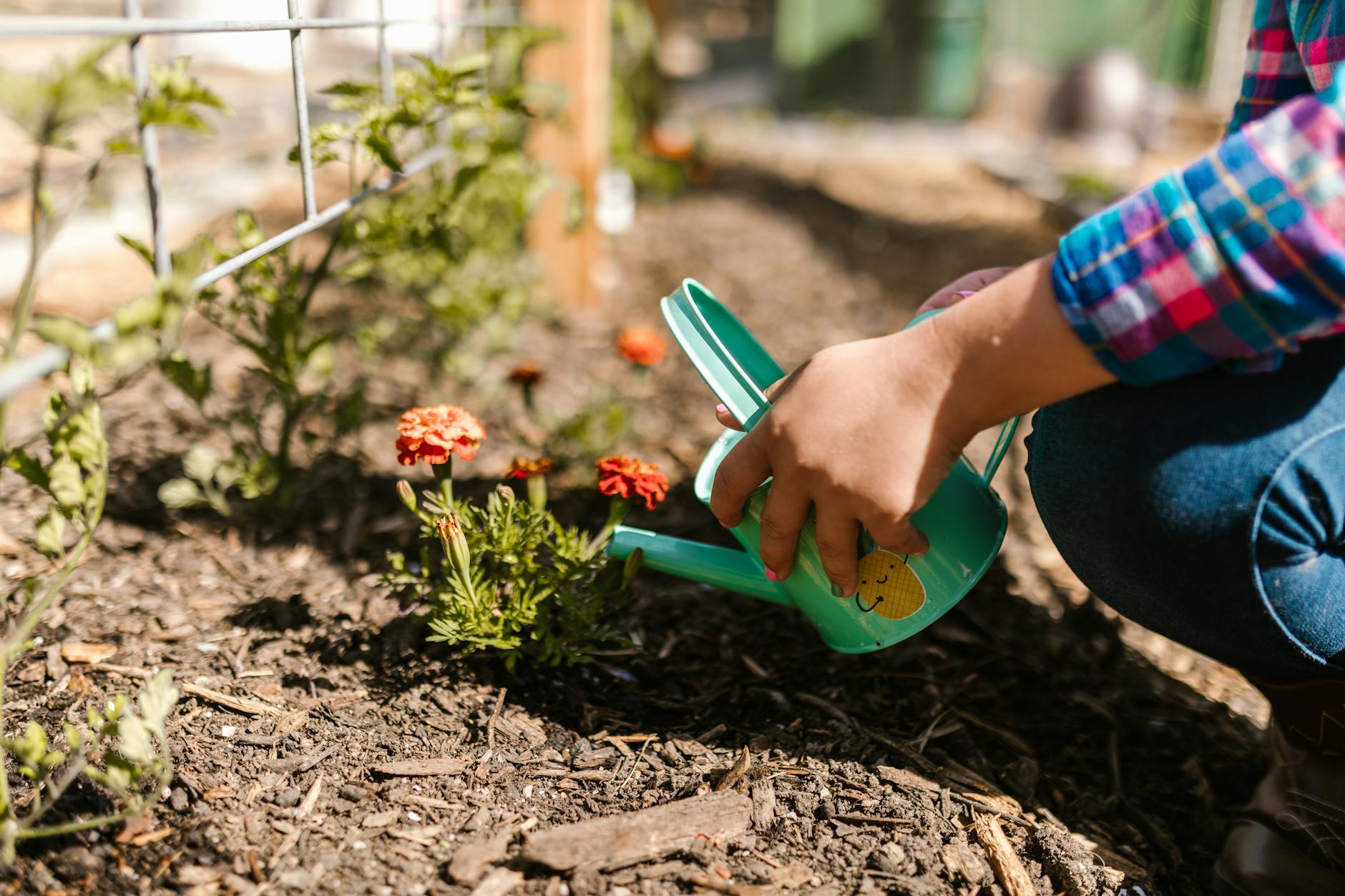
Here in the Midlands, I’ve found that a fine rose on a watering can is your best friend for freshly sown seedbeds. It delivers water gently, allowing it to soak in without disturbing the surface. For larger areas or when the seedlings are a bit more established, a soaker hose or drip irrigation can be fantastic, as they deliver water directly to the soil slowly, preventing runoff and surface disturbance. I use a simple drip system in my greenhouse for my heirloom tomatoes, and it's taught me a lot about efficient, targeted watering.
Watering frequency depends heavily on our British climate. In a warm, dry spell, you might need to water lightly once or even twice a day. In a damp, cool spring, you might get away with every few days. Always check the soil surface – if it looks dry, it's time for a drink.
The Magic of Mulch: A Seedbed's Best Friend
Once your seeds are in and gently watered, a light layer of mulch can be a game-changer for preventing crusting. Mulch acts like a protective blanket, shielding the soil from the harsh sun and drying winds, which are often the culprits behind crust formation. It helps to regulate soil temperature, reduce evaporation, and keep that crucial surface moisture consistent.
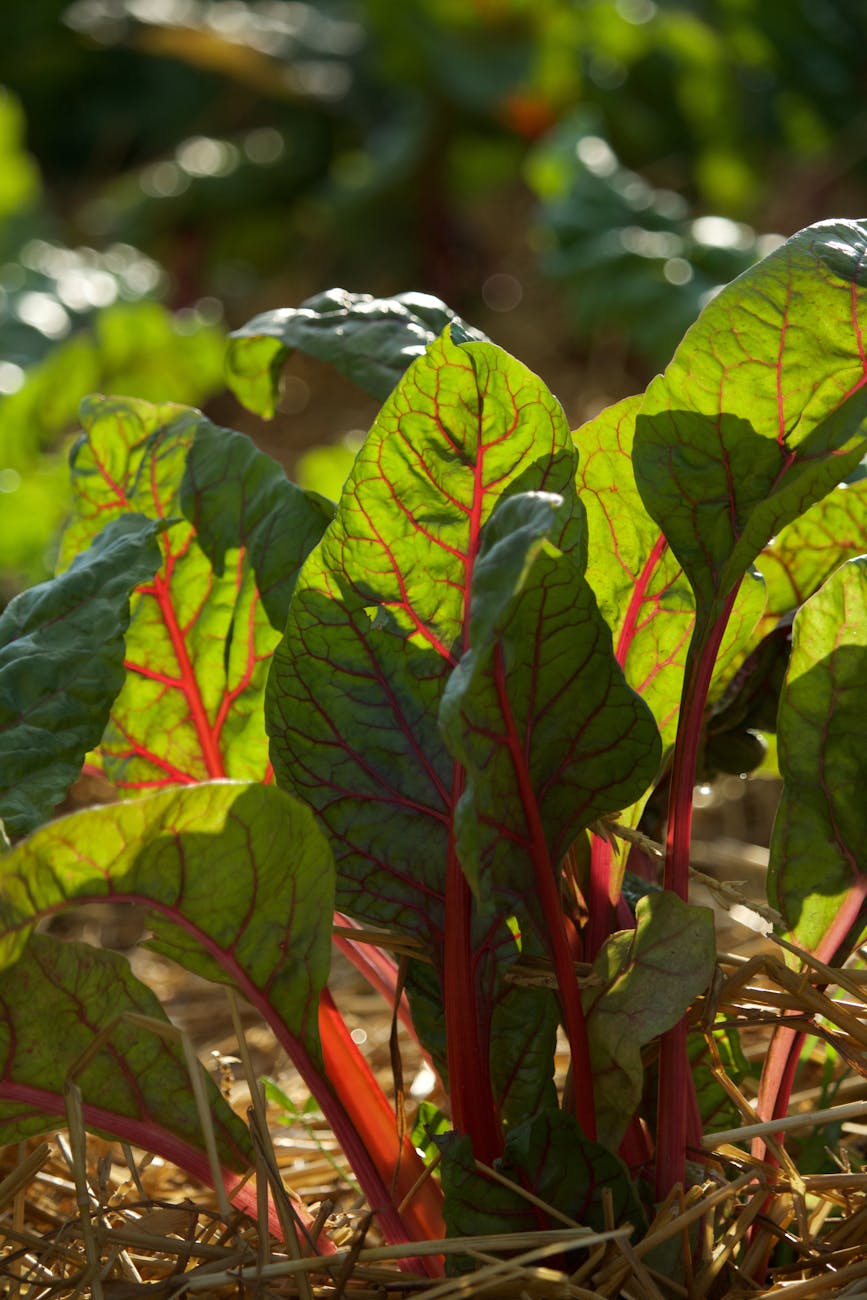
I’ve experimented with different mulches in my 800 sq ft backyard. For delicate direct-sown seeds like lettuce or spinach, I often use a very fine layer of sieved compost or leaf mould. It’s light, adds nutrients as it breaks down, and doesn't smother the tiny seedlings. For larger seeds, or crops like beans and peas, a slightly coarser organic mulch like straw can work wonders once they’ve just poked through.
Here's a quick comparison of watering and mulching strategies I've used in my UK garden:
| Technique | Description & Randy's Experience | Pros (for UK Seedbeds) | Cons (for UK Seedbeds) |
|---|---|---|---|
| Watering Can | My go-to for new seedbeds. I always use one with a fine rose. I'll often fill it with rainwater from my butt, especially for sensitive seedlings. I do this daily in dry spells for my direct-sown beetroot or radishes. | Gentle, precise, doesn't disturb seeds; good for small areas; allows visual inspection of soil. | Time-consuming for large beds; inconsistent if not done carefully; requires presence. |
| Soaker Hose | Fantastic for established rows or larger patches once seedlings have emerged. I've used these for my direct-sown runner beans – it delivers water slowly to the root zone. | Efficient, reduces evaporation, delivers water directly where needed; less soil disturbance. | Can be expensive initially; not ideal for very fine seeds (can be too much at the surface); tricky to move. |
| Drip Irrigation | My greenhouse staple for heirloom tomatoes like 'Marmande' and 'Costoluto Fiorentino'. I've also experimented with it for rows of courgettes and squashes directly sown outside. | Highly efficient, minimal water waste, consistent moisture; great for specific plants; easy to automate. | Higher initial setup cost; less flexible for changing layouts; can clog if water isn't filtered. |
| Fine Compost/Leaf Mould Mulch | My absolute favourite for delicate seeds like carrots, lettuce, or herbs. I'll sieve it finely and apply a layer no more than 0.5 cm thick. I learned to do this after losing a whole row of 'Paris Market' carrots to crusting one dry May. | Excellent moisture retention; improves soil structure over time; adds nutrients; won't smother tiny sprouts. | Requires sifting for fine seeds; can introduce weed seeds if not well-composted; needs reapplication. |
| Straw Mulch | I use this more for larger seeds like peas, beans, or even squashes once they’ve germinated and have a couple of true leaves. It's great for suppressing weeds too. I put a 2-3 cm layer around my 'Borlotto Firetongue' beans. | Very effective moisture retention; good weed suppression; insulates soil; readily available. | Can be too coarse for tiny seeds (risk of smothering); can attract slugs in damp UK conditions; can look untidy. |
| Grit/Vermiculite | I often sprinkle a very thin layer (2-3mm) of fine horticultural grit or vermiculite over my seed rows, especially for tricky germinators. It's fantastic for breaking the surface tension and preventing a hard crust from forming. I do this for my direct-sown parsnips every year. | Excellent for preventing crusting; improves drainage; doesn't decompose; clean and inert. | Offers no nutritional benefit; can be costly for large areas; needs to be very fine for small seeds. |
6. Emergency Tactics: Gently Rescuing a Crusted Seedbed
Sometimes, despite your best efforts, our unpredictable British weather throws a curveball. A sudden warm, windy spell after a heavy downpour can still leave you with a crusted seedbed. I've been there, staring at a patch of soil that looks more like dried concrete than a nurturing home for future plants. It’s disheartening, but it’s not always a lost cause.
My first experience with this was a row of direct-sown spinach, 'Giant Winter' variety, during a particularly dry spell in early spring. The ground had been moist, then we had a couple of unexpectedly sunny, windy days, and boom – a hard crust formed. I panicked a bit, but then remembered some advice I’d read.
The key here is extreme gentleness. You're trying to break the crust without disturbing the tiny seeds or delicate emerging sprouts underneath.
Here's what I've found can work:
Gentle Misting/Light Watering: Your first line of defence should be another very gentle watering. Use that fine-rosed watering can, or even a spray bottle, to lightly moisten the surface. The aim isn't to soak it, but to soften the crust just enough to allow the seedlings to push through. Sometimes, just softening it up is all it takes. I've watched tiny seedlings emerge within hours after a good misting.
The Toothpick or Fork Tine Method: This is where the IT worker in me probably comes out – meticulous and precise! For smaller, more delicate seeds, I've used a toothpick or a single tine of a fork to very, very carefully scratch the surface of the crust, especially over where I know the seeds are. You're just trying to create tiny fractures, not dig up the soil. This is a slow, meditative process, and it saved my 'Black Seeded Simpson' lettuce one particularly challenging spring.
A Sprinkle of Grit or Vermiculite: If you have some fine horticultural grit or vermiculite handy, a light dusting (again, just 2-3mm) over the affected area can help. As you water, these particles will work their way into the crust, breaking it up and preventing it from re-forming quite as stubbornly. I do this proactively for my parsnips, but it's also been a good emergency fix.
Remember, this is a rescue mission, not a full-scale assault. Go slowly, observe, and don't expect miracles overnight. Sometimes, despite your best efforts, a few seeds won't make it. But often, with a bit of careful intervention, you can still salvage a good portion of your crop.
7. Conclusion: Nurturing Your Seeds to Strong, Healthy Seedlings
Watching those first tiny green shoots emerge from the soil is, for me, one of the most magical moments in gardening. It's the culmination of careful planning, a bit of elbow grease, and a lot of hope. But as we've explored, getting those direct-sown seeds to that crucial seedling stage isn't always straightforward, especially with the unique challenges of our British climate. Soil crusting is a silent threat, but it's one we can absolutely overcome with the right knowledge and techniques.
I've learned so much in my five-plus years here in my 800 sq ft Midlands garden, often through trial and error (and plenty of 'oops' moments!). The journey from an IT desk to digging in the dirt has taught me that gardening, much like coding, is about understanding systems, troubleshooting problems, and constantly learning.
Let's quickly recap the key takeaways for preventing soil crusting and ensuring reliable germination in your UK garden:
- Pre-Sowing Power-Up: Start with well-prepared soil. Incorporating organic matter like homemade compost or well-rotted manure, along with a bit of grit or sand, dramatically improves soil structure and drainage, making it less prone to crusting. Remember, a friable, open soil is your best defence.
- Smart Sowing Strategies: Don't sow too deeply. Follow the general rule of sowing seeds at a depth roughly twice their diameter. And consider a light topping of vermiculite or fine grit over your seed rows – it's a simple trick I've found incredibly effective, particularly for those precious heirloom tomatoes I'm growing in the greenhouse, or my outdoor carrots.
- Post-Sowing Patrol: Consistent, gentle watering is non-negotiable. Use a fine-rosed watering can or a soaker hose to deliver moisture without disturbing the soil surface. A light mulch of fine compost, leaf mould, or even horticultural grit acts as a protective shield, locking in moisture and preventing the sun and wind from baking the surface.
- Emergency Tactics: If a crust does form, don't despair. Gentle misting, or carefully scratching the surface with a toothpick, can often break up the crust enough for your seedlings to emerge. It takes patience, but it’s often worth the effort.
Ultimately, preventing soil crusting is about creating the best possible environment for your seeds to thrive. It’s about understanding your soil, adapting to our wonderfully varied British weather, and giving your plants the best start in life.
So, go forth, fellow UK gardeners! Get your hands dirty, experiment, learn from your successes and your 'happy accidents', and enjoy the immense satisfaction of nurturing strong, healthy seedlings in your own back garden. I can't wait to hear what you're growing and what techniques you've found work best for you! Happy gardening!