Unveiling the Light: Crafting Radiant Multi-Height Perennial Borders
When I first traded my keyboard for a trowel five years ago, diving headfirst into the world of UK gardening, I had this romantic vision of lush, vibrant perennial borders. I pictured a riot of colour and texture, tall spires reaching for the sky, and delicate blooms spilling over the edges. What I actually got, in those early days here in my 800 sq ft Midlands garden, was a bit more… patchy. Some plants thrived, others sulked, and I couldn't quite put my finger on why. It took a few seasons of experimenting, a fair few failures (oh, the joy of a British summer washout!), and a lot of head-scratching over a cuppa, to realise that light was the unsung hero, or often, the silent villain, in my garden.
I've learned the hard way that simply sticking plants in the ground based on their ultimate height isn't enough. Our British weather, with its often-precious sunny spells, makes every ray of light incredibly valuable. To truly create those radiant, multi-height perennial borders that burst with life from top to bottom, we need to get strategic about how light moves through the planting. This isn't just about what grows where; it's about actively managing the light, preventing those sneaky shadows from stealing vitality from your prized plants. Getting this right has been one of my biggest breakthroughs, transforming my borders from merely 'nice' to truly thriving.
Understanding the 'Shadow Effect': Why Light Matters from Top to Bottom
So, what exactly is this 'shadow effect' I'm talking about? Simply put, it's when taller, denser plants in your border cast significant shade over their shorter, often more delicate neighbours, robbing them of the crucial sunlight they need to flourish. It’s a common pitfall, and one I certainly fell into when I first started. I remember one early border I put together, a real hodgepodge near the back fence. I had these gorgeous Delphinium 'Pacific Giant' towering majestically, alongside some lovely Hardy Geranium 'Rozanne' in front. I thought it looked grand from a distance. But those geraniums barely bloomed, and their leaves were always a bit pale and spindly. It took me a full season to realise the delphiniums were casting a full-on gloom over them for half the day, especially during the crucial morning sun.
Light is literally food for plants; it's what fuels photosynthesis, the magical process that converts sunlight into energy for growth, flowering, and even setting seed. When a plant doesn't get enough light, it becomes stressed. You'll see it stretching and becoming leggy as it desperately tries to reach for the sun, producing fewer flowers, and often becoming more susceptible to pests and diseases – something none of us want to deal with, especially with our often damp UK conditions encouraging fungal issues. In our often-cloudy British climate, every hour of direct sunlight is a gift. Designing our borders to ensure that as many plants as possible receive their fair share isn't just about aesthetics; it's fundamental to their health and vigour. It means designing from the ground up, thinking about how the sun moves across your garden throughout the day, and how each plant interacts with its neighbours' light needs.

Strategic Layering: Building Your Border for Optimal Light Penetration
Building a multi-height perennial border isn't just about arranging plants tallest at the back and shortest at the front. That's a good starting point, but true strategic layering goes deeper, considering the spread, density, and specific light requirements of each plant. For me, it's become a bit like designing an IT system (my old career showing through!), where every component needs to function optimally without interfering with the others.
In my 800 sq ft Midlands garden, I've found that planning is everything. I often sketch out my beds, marking where the sun hits at different times of the day. This helps me visualise where those crucial sunny spots are and where the shade will fall. I then think about the 'bones' of the border – the taller, structural plants – and how their ultimate size, not just height, will impact their neighbours. For example, a tall but airy Verbena bonariensis casts a very different shadow than a dense Phlox paniculata.
My favourite approach is to create distinct, yet flowing, layers, ensuring each plant has its moment in the sun, or at least its ideal light conditions. I've got a fantastic border flanking my greenhouse path where I've layered Delphinium 'Pacific Giant' at the back, followed by Salvia 'Caradonna' in the mid-ground, and then Alchemilla mollis spilling over the edge. It’s a symphony of light and texture all season because I considered not just their heights, but their overall form and light needs. One mistake I made early on was planting wide, bushy plants directly in front of shorter sun-lovers; they simply got swallowed up. Now, I give everything space, even if it means planting slightly fewer plants overall.
Here's a breakdown of how I approach layering for optimal light:
| Layer Position | Typical Height (UK Conditions) | Spread (Avg.) | Light Requirement | Example Plants (UK Specific) | Key Benefit for Light |
|---|---|---|---|---|---|
| Back | 1.2m – 2m+ (4-7ft+) | 45-90cm | Full Sun | Delphinium, Foxglove, Hollyhock, Tall ornamental grasses (e.g., Miscanthus sinensis) | Provides a dramatic backdrop, minimal shading if airy, allows mid-ground sun. |
| Mid-Ground | 60cm – 1.2m (2-4ft) | 30-60cm | Full Sun to Part Shade | Echinacea, Salvia, Penstemon, Phlox paniculata, Astrantia, Heuchera | Receives ample direct sun over shorter plants, benefits from some shade from back layer during intense midday sun. |
| Front | 15cm – 60cm (6in-2ft) | 30-90cm | Full Sun to Part Shade | Alchemilla mollis, Hardy Geranium (e.g., 'Rozanne'), Tiarella, low Campanula, Sedum album | Maximises direct sunlight, especially morning and late afternoon sun, prevents being overshadowed. |
The Pruner's Art: Selective Techniques for Enhanced Light and Airflow
Pruning isn't just about tidiness or shaping; in my UK garden, it's one of the most powerful tools I have for managing light and airflow within my perennial borders. It's an ongoing conversation with my plants, not a one-off annual haircut. I've learned that a thoughtful snip here and there can make all the difference, not just for the plant being pruned, but for its neighbours too.
One of the first things I learned to master was thinning. This means removing some of the inner stems or branches from a dense plant to open up its canopy. I do this religiously with my larger Phlox paniculata plants. If I don't thin out about a third of the stems in early spring, they become a dense, mildew-prone mess, and anything planted behind them just suffers from lack of light and air circulation. The same goes for many of my larger ornamental grasses; a judicious thinning ensures light can penetrate right down to the base, keeping them healthier.
Then there's the Chelsea Chop, a lifesaver for me, especially with things like Sedum 'Autumn Joy' or Astrantia major. I usually aim for late May here in the Midlands – it keeps them more compact, stops them flopping over shorter companions, and crucially, gives the plants around them a bit more breathing room and sunlight. You snip back about a third to a half of the stems, encouraging bushier growth and delaying flowering, which can also help stagger bloom times in your border. I once got a bit too enthusiastic with a mature Nepeta 'Six Hills Giant' in late summer, thinking I was tidying it up. It sulked for weeks and didn't re-bloom as well as it should have. Now I stick to a lighter trim post-flowering for that one!
Deadheading is another simple but effective technique. While primarily done for aesthetics and to encourage re-blooming, removing spent flower heads also prevents them from casting unnecessary shade, especially on smaller plants below. For taller, clump-forming perennials, I also sometimes remove a few of the lower, older leaves that are no longer contributing much to photosynthesis and are simply blocking light to the ground level or to smaller front-of-border plants. This also significantly improves airflow around the plant's base, which is a big win in our often-damp British climate, helping to deter fungal issues.
Finally, while not strictly pruning, staking plays a vital role in light management. Taller perennials, especially after a good British downpour, can easily flop over, creating a dense canopy that smothers their neighbours. Early and discreet staking keeps plants upright, ensuring their leaves are exposed to the sun and aren't shading out the plants beneath or beside them. Good secateurs and a small pruning saw are my best friends in the garden – well, after my trusty trowel, of course!
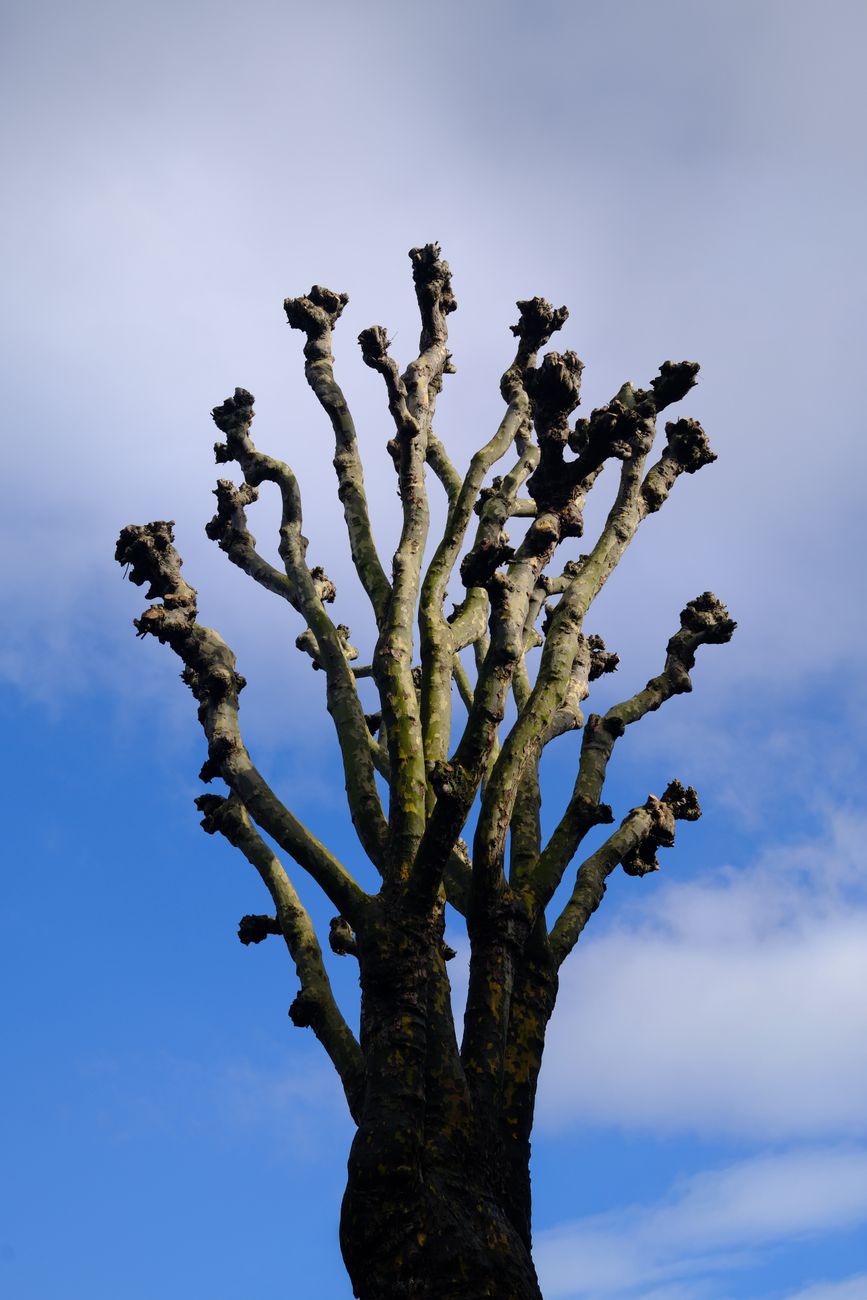
Sun-Smart Plant Selection: UK Perennials for Every Tier and Light Condition
Right, so we've talked about the 'why' and the 'how' with layering and pruning, but let's get down to the plants themselves. This is where the rubber meets the road, or rather, where the roots meet my good old Midlands soil! Choosing the right plants for the right spot is absolutely crucial for preventing that shadow effect. I’ve learned this the hard way, cramming in sun-lovers into shady corners and wondering why they looked so miserable.
In my 800 sq ft garden, every plant has to earn its keep, and that means thriving in its allocated light spot. I’m always on the lookout for reliable UK-hardy perennials that will perform, even with our famously changeable British weather. Here are some of my go-to choices, broken down by the tier they usually occupy in my borders, along with some honest thoughts from my own experience.
My UK Garden's Top Performers for Different Light Tiers
| Tier & Position | Plant Name (Common Name) | Light Preference | Why it Works in My UK Garden (Randy's Take) |
|---|---|---|---|
| Tall Back (100cm+) | Delphinium 'Pacific Giant' (Delphinium) | Full Sun | Classic spires, though they will need staking, especially after a good British downpour! I find they appreciate a tiny bit of afternoon shade in a scorching summer, but mostly they crave sun. |
| Alcea rosea (Hollyhock) | Full Sun | I grow these against my greenhouse, they get sun all day. Rust can be an issue in damp UK summers, so good airflow is key. Often biennial for me, but worth it. | |
| Achillea 'Cloth of Gold' (Yarrow) | Full Sun | Tough as old boots! Doesn't mind our clay soil (once improved with compost) and stands up to drier spells. Great for texture and a splash of bright yellow. | |
| Mid-Ground (50-100cm) | Echinacea purpurea 'Magnus' (Coneflower) | Full Sun | A real workhorse in my borders. Bees absolutely adore it, and it stands up well to wind. Needs decent drainage. It thrives in full sun, even if it gets a fleeting shadow from a taller neighbour. |
| Salvia nemorosa 'Caradonna' (Woodland Sage) | Full Sun | Those vibrant purple spires are just fantastic. It flowers for ages, especially if you give it a good chop back after the first flush. I have a patch by my greenhouse door that gets sun all day, and it's always buzzing. | |
| Geranium 'Rozanne' (Hardy Geranium) | Full Sun to Part Shade | This one is a superstar. It spreads beautifully and flowers from late spring right into autumn. It's adaptable, but I get the most prolific blooms where it gets plenty of sun. | |
| Front Edge (0-50cm) | Alchemilla mollis (Lady's Mantle) | Sun to Part Shade | The way the dew or rain beads on its leaves is just magical. Incredibly tough and tolerates a bit of shade, though it does self-seed enthusiastically, so I'm often editing it! |
| Dianthus 'Firewitch' (Pinks) | Full Sun | Low-growing, beautifully fragrant, and a brilliant splash of pink-purple. It absolutely needs sharp drainage, which can be a bit of a challenge in my Midlands clay, so I always add extra grit to the planting hole. | |
| Heuchera 'Palace Purple' (Coral Bells) | Sun to Part Shade | I love it for its deep, rich foliage colour, which provides year-round interest. It does well even in shadier spots at the front of a border, providing a great contrast to green foliage. |

Beyond the Basics: Advanced Design Principles for Future-Proofing Light
Okay, so we've got the immediate fixes and plant choices sorted. But gardening, especially in our wonderfully unpredictable UK climate, is never truly static. What works this year might need a tweak next, and that's part of the fun – and the challenge! If you want your borders to truly shine for years to come, we need to think a bit further ahead.
Accounting for Maturity and Growth Habits
This is a big one, and a mistake I’ve made more times than I care to admit. When you buy a plant from the garden centre, it's often a neat, compact little thing. Two or three years later, it can be a behemoth! I once planted a Symphyotrichum novae-angliae (New England Aster) at the front of a bed, thinking it would stay a modest size. Two years later, it was a towering monster, shading everything behind it and creating a proper light black hole.
Always, always research the mature size of your perennials – both height and spread. Then, try to imagine that full-grown plant in your space. Give it room, and consider how its eventual size will impact its neighbours. It’s a bit like planning a city; you need to anticipate growth!
Understanding Seasonal Light Shifts
Our UK sun angle changes dramatically throughout the year. In winter, the sun is much lower in the sky, casting incredibly long shadows. In summer, it's higher and more direct. I’ve spent countless hours in my Midlands garden, cuppa in hand, just watching how the light moves.
If you have deciduous trees or shrubs nearby, remember they’ll offer lovely dappled shade in summer, which can be a blessing. But in winter, when their leaves are gone, those bare branches can still cast surprisingly long, cold shadows over your sun-loving evergreens, potentially stressing them. This is something I’ve had to adapt to with a neighbour's silver birch that casts a significant winter shadow over one of my perennial beds. It meant I had to swap out some sun-worshippers for more shade-tolerant varieties in that particular spot.
The Power of Permeability: Light-Filtering Plants
Don't just think about how tall a plant is, but also how dense its foliage is. Some tall plants, like the aforementioned Verbena bonariensis, are incredibly airy and allow light to filter through their stems and small leaves. They add height and structure without creating a solid wall of shade. I absolutely love Verbena for this reason; it's tall and dramatic but feels light and delicate.
Compare that to a dense shrub or a heavily foliaged perennial like a large Hosta (though they typically like shade anyway!), which will create a much deeper, more impenetrable shadow. Using plants with open habits can be a fantastic way to add vertical interest without sacrificing light for the plants beneath or behind them.
Strategic Gaps and Microclimates
Sometimes, the best thing you can do for light penetration is to simply leave a bit of space. Don’t feel compelled to pack every single square inch of your border. Small, strategic gaps or even subtle pathways can allow light to penetrate deeper into the border, reaching those plants that might otherwise struggle. It's about creating a healthy ecosystem, not just a dense jungle.
Also, remember that even within a small border, you can create microclimates. A large rock can offer a spot of shade, a south-facing wall can reflect heat. Observing these nuances in your own garden will give you invaluable insights into where specific plants will thrive.
Embrace the Light: A Brighter, Healthier Future for Your Perennial Border
Well, there we have it – a good old natter about preventing the dreaded 'shadow effect' in our UK perennial borders! It’s something that, honestly, took me a while to truly get my head around when I first traded my IT screen for a trowel five years ago. I remember my early borders in my 800 sq ft Midlands garden being a bit of a jumble sale, with plants at the back thriving and those in the middle often looking leggy, struggling to flower, or just plain sad.
That’s when I started obsessing over light. It’s a bit like debugging a complex piece of code, but instead of lines of programming, you’re looking at plant placement, sun angles, and the impact of our famously fickle British weather. I've learned that a healthy perennial border isn't just about pretty flowers; it's about creating an environment where every single plant gets what it needs to flourish.
So, what are the big takeaways from our chat?
- Light is Everything, Everywhere: It's not just about the top layer. Think about how light reaches the very bottom and middle of your border.
- Layer Like a Pro: Use the tall-to-short principle, but also consider density and permeability.
- Prune with Purpose: Don't be afraid to get the snips out! Selective pruning isn't just about tidiness; it's about opening up pathways for light and improving air circulation.
- Choose Wisely: Select UK-hardy perennials that are genuinely suited to the light conditions of their specific spot in your border.
- Think Long-Term: Remember that plants grow. Consider their mature size and how seasonal changes in our British sun will affect your design.
It's a continuous learning curve, but honestly, the rewards are massive. Healthier plants, more vibrant and abundant blooms, fewer fungal issues, and just a real sense of satisfaction when you see your border absolutely glowing. Don't get disheartened if your first attempt isn't perfect; gardening is all about observation, adaptation, and a bit of trial and error. Heaven knows I've had my share of both!
My best advice? Grab yourself a cuppa, sit out in your garden, and just watch the light. See where the shadows fall, how they shift throughout the day and across the seasons. It’s the best, most practical lesson you’ll ever get. Start small, make a few strategic changes, and I promise you’ll be amazed at the difference.
Go forth, fellow UK gardener, and make your perennial borders absolutely embrace the light!