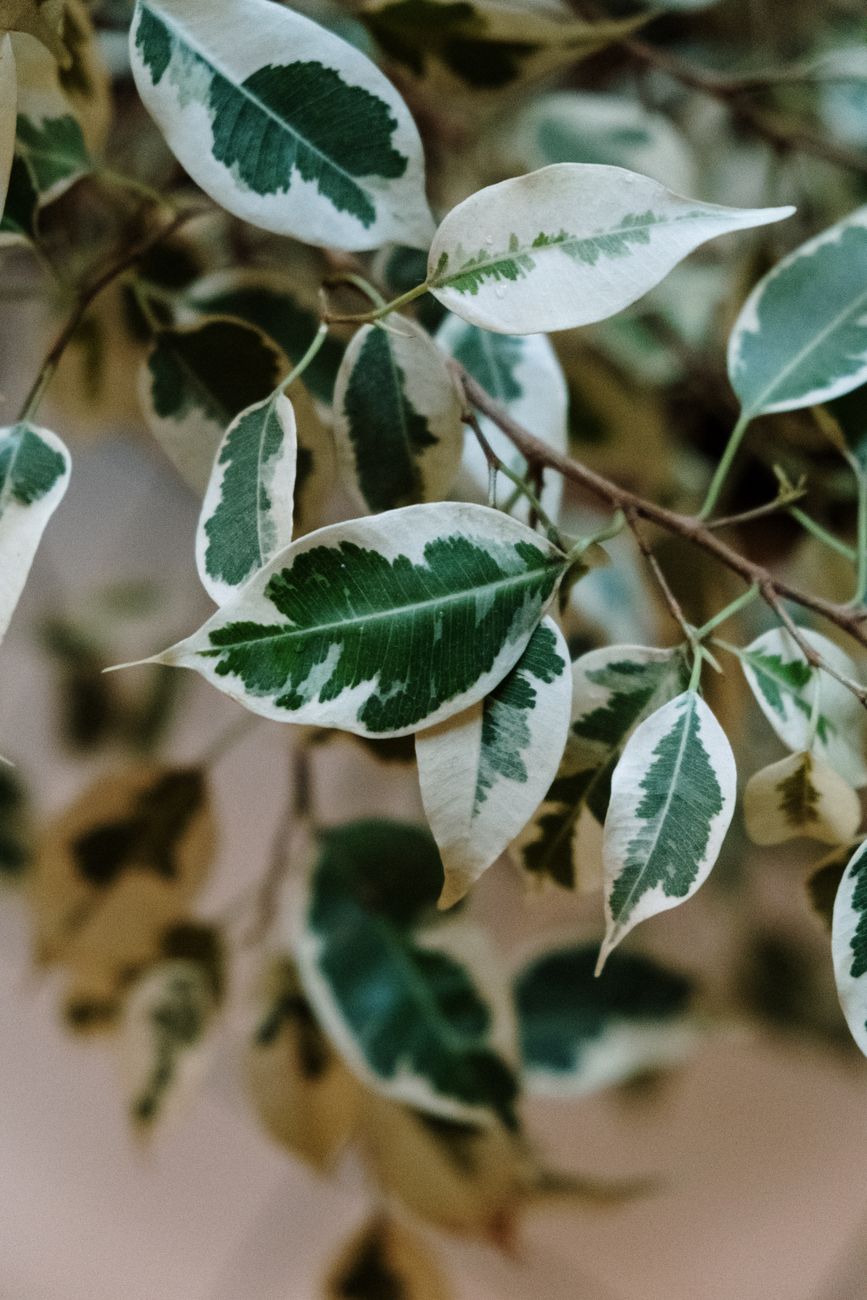
Introduction to Variegation and the Reversion Challenge for UK Gardeners
Now, if you're anything like me, you'll know that there's something truly magical about a variegated plant. Those splashes of cream, yellow, or even pink against a backdrop of green – they just add a whole extra layer of pizzazz to the garden, don't they? I've always been a sucker for them, ever since I first started digging around in my 800 sq ft Midlands garden five years ago. From the subtle edges of a Hosta to the dramatic leaves of a variegated Acer, they bring a unique texture and brightness that plain green foliage just can't quite match. They’re like the natural world’s own little works of art, catching your eye even on the greyest British day.
But, and there's always a 'but' in gardening, isn't there? These stunning plants come with their own unique challenge: reversion. If you've ever watched a beautifully patterned leaf slowly give way to solid green, you know the heartbreak I'm talking about. It’s like Mother Nature decided your plant was a bit too fancy and needed to get back to basics. I learned this the hard way with a gorgeous Euonymus fortunei 'Emerald 'n' Gold' that I'd carefully placed near my greenhouse door. Over a couple of seasons, I started noticing solid green shoots popping up, growing faster and stronger, threatening to completely engulf the lovely variegated sections. It felt like a betrayal!
Here in the UK, with our often unpredictable weather – one minute a heatwave, the next a downpour – keeping variegated plants happy and true to their colours can feel like a bit of a dark art. But trust me, after years of experimenting, making my fair share of mistakes (like not pruning reverted growth soon enough, thinking it would 'sort itself out'), and getting my hands properly dirty, I’ve learned a thing or two about how to keep those patterns vibrant. This article is all about sharing those hard-won lessons from my own UK garden, from strategic snipping to perfect light placement, so you can keep your variegated beauties looking their best.
Why Variegated Plants Revert: Understanding the 'Green Takeover'
So, why do these stunning plants decide to ditch their fancy patterns and go full green? As a former IT bod, I'm always fascinated by the 'why' behind things, and understanding the science here really helps in preventing it. It all comes down to chlorophyll – that wonderful green pigment that allows plants to perform photosynthesis and turn sunlight into energy. The variegated parts of a plant, the cream, yellow, or white bits, have less chlorophyll, or sometimes none at all. This means they're less efficient at making food for the plant.
The plain green parts, however, are packed with chlorophyll. They're like the super-efficient, turbo-charged engines of the plant world. This makes them much more vigorous and faster-growing. It's a survival strategy, really. If a plant can produce a solid green shoot, that shoot is going to be more robust, grow quicker, and ultimately outcompete its less efficient variegated siblings for resources like light and nutrients. In my greenhouse, I've seen this happen with my variegated tomatoes – any green shoot that appears on a 'Striped German' plant will just rocket upwards, trying to take over. It’s a constant battle, especially in our British growing season when every bit of light counts!
Sometimes, reversion is triggered by environmental stress – things like too much or too little light, incorrect watering, or even nutrient deficiencies. But often, it's just a natural genetic instability within the plant. The plant's cells 'remember' their original, all-green form and sometimes revert to it. It’s Mother Nature’s way of ensuring the strongest, most self-sufficient parts of the plant thrive, even if it means losing that gorgeous pattern we all love.
To help illustrate the difference, here's a quick comparison of why green tissue always has the upper hand:
| Feature | Variegated Tissue (e.g., White/Cream Sections) | Green Tissue (Reverted Growth) |
|---|---|---|
| Chlorophyll | Low or absent | High and abundant |
| Photosynthesis | Less efficient; produces less energy | Highly efficient; produces abundant energy |
| Growth Rate | Slower, often weaker | Faster, stronger, more vigorous |
| Survival Advantage | Relies on green parts for energy; vulnerable | Self-sufficient; robust; outcompetes variegated parts |
| Colour Stability | Genetically less stable; prone to reversion | Genetically stable; represents original form |
| Resource Use | Requires more sunlight to compensate for inefficiency | Maximizes sunlight absorption; efficient resource use |
Mastering the Snip: Strategic Pruning to Halt Reversion and Maintain Pattern
This is where your trusty secateurs become your best friend in the fight against reversion. Honestly, strategic pruning is the single most effective thing you can do to maintain those beautiful patterns. It’s a bit like giving your plant a haircut to encourage the desired style. I’ve learned this the hard way over the years; being too timid with the snip often means the reversion just gets worse and worse.
The key is early detection. Regularly inspect your variegated plants – I make it a point to do a quick visual check whenever I'm watering or weeding around them. What you're looking for are any shoots or leaves that are entirely green, especially if they look more vigorous and are growing faster than the variegated parts. These 'green' shoots are the revertants, and they're essentially trying to take over.
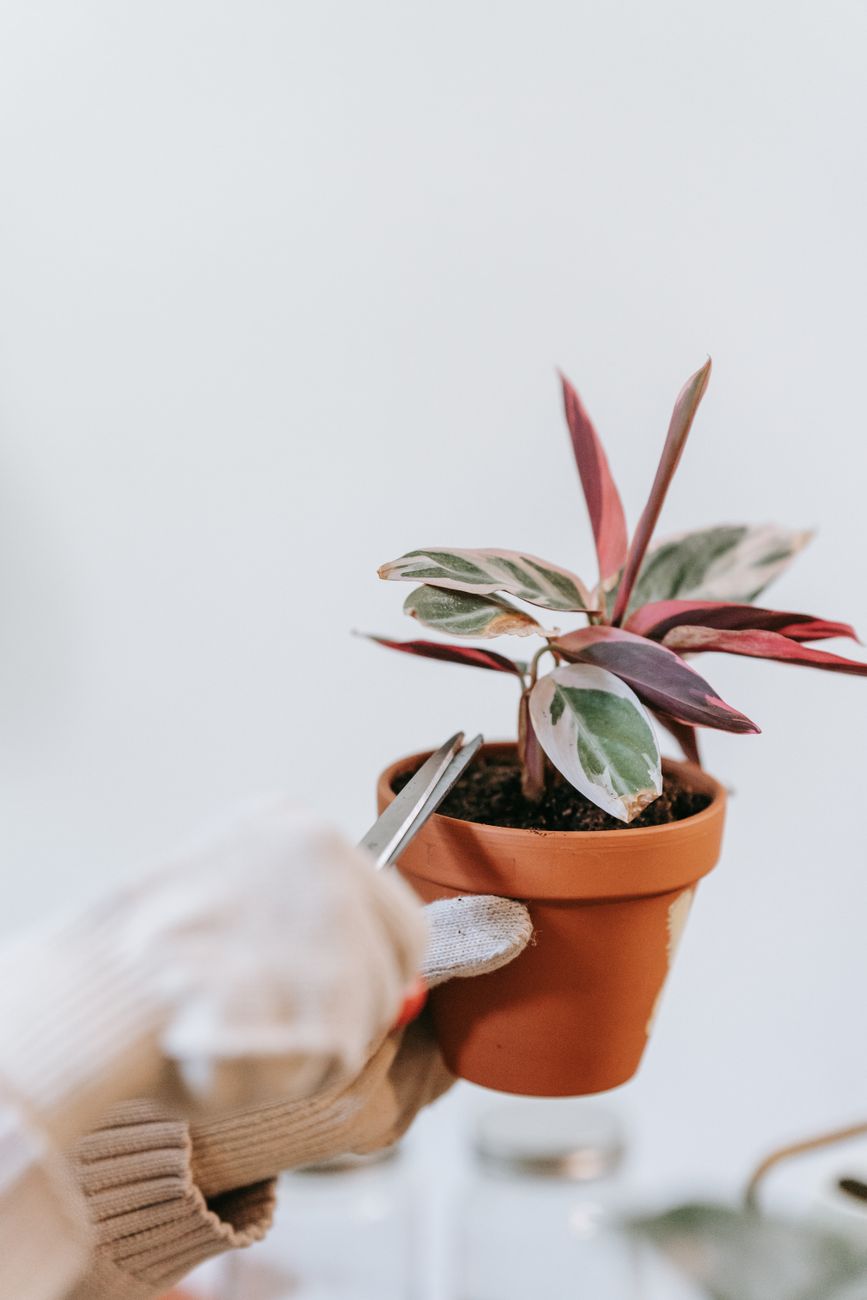
When you spot reverted growth, don't hesitate. Snip it off immediately. The trick is to cut back far enough into the variegated part of the plant, ideally just above a node (where a leaf or branch emerges) that still shows the desired variegation. If you just trim the green leaf, the stem itself might still be green and will likely produce more green leaves. You need to remove the entire green section, tracing it back to its origin on a variegated stem. For example, with my variegated Hostas, if a leaf comes up completely green, I'll trace that stem right down to the base and remove it completely. For shrubs like my Cornus alba 'Sibirica Variegata', if I see an all-green branch, I'll follow it back to where it joins a variegated stem and make a clean cut there.
One mistake I made early on was being a bit too precious, thinking "Oh, it's just one little green leaf, it'll be fine." But even one small green shoot, given our relatively short UK growing season, can quickly become a dominant branch, sucking energy away from the patterned parts. Here in the Midlands, I usually aim to do this pruning in spring or early summer when the plant is actively growing, so it can recover quickly. Avoid heavy pruning during very cold spells or late autumn, as the fresh cuts can be susceptible to frost damage.
Sunlight & Shade: Crafting the Perfect Light Environment for Vibrant Variegation
Beyond the pruning, getting the light right is absolutely crucial for maintaining the vibrancy of your variegated plants. This is where our British weather, bless its cotton socks, makes things a bit of a dance. Too much intense sun, and those delicate white or yellow sections can scorch and turn crispy. Too little light, and the plant might try to produce more chlorophyll to compensate, leading to the variegation fading or, you guessed it, reverting to green!
It's a delicate balance, and what works for one variegated plant might not work for another, even in the same garden. I’ve learned that plants with white variegation, like my Hosta 'Patriot' or the white edges of my Elaeagnus pungens 'Maculata', generally prefer a bit more shade, especially during the hottest part of a rare UK summer's day. They're more prone to scorching. Yellow variegated plants, on the other hand, often need a bit more light to really bring out those golden hues. My Lonicera nitida 'Baggesen's Gold' looks its best in a spot that gets morning sun and afternoon shade.
In my 800 sq ft garden, I've found that dappled shade or morning sun with afternoon shade works wonders for most of my variegated beauties. For example, I have a couple of variegated Heucheras tucked under the partial shade of a fruit tree, and their patterns are absolutely stunning. My variegated tomatoes in the greenhouse, however, get plenty of light, but the greenhouse itself provides a filtered environment that prevents scorching. One summer, I nearly scorched a lovely Cornus alba 'Sibirica Variegata' that was in a particularly exposed, full-sun spot during a heatwave. The leaves turned a nasty brown on the white sections, a clear sign I needed to rethink its placement.
Understanding the specific needs of your plant and observing how it reacts to the light in your unique UK garden space is key. Don't be afraid to move a potted plant around or even transplant if a spot isn't working out.
Here's a general guide to how different light levels can impact variegation:
| Light Level | Impact on Variegation | UK Garden Application | Common Variegated Plants Suited |
|---|---|---|---|
| Full Sun | Can cause scorching of white/yellow sections; may encourage reversion if plant is stressed. | Best for robust varieties or those with yellow variegation that needs intensity. Ensure adequate watering during dry spells. | Yucca filamentosa 'Color Guard', some Phormium varieties, yellow-variegated shrubs |
| Partial Shade | Often ideal; protects delicate variegation from scorching while providing enough light for vibrant colour. | Morning sun with afternoon shade, or dappled light under deciduous trees. My go-to for many. | Most Hostas, variegated Heucheras, Acer palmatum 'Butterfly', Euonymus fortunei |
| Deep Shade | Can lead to variegation fading; encourages reversion as plant tries to maximize chlorophyll production. | Generally not recommended. Only a few extremely shade-tolerant varieties might tolerate it without losing pattern. | Limited options; some Hosta varieties might tolerate, but variegation may be subdued. |
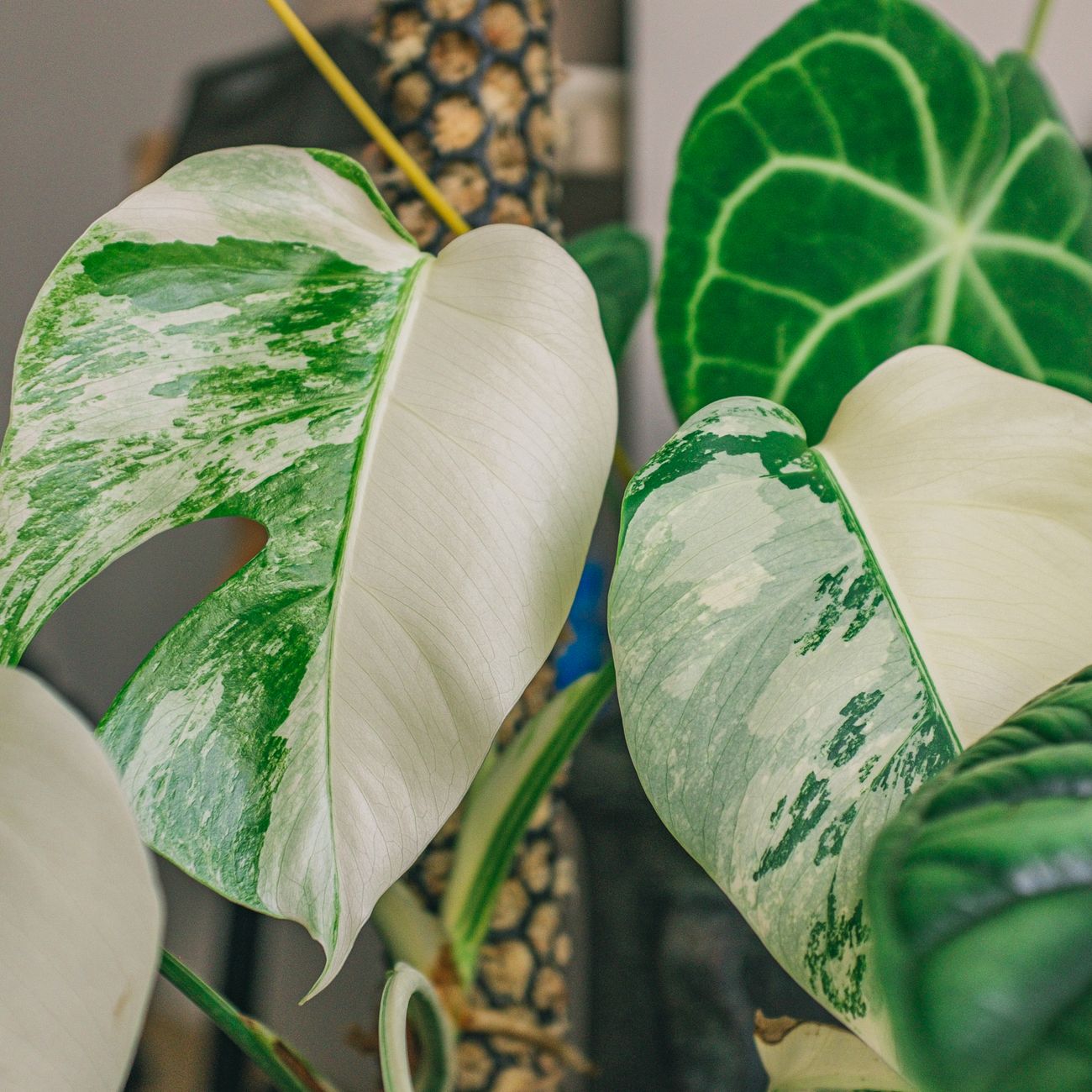
| Bright Indirect Light | Excellent for indoor variegated plants and greenhouse conditions; consistent, diffused light. | Inside a greenhouse, under a poly tunnel, or a bright spot indoors away from direct, harsh sun. | Variegated tomatoes (in greenhouse), many houseplants like Monstera deliciosa 'Albo Variegata' |
Propagating Variegated Plants: Ensuring Future Generations Retain Their Unique Patterns
So, you've mastered the snip and perfected your light game, but what about future generations? Keeping those stunning variegated patterns going often means getting your hands dirty with propagation. I’ve found this to be one of the most rewarding aspects of gardening, especially when you manage to replicate a particularly beautiful leaf pattern. It's like cloning a masterpiece, right here in your own UK garden!
I’ve propagated countless plants in my small greenhouse here in the Midlands, from variegated pelargoniums to sedum and even a particularly stubborn variegated mint that keeps trying to go completely green. The key, I’ve learned through a few disappointments, is to be incredibly selective. You absolutely must take cuttings from stems that display strong, stable variegation. If you take a cutting from a reverted green shoot, guess what? You'll just get a green plant. Simple as that, but it's a mistake I certainly made in my earlier gardening days.
For most herbaceous variegated plants, like my favourite variegated pelargoniums or coleus, I aim for softwood or semi-hardwood cuttings in late spring or early summer. This is when the plant is actively growing, and our British weather, while still a bit unpredictable, is generally warm enough to encourage rooting. I use a super sharp, clean pair of secateurs – hygiene is paramount to prevent disease, especially with our damp UK climate. I look for a healthy stem with several nodes, ensuring the cutting is about 4-6 inches long, and crucially, has strong variegation. I then carefully remove the lower leaves to expose a couple of nodes, which is where the roots will emerge.
While not strictly necessary for every plant, I often dip the cut end into some rooting hormone. I’ve found it gives them a slight edge, especially for some of the trickier varieties. Then, I pop them into a pot filled with a gritty, well-draining compost mix – usually a 50/50 blend of perlite and good quality peat-free compost. This mix provides excellent drainage and aeration, which is vital to prevent rot, a real risk with our often-humid UK summers. I then place the pots in my greenhouse, where the consistent warmth and humidity really help them along. A clear plastic bag over the pot can create a mini-greenhouse effect if you don't have a dedicated space, just remember to ventilate it regularly to prevent mould, another common challenge here in Britain.
It takes patience, usually a few weeks to a couple of months, but seeing those new roots emerge and then new, perfectly variegated leaves unfurl is just pure joy. It’s how I’ve ensured I always have a backup of my prized variegated plants, especially after a particularly harsh winter or if I want to share them with fellow UK gardeners.
Beyond the Basics: Watering, Feeding, and UK Climate Considerations for Variegated Health
While pruning and light management are your primary weapons against reversion, don't underestimate the supporting cast: proper watering, mindful feeding, and a keen eye on our unique UK climate. These elements are crucial for the overall health and vigour of your variegated plants, and a healthy plant is a resilient plant.
Let’s talk about watering first. Variegated plants often have less chlorophyll, making them a bit more sensitive than their all-green counterparts. This means they can be more susceptible to stress from either overwatering or underwatering. In my 800 sq ft Midlands garden, with its mix of raised beds and pots, I’ve learned that consistent, but not excessive, moisture is key. I always check the soil moisture with my finger before watering; if the top inch or two feels dry, it’s time for a drink. Overwatering, especially in our cooler, damper British spells, can lead to root rot, which is a swift killer for any plant, variegated or not. I've definitely made that mistake with some of my potted variegated hostas in a wet spring! Good drainage is absolutely non-negotiable.
Feeding is another area where a light touch is often best. While all plants need nutrients, an excess of nitrogen can encourage lush green growth, potentially triggering a reversion in variegated varieties. I generally opt for a balanced, all-purpose feed, or even one slightly higher in potassium (like a tomato feed, which I have plenty of for my heirloom tomatoes in the greenhouse!) during the growing season, but always at a reduced strength. I usually feed once every 4-6 weeks for my potted variegated plants, and perhaps once or twice a season for those in the ground, depending on their vigour and the richness of the soil. What works here in my garden is to err on the side of caution; it’s easier to add a bit more feed than to undo the effects of overfeeding.
UK Climate Considerations for Variegated Plants
Our British climate, with its wonderful unpredictability, throws unique challenges at variegated plants. Here's what I've learned to watch out for:
- Sudden Temperature Drops & Frost: Even 'hardy' variegated plants can suffer leaf damage from unexpected late frosts or early chills. My tender variegated coleus and pelargoniums always go into the greenhouse or a sheltered spot inside when the temperatures dip. For outdoor varieties like variegated euonymus or hostas, a good layer of mulch around the base can offer some root protection.
- Persistent Dampness & High Humidity: While some variegated plants appreciate humidity, prolonged dampness, especially cool and damp, can lead to fungal issues like powdery mildew or botrytis. Good air circulation is vital, particularly in my greenhouse where I pack in my tomatoes and other tender plants. Pruning for good airflow isn't just about reversion; it's about overall plant health in our British weather.
- Variable Sunlight: We've already covered light, but it bears repeating – our sun can be glorious one minute and hidden behind clouds the next. This constant fluctuation means you need to be adaptable. What might be perfect shade on a blazing July day could be too dark on a gloomy August afternoon. Keep an eye on your plants and adjust if necessary, perhaps by moving pots or adding temporary shade.
Here’s a quick comparison of general feeding strategies for variegated plants:
| Feeding Strategy | Pros | Cons | Randy's UK Experience (Midlands) |
|---|
## Propagating Variegated Plants: Ensuring Future Generations Retain Their Unique Patterns
So, you've mastered the snip and perfected your light game, but what about future generations? Keeping those stunning variegated patterns going often means getting your hands dirty with propagation. I’ve found this to be one of the most rewarding aspects of gardening, especially when you manage to replicate a particularly beautiful leaf pattern. It's like cloning a masterpiece, right here in your own UK garden!
I’ve propagated countless plants in my small greenhouse here in the Midlands, from variegated pelargoniums to sedum and even a particularly stubborn variegated mint that keeps trying to go completely green. The key, I’ve learned through a few disappointments, is to be incredibly selective. You absolutely *must* take cuttings from stems that display strong, stable variegation. If you take a cutting from a reverted green shoot, guess what? You'll just get a green plant. Simple as that, but it's a mistake I certainly made in my earlier gardening days, thinking any stem would do!
For most herbaceous variegated plants, like my favourite variegated pelargoniums (I'm particularly fond of 'Mrs Pollock' for its vibrant colours) or coleus, I aim for softwood or semi-hardwood cuttings in late spring or early summer. This is when the plant is actively growing, and our British weather, while still a bit unpredictable, is generally warm enough to encourage rooting. I use a super sharp, clean pair of secateurs – hygiene is paramount to prevent disease, especially with our damp UK climate. I look for a healthy stem with several nodes, ensuring the cutting is about 4-6 inches long, and crucially, has strong variegation. I then carefully remove the lower leaves to expose a couple of nodes, which is where the roots will emerge.
While not strictly necessary for every plant, I often dip the cut end into some rooting hormone powder. I’ve found it gives them a slight edge, especially for some of the trickier varieties, and helps them get established quicker. Then, I pop them into a pot filled with a gritty, well-draining compost mix – usually a 50/50 blend of perlite and good quality peat-free compost. This mix provides excellent drainage and aeration, which is vital to prevent rot, a real risk with our often-humid UK summers. I then place the pots in my greenhouse, where the consistent warmth and humidity really help them along. A clear plastic bag over the pot can create a mini-greenhouse effect if you don't have a dedicated space, just remember to ventilate it regularly to prevent mould, another common challenge here in Britain.
It takes patience, usually a few weeks to a couple of months, but seeing those new roots emerge and then new, perfectly variegated leaves unfurl is just pure joy. It’s how I’ve ensured I always have a backup of my prized variegated plants, especially after a particularly harsh winter or if I want to share them with fellow UK gardeners. For larger, clump-forming variegated perennials like hostas, division in spring is another fantastic method to maintain those patterns, ensuring each new section has a good bit of the patterned foliage.

## Beyond the Basics: Watering, Feeding, and UK Climate Considerations for Variegated Health
While pruning and light management are your primary weapons against reversion, don't underestimate the supporting cast: proper watering, mindful feeding, and a keen eye on our unique UK climate. These elements are crucial for the overall health and vigour of your variegated plants, and a healthy plant is a resilient plant.
Let’s talk about watering first. Variegated plants often have less chlorophyll, making them a bit more sensitive than their all-green counterparts. This means they can be more susceptible to stress from either overwatering or underwatering. In my 800 sq ft Midlands garden, with its mix of raised beds and pots, I’ve learned that consistent, but not excessive, moisture is key. I always check the soil moisture with my finger before watering; if the top inch or two feels dry, it’s time for a drink. Overwatering, especially in our cooler, damper British spells, can lead to root rot, which is a swift killer for any plant, variegated or not. I've definitely made that mistake with some of my potted variegated hostas in a wet spring, losing a beautiful 'Patriot' hosta because I didn't let the soil dry out enough! Good drainage is absolutely non-negotiable.
Feeding is another area where a light touch is often best. While all plants need nutrients, an excess of nitrogen can encourage lush green growth, potentially triggering a reversion in variegated varieties. I generally opt for a balanced, all-purpose feed, or even one slightly higher in potassium (like a tomato feed, which I have plenty of for my heirloom tomatoes in the greenhouse!) during the growing season, but always at a reduced strength. I usually feed once every 4-6 weeks for my potted variegated plants, and perhaps once or twice a season for those in the ground, depending on their vigour and the richness of the soil. What works here in my garden is to err on the side of caution; it’s easier to add a bit more feed than to undo the effects of overfeeding.
### UK Climate Considerations for Variegated Plants
Our British climate, with its wonderful unpredictability, throws unique challenges at variegated plants. Here's what I've learned to watch out for:
* **Sudden Temperature Drops & Frost:** Even 'hardy' variegated plants can suffer leaf damage from unexpected late frosts or early chills. My tender variegated coleus and pelargoniums always go into the greenhouse or a sheltered spot inside when the temperatures dip below 5°C. For outdoor varieties like variegated euonymus or hostas, a good layer of bark mulch (about 2-3 inches deep) around the base can offer some root protection, particularly for newer plantings.
* **Persistent Dampness & High Humidity:** While some variegated plants appreciate humidity, prolonged dampness, especially cool and damp, can lead to fungal issues like powdery mildew or botrytis. Good air circulation is vital, particularly in my greenhouse where I pack in my 'Cherokee Purple' tomatoes and other tender plants. Pruning for good airflow isn't just about reversion; it's about overall plant health in our British weather.
* **Variable Sunlight:** We've already covered light, but it bears repeating – our sun can be glorious one minute and hidden behind clouds the next. This constant fluctuation means you need to be adaptable. What might be perfect dappled shade on a blazing July day could be too dark on a gloomy August afternoon. Keep an eye on your plants and adjust if necessary, perhaps by moving pots or adding temporary shade with a piece of netting on particularly bright, hot days.
Here’s a quick comparison of general feeding strategies for variegated plants:
| Feeding Strategy | Pros | Cons | Randy's UK Experience (Midlands) |
| :------------------------- | :---------------------------------------------------------------------- | :--------------------------------------------------------------------- | :-------------------------------------------------------------------------------------------------------------------------------------------------------------------------------------------------------------------------------------------------------- |
| **High Nitrogen Feed** | Promotes rapid, lush leafy growth. | Can encourage reversion, less focus on flowers/pattern. | I avoid this entirely for variegated plants. I once used a 'growmore' on a variegated ivy, and it started throwing out more green shoots than ever. Lesson learned! |
| **Balanced All-Purpose Feed** | Good for general health, provides essential nutrients. | Still needs careful application to avoid over-fertilisation. | My go-to for most variegated plants. I usually dilute it to half strength and apply less frequently than recommended, especially for container plants. This works well for my variegated sedum and euonymus. |
| **Low Nitrogen, High P/K Feed** | Encourages flowering and root development, less green growth. | May not provide enough nitrogen for vigorous vegetative growth. | Great for variegated flowering plants like pelargoniums or those I want to encourage flowering on. I use a diluted tomato feed (high K) on these, and it seems to keep the colours vibrant without pushing too much green. |
| **Organic Feeds (Compost Tea, Worm Castings)** | Slow-release, improves soil structure, environmentally friendly. | Nutrient content can be less precise, slower results. | I love using compost tea on my garden beds. It's gentle and provides a lovely slow release of nutrients, which is perfect for my variegated hostas and ferns. It’s hard to overdo it with these, which is a bonus in our unpredictable climate. |
## Embracing the Variegated Journey: Long-Term Success for UK Home Gardeners
Well, there you have it, fellow gardeners! We've journeyed through the fascinating world of variegation, delved into the mysteries of reversion, and armed ourselves with practical strategies to keep those stunning patterns thriving in our UK gardens. From the initial snip of a reverted branch to crafting the perfect light conditions, and even propagating new generations, maintaining variegated plants is a genuinely rewarding endeavour.
After five years of intense gardening here in the Midlands, experimenting with everything from heirloom tomatoes in my greenhouse to a myriad of variegated foliage plants in my raised beds, I can tell you that the joy of seeing a perfectly patterned leaf is immense. It's a constant reminder of nature's artistry and our role in nurturing it. These techniques – strategic pruning, understanding light, and careful propagation – aren't just theoretical; they are methods I've honed through real-world successes and, yes, a few inevitable British gardening blunders.
Remember, reversion isn't a failure on your part; it's a plant's natural tendency. Our job as gardeners is to be observant, proactive, and patient. Think of it as an ongoing conversation with your plants. They tell you what they need through their growth, and we respond with a judicious snip,