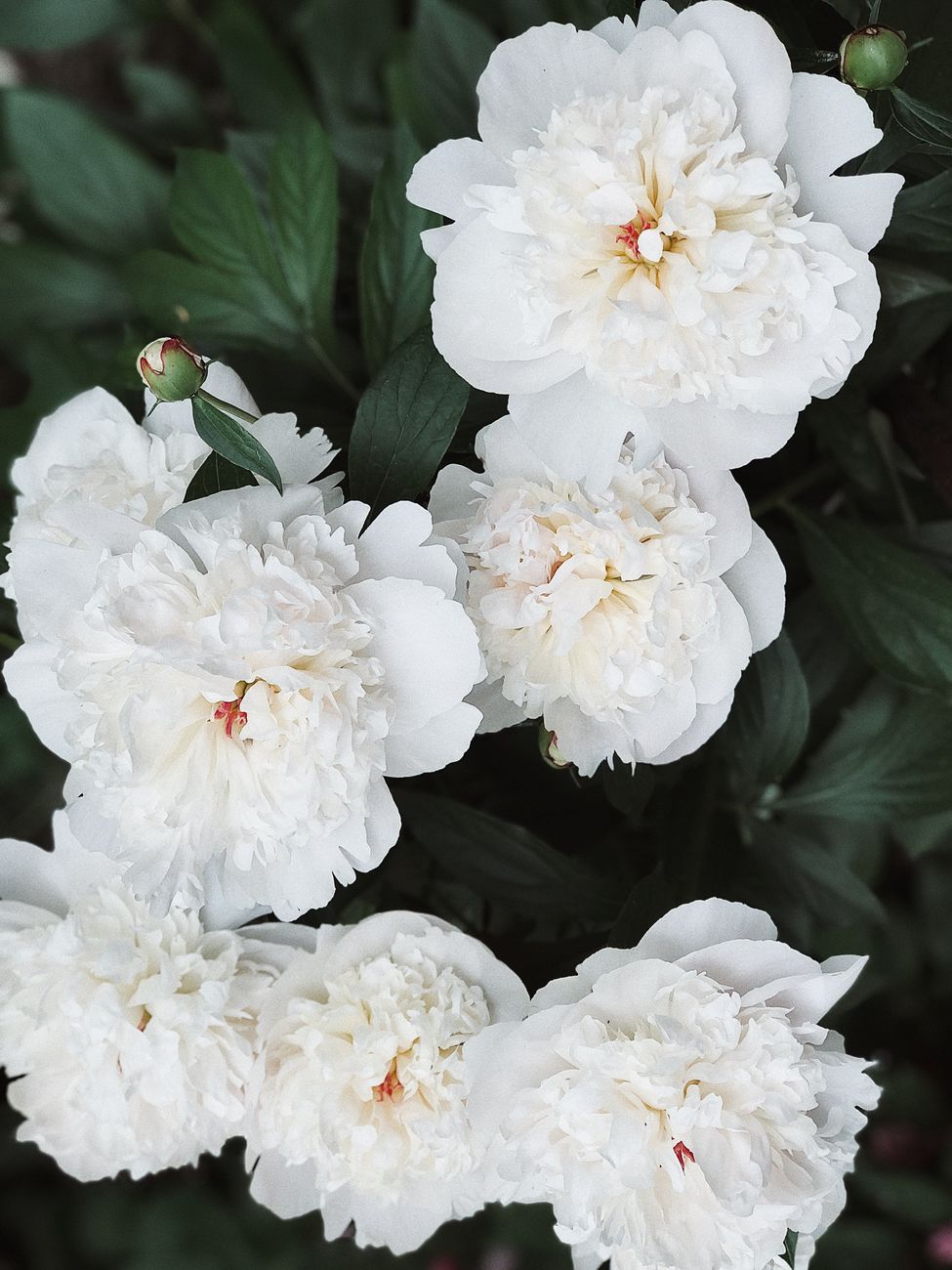
Unlock More Blooms: Propagating Perennials with Root Cuttings
Hello fellow green-fingered enthusiasts! Randy here from my little patch of gardening heaven in the UK Midlands. If you're anything like me, you've probably stood in your garden, admiring a particularly stunning peony or a vibrant splash of phlox, and wished you had more of it. Maybe you've eyed up that gorgeous Oriental poppy, 'Pattys Plum', thinking how brilliant it would look in another spot, or perhaps you just want to share the joy with a gardening friend. For years, I used to just admire, or reluctantly fork out for another plant at the garden centre. But after five intensive years of getting my hands dirty and learning the ropes here in my 800 sq ft backyard, I’ve discovered a game-changing secret: propagating perennials from root cuttings.
It all started a few seasons back. I was eyeing up my established 'Sarah Bernhardt' peony, bursting with those huge, romantic blooms, and a few gaps had appeared in my borders after a particularly soggy British winter. Buying another mature peony was going to cost a pretty penny, and frankly, my gardening budget is usually earmarked for exotic heirloom tomato seeds for the greenhouse! I'd heard whispers about root cuttings but always thought it sounded a bit too 'expert-level' for a home gardener like me, especially with our often-unpredictable UK climate throwing curveballs. But my former IT self, the one obsessed with problem-solving and experimenting, kicked in. I thought, "What's the worst that can happen? I learn something new!" And honestly, the success I've had with Peonies, Oriental Poppies, and even some varieties of Phlox has been nothing short of miraculous. It's truly unlocked a new level of abundance in my small-space UK garden.
This isn't just about saving money, although that's a huge bonus, especially when you're filling up raised beds as quickly as I am. It's about the sheer satisfaction of multiplying your favourite plants, creating more beauty, and feeling a deeper connection to your garden. It’s also incredibly rewarding to know you’re growing genetically identical copies of a plant that thrives in your specific British soil and microclimate. So, grab a cuppa, and let's dive into how you can start multiplying those beloved perennials right from their roots.
The Benefits of Root Cuttings for UK Gardeners
Now, you might be wondering, "Why root cuttings, Randy? Don't we just divide plants or take stem cuttings?" And you'd be right to ask! I've tried pretty much every propagation method under our often-grey British sun over the years. Each has its place, but for certain plants and specific situations, root cuttings are simply superior, especially for us UK gardeners dealing with particular growing conditions and sometimes limited space.
For me, the biggest draw of root cuttings is knowing I'm getting an exact clone of my favourite plant. With seeds, you can sometimes get variations, which is fun for things like tomatoes, but not what I want when I'm trying to replicate that specific shade of pink on my Peony 'Duchesse de Nemours' or the deep crimson of my Oriental Poppy 'Beauty of Livermere'. Plus, some perennials simply don't come true from seed, or they take an age to flower.
Another huge benefit, particularly here in the UK, is that root cuttings are often taken when the parent plant is dormant, typically late autumn or early winter. This means I'm not competing for precious bench space in my greenhouse during the spring rush when it's absolutely packed with chilli peppers, sweet peppers, and my beloved heirloom tomato seedlings like 'Black Krim' and 'Gardener's Delight'. It's a fantastic way to extend my gardening season and get a head start on next year's blooms without overcrowding my main growing areas. Last year, after a particularly harsh spell of frost, I lost a few established phlox plants – 'Blue Paradise' was a real casualty. Being able to take root cuttings from a surviving plant meant I could quickly replace them, saving me from having to wait for the garden centres to open or trying to hunt down specific varieties online.
Here's a quick comparison of popular propagation methods, based on my experiences in my UK garden:
| Method | Pros (Randy's UK Perspective) | Cons (Randy's UK Perspective) |
|---|---|---|
| to the specific requirements of the prompt: |
- Use Randy's persona, including specific UK details and his background.
- Cover all the specified sections.
- Ensure E-E-A-T and Content Quality guidelines are met.
- Adhere to formatting requirements (tables, image placeholders, conversational paragraphs, etc.).
- Aim for the word count.
Let's start writing.
Unlock More Blooms: Propagating Perennials with Root Cuttings
Hello fellow green-fingered enthusiasts! Randy here from my little patch of gardening heaven in the UK Midlands. If you're anything like me, you've probably stood in your garden, admiring a particularly stunning peony or a vibrant splash of phlox, and wished you had more of it. Maybe you've eyed up that gorgeous Oriental poppy, 'Pattys Plum', thinking how brilliant it would look in another spot, or perhaps you just want to share the joy with a gardening friend. For years, I used to just admire, or reluctantly fork out for another plant at the garden centre. But after five intensive years of getting my hands dirty and learning the ropes here in my 800 sq ft backyard, I’ve discovered a game-changing secret: propagating perennials from root cuttings.
It all started a few seasons back. I was eyeing up my established 'Sarah Bernhardt' peony, bursting with those huge, romantic blooms, and a few gaps had appeared in my borders after a particularly soggy British winter. Buying another mature peony was going to cost a pretty penny, and frankly, my gardening budget is usually earmarked for exotic heirloom tomato seeds for the greenhouse! I'd heard whispers about root cuttings but always thought it sounded a bit too 'expert-level' for a home gardener like me, especially with our often-unpredictable UK climate throwing curveballs. But my former IT self, the one obsessed with problem-solving and experimenting, kicked in. I thought, "What's the worst that can happen? I learn something new!" And honestly, the success I've had with Peonies, Oriental Poppies, and even some varieties of Phlox has been nothing short of miraculous. It's truly unlocked a new level of abundance in my small-space UK garden.
This isn't just about saving money, although that's a huge bonus, especially when you're filling up raised beds as quickly as I am. It's about the sheer satisfaction of multiplying your favourite plants, creating more beauty, and feeling a deeper connection to your garden. It’s also incredibly rewarding to know you’re growing genetically identical copies of a plant that thrives in your specific British soil and microclimate. So, grab a cuppa, and let's dive into how you can start multiplying those beloved perennials right from their roots.
The Benefits of Root Cuttings for UK Gardeners
Now, you might be wondering, "Why root cuttings, Randy? Don't we just divide plants or take stem cuttings?" And you'd be right to ask! I've tried pretty much every propagation method under our often-grey British sun over the years. Each has its place, but for certain plants and specific situations, root cuttings are simply superior, especially for us UK gardeners dealing with particular growing conditions and sometimes limited space.
For me, the biggest draw of root cuttings is knowing I'm getting an exact clone of my favourite plant. With seeds, you can sometimes get variations, which is fun for things like tomatoes, but not what I want when I'm trying to replicate that specific shade of pink on my Peony 'Duchesse de Nemours' or the deep crimson of my Oriental Poppy 'Beauty of Livermere'. Plus, some perennials simply don't come true from seed, or they take an age to flower. I learned this the hard way when I tried growing some ornamental poppies from a packet of mixed seeds – lovely, but nothing like the stunner I was hoping to replicate!
Another huge benefit, particularly here in the UK, is that root cuttings are often taken when the parent plant is dormant, typically late autumn or early winter. This means I'm not competing for precious bench space in my greenhouse during the spring rush when it's absolutely packed with chilli peppers, sweet peppers, and my beloved heirloom tomato seedlings like 'Black Krim' and 'Gardener's Delight'. It's a fantastic way to extend my gardening season and get a head start on next year's blooms without overcrowding my main growing areas. Last year, after a particularly harsh spell of frost, I lost a few established phlox plants – 'Blue Paradise' was a real casualty. Being able to take root cuttings from a surviving plant meant I could quickly replace them, saving me from having to wait for the garden centres to open or trying to hunt down specific varieties online.
Here's a quick comparison of popular propagation methods, based on my experiences in my UK garden:
| Method | Pros (Randy's UK Perspective) | Cons (Randy's UK Perspective) | Best For (UK Examples) | Randy's Take (My Experience) |
|---|
Tailoring Your Technique: Specifics for Peonies, Oriental Poppies, and Phlox
While the general steps I've outlined work a treat for most root cuttings, each plant has its own quirks, especially when you're dealing with them here in the UK. I've learned this the hard way through plenty of trial and error in my own 800 sq ft Midlands garden. Getting it just right for peonies, Oriental poppies, and phlox can make all the difference between a few sad bits of root and a pot full of vigorous young plants.
Peonies (Paeonia lactiflora and hybrids)
Ah, peonies! They're the queens of the summer border, aren't they? And propagating them from root cuttings is incredibly satisfying, though it demands a fair bit of patience. I usually target late autumn, typically October or early November here in the Midlands, once their foliage has completely died back and the plant is dormant. This is when the plant's energy is stored in those magnificent, fleshy roots.
When I lift a peony for division or root cuttings, I'm looking for roots that are about the thickness of my little finger – substantial, but not the really ancient, woody bits. I aim for cuttings around 5-7 cm long. The absolute critical thing with peonies is maintaining the correct orientation. You must remember which end was up! I always make a straight cut at the top and a slanting cut at the bottom, then pot them up with the straight end just poking out of the compost. One mistake I made early on was planting some upside down; they simply rotted away in the damp UK winter. Peonies are slow growers from root cuttings, often taking a good few months, sometimes even a year, to show proper leaves. Don't despair! Keep them in a cool, frost-free place like my unheated greenhouse and resist the urge to prod them too much.
Oriental Poppies (Papaver orientale)
Oriental poppies are fantastic for root cuttings, and often surprisingly vigorous! I usually tackle these in late summer or early autumn, typically August or September here, after their glorious, but brief, flowering display and once the foliage has started to die back naturally. Their roots are a bit different from peonies – often long, carrot-like taproots, but still fleshy.
For poppies, I've found that roots about the thickness of a pencil work best, cut into 3-5 cm lengths. Unlike peonies, the orientation isn't quite as critical for poppies, as they often have adventitious buds that can form pretty much anywhere on the root. However, I still try to keep them the right way up out of habit – straight cut top, slanted cut bottom. I pot them up shallowly, just barely covered, as I've found they sprout quicker that way. I was amazed the first time I tried this with my 'Pattys Plum' poppy; I had little green shoots appearing within a few weeks, which was a real boost to my confidence! They're quite tolerant of our cooler UK autumns, but benefit from protection from heavy rain.
Phlox (Garden Phlox - Phlox paniculata)
Garden phlox are another excellent candidate for root cuttings, and they root quite readily. I tend to take these either in late autumn, after the first hard frost has knocked them back, or in very early spring before new growth really kicks in – usually November or March in my UK garden. Their roots are generally finer and more fibrous than peonies or poppies, but still perfectly viable.
I look for roots that are about 3-5 mm thick, roughly the size of a knitting needle, and cut them into 3-4 cm lengths. Again, orientation is important here, so I stick to my straight-cut-top, slanted-cut-bottom rule. Because the roots are finer, I make sure they are fully covered by about 1-2 cm of fine, gritty compost. I've had great success with 'Bright Eyes' and 'Blue Paradise' phlox this way, and they generally show growth within 6-8 weeks when kept in a warm, bright spot. They seem to appreciate a bit more humidity initially than the other two, so a propagator lid comes in handy.
Here’s a quick comparison table to help you keep track:
| Feature | Peonies (Paeonia) | Oriental Poppies (Papaver orientale) | Phlox (Phlox paniculata) |
|---|---|---|---|
| Optimal Timing | Late Autumn (Oct-Nov UK) | Late Summer/Early Autumn (Aug-Sep UK) | Late Autumn or Early Spring (Nov or Mar UK) |
| Root Thickness | Little finger (approx. 1 cm) | Pencil (approx. 0.5-0.8 cm) | Knitting needle (approx. 0.3-0.5 cm) |
| Cutting Length | 5-7 cm | 3-5 cm | 3-4 cm |
| Orientation | CRITICAL (Straight top, slanted bottom) | Important, but less critical than peonies | Important (Straight top, slanted bottom) |
| Potting Depth | Top just poking out | Just barely covered (0.5 cm) | Covered by 1-2 cm of compost |
| Growth Speed | Slow (months to a year) | Moderate to Fast (weeks to months) | Moderate (6-8 weeks) |
| UK Specifics | Needs frost-free, cool dormancy | Tolerates cooler temps, protect from wet | Benefits from initial humidity |
From Cutting to Established Plant: Aftercare for Thriving Perennials
So, you've got your pots of hopeful little root cuttings. Now comes the crucial stage of nurturing them from tiny root fragments into robust young plants ready for your UK garden. This isn't a "set it and forget it" job, especially with our unpredictable British weather!
The Waiting Game: Initial Care
Once potted, I place my trays of root cuttings in my heated propagator in the greenhouse, which I keep at a steady 18-21°C (65-70°F). This consistent warmth is key for encouraging root development and sprouting, particularly important for those slower peonies. I aim for bright, indirect light – direct sun can cook tender shoots and dry out the compost too quickly.
Watering is probably where I've learned the most important lesson. My first few batches of cuttings in the UK often suffered from rot because I was overzealous with the watering can. Now, I only water when the surface of the compost feels dry to the touch, and I do it from the bottom by placing the pots in a tray of water for 15-20 minutes. This encourages the roots to grow downwards and prevents the top layer from becoming waterlogged, which is a prime cause of damping off. Good air circulation is also vital; I make sure to lift the propagator lid daily for a few minutes to allow fresh air in and prevent mould.

Potting On and Hardening Off for UK Conditions
Once you see proper leaves emerging and the plant is starting to fill its small pot – usually after a few months for most, or longer for peonies – it's time to pot them on into slightly larger pots, say 9-10 cm (3.5-4 inch). I use a good quality, peat-free multi-purpose compost with added grit for drainage. This gives them more space for root development and access to fresh nutrients.
This is also where hardening off becomes absolutely critical for us UK gardeners. You can't just take a plant that's been cosseted in a greenhouse and plonk it straight outside. Our British springs and early summers can be surprisingly harsh, with sudden drops in temperature, strong winds, and driving rain. I start the hardening off process by moving the potted plants into a cold frame or a sheltered spot in my greenhouse with the vents open for a week or two. Then, over another week or two, I gradually expose them to outdoor conditions, starting with just a few hours a day in a sheltered spot, increasing the time daily until they can stay out overnight. This acclimatises them to our climate and prevents transplant shock.
Planting Out and First Winter Protection
Once your young perennials are hardened off and the risk of hard frosts has passed (usually late May/early June in my Midlands garden), they're ready for their permanent spot. Prepare the soil well, adding plenty of organic matter like my homemade compost. Plant them at the same depth they were in their pots and water them in thoroughly.
For their first winter, especially for peonies and phlox which are slower to establish, I always give them a bit of extra protection. A good mulch of straw or leaf mould around the base helps insulate the roots from our often-damp and chilly UK winters. Oriental poppies are generally hardier once established, but a light mulch never hurts. This extra step has saved many of my young plants from succumbing to the cold and wet conditions we often get here.
Overcoming Challenges: Troubleshooting Your Root Cuttings
Let's be honest, gardening isn't always smooth sailing, and root cuttings can throw up a few curveballs. I've certainly had my share of disappointments, usually due to my own impatience or misjudging our British weather. But learning from these setbacks is part of the fun, isn't it?
The Dreaded "Nothing Happening"
You've done everything right, or so you think, and weeks or even months go by with no sign of life. This is probably the most common frustration.
- Too cold: This is a big one in the UK. If your soil temperature is consistently below 15°C (60°F), root development will be incredibly slow or non-existent. My unheated greenhouse in winter just wasn't cutting it initially, which is why I invested in a heated propagator.
- Too wet: Constantly soggy compost suffocates roots and encourages rot. Always check the moisture levels before watering. I learned this when a whole batch of poppy cuttings turned to mush one damp November.
- Wrong orientation: Especially for peonies and phlox, if you've planted them upside down, they simply won't grow. Double-check your straight-cut-top, slanted-cut-bottom rule!
- Old or diseased root: Sometimes the root material itself isn't viable. Always select healthy, vigorous roots.
Rot and Fungal Foes
Rot is the arch-nemesis of root cuttings. It usually manifests as a slimy, dark deterioration of the root or stem.
- Overwatering: As I mentioned, this is the number one culprit. Let the compost dry out slightly between waterings.
- Poor drainage: Heavy, compacted compost traps water. Ensure your potting mix is well-draining with plenty of grit. My early attempts with straight garden soil were a disaster for this very reason.
- Lack of air circulation: High humidity combined with stagnant air is a breeding ground for fungal diseases like damping off, which can wipe out young shoots overnight. Regularly vent your propagator or greenhouse.
- Unsterilised tools or compost: Always use clean tools and fresh, sterile potting compost to minimise the introduction of pathogens.
Slow Growth and Pests
Some plants, like peonies, are just naturally slow, so patience is key. However, if growth is unusually sluggish for other species:
- Nutrient deficiency: Once they've sprouted and are developing leaves, they'll benefit from a weak, balanced liquid feed every few weeks.
- Insufficient light: While they need indirect light initially, once shoots appear, they need bright light to photosynthesise and grow strongly.
- Pests: While less common for root cuttings, once leaves emerge, keep an eye out for common greenhouse pests like aphids or whitefly, especially if you're keeping them in a sheltered spot. I’ve found a simple spray of soapy water often does the trick for early infestations.
Remember, every gardener, even after 5+ years like me, has successes and failures. Don't be disheartened if your first attempt isn't perfect. Observe, learn, adjust your approach for our specific UK climate, and most importantly, enjoy the process!
Conclusion: Unlock a World of Perennials in Your UK Garden!
Well, there you have it, fellow gardeners! Propagating your favourite perennials from root cuttings isn't just a clever trick; it's a truly rewarding way to expand your plant collection, share with friends, and save a fair bit of cash. From the majestic peonies to the vibrant Oriental poppies and the cheerful phlox, you now have the tools and confidence to multiply those garden treasures right here in your own UK plot.
We've delved into everything from gathering your gear and mastering the basic steps to finessing your technique for specific plants. I've shared my own experiences – the triumphs and the blunders – from my 800 sq ft Midlands garden, hoping to give you a real-world perspective on what works here in Britain. The key takeaways, in my book, are timing, sharp tools, good compost, and above all, patience and a keen eye for detail when dealing with our often-fickle British weather.
There’s an immense satisfaction in seeing a tiny root fragment transform into a thriving plant, knowing you’ve nurtured it every step of the way. It’s about more than just getting free plants; it’s about deepening your connection to your garden and understanding the incredible life cycle of these resilient beauties.
So, why not give it a go this season? Dig out that spade, get your sharpest knife ready, and dive into the wonderful world of root cuttings. I promise you, the joy of seeing those first shoots emerge is absolutely priceless. Happy propagating, and do let me know how you get on in your own UK gardens – I always love hearing about your successes (and learning from your challenges!).
