If there's one thing us British gardeners can absolutely count on, it's the sheer unpredictability of our weather. One moment it's glorious sunshine, the next a sudden squall sweeps through, rattling the windows and, more importantly for us green-fingered folk, battering our carefully tended vegetable patches. I'm Randy Thompson, a 32-year-old passionate home gardener here in the UK Midlands, and I've spent the last five years transforming my 800 sq ft backyard into a thriving hub of raised beds and a bustling greenhouse. After years hunched over a keyboard in IT, I found my true calling digging in the soil, and ever since, I've been obsessed with experimenting, learning, and sharing the real, muddy experiences from my garden.
One of my biggest and earliest challenges, and frankly, one that still keeps me on my toes, is the relentless wind. It’s not just a nuisance; it’s a silent crop killer if you don't tackle it head-on. This isn't about just keeping your plants upright; it's about creating a microclimate where they can truly flourish, leading to those bumper harvests we all dream of. From heirloom tomatoes in my greenhouse to the hardiest brassicas in my exposed beds, I've learned a thing or two about protecting my produce from the elements, often the hard way! So, grab a cuppa, and let's dive into how we can give your vegetable garden the shelter it deserves, using DIY barriers, clever plant choices, and strategic placement, all tailored for our unique British climate.
1. Battering Winds: Why Your UK Vegetable Patch Needs Protection
Here in the UK, especially in the relatively open expanse of the Midlands where my garden sits, wind isn't just an occasional annoyance; it's a constant, often brutal, force of nature. When I first started gardening five years ago, I naively thought a sturdy stake would be enough for my taller plants. Oh, how wrong I was! I quickly learned that wind damage goes far beyond simply toppling a beanstalk.
The physical stress on plants is immense. Imagine trying to grow when you're constantly being buffeted and bent. This uses up precious energy that your vegetables should be putting into growing leaves, flowers, and fruit. Beyond the obvious snapping of stems or tearing of leaves, wind relentlessly strips moisture from plants through increased transpiration – essentially, drying them out faster than their roots can take up water. This is particularly problematic during dry spells, even here in our often-damp climate, as it leads to wilting and stunted growth. I've seen my courgettes, usually so vigorous, look utterly pathetic after a few days of blustery weather, their large leaves acting like sails, encouraging excessive water loss.
Then there's the soil. Wind can erode the top layer of your precious, nutrient-rich soil, especially in raised beds where it's more exposed. I've walked out to my beds after a particularly gusty night to find bare patches around the base of my plants, the fine soil blown away. This exposes roots, further stresses the plants, and reduces the soil's ability to retain moisture. What works here in Britain is understanding that our winds aren't just strong; they're often cold, too, particularly in spring. These cold winds can chill tender young seedlings, stunting their growth and making them more susceptible to pests and diseases. Protecting your patch isn't just about preventing breakage; it's about creating a calmer, more consistent environment where your plants can thrive, leading to those truly satisfying, abundant harvests.
2. Recognising Wind Damage: From Stunted Growth to Broken Stems
Spotting wind damage isn't always as dramatic as a snapped stem, though that certainly happens. Over my five years of growing in my UK garden, I've become quite adept at reading the subtle (and not-so-subtle) signs that the wind has been having its way with my plants.
One of the most common indicators is stunted growth. If your seedlings or young plants just aren't putting on the growth you'd expect, even with adequate water and nutrients, wind could be the culprit. The constant movement and stress mean they're expending energy on survival rather than growth. My early season French beans, for example, often looked a bit sorry for themselves and never quite reached their potential until I started offering them some shelter.
Then there's the visible leaf damage. This can range from slight tearing along the edges to leaves that look completely shredded, almost like they've gone through a paper shredder. Large-leaved plants like courgettes, squash, and brassicas are particularly prone to this. I've seen my 'Romanesco' cauliflower leaves look utterly ragged after a prolonged period of strong gusts. You might also notice a dull, lacklustre appearance, or even a bronze tint on the leaves, especially on the windward side, which is a sign of desiccation.
Of course, there's the obvious stem breakage or bending. I learned this the hard way when dealing with our unpredictable British weather. One evening, a sudden gust tore through, and I lost a couple of prized 'Moneymaker' tomato plants that weren't adequately staked in my outdoor beds. Even if stems don't break, they can become permanently bent or "wind-burned," causing constricted growth.
Beyond the plant itself, look at the soil. Soil erosion is a clear sign, with bare patches appearing around the base of plants or where mulch has been blown away. If you've got flowers or young fruits, flower or fruit drop can be a devastating consequence. Wind can physically knock off delicate blooms, or the stress can cause the plant to abort its fruit to conserve energy. I've had entire crops of early peas decimated by strong winds just as they were setting pods. Recognising these signs early means you can intervene and protect your precious crops before it's too late.

3. Build Your Own Buffer: Effective DIY Windbreak Structures
When it comes to keeping those battering British winds at bay, a DIY windbreak is often the most practical and cost-effective solution for a home gardener like me. I've experimented with several types in my 800 sq ft Midlands garden, and what I've learned is that the key isn't to create a solid wall, but rather a permeable barrier. A solid wall will just cause the wind to rush up and over, creating turbulent eddies on the other side that can be even more damaging than the direct wind! A permeable barrier, however, slows the wind down, diffusing its force and creating a calmer zone.
Here are some of the effective DIY windbreak structures I've used and recommend for UK conditions:
Netting on Posts
This is a versatile and relatively inexpensive option. I use this extensively around my more exposed raised beds and for providing shelter to my outdoor 'Sungold' tomatoes. You can use anything from sturdy fruit cage netting to garden shade netting or even scaffold netting.
Willow Hurdles
These are not only effective but also add a lovely rustic aesthetic to the garden. I've bought these ready-made, but I've also had a go at weaving my own with willow harvested from local coppicing projects – a bit fiddly, but very rewarding! They're excellent for filtering wind and are quite durable.
Pallet Screens
If you can get your hands on some free pallets, these make fantastic, robust windbreaks. They're heavy, durable, and their slatted structure naturally creates that crucial permeability. I painted mine a dark green to blend into the background, and they've been a lifesaver for my more delicate herbs and leafy greens.
When designing your windbreak, remember that its protected zone extends about 7-10 times its height. So, a 1.5m tall windbreak could protect an area up to 10.5-15m downwind, though the most effective protection is usually within 3-5 times its height. I generally aim for a height of around 1.2m to 1.8m for most of my beds, depending on the crop.
| Type of DIY Windbreak | Materials Needed | Pros (for UK conditions) | Cons (for UK conditions) | My Experience in the Midlands |
|---|---|---|---|---|
| Netting on Posts | Sturdy posts (wood/metal), strong netting (fruit/scaffold), cable ties/staples | Very cost-effective, easy to install & remove, adjustable permeability, good for temporary/seasonal use. | Can look less aesthetic, needs regular checking for tears from strong gusts, posts might need reinforcing in soft soil. | I've used scaffold netting on 5ft hazel poles to protect my outdoor brassicas and sweetcorn; it's saved entire crops during blustery springs. Great for adaptable protection. |
| Willow Hurdles | Pre-made hurdles or willow whips, sturdy stakes (if not self-supporting) | Highly aesthetic, natural look, excellent permeability, durable if well-made, good insulation. | Can be more expensive to buy, DIY weaving is time-consuming, can eventually degrade (though takes years), may need staking in very windy spots. | My 4ft willow hurdles have been fantastic around my herb beds; they provide gentle shelter and absorb wind without creating turbulence. They're still going strong after 3 years! |
| Pallet Screens | Wooden pallets, posts (optional for extra height), screws/bolts, paint/preservative | Very sturdy & durable, often free/cheap materials, naturally permeable design, can be painted for aesthetics. | Heavy to move, can be bulky, requires some basic DIY skills (cutting, joining), might need treatment to prolong life. | I've repurposed 6 pallets to create a 6ft long, 4ft high screen for my exposed salad bed. It's incredibly solid and has transformed that area into a productive microclimate, even in our windiest spells. |

4. Quick Fixes: Temporary & Seasonal Wind Protection for Vulnerable Crops
While permanent windbreaks are fantastic, sometimes you need a quick, adaptable solution for specific crops or sudden weather changes. In my UK garden, especially with our notoriously fickle British weather, I’ve found that having a few temporary tricks up my sleeve can make all the difference between a thriving crop and a struggling one. These are particularly useful for young, tender plants or those vulnerable to seasonal gusts.
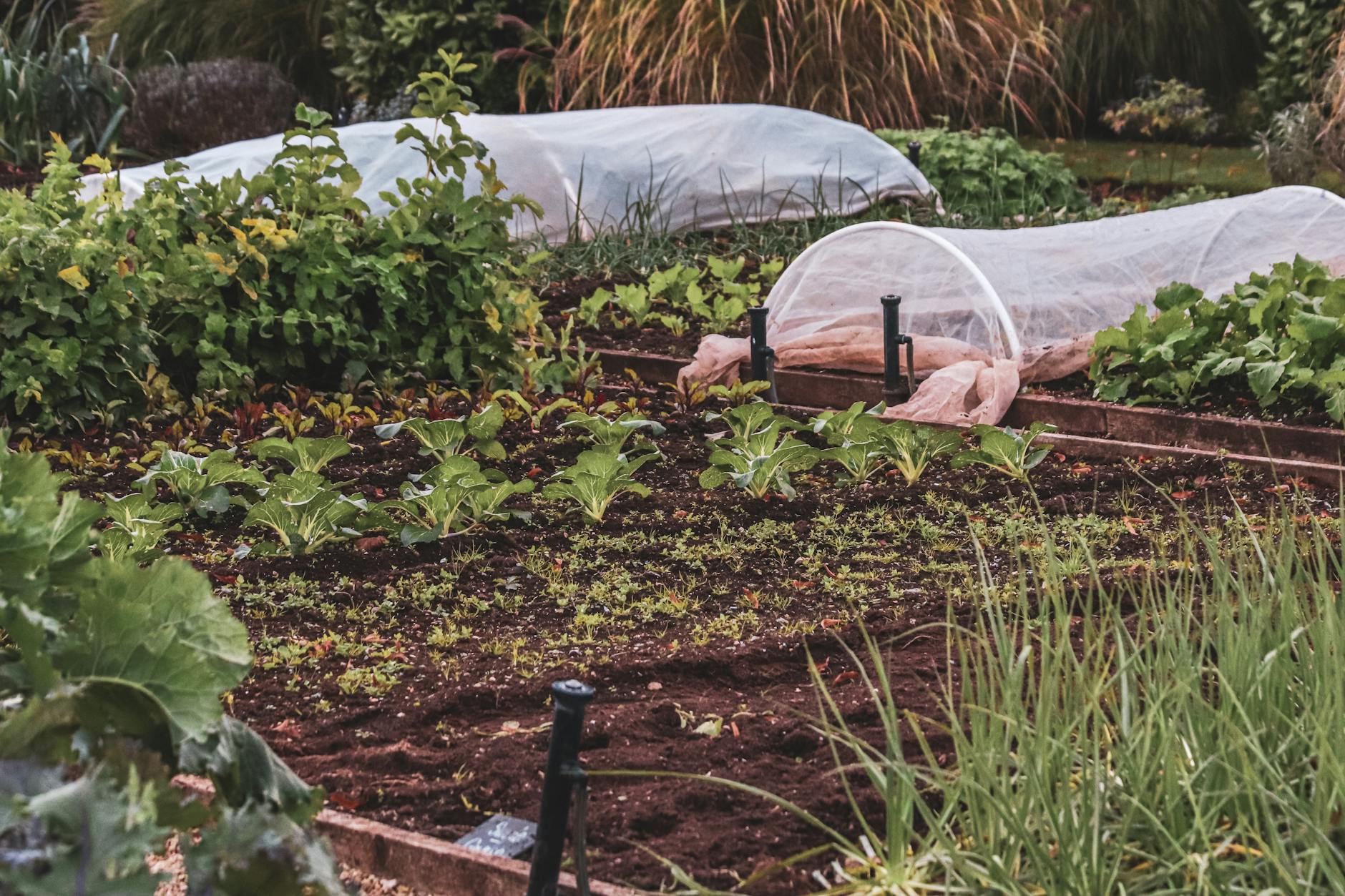
One of my go-to quick fixes for early season crops is a simple cloche. I've used everything from old plastic bottles cut in half (for individual seedlings) to purpose-built clear plastic tunnels for rows of early carrots like 'Shiraz' or young lettuce. These create a mini-greenhouse effect but also offer crucial protection from chilling winds, allowing plants to establish themselves without being battered.
For larger areas or when a particularly blustery day is forecast, horticultural fleece is an absolute lifesaver. I keep rolls of this stuff handy. Drape it over hoops or directly over your vulnerable plants (like newly transplanted sweetcorn or young brassicas), securing the edges with stones or pegs. It's permeable enough to let light and water through, but creates a wonderfully calm microclimate. Last spring, a sudden cold, windy snap threatened my newly planted 'Early Purple Sprouting' broccoli, but a quick fleece cover saw them through without a hitch.
For taller plants, robust staking and tying are non-negotiable. I use strong hazel poles for my runner beans and often double-stake my outdoor 'Sungold' tomato plants, tying them in loosely but securely with soft twine. Don't just stake the main stem; consider providing support for heavy fruit trusses too. I learned this when a strong gust snapped a branch laden with nearly ripe 'Cherokee Purple' tomatoes outside my greenhouse (a painful memory!).
Finally, don't underestimate the power of everyday items. A simple cardboard collar around the base of a newly planted squash or cucumber seedling can offer just enough protection from ground-level drafts and provide a bit of warmth. Even planting a temporary row of sacrificial, fast-growing plants like mustard greens or leafy salads on the windward side of more delicate crops can act as a quick, edible buffer. These quick fixes allow me to be flexible and responsive to whatever our unpredictable UK climate throws at my garden, ensuring my plants have the best chance at a bumper harvest.
5. Smart Planting: Wind-Tolerant Vegetables and Companion Plants
Beyond the physical barriers, one of the smartest ways I’ve learned to tackle our infamous British winds in my 800 sq ft Midlands garden is through intelligent plant choices and companion planting. It’s all about working with nature, rather than constantly fighting it.
I've found that some plants are just naturally better equipped to handle a good gust. They tend to have stronger, more flexible stems, lower growth habits, or deep root systems that anchor them firmly. Think about the sturdy, no-nonsense types – the ones that just shrug off a blustery afternoon.
On the flip side, some of our favourite crops, like those glorious heirloom tomatoes I'm obsessed with, are total divas when it comes to wind. They need all the protection they can get! Understanding which plants fall into which category has been a game-changer for my layout and planning.
My Go-To Wind-Tolerant Crops for the UK Climate
Here in the UK, especially with our often unpredictable weather, choosing the right varieties makes a huge difference. I've experimented with countless types in my raised beds over the years, and some consistently outperform others when the wind picks up.
| Vegetable | Wind Tolerance | Notes from My UK Garden (Midlands) |
|---|---|---|
| Root Veg (Carrots, Parsnips, Potatoes, Radishes) | High | Low-growing, protected by soil. My 'Nantes' carrots and 'Sarpo Mira' potatoes thrive. |
| Kale ('Nero di Toscana', 'Red Russian') | High | Tough, flexible leaves. I grow 'Nero di Toscana' every year; it barely flinches. |
| Swiss Chard ('Bright Lights', 'Rhubarb Chard') | High | Similar to kale, very resilient. 'Bright Lights' adds a splash of colour even on grey days. |
| Spinach | Medium-High | Low growing, but very strong gusts can shred younger leaves. Choose hardy varieties. |
| Garlic & Onions | High | Stiff, upright leaves, very stable. Essential in my UK garden. |
| Herbs (Rosemary, Thyme, Oregano, Sage) | High | Many are naturally robust and low-growing. My established rosemary bush is a fortress! |
| Bush Beans ('Provider', 'French Bean Safari') | Medium | Sturdier than climbing beans, but still appreciate some shelter from direct gales. |
| Cabbage & Broccoli (e.g., 'Caledonian', 'Purple Sprouting') | Medium | Sturdy stems, but large leaves can catch wind. Staking can help, especially for sprouts. |
| Lettuce (Loose-leaf) | Low-Medium | Can get easily torn and desiccated. Best in a sheltered spot or behind a living windbreak. |
| Climbing Beans & Peas | Low | Require strong support and protection. I learned this the hard way with a collapsed pea trellis! |
| Tomatoes (especially heirlooms like 'Cherokee Purple') | Very Low | Extremely vulnerable to stem snapping and fruit damage. My greenhouse is their sanctuary. |
| Sweetcorn | Medium | Tall, but surprisingly robust once established. Can act as a windbreak for smaller plants. |
Companion Planting for Living Windbreaks
This is where the real magic happens. Instead of just putting up a fence, why not grow a fence? I love using taller, sturdier plants as a natural shield for more delicate neighbours. It’s like giving your vulnerable plants a big, leafy bodyguard.
In my raised beds, I'll often plant a row of something like sweetcorn or even sunflowers on the prevailing wind side. They grow tall and strong, breaking the wind's force before it hits my more fragile crops, like lettuce, basil, or even bush beans. Last summer, I successfully shielded a patch of 'Buttercrunch' lettuce with a line of 'Swift' sweetcorn, and they absolutely loved the dappled shade and reduced wind stress.
Another trick I use is planting those wind-tolerant herbs – think rosemary or sage – around the edges of a bed containing more tender leafy greens. They’re low, dense, and provide a fantastic buffer. It’s all about observing how the wind moves through your specific garden space and arranging your plant community to thrive.
6. Mastering Microclimates: Arranging Your Garden for Natural Shelter
Understanding and manipulating the microclimates in your garden is like unlocking a secret level in gardening. Here in the UK Midlands, with our often-changeable weather, it’s not just about what plants you choose, but where you put them. My 800 sq ft backyard, packed with raised beds and that precious greenhouse, is a testament to making every square foot count when it comes to shelter.
A microclimate is essentially a small area within your garden that has slightly different environmental conditions (temperature, humidity, light, and crucially, wind exposure) than the general area. These differences are often created by existing structures or planting.
Identifying Your Garden’s Sheltered Spots
Before I started strategically placing things, I spent time just observing my garden. Where does the wind typically come from? Where does it swirl? What existing structures offer natural protection?
- Your House: The lee side of your house (the side opposite the prevailing wind) is often a fantastic, naturally sheltered spot. I’ve got a small herb bed right up against the south-facing wall of my house, and it's always warmer and calmer there.
- Sheds & Fences: My shed, while not massive, provides a decent windbreak for a couple of raised beds behind it. Similarly, a solid fence can create a lovely still pocket. Just remember the "wind shadow" effect – too close can create turbulence. I aim for about 2-3 times the height of the barrier for the best protection.
- Established Hedges & Shrubs: These are gold for wind protection. My neighbour's established Leylandii hedge, though not ideal for light, does a superb job of breaking up the wind before it hits my main growing area. If you’re planting your own, choose native, dense shrubs like hawthorn or blackthorn for a resilient, wildlife-friendly barrier.
Strategic Placement of Raised Beds and Containers
This is where I truly get to play architect in my garden. With my raised beds, I'm constantly thinking about how to arrange them to maximise shelter.
- Tallest to the Windward Side: Just like with companion planting, I place my taller, sturdier raised beds or crops on the side where the wind usually hits first. This means my potato beds or the ones with staked brassicas often act as the first line of defence.
- Using the Greenhouse: My greenhouse isn't just for heirloom tomatoes; its solid structure creates a fantastic sheltered zone on its lee side. I often place my more delicate containerised plants, like chillies or tender herbs, right there. It’s incredible the difference a bit of borrowed shelter makes.
- Tiered Planting: Within a single raised bed, I’ll plant taller crops (like those sweetcorn or sunflowers we talked about) at the back or on the wind-facing side, gradually stepping down to smaller, more vulnerable plants at the front or in the more sheltered areas. It’s like building a little terraced haven for your plants.
- Containers are Flexible: This is where my former IT brain kicks in for maximum efficiency! If a sudden gale is forecast, I can quickly move smaller containers of basil, peppers, or young seedlings into the most sheltered spots – tucked behind the shed, next to the house, or even inside the greenhouse for a night. This flexibility is invaluable in our unpredictable British climate.
I've found that by moving even a single raised bed a few feet, or by strategically placing a row of sturdy plants, I can completely change the wind dynamics in that specific area. It's an ongoing experiment, but the rewards in healthier, happier plants are immense.

7. Harvesting Success: Embracing Wind Protection for Bumper Yields
If there’s one thing my five-plus years of intense UK gardening have taught me – from battling slugs to outsmarting our notoriously fickle British weather – it’s that a little preparation goes a long way. And when it comes to wind, that preparation isn't just about preventing disaster; it’s about actively nurturing your garden towards its full, abundant potential.
I remember my first year, fresh out of IT and full of naive enthusiasm. I planted everything with wild abandon, only to watch my promising bean plants get shredded by a late spring gale and my aspiring tomato plants snap at the stem. It was disheartening, to say the least. But those failures were crucial lessons. They taught me to observe, to adapt, and to respect the power of our climate here in the Midlands.
What I've learned, and what I hope I've conveyed throughout this article, is that protecting your vegetable garden from relentless wind isn't a one-and-done job. It's an ongoing, creative process of observation, experimentation, and strategic intervention.
We've talked about understanding the 'why' behind wind damage, from stunted growth to broken stems. We've explored the satisfying craft of building your own sturdy DIY windbreaks – whether it’s a living willow fence or a cleverly designed pallet screen. We've looked at quick, temporary fixes for those sudden blustery days, using everything from horticultural fleece to old nets. And today, we’ve dived into the nuanced art of smart planting, choosing wind-tolerant varieties, and using companion plants as living shields, all while mastering the microclimates within your very own patch.
My journey from staring at computer screens to digging my hands into the rich UK soil has been one of constant discovery. The satisfaction I get from seeing a healthy, wind-protected tomato plant laden with 'Gardener's Delight' or 'Sungold' fruits (even if they are in the greenhouse!) is immeasurable. Knowing that I’ve given those plants the best possible chance to thrive, despite whatever the British weather throws at them, is what truly fuels my passion.
Embracing wind protection isn't just about stopping damage; it's about unlocking the full potential of your garden. It’s about creating an environment where your plants aren't just surviving, but thriving. It’s about more vibrant leaves, stronger stems, and ultimately, those bumper harvests that make all the effort worthwhile.
So, take a good look at your garden. Feel the wind. Observe how it moves. Then, grab your tools, get your hands dirty, and start experimenting. Try a new windbreak, plant a wind-tolerant kale, or simply re-arrange a few containers. Your plants, and your future harvests, will thank you for it.
Happy gardening, fellow UK growers! Let's keep those veggies safe and flourishing, no matter how much the wind howls.