Spring and early summer in my UK garden are pure magic, aren't they? After the long, often grey British winter, there’s nothing quite like that burst of vibrant green, the buzz of insects, and the glorious chorus of birdsong that fills the air here in the Midlands. My 800 sq ft backyard, packed with raised beds, my beloved greenhouse (currently bursting with 'Costoluto Fiorentino' and 'Black Krim' heirloom tomatoes), and my herb patches, becomes a hive of activity. It’s a time when I’m itching to get out there, tidy things up, and give my hedges and shrubs a good prune.
But over my five intensive years of gardening, I’ve learned a crucial lesson, often the hard way: that urge to prune needs to be balanced with a deep respect for the wildlife that calls our gardens home. Specifically, our feathered friends. Just as I'm thinking about shaping my lavender or giving the privet hedge a trim, a robin or a blackbird might be busy building a nest right within those very branches. As a former IT worker, I used to think gardening was all about efficiency and order. Now, it's about understanding and working with nature, not against it. What works here in Britain, especially with our unpredictable weather, often means slowing down and observing.
Protecting nesting birds during this critical time isn't just about being a good neighbour to nature; it's often a legal requirement, and it’s a vital part of creating a thriving, biodiverse garden. This guide is all about sharing what I’ve learned through trial and error in my own UK garden – the timings, the techniques, and the honest mistakes I’ve made – so you can enjoy a beautiful, tidy garden without inadvertently harming the incredible birdlife around us. Let’s dive in and make our gardens a safe haven for everyone.
Protecting Our Feathered Friends: Why Wildlife-Friendly Pruning Matters in Your UK Garden
When I first traded my keyboard for a trowel five years ago, my main focus was on getting the biggest yield from my raised beds and perfecting my greenhouse tomatoes. I was all about the plants. But as I spent more time outside, observing the intricate dance of nature in my 800 sq ft Midlands plot, I started to see the bigger picture. My garden isn't just a place for growing; it's a living ecosystem, and every creature, from the tiniest hoverfly to the boldest blackbird, plays a role.
I remember one spring, in my second year of gardening, I was enthusiastically giving my overgrown 'Golden King' holly a good haircut. I was so focused on the task, trying to get it into a neat shape, that I completely missed the subtle signs. Later that day, I saw a pair of blue tits frantically flitting around the very area I’d just pruned. My heart sank. I’d unknowingly disturbed their nascent nest site, though thankfully it wasn't yet active. That was a huge wake-up call for me. It taught me that while tidiness is satisfying, patience and observation are far more important, especially when dealing with our precious UK wildlife.
Our garden birds are invaluable. They're natural pest controllers, hoovering up slugs and aphids that might otherwise decimate my brassicas or beloved tomato plants. They bring life, sound, and colour, turning a simple outdoor space into a vibrant sanctuary. So, when we talk about pruning, it’s not just about shaping a plant; it's about being mindful of the potential homes and nurseries we might be impacting. Embracing wildlife-friendly pruning means taking a moment, stepping back, and considering the wider consequences. It's about being a responsible guardian of our patch of British nature, and in my experience, it makes gardening even more rewarding.
Understanding the UK's Critical Bird Nesting Season: When to Put Down the Pruners
This is perhaps the single most important piece of advice I can give any UK gardener: know your nesting season. In my experience here in the Midlands, the general rule of thumb for bird nesting season across the UK runs from March 1st to August 31st. That's a pretty long window, and for good reason. Our British weather can be so unpredictable, meaning some birds might start nesting earlier if we have a mild spell in February, while others might have second or even third broods extending well into August if conditions are favourable.
Last season, for example, we had a surprisingly warm March here, and I noticed the local robins getting very busy much sooner than usual around my cotoneaster hedge. Then, a cold, wet June meant some later nesters seemed to delay. So, while the March-August window is your primary guideline, always remember to observe your local conditions and the specific birds in your garden. It’s not a rigid calendar; it’s about understanding the rhythm of nature. During this period, my heavy-duty loppers and hedge trimmers largely stay in the shed when it comes to dense shrubs and hedges.
To help you navigate this, I’ve put together a little comparison table based on what I’ve learned works (and doesn't work!) in my UK garden:
| Pruning Task (Hedges & Shrubs) | Recommended Timing (Outside Nesting Season) | Risks During Nesting Season (March 1 - Aug 31) | My Personal Experience/Tips for UK Gardeners |
|---|---|---|---|
| Major Renovation/Hard Pruning (e.g., reducing hedge height/width significantly, removing large branches) | Late autumn (Sept-Nov) or Late winter (Jan-Feb), when dormant. | High risk of destroying active nests, eggs, or fledglings. Can cause distress to parent birds. | I always aim for late autumn here in the Midlands. The plant is dormant, and birds aren't nesting. It also gives the hedge time to recover before next spring. Never do this in spring! |
| Routine Shaping/Light Trimming (e.g., tidying up a hedge, light shrub shaping) | Early autumn (Sept-Oct) or Late winter (Jan-Feb). Some can be done very lightly in late summer after checking thoroughly. | High risk of disturbing active nests, especially well-hidden ones. Can expose fledglings to predators. | I've learned to resist the urge for a "spring clean" trim. I do a quick tidy in early September after the main nesting rush, but only after a very careful visual check. |
| Deadheading/Light Snips (e.g., removing spent flowers from roses or herbs, taking a few sprigs for cooking) | Can be done throughout the year, with caution. | Low risk, but still possible to disturb if a nest is very close to the area being snipped. | For smaller tasks like deadheading my lavender or picking herbs, I always do a quick scan. I've found birds rarely nest in these openly, but it's good practice. |
| Fruit Tree Pruning (e.g., apples, pears) | Winter (Nov-Feb) for dormant pruning. Summer (Jul-Aug) for formative pruning. | Risk during summer pruning if birds have nested in the tree. | My small apple tree gets its main prune in January. For summer pruning to control growth, I always check thoroughly first, but nests are usually in denser shrubs. |
The key takeaway from my years of hands-on experience in my 800 sq ft garden is this: if in doubt, don't prune. A slightly untidy hedge for a few months is a small price to pay for the safety and success of a new generation of garden birds.
The Law & Your Garden: Navigating the Wildlife & Countryside Act 1981
When I first started gardening, I was completely unaware that there were actual laws governing how I interacted with wildlife in my own backyard. I thought it was just about being a "nice" gardener. It was a local gardening group meeting here in the Midlands where someone mentioned the Wildlife & Countryside Act 1981, and it was a real eye-opener. Suddenly, my casual approach to pruning seemed incredibly naive.
The Wildlife & Countryside Act 1981 is the primary legislation protecting wild birds, their nests, and their eggs in the UK. In simple terms, it makes it an offence to:
- Intentionally kill, injure or take any wild bird.
- Intentionally take, damage, or destroy the nest of any wild bird while it is in use or being built.
- Intentionally take or destroy the egg of any wild bird.
- Disturb any wild bird listed on Schedule 1 (a list of rarer species) while it is nest building, or at a nest containing eggs or young.
What does this mean for us everyday gardeners? It means that if you knowingly or even recklessly destroy an active nest, you could be breaking the law. And by "active," it means a nest that is either being built, contains eggs, or has young birds in it. Ignorance is definitely no excuse here. This isn't just a law for developers or big landowners; it applies to every single one of us with a hedge or shrub in our UK garden.
I've learned that this act isn't there to make our lives difficult, but to ensure the survival of our precious bird populations, many of which are already facing significant challenges. It's a powerful reminder that our gardens are part of a larger natural landscape. Understanding this law has fundamentally changed how I approach pruning and garden maintenance. It reinforces the ethical responsibility I feel as a gardener – to protect and nurture the life that thrives in my space. It really makes you pause and think before just diving in with the hedge trimmer.
Look Before You Clip: How to Spot Active Nests in Hedges & Shrubs (Without Disturbing Them)
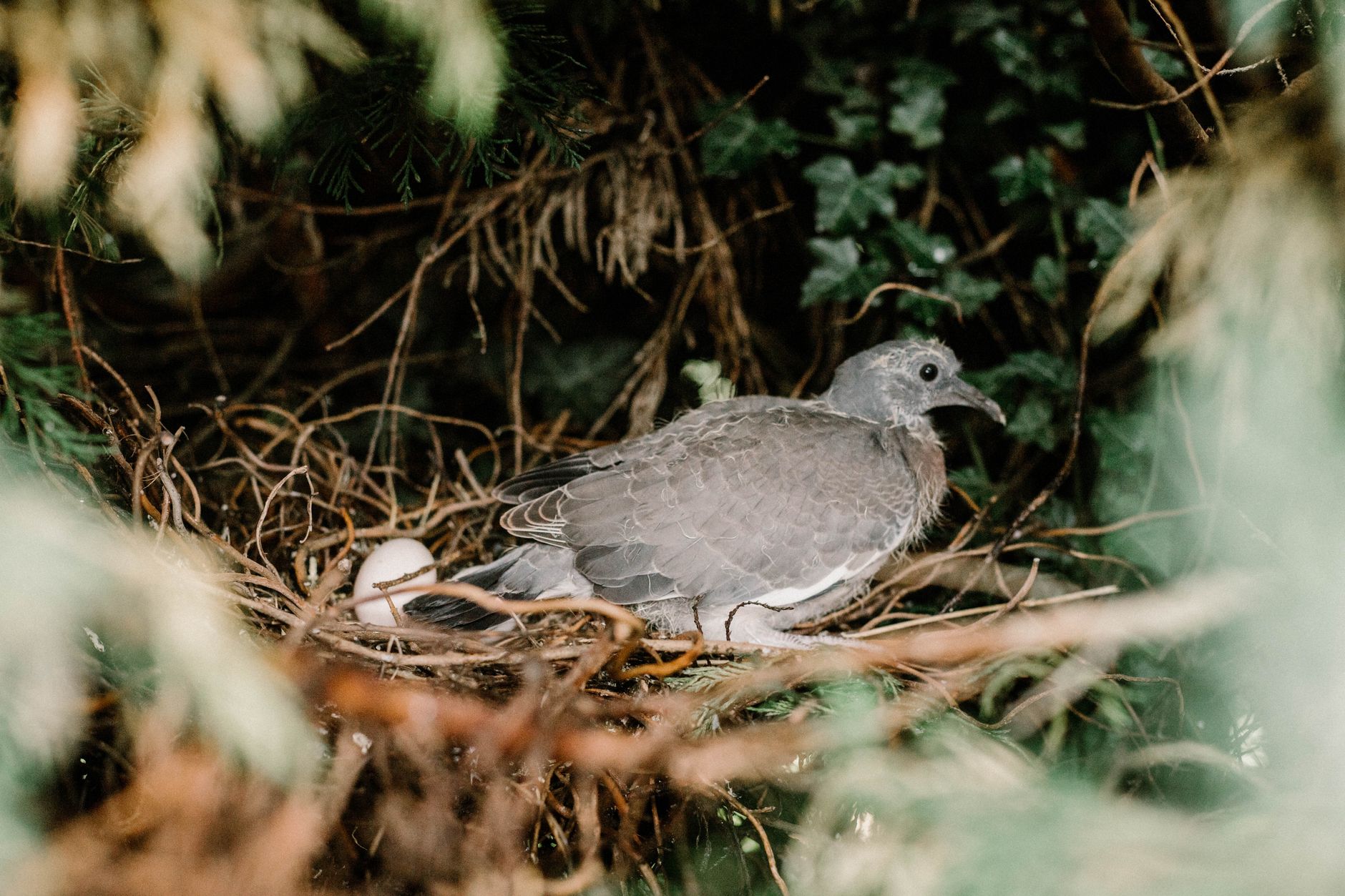
Okay, so we know when not to prune, and we know why it's so important (legally and ethically). But the big question in my 800 sq ft garden, especially with my dense privet and holly hedges, is how do you actually find these cleverly hidden nests without causing any disturbance? This is where patience, observation, and a bit of detective work come into play. I remember my first year, I almost pruned a hedge without checking, and it was only a tiny movement that caught my eye just in time.
Birds are masters of camouflage, and their nests are often incredibly well-concealed deep within the densest parts of hedges and shrubs. You’re looking for something that’s designed to be hard to spot! Here's my tried and tested approach, honed over years of watching birds here in the Midlands:
Observe Bird Behaviour: This is your number one clue. Before even thinking about picking up your pruners, spend 10-15 minutes just watching the hedge or shrub. Are birds repeatedly flying into a specific spot and then disappearing for a while? Are they carrying nesting material (twigs, moss, even bits of fluff)? Are they flying out with food in their beaks? Are they making alarm calls if you get too close? These are all strong indicators of an active nest. I've found this to be the most reliable method for spotting activity.
Listen for the Sounds of Life: Sometimes you can hear them before you see them. Listen for the distinct chirping or cheeping of young birds, especially when a parent bird arrives with food. This sound is unmistakable once you've heard it a few times.
Gentle Visual Scan from a Distance: If you suspect activity, do a very slow, gentle visual scan. Stand a few feet back and let your eyes slowly move over the hedge. Look for any unusual bulges or clusters of material that don't look like part of the plant. Crucially, do not poke, prod, or reach into the hedge. The goal is to spot it without disturbing it. If you see a nest, do not touch it or try to look inside. Your presence alone could alert predators.
The "Slow and Steady" Approach: If you absolutely must do some light, non-essential tidying outside the main nesting period, always work slowly, section by section. As you snip, pause, listen, and look. If you uncover a nest that looks like it's been used (even if empty now), make a mental note of that spot for next year. Birds often return to the same general area.
Specific Hedges to Watch: In my experience, denser, thorny hedges like hawthorn, blackthorn, and even my sturdy privet are prime real estate for nesting birds like sparrows, robins, and dunnocks. Also, evergreen shrubs like yew or dense conifers are popular choices.
Remember, the moment you spot an active nest, that area is off-limits for pruning until the birds have clearly left. This usually means no activity for at least a week or two, and certainly no young birds present. It's amazing how quickly they fledge, but until they're truly gone, those pruners stay down. It’s a small act of patience that yields huge rewards for our garden's biodiversity.

Urgent Pruning? Wildlife-Friendly Alternatives & How to Postpone Safely
Okay, so we've talked about putting the pruners down, but let's be honest, sometimes life (or nature) throws a curveball. What if you have a genuinely urgent situation? A storm-damaged branch threatening your greenhouse roof, or a rogue bramble that's suddenly decided to block your path to the compost bin? I've been there. One blustery spring here in the Midlands, a particularly fierce gust of wind snapped a branch from my old Elderberry, leaving it precariously dangling right over my 'Sungold' tomato bed in the greenhouse. My heart sank. My first instinct was to grab the loppers, but then I remembered my own advice.
Instead of cutting, I carefully assessed the situation. The branch wasn't actively falling, but it was a hazard. I managed to gently tie it back to a sturdier part of the main stem using some soft garden twine, just enough to secure it and prevent further damage without disturbing any potential nesting spots. I then marked it clearly with a bright ribbon as a 'no-go' zone. It stayed like that until late autumn, long after any little fledglings would have left their nests. It wasn't pretty, but it was safe and wildlife-friendly. This taught me a valuable lesson: often, a temporary fix is all you need until the coast is clear.
So, if you find yourself in a bind during nesting season, here are some wildlife-friendly alternatives and ways I've learned to safely postpone that urgent prune in my UK garden:
| Approach | Description & Randy's Experience | Pros (UK Garden Context) | Cons (UK Garden Context) |
|---|---|---|---|
| Temporary Tying/Propping | My go-to for precarious branches. Use soft twine, old tights, or fabric strips to gently secure branches away from hazards or paths. For heavier branches, a sturdy prop can offer support. I once propped up an overgrown Forsythia branch for weeks. | Immediately mitigates danger without cutting; minimal disturbance to potential nests; buys you time. | Might look a bit untidy; requires regular checking for slippage, especially with our British rain; not suitable for truly broken/splintered branches. |
| Minor Deadheading/Pinching | If it's a small issue like a faded flower head or a tiny shoot growing in the wrong direction, a gentle pinch or snip with secateurs (after a thorough nest check!) can sometimes suffice. This is generally low risk. | Maintains plant aesthetics/health minimally; less impactful than major pruning. | Still requires diligence to avoid nests; only for very minor, non-structural issues. |
| Redirecting Growth | Sometimes, an unruly branch can be gently trained or tied to grow in a different direction. This is particularly useful for climbers or flexible shrubs. I've done this with my climbing roses to prevent them from growing into the path during summer. | Encourages desired growth habits; avoids cutting altogether; great for long-term plant training. | Requires early intervention and flexible branches; not suitable for stiff, woody growth; may not solve immediate hazard issues. |
| Creating a Temporary Diversion | If a branch is blocking a path but isn't dangerous, can you temporarily reroute foot traffic? A simple sign or a few strategically placed pots can work wonders. I've used this to protect a particularly dense section of my hedge for a whole season. | Completely avoids disturbance; no cutting required; educates visitors about wildlife. | May not be feasible in all small spaces; requires clear communication; doesn't address structural plant issues. |
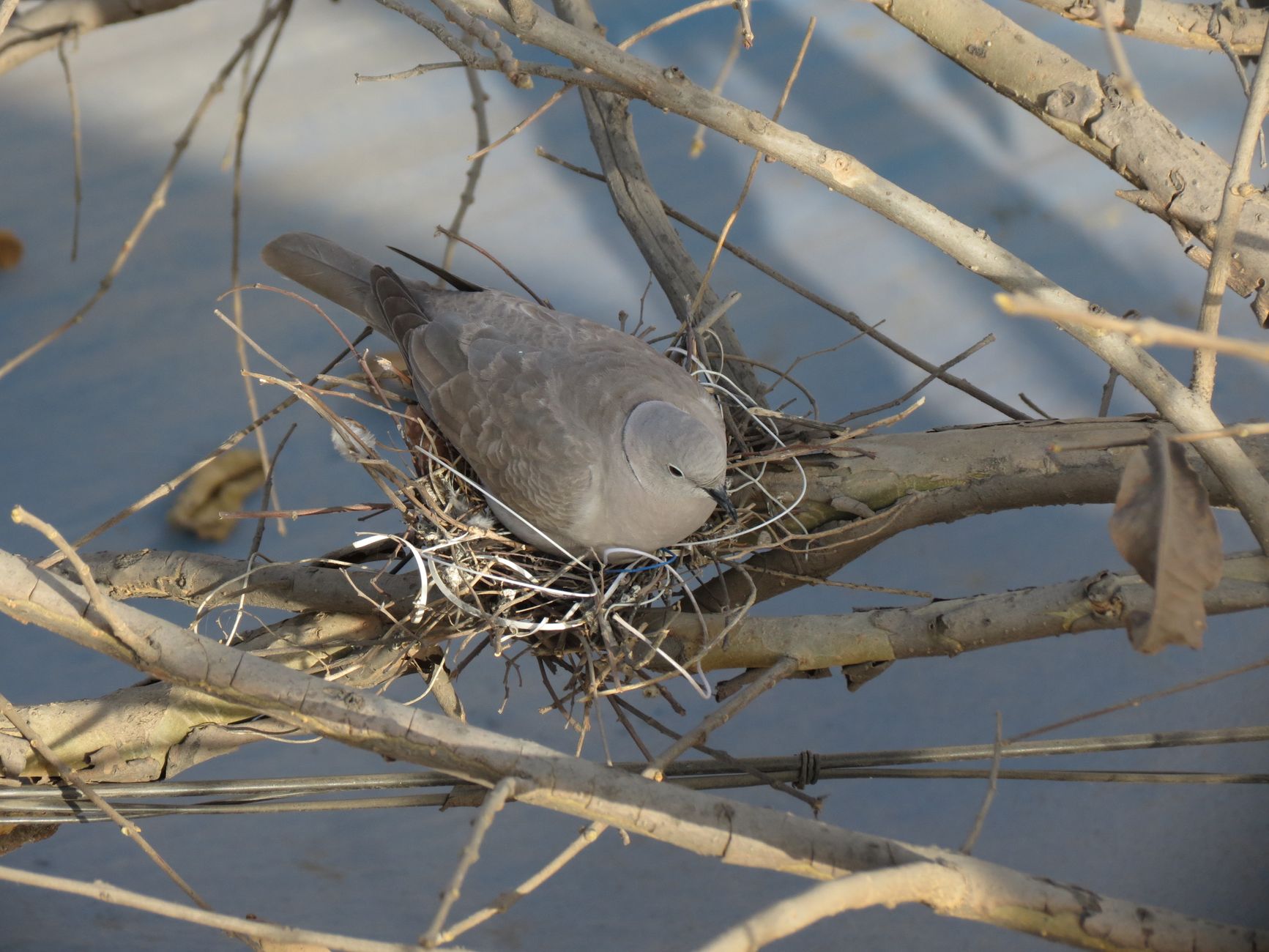
| Postpone Until Autumn/Winter | The ultimate wildlife-friendly solution. Secure the branch as best you can and make a note in your gardening diary to tackle it properly outside nesting season. Patience is key in my 800 sq ft Midlands garden. | Guarantees no disturbance to nesting birds; allows you to follow optimal pruning times for plant health. | Requires managing the temporary fix for several months; the hazard might persist if the temporary fix fails. |
Your Year-Round Pruning Planner: Optimal Times for Common UK Hedges & Shrubs
Knowing when not to prune is half the battle; knowing when to prune is the other half! Over my five years of intensive gardening here in the UK, I've developed a pretty solid pruning calendar for my own garden. This isn't just about protecting birds; it's also about ensuring the health and vigour of your plants. Pruning at the wrong time can weaken a plant, reduce flowering, or even kill it, especially with our sometimes harsh British weather.
I've learned that timing is everything. For instance, pruning my Hydrangeas too early means sacrificing those gorgeous late summer blooms, while pruning my Pyracantha in spring means I miss out on its fantastic autumn berries, which are a lifeline for birds in winter.
Here's a guide to optimal pruning times for some common hedges and shrubs you'll find in many UK gardens, based on my experience and what works best here in the Midlands:
| Hedge/Shrub | Optimal Pruning Time (UK) |
|---|---|
| :--- | :--- |
| Hedges & Shrubs |
|---|