Introduction: Why Your Young Fruit Trees Need Organic Trunk Protection
When I first started transforming my 800 sq ft backyard here in the UK Midlands into the thriving garden it is today, fruit trees were always high on my list. There’s something incredibly rewarding about picking an apple or a plum from a tree you’ve nurtured yourself, especially when you’re used to growing greenhouse tomatoes and herbs. But I quickly learned that getting those young fruit trees established and healthy, particularly in our unpredictable British climate, takes a bit more thought than just digging a hole and planting them. One of the biggest lessons I’ve learned over my five years of intensive gardening experience is just how vulnerable those young trunks are.
I remember my first couple of 'Discovery' apple trees, planted with such hope. I put them in, watered them, and largely left them to it, thinking nature would take its course. Big mistake! Before long, I noticed tell-tale signs: strange holes in the bark, areas of gnawing near the base, and even some scorched-looking patches after a surprisingly sunny spell in late spring. It was a disheartening sight, and I realised I’d overlooked a crucial step in their care. Our young fruit trees, still developing their protective bark and root systems, are like defenceless toddlers in the garden – they need a bit of extra shielding.
That’s why protecting their trunks, especially organically, has become a non-negotiable part of my fruit tree routine. Whether it's the insidious work of borers, the relentless gnawing of hungry rodents, or the sometimes-harsh realities of sunscald even here in the UK, these threats can seriously set back, or even kill, a young tree. I’ve experimented with various methods in my own garden, from simple wraps to more robust barriers, always with an eye on sustainable, organic practices. What works here in Britain, with our specific pests and often damp, sometimes glaring conditions, might be different from elsewhere. So, let me share what I’ve learned about keeping those precious young trunks safe and sound, ensuring your future harvests are abundant.
Understanding the Threats: Borers, Rodents, and Sunscald Explained
Before we dive into solutions, it’s really important to understand what we're protecting against. In my UK garden, I’ve encountered all three of these threats, and each one requires a slightly different approach. Knowing the enemy, as they say, makes all the difference.
Borers: The Silent, Gnawing Enemy
Borers are probably the most frustrating threat because their damage often goes unnoticed until it's quite advanced. These are the larvae of various beetles and moths that tunnel into the trunk and branches of trees. Here in the UK, we can deal with species like the leopard moth borer or various clearwing moths, whose larvae chew their way through the cambium layer – the vital tissue just beneath the bark that transports water and nutrients.
I learned this the hard way with a young 'Victoria' plum tree. It looked healthy one day, then started showing signs of stress – wilting leaves, stunted growth – and upon closer inspection, I saw small holes in the trunk, often with sawdust-like frass (insect excrement) emerging. It's a horrible feeling when you realise what's happening. Borers weaken the tree, make it susceptible to disease, and can girdle it entirely if they tunnel all the way around. Prevention is absolutely key because once they're inside, they're incredibly difficult to deal with organically.
Rodents: The Winter Vandals
Rodents, oh, the rodents! Here in the Midlands, especially during a harsh winter or when natural food sources are scarce, voles, mice, and even rabbits (though less common in my walled garden, they're a huge issue for many UK gardeners) can cause devastating damage. They're not after the fruit; they're after the bark.
I've had my fair share of skirmishes. One particularly cold winter, I went out to check on my young 'Conference' pear tree, only to find a ring of bark completely chewed off at the base, just above the soil line. It was classic vole damage. They love to tunnel under snow or leaf litter and then gnaw away at the tender bark, girdling the tree. If they chew all the way around, it severs the tree's vascular system, leading to its demise. This is why vigilance, especially from late autumn through early spring, is so important in our British climate.
Sunscald: The Unsung UK Threat
Now, you might think "sunscald" isn't a huge worry in the UK, given our reputation for grey skies. But you'd be wrong! While we don't often get weeks of scorching sun, we do get periods of bright, low-angle winter sun followed by freezing nights. This is the perfect recipe for sunscald.
What happens is that on a clear, cold winter's day, the sun warms the dark bark on the south-west side of the tree. This warming stimulates cell activity. Then, when the sun sets and temperatures plummet, those active cells freeze rapidly, causing them to rupture and die. The damage often appears as sunken, discoloured, or cracked bark, sometimes leading to cankers or entry points for disease and pests like borers. I've seen it on my young 'Bramley's Seedling' apple tree after a particularly crisp February. It's subtle but can be really damaging to the trunk’s health.
Here’s a quick overview of these three common threats:
| Threat Category | Primary Damage | Season of Concern (UK) | Key Signs to Look For | Randy's UK Garden Experience |
|---|---|---|---|---|
| Borers | Tunneling into bark/cambium | Spring through Autumn | Small holes in bark, sawdust-like frass, wilting foliage, stunted growth | Found frass on my 'Victoria' plum; caused branch dieback. |
| Rodents | Gnawing bark at base of trunk | Late Autumn to Early Spring | Clean-cut gnawing marks, often encircling the trunk; girdling | Voles girdled a young 'Conference' pear during a cold winter. |
| Sunscald | Bark cracking, discolouration, tissue death | Winter (especially sunny, cold days) | Sunken, discoloured, or cracked bark on south/south-west side of trunk | Observed bark damage on 'Bramley's Seedling' after crisp February sun. |
Physical Wraps and Sleeves: Your First Line of Organic Defence
Once you understand the threats, the next step is to put up a robust defence. For me, the first and often easiest line of organic defence for young fruit tree trunks involves physical wraps and sleeves. I've experimented with several types in my UK garden, each with its pros and cons, especially considering our damp climate and sometimes strong winds.
Tree Wraps: Burlap, Paper, and Plastic
These are generally temporary solutions, best for protecting against sunscald and providing a minor deterrent against some pests.
- Burlap Wraps: I've used strips of natural burlap, wrapped spirally from the ground up to the first branches. It's breathable, which is great for preventing moisture build-up, and offers good sunscald protection. However, in our Midlands dampness, it can stay wet for a long time, sometimes harbouring earwigs or other critters, and it's not much of a deterrent for determined rodents. I usually apply it in late autumn and remove it in spring.
- Paper Tree Wraps: Similar to burlap, these are often corrugated paper. They're cheap and easy to apply. I've used them for sunscald on newly planted trees. The downside is they often don't hold up well to our British rain and wind, tearing easily. They also offer minimal protection against gnawing.
- Plastic Tree Guards (Spiral or Tube): These are quite common. The spiral ones are easy to put on, and the solid tubes offer good protection against strimmers (a common hazard in my garden!) and some rodents. However, I've found they can create a humid microclimate around the trunk, which can encourage fungal issues or hide pests. I'm always wary of leaving them on too long, especially during warmer, wetter spells in the UK. I make sure to remove them periodically for inspection and airflow.
Hardware Cloth / Wire Mesh Sleeves: The Rodent Nemesis
This is my go-to for serious rodent protection. If you have voles, mice, or rabbits (outside my garden, but I know many UK growers contend with them), a sturdy wire mesh sleeve is invaluable.
I build these myself from hardware cloth – a galvanised steel mesh, usually 1/4 inch or 1/2 inch gauge. I cut a piece that's wide enough to form a cylinder around the trunk, leaving a few inches of space for growth, and tall enough to extend at least 18 inches (around 45cm) above the soil line. Critically, I then bury the bottom 2-3 inches (5-8cm) into the soil. This prevents voles from burrowing underneath.
This method has saved several of my young trees, including my 'Egremont Russet' apple, from being girdled. It’s durable, allows for excellent airflow, and lasts for years. The only real downside is the initial effort of cutting and shaping the wire, and it can look a bit industrial, but for organic protection, it's hard to beat.
Here’s a comparison of these physical protection methods:
| Method Type | Pros (UK Context) | Cons (UK Context) | Best For (Threats) | Randy's UK Garden Notes |
|---|---|---|---|---|
| Burlap Wraps | Breathable, good sunscald protection, biodegradable | Low rodent protection, can stay damp, less durable in wind | Sunscald, minor temperature fluctuations | Use seasonally (Oct-Apr), check for dampness and hidden pests. |
| Paper Tree Wraps | Inexpensive, easy to apply, good initial sunscald | Tears easily in UK rain/wind, poor rodent protection | Sunscald | Very temporary; often needs replacing after heavy rain. |
| Plastic Spiral Guards | Easy to apply, protects from strimmers, some rodents | Can create humid conditions, hides pests, less airflow | Sunscald, minor rodent gnawing, strimmer damage | Remove periodically for inspection, don't leave on all year. |
| Hardware Cloth Sleeves | Excellent rodent protection, durable, great airflow | More effort to install, can look less aesthetic | Rodents (voles, mice, rabbits) | My top choice for serious rodent issues; bury base 5-8cm. |
Beyond Wraps: Organic Barriers and Trunk Treatments for UK Gardens
While wraps and sleeves are fantastic, especially for immediate physical protection, there are other organic strategies I employ in my UK garden to bolster my young fruit trees' defences. These often involve more permanent barriers or cultural practices that make the environment less appealing to pests.
Permanent Hardware Cloth Cages
For my most precious young trees, especially those in areas prone to heavier rodent activity, I sometimes go a step further than just a sleeve. I'll create a full, permanent cage around the trunk using hardware cloth. This isn't just a wrap; it's a cylinder with a wider diameter, maybe 12-18 inches (30-45cm) across, providing more space for the tree to grow without being constricted.
I anchor these cages firmly into the ground, burying the bottom edge deeply (around 6 inches / 15cm) and securing them with sturdy stakes. The height extends well above potential snow lines and rabbit reach, typically 2-3 feet (60-90cm). This allows for easy inspection, good airflow, and gives the tree plenty of room to expand its girth over several years. It's a bit more of an investment in time and material, but for a young 'Conference' pear that I want to last decades, it's worth it. It's also great for deterring larger pests that might try to rub against the trunk.
Organic Trunk Paint / Whitewash
This might sound a bit old-fashioned, but painting the trunk of young fruit trees is a brilliant, organic way to prevent sunscald, especially for those sunny-cold winter days we get here in the UK. The principle is simple: a light-coloured coating reflects sunlight, preventing the bark from warming up too much during the day and thus reducing the risk of rapid freezing at night.
I make my own whitewash using a simple mixture of white latex paint (specifically formulated for trees or a breathable, water-based interior paint) diluted 1:1 with water. Some gardeners also use a lime-based wash. I apply this to the south and west-facing sides of the trunk, from the soil line up to the first scaffold branches. It needs to be reapplied annually, usually in late autumn. It's completely organic and works wonders. I've seen a noticeable difference in bark health on my 'Greensleeves' apple tree since I started doing this.
Cultural Practices: The Foundation of Organic Protection
Beyond physical barriers, good organic gardening practices are the bedrock of tree protection. A healthy, unstressed tree is always more resilient to pests and diseases.
- Weed and Grass Control: Keeping the area immediately around the tree trunk free of weeds and grass is crucial. This not only reduces competition for water and nutrients but, more importantly, eliminates cover for voles and mice. They love to tunnel and hide in dense vegetation. I maintain a clear, mulched circle of at least 2-3 feet (60-90cm) around all my young fruit trees.
- Proper Pruning: Good air circulation through the canopy and around the trunk helps prevent fungal issues and makes it harder for some pests to establish. I make sure to prune for an open structure, especially removing any suckers or watersprouts that might crowd the trunk.
- Soil Health and Watering: A consistently healthy tree, grown in good, living soil, is better able to fend off borers and recover from minor damage. I ensure my trees get adequate water during dry spells (yes, even in the UK, we get them!) and enrich the soil with homemade compost annually. This reduces overall stress on the tree, making it a less attractive target for opportunistic pests.
By combining these organic strategies – from physical barriers like hardware cloth cages that I’ve meticulously installed in my Midlands garden, to the simple act of whitewashing trunks and maintaining impeccable cultural practices – I’ve found I can give my young fruit trees the very best start. It’s a bit of work upfront, but the reward of healthy, productive trees for years to come is absolutely worth it.
Cultural Practices for Robust Trunk Health: Minimising Stress Organically
While wraps and physical barriers are fantastic, I've learned over my five years in this intensive UK garden that the best defence is a healthy tree. A strong, unstressed tree is far less susceptible to borers and bounces back quicker from minor damage. Think of it as building up your tree's natural immune system! Here in the Midlands, with our often-unpredictable weather, robust health is absolutely critical.
The Foundation: Proper Planting and Soil Care
One of the biggest lessons I learned early on, after losing a young plum tree, was the importance of proper planting depth. I'd planted it a bit too deep, thinking it would offer more stability. Big mistake! The root flare – that part where the trunk widens at the base – needs to be visible at or just above soil level. If it's buried, it can lead to rot and stress, making the tree a flashing neon sign for borers. Now, when I plant anything, fruit trees especially, I spend ages making sure that root flare is proud of the soil line. It's a small detail, but it makes a huge difference to long-term health.
Good soil is, of course, the bedrock of everything in my 800 sq ft garden. I focus on building up organic matter with plenty of homemade compost and well-rotted manure around my fruit trees. This improves drainage – crucial in our often-wet British climate – and provides a slow release of nutrients. Healthy soil microbes help the tree access nutrients more efficiently, strengthening its cell walls and making it less appealing to pests. I usually top-dress my fruit trees with about 5-10cm of compost every spring.
Watering Wisdom: Consistency is Key
We often think of UK summers as being mild and wet, but I've certainly experienced my share of dry spells here in the Midlands. Young fruit trees, especially in their first few years, need consistent moisture to establish a strong root system. Irregular watering, going from bone-dry to waterlogged, is a massive stressor.
I aim for deep, infrequent watering rather than shallow, frequent sprinkles. This encourages roots to grow deeper, making the tree more resilient to future droughts. During a dry spell last summer, I made sure to give my young 'Discovery' apple tree about 10 litres of water twice a week, checking the soil moisture with my finger first. It's about feeling the soil, not just setting a timer.
Pruning for Health, Not Just Harvest
Proper pruning isn't just about shaping the tree or maximising fruit yield; it's vital for trunk health. Incorrect pruning can leave large, open wounds that are an invitation to borers and diseases. I've certainly made my share of bad cuts when I first started – tearing bark or leaving stubs. Now, I always use sharp, clean tools and make precise cuts, angling them so water runs off.
I also avoid pruning during periods of high pest activity (often late spring/early summer for borers) if possible, to give the wounds time to heal before pests are most active. For my apples and pears, I generally stick to winter pruning when the trees are dormant, and for plums and cherries, it's summer pruning to avoid silver leaf disease, which thrives in wet winter conditions.
Weed Control: Giving Your Trees Room to Breathe
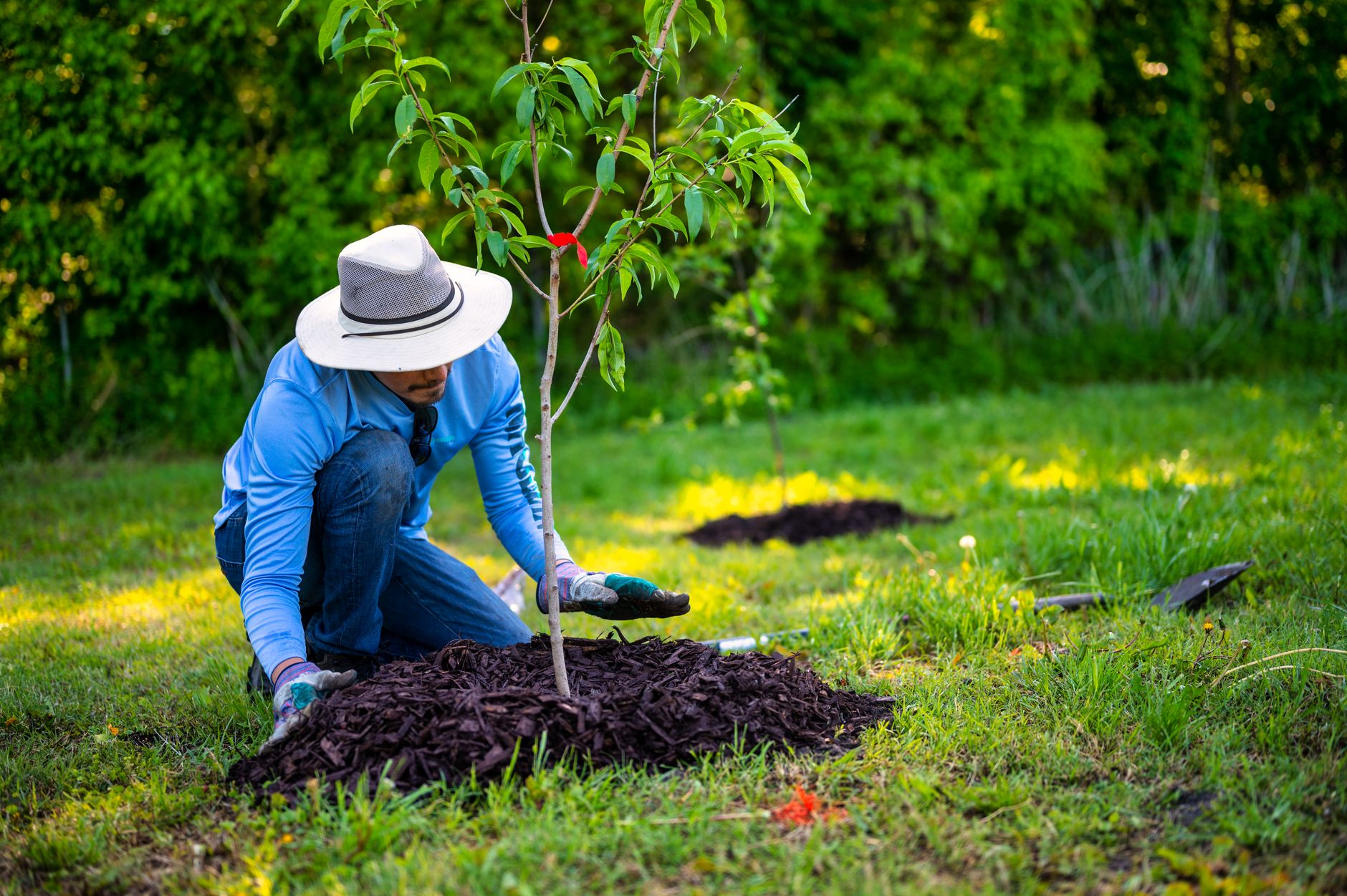
Finally, don't underestimate the power of a weed-free zone around your young fruit tree trunks. Weeds compete for water and nutrients, stressing the tree. They also create a hiding place for rodents and insects, including some borers. I maintain a 60cm diameter weed-free circle around the base of my trees, either by hand-weeding or applying a thick layer of wood chip mulch (being careful to keep it away from the trunk itself to prevent collar rot). It's a simple task, but it really helps the tree put all its energy into growing strong and healthy.
Integrating Protection: A Year-Round Strategy for UK Fruit Trees
Protecting your young fruit trees isn't a one-and-done job; it's a continuous, year-round commitment, especially with our wonderfully varied British weather. What works here in the Midlands one season might need adjusting the next! I've found that having a seasonal checklist really helps me stay on top of things in my bustling 800 sq ft garden.
Spring: Waking Up to Vigilance
As the sap starts to rise and buds swell, my focus shifts to initial inspection and preventative measures.
- Inspect Wraps: Check any wraps or sleeves applied in autumn/winter. Are they still snug? Have they been damaged by winter storms or curious wildlife?
- Remove Winter Wraps (Carefully!): If you've used thicker winter wraps for frost or severe rodent protection, consider removing them once the risk of hard frosts has passed. This allows the bark to breathe and you to inspect the trunk thoroughly. One mistake I made was leaving a wrap on too long, and it created a damp, mouldy environment. Now, I'm diligent about removing them in April/May.
- Borer Patrol: This is a crucial time. Look for any signs of borer activity – sawdust-like frass, small holes, or sap oozing. If you find any, act immediately using the methods we discussed earlier (wire, knife, neem oil drench).
- Mulch & Compost: Top-dress with a fresh layer of compost and mulch, keeping it away from the trunk. This will help suppress weeds and retain moisture through the coming summer.
Summer: Monitoring and Maintaining
Summer is a time of growth and potential stress – both from pests and dry spells.
- Watering: Be vigilant with watering, especially during dry periods. Young trees need consistent moisture. I check my soil moisture every few days during a heatwave.
- Pest Patrol: Keep an eye out for any new signs of borer activity or rodent damage. Summer can be prime time for pests.
- Adjust Wraps: If you're using mesh sleeves, ensure they're not constricting the growing trunk. You might need to loosen or replace them.
- Sunscald Watch: While less common than in hotter climates, a sudden shift to intense sun after a prolonged cloudy spell can still cause issues. Ensure good canopy development to shade the trunk naturally.
Autumn: Preparing for Winter's Onslaught
As the leaves turn and fall, it's time to prepare your trees for the colder months.
- Inspect and Clean: Remove any existing wraps or barriers for a thorough trunk inspection. Clean up any fallen leaves or fruit from around the base to reduce overwintering pest and disease vectors.
- Reapply Protection: This is the ideal time to apply new trunk wraps or paint for sunscald and rodent protection over winter. I often use tree guards made from recycled plastic or mesh for my younger trees, securing them firmly but allowing for trunk expansion.
- Rodent Readiness: Our British winters can make rodents desperate for food. Make sure your physical barriers are robust.
- Pruning (Plums/Cherries): If you're pruning stone fruit, finish this before the weather gets too cold and wet to minimise disease risk.
Winter: Dormancy and Defence
While the trees sleep, the threats don't always.
- Check Barriers: Heavy snow or strong winds can dislodge wraps and barriers. Give them a quick check after severe weather.
- Rodent Re-check: Voles and mice are notorious for gnawing bark under snow cover. Make sure your lower trunk protection is intact.
- Plan Ahead: Use this dormant period to plan for next year's planting, order new varieties (I'm always eyeing up new heirloom apple varieties for my tiny orchard!), and get your tools sharpened.
This integrated, seasonal approach, adapting to the whims of our British weather, is what I've found works best in my own garden. It's about being proactive and observant, rather than reactive.
Conclusion: Nurturing Your Orchard's Future with Organic Care
My journey from IT worker to full-time gardening obsessive has taught me many things, but perhaps the most enduring lesson is the power of preventative, organic care. When it comes to young fruit trees, their trunks are their lifeline, and protecting them from borers, rodents, and sunscald is absolutely paramount for their long-term health and your future harvests.
We've covered a lot, from the immediate physical defence of wraps and sleeves – whether they're purpose-made plastic guards, mesh, or even simple hessian – to the ingenious use of organic barriers like Tanglefoot or neem oil. But let's not forget the unsung heroes: good cultural practices. Proper planting, consistent watering, enriching your soil organically, and careful pruning all contribute massively to a tree's natural resilience. A healthy tree, well-cared for, is simply less appealing to pests and more capable of shrugging off minor issues.
Here in the UK, with our often-changeable climate, a year-round strategy is key. It's about being observant in spring, vigilant in summer, preparing in autumn, and protecting through winter. It's not a set-it-and-forget-it task; it's an ongoing conversation with your trees, adapting to their needs and the challenges our environment throws at them.
I know it might sound like a lot of work, especially when you're just starting out, or like me, trying to pack a mini-orchard into an 800 sq ft backyard! But believe me, the satisfaction of harvesting your first crisp 'Egremont Russet' apple, or biting into a juicy 'Victoria' plum that you've nurtured from a sapling, is immeasurable. It's a tangible connection to nature, a reward for your patience and dedication.
So, go forth, fellow UK gardeners! Embrace these organic strategies, learn from your own experiences (and mistakes, like I have!), and give your young fruit trees the very best start in life. They're an investment in your garden's future, a promise of delicious, homegrown fruit for years to come. Your future self, basking in the glory of your mini-orchard, will thank you for it. Happy growing!